
 Deutsch
 Türkçe
 Italiano

.jpg)
.jpg)
.jpg)
.jpg)
.jpg)
.jpg)
.jpg)
.jpg)
.jpg)
.jpg)

.jpg)

.jpg)
.jpg)
.jpg)
.jpg)
.jpg)
.jpg)
.jpg)
.jpg)
.jpg)
.jpg)



.jpg)
.jpg)
.jpg)
.jpg)
.jpg)
.jpg)
.jpg)
.jpg)
.jpg)



.jpg)
.jpg)

.jpg)
.jpg)
.jpg)
.jpg)


.jpg)

.png)
.jpg)
.jpg)
 (200 x 136 px) (5).png)
.png)

Electric fry tops are versatile and efficient kitchen appliances, but they can be prone to scratches during use....
-
 Cooking Appliances
add remove
Cooking Appliances
add remove -
-
Pizza & Grill
add remove
-
-
Refrigeration
add remove
-
-
Combi Steamer
add remove
-
-
Kitchen Appliances
add remove
-
-
Rinsing & Cleaning
add remove
-
-
Retail Refrigeration
add remove
-
-
Cafe & Ice Cream
add remove
-
-
Smart-Gastro
add remove
-
-
Event- & Cateringmöbel
-
Cooking Appliances
add remove
-
-
Pizza & Grill
add remove
-
-
Refrigeration
add remove
-
-
Combi Steamer
add remove
-
-
Kitchen Appliances
add remove
-
-
Rinsing & Cleaning
add remove
-
-
Retail Refrigeration
add remove
-
-
Cafe & Ice Cream
add remove
-
-
Smart-Gastro
add remove
-
-
Event- & Cateringmöbel


Call us:
+49 (0) 6135 7040 450Latest posts
-
 How to Prevent Scratches on Your Electric Fry Top During UseRead more
 -
 Are Contact Electric Plates Really That Slow? Debunking the MythsRead more
Contact electric plates, known as "piastre elettriche a contatto," are a common type of electric cooktop where the...
-
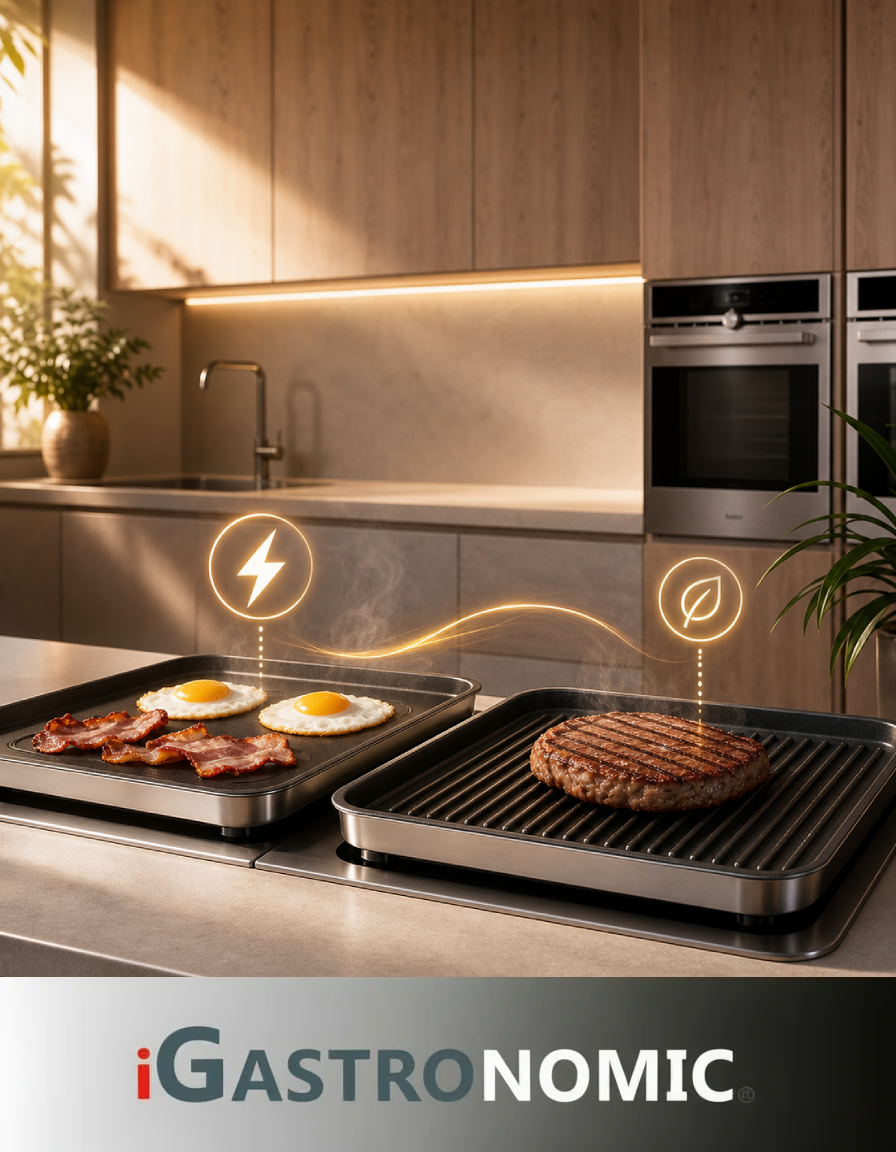 Does a Fry Top Consume a Lot of Energy? Tips to Save PowerRead more
Wondering if your fry top consumes a lot of energy? A fry top, or griddle, is a popular cooking appliance known for...
-
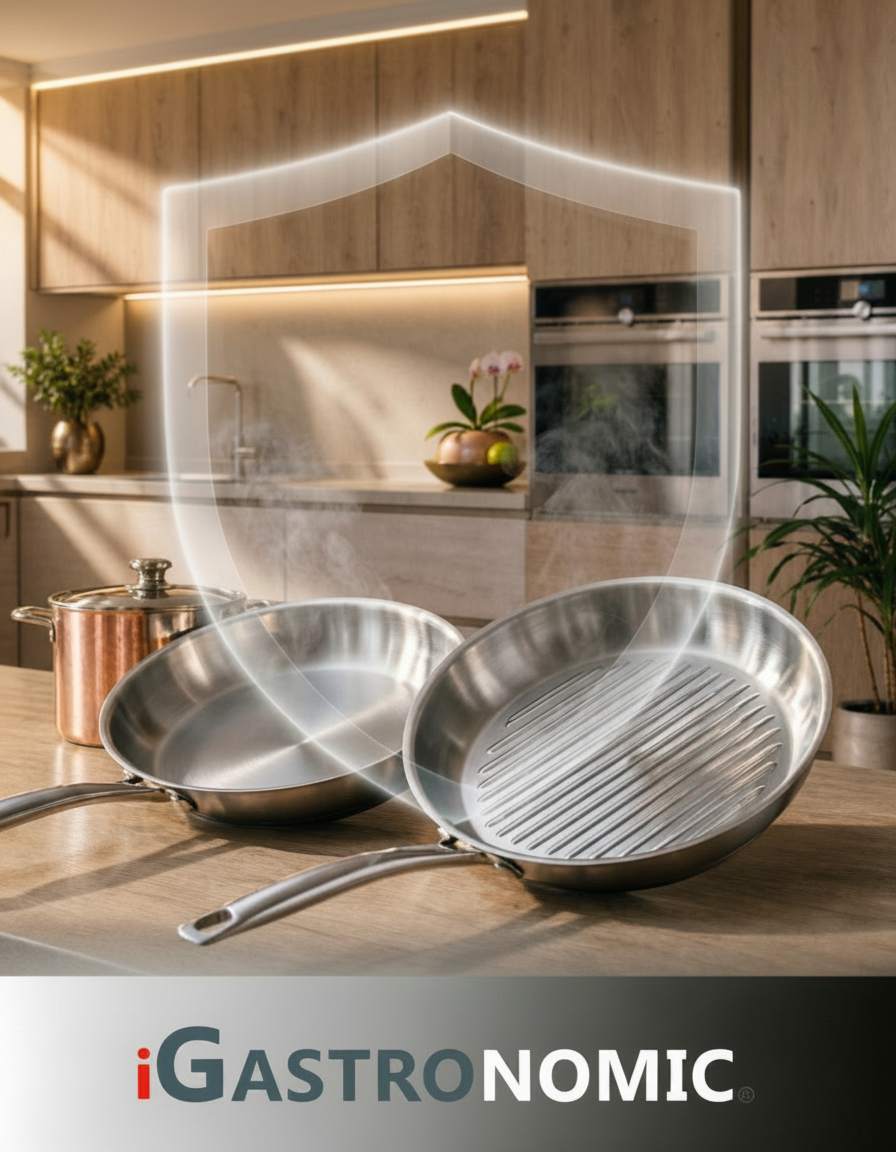 Cookware Compatible with Fry Top: Which Ones to Use?Read more
A fry top is a versatile flat cooking surface widely used in professional and home kitchens. To get the most out of...
-
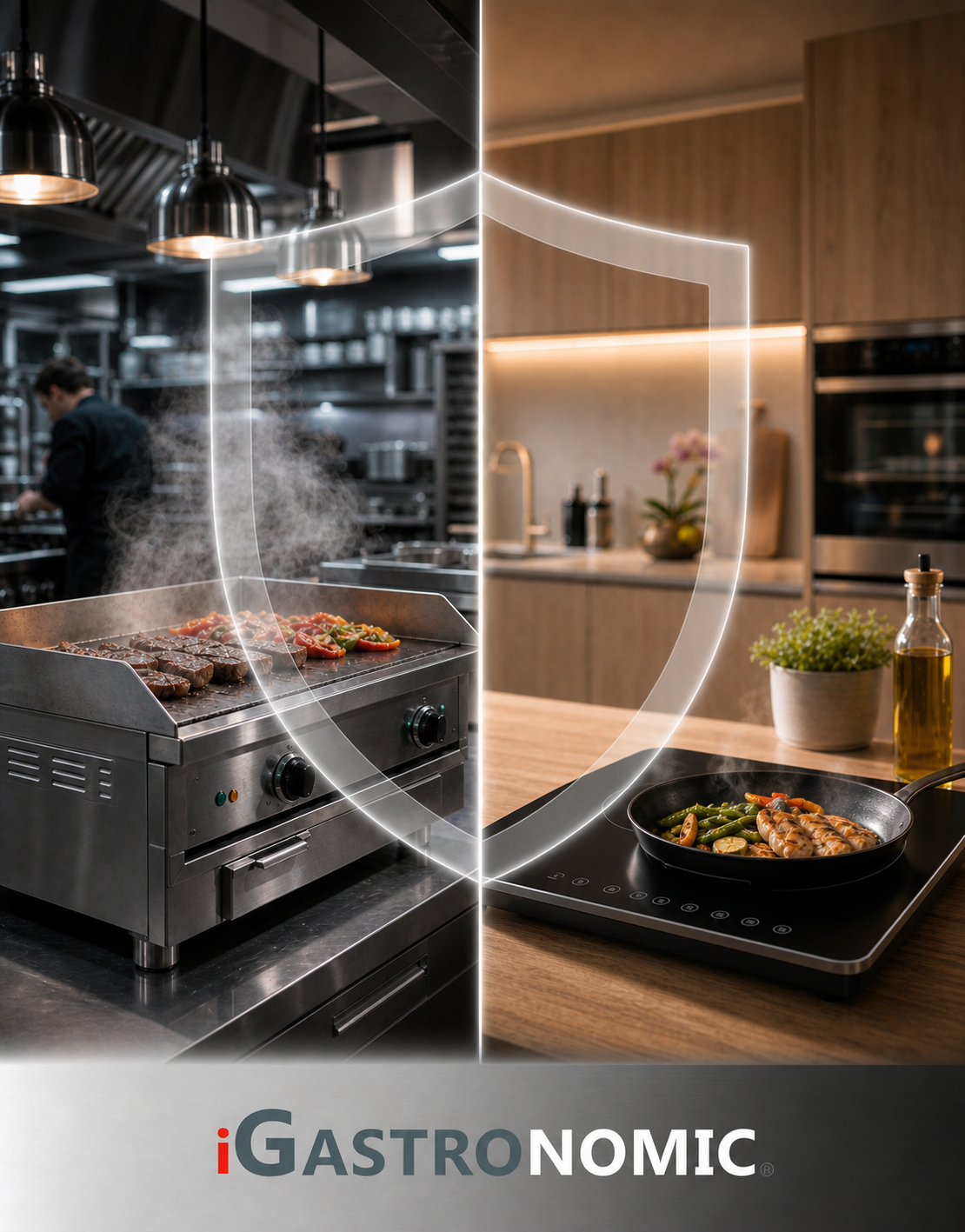 Fry Top or Induction Cooktop? Which Is the Best Choice?Read more
Choosing between a fry top and an induction cooktop can be challenging given their distinct features and advantages....
-
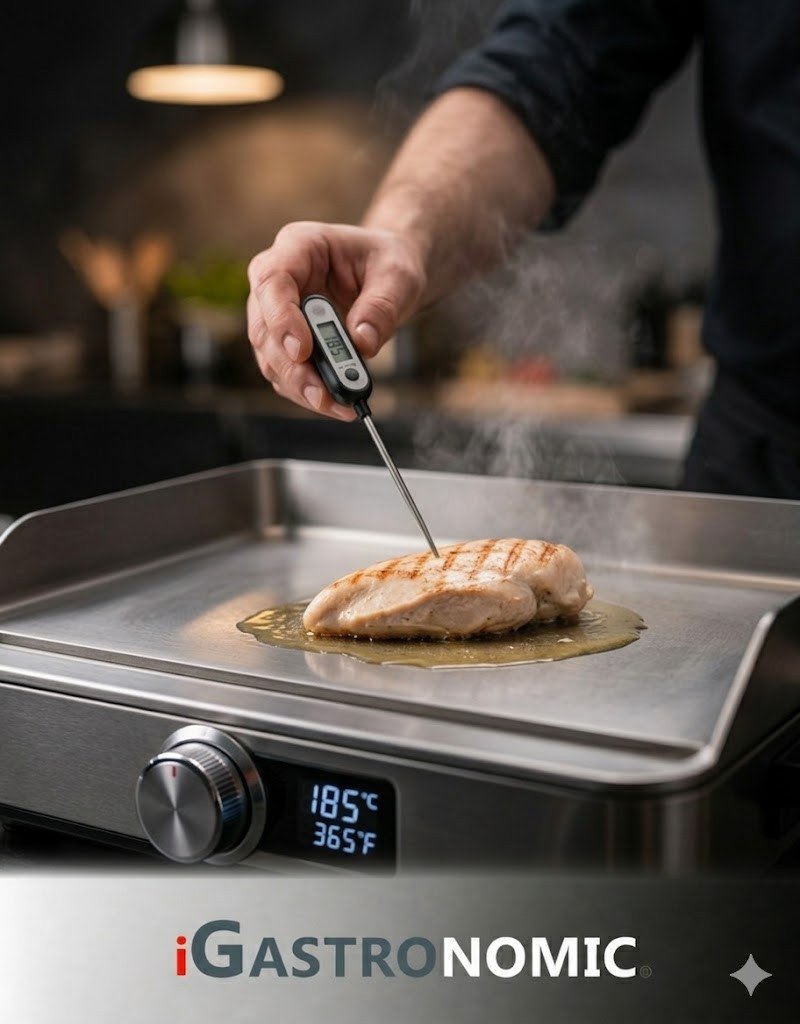 How to Achieve Precise Temperatures on an Electric Fry TopRead more
Cooking on an electric fry top can be incredibly rewarding, but achieving precise temperature control is essential...
-
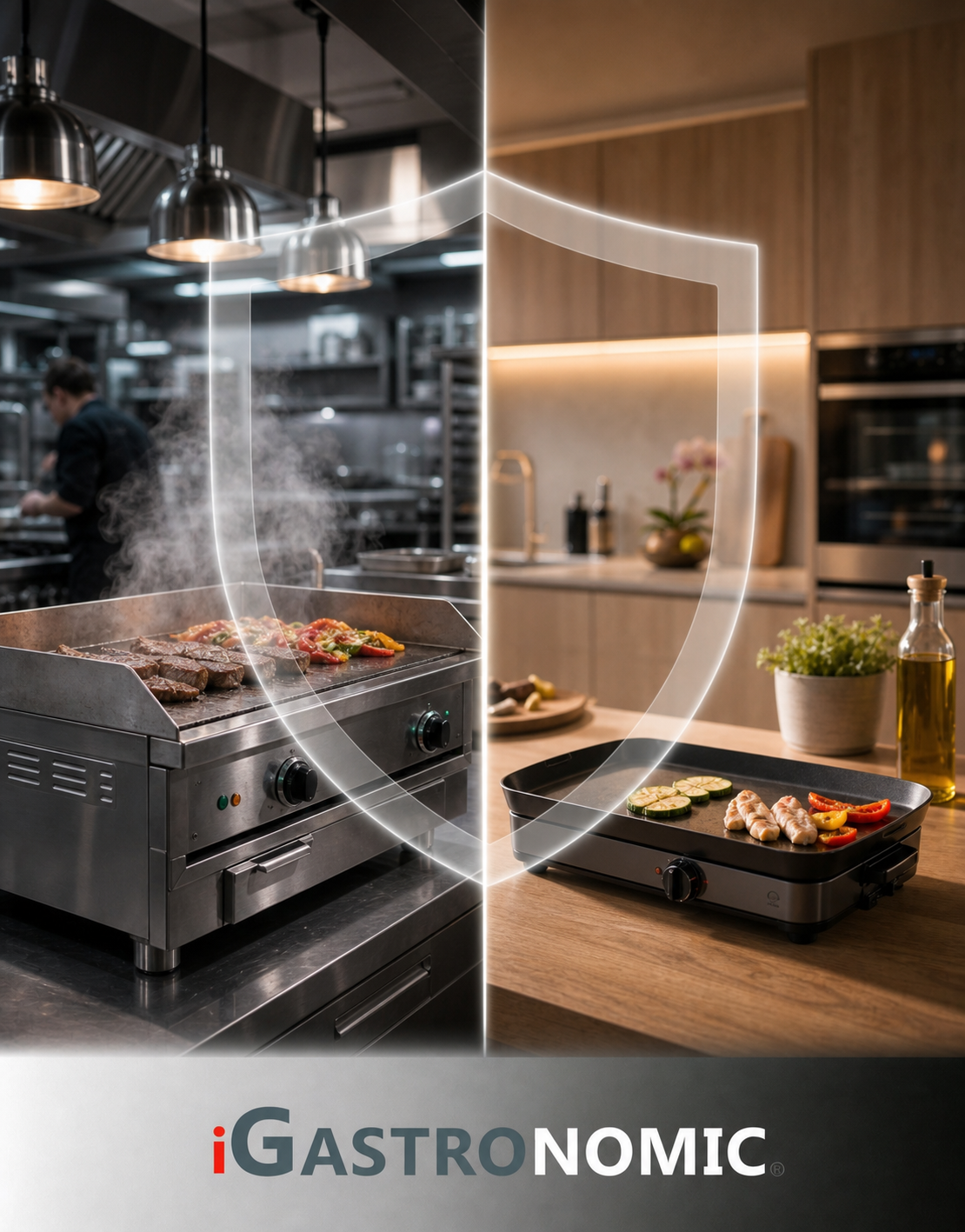 Fry Top Professionale vs Domestico: Which One Should You Buy?Read more
Fry tops are versatile cooking surfaces popular in both professional and home kitchens. When deciding between a...
-
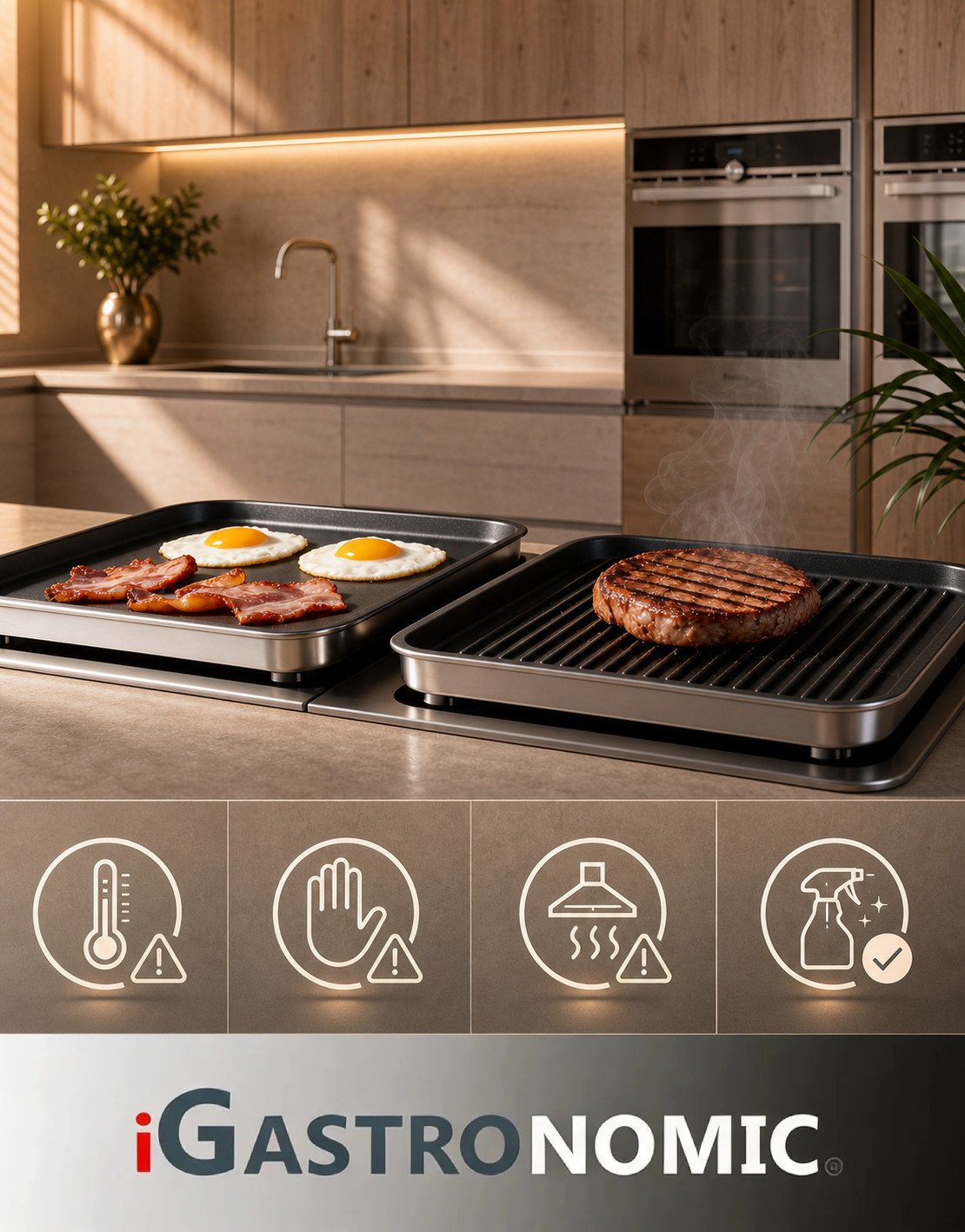 Is the Fry Top Safe to Use in the Kitchen? Risks and PrecautionsRead more
The fry top, or flat top grill, is a popular cooking appliance known for its versatility and efficiency. But is it...
-
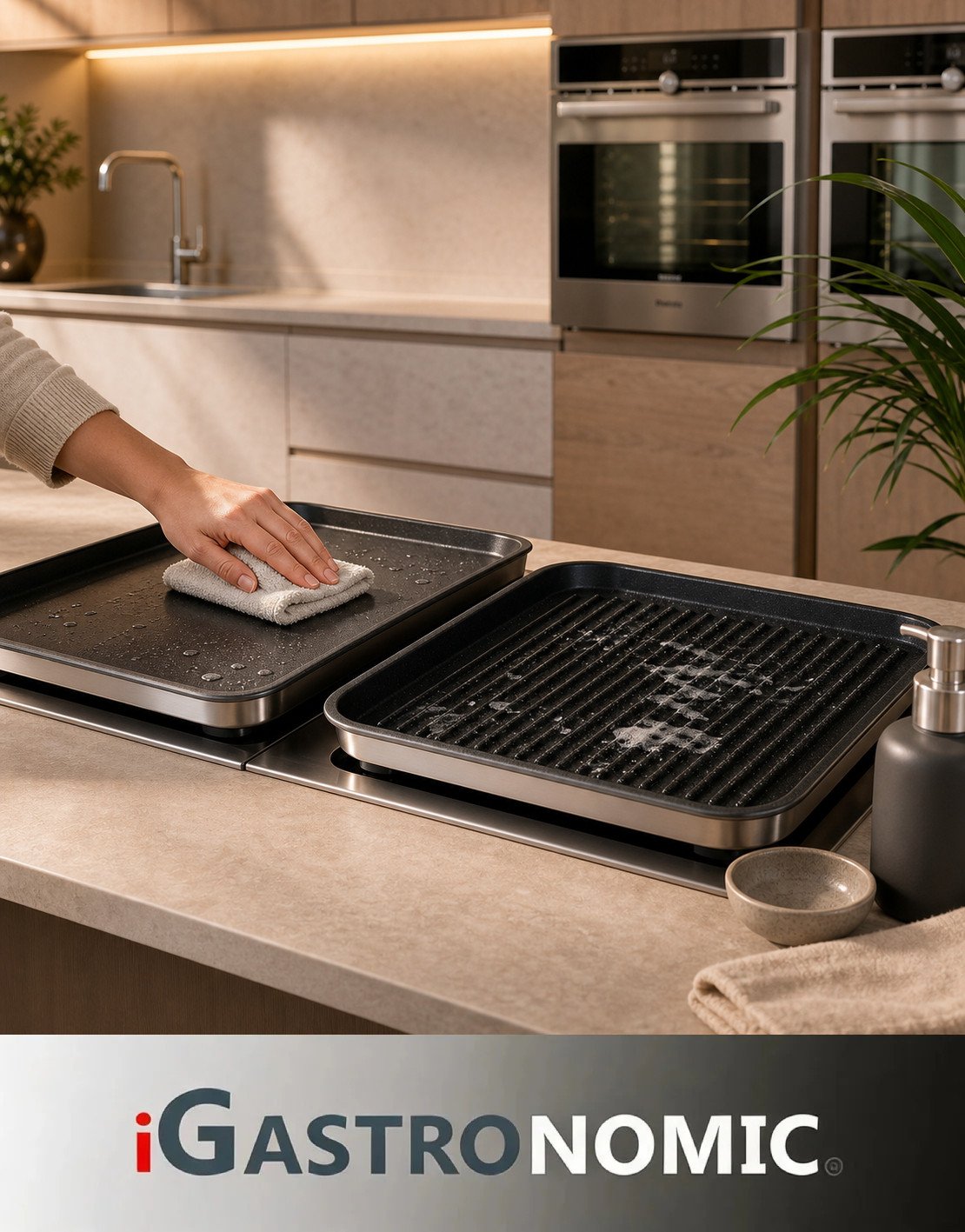 Electric Griddles: How to Clean Them Easily?Read more
Electric griddles are versatile and convenient kitchen appliances, but cleaning them can sometimes feel overwhelming....
-
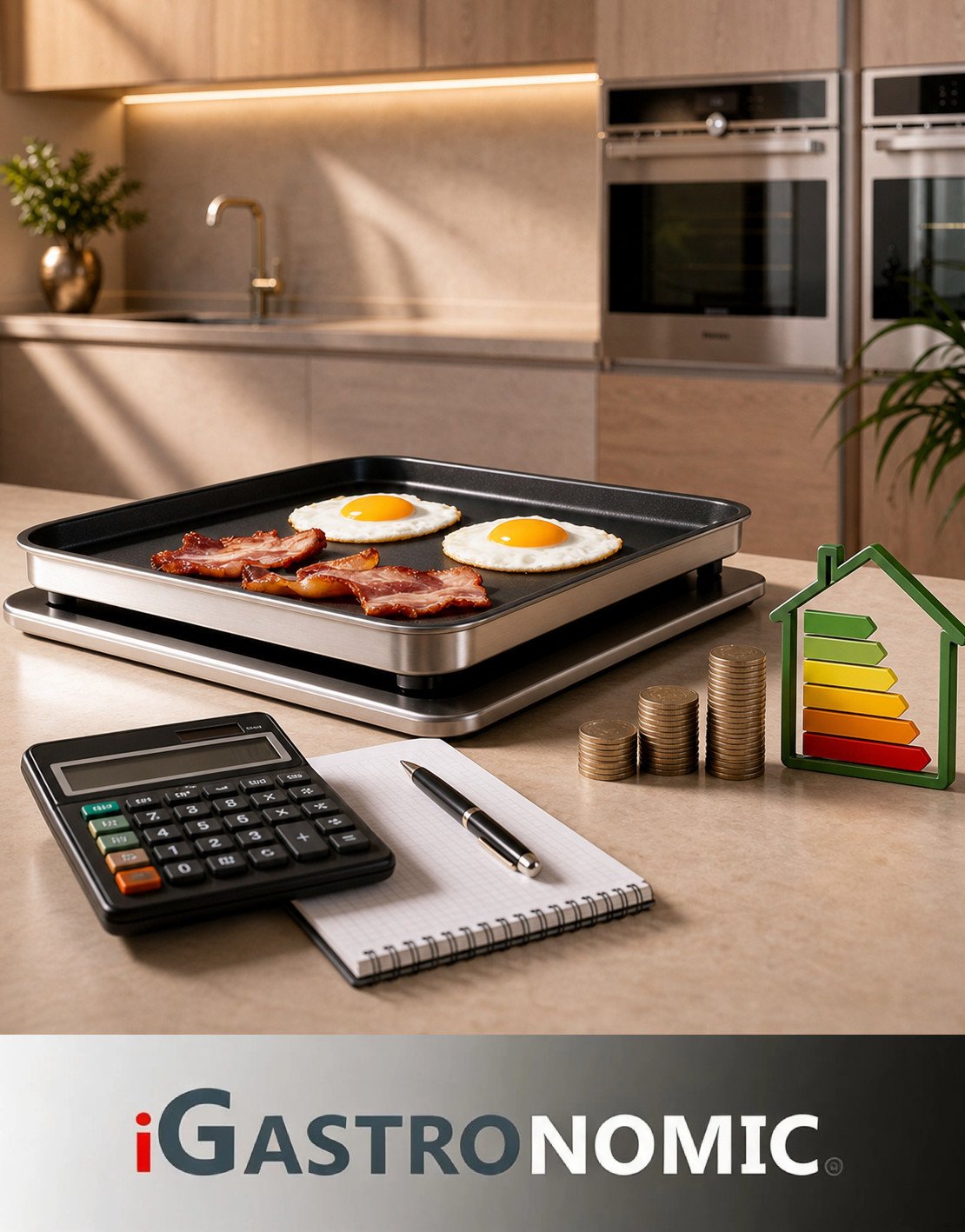 How Much Does It Cost to Operate a Fry Top? Energy Consumption and Expenses ExplainedRead more
Operating a fry top involves various costs, primarily energy consumption and maintenance expenses. Whether you use a...
Blog categories
Search in blog
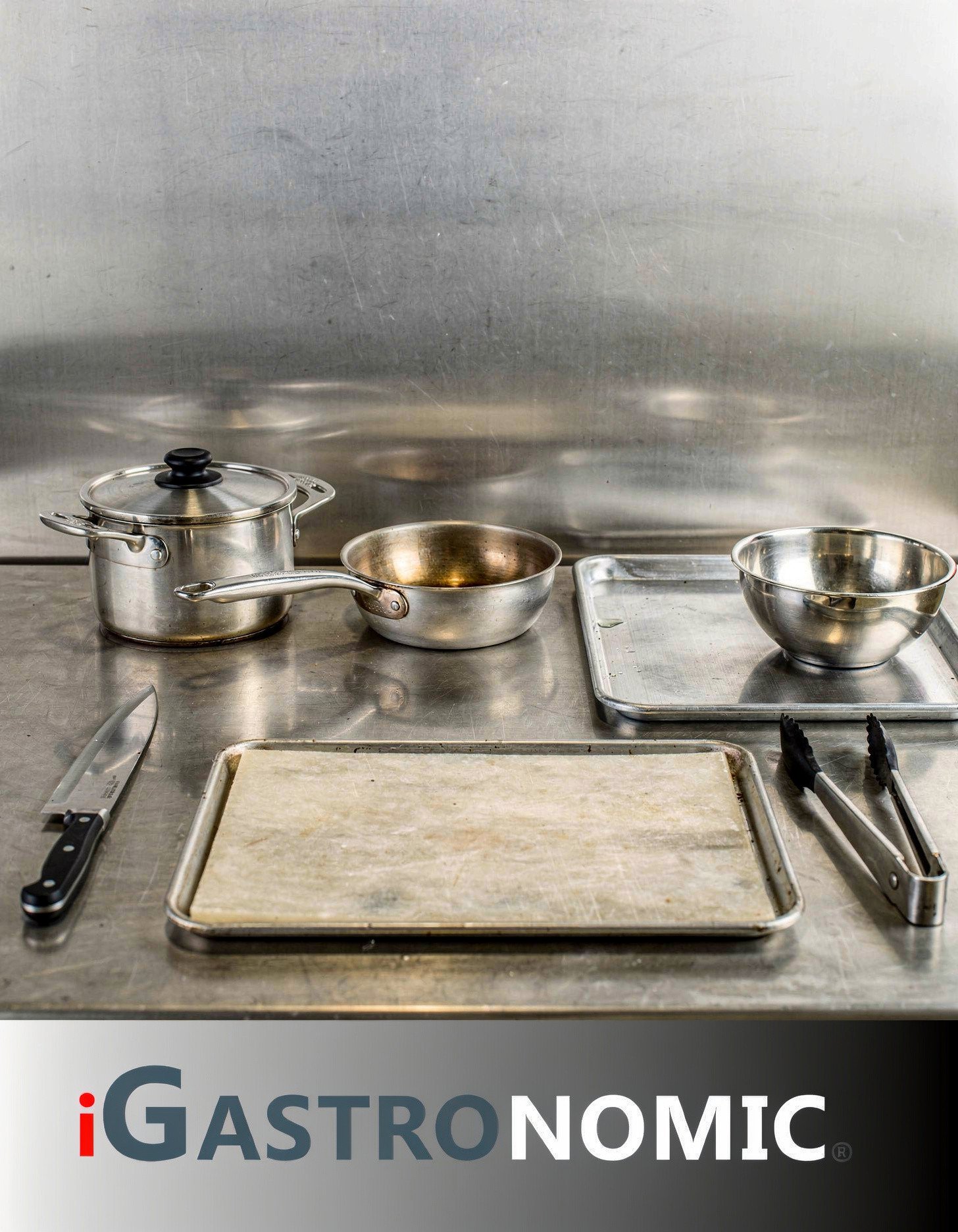
The Essential 7: What Every New Restaurant Needs in Its Kitchen
The Essential 7: What Every New Restaurant Needs in Its Kitchen
Opening a new restaurant is an exciting journey filled with passion, creativity, and a lot of hard work. One of the most critical aspects of launching a successful restaurant is having a well-equipped kitchen. The kitchen is the heart of any restaurant, and without the right tools and equipment, even the best chefs can struggle to deliver great food consistently.
Whether you’re a seasoned restaurateur or a first-time owner, understanding what your kitchen truly needs can save you time, money, and headaches down the line. In this comprehensive guide, we’ll explore the essential 7 items every new restaurant needs in its kitchen. These are the foundational tools and equipment that will help you streamline operations, maintain food quality, and create an environment where your culinary team can thrive.
1. Commercial-Grade Oven
The oven is arguably the most important piece of equipment in any restaurant kitchen. It’s where much of the cooking magic happens, from baking breads and roasting meats to finishing off casseroles and desserts.
Why a commercial-grade oven? Unlike home ovens, commercial ovens are designed to handle high volumes of food and continuous use throughout the day. They provide consistent heat distribution, faster cooking times, and durability that can withstand the rigors of a busy kitchen.
Types of commercial ovens to consider:
- Convection ovens: Use fans to circulate hot air, cooking food evenly and quickly. Great for baked goods and roasted items.
- Deck ovens: Provide radiant heat from the top and bottom, ideal for pizzas and artisan breads.
- Combination ovens (combi ovens): Offer versatility by combining convection, steam, and sometimes microwave cooking, perfect for a variety of dishes.
Investing in a reliable commercial oven ensures your kitchen can keep up with demand and maintain consistent quality.
2. Heavy-Duty Range with Burners
Alongside your oven, a sturdy range with multiple burners is indispensable. This is where you’ll sauté, boil, simmer, and fry — fundamental cooking techniques that form the backbone of many dishes.
What to look for in a commercial range:
- Number of burners: Depending on your menu and kitchen size, ranges typically come with 4, 6, or 8 burners.
- Fuel type: Gas ranges are preferred for their instant heat control, but electric ranges can be an option depending on your kitchen setup.
- Durability and ease of cleaning: Stainless steel construction and removable burner grates make maintenance easier.
A good range allows your chefs to multitask efficiently, preparing multiple dishes simultaneously without sacrificing quality.
3. Refrigeration Units
Keeping ingredients fresh and safe is non-negotiable in any restaurant kitchen. That’s why robust refrigeration is a must-have.
Types of refrigeration to consider:
- Reach-in refrigerators and freezers: These upright units provide ample storage and easy access to ingredients.
- Undercounter refrigerators: Perfect for quick access in prep areas without taking up too much space.
- Walk-in coolers/freezers: For larger operations, these provide bulk storage and help maintain ingredient quality over time.
Proper refrigeration not only preserves freshness but also helps you comply with health and safety regulations.
4. Prep Stations and Work Tables
Efficient food preparation requires ample, organized workspace. Prep stations and work tables are where ingredients are washed, chopped, mixed, and assembled.
Key features to look for:
- Stainless steel surfaces: Durable, easy to clean, and hygienic.
- Size and layout: Depending on your kitchen size, you may need multiple stations for different prep tasks.
- Additional features: Some tables come with built-in sinks, cutting boards, or refrigerated drawers for convenience.
Having designated prep areas helps reduce cross-contamination, speeds up workflow, and keeps your kitchen organized.
5. Commercial Dishwasher
Clean dishes, utensils, and cookware are essential for smooth kitchen operations and customer satisfaction. A commercial dishwasher is a game-changer in maintaining hygiene and efficiency.
Benefits of a commercial dishwasher:
- Speed: Can wash large volumes quickly, keeping up with busy service periods.
- Sanitization: High-temperature cycles ensure thorough cleaning and sterilization.
- Water and energy efficiency: Modern machines are designed to minimize resource use.
While hand washing is sometimes necessary, relying solely on it can slow down your kitchen and increase labor costs.
6. Ventilation System
A properly functioning ventilation system is crucial for maintaining air quality, removing smoke, odors, and excess heat from the kitchen.
Why ventilation matters:
- Employee comfort and safety: Reduces heat and fumes that can cause discomfort or health issues.
- Fire safety: Helps remove grease-laden vapors, reducing fire hazards.
- Compliance: Most health and fire codes require adequate ventilation.
Invest in a high-quality hood system with exhaust fans and make sure it’s regularly maintained for optimal performance.
7. Essential Smallwares and Utensils
While big equipment is vital, don’t overlook the importance of smallwares and utensils. These include knives, cutting boards, mixing bowls, pots, pans, measuring cups, and more.
Tips for stocking smallwares:
- Invest in quality knives: Sharp, durable knives improve prep speed and safety.
- Color-coded cutting boards: Prevent cross-contamination by designating boards for meats, vegetables, and allergens.
- Variety of pots and pans: Different sizes and materials for various cooking methods.
- Organized storage: Use racks, drawers, and containers to keep utensils accessible and tidy.
Having the right tools at hand makes your kitchen staff more efficient and helps maintain consistent food quality.
Putting It All Together: Planning Your Kitchen Layout
Having the essential equipment is just one piece of the puzzle. How you arrange your kitchen can significantly impact your team’s efficiency and the quality of your dishes.
Consider these layout tips:
- Workflow: Design stations in a logical sequence from receiving and storage to prep, cooking, plating, and cleaning.
- Space optimization: Ensure there’s enough room for staff to move safely without congestion.
- Accessibility: Frequently used equipment and ingredients should be within easy reach.
- Compliance: Follow local health and safety codes regarding spacing, ventilation, and sanitation.
Consulting with a kitchen designer or experienced restaurateur can help you create a layout that maximizes your kitchen’s potential.
Final Thoughts
Launching a new restaurant kitchen is a significant investment, but focusing on these essential 7 items will set you up for success. From a commercial-grade oven and heavy-duty range to refrigeration, prep stations, dishwashers, ventilation, and smallwares, each plays a vital role in creating a functional, efficient, and safe kitchen.
Remember, the best kitchen is one that supports your culinary vision while enabling your team to work smoothly and confidently. Take the time to research, invest wisely, and plan carefully — your kitchen is the foundation upon which your restaurant’s reputation will be built.
Ready to start your kitchen journey? Keep these essentials in mind, and you’ll be well on your way to serving up delicious dishes that keep customers coming back for more.
Author's Note: This guide aims to help new restaurant owners and chefs understand the critical equipment needed to build a successful kitchen. For personalized advice, always consult with kitchen design professionals and equipment suppliers.
Posted in:
Tips & Tricks
Related posts
-
 More Than Just Fast Food - All You Need to Know
System Gastronomy: Learn more about this exciting business model. From Fast Food to Casual Dining - we explain...Read more
More Than Just Fast Food - All You Need to Know
System Gastronomy: Learn more about this exciting business model. From Fast Food to Casual Dining - we explain...Read more -
 The 10 Most Expensive Restaurants in the World
When it comes to fine dining and luxurious culinary experiences, some restaurants around the globe capture attention...Read more
The 10 Most Expensive Restaurants in the World
When it comes to fine dining and luxurious culinary experiences, some restaurants around the globe capture attention...Read more -
 Which Restaurant Makes the Most Revenue? A Deep Dive into the World of Gastronomy
Who are the revenue giants in the gastronomy industry? We reveal the top players and analyze why they are so...Read more
Which Restaurant Makes the Most Revenue? A Deep Dive into the World of Gastronomy
Who are the revenue giants in the gastronomy industry? We reveal the top players and analyze why they are so...Read more -
 Boost Your Restaurant's Revenue with Pergolas and Louvered Roofs
Ever wondered how to make your restaurant more appealing and increase your sales? The answer might be simpler than...Read more
Boost Your Restaurant's Revenue with Pergolas and Louvered Roofs
Ever wondered how to make your restaurant more appealing and increase your sales? The answer might be simpler than...Read more -
 The World of Döner: From Traditional Recipes to the Best Döner Spots Worldwide
Learn how to make authentic Yaprak Döner, discover the best döner spots in Germany and worldwide, and explore the...Read more
The World of Döner: From Traditional Recipes to the Best Döner Spots Worldwide
Learn how to make authentic Yaprak Döner, discover the best döner spots in Germany and worldwide, and explore the...Read more
Leave a comment