
 Deutsch
 Türkçe
 Italiano

.jpg)
.jpg)
.jpg)
.jpg)
.jpg)
.jpg)
.jpg)
.jpg)
.jpg)
.jpg)

.jpg)

.jpg)
.jpg)
.jpg)
.jpg)
.jpg)
.jpg)
.jpg)
.jpg)
.jpg)
.jpg)



.jpg)
.jpg)
.jpg)
.jpg)
.jpg)
.jpg)
.jpg)
.jpg)
.jpg)



.jpg)
.jpg)

.jpg)
.jpg)
.jpg)
.jpg)


.jpg)

.png)
.jpg)
.jpg)
 (200 x 136 px) (5).png)
.png)

More and more restaurateurs and resourceful entrepreneurs are discovering the enormous potential of pizza vending...
-
 Cooking Appliances
add remove
Cooking Appliances
add remove -
-
Pizza & Grill
add remove
-
-
Refrigeration
add remove
-
-
Combi Steamer
add remove
-
-
Kitchen Appliances
add remove
-
-
Rinsing & Cleaning
add remove
-
-
Retail Refrigeration
add remove
-
-
Cafe & Ice Cream
add remove
-
-
Smart-Gastro
add remove
-
-
Event- & Cateringmöbel
-
Cooking Appliances
add remove
-
-
Pizza & Grill
add remove
-
-
Refrigeration
add remove
-
-
Combi Steamer
add remove
-
-
Kitchen Appliances
add remove
-
-
Rinsing & Cleaning
add remove
-
-
Retail Refrigeration
add remove
-
-
Cafe & Ice Cream
add remove
-
-
Smart-Gastro
add remove
-
-
Event- & Cateringmöbel


Call us:
+49 (0) 6135 7040 450Latest posts
-
 The Ultimate Guide: Pizza Vending Machines – Earnings, Costs & Experiences in the 24/7Read more
 -
 Döner vs. Shawarma vs. Kebab: Understanding the Terms and Differences for Your Food BusinessRead more
Are you confused about the difference between Döner, Shawarma, and Kebab? These popular meat dishes, often seen on...
-
 The 10 Best Döner Kebabs in Berlin (2026): The Ultimate Ranking Based on Real Customer ReviewsRead more
Berlin is the undisputed döner capital of the world. But with over 1,000 shops, the question arises: Which one is...
-
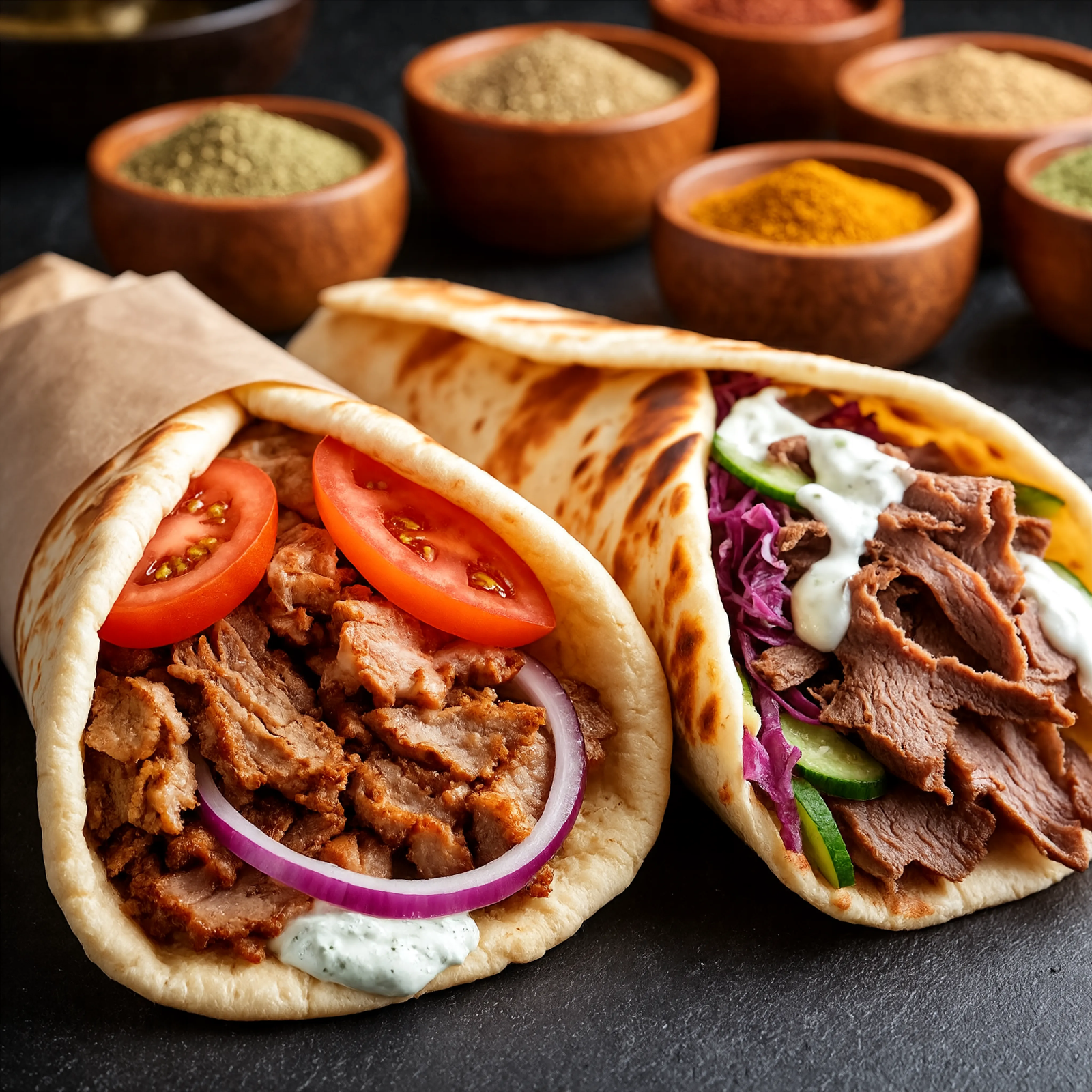 Gyros vs. Döner: Understanding the Differences in Preparation, Seasoning, and Meat Selection for Your MenuRead more
Gyros and Döner are two iconic Mediterranean dishes often confused due to their similar appearance and cooking style....
-
 Welche Temperatur braucht ein Dönergrill? Richtwerte für die Gastronomie → Optimale Garzeiten und Temperaturen für perfekte ErgebnisseRead more
Der Dönergrill ist das Herzstück jeder Döner-Gastronomie. Die richtige Temperatur am Grill entscheidet maßgeblich...
-
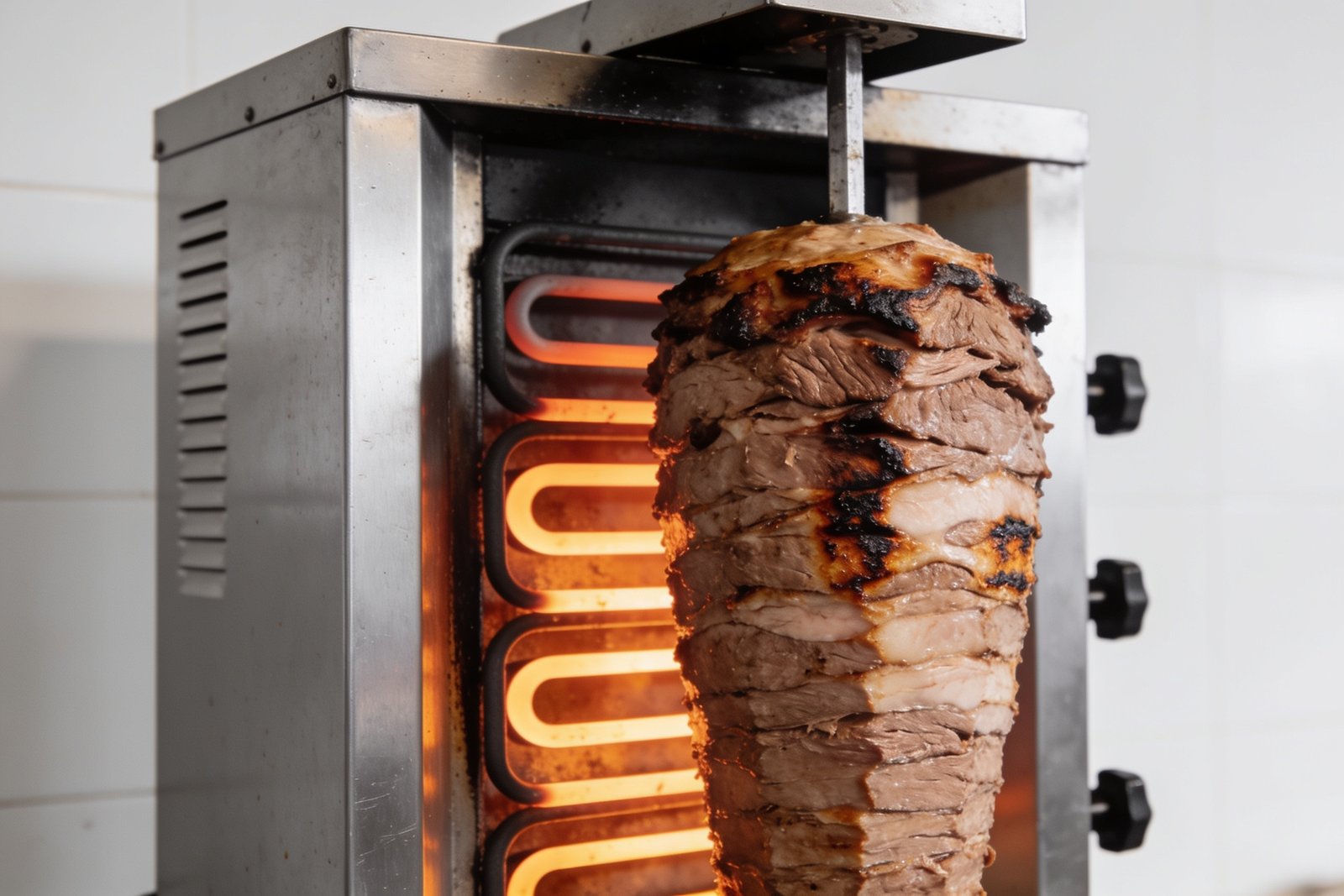 Döner Grill Heating Unevenly? Troubleshooting & Solutions → Recognize and Professionally Fix Common Device ProblemsRead more
Is your Döner grill heating unevenly? This can lead to poorly cooked meat and frustrated customers. In this guide, we...
-
 Proper Cleaning of Döner Grills: Care & Hygiene in Gastronomy → Equipment Cleaning According to HACCP Guidelines and Food Hygiene Regulations (LMHV)Read more
The Döner grill is a staple in many gastronomy businesses, and proper cleaning is essential to maintain hygiene and...
-
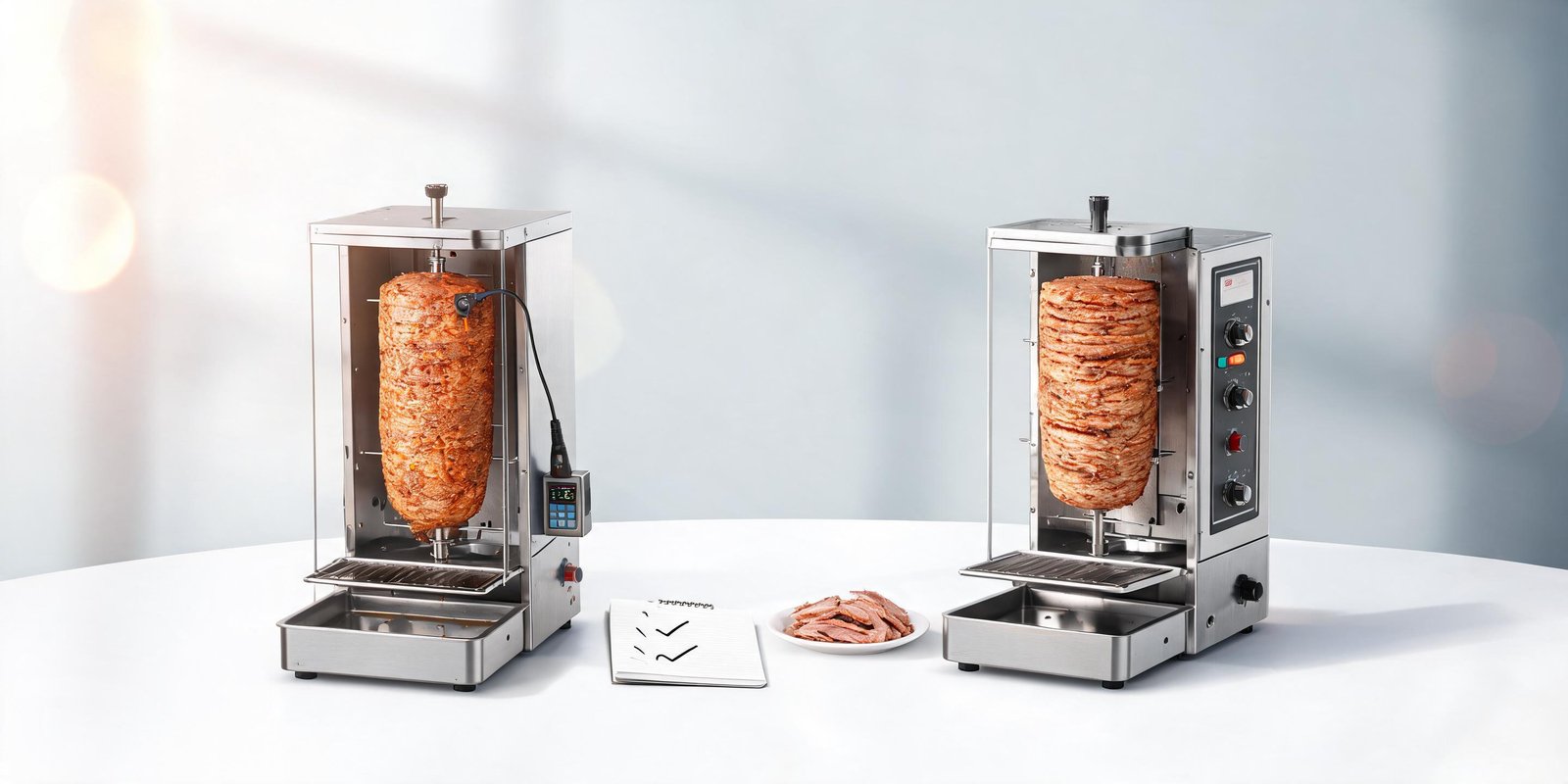 Commercial Döner Grill Tests & Reviews Overview → Make Informed Purchase Decisions with Current Product ComparisonsRead more
Choosing the right commercial Döner grill is essential for any food business specializing in this popular dish. This...
-
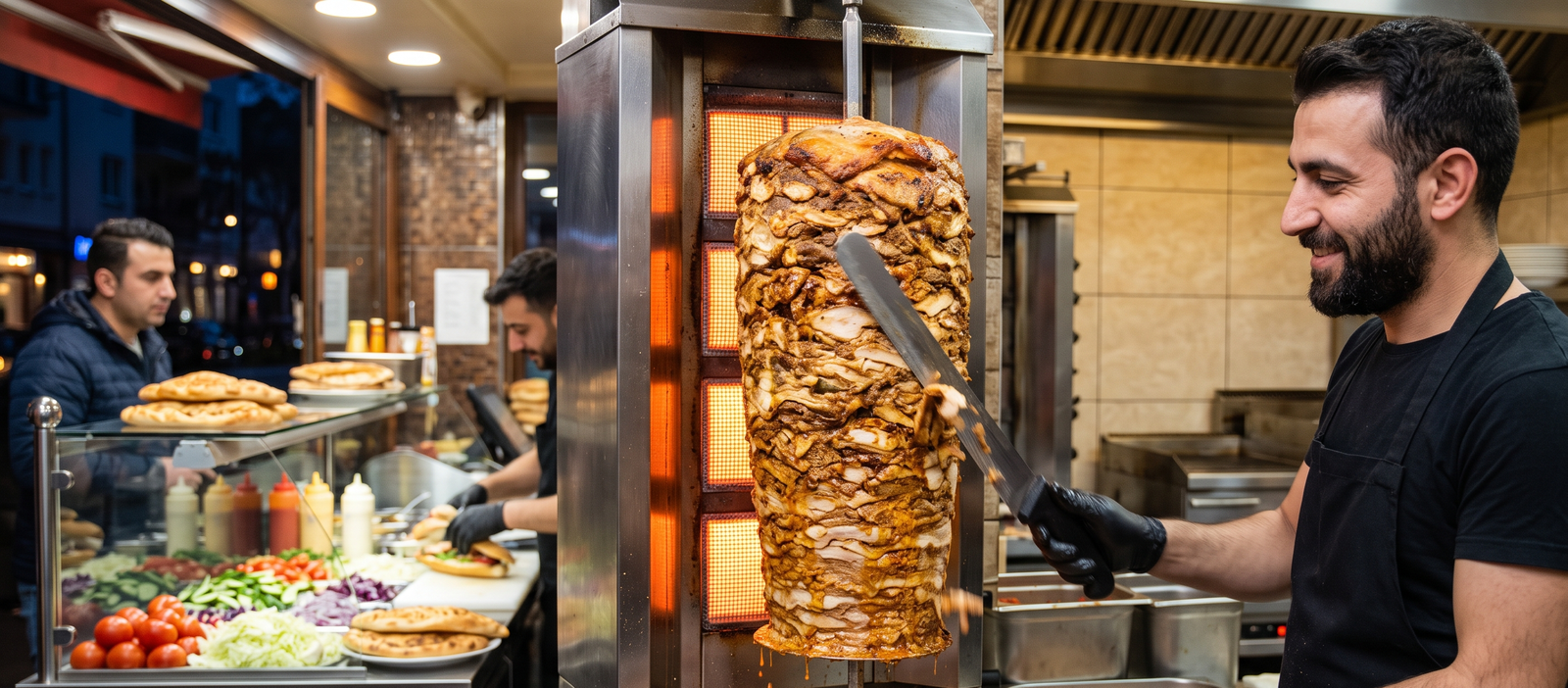 Why Is Döner Meat Grilled Vertically? Technology & Advantages Explained → The Functionality of the Vertical Grill and Its Benefits for the Gastronomy IndustryRead more
Döner kebab is famous worldwide for its juicy, flavorful meat cooked on a vertical spit. But why is the meat grilled...
-
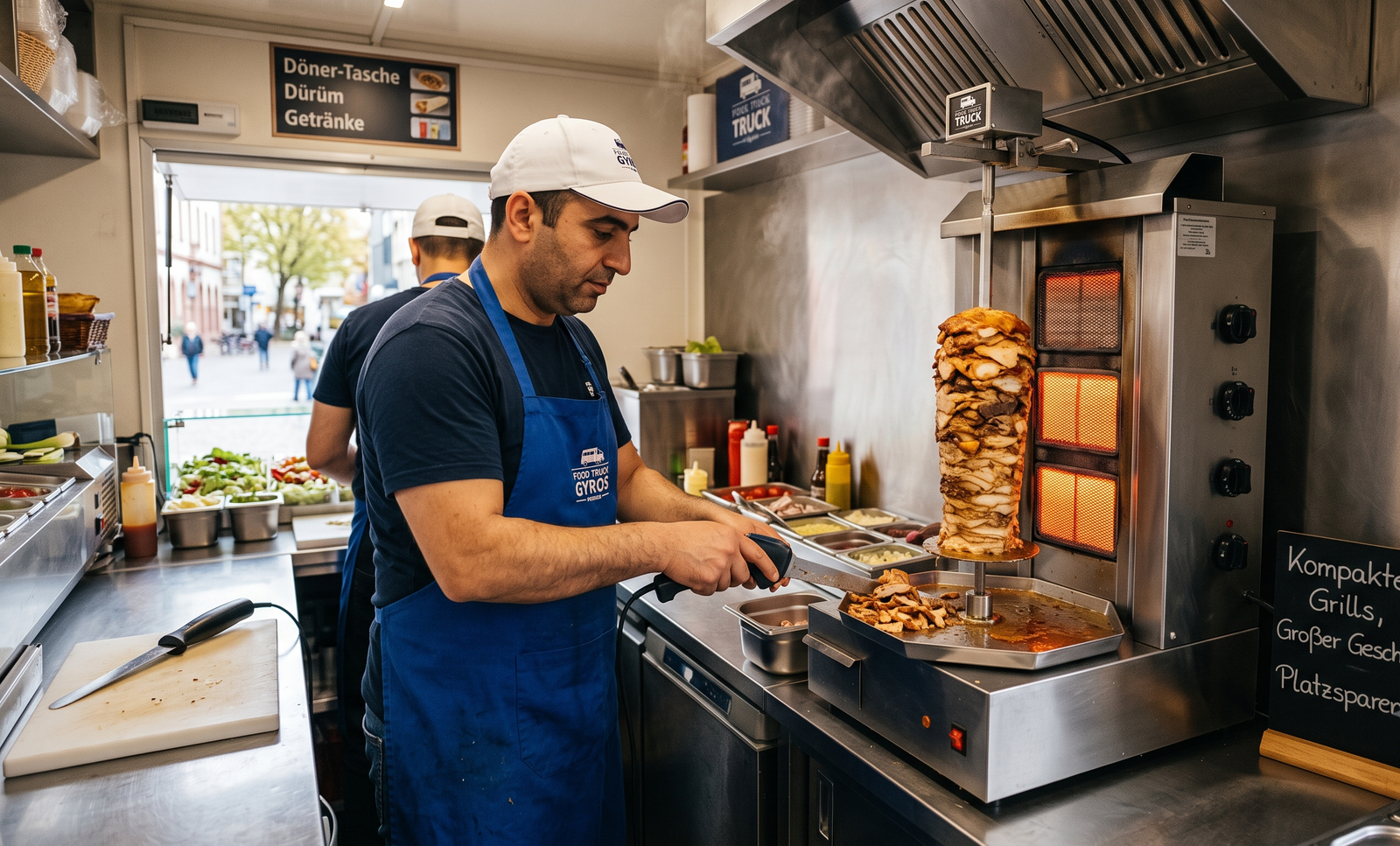 Compact Döner Grills for Small Snack Bars & Food Trucks → Space-Saving Solutions for Limited SpacesRead more
Small snack bars and food trucks often struggle with limited space, making it challenging to accommodate large...
Blog categories
Search in blog
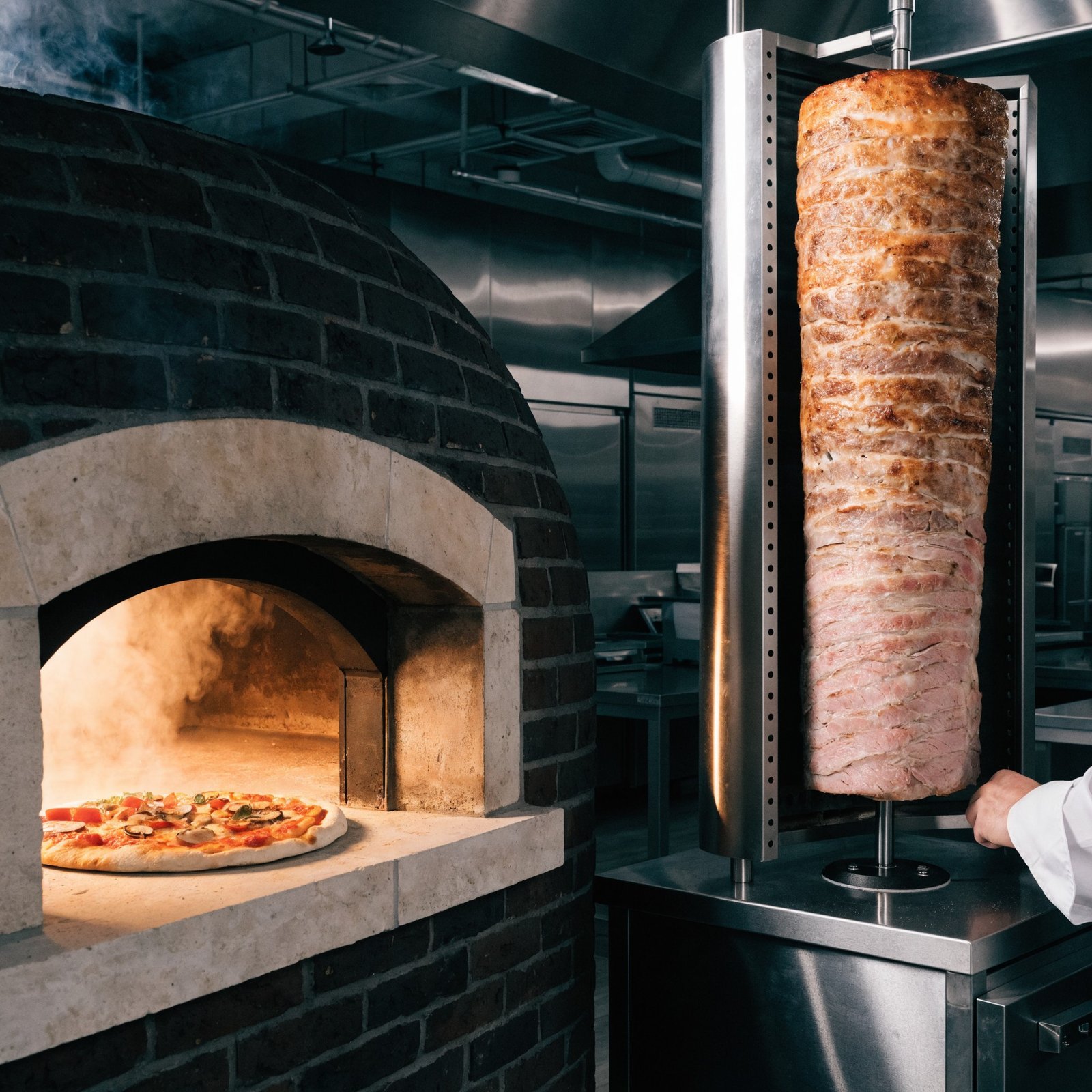
Pizza Oven or Döner Grill – Which Investment Is Worth It for Your Business? A Guide to Choosing the Right Equipment in Gastronomy
Pizza Oven or Döner Grill – Which Investment Is Worth It for Your Business?
When it comes to investing in equipment for your gastronomy business, the choice between a pizza oven and a döner grill can be a pivotal decision. Both appliances serve very different culinary purposes but share one common goal: to attract customers and boost your sales. Whether you run a small takeaway, a bustling restaurant, or a street food stall, understanding the benefits, costs, and operational requirements of these devices is essential for making the right investment.
Understanding the Basics: What Are Pizza Ovens and Döner Grills?
Pizza ovens are specialized ovens designed to bake pizzas at high temperatures, often ranging between 400°C and 500°C (750°F to 930°F). They come in various types, including wood-fired, gas, electric, and conveyor ovens. Each type offers different cooking styles, flavors, and efficiencies.
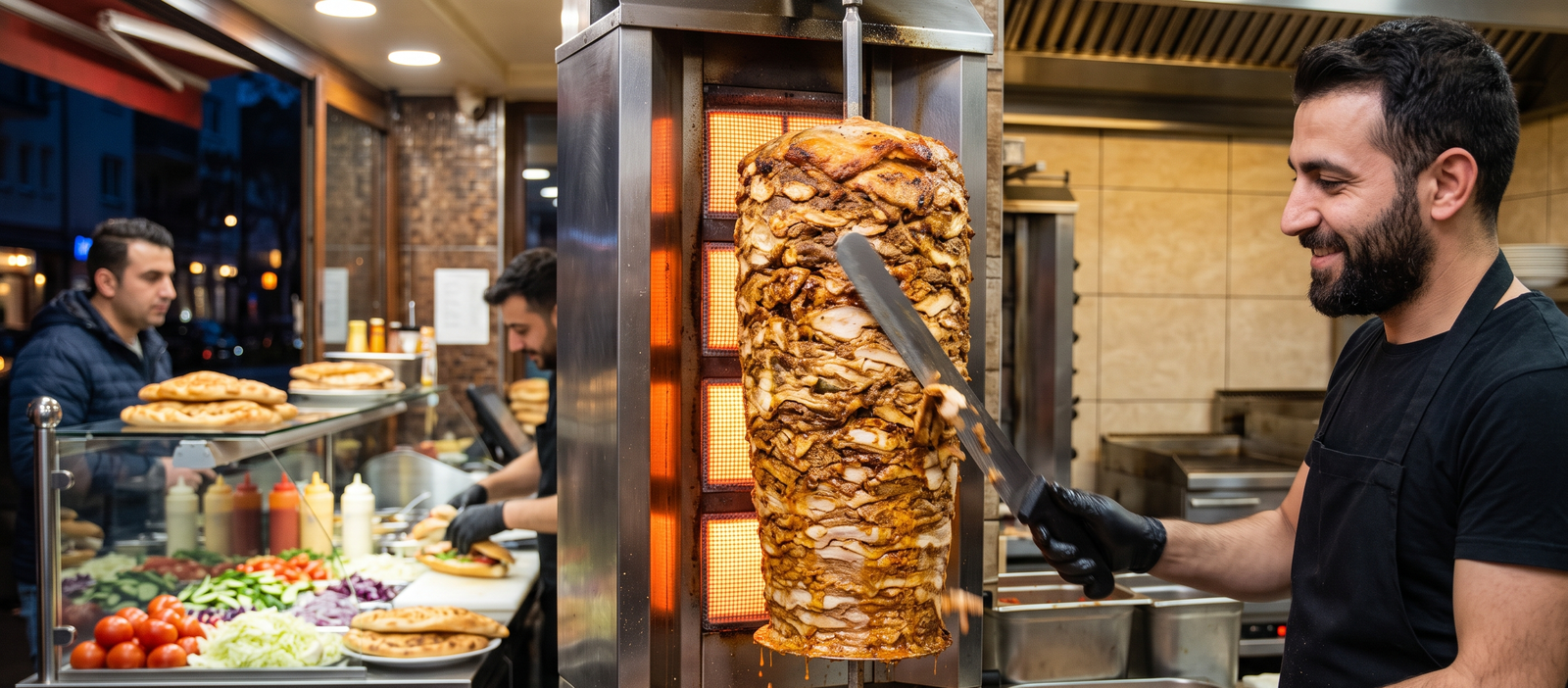
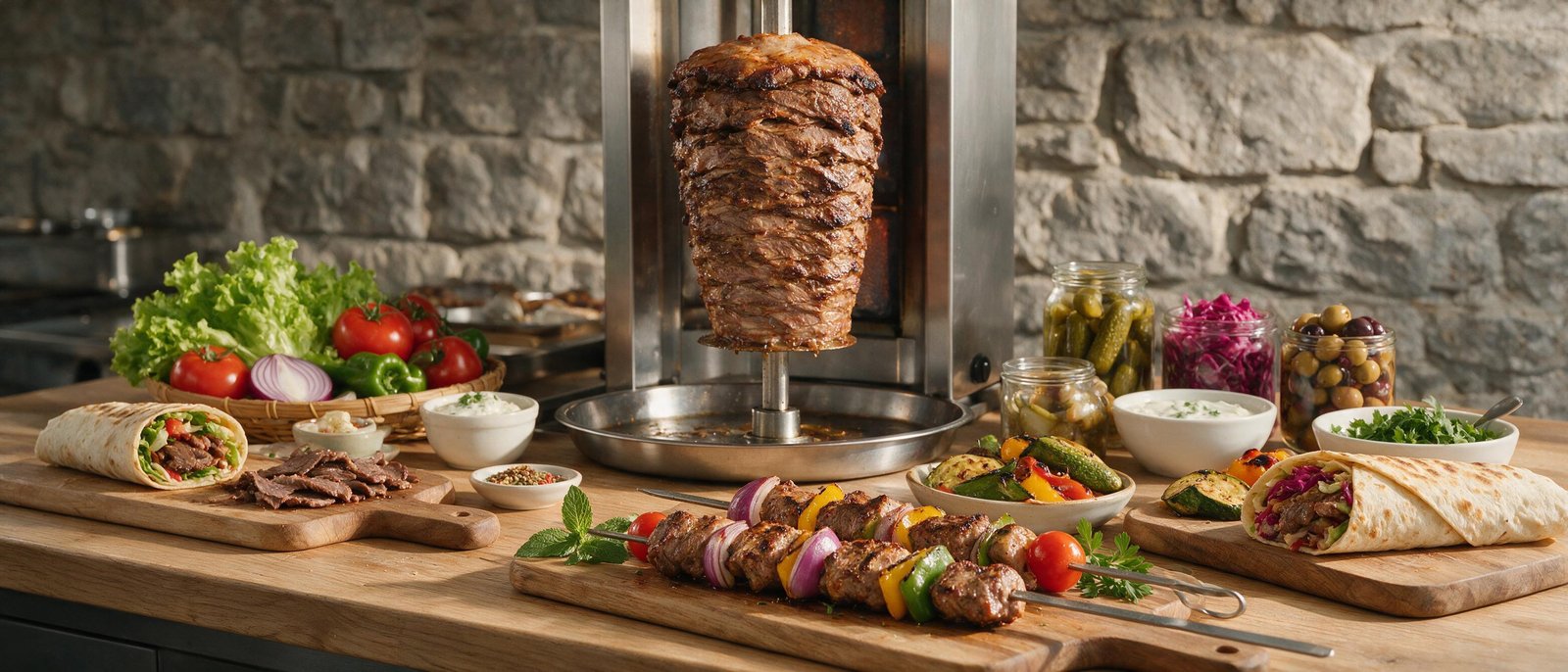
Döner grills, on the other hand, are vertical rotisserie devices used to cook meat slowly and evenly, typically for döner kebabs, shawarma, or gyros. The meat is stacked on a vertical spit and cooked by radiant heat from gas or electric burners. Slices of meat are shaved off as it cooks, ready to be served in bread or wraps.
Why Is the Choice Between Pizza Oven and Döner Grill Important?
The decision to invest in either a pizza oven or a döner grill will influence your menu, kitchen layout, staffing, and ultimately your customer base. Both devices require different skill sets, preparation methods, and maintenance routines. Choosing the right one can help you optimize your workflow, reduce costs, and increase profitability.
Factors to Consider When Choosing Between a Pizza Oven and a Döner Grill
1. Target Audience and Menu Concept
Before investing, consider your target customers and the type of food experience you want to offer. Are you aiming for a classic Italian pizzeria vibe or a quick, flavorful street food concept centered around döner kebabs?
- Pizza Oven: Ideal for businesses focusing on Italian cuisine, family dining, or artisanal pizzas. It appeals to customers looking for freshly baked, customizable pizzas with various toppings.
- Döner Grill: Perfect for quick-service restaurants, food trucks, or fast-casual setups specializing in Middle Eastern or Mediterranean dishes. It attracts customers seeking fast, tasty, and affordable meals.
2. Space and Installation Requirements
Both appliances require dedicated space but differ in size and ventilation needs.
- Pizza Oven: Depending on the type, pizza ovens can be bulky. Wood-fired ovens need chimney installations and proper ventilation. Electric and gas ovens might require less infrastructure but still need adequate space and heat-resistant surfaces.
- Döner Grill: Generally more compact but requires vertical space for the rotating spit. Proper ventilation is crucial to handle smoke and grease. Some models are portable, suitable for food trucks or stalls.
3. Investment and Operating Costs
Initial purchase price and ongoing operational costs vary significantly.
- Pizza Oven: Wood-fired ovens can be expensive upfront but offer unique flavor profiles. Electric and gas ovens vary in price but usually have higher energy consumption. Maintenance costs include cleaning, repairs, and fuel.
- Döner Grill: Typically less expensive to purchase than high-end pizza ovens. Operating costs involve energy consumption (gas or electric), regular cleaning to prevent grease buildup, and occasional part replacements.
4. Skill Level and Staffing
Consider the expertise required to operate each device efficiently.
- Pizza Oven: Requires trained pizzaiolos who understand dough preparation, oven management, and timing. Skill impacts the quality and consistency of the product.
- Döner Grill: Easier to operate with basic training. Slicing meat and assembling döner sandwiches can be learned quickly, making it suitable for fast-paced environments.
5. Menu Flexibility and Variety
Think about the diversity of dishes you want to offer.
- Pizza Oven: Offers versatility beyond pizza, including baking bread, roasting vegetables, or cooking desserts like calzones and flatbreads.
- Döner Grill: Primarily focused on meat dishes but can be complemented with salads, sauces, and sides. Limited in cooking other types of food.
6. Customer Turnover and Service Speed
How quickly can you serve customers?
- Pizza Oven: Depending on oven type, pizzas can take 2-5 minutes to bake. High-capacity conveyor ovens speed up production but require more space and investment.
- Döner Grill: Meat is cooked continuously, allowing for fast service as slices are shaved off on demand. Ideal for high customer turnover.
Deep Dive: Advantages and Disadvantages
Pizza Oven
Advantages
- Produces authentic, high-quality pizzas with distinct flavors.
- Versatile cooking options beyond pizza.
- Can become a unique selling point and attract pizza enthusiasts.
- Potential to charge premium prices for artisanal products.
Disadvantages
- Higher initial investment, especially for wood-fired ovens.
- Requires skilled staff for consistent quality.
- Longer cooking times compared to fast food options.
- Space and ventilation requirements can be demanding.
Döner Grill
Advantages
- Lower upfront costs and simpler operation.
- Fast service, ideal for quick meals and high customer turnover.
- Compact footprint suitable for small kitchens or food trucks.
- Popular and widely recognized street food with steady demand.
Disadvantages
- Limited menu options focused mainly on meat-based dishes.
- Less opportunity for culinary creativity compared to pizza ovens.
- Requires regular cleaning to maintain hygiene and safety.
- Potentially lower profit margins depending on pricing strategy.
Case Studies: Real-World Examples
Case Study 1: Family Pizzeria in a Suburban Area
Maria runs a family pizzeria in a suburban neighborhood. She invested in a wood-fired pizza oven to provide authentic Neapolitan-style pizzas. The oven became the centerpiece of her restaurant, attracting pizza lovers and increasing foot traffic. Although the initial investment was high, the unique flavor and ambiance allowed Maria to charge premium prices, resulting in a healthy profit margin.
Case Study 2: Urban Food Truck Specializing in Döner Kebabs
Ahmed operates a food truck in a busy city center, focusing on döner kebabs. He chose a compact electric döner grill due to limited space and the need for quick service. The grill’s continuous cooking method allowed him to serve many customers during lunch rush hours. The lower investment and operating costs suited his business model perfectly.
Tips for Making the Right Investment Decision
- Analyze Your Market: Research customer preferences and competitors in your area.
- Evaluate Your Budget: Consider both upfront costs and long-term operating expenses.
- Assess Your Space: Measure your kitchen and check ventilation options.
- Consider Staffing: Factor in training needs and labor costs.
- Think About Menu Expansion: Choose equipment that allows you to grow your offerings.
- Test Your Concept: If possible, pilot your menu with pop-ups or events before investing.
Conclusion: Which Investment Is Right for You?
Choosing between a pizza oven and a döner grill depends largely on your business concept, target audience, and operational capabilities. If you aim to offer authentic, artisanal pizzas and have the space and skilled staff to support it, a pizza oven can be a rewarding investment that sets your business apart.
Conversely, if your focus is on fast, affordable, and popular street food with quick turnover, a döner grill offers a cost-effective and efficient solution. It requires less specialized skill and fits well in smaller spaces or mobile setups.
Ultimately, understanding your market, budget, and goals will guide you to the right choice. Both appliances can be profitable when matched with the right business strategy and customer expectations.
Invest wisely, and your equipment will be a cornerstone of your gastronomy success!
Posted in:
Gyros | Dönergrills
Related posts
-
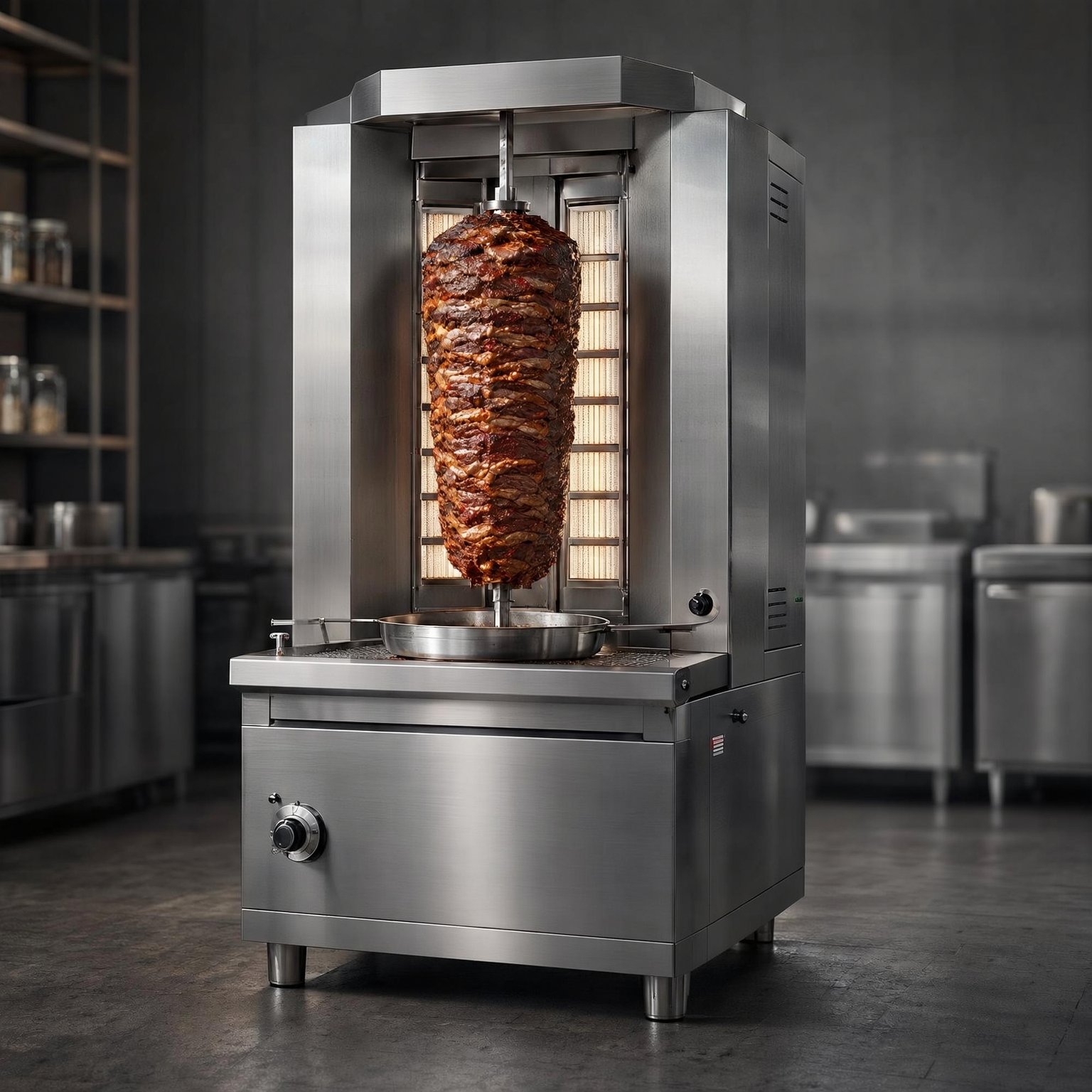 Buying a Commercial Döner Grill: Costs, Price Overview, and Budget Planning for Gastronomy Businesses
Investing in a commercial Döner grill is essential for gastronomy businesses serving Döner kebabs. The cost of these...Read more
Buying a Commercial Döner Grill: Costs, Price Overview, and Budget Planning for Gastronomy Businesses
Investing in a commercial Döner grill is essential for gastronomy businesses serving Döner kebabs. The cost of these...Read more -
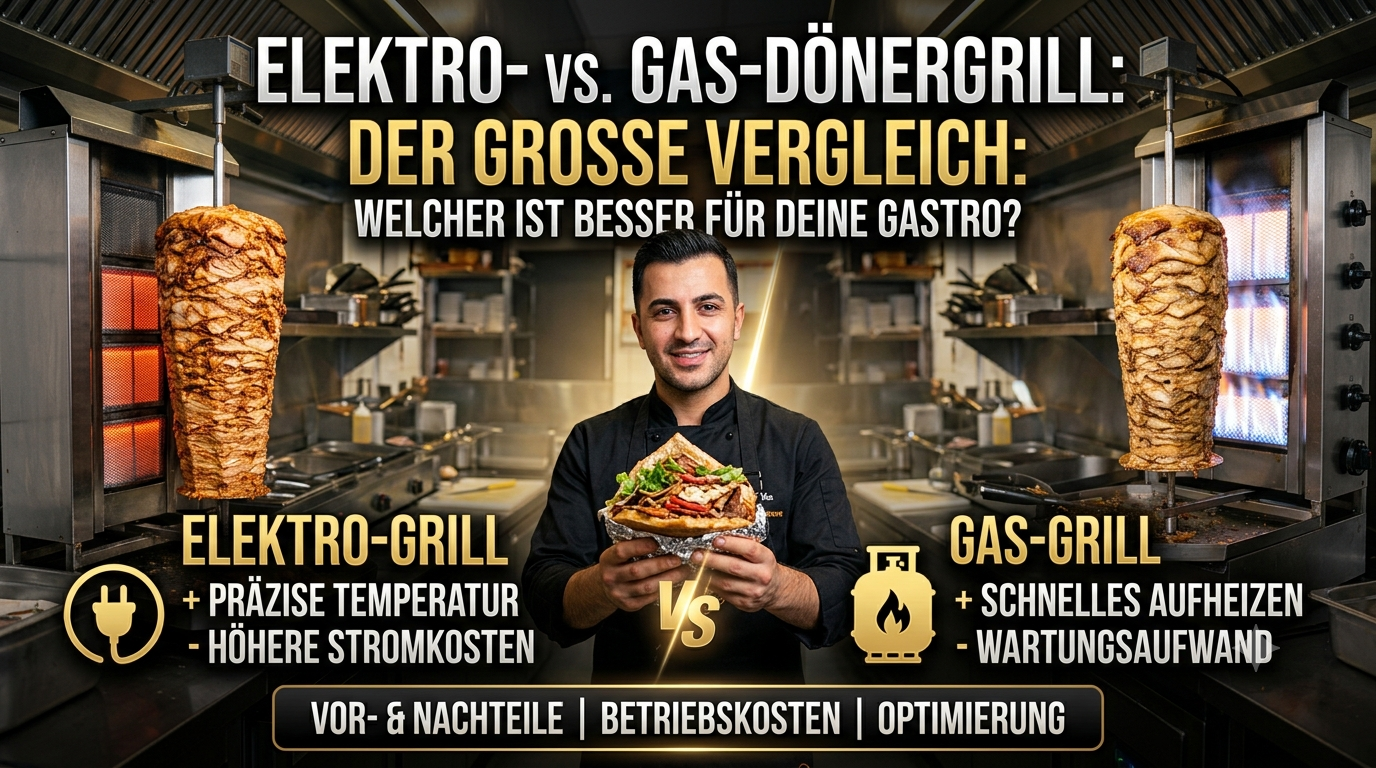 Electric vs. Gas Döner Grill: Which Is Better for the Gastronomy Industry? A Comprehensive Comparison for Snack Bars, Restaurants, and Catering
The choice between electric and gas Döner grills is a key decision for gastronomy professionals operating snack bars,...Read more
Electric vs. Gas Döner Grill: Which Is Better for the Gastronomy Industry? A Comprehensive Comparison for Snack Bars, Restaurants, and Catering
The choice between electric and gas Döner grills is a key decision for gastronomy professionals operating snack bars,...Read more -
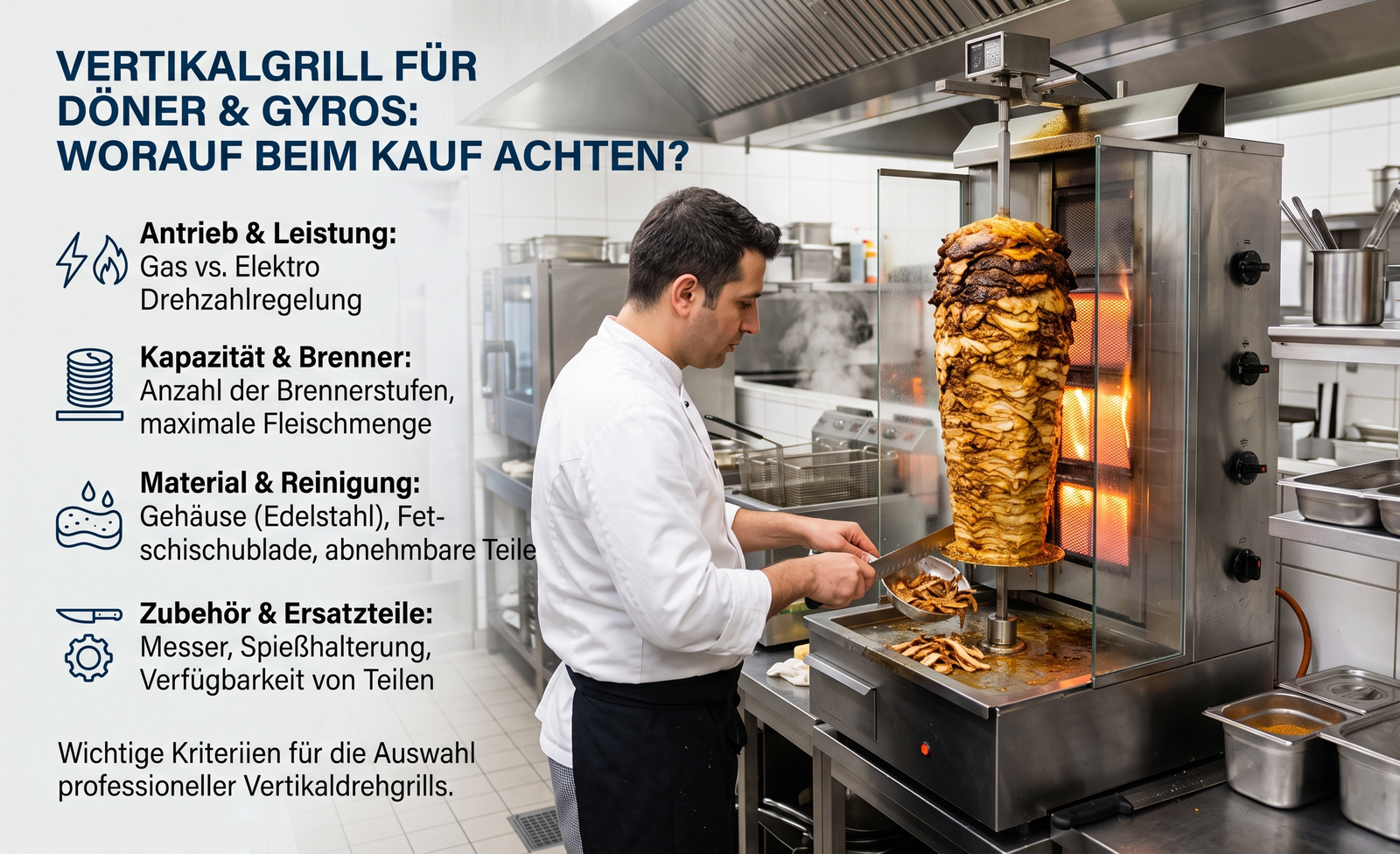 Vertical Grill for Döner & Gyros: Key Criteria for Choosing a Professional Vertical Rotisserie
A vertical grill, or vertical rotisserie, is essential for cooking Döner and Gyros meat evenly and deliciously....Read more
Vertical Grill for Döner & Gyros: Key Criteria for Choosing a Professional Vertical Rotisserie
A vertical grill, or vertical rotisserie, is essential for cooking Döner and Gyros meat evenly and deliciously....Read more -
Compact Döner Grills for Small Snack Bars & Food Trucks → Space-Saving Solutions for Limited Spaces
Small snack bars and food trucks often struggle with limited space, making it challenging to accommodate large...Read more
-
Why Is Döner Meat Grilled Vertically? Technology & Advantages Explained → The Functionality of the Vertical Grill and Its Benefits for the Gastronomy Industry
Döner kebab is famous worldwide for its juicy, flavorful meat cooked on a vertical spit. But why is the meat grilled...Read more
Leave a comment