
 Deutsch
 Türkçe
 Italiano

.jpg)
.jpg)
.jpg)
.jpg)
.jpg)
.jpg)
.jpg)
.jpg)
.jpg)
.jpg)

.jpg)

.jpg)
.jpg)
.jpg)
.jpg)
.jpg)
.jpg)
.jpg)
.jpg)
.jpg)
.jpg)



.jpg)
.jpg)
.jpg)
.jpg)
.jpg)
.jpg)
.jpg)
.jpg)
.jpg)



.jpg)
.jpg)

.jpg)
.jpg)
.jpg)
.jpg)


.jpg)

.png)
.jpg)
.jpg)
 (200 x 136 px) (5).png)
.png)

More and more restaurateurs and resourceful entrepreneurs are discovering the enormous potential of pizza vending...
-
 Cooking Appliances
add remove
Cooking Appliances
add remove -
-
Pizza & Grill
add remove
-
-
Refrigeration
add remove
-
-
Combi Steamer
add remove
-
-
Kitchen Appliances
add remove
-
-
Rinsing & Cleaning
add remove
-
-
Retail Refrigeration
add remove
-
-
Cafe & Ice Cream
add remove
-
-
Smart-Gastro
add remove
-
-
Event- & Cateringmöbel
-
Cooking Appliances
add remove
-
-
Pizza & Grill
add remove
-
-
Refrigeration
add remove
-
-
Combi Steamer
add remove
-
-
Kitchen Appliances
add remove
-
-
Rinsing & Cleaning
add remove
-
-
Retail Refrigeration
add remove
-
-
Cafe & Ice Cream
add remove
-
-
Smart-Gastro
add remove
-
-
Event- & Cateringmöbel


Call us:
+49 (0) 6135 7040 450Latest posts
-
 The Ultimate Guide: Pizza Vending Machines – Earnings, Costs & Experiences in the 24/7Read more
 -
 Döner vs. Shawarma vs. Kebab: Understanding the Terms and Differences for Your Food BusinessRead more
Are you confused about the difference between Döner, Shawarma, and Kebab? These popular meat dishes, often seen on...
-
 The 10 Best Döner Kebabs in Berlin (2026): The Ultimate Ranking Based on Real Customer ReviewsRead more
Berlin is the undisputed döner capital of the world. But with over 1,000 shops, the question arises: Which one is...
-
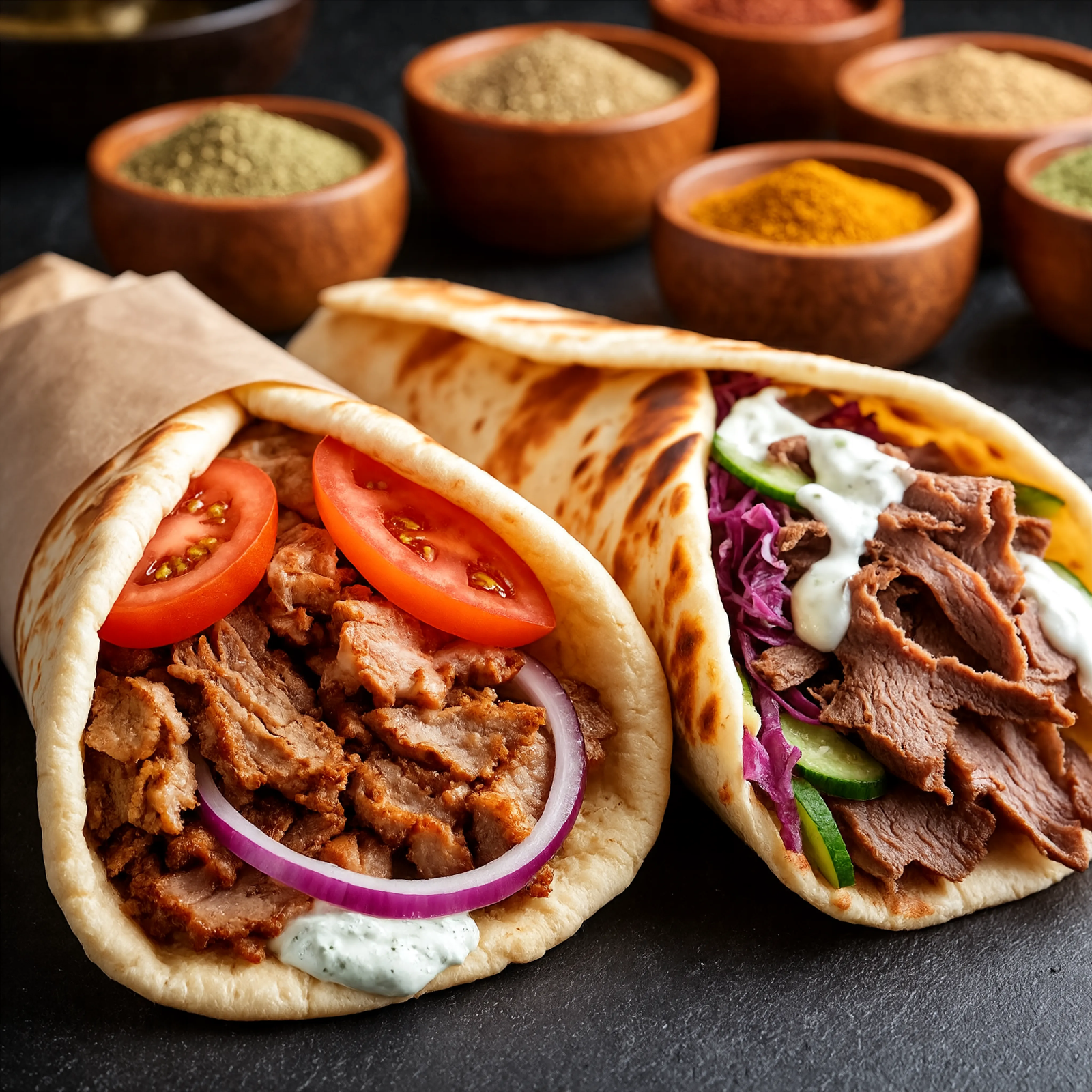 Gyros vs. Döner: Understanding the Differences in Preparation, Seasoning, and Meat Selection for Your MenuRead more
Gyros and Döner are two iconic Mediterranean dishes often confused due to their similar appearance and cooking style....
-
 Welche Temperatur braucht ein Dönergrill? Richtwerte für die Gastronomie → Optimale Garzeiten und Temperaturen für perfekte ErgebnisseRead more
Der Dönergrill ist das Herzstück jeder Döner-Gastronomie. Die richtige Temperatur am Grill entscheidet maßgeblich...
-
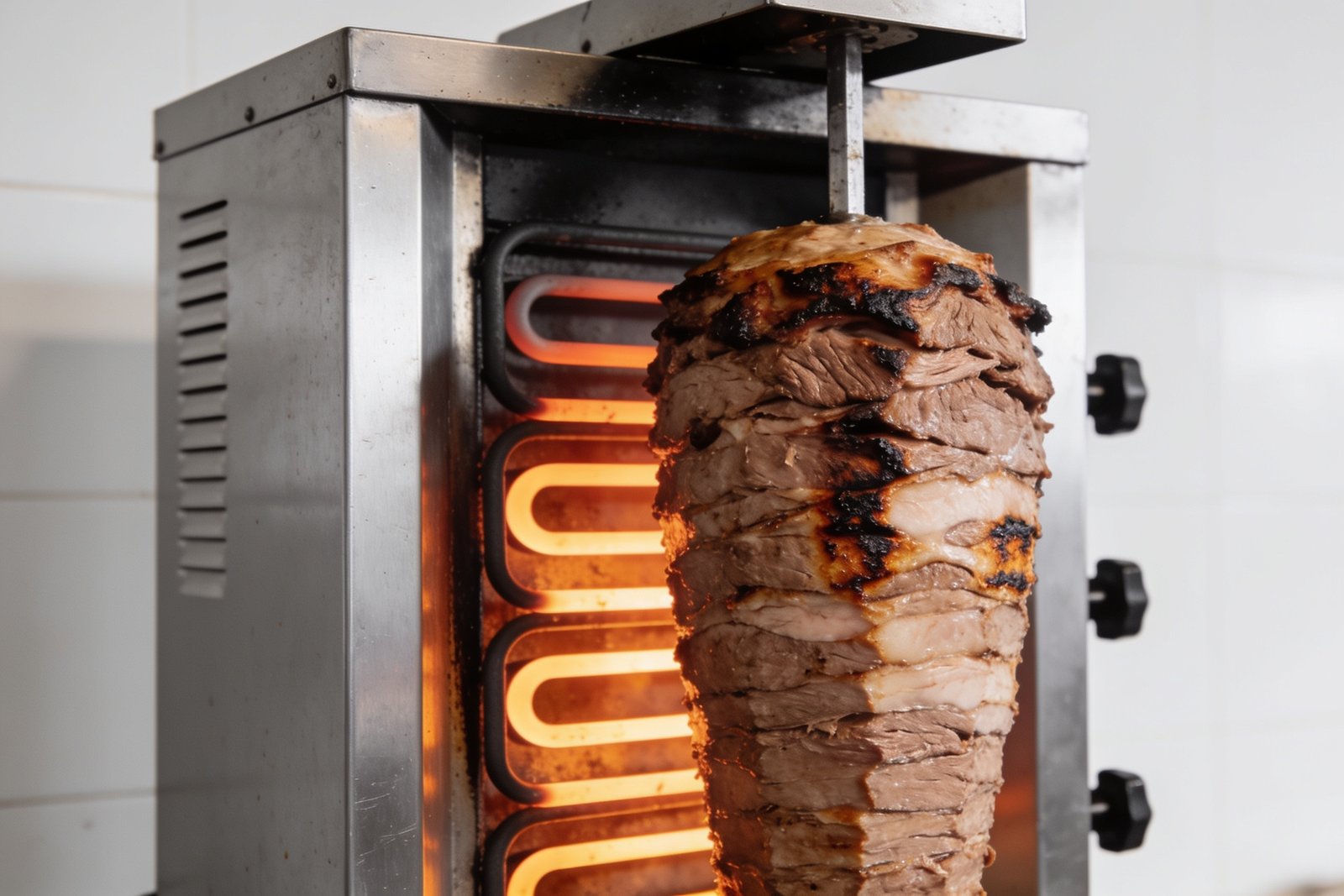 Döner Grill Heating Unevenly? Troubleshooting & Solutions → Recognize and Professionally Fix Common Device ProblemsRead more
Is your Döner grill heating unevenly? This can lead to poorly cooked meat and frustrated customers. In this guide, we...
-
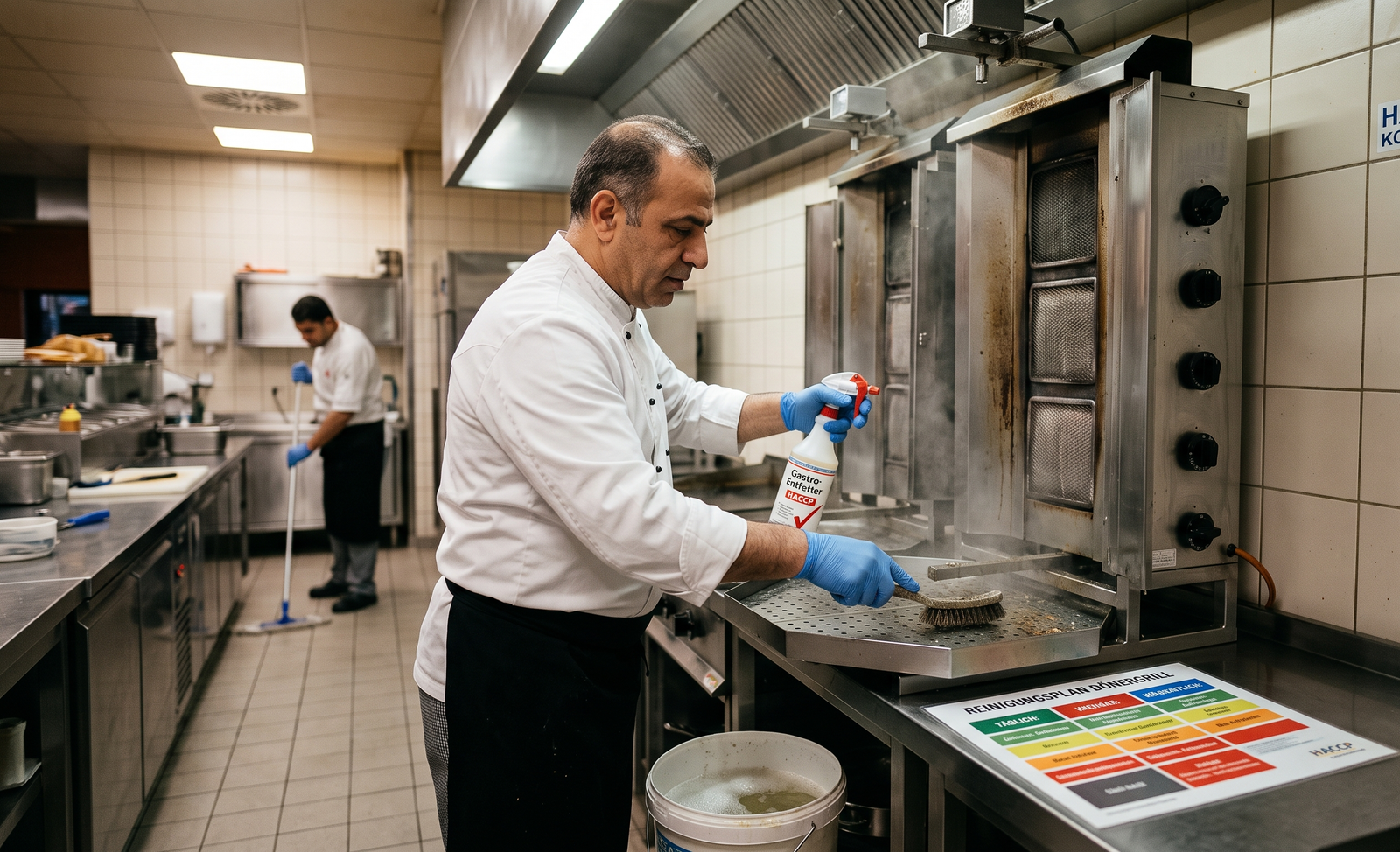 Proper Cleaning of Döner Grills: Care & Hygiene in Gastronomy → Equipment Cleaning According to HACCP Guidelines and Food Hygiene Regulations (LMHV)Read more
The Döner grill is a staple in many gastronomy businesses, and proper cleaning is essential to maintain hygiene and...
-
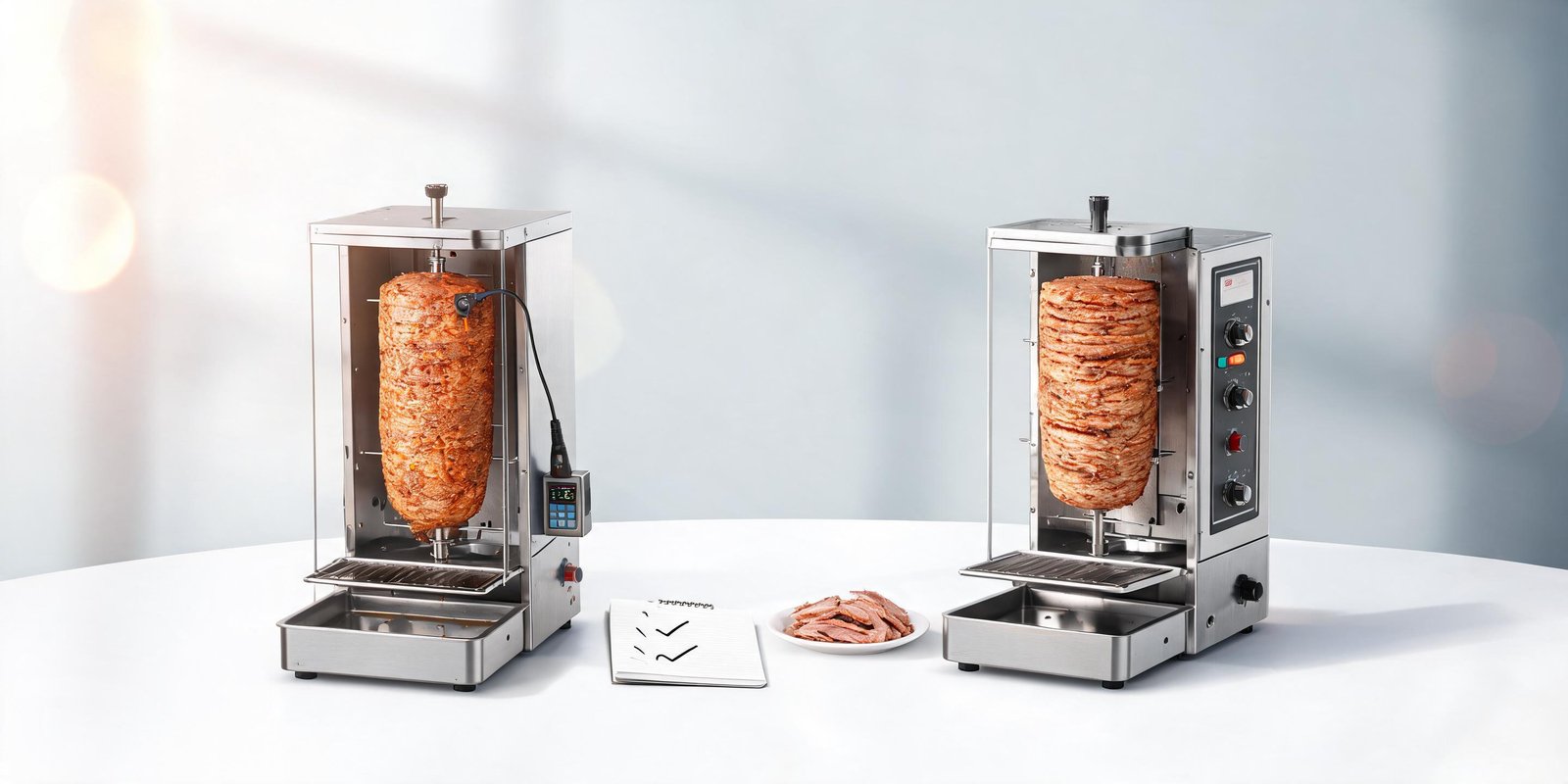 Commercial Döner Grill Tests & Reviews Overview → Make Informed Purchase Decisions with Current Product ComparisonsRead more
Choosing the right commercial Döner grill is essential for any food business specializing in this popular dish. This...
-
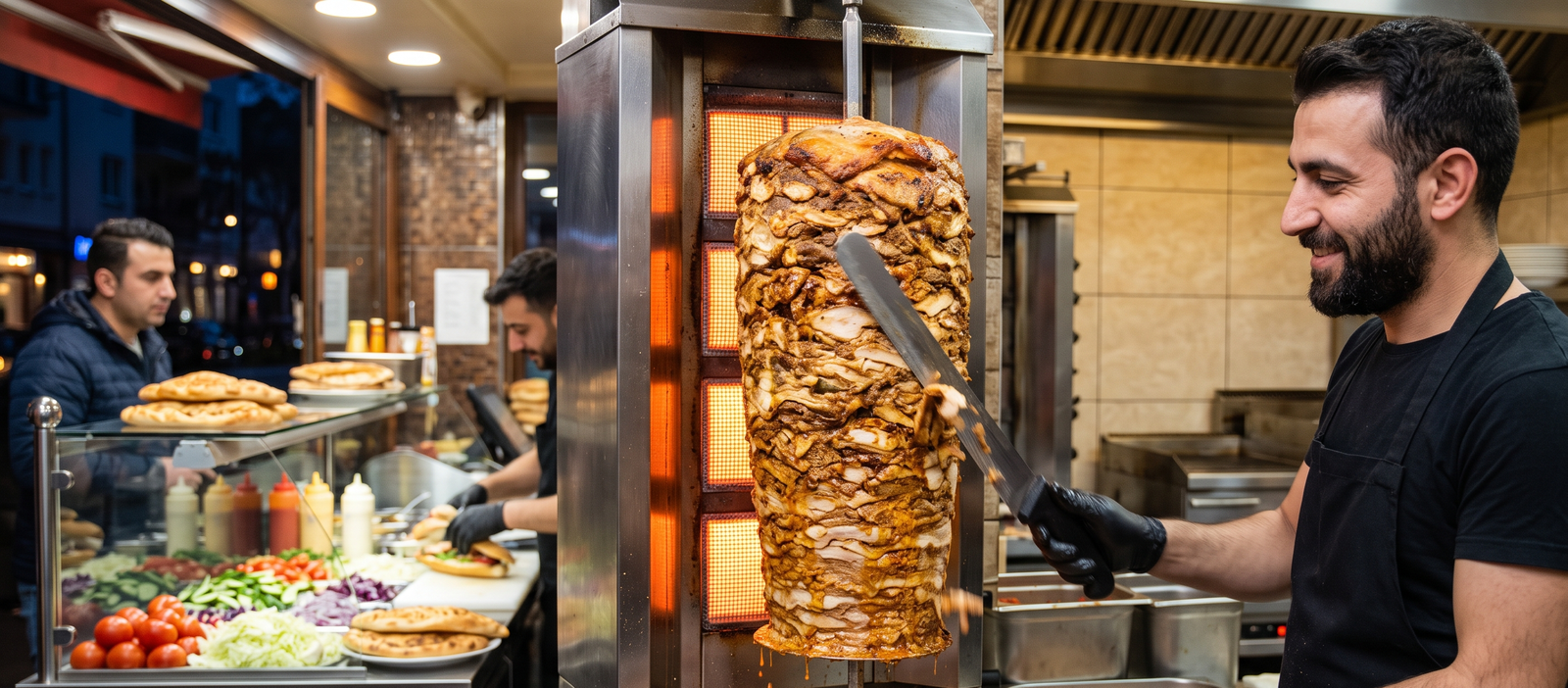 Why Is Döner Meat Grilled Vertically? Technology & Advantages Explained → The Functionality of the Vertical Grill and Its Benefits for the Gastronomy IndustryRead more
Döner kebab is famous worldwide for its juicy, flavorful meat cooked on a vertical spit. But why is the meat grilled...
-
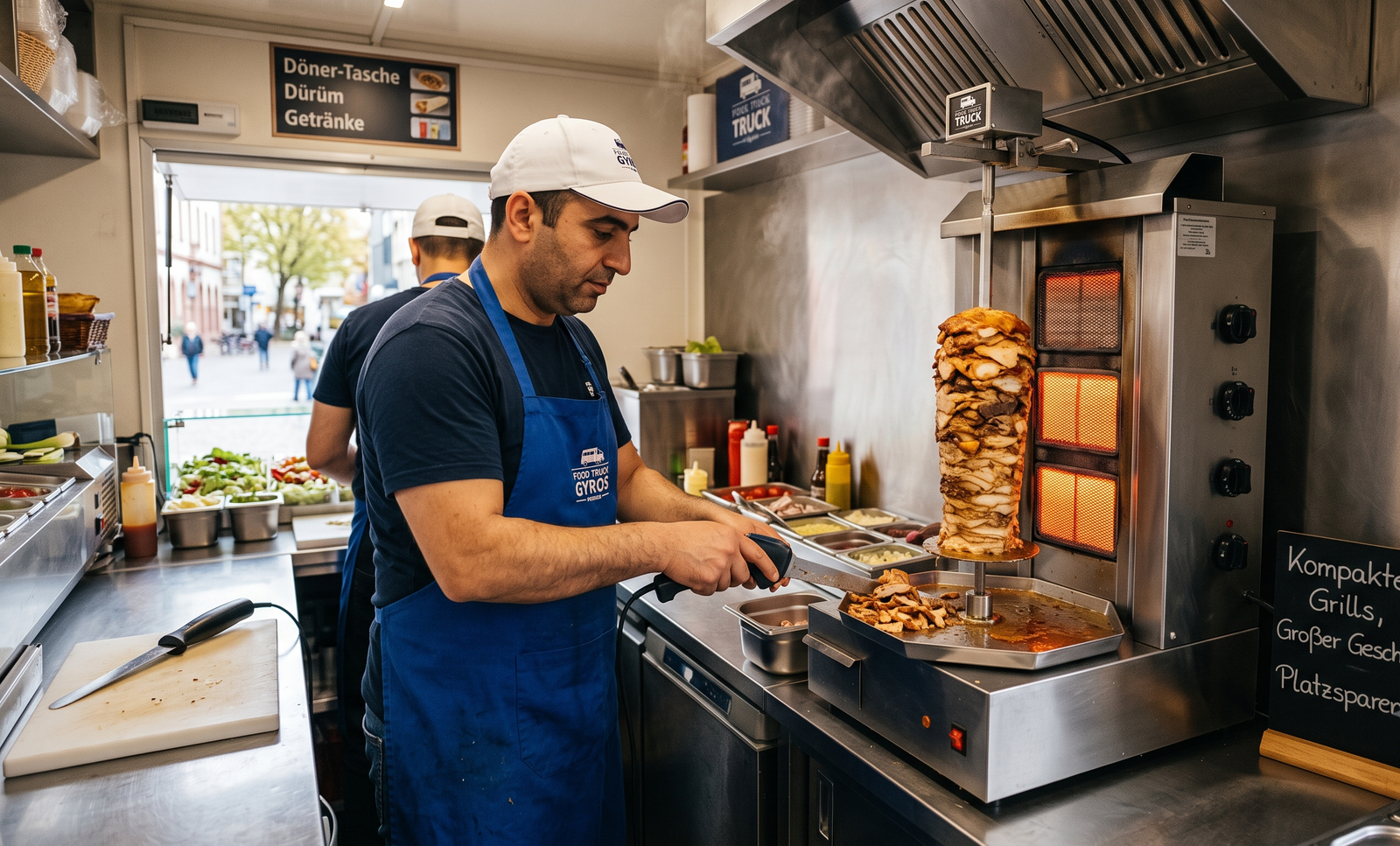 Compact Döner Grills for Small Snack Bars & Food Trucks → Space-Saving Solutions for Limited SpacesRead more
Small snack bars and food trucks often struggle with limited space, making it challenging to accommodate large...
Blog categories
Search in blog
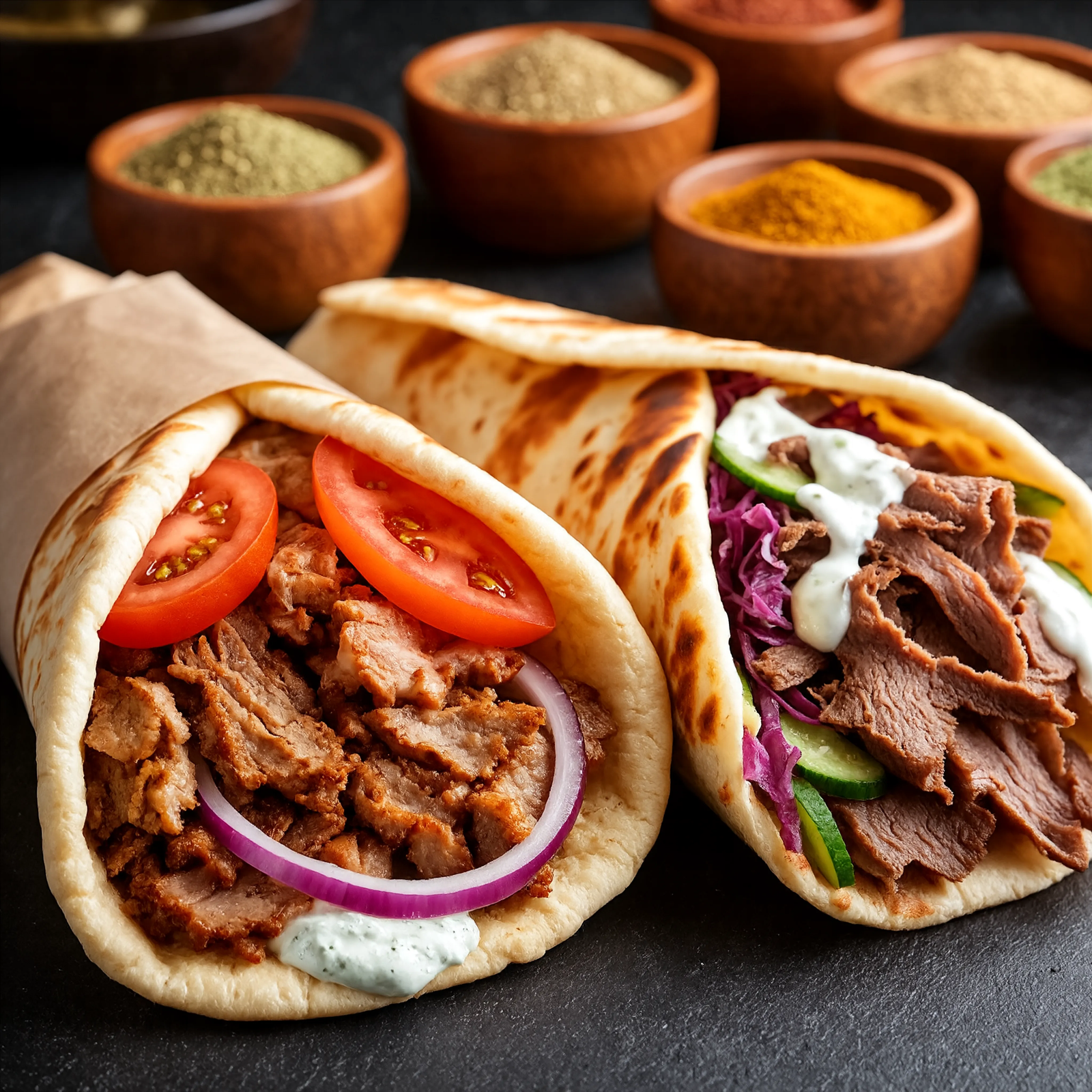
Gyros vs. Döner: Understanding the Differences in Preparation, Seasoning, and Meat Selection for Your Menu
Gyros vs. Döner: Understanding the Differences in Preparation, Seasoning, and Meat Selection for Your Menu
When it comes to Mediterranean street food, few dishes are as beloved and widely recognized as Gyros and Döner. Both are delicious, meat-centric meals served in pita or flatbread, often accompanied by fresh vegetables and flavorful sauces. Yet, despite their similarities, Gyros and Döner have distinct origins, preparation methods, seasoning profiles, and meat choices that set them apart.
For restaurateurs, food enthusiasts, or anyone curious about these culinary delights, understanding these differences can help you make informed decisions when designing your menu or simply appreciating the rich cultural heritage behind these dishes.
Origins and Cultural Background
Döner Kebab originated in Turkey and has become one of the most popular fast foods in Europe and beyond. The word "Döner" means "turning" or "rotating" in Turkish, referring to the vertical rotisserie on which the meat is cooked. It is traditionally made with lamb or beef and served in flatbread with various accompaniments.
On the other hand, Gyros is a Greek adaptation of the Turkish Döner. The name "Gyros" means "circle" or "turn" in Greek, again highlighting the rotating cooking method. However, Gyros has evolved its own identity, with differences in seasoning, meat choice, and serving style.
Preparation Methods: Vertical vs. Horizontal Rotisserie
One of the most noticeable differences between Gyros and Döner lies in the cooking apparatus and method:
- Döner: Traditionally cooked on a vertical rotisserie, large slabs of meat (often marinated lamb or beef) are stacked tightly on a vertical spit. The meat slowly rotates in front of a heat source, cooking evenly. Thin slices are shaved off as the outer layer crisps up.
- Gyros: While also cooked on a rotisserie, Gyros meat is typically prepared on a horizontal rotisserie. The meat is often ground or thinly sliced pork or chicken, formed into a loaf or stacked on the spit and cooked similarly. The horizontal setup allows for a slightly different texture and cooking dynamic.
Both methods aim to achieve tender, juicy meat with a crispy exterior, but the orientation and meat form influence the final product’s texture and flavor.
Meat Selection: Lamb, Pork, Chicken, or Beef?
The choice of meat is a major differentiator between Gyros and Döner, influenced by cultural preferences, religious considerations, and regional availability.
- Döner: In Turkey and many Muslim-majority countries, pork is generally avoided due to religious dietary laws. Therefore, Döner is commonly made with lamb, beef, or a combination of both. Chicken Döner is also popular and widely available, especially in Western countries adapting the dish.
- Gyros: Greek cuisine prominently features pork, so Gyros is traditionally made with pork or chicken. Beef is less common in Gyros. The use of pork gives Gyros a distinct flavor profile that is richer and slightly fattier compared to Döner.
For menu planning, this distinction is crucial, especially when catering to dietary restrictions or targeting specific customer bases.
Seasoning and Marinades: A Flavorful Contrast
The seasoning and marinade used for the meat in Gyros and Döner significantly influence their taste profiles.
- Döner: The seasoning tends to be more subtle and aromatic, featuring spices like cumin, coriander, paprika, oregano, and sometimes cinnamon or allspice. The marinade often includes yogurt or buttermilk to tenderize the meat and add a slight tanginess. Garlic, onion, and lemon juice are also common components. The overall flavor leans toward savory and mildly spiced.
- Gyros: Greek seasoning is bolder and herbaceous, with a heavy emphasis on oregano, thyme, rosemary, and garlic. Lemon juice and olive oil are essential parts of the marinade, contributing bright and fresh notes. Paprika and black pepper add warmth, but the seasoning is generally more Mediterranean and herb-forward compared to Döner.
These differences in seasoning reflect the culinary traditions of their countries of origin and affect the flavor experience for diners.
Accompaniments and Serving Styles
Both Gyros and Döner are served wrapped or stuffed in bread with various toppings and sauces, but there are some typical differences:
- Döner: Usually served in flatbread or pita, accompanied by fresh vegetables like lettuce, tomato, onion, and cucumber. Common sauces include yogurt-based sauces such as cacık (Turkish tzatziki), garlic sauce, or spicy chili sauce. Pickled vegetables and red cabbage are also popular additions.
- Gyros: Typically served in pita bread with sliced tomato, onion, and sometimes fries inside the wrap. The signature sauce is tzatziki, a creamy yogurt-cucumber-garlic sauce. Sometimes, lettuce and other fresh herbs are added, but the focus is on the tzatziki’s cooling effect against the savory meat.
Understanding these serving nuances can help you tailor your menu presentation and customer experience.
Variations and Adaptations Worldwide
Both Gyros and Döner have inspired countless variations worldwide, adapting to local tastes and ingredient availability.
- In Germany, Döner has become a national fast-food staple, often featuring beef and chicken, with generous salad and sauce options.
- In the United States, Gyros are popular in Greek-American communities, often served with fries inside the pita and a heavy dose of tzatziki.
- Vegetarian and vegan versions of both dishes have emerged, using seitan, mushrooms, or soy-based proteins seasoned to mimic the original flavors.
These adaptations show the versatility and global appeal of both dishes.
Which One Should You Choose for Your Menu?
Deciding between Gyros and Döner for your menu depends on several factors:
- Target Audience: Consider cultural preferences and dietary restrictions. For example, if you serve a largely Muslim clientele, Döner with lamb or beef might be preferable.
- Flavor Profile: If your menu leans toward Mediterranean herbs and bright, citrusy flavors, Gyros might fit better. For a more aromatic and spiced profile, Döner is ideal.
- Meat Availability: Pork is common in Gyros but not in Döner. Your supplier options and local regulations might influence your choice.
- Menu Variety: Offering both can cater to a wider audience and showcase the diversity of Mediterranean street food.
Conclusion
Though Gyros and Döner share a common heritage and similar preparation styles, their differences in meat selection, seasoning, cooking methods, and serving styles make each unique. Understanding these distinctions not only enriches your culinary knowledge but also empowers you to craft menus that resonate with your customers’ tastes and cultural expectations.
Whether you choose the herbaceous, pork-based Gyros or the spiced, lamb-centric Döner, both dishes promise a flavorful, satisfying experience that celebrates the rich traditions of Mediterranean cuisine.
So next time you’re planning a menu or craving a delicious wrap, remember: Gyros and Döner are more than just rotating meat on a spit—they are stories of culture, flavor, and culinary craftsmanship.
Posted in:
Gyros | Dönergrills
Related posts
-
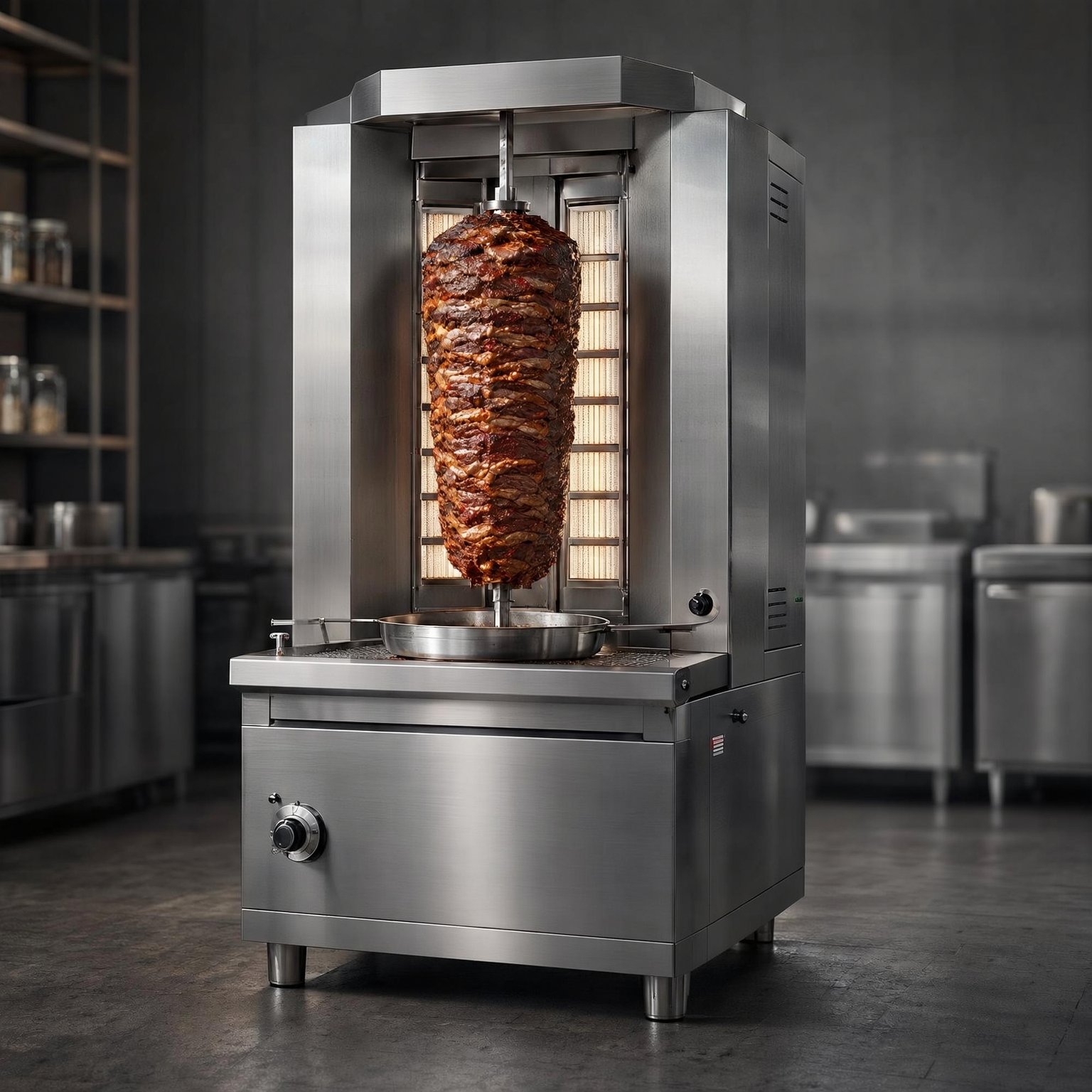 Buying a Commercial Döner Grill: Costs, Price Overview, and Budget Planning for Gastronomy Businesses
Investing in a commercial Döner grill is essential for gastronomy businesses serving Döner kebabs. The cost of these...Read more
Buying a Commercial Döner Grill: Costs, Price Overview, and Budget Planning for Gastronomy Businesses
Investing in a commercial Döner grill is essential for gastronomy businesses serving Döner kebabs. The cost of these...Read more -
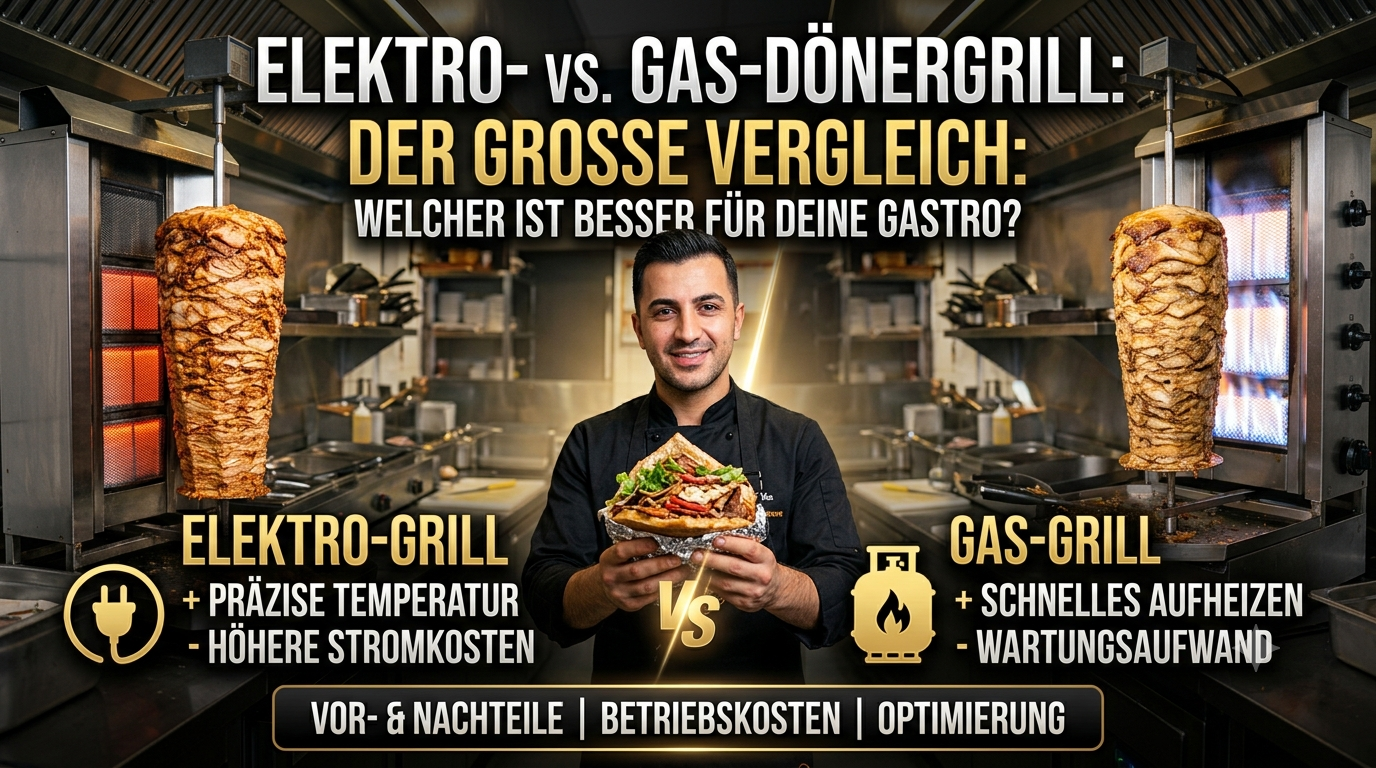 Electric vs. Gas Döner Grill: Which Is Better for the Gastronomy Industry? A Comprehensive Comparison for Snack Bars, Restaurants, and Catering
The choice between electric and gas Döner grills is a key decision for gastronomy professionals operating snack bars,...Read more
Electric vs. Gas Döner Grill: Which Is Better for the Gastronomy Industry? A Comprehensive Comparison for Snack Bars, Restaurants, and Catering
The choice between electric and gas Döner grills is a key decision for gastronomy professionals operating snack bars,...Read more -
 Pizza Oven or Döner Grill – Which Investment Is Worth It for Your Business? A Guide to Choosing the Right Equipment in Gastronomy
Deciding between a pizza oven and a döner grill is a crucial step for any gastronomy business. Both devices serve...Read more
Pizza Oven or Döner Grill – Which Investment Is Worth It for Your Business? A Guide to Choosing the Right Equipment in Gastronomy
Deciding between a pizza oven and a döner grill is a crucial step for any gastronomy business. Both devices serve...Read more -
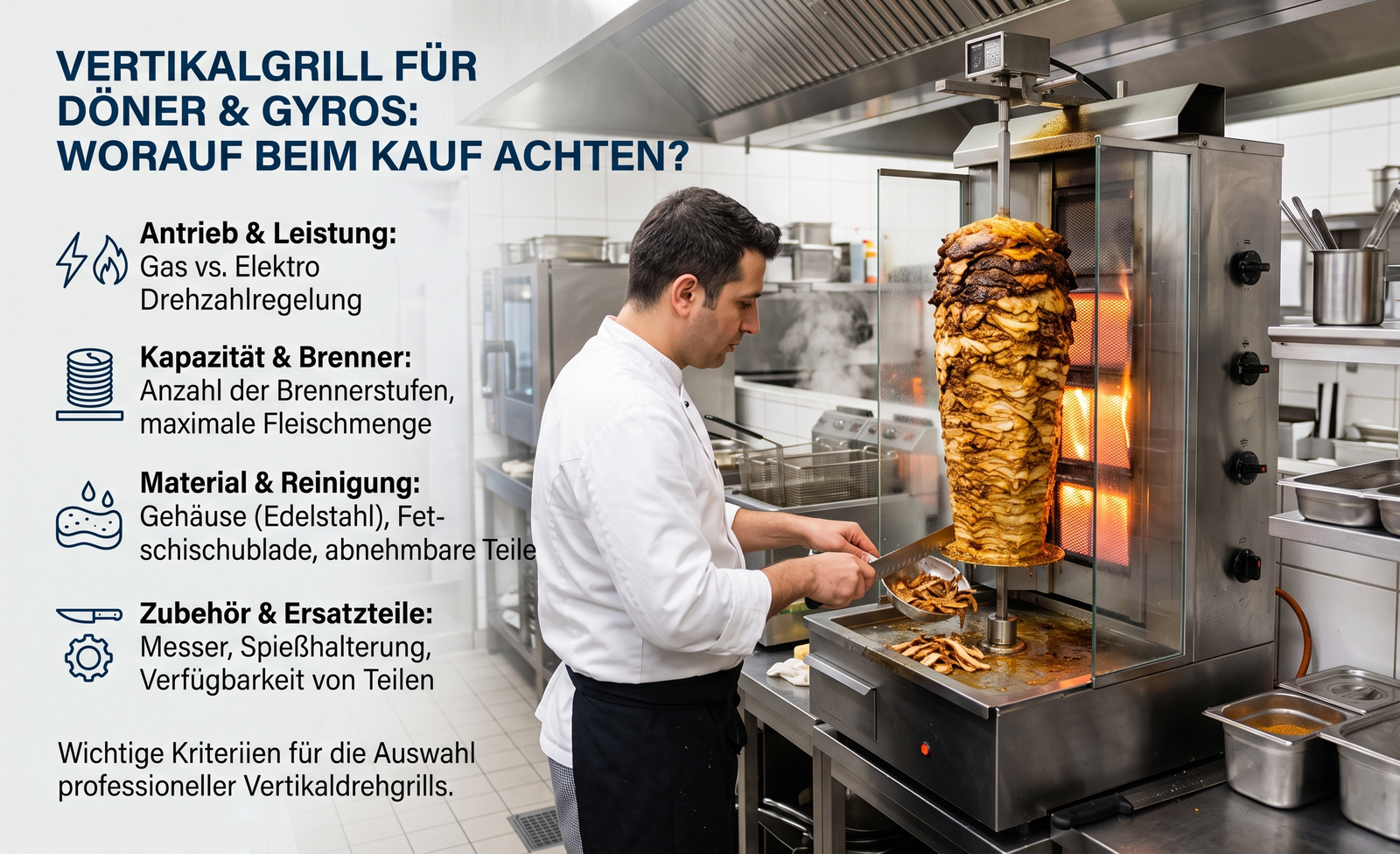 Vertical Grill for Döner & Gyros: Key Criteria for Choosing a Professional Vertical Rotisserie
A vertical grill, or vertical rotisserie, is essential for cooking Döner and Gyros meat evenly and deliciously....Read more
Vertical Grill for Döner & Gyros: Key Criteria for Choosing a Professional Vertical Rotisserie
A vertical grill, or vertical rotisserie, is essential for cooking Döner and Gyros meat evenly and deliciously....Read more -
Compact Döner Grills for Small Snack Bars & Food Trucks → Space-Saving Solutions for Limited Spaces
Small snack bars and food trucks often struggle with limited space, making it challenging to accommodate large...Read more
Leave a comment