
 Deutsch
 Türkçe
 Italiano

.jpg)
.jpg)
.jpg)
.jpg)
.jpg)
.jpg)
.jpg)
.jpg)
.jpg)
.jpg)

.jpg)

.jpg)
.jpg)
.jpg)
.jpg)
.jpg)
.jpg)
.jpg)
.jpg)
.jpg)
.jpg)



.jpg)
.jpg)
.jpg)
.jpg)
.jpg)
.jpg)
.jpg)
.jpg)
.jpg)



.jpg)
.jpg)

.jpg)
.jpg)
.jpg)
.jpg)


.jpg)

.png)
.jpg)
.jpg)
 (200 x 136 px) (5).png)
.png)

More and more restaurateurs and resourceful entrepreneurs are discovering the enormous potential of pizza vending...
-
 Cooking Appliances
add remove
Cooking Appliances
add remove -
-
Pizza & Grill
add remove
-
-
Refrigeration
add remove
-
-
Combi Steamer
add remove
-
-
Kitchen Appliances
add remove
-
-
Rinsing & Cleaning
add remove
-
-
Retail Refrigeration
add remove
-
-
Cafe & Ice Cream
add remove
-
-
Smart-Gastro
add remove
-
-
Event- & Cateringmöbel
-
Cooking Appliances
add remove
-
-
Pizza & Grill
add remove
-
-
Refrigeration
add remove
-
-
Combi Steamer
add remove
-
-
Kitchen Appliances
add remove
-
-
Rinsing & Cleaning
add remove
-
-
Retail Refrigeration
add remove
-
-
Cafe & Ice Cream
add remove
-
-
Smart-Gastro
add remove
-
-
Event- & Cateringmöbel


Call us:
+49 (0) 6135 7040 450Latest posts
-
 The Ultimate Guide: Pizza Vending Machines – Earnings, Costs & Experiences in the 24/7Read more
 -
 Döner vs. Shawarma vs. Kebab: Understanding the Terms and Differences for Your Food BusinessRead more
Are you confused about the difference between Döner, Shawarma, and Kebab? These popular meat dishes, often seen on...
-
 The 10 Best Döner Kebabs in Berlin (2026): The Ultimate Ranking Based on Real Customer ReviewsRead more
Berlin is the undisputed döner capital of the world. But with over 1,000 shops, the question arises: Which one is...
-
 Gyros vs. Döner: Understanding the Differences in Preparation, Seasoning, and Meat Selection for Your MenuRead more
Gyros and Döner are two iconic Mediterranean dishes often confused due to their similar appearance and cooking style....
-
 Welche Temperatur braucht ein Dönergrill? Richtwerte für die Gastronomie → Optimale Garzeiten und Temperaturen für perfekte ErgebnisseRead more
Der Dönergrill ist das Herzstück jeder Döner-Gastronomie. Die richtige Temperatur am Grill entscheidet maßgeblich...
-
 Döner Grill Heating Unevenly? Troubleshooting & Solutions → Recognize and Professionally Fix Common Device ProblemsRead more
Is your Döner grill heating unevenly? This can lead to poorly cooked meat and frustrated customers. In this guide, we...
-
 Proper Cleaning of Döner Grills: Care & Hygiene in Gastronomy → Equipment Cleaning According to HACCP Guidelines and Food Hygiene Regulations (LMHV)Read more
The Döner grill is a staple in many gastronomy businesses, and proper cleaning is essential to maintain hygiene and...
-
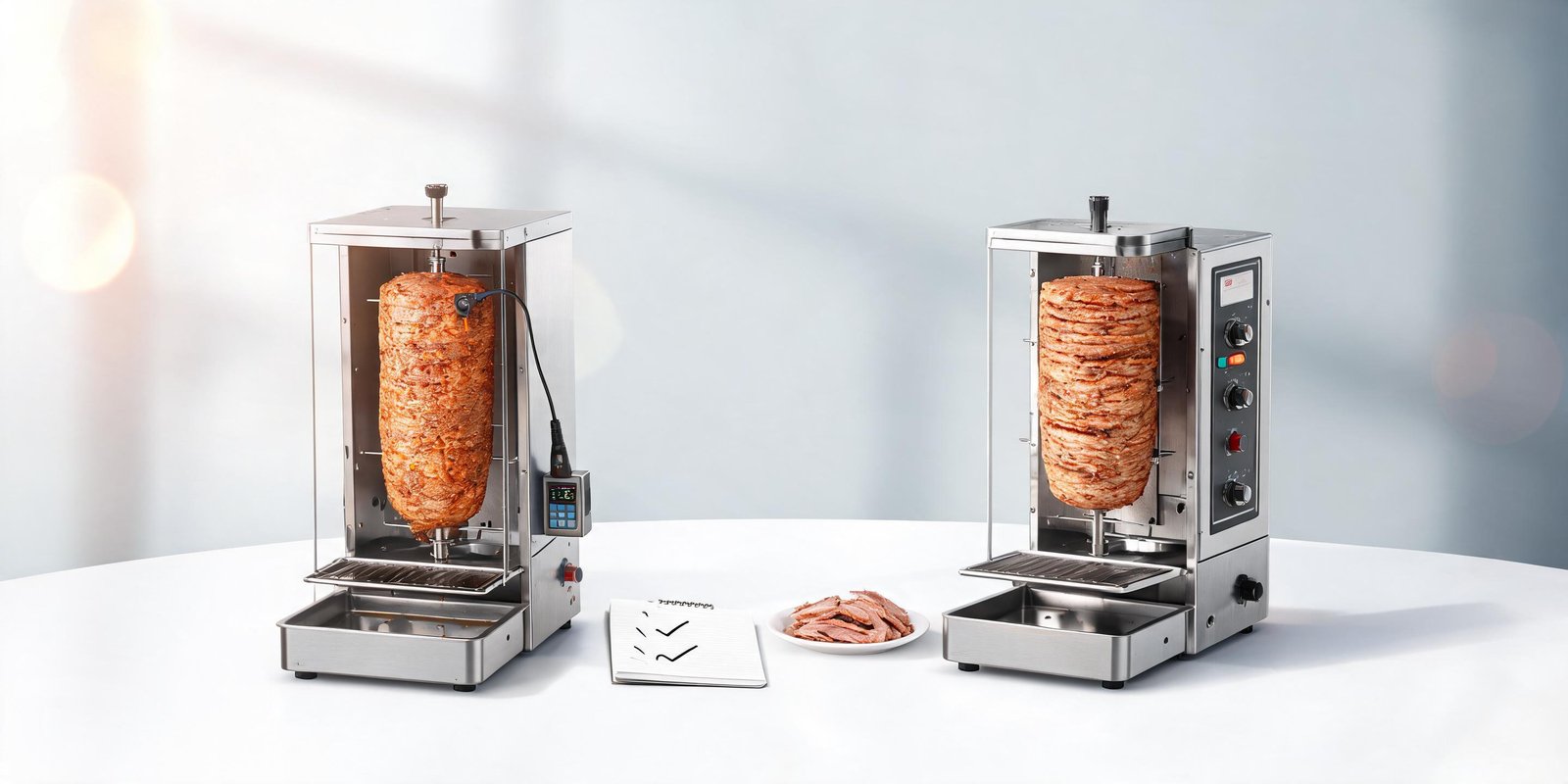 Commercial Döner Grill Tests & Reviews Overview → Make Informed Purchase Decisions with Current Product ComparisonsRead more
Choosing the right commercial Döner grill is essential for any food business specializing in this popular dish. This...
-
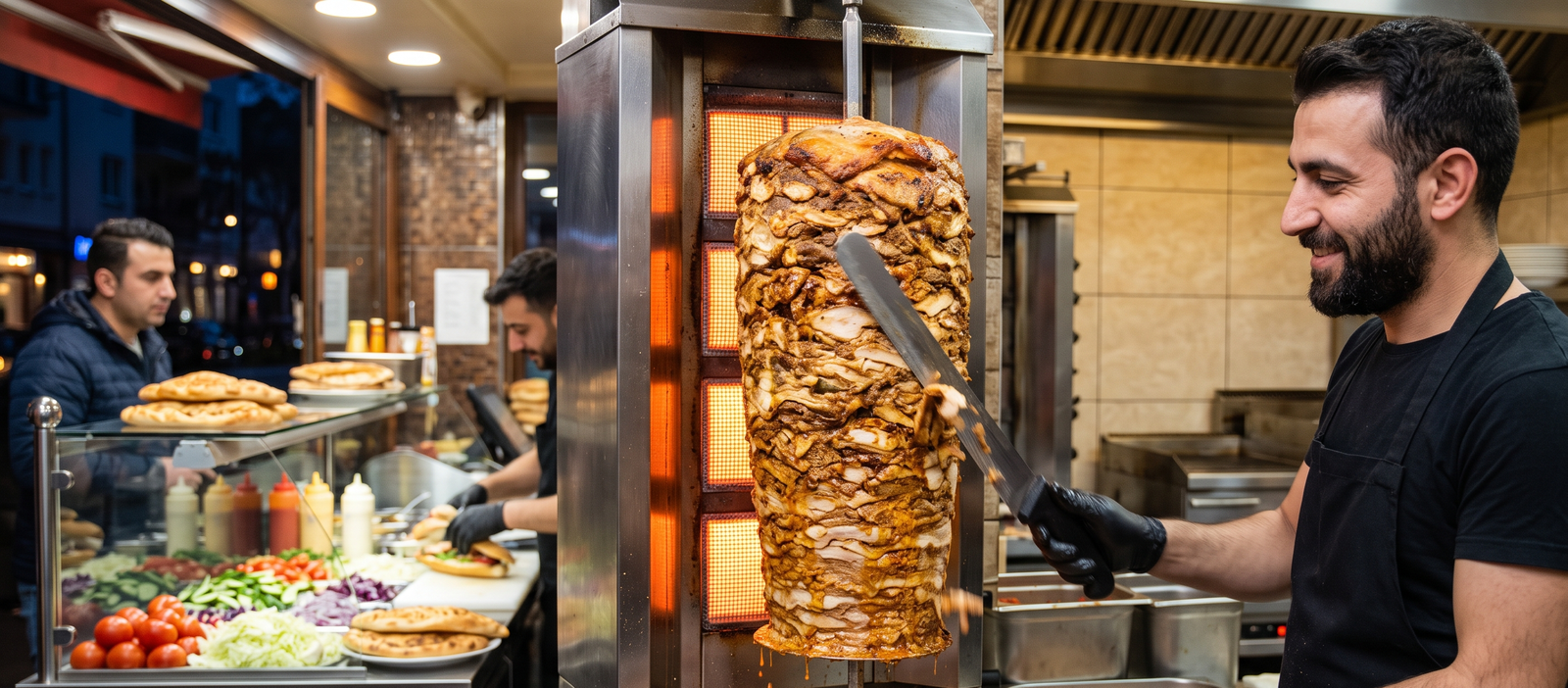 Why Is Döner Meat Grilled Vertically? Technology & Advantages Explained → The Functionality of the Vertical Grill and Its Benefits for the Gastronomy IndustryRead more
Döner kebab is famous worldwide for its juicy, flavorful meat cooked on a vertical spit. But why is the meat grilled...
-
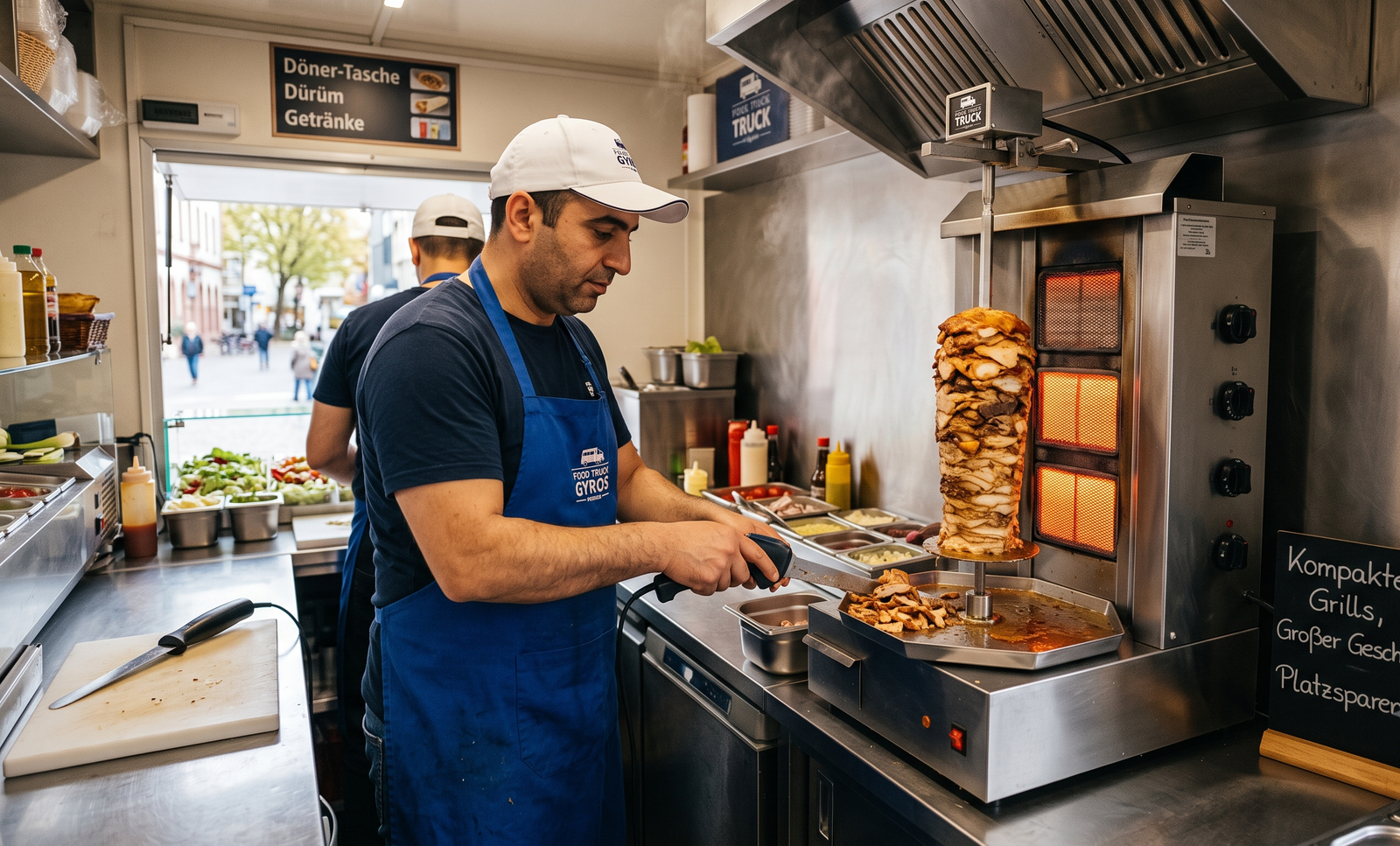 Compact Döner Grills for Small Snack Bars & Food Trucks → Space-Saving Solutions for Limited SpacesRead more
Small snack bars and food trucks often struggle with limited space, making it challenging to accommodate large...
Blog categories
Search in blog
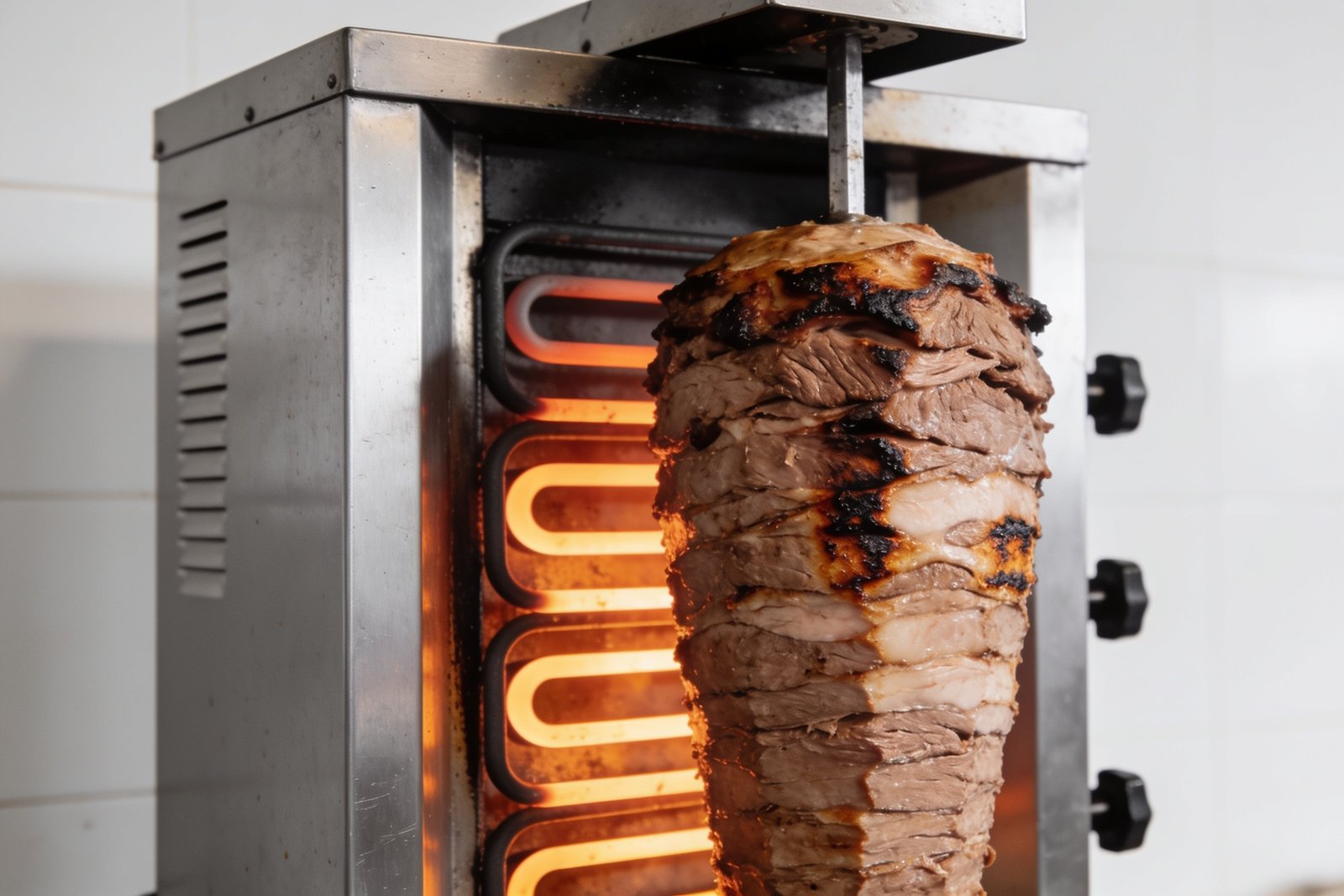
Döner Grill Heating Unevenly? Troubleshooting & Solutions → Recognize and Professionally Fix Common Device Problems
Döner Grill Heating Unevenly? Troubleshooting & Solutions → Recognize and Professionally Fix Common Device Problems
The Döner grill is a staple in many kitchens and food businesses around the world, especially where delicious, succulent Döner kebabs are served. However, like any specialized cooking equipment, Döner grills can sometimes develop issues that affect their performance. One of the most common complaints is uneven heating, which can lead to poorly cooked meat, inconsistent texture, and ultimately dissatisfied customers.
In this comprehensive guide, we will explore why your Döner grill might be heating unevenly, how to identify typical device problems, and what steps you can take to fix them professionally. Whether you are a restaurant owner, a food truck operator, or just a passionate home cook, understanding these issues will help you maintain your equipment and serve the best Döner kebabs possible.
Understanding the Basics: How Does a Döner Grill Work?
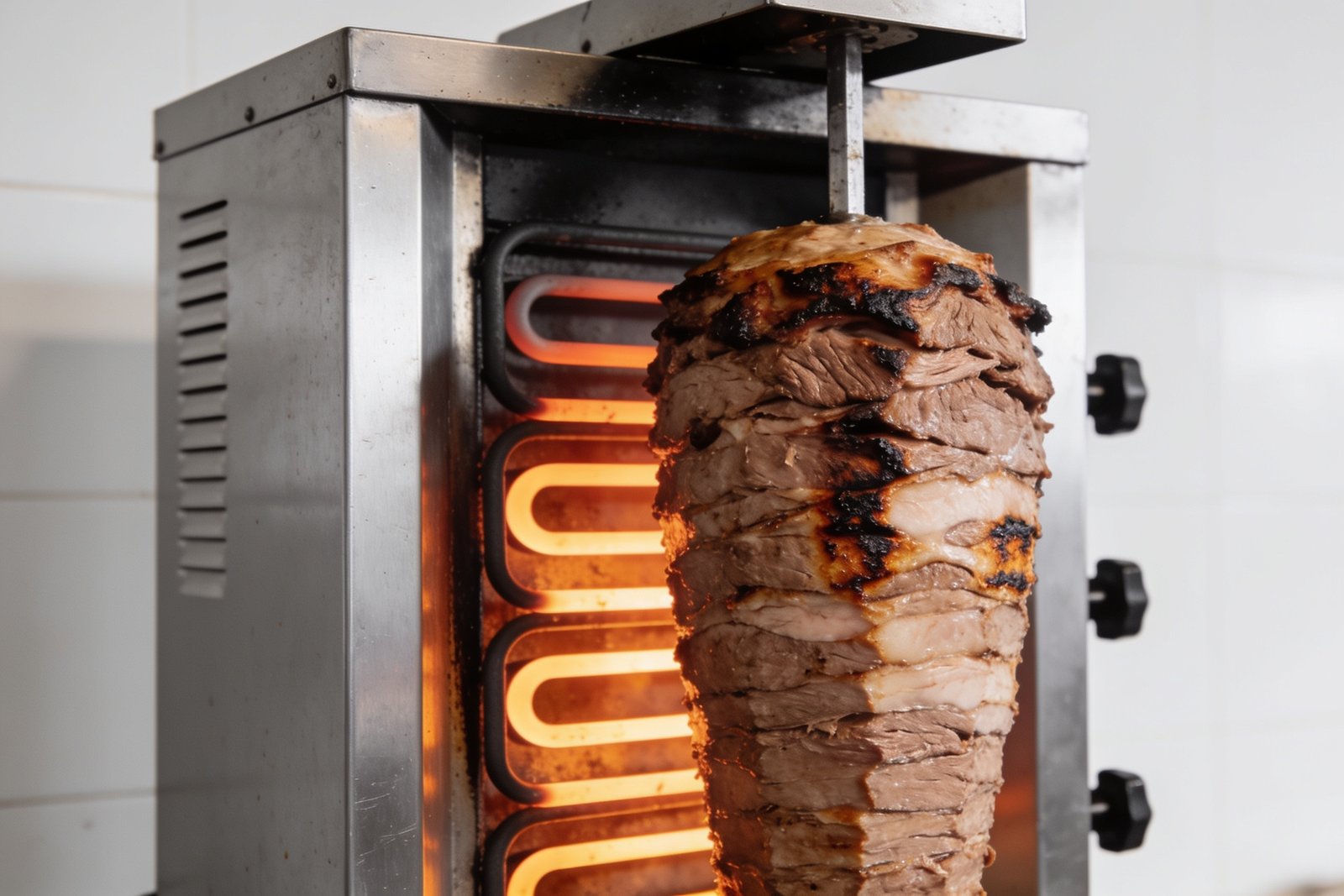
Before diving into troubleshooting, it’s important to understand the basic mechanics of a Döner grill. Typically, a Döner grill consists of a vertical rotating spit where the meat is stacked and slowly cooked by heat sources placed behind or around it. The heat source can be gas burners, electric heating elements, or infrared burners, depending on the model.
The key to perfect Döner meat is even heat distribution, which ensures the outer layers are cooked properly and can be shaved off while the inner layers continue to cook. If the heat is uneven, some parts of the meat may be overcooked or undercooked, affecting taste and food safety.
Common Reasons for Uneven Heating in Döner Grills
1. Faulty or Dirty Heating Elements
Heating elements, whether gas burners or electric coils, can degrade over time or get clogged with grease and debris. This reduces their efficiency and causes cold spots on the grill.
2. Incorrect Spit Positioning or Rotation Issues
If the spit is not centered properly or the motor controlling its rotation is malfunctioning, certain parts of the meat will be exposed to heat longer than others, causing uneven cooking.
3. Poor Insulation or Heat Loss
Worn-out insulation or gaps in the grill casing can cause heat to escape, leading to inconsistent temperatures across the cooking surface.
4. Gas Pressure or Electrical Supply Problems
Fluctuations in gas pressure or unstable electrical supply can cause heating elements to operate below optimal levels, resulting in uneven heat.
5. Build-up of Grease and Residue
Grease and food residue can accumulate on burners and reflectors, blocking heat and causing uneven distribution.
Step-by-Step Troubleshooting Guide
Step 1: Visual Inspection
Start by turning off the grill and disconnecting it from power or gas supply. Open the grill housing and inspect the heating elements for visible damage, corrosion, or grease build-up. Check the spit for proper alignment and look for any obstructions preventing smooth rotation.
Step 2: Clean Thoroughly
Use appropriate cleaning agents and tools to remove grease and residue from burners, reflectors, and other components. For gas burners, ensure the ports are clear. For electric elements, gently wipe them down without using water directly.
Step 3: Test Heating Elements
Reconnect the grill and turn it on to observe the heating elements. For gas grills, check the flame for consistency and color (a blue flame indicates proper combustion). For electric grills, use a thermal camera or temperature probe to check for hot and cold spots.
Step 4: Check Spit Rotation
Ensure the spit rotates smoothly and evenly. If the motor is noisy, jerky, or not rotating at all, it may need lubrication, repair, or replacement.
Step 5: Inspect Gas and Electrical Connections
Verify that gas hoses are intact and connections are tight. For electric grills, check wiring for damage and ensure the power supply is stable.
Professional Solutions to Common Problems
Replacing or Repairing Heating Elements
If cleaning does not restore even heating, faulty burners or electric coils may need replacement. Always use manufacturer-approved parts and consult a professional technician if you are unsure.
Fixing Spit Rotation Issues
Lubricate the motor and gears regularly to prevent wear. If the motor is defective, replace it with a compatible unit. Ensure the spit is balanced to avoid strain on the motor.
Improving Insulation and Heat Retention
Replace damaged insulation materials inside the grill housing. Seal any gaps or cracks to prevent heat loss, which will improve cooking efficiency and reduce energy costs.
Regulating Gas Pressure and Electrical Supply
Install pressure regulators for gas grills to maintain consistent flame intensity. For electric grills, consider using surge protectors and voltage stabilizers to protect heating elements.
Regular Maintenance Schedule
Establish a routine maintenance schedule that includes cleaning, inspection, lubrication, and testing. This proactive approach helps identify issues early and prolongs the life of your Döner grill.
Additional Tips for Optimal Döner Grill Performance
- Use Quality Fuel: Whether gas or electricity, ensure fuel sources are clean and stable.
- Monitor Cooking Temperature: Use thermometers or thermal cameras to keep track of heat distribution.
- Train Staff: Proper operation and handling can prevent many common problems.
- Consult Manufacturer Manuals: Follow specific guidelines for your model to avoid voiding warranties.
When to Call a Professional
While many minor issues can be fixed with basic troubleshooting, some problems require professional attention. If you notice persistent uneven heating despite cleaning and adjustments, electrical faults, gas leaks, or mechanical failures in the spit motor, it’s best to contact certified technicians. Attempting complex repairs without expertise can be dangerous and may cause further damage.
Conclusion
Uneven heating in Döner grills is a common but solvable problem. By understanding the underlying causes, performing regular maintenance, and addressing issues promptly, you can ensure your grill operates efficiently and produces delicious, evenly cooked Döner kebabs every time. Whether you choose to troubleshoot yourself or hire a professional, keeping your Döner grill in top shape is key to running a successful food business or enjoying authentic Döner at home.
Remember, safety first: always disconnect power or gas before performing any maintenance, and follow manufacturer instructions carefully. With the right care and attention, your Döner grill will continue to be a reliable and tasty companion for years to come.
We hope this guide helps you identify and fix your Döner grill heating issues. If you have any questions or want to share your experiences, feel free to leave a comment below!
Posted in:
Gyros | Dönergrills
Related posts
-
 Buying a Commercial Döner Grill: Costs, Price Overview, and Budget Planning for Gastronomy Businesses
Investing in a commercial Döner grill is essential for gastronomy businesses serving Döner kebabs. The cost of these...Read more
Buying a Commercial Döner Grill: Costs, Price Overview, and Budget Planning for Gastronomy Businesses
Investing in a commercial Döner grill is essential for gastronomy businesses serving Döner kebabs. The cost of these...Read more -
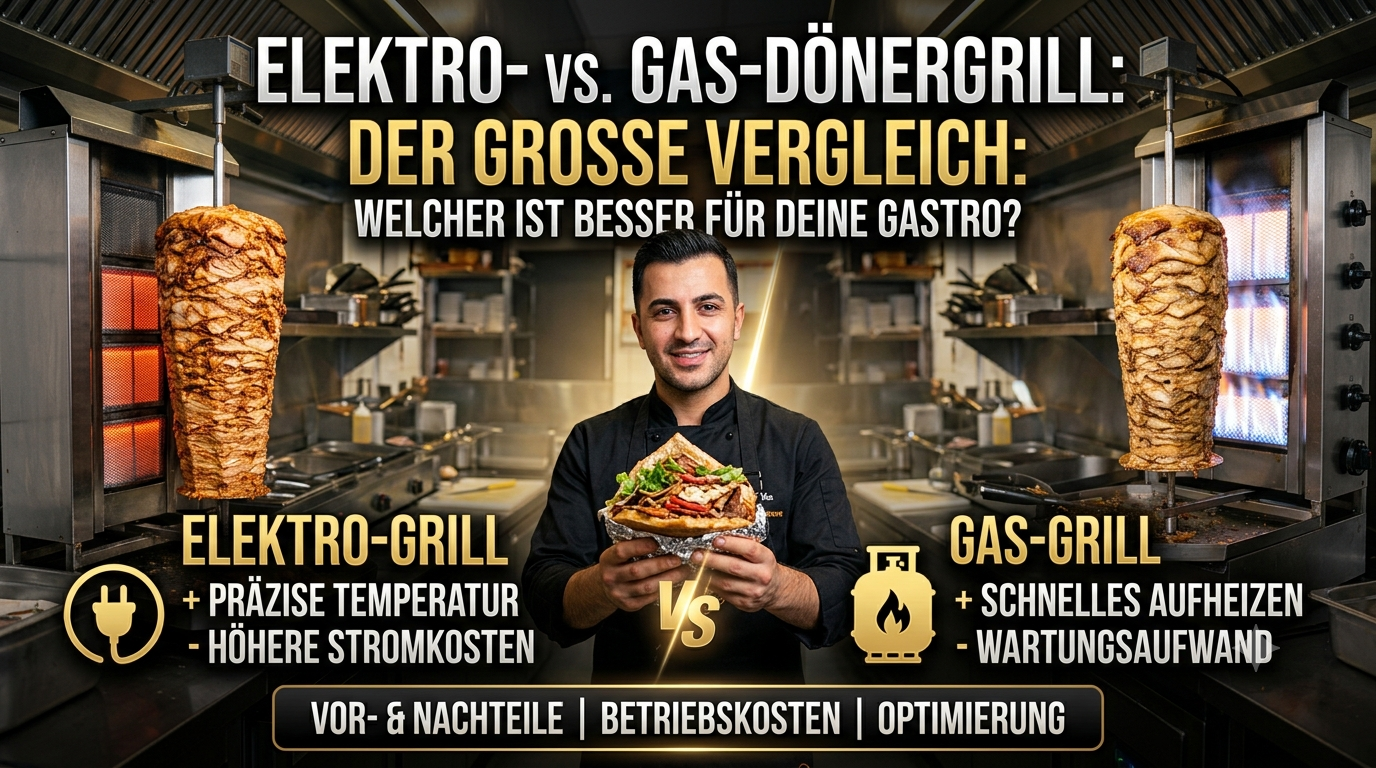 Electric vs. Gas Döner Grill: Which Is Better for the Gastronomy Industry? A Comprehensive Comparison for Snack Bars, Restaurants, and Catering
The choice between electric and gas Döner grills is a key decision for gastronomy professionals operating snack bars,...Read more
Electric vs. Gas Döner Grill: Which Is Better for the Gastronomy Industry? A Comprehensive Comparison for Snack Bars, Restaurants, and Catering
The choice between electric and gas Döner grills is a key decision for gastronomy professionals operating snack bars,...Read more -
 Pizza Oven or Döner Grill – Which Investment Is Worth It for Your Business? A Guide to Choosing the Right Equipment in Gastronomy
Deciding between a pizza oven and a döner grill is a crucial step for any gastronomy business. Both devices serve...Read more
Pizza Oven or Döner Grill – Which Investment Is Worth It for Your Business? A Guide to Choosing the Right Equipment in Gastronomy
Deciding between a pizza oven and a döner grill is a crucial step for any gastronomy business. Both devices serve...Read more -
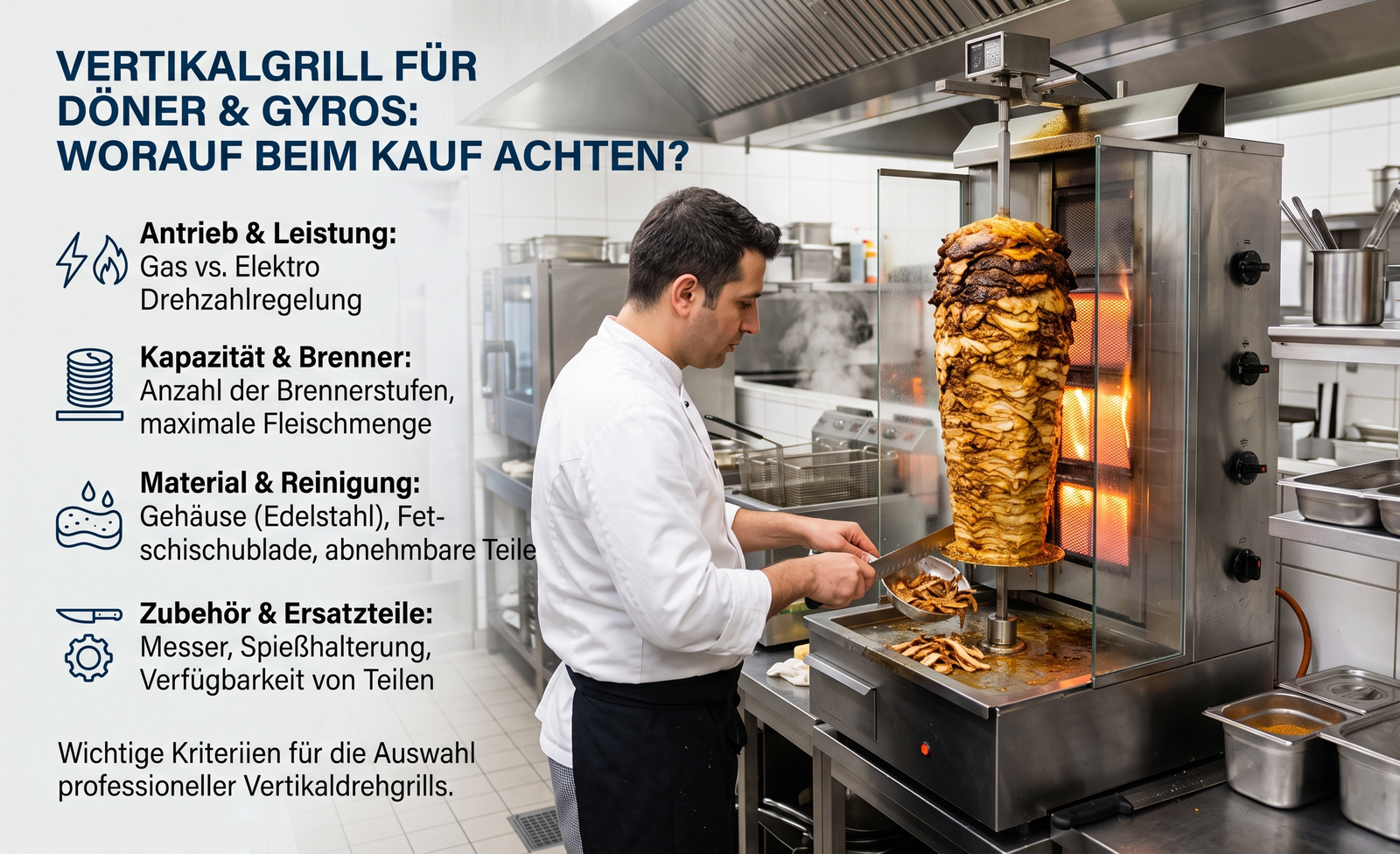 Vertical Grill for Döner & Gyros: Key Criteria for Choosing a Professional Vertical Rotisserie
A vertical grill, or vertical rotisserie, is essential for cooking Döner and Gyros meat evenly and deliciously....Read more
Vertical Grill for Döner & Gyros: Key Criteria for Choosing a Professional Vertical Rotisserie
A vertical grill, or vertical rotisserie, is essential for cooking Döner and Gyros meat evenly and deliciously....Read more -
Compact Döner Grills for Small Snack Bars & Food Trucks → Space-Saving Solutions for Limited Spaces
Small snack bars and food trucks often struggle with limited space, making it challenging to accommodate large...Read more
Leave a comment