
 Deutsch
 Türkçe
 Italiano

.jpg)
.jpg)
.jpg)
.jpg)
.jpg)
.jpg)
.jpg)
.jpg)
.jpg)
.jpg)

.jpg)

.jpg)
.jpg)
.jpg)
.jpg)
.jpg)
.jpg)
.jpg)
.jpg)
.jpg)
.jpg)



.jpg)
.jpg)
.jpg)
.jpg)
.jpg)
.jpg)
.jpg)
.jpg)
.jpg)



.jpg)
.jpg)

.jpg)
.jpg)
.jpg)
.jpg)


.jpg)

.png)
.jpg)
.jpg)
 (200 x 136 px) (5).png)
.png)

More and more restaurateurs and resourceful entrepreneurs are discovering the enormous potential of pizza vending...
-
 Cooking Appliances
add remove
Cooking Appliances
add remove -
-
Pizza & Grill
add remove
-
-
Refrigeration
add remove
-
-
Combi Steamer
add remove
-
-
Kitchen Appliances
add remove
-
-
Rinsing & Cleaning
add remove
-
-
Retail Refrigeration
add remove
-
-
Cafe & Ice Cream
add remove
-
-
Smart-Gastro
add remove
-
-
Event- & Cateringmöbel
-
Cooking Appliances
add remove
-
-
Pizza & Grill
add remove
-
-
Refrigeration
add remove
-
-
Combi Steamer
add remove
-
-
Kitchen Appliances
add remove
-
-
Rinsing & Cleaning
add remove
-
-
Retail Refrigeration
add remove
-
-
Cafe & Ice Cream
add remove
-
-
Smart-Gastro
add remove
-
-
Event- & Cateringmöbel


Call us:
+49 (0) 6135 7040 450Latest posts
-
 The Ultimate Guide: Pizza Vending Machines – Earnings, Costs & Experiences in the 24/7Read more
 -
 Döner vs. Shawarma vs. Kebab: Understanding the Terms and Differences for Your Food BusinessRead more
Are you confused about the difference between Döner, Shawarma, and Kebab? These popular meat dishes, often seen on...
-
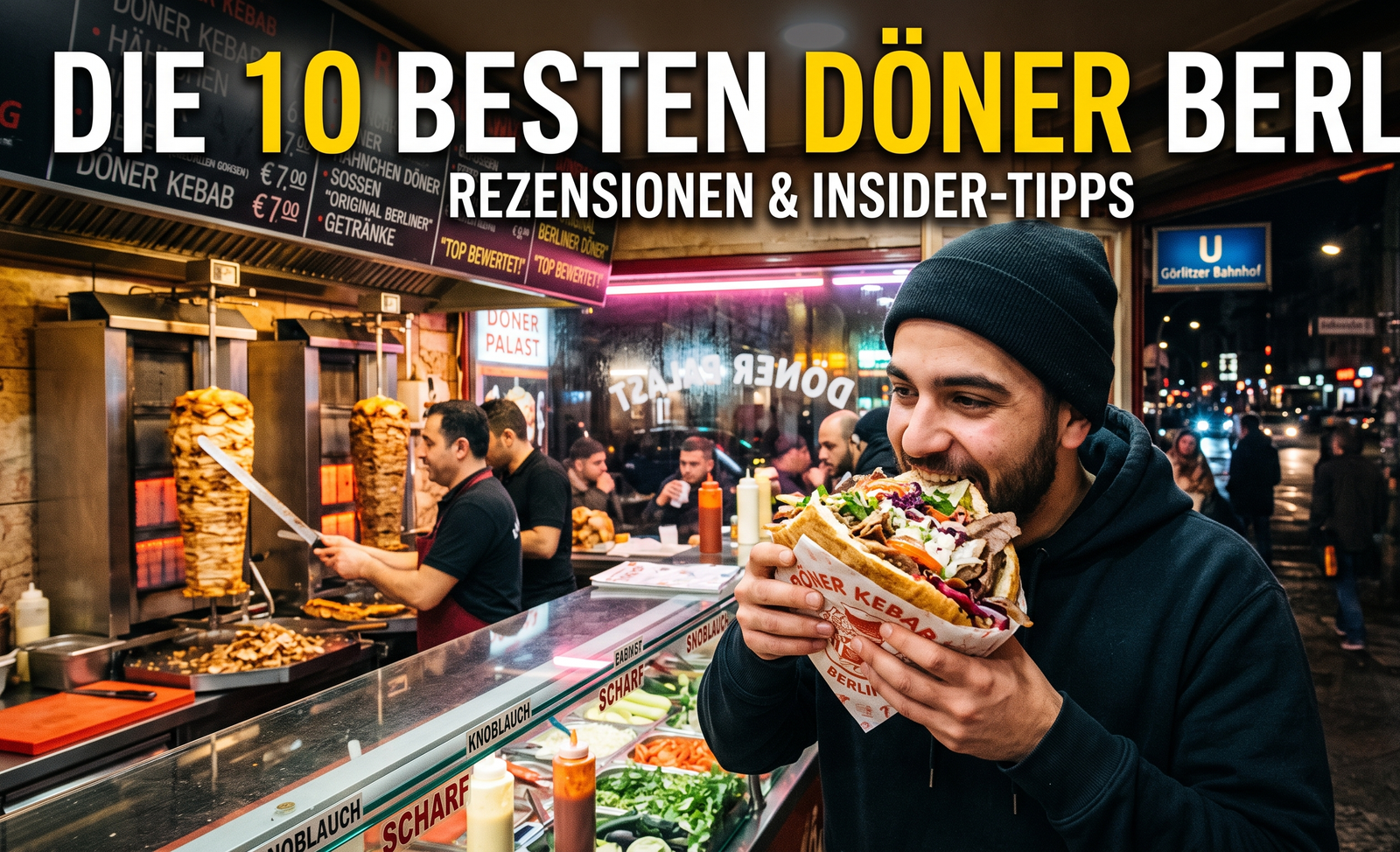 The 10 Best Döner Kebabs in Berlin (2026): The Ultimate Ranking Based on Real Customer ReviewsRead more
Berlin is the undisputed döner capital of the world. But with over 1,000 shops, the question arises: Which one is...
-
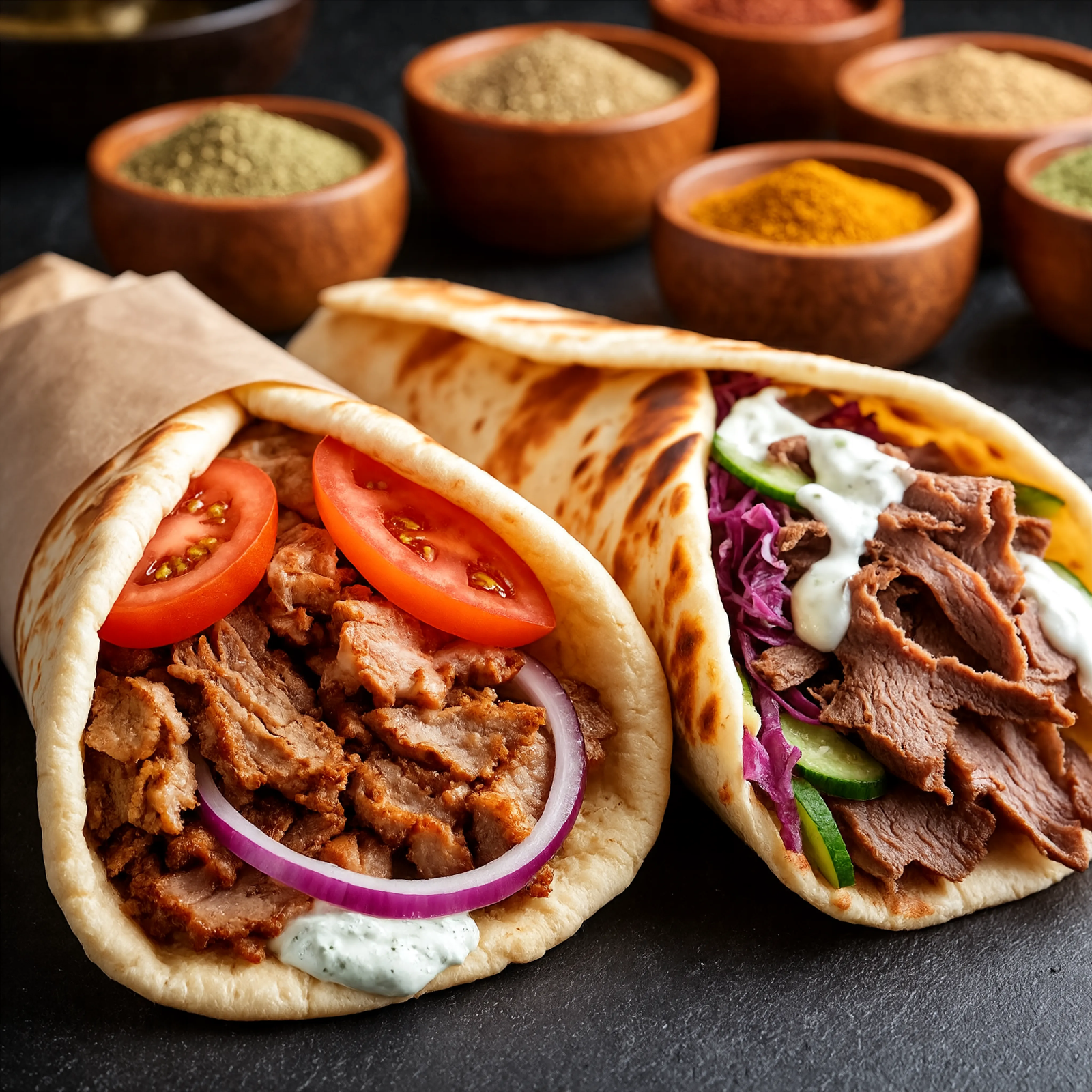 Gyros vs. Döner: Understanding the Differences in Preparation, Seasoning, and Meat Selection for Your MenuRead more
Gyros and Döner are two iconic Mediterranean dishes often confused due to their similar appearance and cooking style....
-
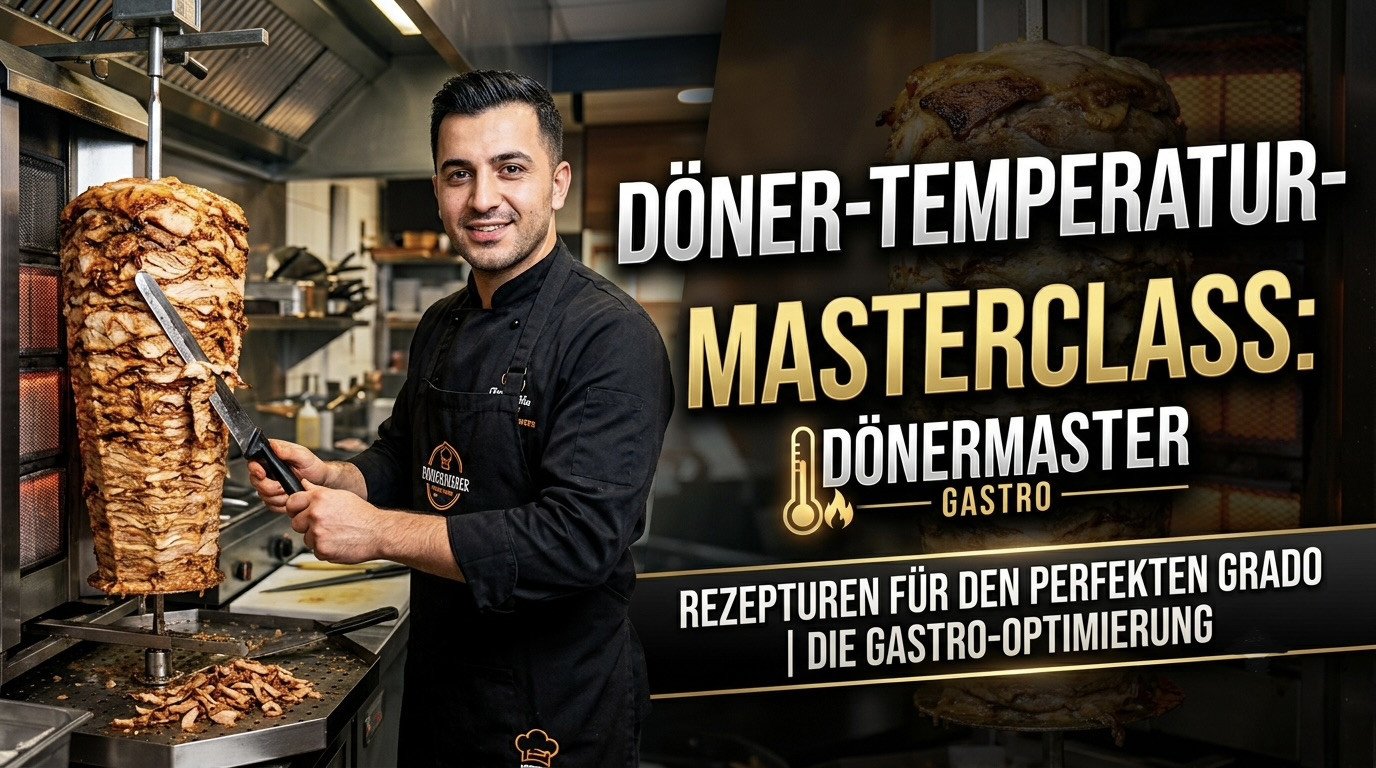 Welche Temperatur braucht ein Dönergrill? Richtwerte für die Gastronomie → Optimale Garzeiten und Temperaturen für perfekte ErgebnisseRead more
Der Dönergrill ist das Herzstück jeder Döner-Gastronomie. Die richtige Temperatur am Grill entscheidet maßgeblich...
-
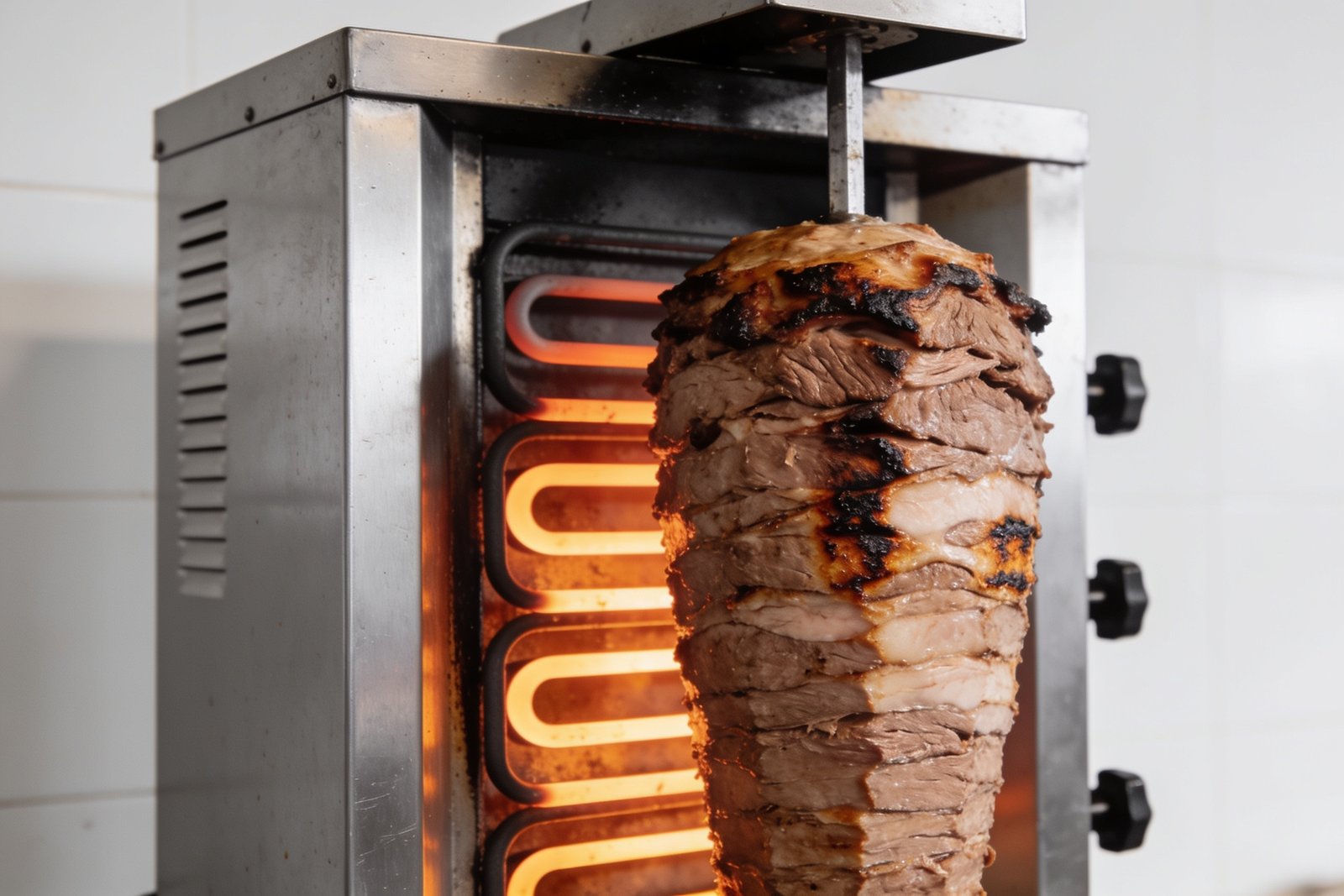 Döner Grill Heating Unevenly? Troubleshooting & Solutions → Recognize and Professionally Fix Common Device ProblemsRead more
Is your Döner grill heating unevenly? This can lead to poorly cooked meat and frustrated customers. In this guide, we...
-
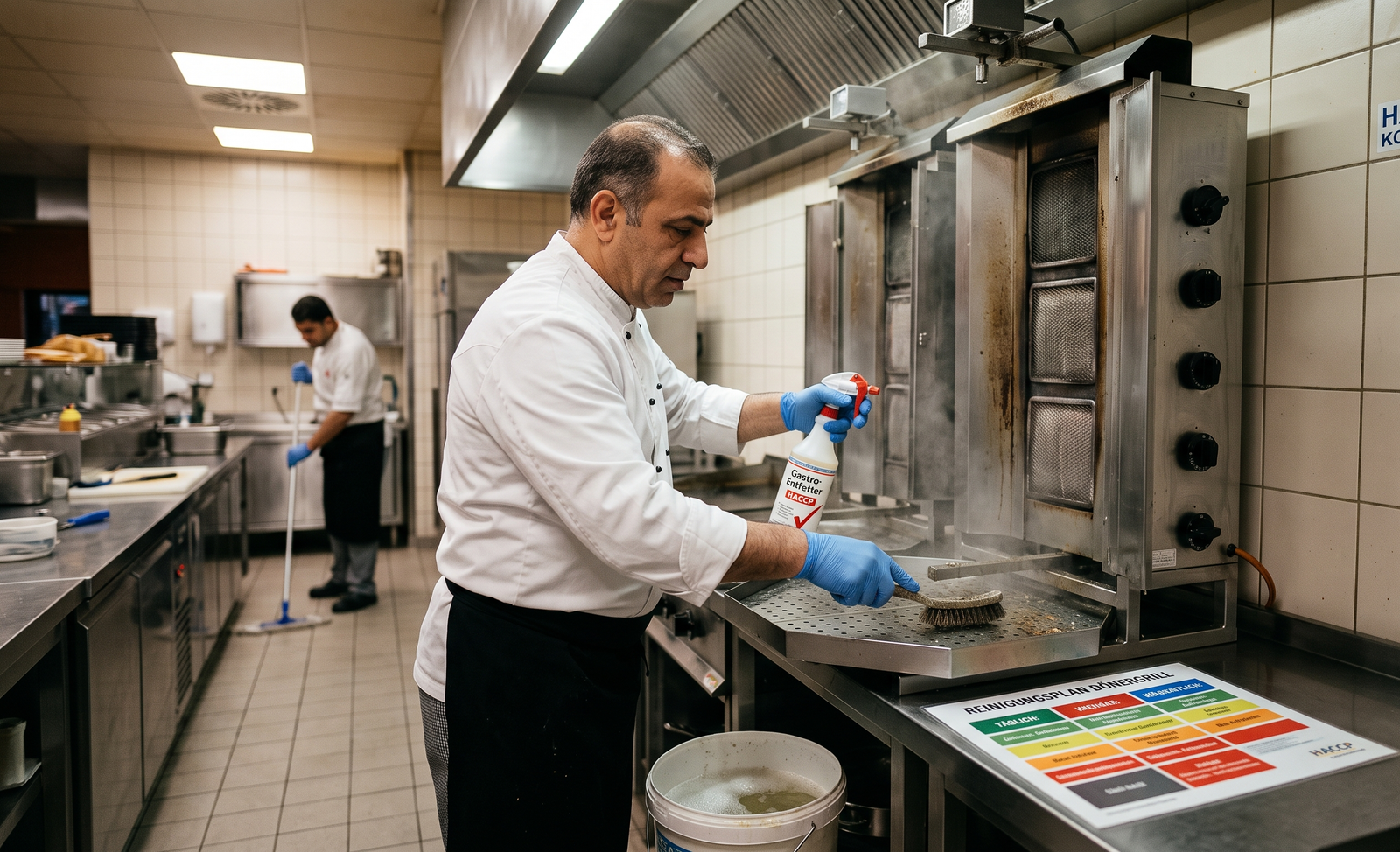 Proper Cleaning of Döner Grills: Care & Hygiene in Gastronomy → Equipment Cleaning According to HACCP Guidelines and Food Hygiene Regulations (LMHV)Read more
The Döner grill is a staple in many gastronomy businesses, and proper cleaning is essential to maintain hygiene and...
-
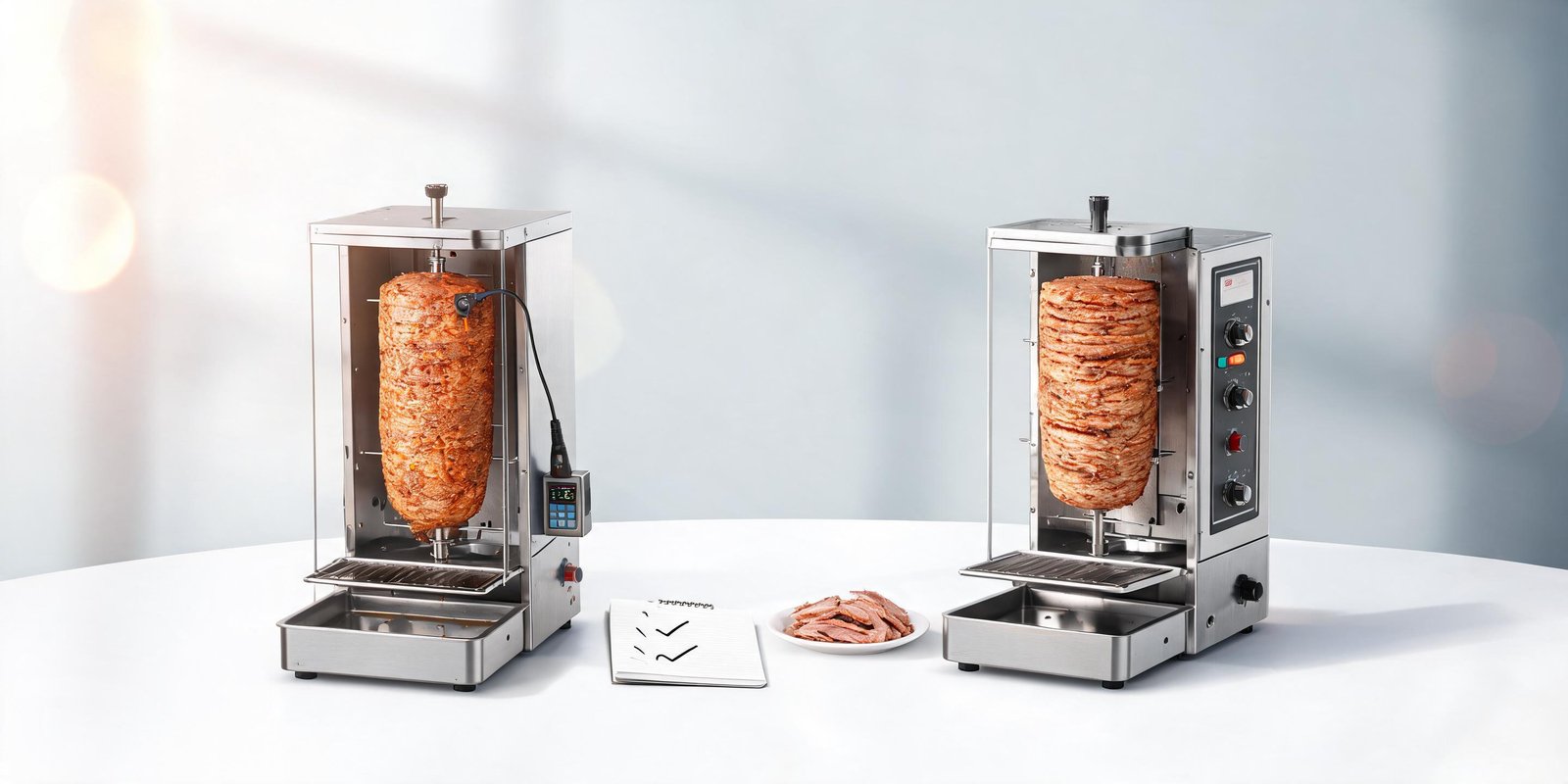 Commercial Döner Grill Tests & Reviews Overview → Make Informed Purchase Decisions with Current Product ComparisonsRead more
Choosing the right commercial Döner grill is essential for any food business specializing in this popular dish. This...
-
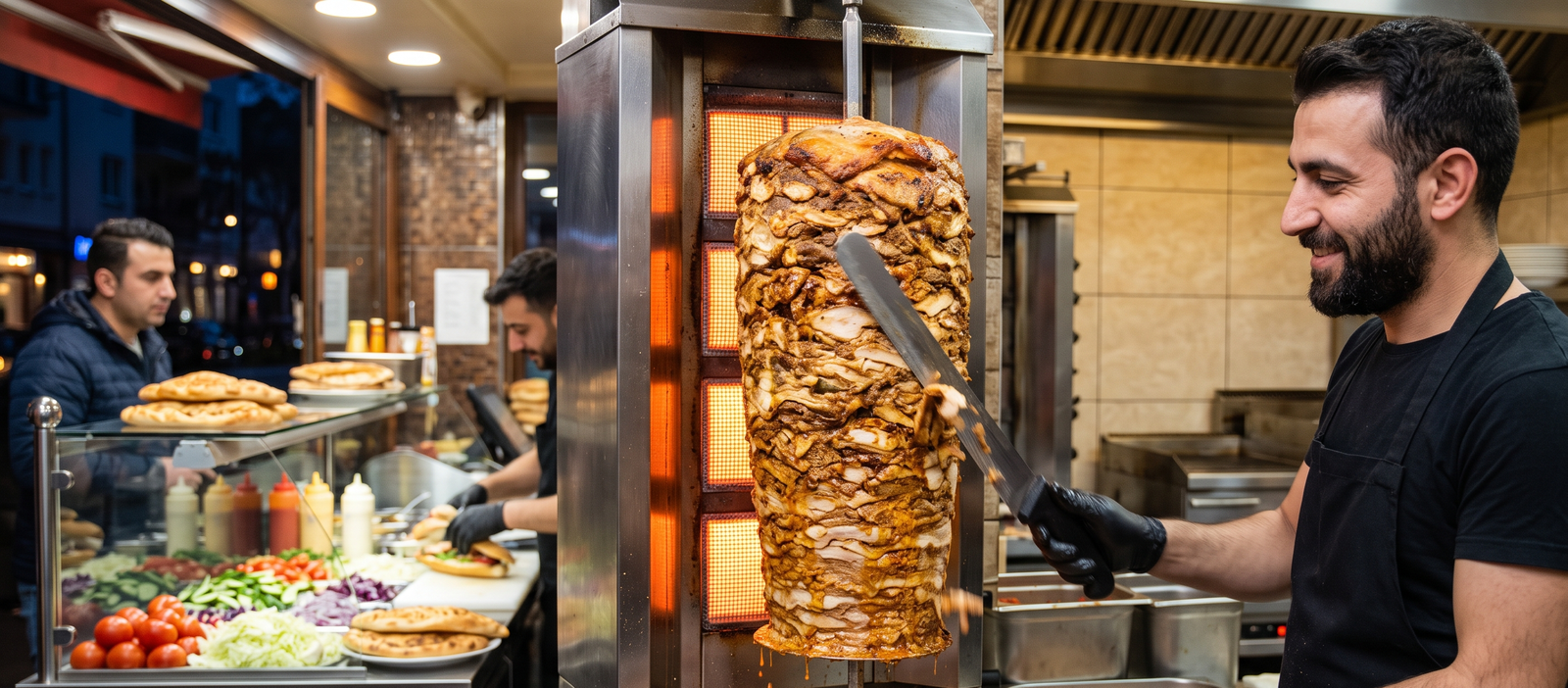 Why Is Döner Meat Grilled Vertically? Technology & Advantages Explained → The Functionality of the Vertical Grill and Its Benefits for the Gastronomy IndustryRead more
Döner kebab is famous worldwide for its juicy, flavorful meat cooked on a vertical spit. But why is the meat grilled...
-
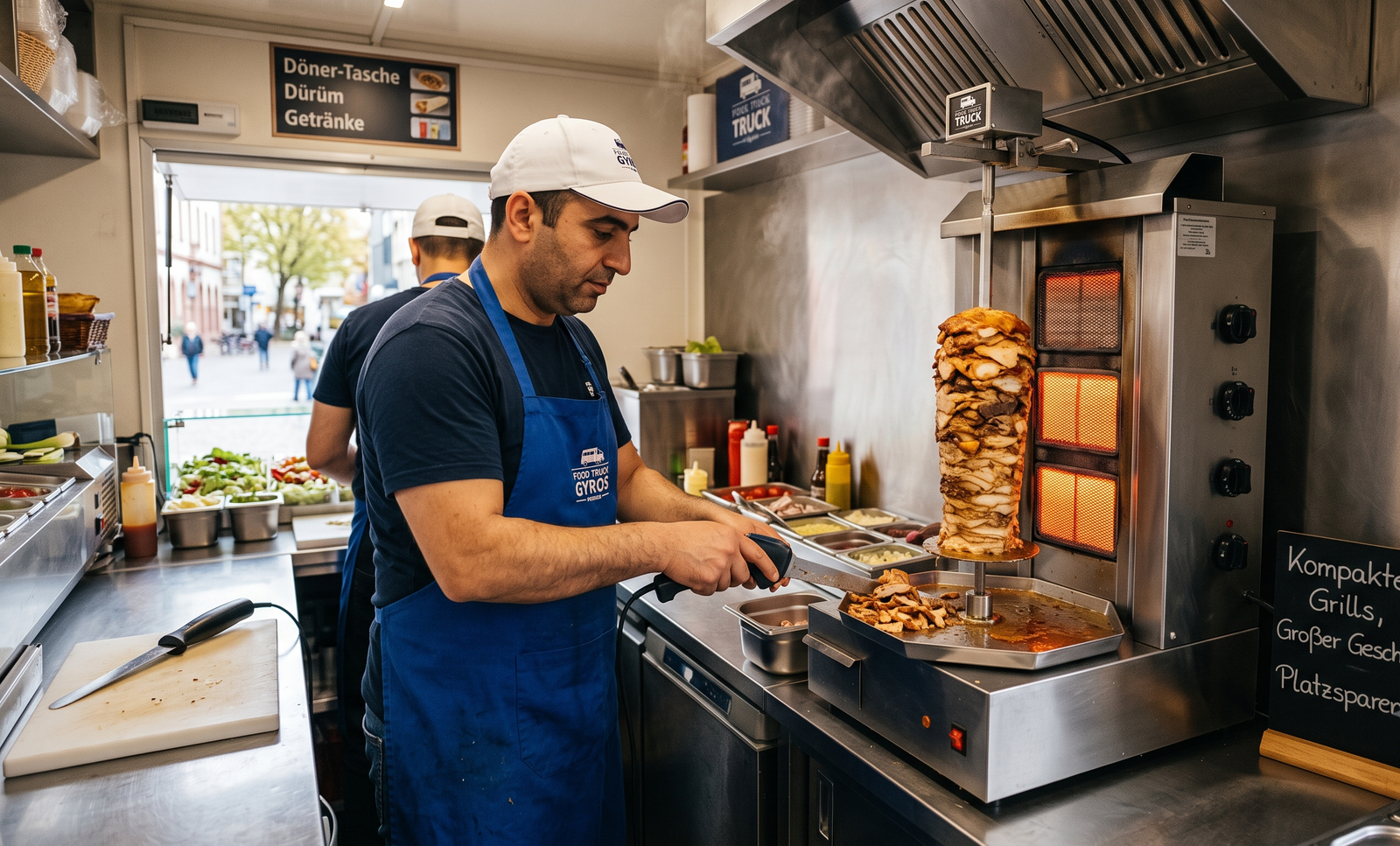 Compact Döner Grills for Small Snack Bars & Food Trucks → Space-Saving Solutions for Limited SpacesRead more
Small snack bars and food trucks often struggle with limited space, making it challenging to accommodate large...
Blog categories
Search in blog
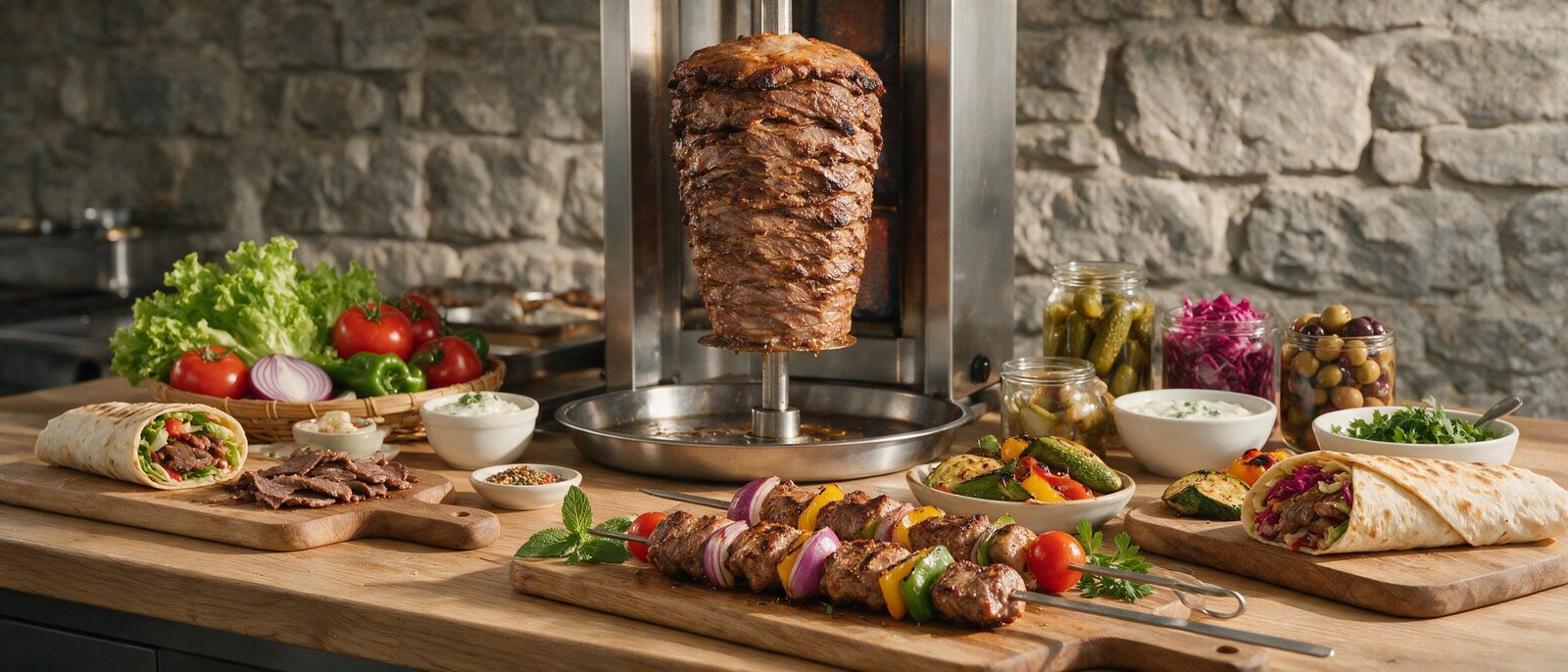
Döner vs. Shawarma vs. Kebab: Understanding the Terms and Differences for Your Food Business
Döner vs. Shawarma vs. Kebab: Understanding the Terms and Differences for Your Food Business
When running a food business or simply exploring international cuisines, you might have encountered the terms Döner, Shawarma, and Kebab. These words are often used interchangeably, but they actually refer to distinct dishes with unique origins, preparation methods, and cultural significance. For restaurateurs, food truck owners, or anyone involved in the hospitality industry, understanding these differences is crucial for creating an authentic menu, marketing effectively, and respecting culinary heritage.
Why Does It Matter?
Using the correct terminology on your menu can:
- Help customers know exactly what to expect.
- Enhance the authenticity and credibility of your business.
- Prevent misunderstandings or disappointment.
- Show respect for the cultures behind the dishes.
In this comprehensive guide, we’ll break down the terms Döner, Shawarma, and Kebab, explain their origins, preparation styles, and how they differ from one another. By the end, you’ll have clarity on which term to use and how to describe these delicious dishes to your customers.
Origins and Cultural Backgrounds
Döner
The word "Döner" comes from the Turkish verb "dönmek", meaning "to turn" or "to rotate." It refers to meat cooked on a vertical rotisserie. Döner kebab originated in Turkey and became popular in the 19th century, particularly in Istanbul. It traditionally uses lamb or beef, although chicken is common today.
Döner is typically sliced thinly from the rotating meat cone and served in various ways: inside flatbread (pita or lavash), on a plate with rice and salad, or as a sandwich. The dish has become a staple street food in Turkey and has spread worldwide, especially in Germany, where it was popularized by Turkish immigrants.
Shawarma
Shawarma is a Middle Eastern dish with roots in the Levantine region, including countries like Lebanon, Syria, Jordan, and Palestine. The name comes from the Turkish word "çevirme," meaning "turning," reflecting a similar cooking technique to Döner.
Shawarma is made by stacking thinly sliced marinated meat (lamb, chicken, beef, or turkey) on a vertical spit and slow-roasting it. The meat is shaved off as it cooks and served wrapped in pita bread or laffa, often accompanied by garlic sauce, tahini, pickles, and fresh vegetables.
Kebab
The term "kebab" is broad and encompasses a variety of grilled or roasted meat dishes across the Middle East, South Asia, and beyond. It is derived from the Arabic word "kabāb," meaning "to burn" or "to grill."
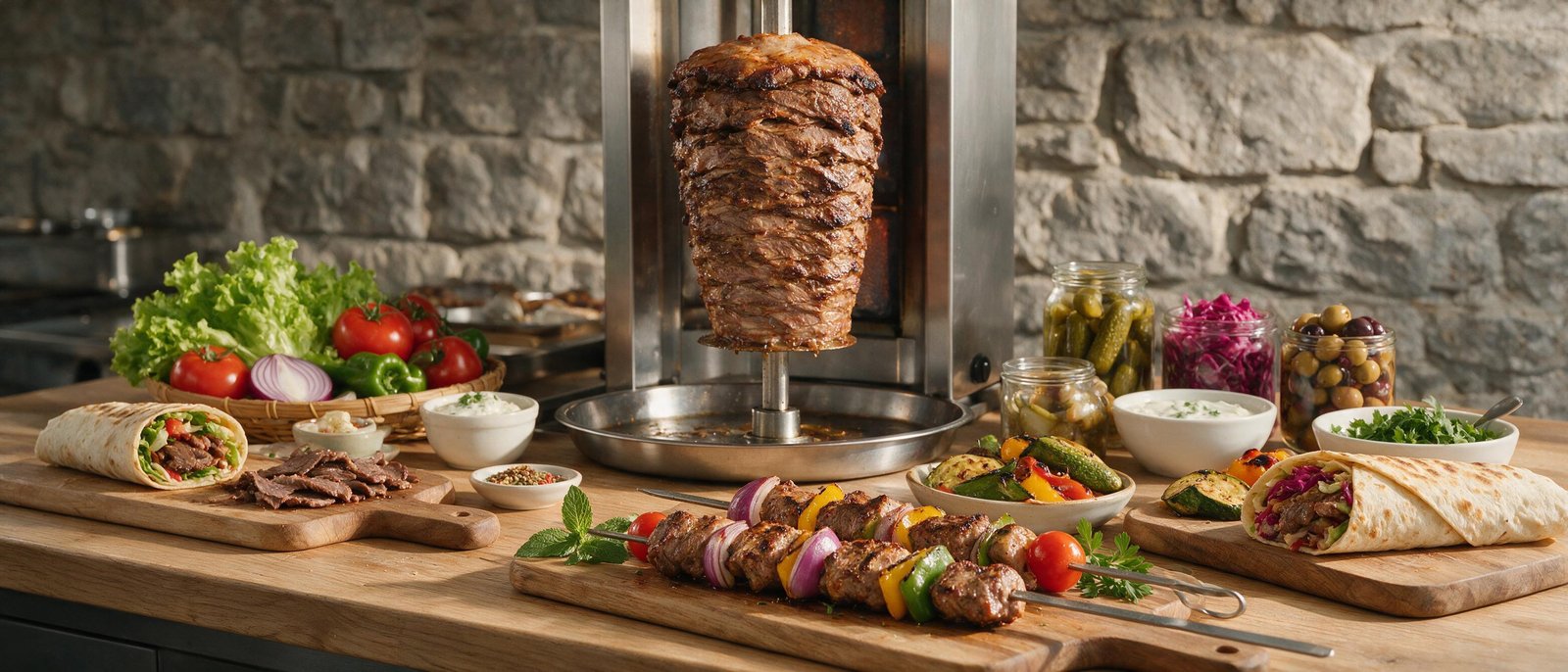
Unlike Döner and Shawarma, which specifically refer to meat cooked on vertical rotisseries, kebabs can be cooked in many ways: skewered and grilled over open flames (like shish kebab), minced and shaped into patties or cylinders (like kofta kebab), or even cooked in ovens or pans.
Kebab is a versatile term and varies widely depending on region, ingredients, and cooking style.
Key Differences Explained
| Aspect | Döner | Shawarma | Kebab |
|---|---|---|---|
| Origin | Turkey | Levantine Middle East | Middle East, South Asia, Central Asia |
| Cooking Method | Vertical rotisserie, meat cone | Vertical rotisserie, stacked marinated meat | Grilled, skewered, pan-cooked, or roasted |
| Meat Types | Lamb, beef, chicken | Lamb, chicken, beef, turkey | Varies widely: lamb, beef, chicken, goat, fish |
| Serving Style | In flatbread, on plate, sandwich | Wrapped in pita or laffa with sauces | Skewers, wraps, platters, or rice dishes |
| Typical Accompaniments | Salad, yogurt sauce, pickles | Garlic sauce, tahini, pickles, veggies | Varies: rice, salad, yogurt, sauces |
Detailed Look at Each Dish
Döner Kebabs: The Turkish Classic
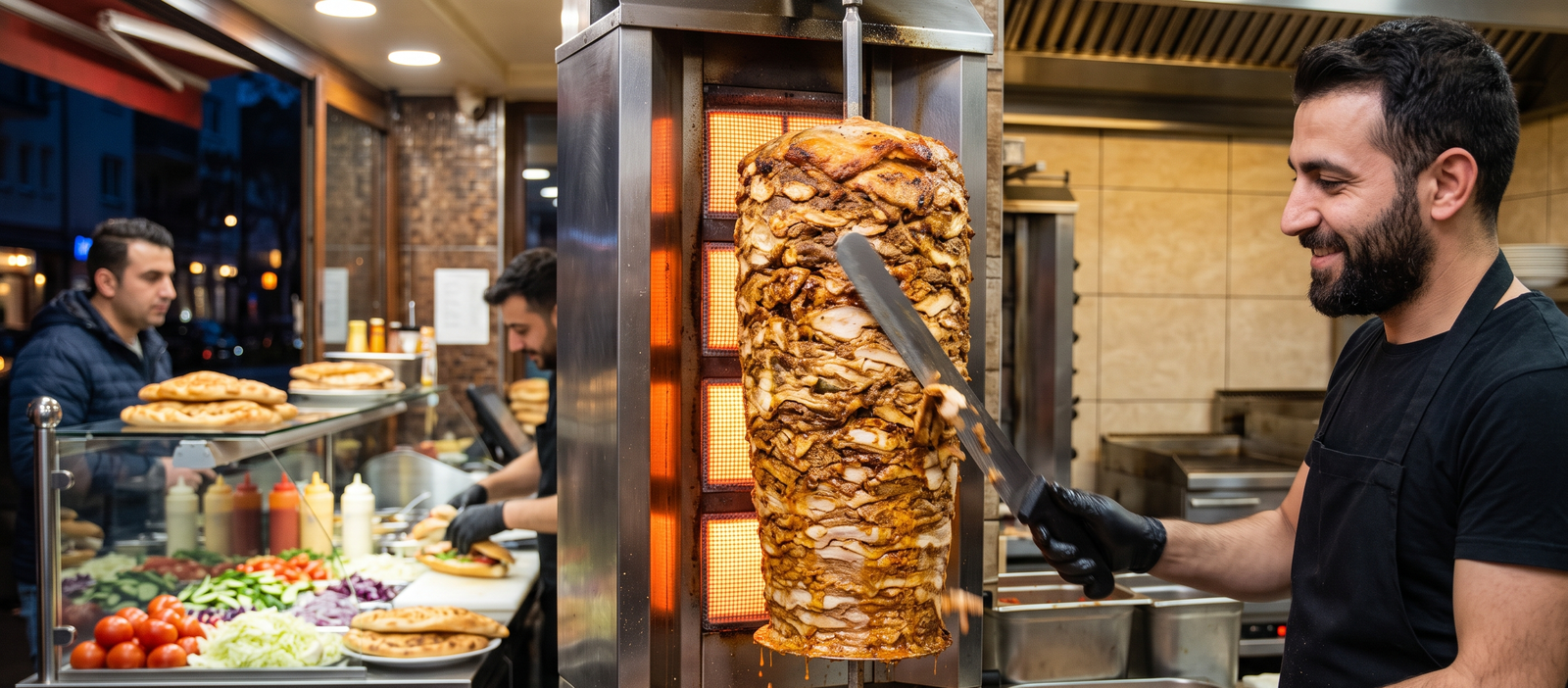
Döner kebab is a culinary icon in Turkey and has become a global fast-food favorite. The preparation involves marinating large cuts of meat, stacking them on a vertical spit, and slowly roasting them as the spit turns in front of a heat source.
The outer layer crisps up, and thin slices are shaved off with a long knife. Döner can be served in many ways:
- Döner Sandwich: Slices of meat tucked into pita bread or a flatbread wrap, often with fresh vegetables like lettuce, tomato, onion, and sauces such as yogurt or spicy chili sauce.
- Döner Plate: Served on a plate with rice or bulgur, salad, grilled vegetables, and sauces.
- Dürüm: A Turkish wrap using thin lavash bread.
In Germany, Döner has become a cultural phenomenon, adapted with local tastes but still rooted in Turkish tradition. The German Döner often includes a mix of vegetables and a special garlic or yogurt-based sauce.
Shawarma: The Middle Eastern Delight
Shawarma shares similarities with Döner in cooking style but differs in seasoning, accompaniments, and presentation. The meat is marinated in a blend of spices such as cumin, turmeric, cardamom, cinnamon, and garlic, giving it a distinctive flavor.
Shawarma is usually served wrapped in pita or laffa bread, accompanied by:
- Garlic sauce (toum)
- Tahini (sesame paste sauce)
- Pickled vegetables
- Fresh salad ingredients like cucumber, tomato, and parsley
Shawarma is a street food staple in many Middle Eastern countries and has gained popularity worldwide. It’s often enjoyed as a quick, flavorful meal packed with spices and freshness.
Kebab: The Broad Spectrum of Grilled Meats
The term "kebab" covers a vast array of dishes. While Döner and Shawarma are specific types of kebab cooked on vertical spits, kebabs themselves can be:
- Shish Kebab: Cubes of marinated meat grilled on skewers over open flames.
- Kofta Kebab: Minced meat mixed with herbs and spices, shaped into balls or cylinders, and grilled.
- Seekh Kebab: South Asian version of minced meat kebabs cooked on skewers.
- Chapli Kebab: Spiced minced meat patties from Pakistan and Afghanistan.
Kebabs can be served with rice, bread, salads, or yogurt-based sauces. They vary widely by region, reflecting local ingredients and culinary customs.
Common Misconceptions and How to Avoid Them
One of the biggest challenges in the food industry is the interchangeable use of these terms, which can confuse customers and dilute authenticity. Here are some tips to avoid common pitfalls:
- Don’t call every meat-on-a-stick dish a kebab. While kebab is a broad term, specifying the type (shish, kofta, döner) helps clarity.
- Use Döner only for vertical rotisserie meat of Turkish origin. If you serve Turkish-style meat cones, Döner is the right term.
- Reserve Shawarma for Levantine-style marinated meat on a vertical spit. The seasoning and accompaniments differ from Döner.
- Describe the dish clearly on your menu. Include ingredients, preparation style, and serving suggestions to help customers understand.
How to Choose the Right Term for Your Menu
When deciding which term to use, consider the following:
1. Origin of Your Recipe
If your recipe is based on Turkish tradition with lamb or beef cooked on a vertical rotisserie, use Döner. If it’s inspired by Levantine spices and served with garlic sauce and pickles, Shawarma is more accurate.
2. Cooking Method
Vertical rotisserie? Döner or Shawarma. Grilled skewers or patties? Kebab.
3. Target Audience and Location
In Germany, Döner is widely recognized and popular. In Middle Eastern communities, Shawarma might be more familiar. Tailor your menu language to your customer base.
4. Menu Clarity
Use descriptive subtitles or explanations. For example, "Döner – Turkish-style roasted meat served in pita with salad and yogurt sauce." This helps customers make informed choices.
Additional Tips for Your Gastrobusiness
- Train your staff: Ensure they understand the differences and can explain dishes to customers.
- Source authentic ingredients: Use traditional spices, bread, and sauces to enhance authenticity.
- Respect cultural origins: Avoid mixing terms casually to maintain respect and integrity.
- Use appealing descriptions: Highlight flavor profiles and serving suggestions.
- Consider dietary preferences: Offer chicken, beef, or vegetarian options where possible.
Conclusion
Understanding the distinctions between Döner, Shawarma, and Kebab is more than just semantics — it’s about honoring culinary traditions and providing your customers with an authentic dining experience. Each term carries its own history, preparation style, and cultural significance.
By using the correct terminology and clearly describing your dishes, you can build trust, attract food lovers, and stand out in the competitive food industry. Whether you run a street food stall, a casual eatery, or a fine dining restaurant, clarity in your menu is key.
So next time you design or update your menu, remember: Döner is Turkish vertical rotisserie meat, Shawarma is its Middle Eastern cousin with distinctive spices, and Kebab is a broad category of grilled or roasted meat dishes. Use these terms wisely and watch your customers appreciate the authenticity!
Happy serving!
Posted in:
Gyros | Dönergrills
Related posts
-
 Buying a Commercial Döner Grill: Costs, Price Overview, and Budget Planning for Gastronomy Businesses
Investing in a commercial Döner grill is essential for gastronomy businesses serving Döner kebabs. The cost of these...Read more
Buying a Commercial Döner Grill: Costs, Price Overview, and Budget Planning for Gastronomy Businesses
Investing in a commercial Döner grill is essential for gastronomy businesses serving Döner kebabs. The cost of these...Read more -
 Electric vs. Gas Döner Grill: Which Is Better for the Gastronomy Industry? A Comprehensive Comparison for Snack Bars, Restaurants, and Catering
The choice between electric and gas Döner grills is a key decision for gastronomy professionals operating snack bars,...Read more
Electric vs. Gas Döner Grill: Which Is Better for the Gastronomy Industry? A Comprehensive Comparison for Snack Bars, Restaurants, and Catering
The choice between electric and gas Döner grills is a key decision for gastronomy professionals operating snack bars,...Read more -
 Pizza Oven or Döner Grill – Which Investment Is Worth It for Your Business? A Guide to Choosing the Right Equipment in Gastronomy
Deciding between a pizza oven and a döner grill is a crucial step for any gastronomy business. Both devices serve...Read more
Pizza Oven or Döner Grill – Which Investment Is Worth It for Your Business? A Guide to Choosing the Right Equipment in Gastronomy
Deciding between a pizza oven and a döner grill is a crucial step for any gastronomy business. Both devices serve...Read more -
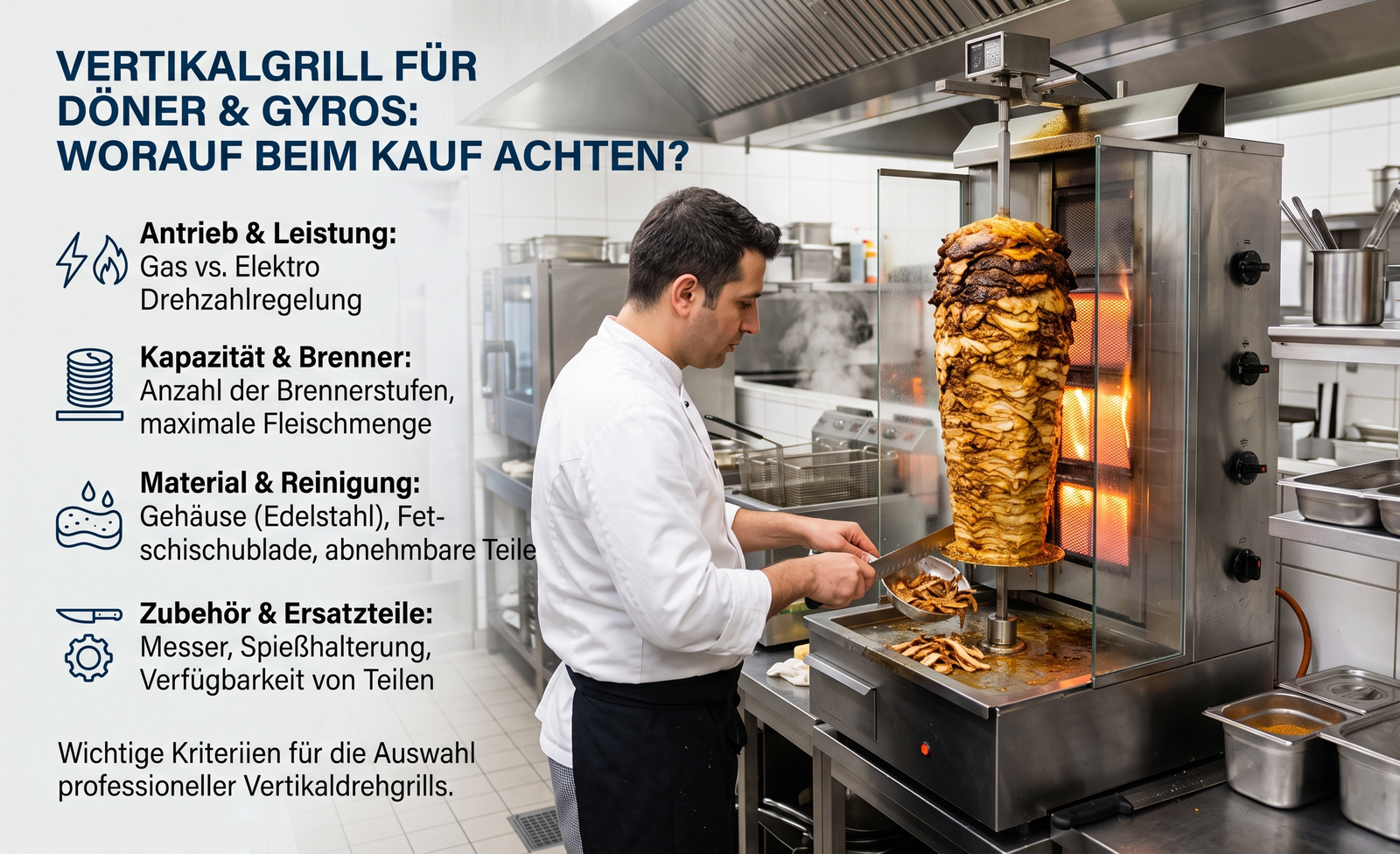 Vertical Grill for Döner & Gyros: Key Criteria for Choosing a Professional Vertical Rotisserie
A vertical grill, or vertical rotisserie, is essential for cooking Döner and Gyros meat evenly and deliciously....Read more
Vertical Grill for Döner & Gyros: Key Criteria for Choosing a Professional Vertical Rotisserie
A vertical grill, or vertical rotisserie, is essential for cooking Döner and Gyros meat evenly and deliciously....Read more -
Compact Döner Grills for Small Snack Bars & Food Trucks → Space-Saving Solutions for Limited Spaces
Small snack bars and food trucks often struggle with limited space, making it challenging to accommodate large...Read more
Leave a comment