
 Deutsch
 Türkçe
 Italiano

.jpg)
.jpg)
.jpg)
.jpg)
.jpg)
.jpg)
.jpg)
.jpg)
.jpg)
.jpg)

.jpg)

.jpg)
.jpg)
.jpg)
.jpg)
.jpg)
.jpg)
.jpg)
.jpg)
.jpg)
.jpg)



.jpg)
.jpg)
.jpg)
.jpg)
.jpg)
.jpg)
.jpg)
.jpg)
.jpg)



.jpg)
.jpg)

.jpg)
.jpg)
.jpg)
.jpg)


.jpg)

.png)
.jpg)
.jpg)
 (200 x 136 px) (5).png)
.png)

More and more restaurateurs and resourceful entrepreneurs are discovering the enormous potential of pizza vending...
-
 Cooking Appliances
add remove
Cooking Appliances
add remove -
-
Pizza & Grill
add remove
-
-
Refrigeration
add remove
-
-
Combi Steamer
add remove
-
-
Kitchen Appliances
add remove
-
-
Rinsing & Cleaning
add remove
-
-
Retail Refrigeration
add remove
-
-
Cafe & Ice Cream
add remove
-
-
Smart-Gastro
add remove
-
-
Event- & Cateringmöbel
-
Cooking Appliances
add remove
-
-
Pizza & Grill
add remove
-
-
Refrigeration
add remove
-
-
Combi Steamer
add remove
-
-
Kitchen Appliances
add remove
-
-
Rinsing & Cleaning
add remove
-
-
Retail Refrigeration
add remove
-
-
Cafe & Ice Cream
add remove
-
-
Smart-Gastro
add remove
-
-
Event- & Cateringmöbel


Call us:
+49 (0) 6135 7040 450Latest posts
-
 The Ultimate Guide: Pizza Vending Machines – Earnings, Costs & Experiences in the 24/7Read more
 -
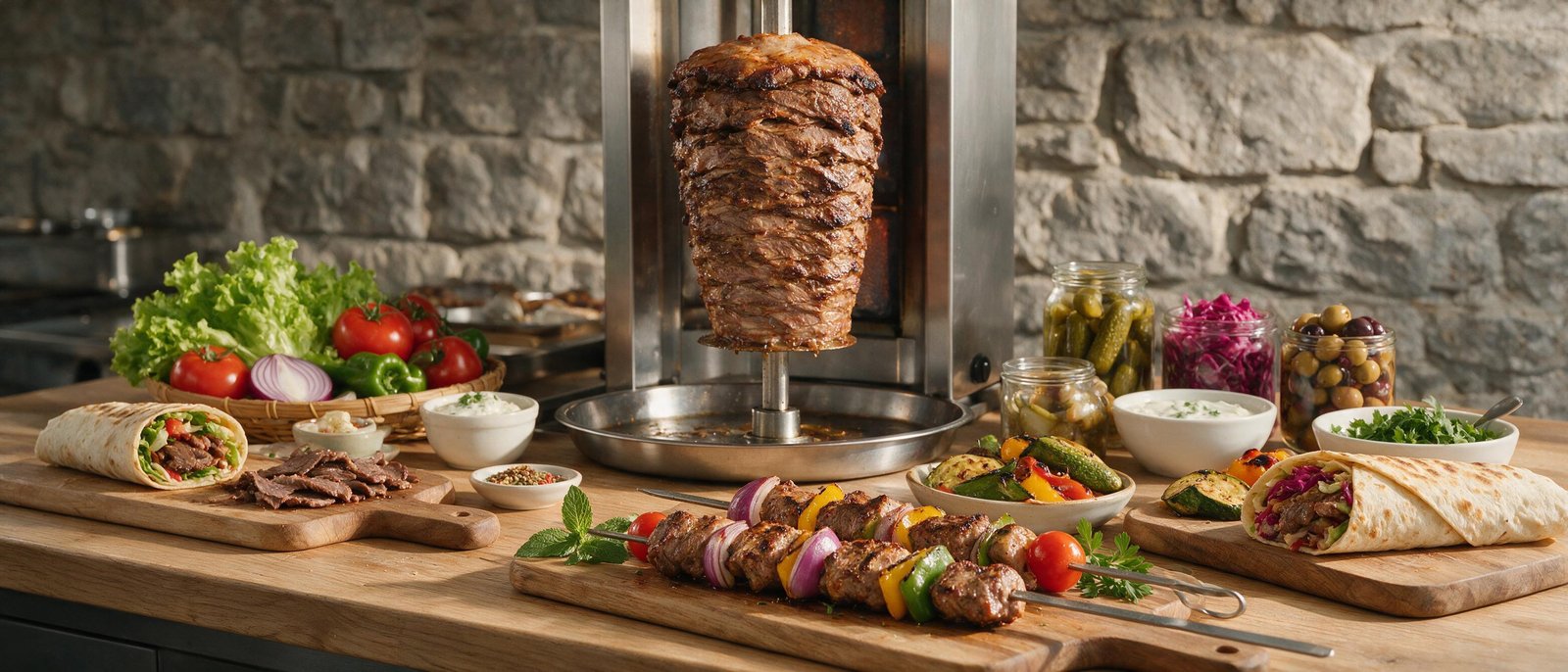 Döner vs. Shawarma vs. Kebab: Understanding the Terms and Differences for Your Food BusinessRead more
Are you confused about the difference between Döner, Shawarma, and Kebab? These popular meat dishes, often seen on...
-
 The 10 Best Döner Kebabs in Berlin (2026): The Ultimate Ranking Based on Real Customer ReviewsRead more
Berlin is the undisputed döner capital of the world. But with over 1,000 shops, the question arises: Which one is...
-
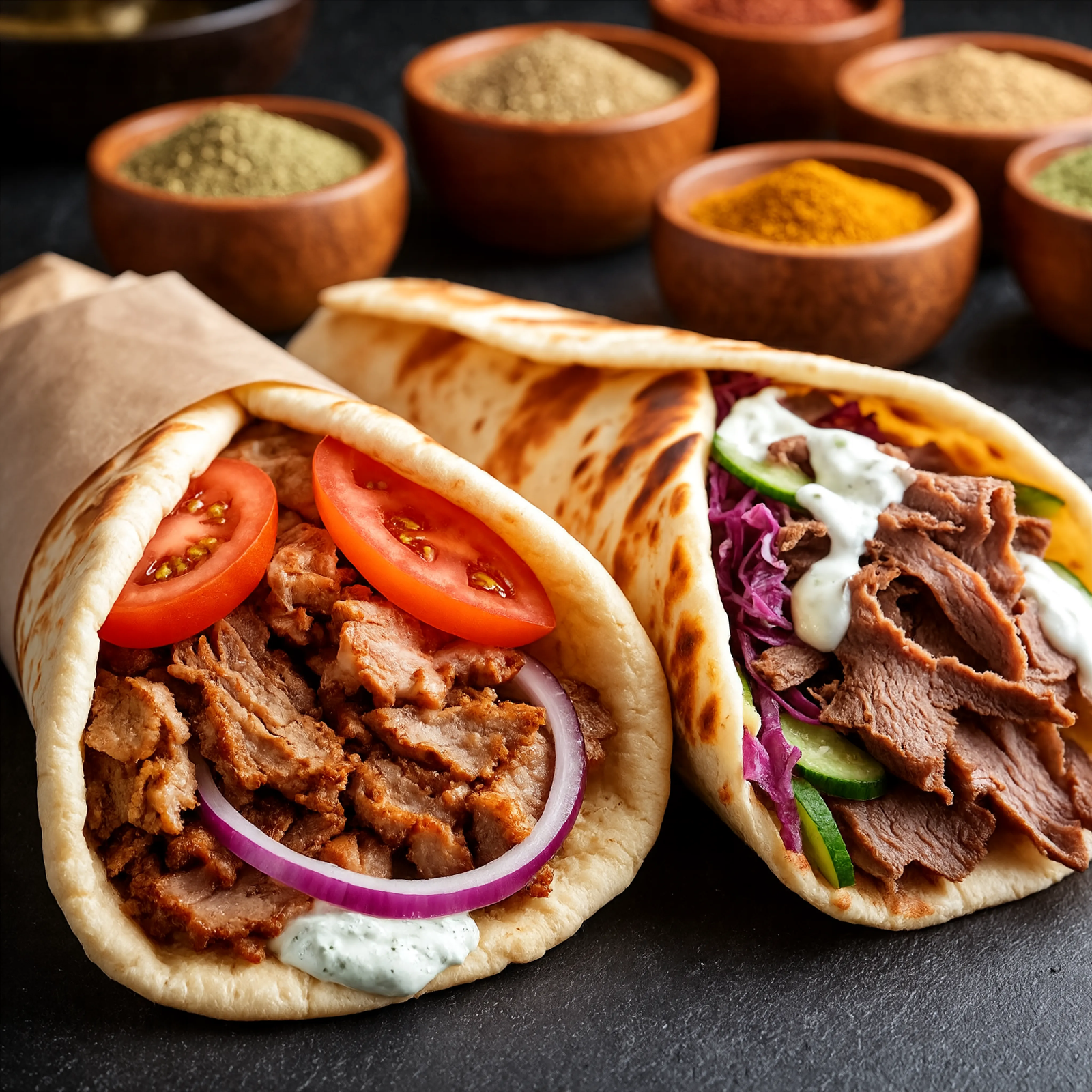 Gyros vs. Döner: Understanding the Differences in Preparation, Seasoning, and Meat Selection for Your MenuRead more
Gyros and Döner are two iconic Mediterranean dishes often confused due to their similar appearance and cooking style....
-
 Welche Temperatur braucht ein Dönergrill? Richtwerte für die Gastronomie → Optimale Garzeiten und Temperaturen für perfekte ErgebnisseRead more
Der Dönergrill ist das Herzstück jeder Döner-Gastronomie. Die richtige Temperatur am Grill entscheidet maßgeblich...
-
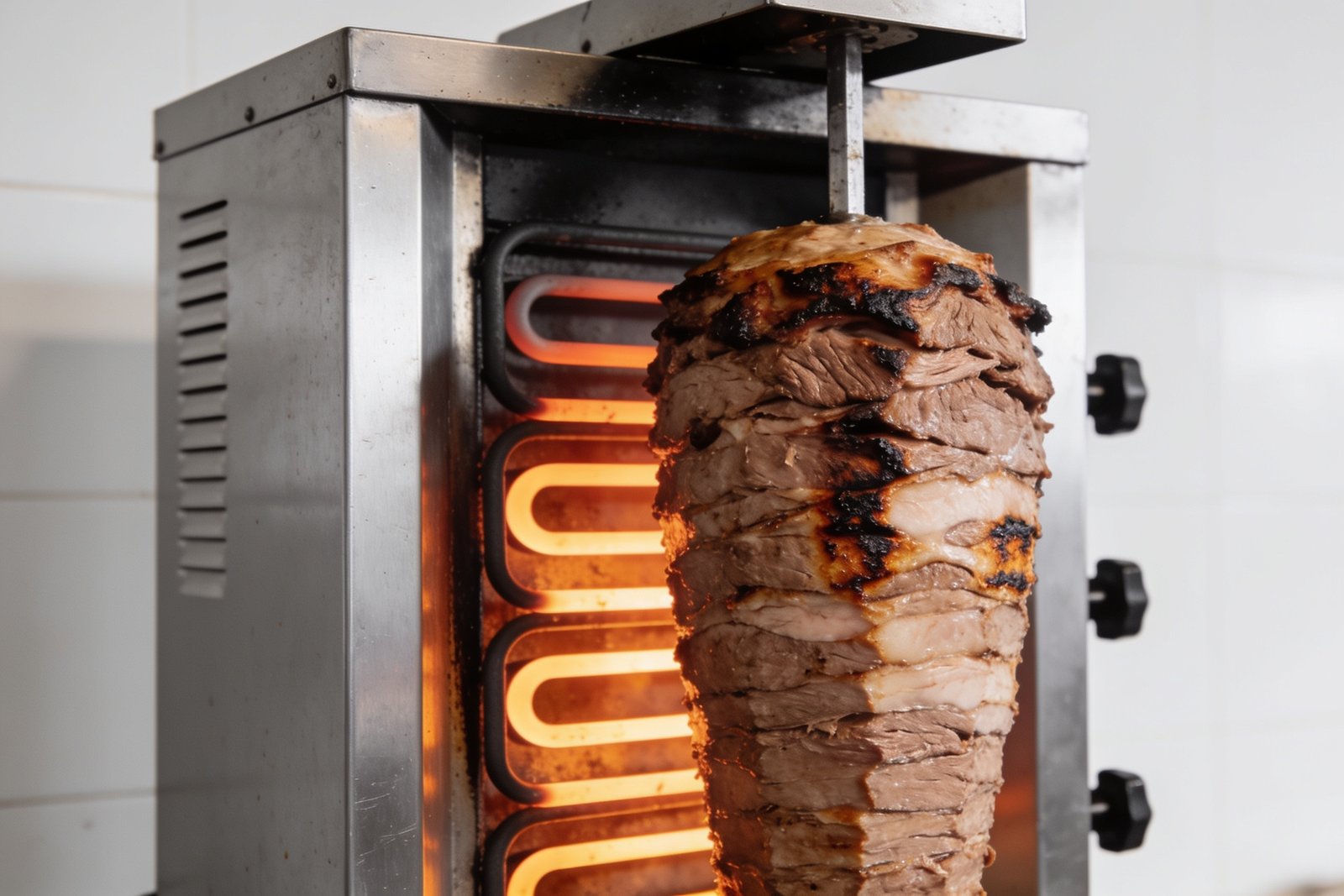 Döner Grill Heating Unevenly? Troubleshooting & Solutions → Recognize and Professionally Fix Common Device ProblemsRead more
Is your Döner grill heating unevenly? This can lead to poorly cooked meat and frustrated customers. In this guide, we...
-
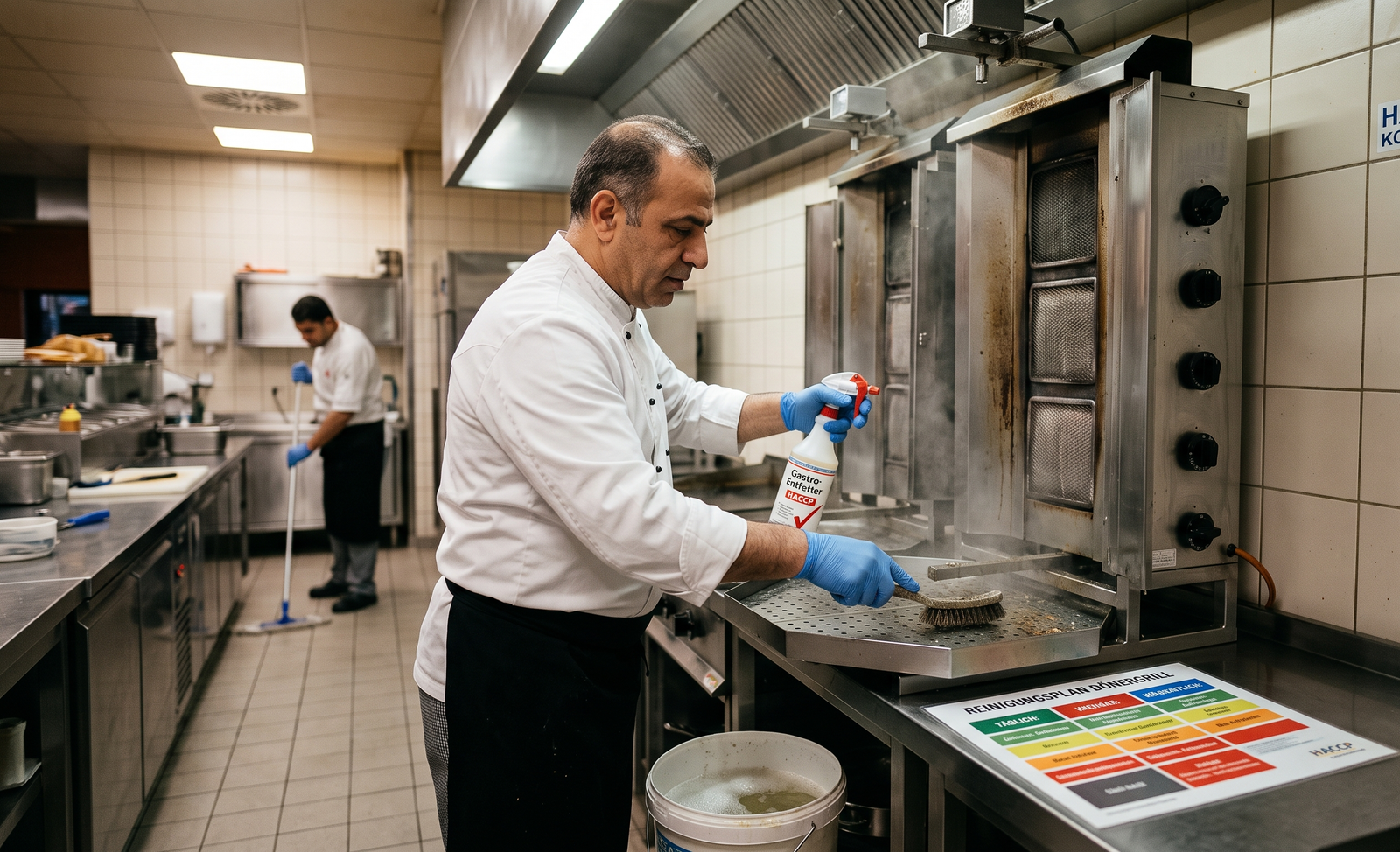 Proper Cleaning of Döner Grills: Care & Hygiene in Gastronomy → Equipment Cleaning According to HACCP Guidelines and Food Hygiene Regulations (LMHV)Read more
The Döner grill is a staple in many gastronomy businesses, and proper cleaning is essential to maintain hygiene and...
-
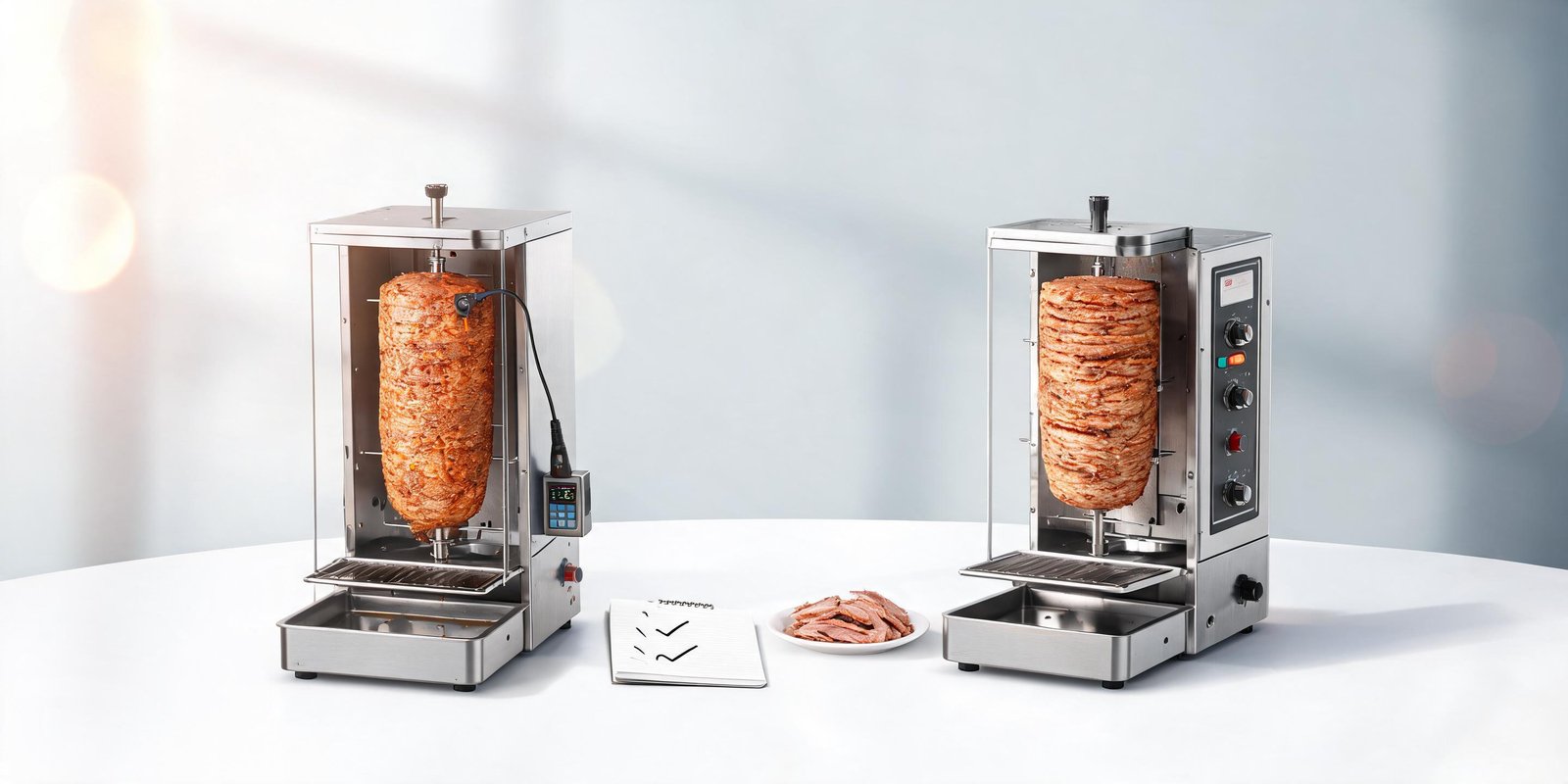 Commercial Döner Grill Tests & Reviews Overview → Make Informed Purchase Decisions with Current Product ComparisonsRead more
Choosing the right commercial Döner grill is essential for any food business specializing in this popular dish. This...
-
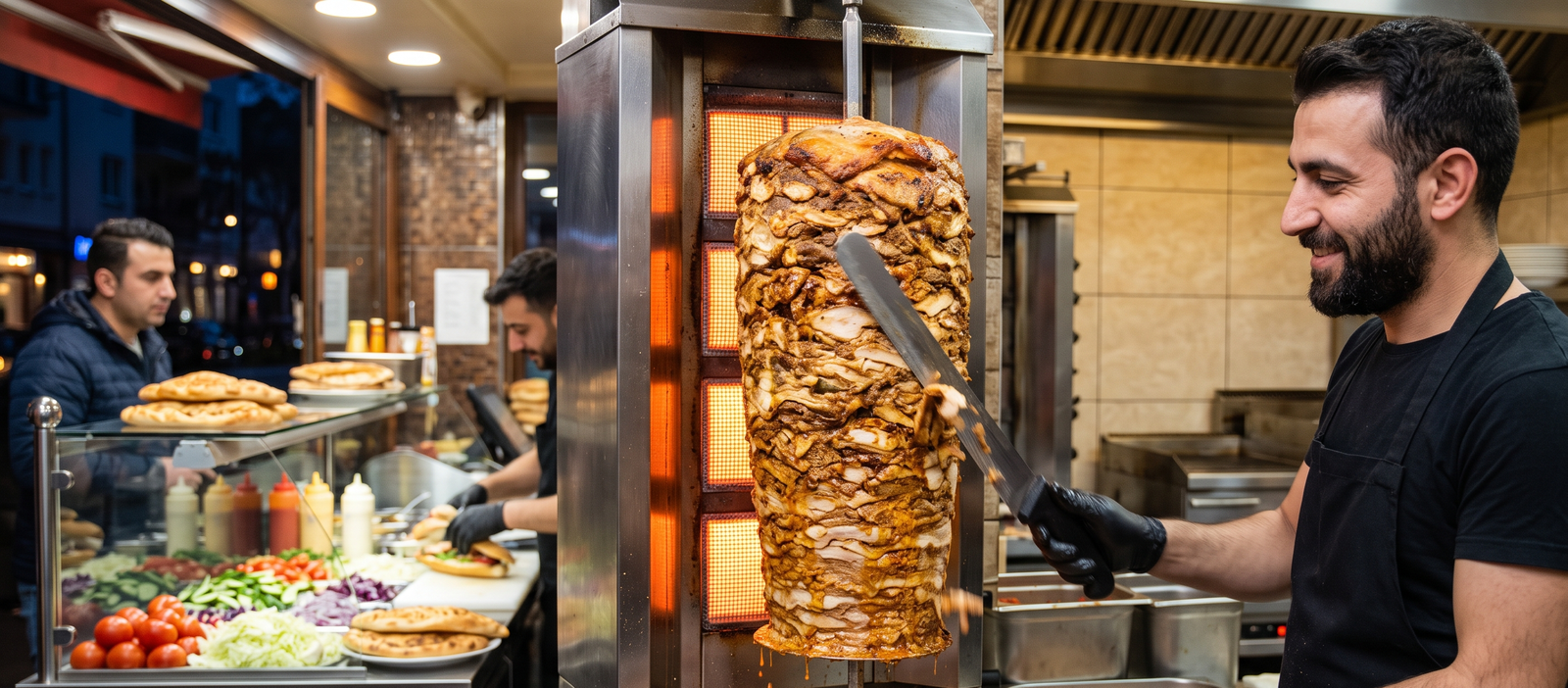 Why Is Döner Meat Grilled Vertically? Technology & Advantages Explained → The Functionality of the Vertical Grill and Its Benefits for the Gastronomy IndustryRead more
Döner kebab is famous worldwide for its juicy, flavorful meat cooked on a vertical spit. But why is the meat grilled...
-
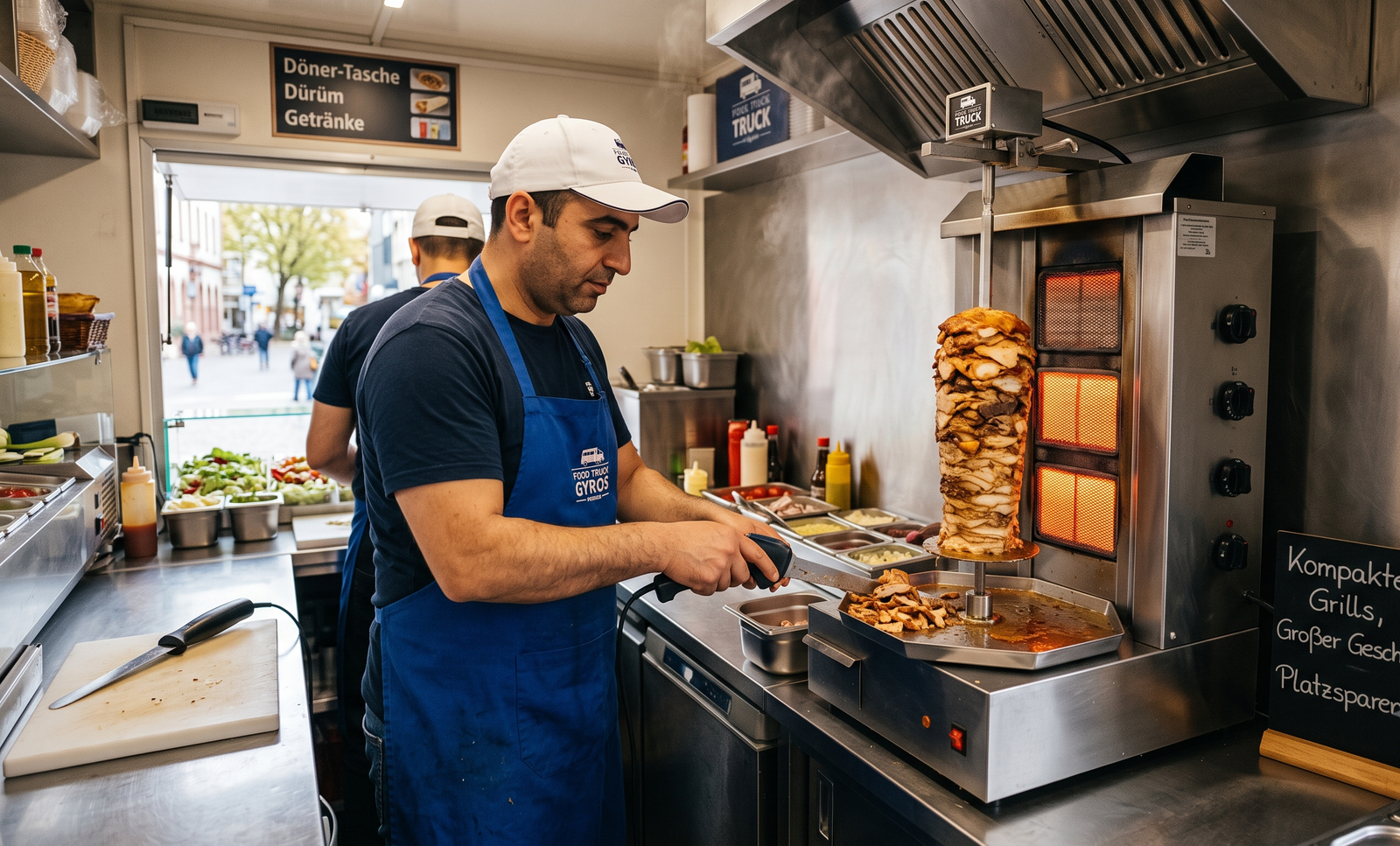 Compact Döner Grills for Small Snack Bars & Food Trucks → Space-Saving Solutions for Limited SpacesRead more
Small snack bars and food trucks often struggle with limited space, making it challenging to accommodate large...
Blog categories
Search in blog
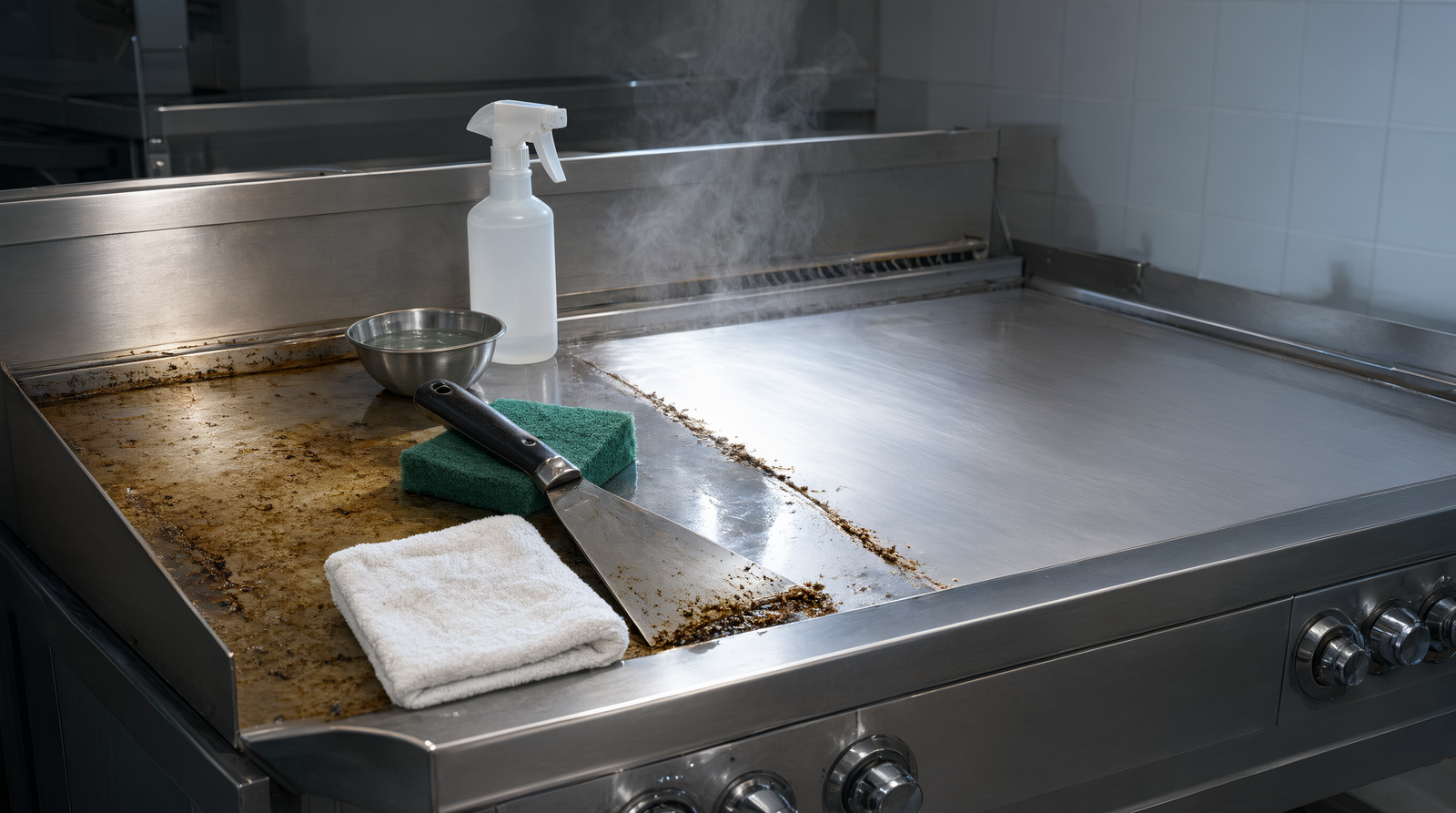
Deep Cleaning Your Fry Top: Recommended Methods for a Spotless Surface
Deep Cleaning Your Fry Top: Recommended Methods for a Spotless Surface
Whether you run a busy commercial kitchen or enjoy cooking at home, maintaining a clean fry top is essential. A fry top, also known as a griddle, is a flat cooking surface that can accumulate grease, food residues, and burnt-on grime over time. If not cleaned properly, this buildup can affect the taste of your food, reduce the efficiency of your cooking equipment, and even pose hygiene risks.
In this comprehensive guide, we will explore the best methods for deep cleaning your fry top. From daily maintenance to thorough deep cleaning techniques, you’ll learn how to keep your cooking surface in pristine condition. Let’s dive in!
Why Deep Cleaning Your Fry Top is Important
Before we get into the cleaning methods, it’s important to understand why deep cleaning your fry top is crucial:
- Food Safety: Residual grease and food particles can harbor bacteria, leading to contamination and foodborne illnesses.
- Cooking Efficiency: A clean fry top heats more evenly, ensuring your food cooks properly and consistently.
- Longevity: Regular deep cleaning prevents corrosion and damage, extending the lifespan of your equipment.
- Appearance: A shiny, clean fry top looks professional and inviting, especially in commercial settings.
When to Perform Deep Cleaning
While daily cleaning is necessary to remove surface grease and food debris, deep cleaning should be performed periodically depending on usage. For home users, a deep clean every 1-2 months may suffice. In commercial kitchens, weekly or even daily deep cleaning might be necessary depending on volume.
Signs that your fry top needs a deep clean include:
- Visible burnt-on food or grease buildup
- Uneven cooking or hot spots
- Sticky or rough surface texture
- Unpleasant odors during cooking
Essential Tools and Materials for Deep Cleaning
Before starting, gather the following tools and materials to make the process efficient and safe:
- Scraper: A metal or plastic scraper to remove stuck-on debris.
- Griddle Brick or Stone: A pumice-like stone designed specifically for griddles.
- Griddle Cleaning Pads: Non-abrasive pads for scrubbing.
- Degreaser or Griddle Cleaner: Food-safe cleaning agents formulated for fry tops.
- Hot Water and Steam: To help loosen grime.
- Microfiber Cloths: For wiping and polishing.
- Protective Gloves: To protect your hands from chemicals and heat.
- Oil: Typically vegetable oil or specialized griddle oil for seasoning after cleaning.
Step-by-Step Guide to Deep Cleaning Your Fry Top
Step 1: Preparation
Start by turning off your fry top and allowing it to cool slightly but remain warm. A warm surface makes it easier to remove grease and food residues. Make sure the surface is not hot enough to burn you.
Put on protective gloves and clear the cooking surface of any loose debris.
Step 2: Scraping Off Residues
Using a metal or plastic scraper, gently scrape off burnt-on food particles and grease. Work systematically from one end to the other, collecting the debris into a pile for easy disposal.
Be careful not to gouge or scratch the surface, especially if your fry top has a coated finish.
Step 3: Applying Hot Water and Steam
Pour hot water over the surface to help loosen stubborn grease and grime. For commercial kitchens, a steam cleaner can be highly effective in softening residues without harsh chemicals.
Allow the water or steam to sit for a few minutes.
Step 4: Using a Griddle Brick or Stone
Rub the griddle brick or stone over the surface in circular motions. This abrasive action helps remove tough burnt-on residues. Keep the surface wet to avoid scratching.
Rinse periodically to remove loosened debris.
Step 5: Applying Degreaser or Griddle Cleaner
Spray or apply a food-safe degreaser evenly across the surface. Let it sit according to the product instructions, usually a few minutes.
Use a non-abrasive cleaning pad to scrub the surface, focusing on greasy or stained areas.
Step 6: Rinsing and Wiping
Rinse the surface thoroughly with hot water to remove all cleaning agents and loosened grime.
Use microfiber cloths to wipe the surface dry, ensuring no residue remains.
Step 7: Seasoning the Fry Top
After cleaning, it’s important to season your fry top to protect the surface and prevent rust.
- Apply a thin layer of vegetable oil or specialized griddle oil over the entire surface.
- Heat the fry top on medium heat for 10-15 minutes until the oil starts to smoke slightly.
- Turn off the heat and allow the surface to cool.
This process creates a protective layer that enhances cooking performance and prevents oxidation.
Alternative Cleaning Methods
Using Baking Soda and Vinegar
For a natural cleaning approach, sprinkle baking soda over the fry top, then spray white vinegar. The fizzing reaction helps break down grease.
Scrub with a sponge or cleaning pad, then rinse with hot water and dry.
Lemon and Salt Scrub
Cut a lemon in half, sprinkle coarse salt on the surface, and use the lemon to scrub the fry top. The acidity of lemon combined with the abrasiveness of salt helps remove stains and odors.
Rinse thoroughly and dry.
Common Mistakes to Avoid
- Using Harsh Chemicals: Avoid bleach or ammonia-based cleaners that can damage the surface or leave harmful residues.
- Scratching the Surface: Use appropriate scrapers and pads to avoid damaging your fry top.
- Skipping Seasoning: Not seasoning after cleaning can lead to rust and reduced non-stick properties.
- Cleaning When Too Hot: Extremely hot surfaces can cause burns and make cleaning unsafe.
Maintaining Your Fry Top Between Deep Cleanings
To reduce the need for intensive deep cleaning, adopt these daily maintenance habits:
- Scrape off food debris and grease after each use.
- Wipe the surface with a damp cloth while still warm.
- Apply a thin layer of oil after cleaning to maintain seasoning.
- Avoid cooking overly greasy or sugary foods that can create stubborn residues.
Conclusion
Deep cleaning your fry top is essential for maintaining food safety, cooking efficiency, and equipment longevity. By following the recommended methods outlined above, you can keep your fry top spotless and ready for any cooking challenge.
Remember to use the right tools, apply safe cleaning agents, and always season your surface after cleaning. With regular care, your fry top will continue to deliver excellent cooking performance for years to come.
Happy cooking and cleaning!
Related posts
-
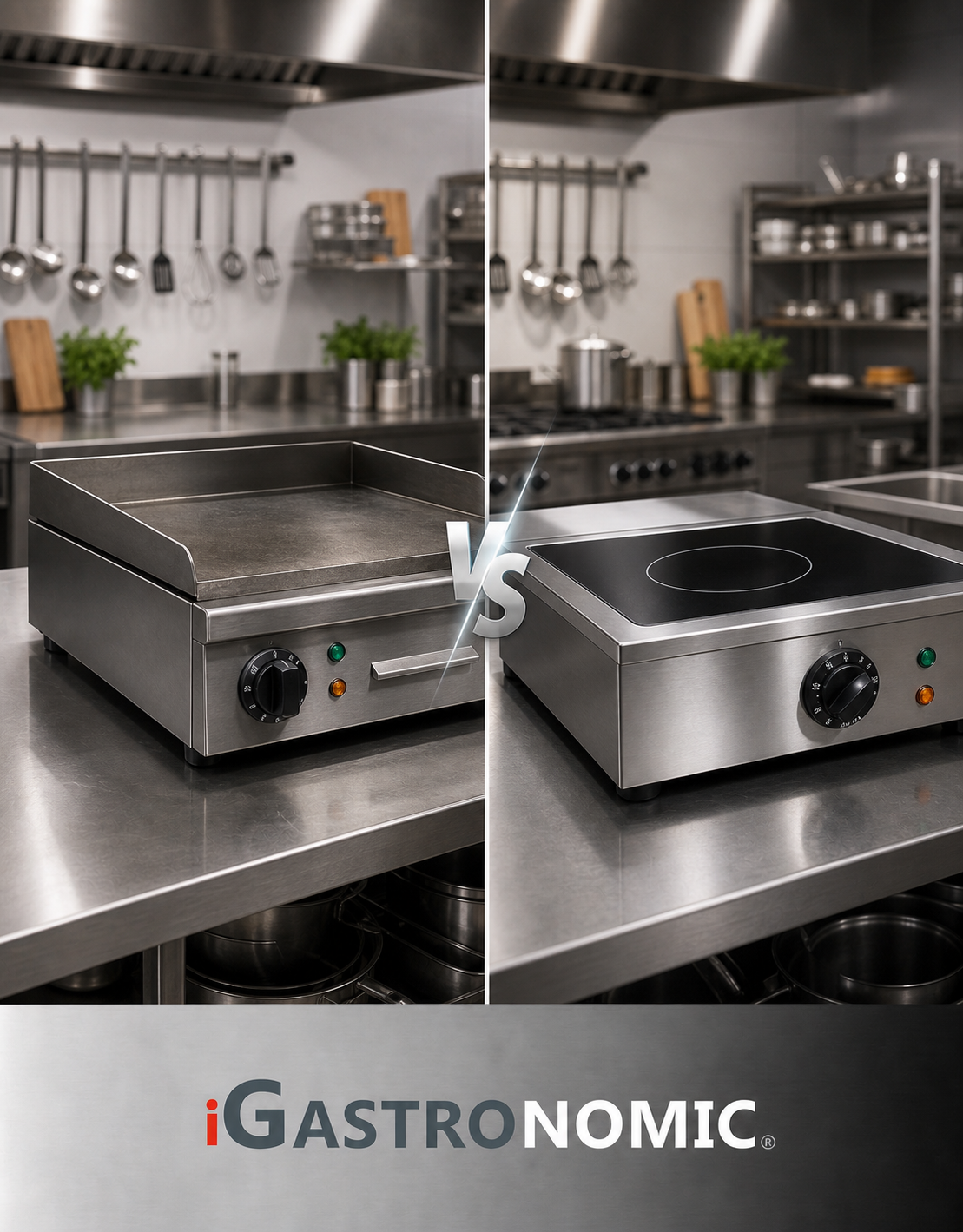 Fry Top vs Piastra Elettrica: Which One Should You Choose for Your Kitchen?
Choosing the right cooking appliance can transform your kitchen experience. Two popular options are the Fry Top and...Read more
Fry Top vs Piastra Elettrica: Which One Should You Choose for Your Kitchen?
Choosing the right cooking appliance can transform your kitchen experience. Two popular options are the Fry Top and...Read more -
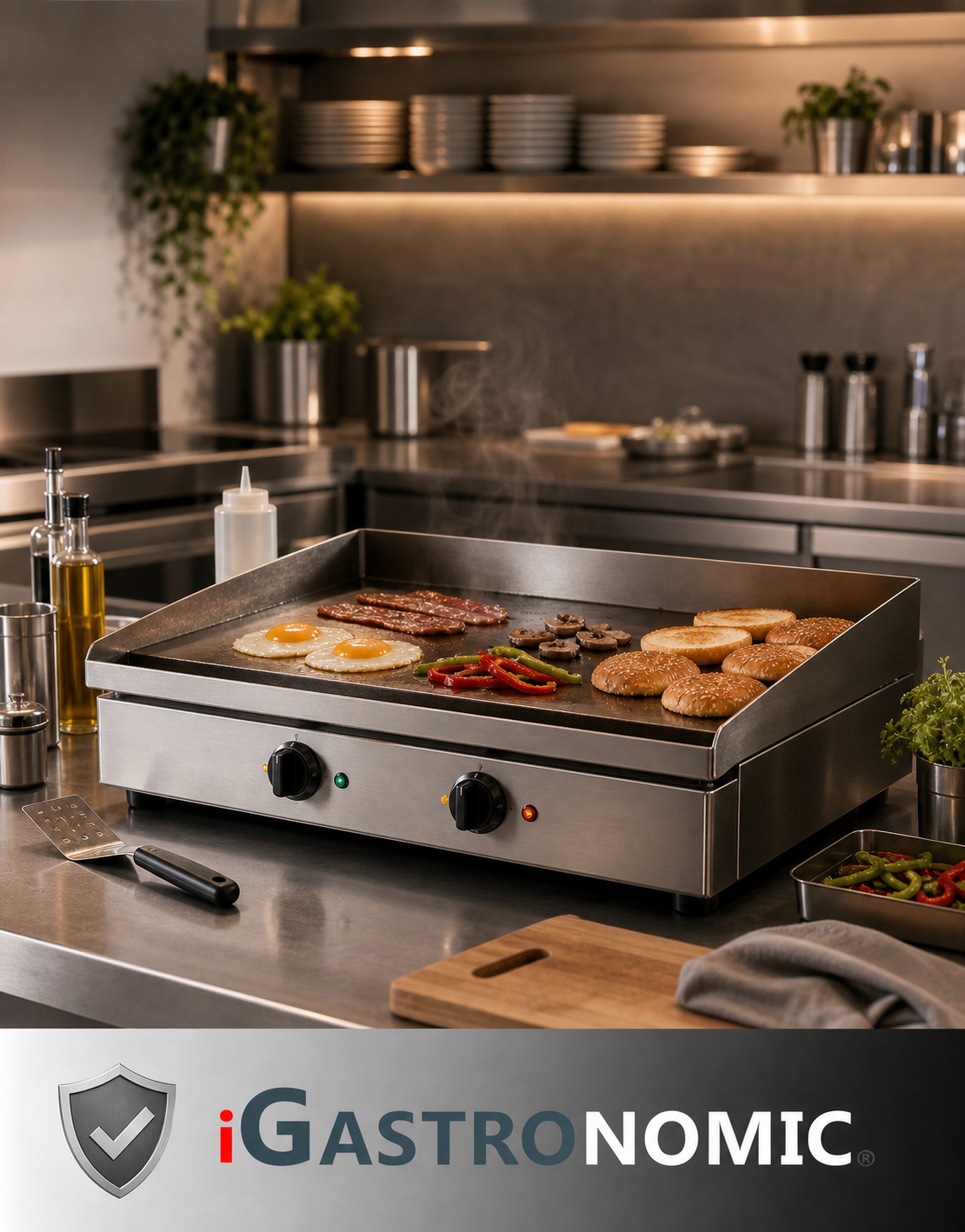 How to Use a Fry Top: A Complete Beginner's Guide
A fry top is a flat, smooth cooking surface that offers even heat distribution and a large area to cook multiple...Read more
How to Use a Fry Top: A Complete Beginner's Guide
A fry top is a flat, smooth cooking surface that offers even heat distribution and a large area to cook multiple...Read more -
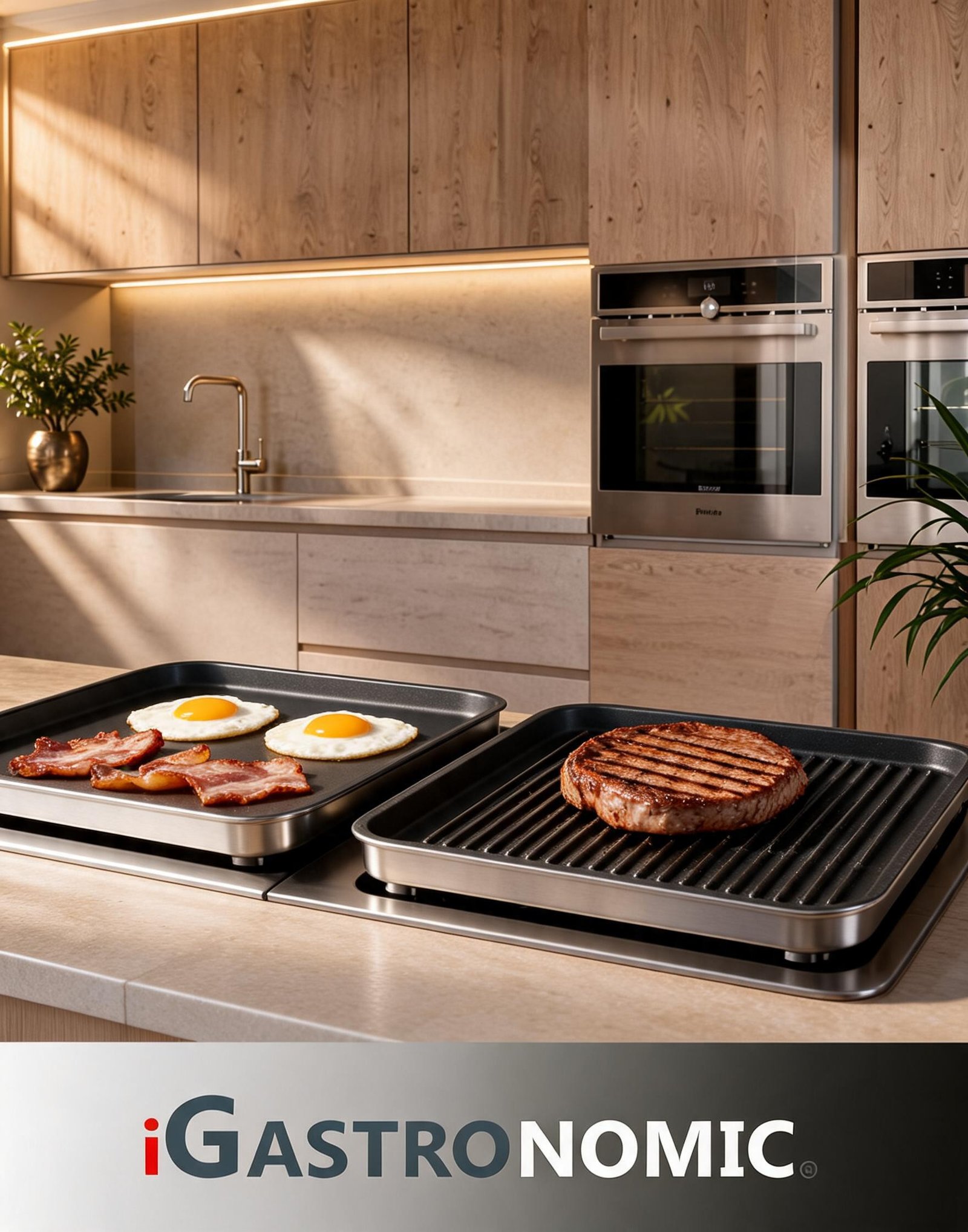 Fry Top Smooth or Ribbed? Which Is Better for Cooking?
Choosing between a smooth (liscio) and ribbed (rigato) fry top can significantly impact your cooking experience....Read more
Fry Top Smooth or Ribbed? Which Is Better for Cooking?
Choosing between a smooth (liscio) and ribbed (rigato) fry top can significantly impact your cooking experience....Read more -
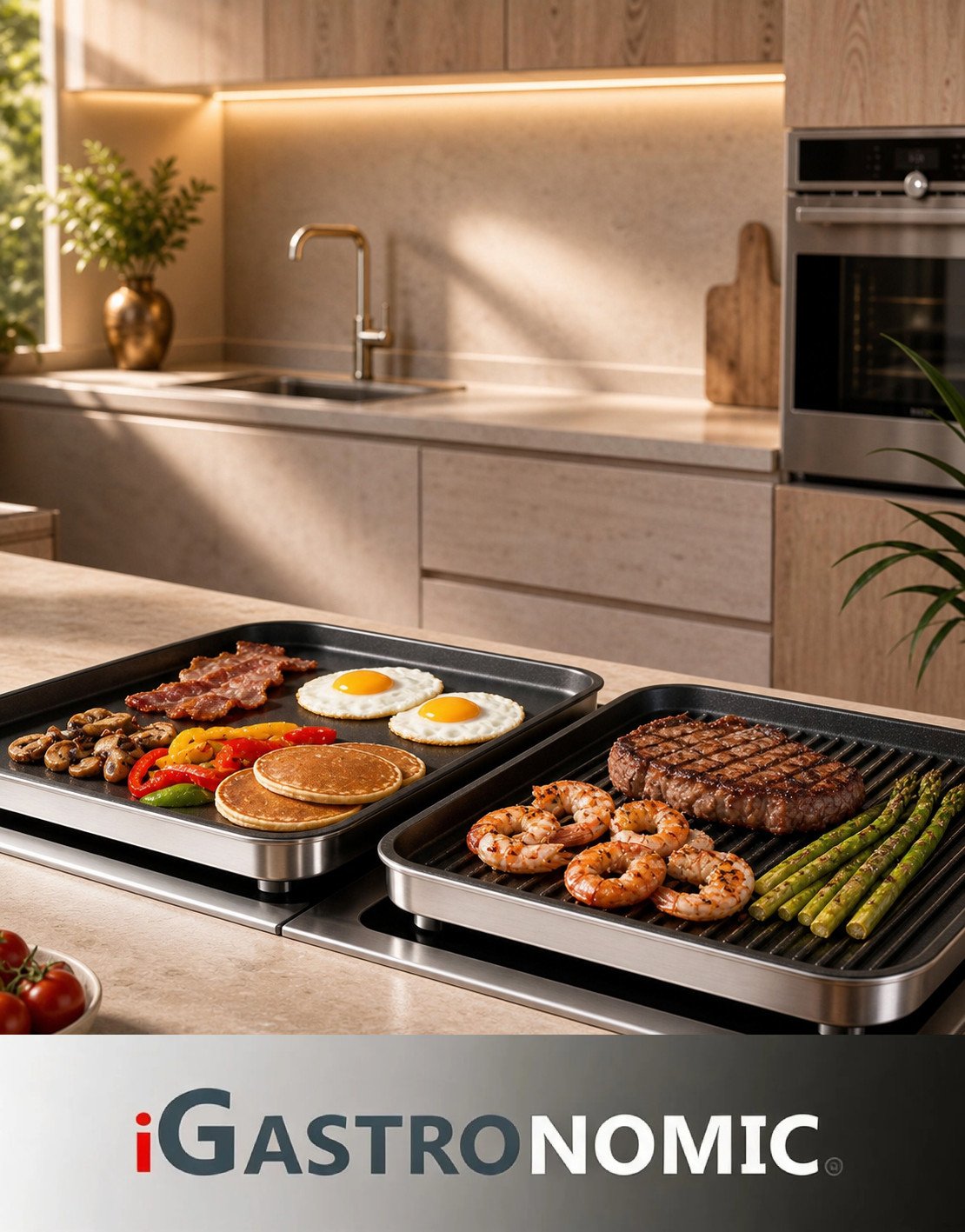 What Can You Cook on an Electric Fry Top? A Complete Guide
An electric fry top is a versatile kitchen appliance that offers a large, evenly heated cooking surface perfect for a...Read more
What Can You Cook on an Electric Fry Top? A Complete Guide
An electric fry top is a versatile kitchen appliance that offers a large, evenly heated cooking surface perfect for a...Read more -
 Electric Fry Top vs Gas: Advantages and Disadvantages Compared
Choosing between an electric and gas fry top can be challenging. Electric fry tops offer precise temperature control,...Read more
Electric Fry Top vs Gas: Advantages and Disadvantages Compared
Choosing between an electric and gas fry top can be challenging. Electric fry tops offer precise temperature control,...Read more
Leave a comment