
 Deutsch
 Türkçe
 Italiano

.jpg)
.jpg)
.jpg)
.jpg)
.jpg)
.jpg)
.jpg)
.jpg)
.jpg)
.jpg)

.jpg)

.jpg)
.jpg)
.jpg)
.jpg)
.jpg)
.jpg)
.jpg)
.jpg)
.jpg)
.jpg)



.jpg)
.jpg)
.jpg)
.jpg)
.jpg)
.jpg)
.jpg)
.jpg)
.jpg)



.jpg)
.jpg)

.jpg)
.jpg)
.jpg)
.jpg)


.jpg)

.png)
.jpg)
.jpg)
 (200 x 136 px) (5).png)
.png)

More and more restaurateurs and resourceful entrepreneurs are discovering the enormous potential of pizza vending...
-
 Cooking Appliances
add remove
Cooking Appliances
add remove -
-
Pizza & Grill
add remove
-
-
Refrigeration
add remove
-
-
Combi Steamer
add remove
-
-
Kitchen Appliances
add remove
-
-
Rinsing & Cleaning
add remove
-
-
Retail Refrigeration
add remove
-
-
Cafe & Ice Cream
add remove
-
-
Smart-Gastro
add remove
-
-
Event- & Cateringmöbel
-
Cooking Appliances
add remove
-
-
Pizza & Grill
add remove
-
-
Refrigeration
add remove
-
-
Combi Steamer
add remove
-
-
Kitchen Appliances
add remove
-
-
Rinsing & Cleaning
add remove
-
-
Retail Refrigeration
add remove
-
-
Cafe & Ice Cream
add remove
-
-
Smart-Gastro
add remove
-
-
Event- & Cateringmöbel


Call us:
+49 (0) 6135 7040 450Latest posts
-
 The Ultimate Guide: Pizza Vending Machines – Earnings, Costs & Experiences in the 24/7Read more
 -
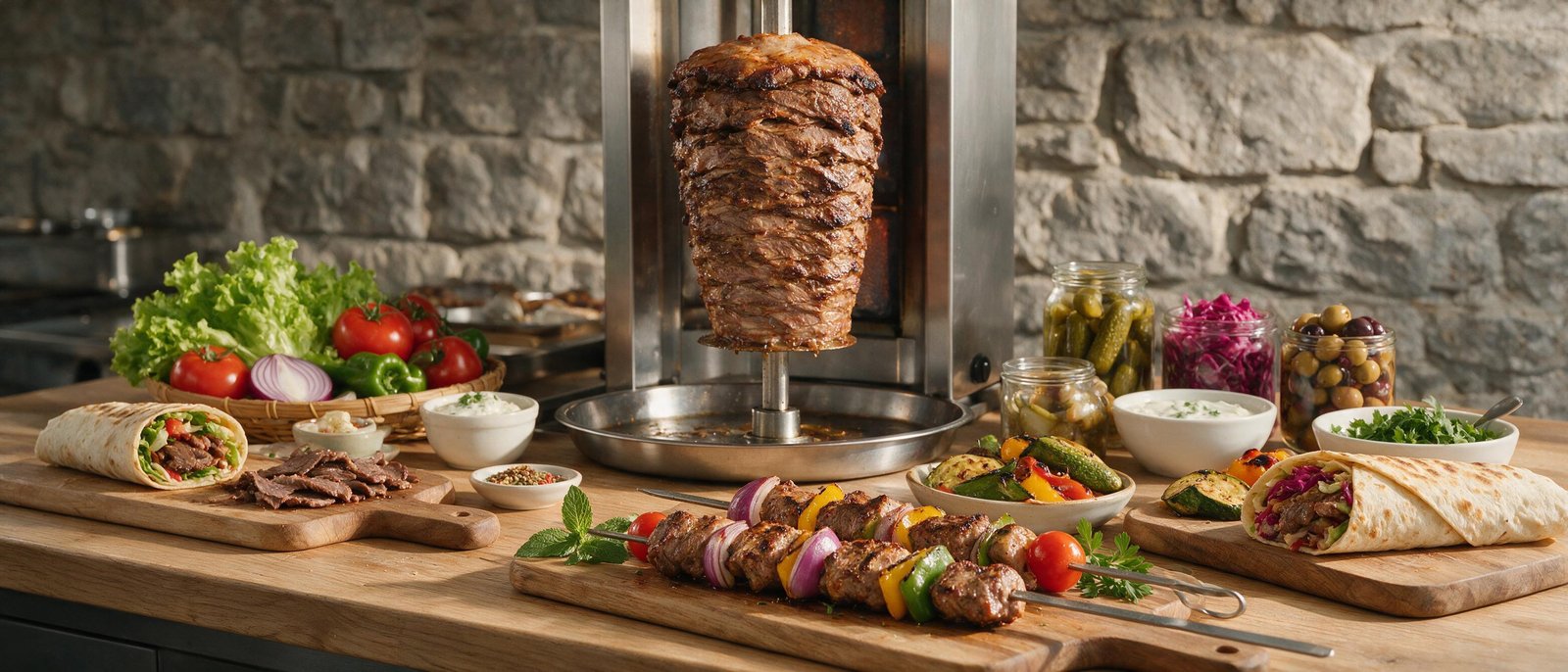 Döner vs. Shawarma vs. Kebab: Understanding the Terms and Differences for Your Food BusinessRead more
Are you confused about the difference between Döner, Shawarma, and Kebab? These popular meat dishes, often seen on...
-
 The 10 Best Döner Kebabs in Berlin (2026): The Ultimate Ranking Based on Real Customer ReviewsRead more
Berlin is the undisputed döner capital of the world. But with over 1,000 shops, the question arises: Which one is...
-
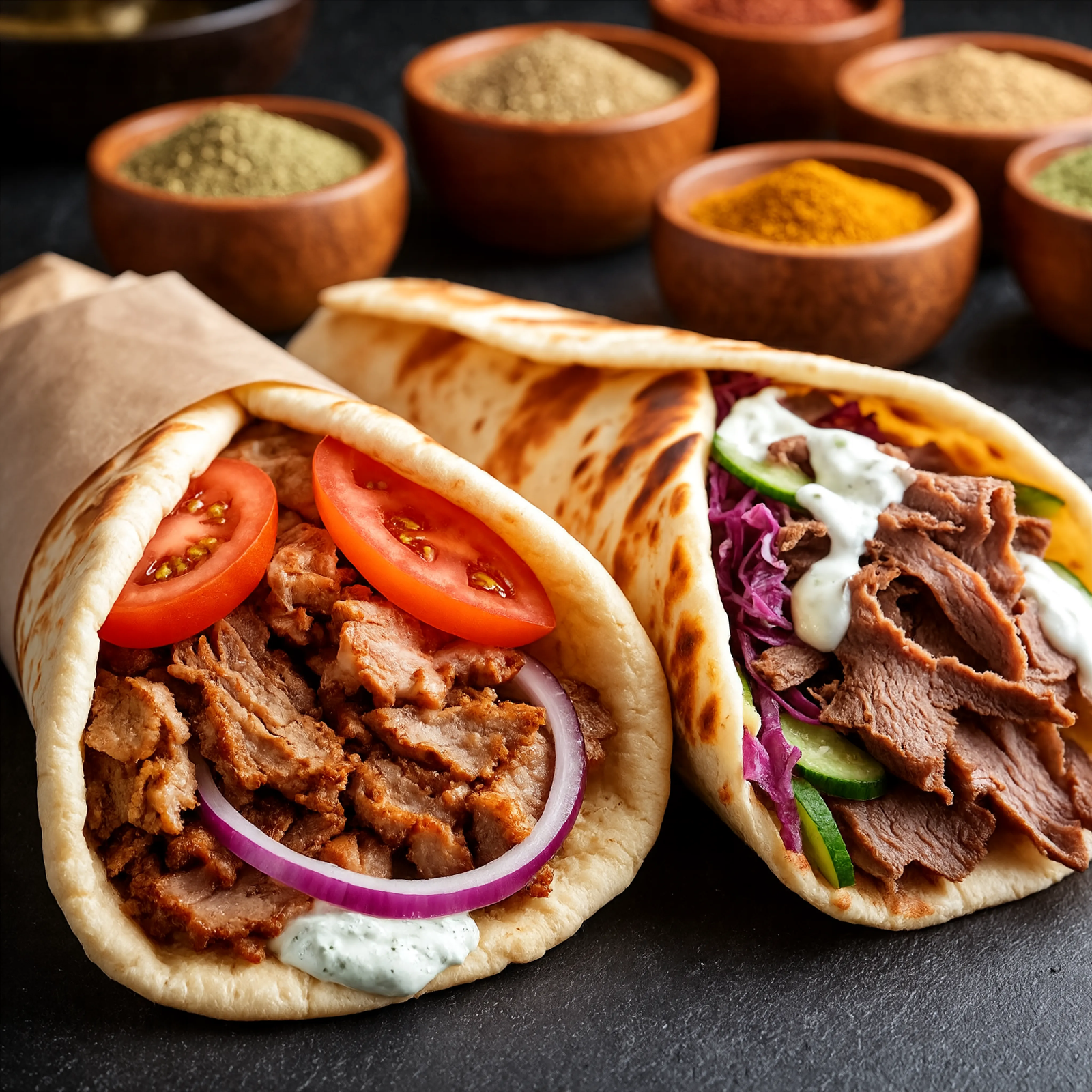 Gyros vs. Döner: Understanding the Differences in Preparation, Seasoning, and Meat Selection for Your MenuRead more
Gyros and Döner are two iconic Mediterranean dishes often confused due to their similar appearance and cooking style....
-
 Welche Temperatur braucht ein Dönergrill? Richtwerte für die Gastronomie → Optimale Garzeiten und Temperaturen für perfekte ErgebnisseRead more
Der Dönergrill ist das Herzstück jeder Döner-Gastronomie. Die richtige Temperatur am Grill entscheidet maßgeblich...
-
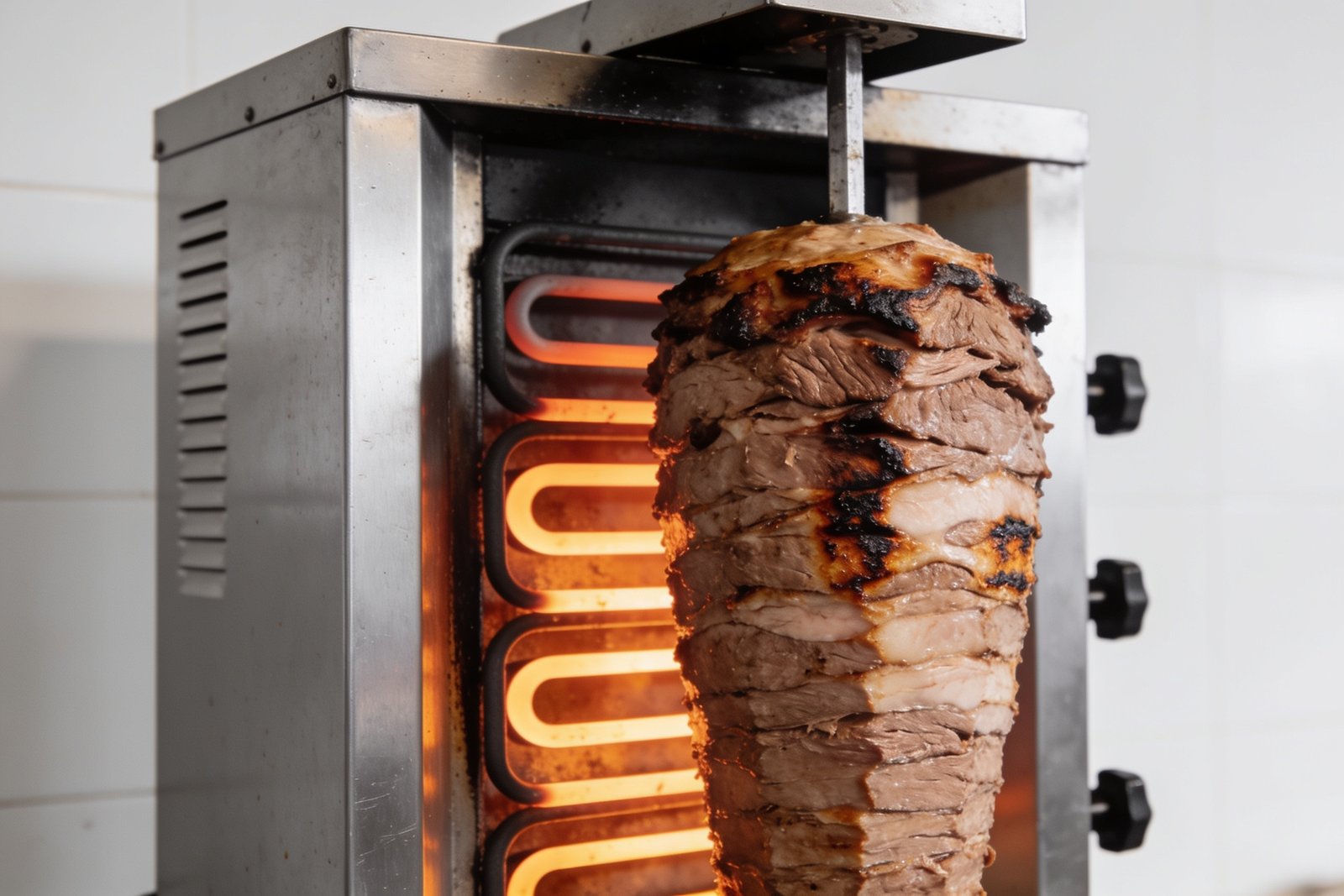 Döner Grill Heating Unevenly? Troubleshooting & Solutions → Recognize and Professionally Fix Common Device ProblemsRead more
Is your Döner grill heating unevenly? This can lead to poorly cooked meat and frustrated customers. In this guide, we...
-
 Proper Cleaning of Döner Grills: Care & Hygiene in Gastronomy → Equipment Cleaning According to HACCP Guidelines and Food Hygiene Regulations (LMHV)Read more
The Döner grill is a staple in many gastronomy businesses, and proper cleaning is essential to maintain hygiene and...
-
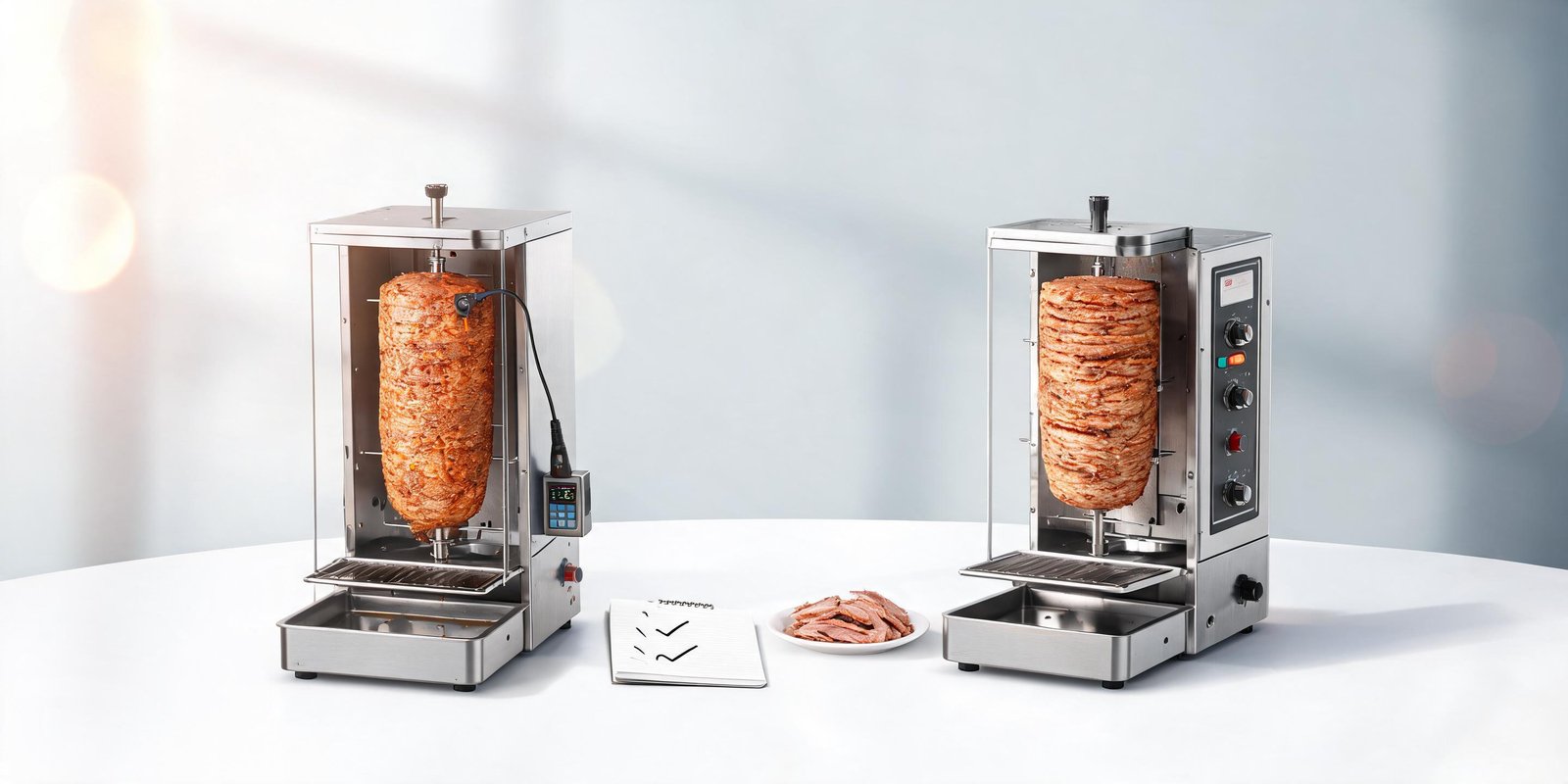 Commercial Döner Grill Tests & Reviews Overview → Make Informed Purchase Decisions with Current Product ComparisonsRead more
Choosing the right commercial Döner grill is essential for any food business specializing in this popular dish. This...
-
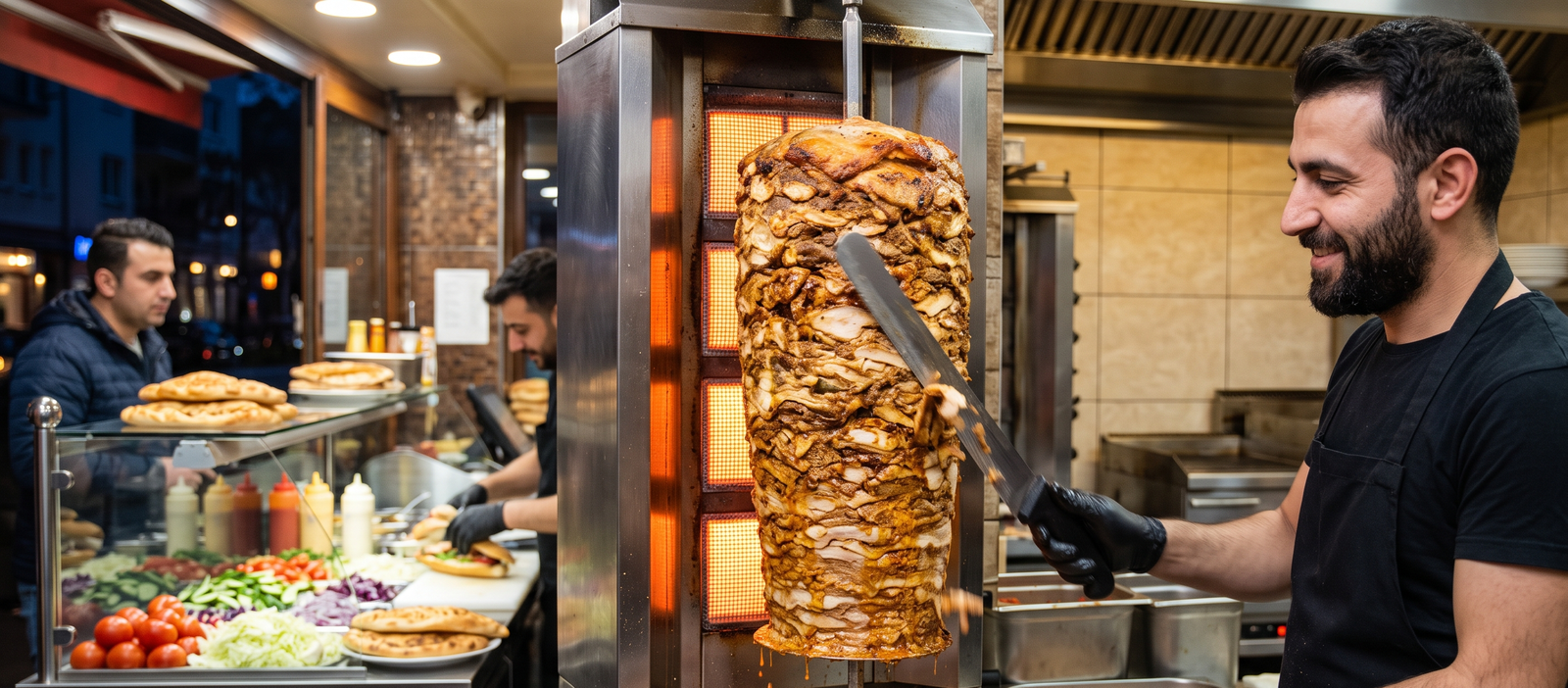 Why Is Döner Meat Grilled Vertically? Technology & Advantages Explained → The Functionality of the Vertical Grill and Its Benefits for the Gastronomy IndustryRead more
Döner kebab is famous worldwide for its juicy, flavorful meat cooked on a vertical spit. But why is the meat grilled...
-
 Compact Döner Grills for Small Snack Bars & Food Trucks → Space-Saving Solutions for Limited SpacesRead more
Small snack bars and food trucks often struggle with limited space, making it challenging to accommodate large...
Blog categories
Search in blog
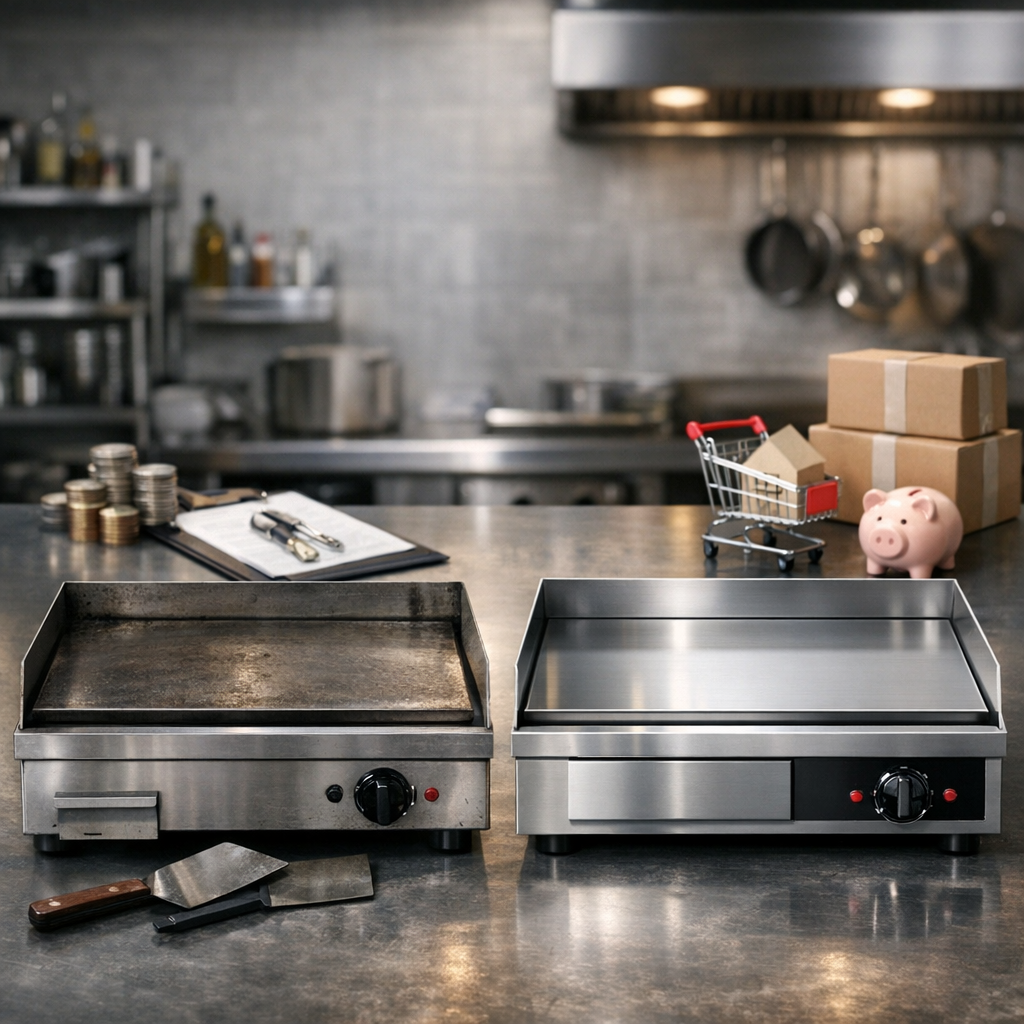
Fry Top: Renting vs Buying – Which Option Is Best for You?
Fry Top: Renting vs Buying – Which Option Is Best for You?
If you’re in the culinary world or planning to set up a kitchen, you’ve probably come across the term fry top. This versatile cooking appliance is a staple in many professional kitchens and even in some home setups. But when it comes to acquiring a fry top, one question often arises: should you rent it (affitto) or buy it (acquisto)? In this comprehensive guide, we’ll explore the advantages and disadvantages of both options, helping you make an informed decision based on your needs, budget, and long-term plans.
What is a Fry Top?
A fry top, also known as a griddle or flat-top grill, is a flat cooking surface that can be heated by gas, electricity, or other sources. It’s commonly used for frying, grilling, and searing various foods such as meats, vegetables, eggs, and pancakes. Its large, even surface allows for cooking multiple items simultaneously, making it a favorite in restaurants, food trucks, catering businesses, and even home kitchens.
Fry tops come in different sizes and materials, with stainless steel and cast iron being popular choices. Some models offer temperature controls, grease traps, and other features that enhance cooking efficiency and safety.
Why Consider Renting (Affitto) a Fry Top?
Renting a fry top can be an attractive option for many, especially if you’re starting a business or need the appliance for a short period. Here are some reasons why renting might be the right choice:
1. Lower Initial Investment
One of the most significant advantages of renting is the reduced upfront cost. Purchasing a high-quality fry top can be expensive, sometimes running into thousands of dollars. Renting allows you to access the equipment without the hefty initial expenditure, freeing up capital for other business needs.
2. Flexibility
If your cooking needs are seasonal or temporary—such as catering events, pop-up restaurants, or food festivals—renting offers flexibility. You can rent the fry top only when you need it and return it afterward, avoiding storage and maintenance hassles.
3. Maintenance and Repairs Included
Many rental agreements include maintenance and repair services. This means if the fry top malfunctions, the rental company often handles repairs or replaces the unit, saving you time and money.
4. Try Before You Buy
Renting allows you to test different models and brands before committing to a purchase. This hands-on experience can help you choose the best fry top that suits your cooking style and volume.
5. Upgrade Options
Rental companies often offer the latest models, so you can enjoy up-to-date technology without worrying about obsolescence. When your rental period ends, you can upgrade to a newer model easily.
Drawbacks of Renting a Fry Top
While renting has many benefits, it’s important to consider potential downsides:
- Higher Long-Term Costs: If you need the fry top for an extended period, rental fees can add up and eventually exceed the cost of buying.
- Limited Customization: Rental units may not offer customization options or specific features you desire.
- Availability Issues: Depending on demand, the model you want may not always be available for rent.
- Contract Restrictions: Rental agreements may have terms that restrict usage or impose penalties for damage.
Why Consider Buying (Acquisto) a Fry Top?
Buying a fry top outright is a commitment but comes with several advantages, especially if you plan to use the equipment regularly or long-term.
1. Cost-Effectiveness Over Time
Though the initial investment is higher, owning a fry top can be more economical in the long run. You avoid recurring rental fees and can use the appliance as much as you want without additional costs.
2. Full Control and Customization
When you buy, you can select the exact model, size, and features that fit your needs. You can also modify or upgrade the equipment as you see fit.
3. No Usage Restrictions
Ownership means no contractual limitations on how or when you use the fry top. This freedom is valuable for busy kitchens or businesses with fluctuating demands.
4. Asset for Your Business
A fry top you own is a tangible asset that can add value to your business. It may also be depreciated for tax purposes, offering potential financial benefits.
5. Long-Term Reliability
With proper maintenance, a purchased fry top can last many years, providing consistent performance and reliability.
Drawbacks of Buying a Fry Top
Buying isn’t without its challenges, including:
- High Upfront Cost: The initial purchase price can be a barrier, especially for startups or small businesses.
- Maintenance Responsibility: You are responsible for repairs, maintenance, and potential downtime.
- Depreciation and Obsolescence: Over time, the equipment may depreciate or become outdated, requiring reinvestment.
- Storage and Space: You need to have adequate space for the fry top when not in use.
Key Factors to Consider When Deciding Between Renting and Buying
To choose the best option, evaluate the following factors carefully:
1. Frequency and Duration of Use
If you need the fry top daily or for an indefinite period, buying is generally more cost-effective. For occasional or short-term use, renting might be better.
2. Budget Constraints
Assess your available capital and cash flow. Renting reduces upfront costs, while buying requires a larger initial investment.
3. Business Type and Growth Plans
Startups or seasonal businesses may prefer renting for flexibility. Established businesses with steady operations often benefit from ownership.
4. Maintenance Capabilities
Consider whether you have the resources to maintain and repair the fry top or prefer to delegate this responsibility to a rental company.
5. Technological Needs
If you want the latest features and models, renting offers easier upgrades. Buying locks you into your chosen model until you decide to replace it.
6. Storage and Space Availability
Owning requires space for storage and installation. Renting may alleviate some of these concerns if the rental period is short.
Comparative Cost Analysis: Renting vs Buying
Let’s look at a hypothetical example to illustrate the cost differences.
| Option | Initial Cost | Monthly Cost | Maintenance | Total Cost Over 2 Years |
|---|---|---|---|---|
| Renting | $0 | $150 | Included | $3,600 |
| Buying | $3,000 | $30 (estimated maintenance) | Owner’s responsibility | $3,720 |
In this example, the costs over two years are comparable. However, after two years, buying becomes more economical, while renting costs continue to accumulate.
Additional Tips for Choosing the Right Fry Top
- Research Brands and Models: Look for reliable brands with good reviews.
- Consider Energy Efficiency: Energy-efficient models can save money over time.
- Check Rental Terms Carefully: Understand the contract, fees, and responsibilities.
- Inspect Equipment Condition: Whether renting or buying, ensure the fry top is in excellent condition.
- Plan for Accessories: Consider if you need additional tools like grease traps, covers, or stands.
Conclusion: Which Option Should You Choose?
Deciding between renting (affitto) and buying (acquisto) a fry top depends largely on your individual circumstances. If you need flexibility, lower upfront costs, and minimal maintenance responsibility, renting is an excellent choice. Conversely, if you seek long-term cost savings, full control, and asset ownership, buying is the way to go.
Ultimately, evaluate your cooking frequency, budget, business goals, and maintenance capabilities. By carefully weighing the pros and cons outlined above, you can select the option that best supports your culinary endeavors.
Whether you rent or buy, a quality fry top can elevate your cooking experience, improve efficiency, and help you deliver delicious meals consistently. Happy cooking!
Related posts
-
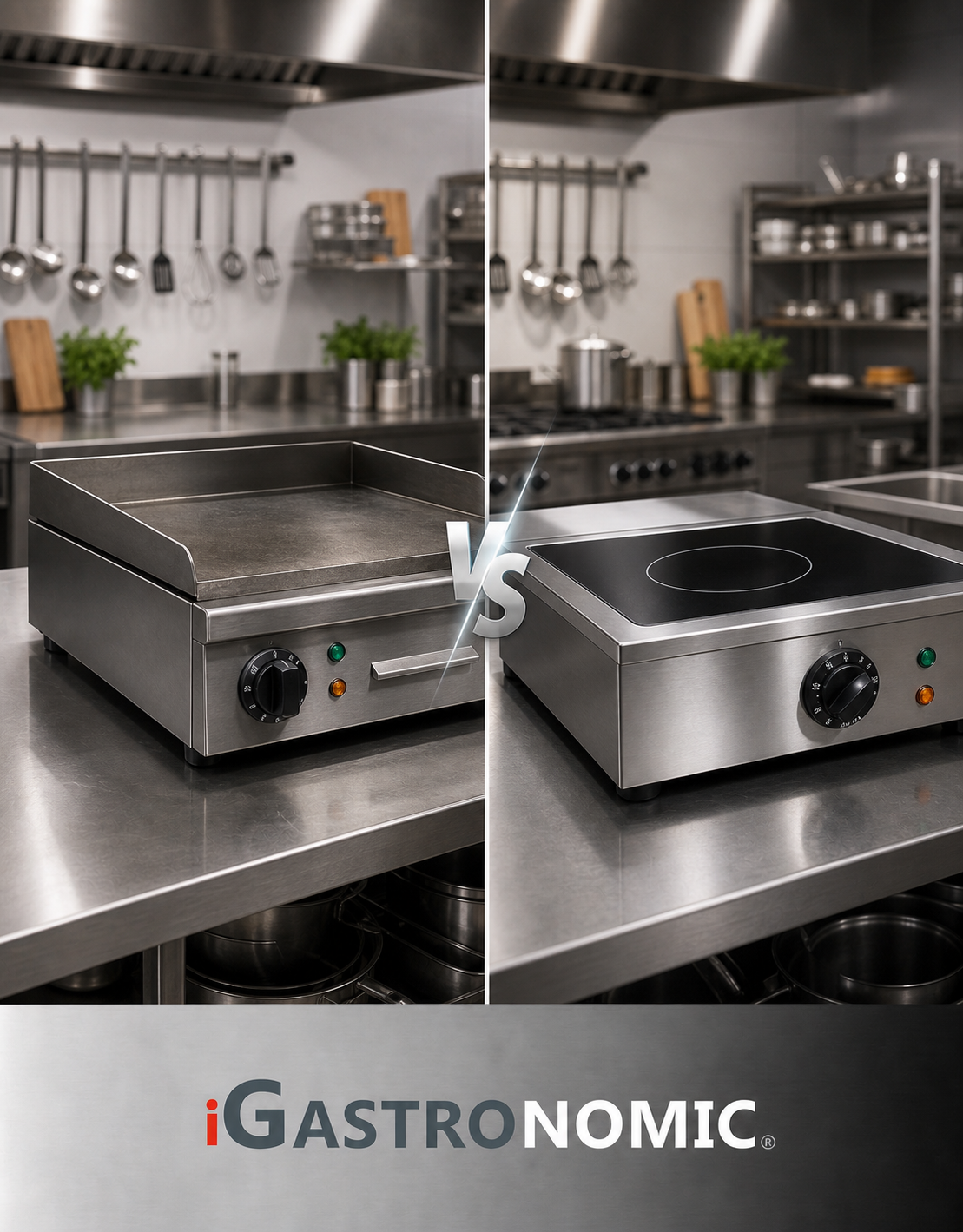 Fry Top vs Piastra Elettrica: Which One Should You Choose for Your Kitchen?
Choosing the right cooking appliance can transform your kitchen experience. Two popular options are the Fry Top and...Read more
Fry Top vs Piastra Elettrica: Which One Should You Choose for Your Kitchen?
Choosing the right cooking appliance can transform your kitchen experience. Two popular options are the Fry Top and...Read more -
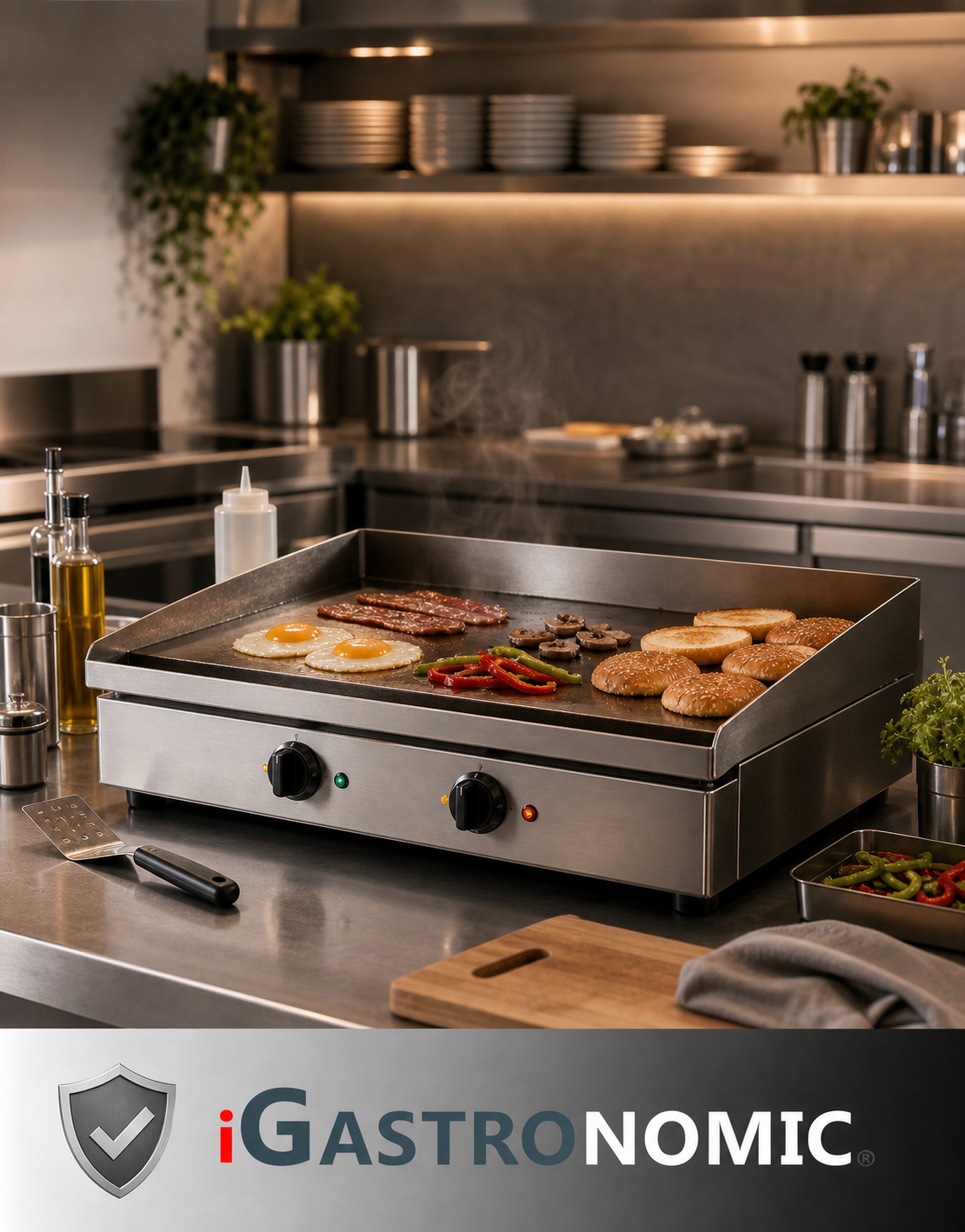 How to Use a Fry Top: A Complete Beginner's Guide
A fry top is a flat, smooth cooking surface that offers even heat distribution and a large area to cook multiple...Read more
How to Use a Fry Top: A Complete Beginner's Guide
A fry top is a flat, smooth cooking surface that offers even heat distribution and a large area to cook multiple...Read more -
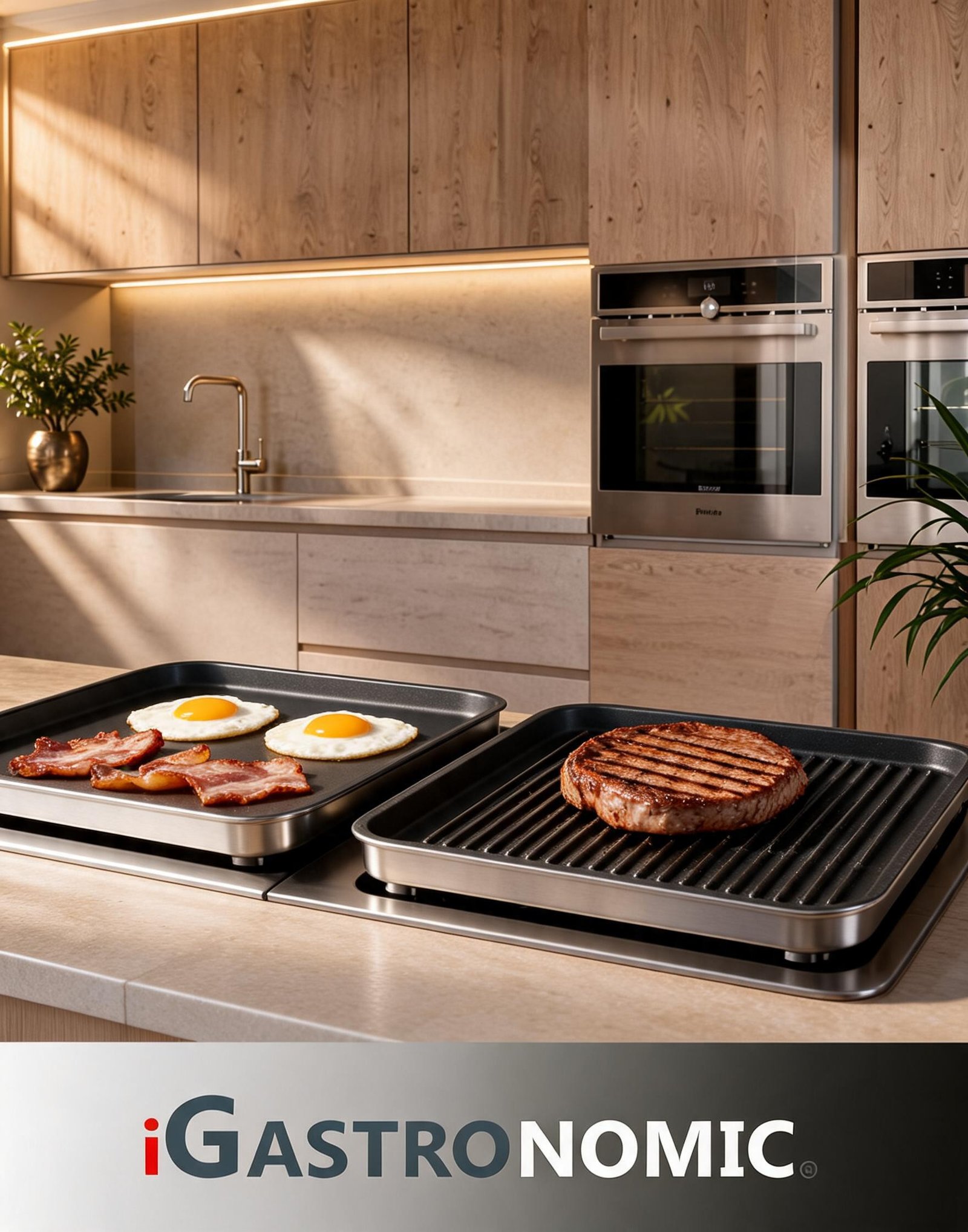 Fry Top Smooth or Ribbed? Which Is Better for Cooking?
Choosing between a smooth (liscio) and ribbed (rigato) fry top can significantly impact your cooking experience....Read more
Fry Top Smooth or Ribbed? Which Is Better for Cooking?
Choosing between a smooth (liscio) and ribbed (rigato) fry top can significantly impact your cooking experience....Read more -
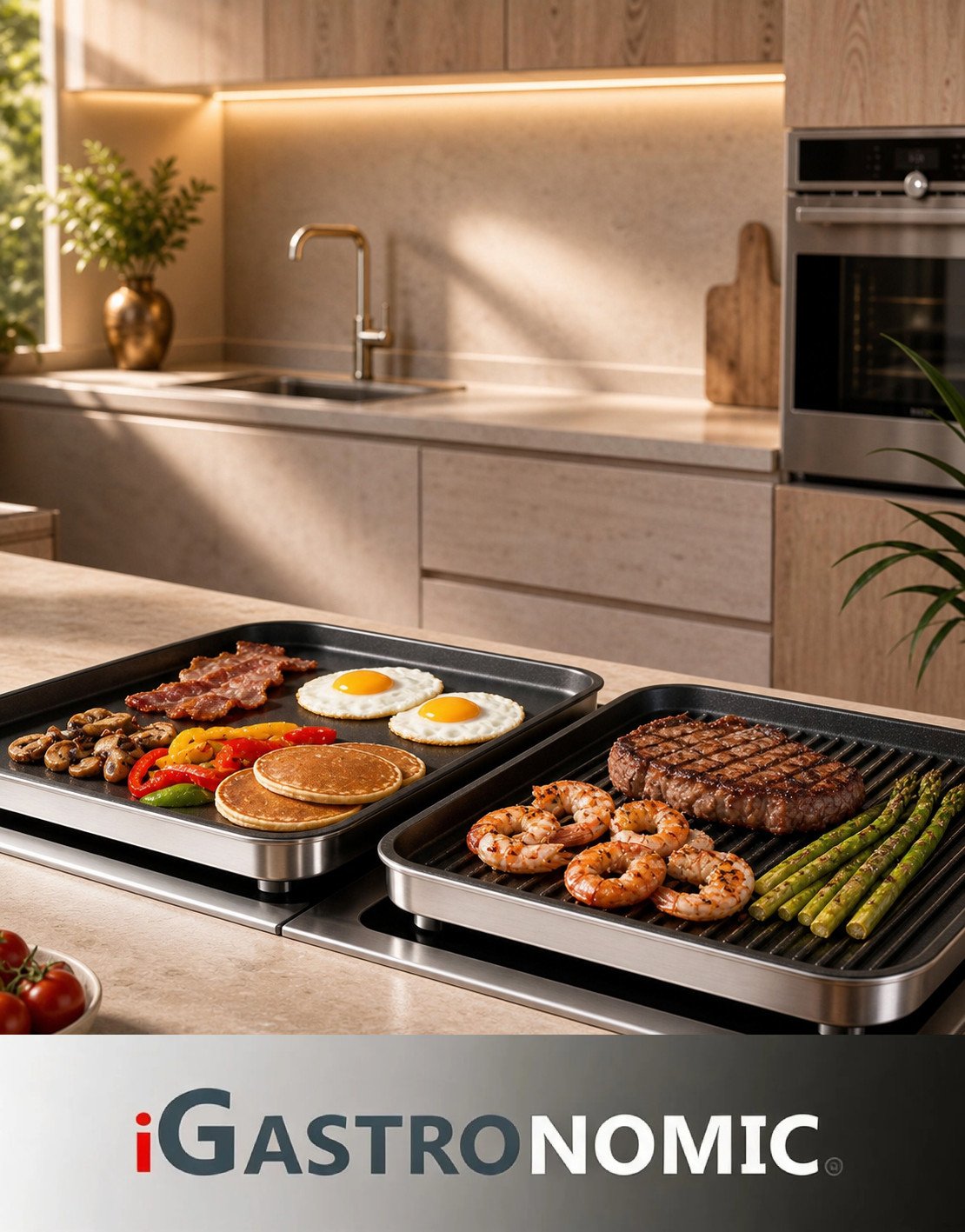 What Can You Cook on an Electric Fry Top? A Complete Guide
An electric fry top is a versatile kitchen appliance that offers a large, evenly heated cooking surface perfect for a...Read more
What Can You Cook on an Electric Fry Top? A Complete Guide
An electric fry top is a versatile kitchen appliance that offers a large, evenly heated cooking surface perfect for a...Read more -
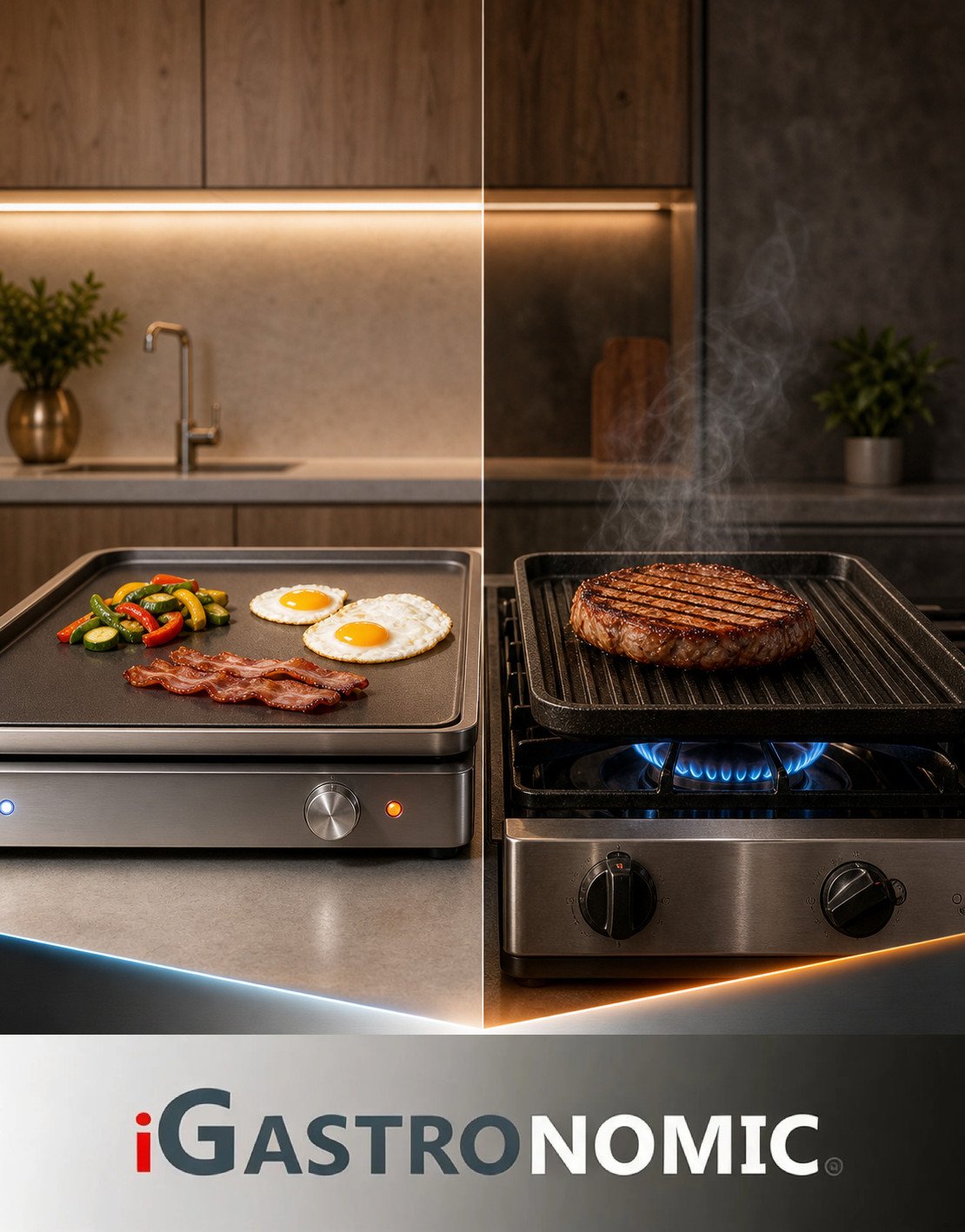 Electric Fry Top vs Gas: Advantages and Disadvantages Compared
Choosing between an electric and gas fry top can be challenging. Electric fry tops offer precise temperature control,...Read more
Electric Fry Top vs Gas: Advantages and Disadvantages Compared
Choosing between an electric and gas fry top can be challenging. Electric fry tops offer precise temperature control,...Read more
Leave a comment