
 Deutsch
 Türkçe
 Italiano

.jpg)
.jpg)
.jpg)
.jpg)
.jpg)
.jpg)
.jpg)
.jpg)
.jpg)
.jpg)

.jpg)

.jpg)
.jpg)
.jpg)
.jpg)
.jpg)
.jpg)
.jpg)
.jpg)
.jpg)
.jpg)



.jpg)
.jpg)
.jpg)
.jpg)
.jpg)
.jpg)
.jpg)
.jpg)
.jpg)


.jpg)
.jpg)

.jpg)
.jpg)
.jpg)
.jpg)


.jpg)

.png)
.jpg)
.jpg)
 (200 x 136 px) (5).png)
.png)

More and more restaurateurs and resourceful entrepreneurs are discovering the enormous potential of pizza vending...
-
 Cooking Appliances
add remove
Cooking Appliances
add remove -
-
Pizza & Grill
add remove
-
-
Refrigeration
add remove
-
-
Combi Steamer
add remove
-
-
Kitchen Appliances
add remove
-
-
Rinsing & Cleaning
add remove
-
-
Retail Refrigeration
add remove
-
-
Cafe & Ice Cream
add remove
-
-
Smart-Gastro
add remove
-
-
Event- & Cateringmöbel
-
Cooking Appliances
add remove
-
-
Pizza & Grill
add remove
-
-
Refrigeration
add remove
-
-
Combi Steamer
add remove
-
-
Kitchen Appliances
add remove
-
-
Rinsing & Cleaning
add remove
-
-
Retail Refrigeration
add remove
-
-
Cafe & Ice Cream
add remove
-
-
Smart-Gastro
add remove
-
-
Event- & Cateringmöbel


Call us:
+49 (0) 6135 7040 450Latest posts
-
 The Ultimate Guide: Pizza Vending Machines – Earnings, Costs & Experiences in the 24/7Read more
 -
 Döner vs. Shawarma vs. Kebab: Understanding the Terms and Differences for Your Food BusinessRead more
Are you confused about the difference between Döner, Shawarma, and Kebab? These popular meat dishes, often seen on...
-
 The 10 Best Döner Kebabs in Berlin (2026): The Ultimate Ranking Based on Real Customer ReviewsRead more
Berlin is the undisputed döner capital of the world. But with over 1,000 shops, the question arises: Which one is...
-
 Gyros vs. Döner: Understanding the Differences in Preparation, Seasoning, and Meat Selection for Your MenuRead more
Gyros and Döner are two iconic Mediterranean dishes often confused due to their similar appearance and cooking style....
-
 Welche Temperatur braucht ein Dönergrill? Richtwerte für die Gastronomie → Optimale Garzeiten und Temperaturen für perfekte ErgebnisseRead more
Der Dönergrill ist das Herzstück jeder Döner-Gastronomie. Die richtige Temperatur am Grill entscheidet maßgeblich...
-
 Döner Grill Heating Unevenly? Troubleshooting & Solutions → Recognize and Professionally Fix Common Device ProblemsRead more
Is your Döner grill heating unevenly? This can lead to poorly cooked meat and frustrated customers. In this guide, we...
-
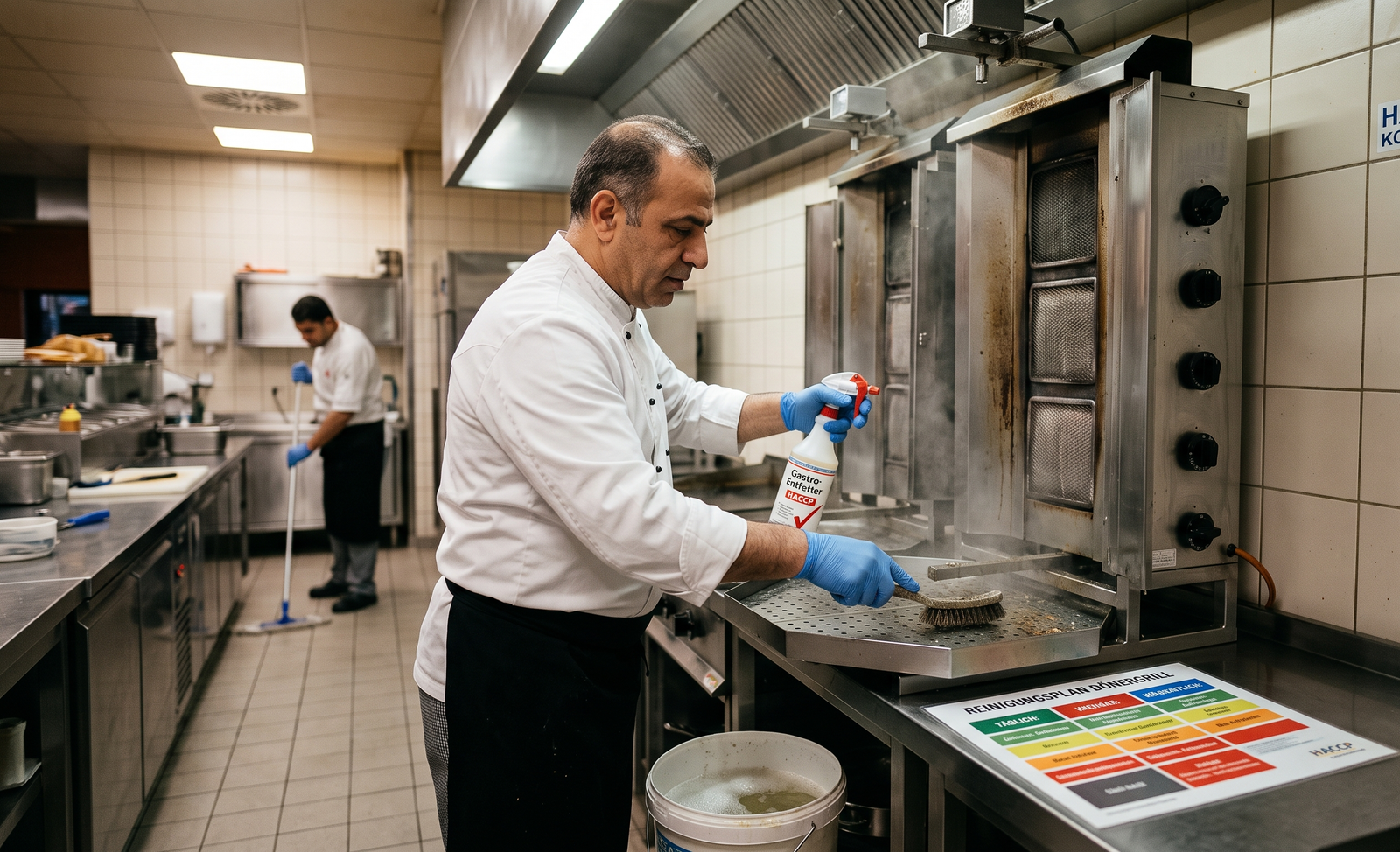 Proper Cleaning of Döner Grills: Care & Hygiene in Gastronomy → Equipment Cleaning According to HACCP Guidelines and Food Hygiene Regulations (LMHV)Read more
The Döner grill is a staple in many gastronomy businesses, and proper cleaning is essential to maintain hygiene and...
-
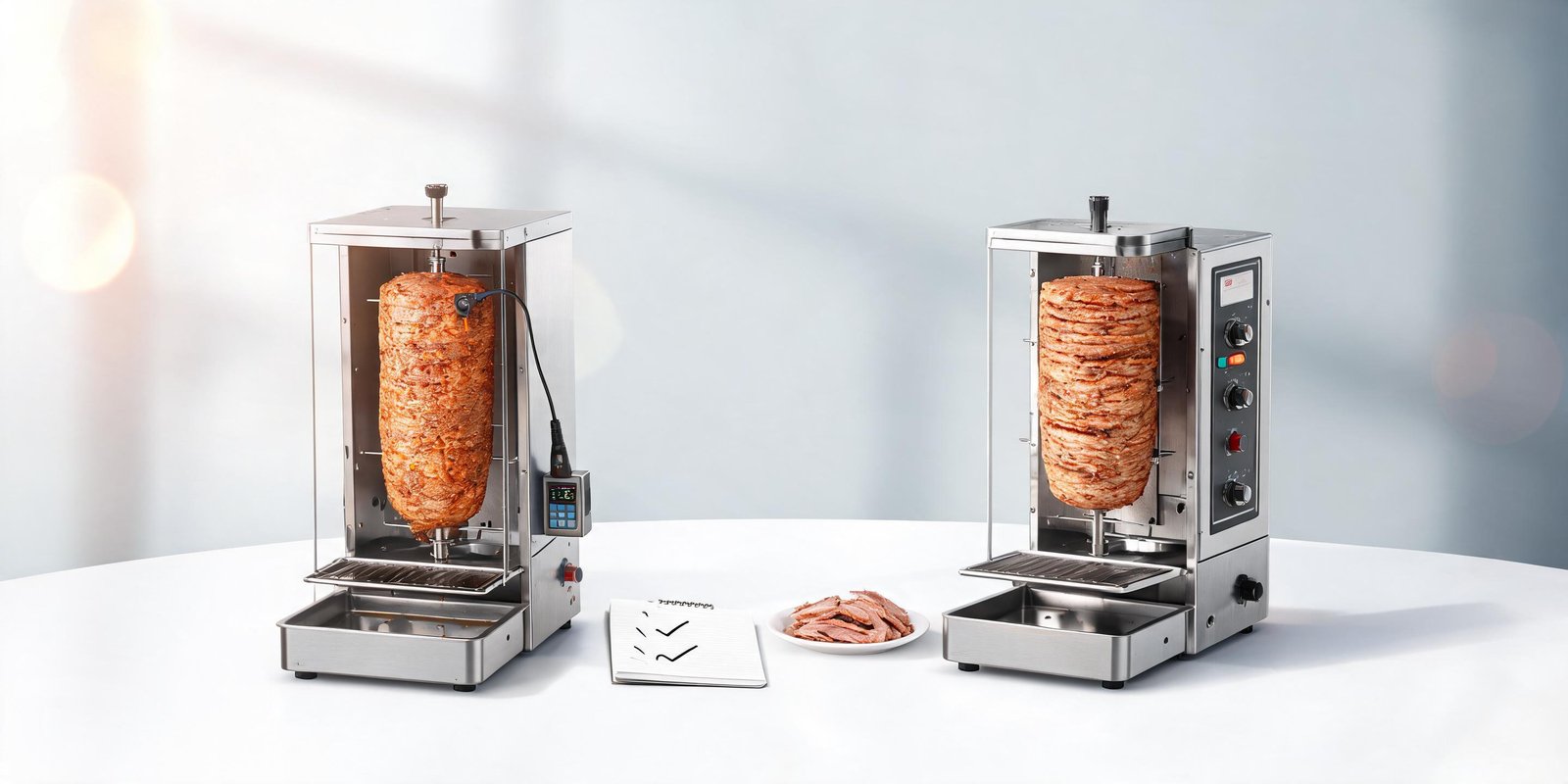 Commercial Döner Grill Tests & Reviews Overview → Make Informed Purchase Decisions with Current Product ComparisonsRead more
Choosing the right commercial Döner grill is essential for any food business specializing in this popular dish. This...
-
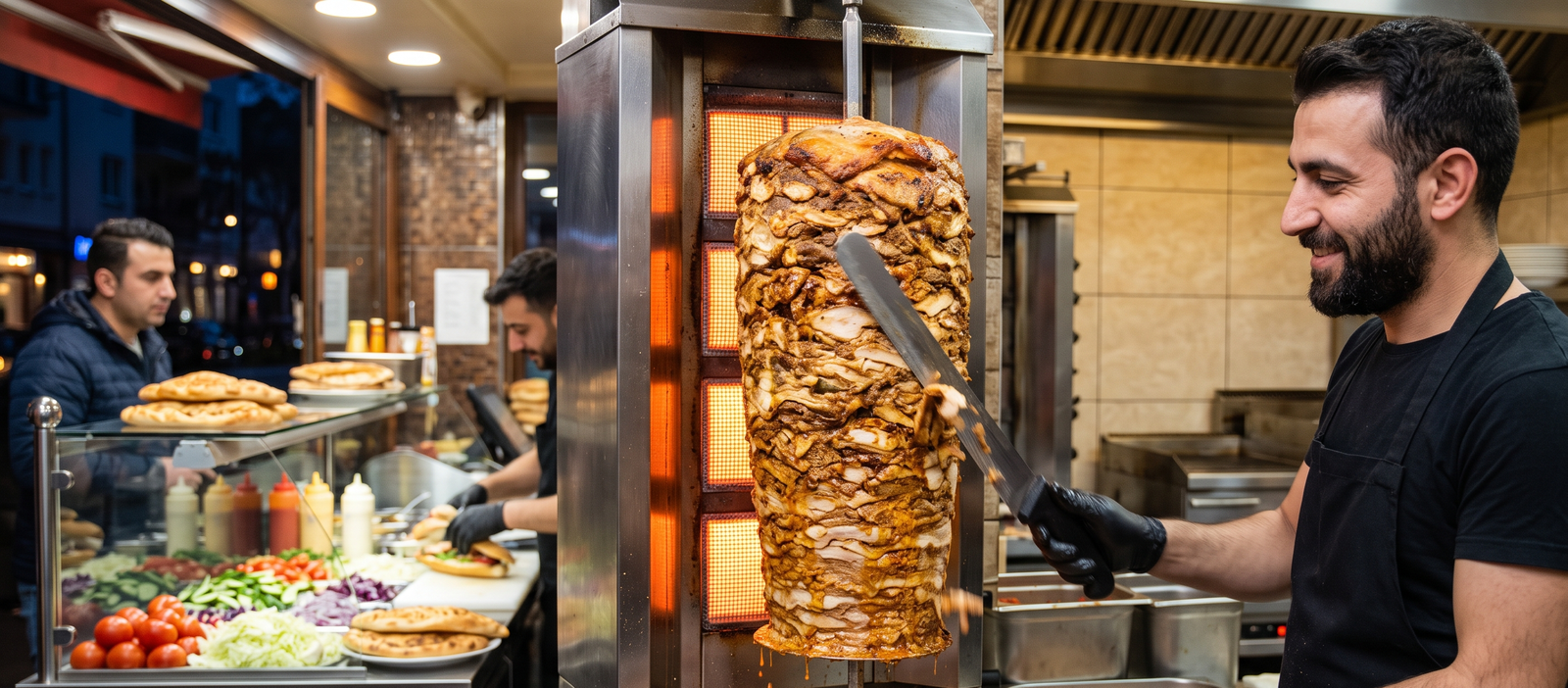 Why Is Döner Meat Grilled Vertically? Technology & Advantages Explained → The Functionality of the Vertical Grill and Its Benefits for the Gastronomy IndustryRead more
Döner kebab is famous worldwide for its juicy, flavorful meat cooked on a vertical spit. But why is the meat grilled...
-
 Compact Döner Grills for Small Snack Bars & Food Trucks → Space-Saving Solutions for Limited SpacesRead more
Small snack bars and food trucks often struggle with limited space, making it challenging to accommodate large...
Blog categories
Search in blog
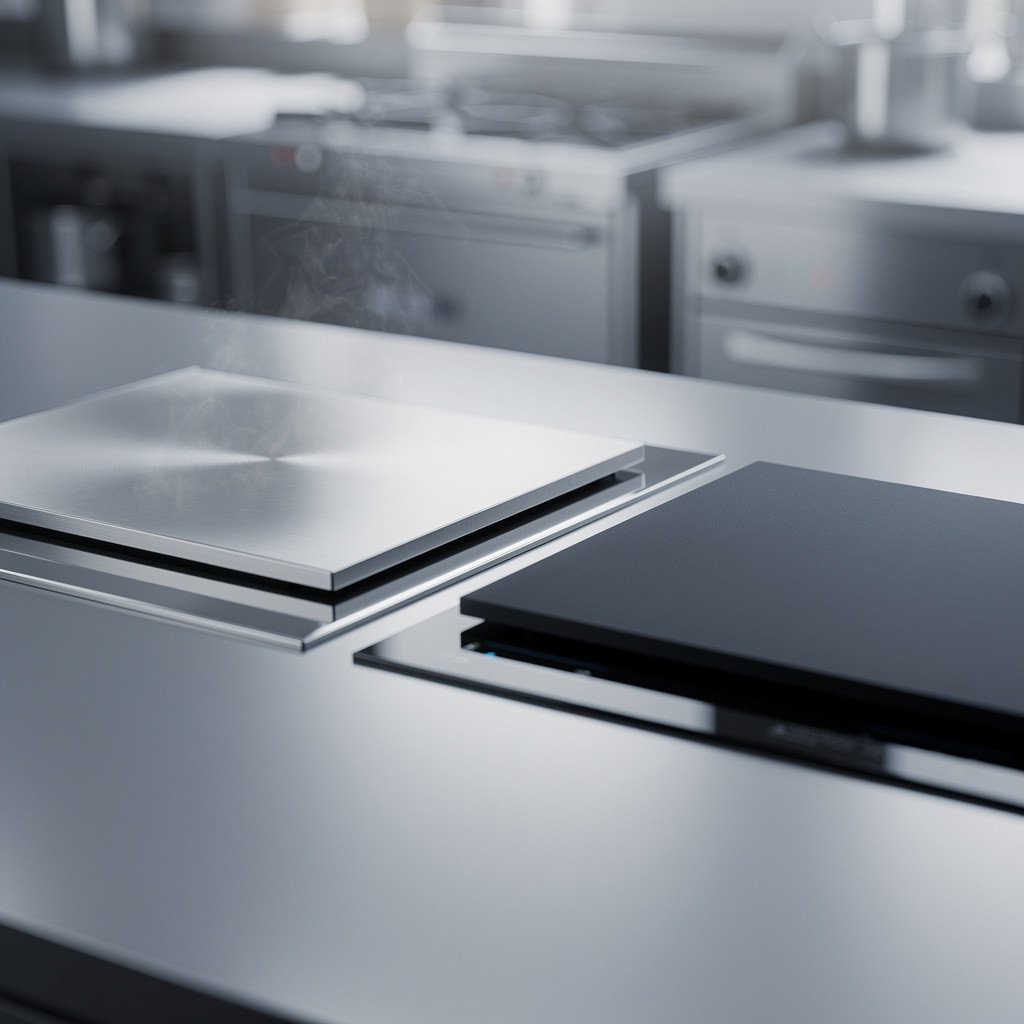
Fry Top in Stainless Steel vs Non-Stick Surface: Which One Should You Choose?
Fry Top in Stainless Steel vs Non-Stick Surface: Which One Should You Choose?
When it comes to cooking appliances, the fry top is a versatile and essential tool for both professional chefs and home cooks alike. Whether you're searing steaks, sautéing vegetables, or making pancakes, a quality fry top can make all the difference. However, one of the most common dilemmas in choosing a fry top is deciding between stainless steel (acciaio inox) and non-stick (superficie antiaderente) surfaces.
In this comprehensive guide, we'll explore the differences, advantages, and disadvantages of fry tops made from stainless steel versus those with non-stick coatings. By the end, you'll have a clearer understanding of which fry top aligns best with your cooking habits, maintenance preferences, and budget.
Understanding the Basics: What Is a Fry Top?
A fry top, also known as a griddle or plancha, is a flat cooking surface designed for frying, grilling, and sautéing a variety of foods. Unlike traditional frying pans, fry tops offer a larger, flat surface that allows you to cook multiple items simultaneously, making them ideal for busy kitchens and large meals.
Fry tops come in various materials, but two of the most popular are:
- Stainless Steel (Acciaio Inox)
- Non-Stick Surface (Superficie Antiaderente)
Fry Top in Stainless Steel (Acciaio Inox)
Stainless steel fry tops are made from a durable alloy composed primarily of iron, chromium, and sometimes nickel. The chromium content gives stainless steel its corrosion resistance and shiny appearance.
Advantages of Stainless Steel Fry Tops
- Durability: Stainless steel is incredibly robust and resistant to scratches, dents, and high temperatures. This makes it ideal for heavy-duty cooking and long-term use.
- High Heat Tolerance: Stainless steel can withstand very high temperatures without warping or degrading, allowing for excellent searing and browning.
- Flavor Development: Because stainless steel is not coated, it allows for the natural Maillard reaction to occur, which enhances the flavor and texture of seared foods.
- Non-Reactive Surface: Stainless steel does not react with acidic or alkaline foods, preserving the taste and safety of your dishes.
- Easy to Clean (with proper technique): While stainless steel can sometimes be tricky to clean, with the right methods (like deglazing), it can be kept spotless and hygienic.
- Longevity: A well-maintained stainless steel fry top can last decades without needing replacement.
Disadvantages of Stainless Steel Fry Tops
- Food Sticking: Stainless steel surfaces are prone to food sticking if not properly preheated or oiled.
- Requires Skill: Cooking on stainless steel requires some technique, such as preheating and using the right amount of fat, to prevent sticking and burning.
- Maintenance: Stainless steel can develop discoloration or water spots and may require polishing to maintain its shine.
- Weight: Stainless steel fry tops tend to be heavier, which can make handling and installation more challenging.
Fry Top with Non-Stick Surface (Superficie Antiaderente)
Non-stick fry tops are coated with materials such as polytetrafluoroethylene (PTFE), commonly known by the brand name Teflon, or ceramic coatings. These coatings create a slick surface that prevents food from sticking.
Advantages of Non-Stick Fry Tops
- Easy Food Release: The primary benefit is that food rarely sticks, making cooking delicate items like eggs or fish much easier.
- Less Oil Needed: Because of the slick surface, you can cook with less oil or butter, which is great for healthier cooking.
- Simple Cleaning: Non-stick surfaces clean up quickly and easily, often just requiring a gentle wipe.
- User-Friendly: Ideal for beginners or those who prefer low-maintenance cooking equipment.
- Lighter Weight: Non-stick fry tops are usually lighter and easier to handle.
Disadvantages of Non-Stick Fry Tops
- Durability Concerns: Non-stick coatings can wear off over time, especially if scratched by metal utensils or overheated.
- Heat Limitations: Non-stick surfaces generally cannot withstand very high temperatures, limiting searing capabilities.
- Potential Health Concerns: Some older non-stick coatings may release harmful fumes if overheated, though modern coatings have improved safety.
- Less Flavor Development: The slick surface can inhibit the Maillard reaction, potentially affecting flavor and texture.
- Replacement Frequency: Non-stick fry tops often need to be replaced more frequently than stainless steel ones.
Comparing Cooking Performance
Heat Conductivity and Distribution: Stainless steel fry tops often come with an aluminum or copper core to improve heat conduction. This means they can heat evenly and maintain consistent temperatures, which is crucial for professional cooking. Non-stick fry tops may also have good heat distribution but tend to have lower maximum temperature thresholds.
Food Release and Browning: Non-stick surfaces excel at preventing food from sticking, making them perfect for delicate foods like eggs and pancakes. However, stainless steel surfaces allow for better browning and crust formation, which is essential for steaks, chops, and other meats.
Cooking Techniques: Stainless steel fry tops are more versatile, supporting a wider range of cooking techniques including searing, sautéing, and even deglazing to create sauces. Non-stick fry tops are best suited for low to medium heat cooking and require gentler handling.
Maintenance and Cleaning
Stainless Steel Fry Tops
Cleaning stainless steel requires some effort but is rewarding. After cooking, it's best to let the surface cool slightly, then scrape off any stuck food with a spatula or scraper. Using warm water, mild detergent, and a non-abrasive sponge helps maintain the surface. For tougher stains or discoloration, specialized stainless steel cleaners or a vinegar-water solution can restore shine.
Non-Stick Fry Tops
Non-stick surfaces are easier to clean but require gentle care. Avoid abrasive sponges or harsh detergents. Warm water and a soft cloth or sponge are usually sufficient. It's important not to use metal utensils to prevent scratching the coating. Also, avoid overheating to prolong the life of the non-stick layer.
Health and Safety Considerations
Both stainless steel and modern non-stick coatings are generally safe for cooking. However, it's essential to be aware of the following:
- Stainless Steel: Non-reactive and safe with all types of food, including acidic ingredients like tomatoes and citrus.
- Non-Stick: Older non-stick coatings made with PFOA (perfluorooctanoic acid) have been phased out due to health concerns. Modern non-stick coatings are PFOA-free and considered safe when used properly. Overheating non-stick surfaces (above 260°C or 500°F) can release fumes that may cause flu-like symptoms in humans and are toxic to birds.
Cost Comparison
Generally, stainless steel fry tops tend to be more expensive upfront due to the material and manufacturing process. However, their longevity often makes them more cost-effective over time. Non-stick fry tops are usually less expensive initially but may require replacement every few years depending on usage and care.
Environmental Impact
Stainless steel is recyclable and durable, which makes it a more environmentally friendly option in the long run. Non-stick coatings, especially if they degrade or chip, can contribute to waste and may contain chemicals that are less eco-friendly.
Which Fry Top Should You Choose?
Your choice depends largely on your cooking style, priorities, and budget. Here's a quick guide to help you decide:
- Choose Stainless Steel If:
- You prioritize durability and longevity.
- You enjoy searing and browning meats.
- You don’t mind a bit of extra maintenance.
- You want a versatile surface for various cooking techniques.
- You prefer eco-friendly and recyclable materials.
- Choose Non-Stick If:
- You want easy food release and quick cleanup.
- You cook mostly delicate foods like eggs, pancakes, and fish.
- You prefer low-fat cooking with minimal oil.
- You are a beginner or want low-maintenance cookware.
- You are okay with replacing the fry top every few years.
Tips for Getting the Most Out of Your Fry Top
For Stainless Steel Fry Tops:
- Preheat the surface properly before adding food to prevent sticking.
- Use enough oil or fat to create a temporary non-stick layer.
- Allow food to sear and naturally release before flipping.
- Clean promptly after use to avoid buildup.
- Use stainless steel-safe cleaning products to maintain shine.
For Non-Stick Fry Tops:
- Use wooden, silicone, or plastic utensils to avoid scratching.
- Cook on low to medium heat to preserve the coating.
- Avoid sudden temperature changes to prevent warping.
- Hand wash gently and avoid abrasive cleaners.
- Replace when the coating shows signs of wear or peeling.
Conclusion
Both stainless steel and non-stick fry tops have their unique strengths and weaknesses. Stainless steel offers unmatched durability, heat tolerance, and flavor development but requires a bit more skill and care. Non-stick fry tops provide convenience, easy cleanup, and excellent food release but may have limitations in durability and heat capacity.
Ultimately, the best fry top for you depends on your cooking preferences, how much maintenance you’re willing to do, and your budget. Many professional kitchens swear by stainless steel for its reliability and performance, while casual home cooks often prefer the ease of non-stick surfaces.
Whichever you choose, understanding the characteristics of each will help you make an informed decision and elevate your cooking experience.
Happy cooking!
Related posts
-
 Fry Top vs Piastra Elettrica: Which One Should You Choose for Your Kitchen?
Choosing the right cooking appliance can transform your kitchen experience. Two popular options are the Fry Top and...Read more
Fry Top vs Piastra Elettrica: Which One Should You Choose for Your Kitchen?
Choosing the right cooking appliance can transform your kitchen experience. Two popular options are the Fry Top and...Read more -
 How to Use a Fry Top: A Complete Beginner's Guide
A fry top is a flat, smooth cooking surface that offers even heat distribution and a large area to cook multiple...Read more
How to Use a Fry Top: A Complete Beginner's Guide
A fry top is a flat, smooth cooking surface that offers even heat distribution and a large area to cook multiple...Read more -
 Fry Top Smooth or Ribbed? Which Is Better for Cooking?
Choosing between a smooth (liscio) and ribbed (rigato) fry top can significantly impact your cooking experience....Read more
Fry Top Smooth or Ribbed? Which Is Better for Cooking?
Choosing between a smooth (liscio) and ribbed (rigato) fry top can significantly impact your cooking experience....Read more -
 What Can You Cook on an Electric Fry Top? A Complete Guide
An electric fry top is a versatile kitchen appliance that offers a large, evenly heated cooking surface perfect for a...Read more
What Can You Cook on an Electric Fry Top? A Complete Guide
An electric fry top is a versatile kitchen appliance that offers a large, evenly heated cooking surface perfect for a...Read more -
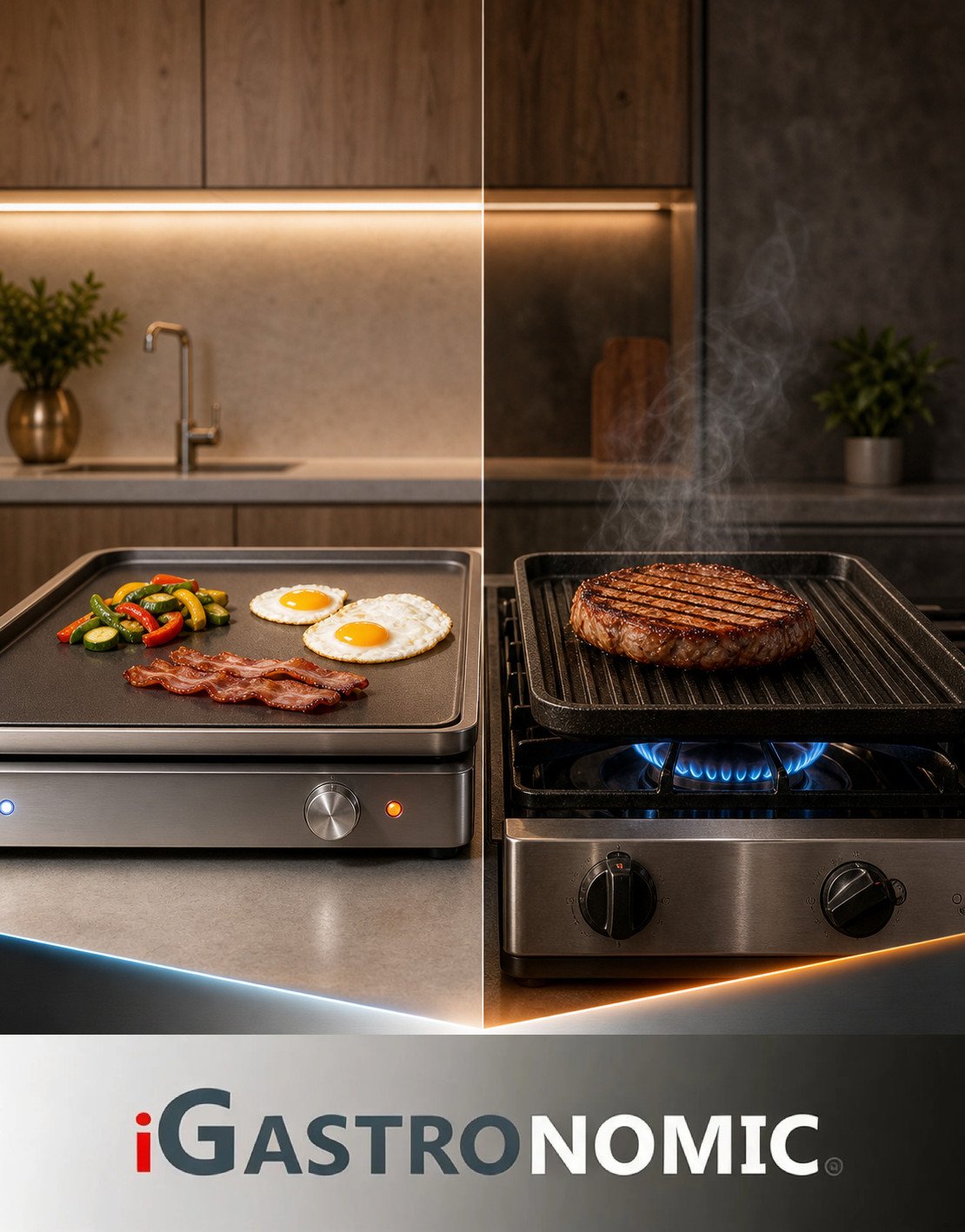 Electric Fry Top vs Gas: Advantages and Disadvantages Compared
Choosing between an electric and gas fry top can be challenging. Electric fry tops offer precise temperature control,...Read more
Electric Fry Top vs Gas: Advantages and Disadvantages Compared
Choosing between an electric and gas fry top can be challenging. Electric fry tops offer precise temperature control,...Read more
Leave a comment