
 Deutsch
 Türkçe
 Italiano

.jpg)
.jpg)
.jpg)
.jpg)
.jpg)
.jpg)
.jpg)
.jpg)
.jpg)
.jpg)

.jpg)

.jpg)
.jpg)
.jpg)
.jpg)
.jpg)
.jpg)
.jpg)
.jpg)
.jpg)
.jpg)



.jpg)
.jpg)
.jpg)
.jpg)
.jpg)
.jpg)
.jpg)
.jpg)
.jpg)



.jpg)
.jpg)

.jpg)
.jpg)
.jpg)
.jpg)


.jpg)

.png)
.jpg)
.jpg)
 (200 x 136 px) (5).png)
.png)

More and more restaurateurs and resourceful entrepreneurs are discovering the enormous potential of pizza vending...
-
 Cooking Appliances
add remove
Cooking Appliances
add remove -
-
Pizza & Grill
add remove
-
-
Refrigeration
add remove
-
-
Combi Steamer
add remove
-
-
Kitchen Appliances
add remove
-
-
Rinsing & Cleaning
add remove
-
-
Retail Refrigeration
add remove
-
-
Cafe & Ice Cream
add remove
-
-
Smart-Gastro
add remove
-
-
Event- & Cateringmöbel
-
Cooking Appliances
add remove
-
-
Pizza & Grill
add remove
-
-
Refrigeration
add remove
-
-
Combi Steamer
add remove
-
-
Kitchen Appliances
add remove
-
-
Rinsing & Cleaning
add remove
-
-
Retail Refrigeration
add remove
-
-
Cafe & Ice Cream
add remove
-
-
Smart-Gastro
add remove
-
-
Event- & Cateringmöbel


Call us:
+49 (0) 6135 7040 450Latest posts
-
 The Ultimate Guide: Pizza Vending Machines – Earnings, Costs & Experiences in the 24/7Read more
 -
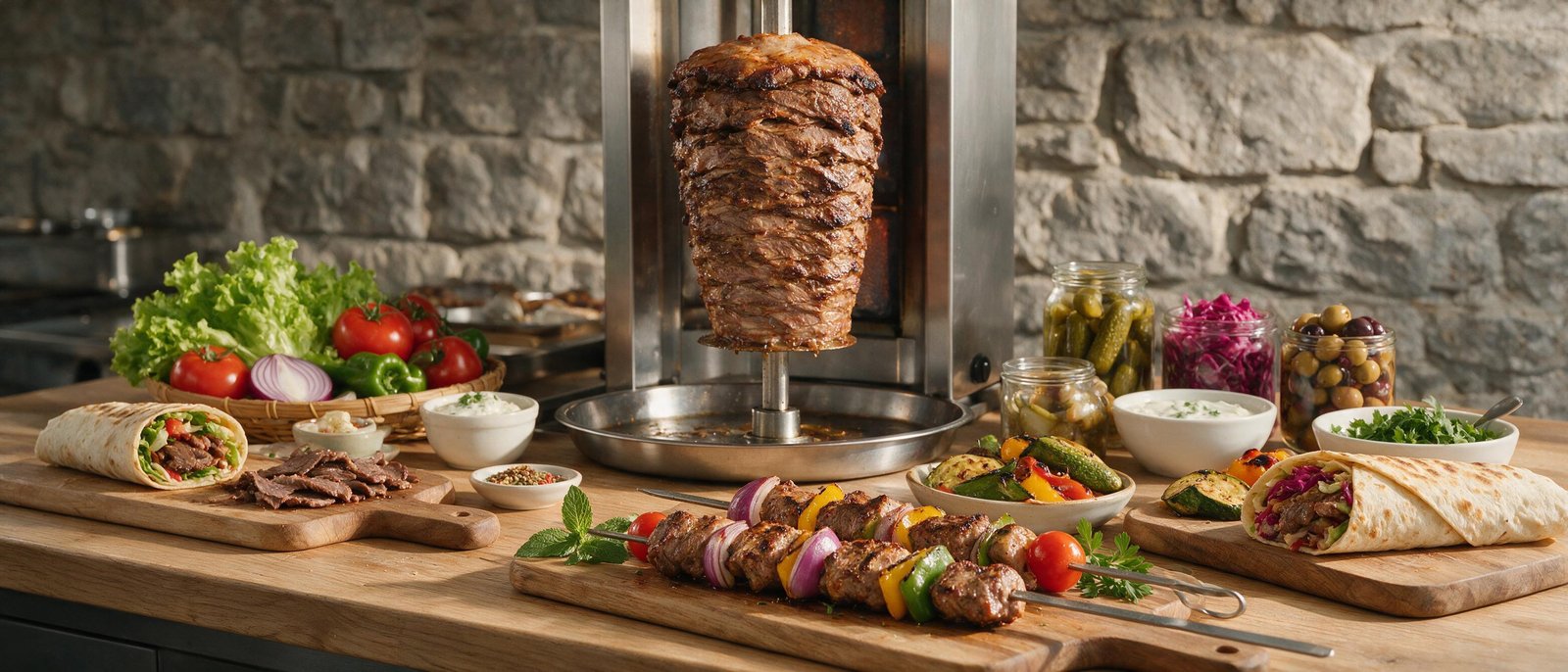 Döner vs. Shawarma vs. Kebab: Understanding the Terms and Differences for Your Food BusinessRead more
Are you confused about the difference between Döner, Shawarma, and Kebab? These popular meat dishes, often seen on...
-
 The 10 Best Döner Kebabs in Berlin (2026): The Ultimate Ranking Based on Real Customer ReviewsRead more
Berlin is the undisputed döner capital of the world. But with over 1,000 shops, the question arises: Which one is...
-
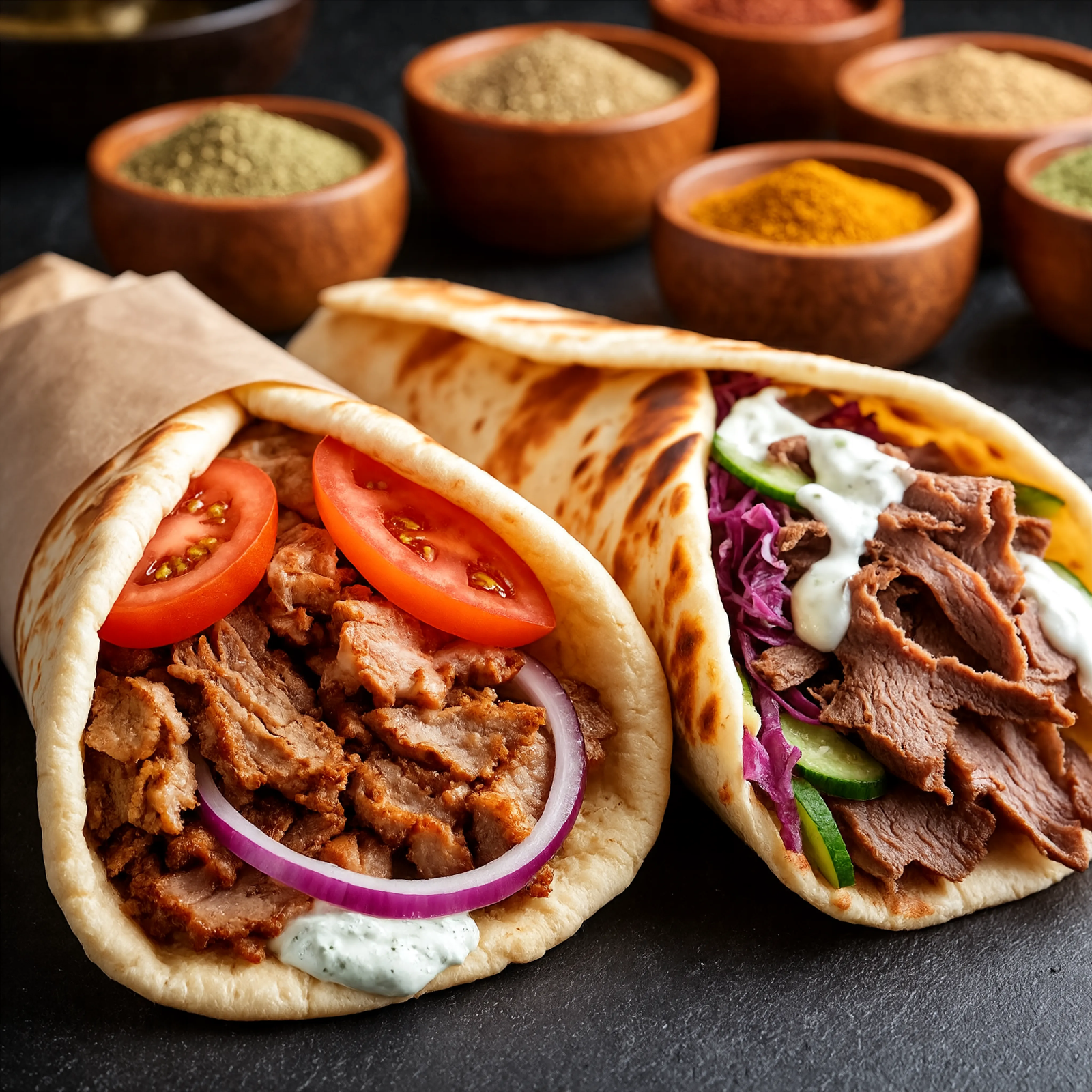 Gyros vs. Döner: Understanding the Differences in Preparation, Seasoning, and Meat Selection for Your MenuRead more
Gyros and Döner are two iconic Mediterranean dishes often confused due to their similar appearance and cooking style....
-
 Welche Temperatur braucht ein Dönergrill? Richtwerte für die Gastronomie → Optimale Garzeiten und Temperaturen für perfekte ErgebnisseRead more
Der Dönergrill ist das Herzstück jeder Döner-Gastronomie. Die richtige Temperatur am Grill entscheidet maßgeblich...
-
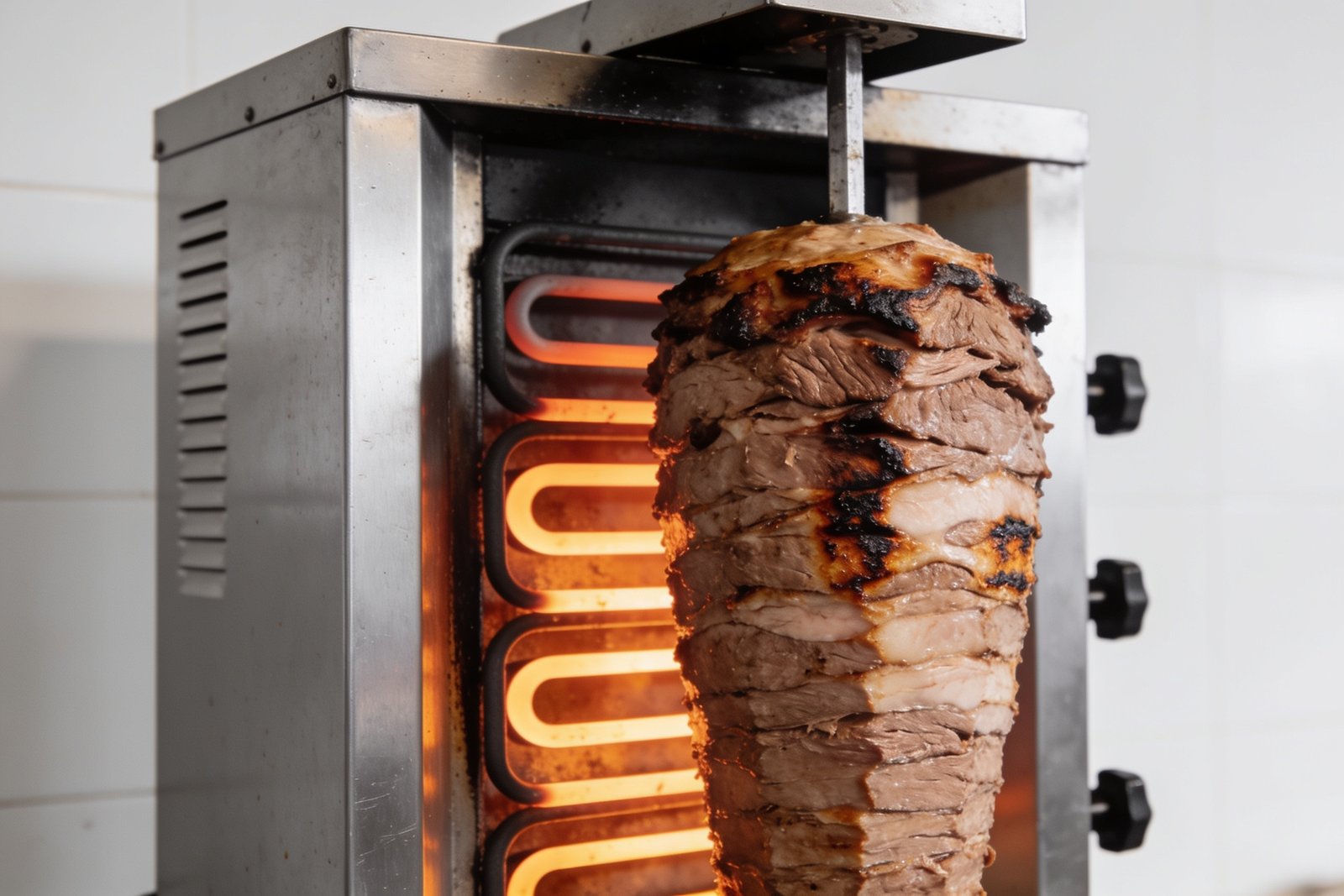 Döner Grill Heating Unevenly? Troubleshooting & Solutions → Recognize and Professionally Fix Common Device ProblemsRead more
Is your Döner grill heating unevenly? This can lead to poorly cooked meat and frustrated customers. In this guide, we...
-
 Proper Cleaning of Döner Grills: Care & Hygiene in Gastronomy → Equipment Cleaning According to HACCP Guidelines and Food Hygiene Regulations (LMHV)Read more
The Döner grill is a staple in many gastronomy businesses, and proper cleaning is essential to maintain hygiene and...
-
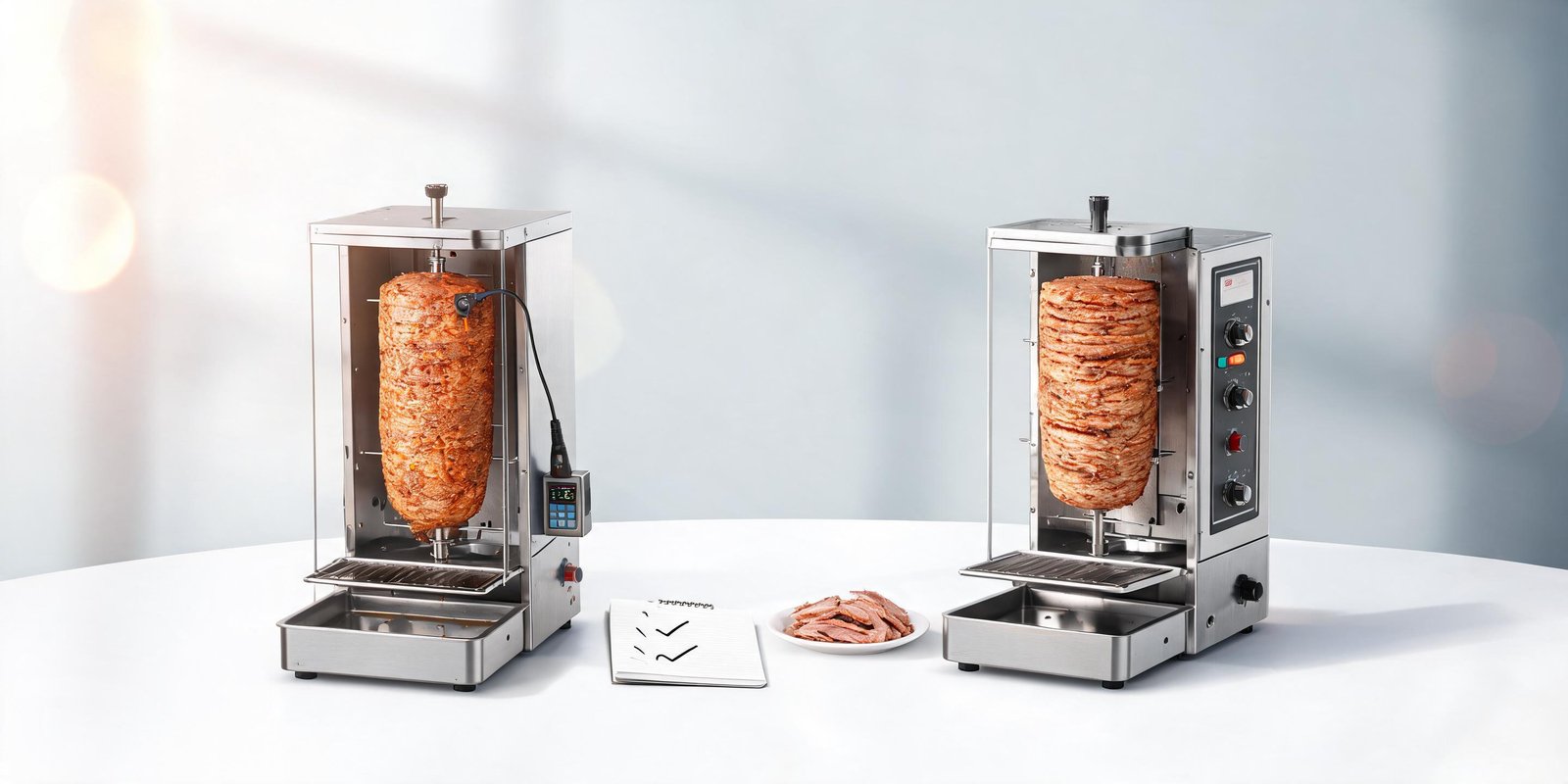 Commercial Döner Grill Tests & Reviews Overview → Make Informed Purchase Decisions with Current Product ComparisonsRead more
Choosing the right commercial Döner grill is essential for any food business specializing in this popular dish. This...
-
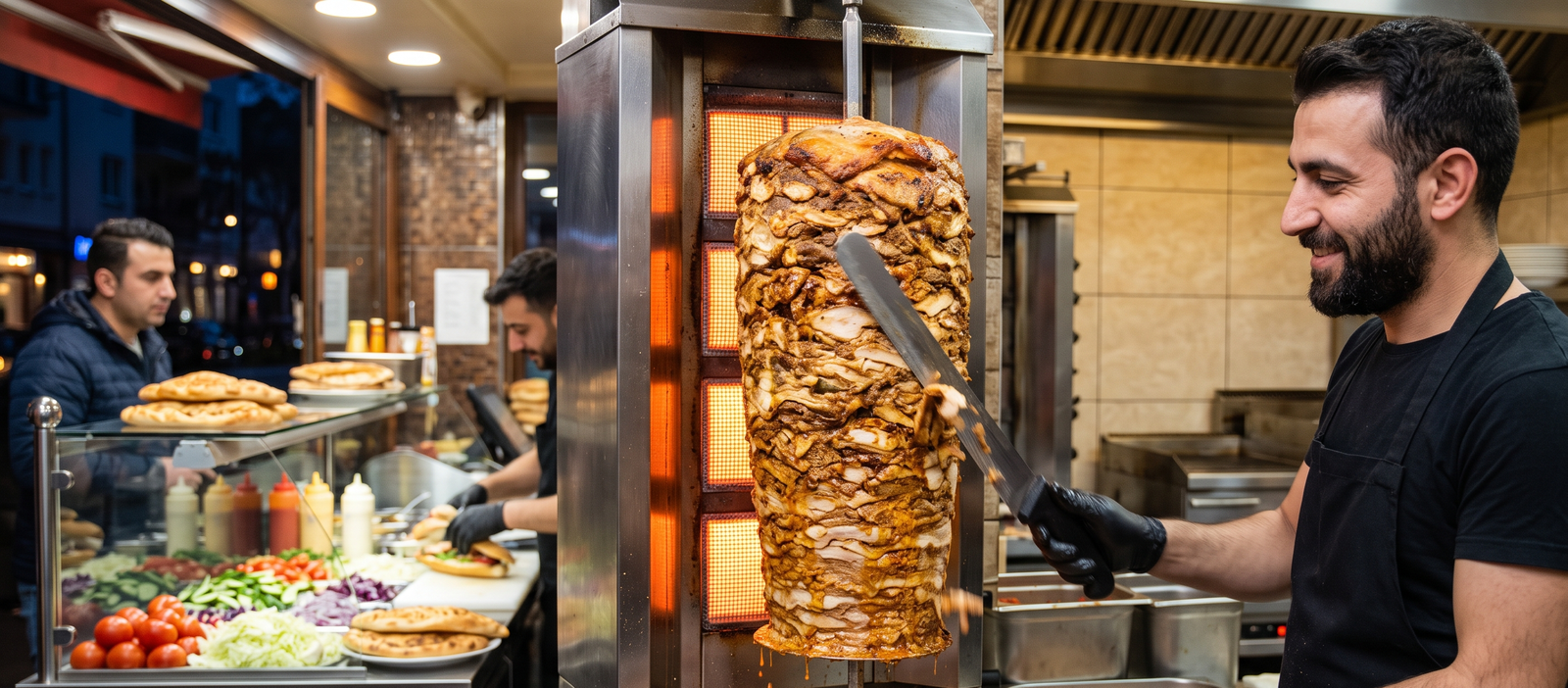 Why Is Döner Meat Grilled Vertically? Technology & Advantages Explained → The Functionality of the Vertical Grill and Its Benefits for the Gastronomy IndustryRead more
Döner kebab is famous worldwide for its juicy, flavorful meat cooked on a vertical spit. But why is the meat grilled...
-
 Compact Döner Grills for Small Snack Bars & Food Trucks → Space-Saving Solutions for Limited SpacesRead more
Small snack bars and food trucks often struggle with limited space, making it challenging to accommodate large...
Blog categories
Search in blog
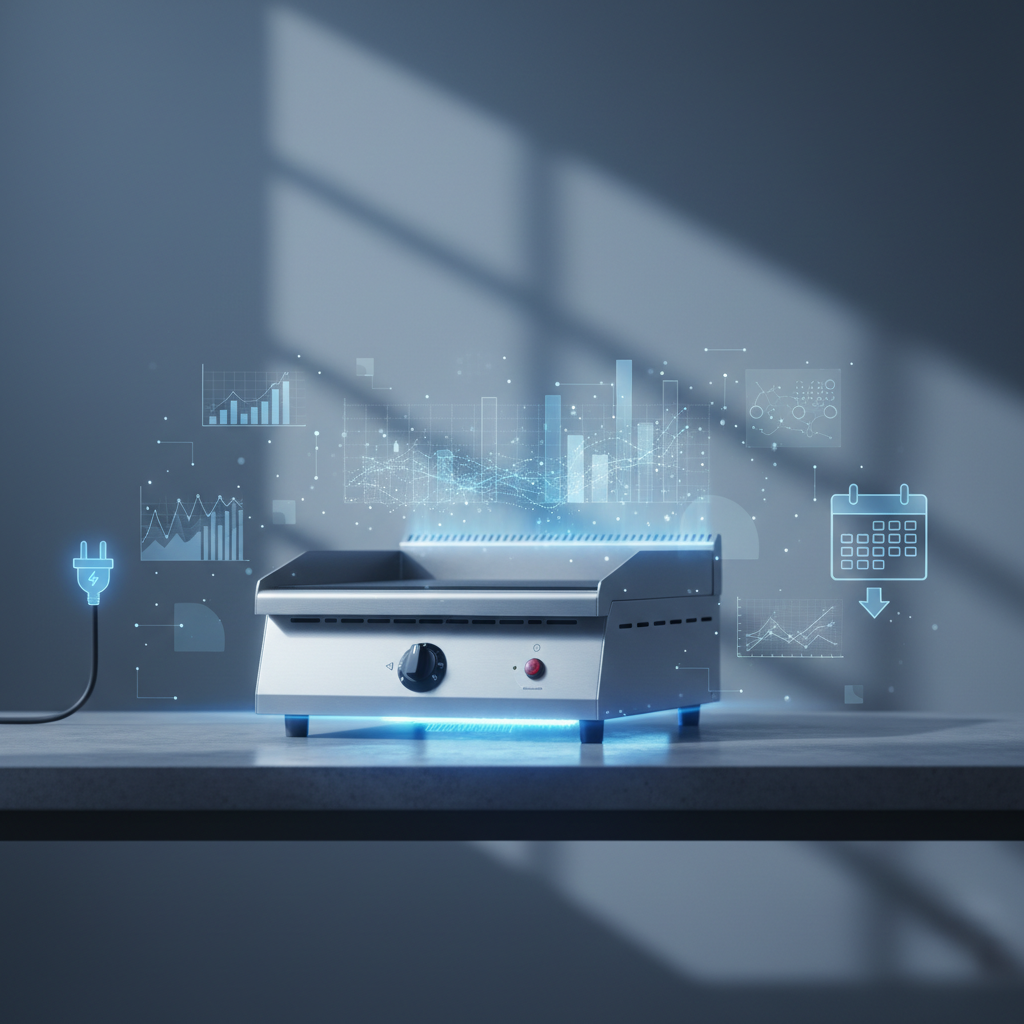
Understanding the Monthly Energy Consumption of a Fry Top: A Comprehensive Guide
Understanding the Monthly Energy Consumption of a Fry Top: A Comprehensive Guide
If you own or operate a commercial kitchen, or even a well-equipped home kitchen, you might be familiar with the term fry top. This versatile cooking appliance is a favorite among chefs for its ability to cook a variety of foods quickly and evenly. But have you ever wondered about the energy consumption of a fry top, especially on a monthly basis? Understanding this can help you manage your energy bills better and make informed decisions about your kitchen appliances.
What is a Fry Top?
A fry top, also known as a griddle, is a flat cooking surface typically made of cast iron or steel. It is heated from below by gas burners or electric heating elements. Fry tops are widely used in restaurants, cafeterias, and even in some home kitchens because they allow for cooking multiple items simultaneously, from pancakes and eggs to meats and vegetables.
Unlike traditional frying pans, the fry top provides a large, uniform heat surface, making it ideal for high-volume cooking. Its design ensures even heat distribution, reducing the chances of hot spots and uneven cooking.
Why Understanding Energy Consumption Matters
Energy costs can be a significant part of your monthly expenses, especially in commercial kitchens where appliances run for extended hours. Knowing how much energy your fry top consumes can help you:
- Estimate monthly energy costs: Budget more accurately for your utility bills.
- Improve energy efficiency: Identify opportunities to reduce energy waste.
- Choose the right appliance: Select fry tops that align with your energy consumption goals.
- Reduce environmental impact: Lower energy use contributes to sustainability.
Factors Affecting the Energy Consumption of a Fry Top
The energy consumption of a fry top depends on several factors, including:
1. Type of Fry Top
Fry tops come in two main types: gas-powered and electric. Each has different energy consumption characteristics.
- Gas fry tops: Use natural gas or propane. Gas is often cheaper than electricity in many regions, but efficiency depends on burner design and gas pressure.
- Electric fry tops: Use electric heating elements. They tend to be more energy-efficient because they convert electricity directly into heat, but electricity prices vary widely.
2. Size and Power Rating
The physical size of the fry top and its power rating (usually expressed in kilowatts, kW) greatly impact energy consumption. Larger fry tops with higher power ratings consume more energy but can cook more food at once.
3. Usage Duration
The number of hours the fry top operates daily affects monthly consumption. A fry top used for 10 hours a day will consume more energy than one used for 2 hours.
4. Temperature Settings
Higher cooking temperatures require more energy to maintain. Cooking at lower temperatures when possible can reduce energy use.
5. Maintenance and Condition
Well-maintained fry tops operate more efficiently. Dirty or damaged surfaces may require more energy to reach and maintain cooking temperatures.
Calculating Monthly Energy Consumption
To estimate the monthly energy consumption of a fry top, you need to know:
- The power rating of the fry top (in kW)
- The number of hours it operates per day
- The number of days it operates per month
The basic formula for electric fry tops is:
Monthly Energy Consumption (kWh) = Power Rating (kW) × Hours per Day × Days per Month
For example, if you have a 3 kW electric fry top used 8 hours a day for 25 days a month:
3 kW × 8 hours/day × 25 days = 600 kWh/month
For gas fry tops, energy consumption is measured in cubic meters (m³) or therms of gas. You can check your gas meter or consult your gas bill for exact figures. Alternatively, you can estimate based on the appliance's gas consumption rate (usually in kW or BTU) and usage hours.
Typical Energy Consumption Values
Here are some typical energy consumption figures for fry tops:
- Electric fry top: 2 to 5 kW power rating, consuming roughly 500 to 1000 kWh per month depending on usage.
- Gas fry top: Consumes around 0.5 to 1.5 m³ of natural gas per hour, translating to approximately 30 to 60 m³ per month with moderate use.
Note that these are approximate values and actual consumption will vary based on the factors discussed earlier.
Energy Efficiency Tips for Fry Tops
Reducing energy consumption not only lowers costs but also extends the life of your fry top. Here are some practical tips:
1. Use the Right Size Fry Top
Choose a fry top size that matches your cooking volume. Oversized fry tops waste energy heating unused surface areas.
2. Preheat Efficiently
Preheat the fry top only as long as necessary. Avoid leaving it on for extended periods when not in use.
3. Optimize Cooking Temperature
Cook at the lowest effective temperature to save energy and prevent food from burning.
4. Use Covers and Lids
Covering food while cooking traps heat, reducing cooking time and energy use.
5. Regular Cleaning and Maintenance
Keep the fry top clean to ensure efficient heat transfer. Inspect and repair any damaged parts promptly.
6. Turn Off When Not in Use
Switch off the fry top during breaks or downtime to avoid unnecessary energy consumption.
7. Consider Energy-Efficient Models
Modern fry tops may include energy-saving features such as improved insulation and precise temperature controls.
Monitoring and Managing Energy Use
To keep track of your fry top’s energy consumption:
- Install energy meters: Plug-in meters for electric fry tops can provide real-time consumption data.
- Review utility bills: Analyze monthly energy bills to identify trends and spikes.
- Log usage hours: Keep a record of daily operating hours to estimate consumption accurately.
By monitoring, you can identify inefficiencies and take corrective actions promptly.
Environmental Impact of Fry Top Energy Use
Energy consumption of kitchen appliances contributes to your carbon footprint. Reducing energy use in fry tops helps lower greenhouse gas emissions, especially if your electricity comes from fossil fuels.
Switching to energy-efficient models, using renewable energy sources, and adopting energy-saving practices can make your kitchen more sustainable.
Conclusion
Understanding the monthly energy consumption of a fry top is essential for managing your kitchen’s operational costs and environmental impact. By considering factors like appliance type, size, usage, and maintenance, you can estimate and optimize energy use effectively.
Implementing energy-saving tips and monitoring consumption regularly will help you run a more efficient kitchen, saving money and contributing to sustainability efforts.
Whether you are a professional chef, restaurant owner, or a cooking enthusiast, being mindful of your fry top’s energy consumption is a smart step toward better kitchen management.
Additional Resources
- Energy Efficient Appliances - U.S. Department of Energy
- Greenhouse Gas Equivalencies Calculator - EPA
- Fry Top Cooking Guide - CooksInfo
Feel free to share your experiences or questions about fry top energy consumption in the comments below!
Related posts
-
 Fry Top vs Piastra Elettrica: Which One Should You Choose for Your Kitchen?
Choosing the right cooking appliance can transform your kitchen experience. Two popular options are the Fry Top and...Read more
Fry Top vs Piastra Elettrica: Which One Should You Choose for Your Kitchen?
Choosing the right cooking appliance can transform your kitchen experience. Two popular options are the Fry Top and...Read more -
 How to Use a Fry Top: A Complete Beginner's Guide
A fry top is a flat, smooth cooking surface that offers even heat distribution and a large area to cook multiple...Read more
How to Use a Fry Top: A Complete Beginner's Guide
A fry top is a flat, smooth cooking surface that offers even heat distribution and a large area to cook multiple...Read more -
 Fry Top Smooth or Ribbed? Which Is Better for Cooking?
Choosing between a smooth (liscio) and ribbed (rigato) fry top can significantly impact your cooking experience....Read more
Fry Top Smooth or Ribbed? Which Is Better for Cooking?
Choosing between a smooth (liscio) and ribbed (rigato) fry top can significantly impact your cooking experience....Read more -
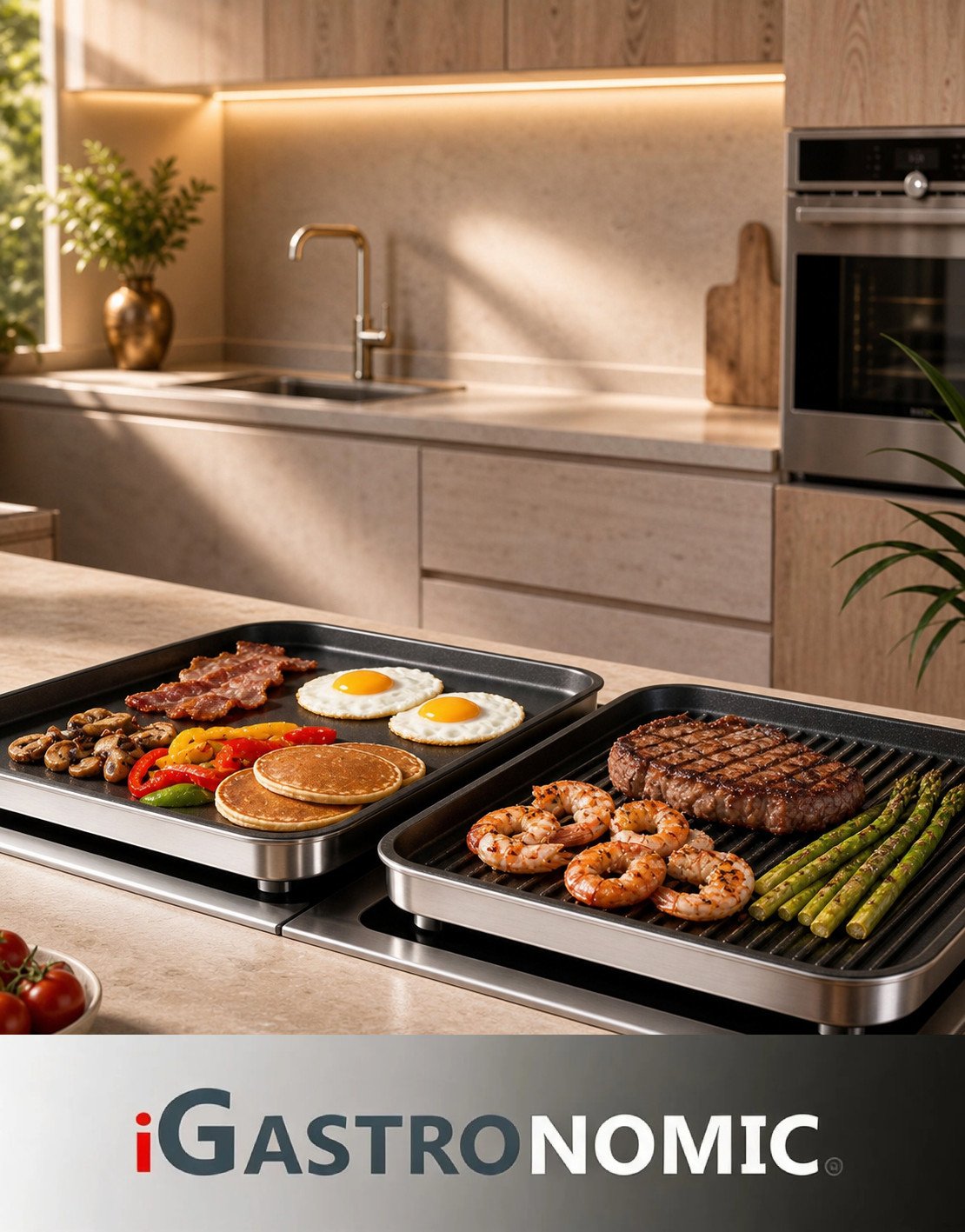 What Can You Cook on an Electric Fry Top? A Complete Guide
An electric fry top is a versatile kitchen appliance that offers a large, evenly heated cooking surface perfect for a...Read more
What Can You Cook on an Electric Fry Top? A Complete Guide
An electric fry top is a versatile kitchen appliance that offers a large, evenly heated cooking surface perfect for a...Read more -
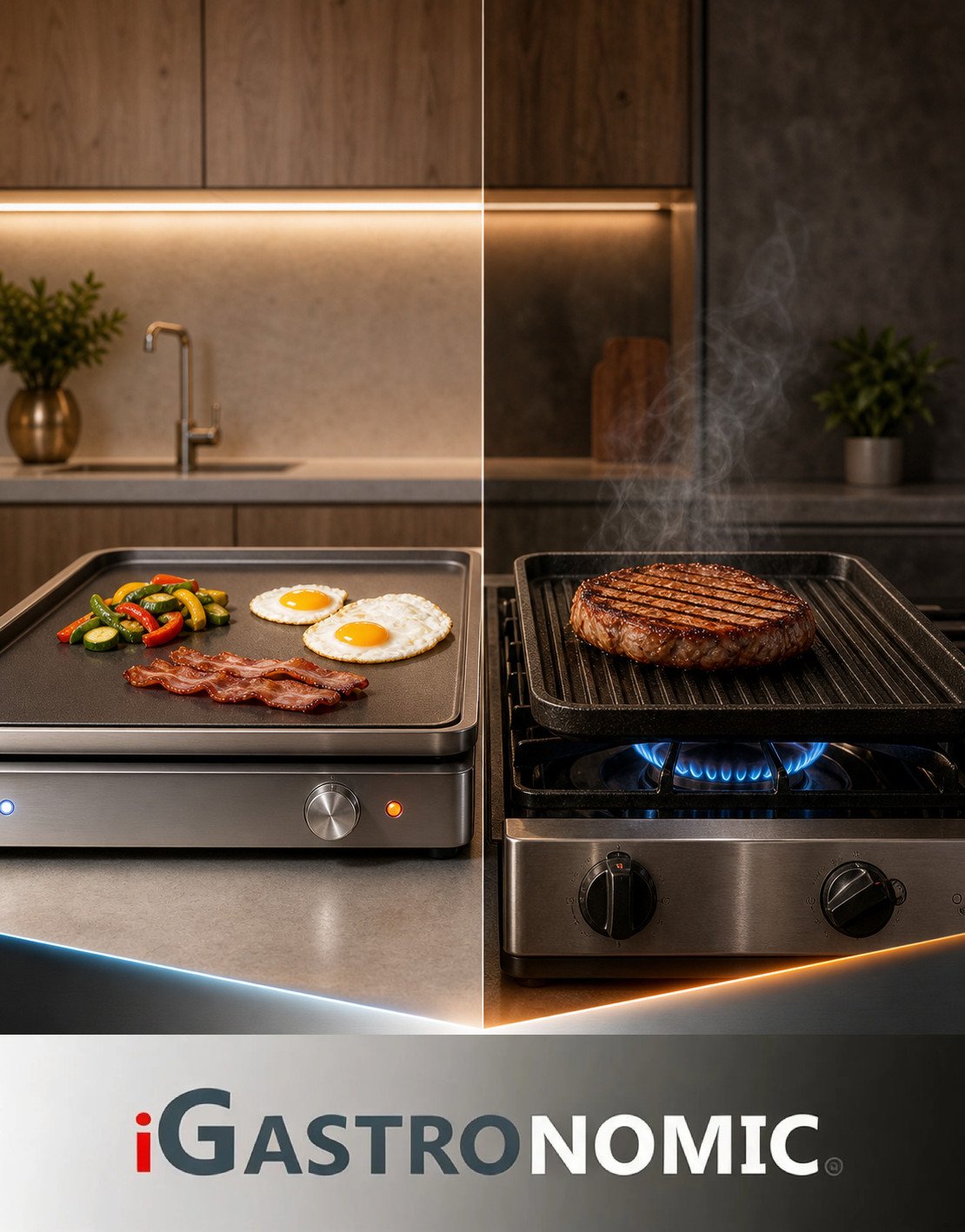 Electric Fry Top vs Gas: Advantages and Disadvantages Compared
Choosing between an electric and gas fry top can be challenging. Electric fry tops offer precise temperature control,...Read more
Electric Fry Top vs Gas: Advantages and Disadvantages Compared
Choosing between an electric and gas fry top can be challenging. Electric fry tops offer precise temperature control,...Read more
Leave a comment