
 Deutsch
 Türkçe
 Italiano

.jpg)
.jpg)
.jpg)
.jpg)
.jpg)
.jpg)
.jpg)
.jpg)
.jpg)
.jpg)

.jpg)

.jpg)
.jpg)
.jpg)
.jpg)
.jpg)
.jpg)
.jpg)
.jpg)
.jpg)
.jpg)



.jpg)
.jpg)
.jpg)
.jpg)
.jpg)
.jpg)
.jpg)
.jpg)
.jpg)



.jpg)
.jpg)

.jpg)
.jpg)
.jpg)
.jpg)


.jpg)

.png)
.jpg)
.jpg)
 (200 x 136 px) (5).png)
.png)

More and more restaurateurs and resourceful entrepreneurs are discovering the enormous potential of pizza vending...
-
 Cooking Appliances
add remove
Cooking Appliances
add remove -
-
Pizza & Grill
add remove
-
-
Refrigeration
add remove
-
-
Combi Steamer
add remove
-
-
Kitchen Appliances
add remove
-
-
Rinsing & Cleaning
add remove
-
-
Retail Refrigeration
add remove
-
-
Cafe & Ice Cream
add remove
-
-
Smart-Gastro
add remove
-
-
Event- & Cateringmöbel
-
Cooking Appliances
add remove
-
-
Pizza & Grill
add remove
-
-
Refrigeration
add remove
-
-
Combi Steamer
add remove
-
-
Kitchen Appliances
add remove
-
-
Rinsing & Cleaning
add remove
-
-
Retail Refrigeration
add remove
-
-
Cafe & Ice Cream
add remove
-
-
Smart-Gastro
add remove
-
-
Event- & Cateringmöbel


Call us:
+49 (0) 6135 7040 450Latest posts
-
 The Ultimate Guide: Pizza Vending Machines – Earnings, Costs & Experiences in the 24/7Read more
 -
 Döner vs. Shawarma vs. Kebab: Understanding the Terms and Differences for Your Food BusinessRead more
Are you confused about the difference between Döner, Shawarma, and Kebab? These popular meat dishes, often seen on...
-
 The 10 Best Döner Kebabs in Berlin (2026): The Ultimate Ranking Based on Real Customer ReviewsRead more
Berlin is the undisputed döner capital of the world. But with over 1,000 shops, the question arises: Which one is...
-
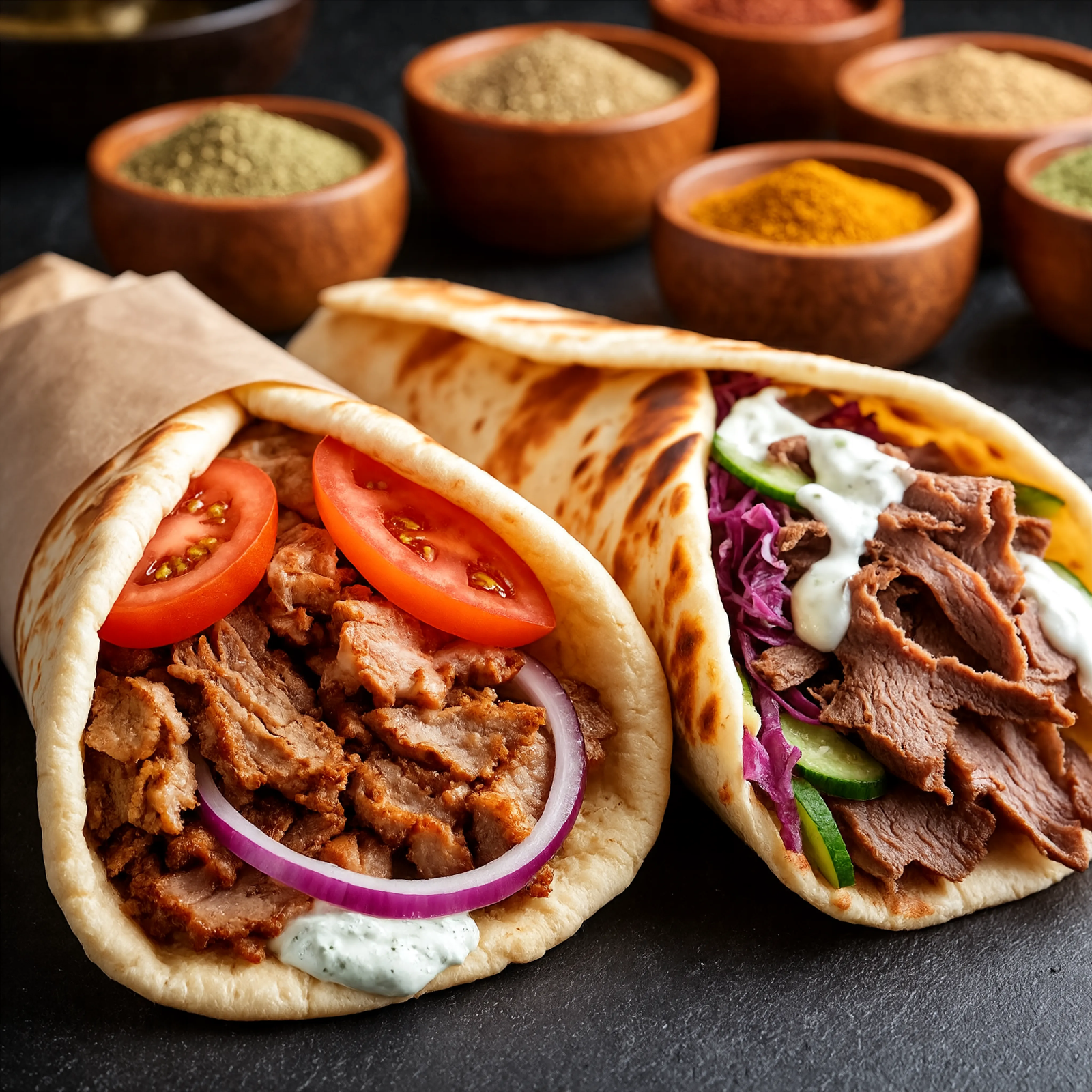 Gyros vs. Döner: Understanding the Differences in Preparation, Seasoning, and Meat Selection for Your MenuRead more
Gyros and Döner are two iconic Mediterranean dishes often confused due to their similar appearance and cooking style....
-
 Welche Temperatur braucht ein Dönergrill? Richtwerte für die Gastronomie → Optimale Garzeiten und Temperaturen für perfekte ErgebnisseRead more
Der Dönergrill ist das Herzstück jeder Döner-Gastronomie. Die richtige Temperatur am Grill entscheidet maßgeblich...
-
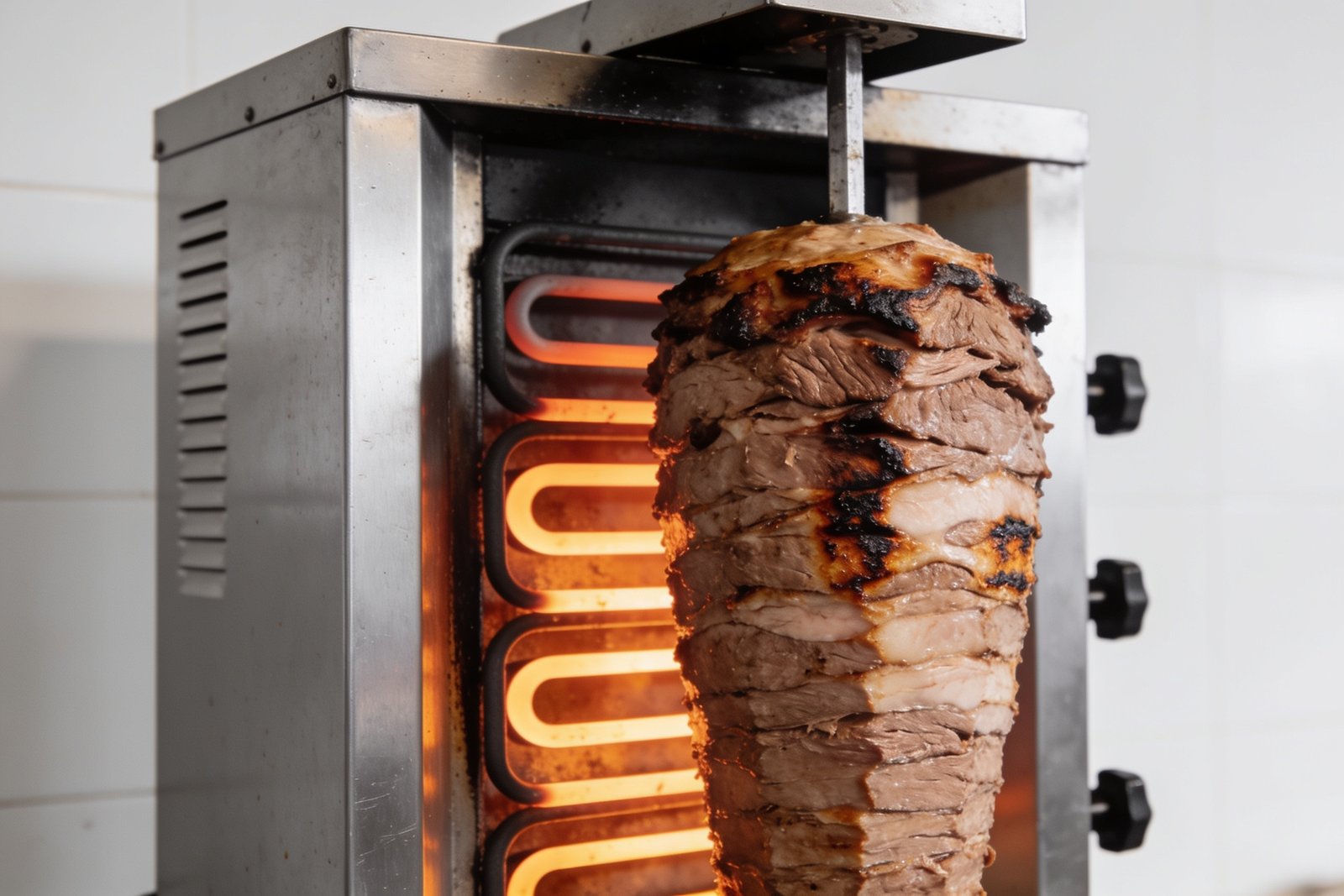 Döner Grill Heating Unevenly? Troubleshooting & Solutions → Recognize and Professionally Fix Common Device ProblemsRead more
Is your Döner grill heating unevenly? This can lead to poorly cooked meat and frustrated customers. In this guide, we...
-
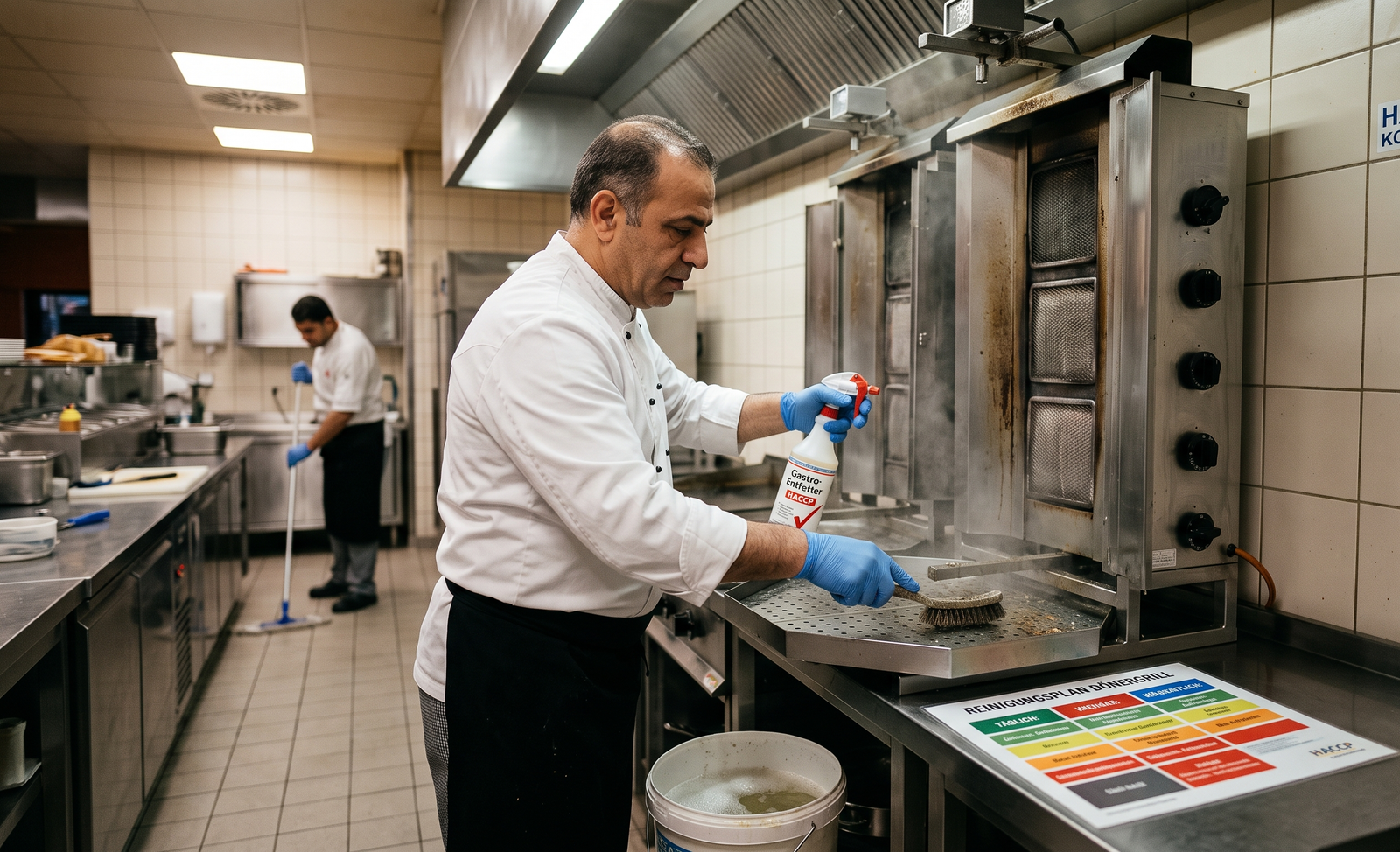 Proper Cleaning of Döner Grills: Care & Hygiene in Gastronomy → Equipment Cleaning According to HACCP Guidelines and Food Hygiene Regulations (LMHV)Read more
The Döner grill is a staple in many gastronomy businesses, and proper cleaning is essential to maintain hygiene and...
-
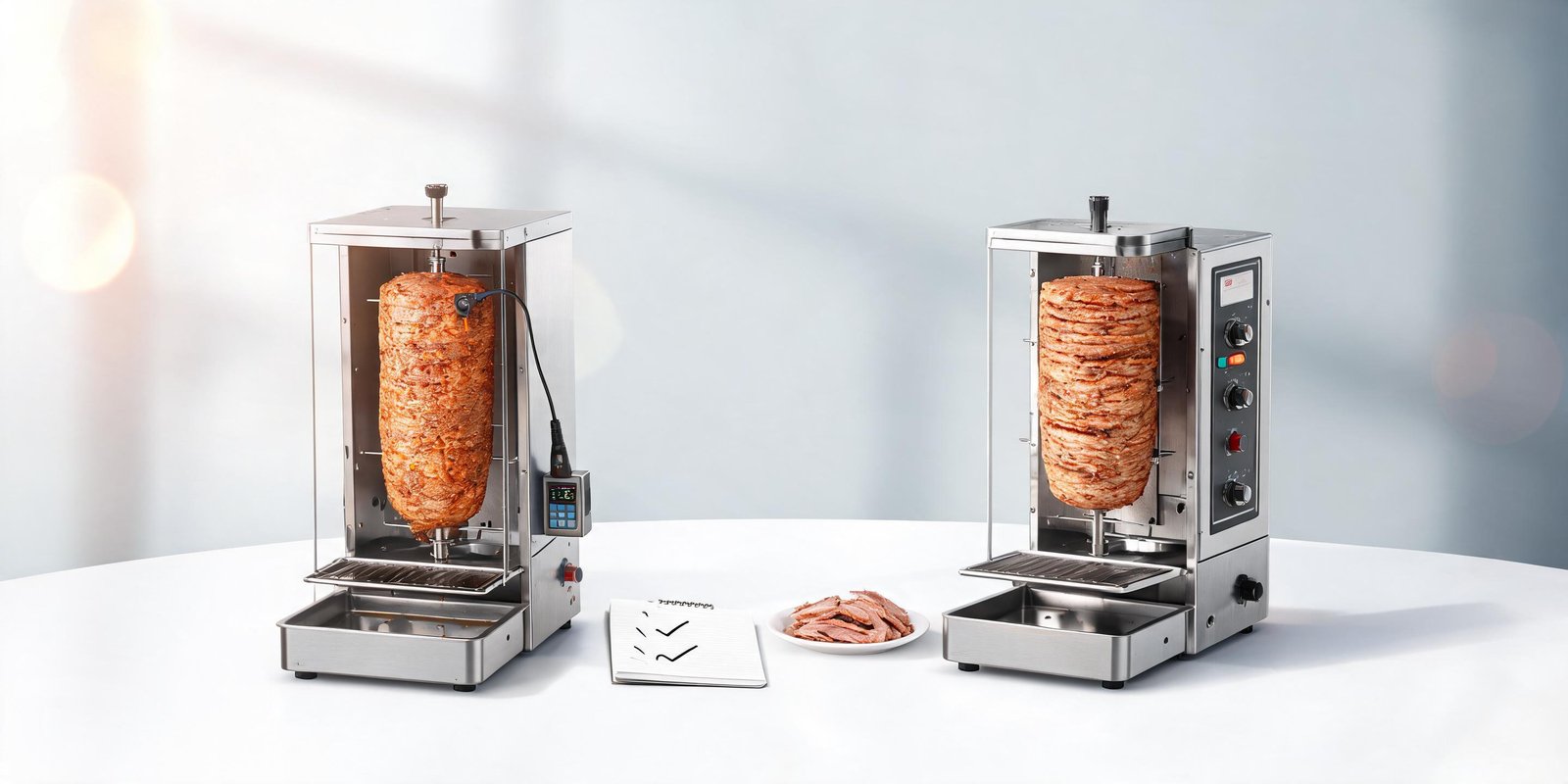 Commercial Döner Grill Tests & Reviews Overview → Make Informed Purchase Decisions with Current Product ComparisonsRead more
Choosing the right commercial Döner grill is essential for any food business specializing in this popular dish. This...
-
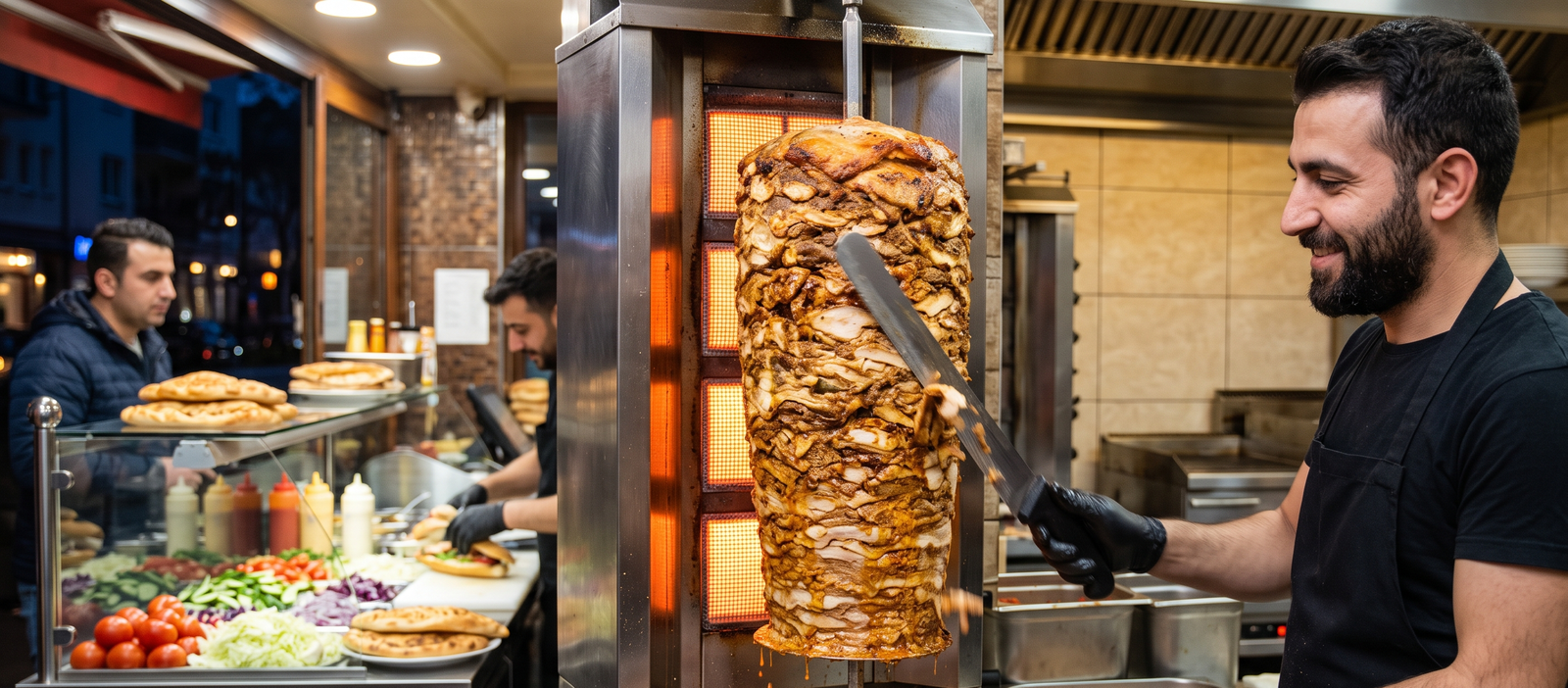 Why Is Döner Meat Grilled Vertically? Technology & Advantages Explained → The Functionality of the Vertical Grill and Its Benefits for the Gastronomy IndustryRead more
Döner kebab is famous worldwide for its juicy, flavorful meat cooked on a vertical spit. But why is the meat grilled...
-
 Compact Döner Grills for Small Snack Bars & Food Trucks → Space-Saving Solutions for Limited SpacesRead more
Small snack bars and food trucks often struggle with limited space, making it challenging to accommodate large...
Blog categories
Search in blog
Understanding the Difference Between Contact Plates and Regular Plates
Understanding the Difference Between Contact Plates and Regular Plates
When it comes to cooking appliances or industrial equipment, the terms "contact plate" and "regular plate" often come up. While they might sound similar, these two types of plates serve different purposes and operate in distinct ways. Whether you're a home cook looking to upgrade your kitchen tools or an industry professional seeking the right equipment, understanding the difference between a contact plate and a regular plate is essential.
What is a Contact Plate?
A contact plate, often referred to as a "contact grill plate" or "contact cooking plate," is a type of heated surface designed to cook food by pressing it between two heated plates. The food is cooked simultaneously on both sides, thanks to the top and bottom plates making direct contact with the food.
Contact plates are commonly found in devices like panini presses, sandwich grills, and some types of waffle irons. The key feature is the ability to apply heat and pressure from both sides, which significantly reduces cooking time and ensures even cooking.
How Does a Contact Plate Work?
Contact plates consist of two heated surfaces—usually metal plates with non-stick coatings—that close together to sandwich the food. When the plates are heated, they transfer heat directly to the food, cooking it quickly and evenly. The pressing action also helps create grill marks and a crispy texture, especially useful for sandwiches and meats.
Advantages of Contact Plates
- Faster Cooking: Since both sides are cooked simultaneously, cooking times are reduced.
- Even Cooking: Direct contact ensures uniform heat distribution.
- Compact Design: Many contact plate devices are space-saving and easy to store.
- Versatility: Ideal for sandwiches, meats, vegetables, and more.
- Energy Efficient: Less cooking time means less energy consumption.
What is a Regular Plate?
A regular plate, in the context of cooking or heating, typically refers to a single, flat heated surface without a corresponding top plate. This could be a griddle, skillet, or flat cooking plate where food is cooked on one side at a time. The food is usually flipped manually to cook the other side.
Regular plates are widely used in various kitchen appliances such as electric griddles, stovetop pans, and baking sheets. They offer flexibility and are suitable for a broad range of cooking techniques.
How Does a Regular Plate Work?
A regular plate heats up from underneath, and the food is placed directly on the surface. Heat is transferred from the plate to the food by conduction. Since only one side is heated at a time, the food often needs to be flipped or turned to ensure even cooking.
Advantages of Regular Plates
- Versatility: Suitable for frying, sautéing, searing, and more.
- Control: Cooking can be monitored and adjusted easily by flipping or moving food.
- Large Cooking Surface: Many regular plates offer more surface area for cooking multiple items at once.
- Cost-Effective: Generally simpler and less expensive than contact plate devices.
- Easy to Clean: Flat surfaces without hinges or moving parts are easier to maintain.
Key Differences Between Contact Plates and Regular Plates
| Feature | Contact Plate | Regular Plate |
|---|---|---|
| Heating Method | Heated from both top and bottom plates simultaneously | Heated from a single flat surface (usually bottom) |
| Cooking Time | Generally faster due to dual-sided heat | Slower, requires flipping or turning food |
| Cooking Style | Presses food, ideal for grilling and sandwiches | Suitable for frying, searing, sautéing, and more |
| Design | Two hinged plates that close together | Single flat plate or pan |
| Cleaning | Can be more complex due to hinges and dual plates | Usually simpler and easier to clean |
| Portability | Often compact and portable | Varies, but many are larger and less portable |
| Typical Uses | Paninis, grilled sandwiches, meats, vegetables | Frying eggs, pancakes, sautéing vegetables, searing meats |
When to Use a Contact Plate
Contact plates are ideal when you want quick, even cooking with minimal effort. They are perfect for:
- Grilled Sandwiches and Paninis: The pressing action crisps the bread and melts the fillings evenly.
- Meats: Thin cuts of meat like chicken breasts, burgers, or steaks cook quickly and develop attractive grill marks.
- Vegetables: Slices of vegetables can be grilled efficiently.
- Breakfast Foods: Items like bacon or sausages can be cooked quickly.
Additionally, contact plates are popular in commercial kitchens and food trucks due to their speed and consistency.
When to Use a Regular Plate
Regular plates are more versatile and suited for a wide range of cooking methods. Use them when you need:
- Flexibility: Cooking multiple types of food simultaneously or using different cooking techniques.
- Large Cooking Surface: Preparing larger quantities or bigger items.
- Delicate Cooking: Foods that require gentle heat or careful turning, like pancakes or eggs.
- Control: Adjusting cooking times and heat by flipping or moving food around.
Regular plates are common in home kitchens and professional settings where versatility is key.
Cleaning and Maintenance Tips
Contact Plates
- Always unplug and let the plates cool before cleaning.
- Use a damp cloth or sponge with mild detergent to wipe the plates.
- For stubborn residues, use a plastic scraper or a soft brush.
- Avoid abrasive cleaners or metal utensils to prevent damaging the non-stick surface.
- Check manufacturer instructions for removable plates, which can sometimes be washed separately.
Regular Plates
- Clean immediately after use to prevent food from sticking.
- Use warm soapy water and a non-abrasive sponge.
- For cast iron or seasoned plates, avoid soap and use oil to maintain seasoning.
- Dry thoroughly to prevent rusting.
Choosing the Right Plate for Your Needs
When deciding between a contact plate and a regular plate, consider the following factors:
- Type of Food: If you frequently make sandwiches or grilled items, a contact plate is beneficial. For more diverse cooking, a regular plate is better.
- Cooking Speed: Contact plates cook faster, which is great for busy households or commercial settings.
- Space and Portability: Contact plate devices are often compact and easy to store.
- Budget: Regular plates or pans are usually less expensive and more widely available.
- Cleaning Preferences: If ease of cleaning is a priority, regular plates may be simpler to maintain.
Conclusion
Both contact plates and regular plates have their unique advantages and ideal use cases. Contact plates excel in speed, even cooking, and compact design, making them perfect for grilled sandwiches and quick meals. Regular plates offer versatility, control, and a larger cooking surface, suitable for a wide variety of cooking techniques.
Understanding these differences will help you make an informed decision based on your cooking style, needs, and preferences. Whether you choose a contact plate or a regular plate, both can be valuable additions to your kitchen or professional setup.
Happy cooking!
Related posts
-
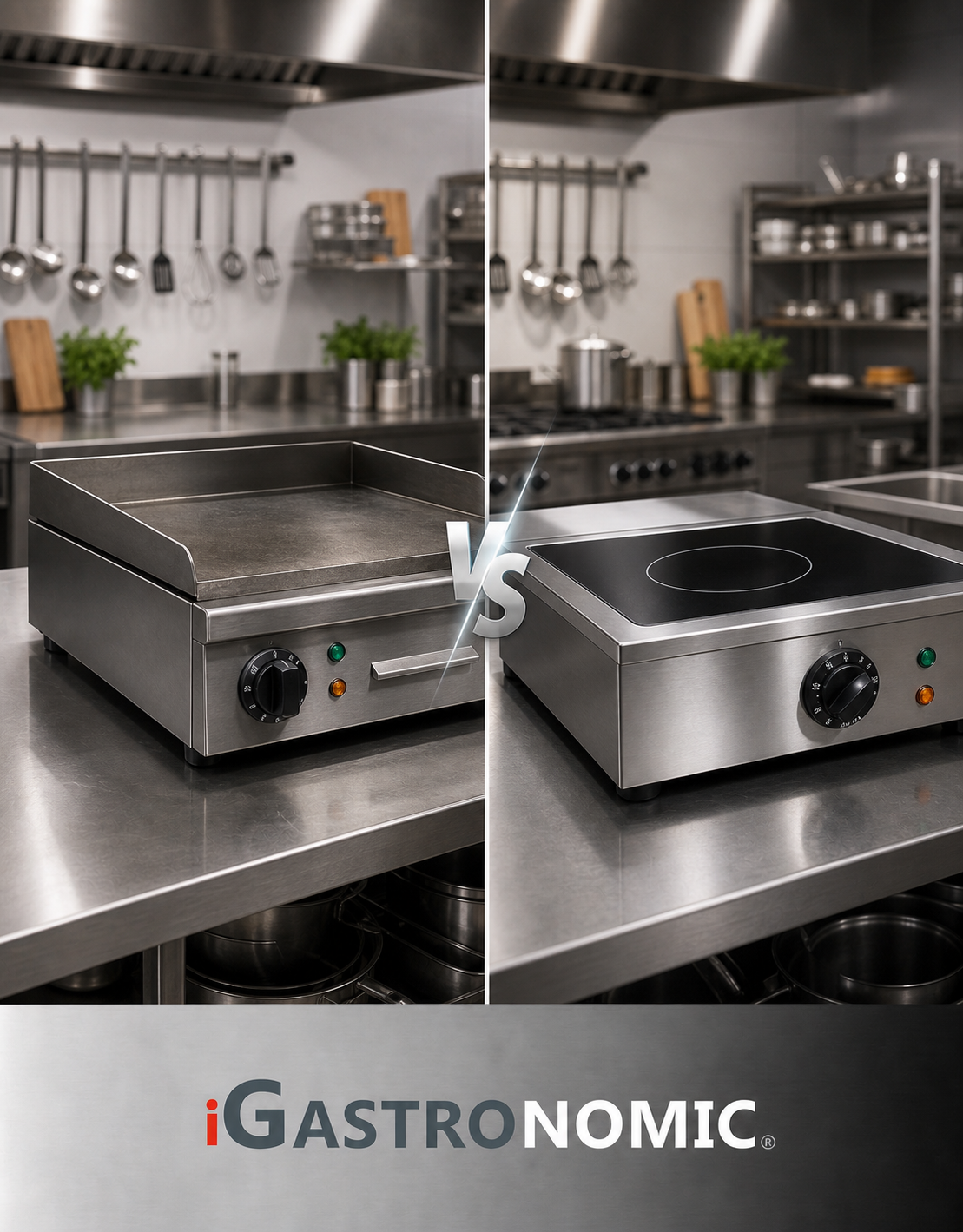 Fry Top vs Piastra Elettrica: Which One Should You Choose for Your Kitchen?
Choosing the right cooking appliance can transform your kitchen experience. Two popular options are the Fry Top and...Read more
Fry Top vs Piastra Elettrica: Which One Should You Choose for Your Kitchen?
Choosing the right cooking appliance can transform your kitchen experience. Two popular options are the Fry Top and...Read more -
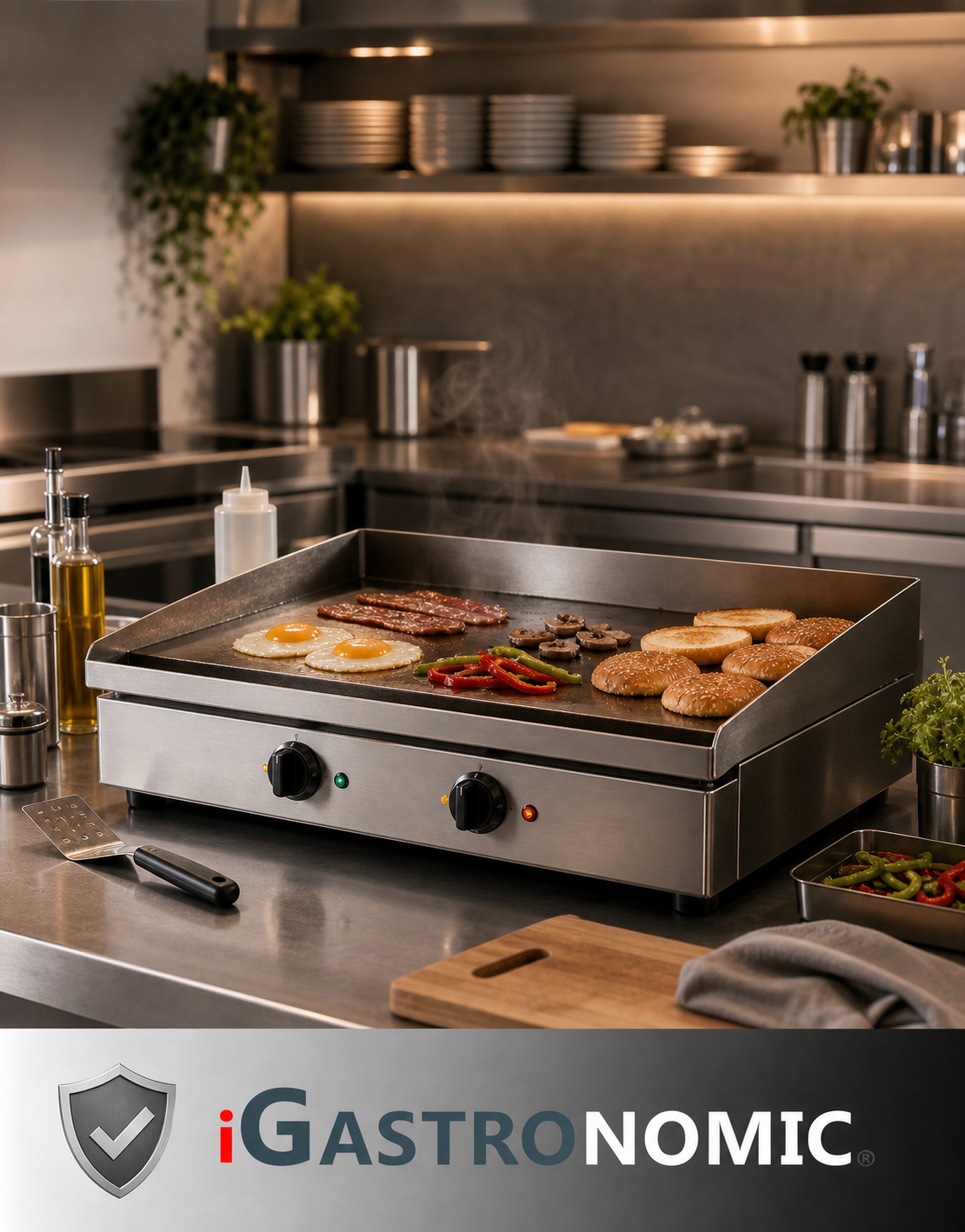 How to Use a Fry Top: A Complete Beginner's Guide
A fry top is a flat, smooth cooking surface that offers even heat distribution and a large area to cook multiple...Read more
How to Use a Fry Top: A Complete Beginner's Guide
A fry top is a flat, smooth cooking surface that offers even heat distribution and a large area to cook multiple...Read more -
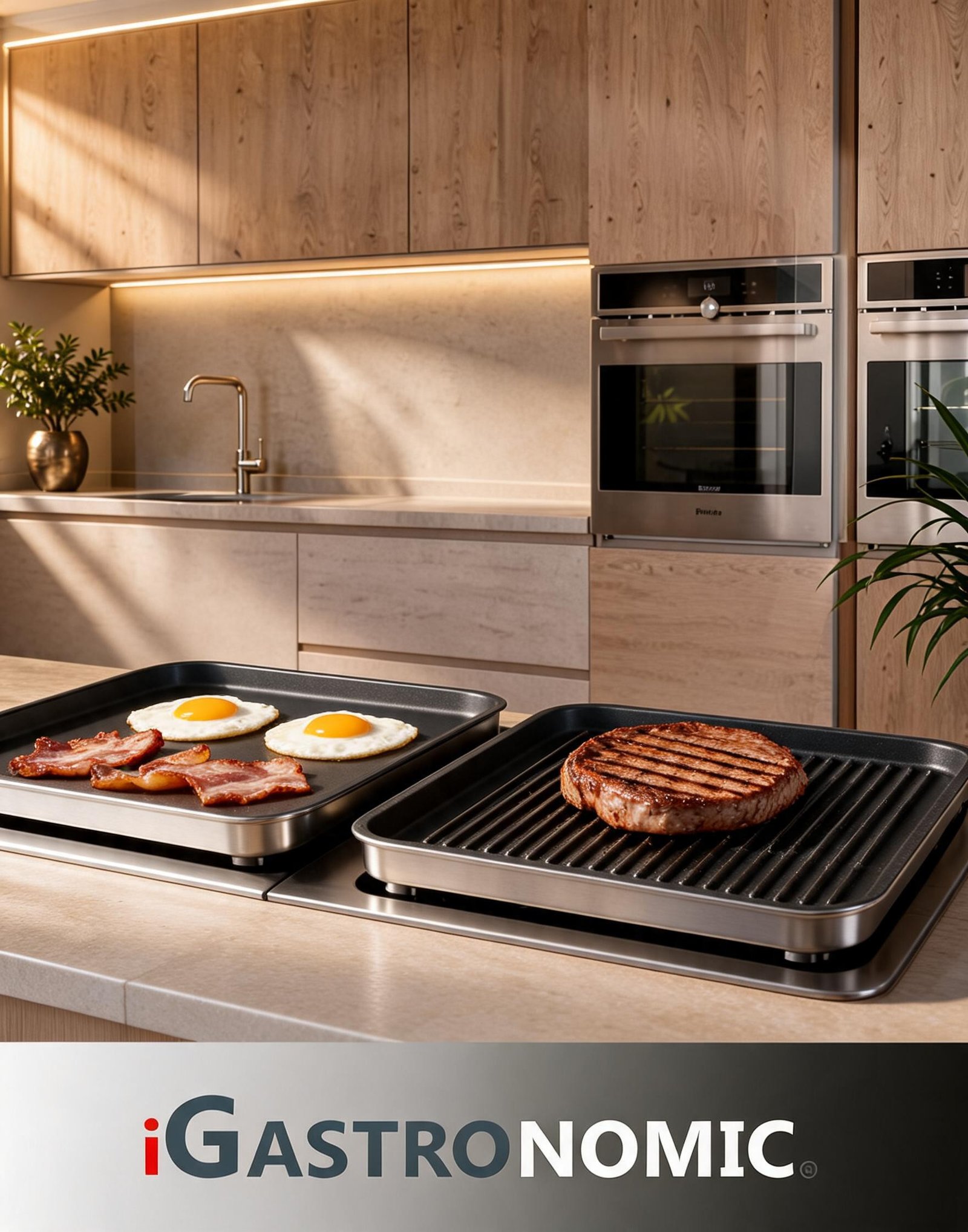 Fry Top Smooth or Ribbed? Which Is Better for Cooking?
Choosing between a smooth (liscio) and ribbed (rigato) fry top can significantly impact your cooking experience....Read more
Fry Top Smooth or Ribbed? Which Is Better for Cooking?
Choosing between a smooth (liscio) and ribbed (rigato) fry top can significantly impact your cooking experience....Read more -
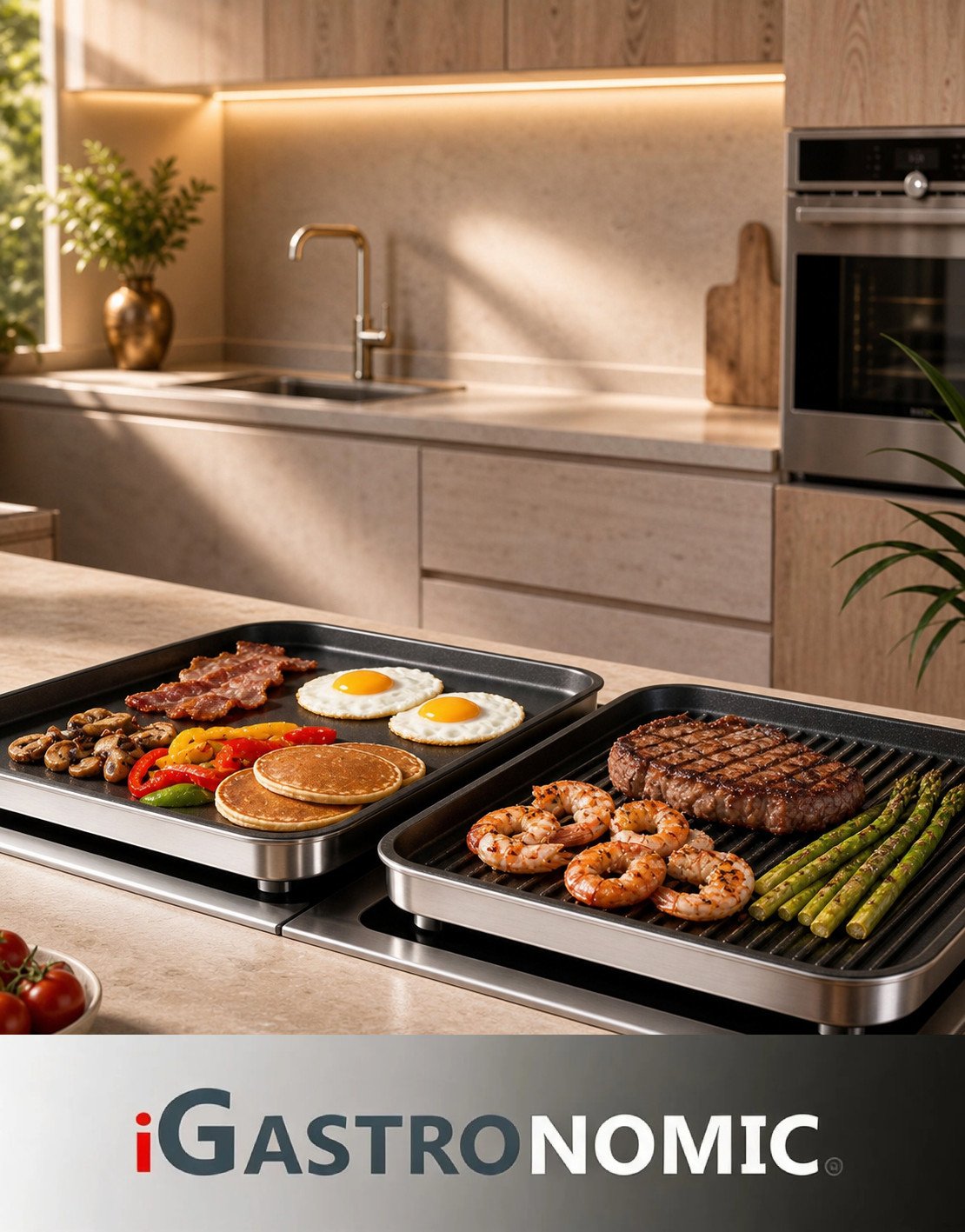 What Can You Cook on an Electric Fry Top? A Complete Guide
An electric fry top is a versatile kitchen appliance that offers a large, evenly heated cooking surface perfect for a...Read more
What Can You Cook on an Electric Fry Top? A Complete Guide
An electric fry top is a versatile kitchen appliance that offers a large, evenly heated cooking surface perfect for a...Read more -
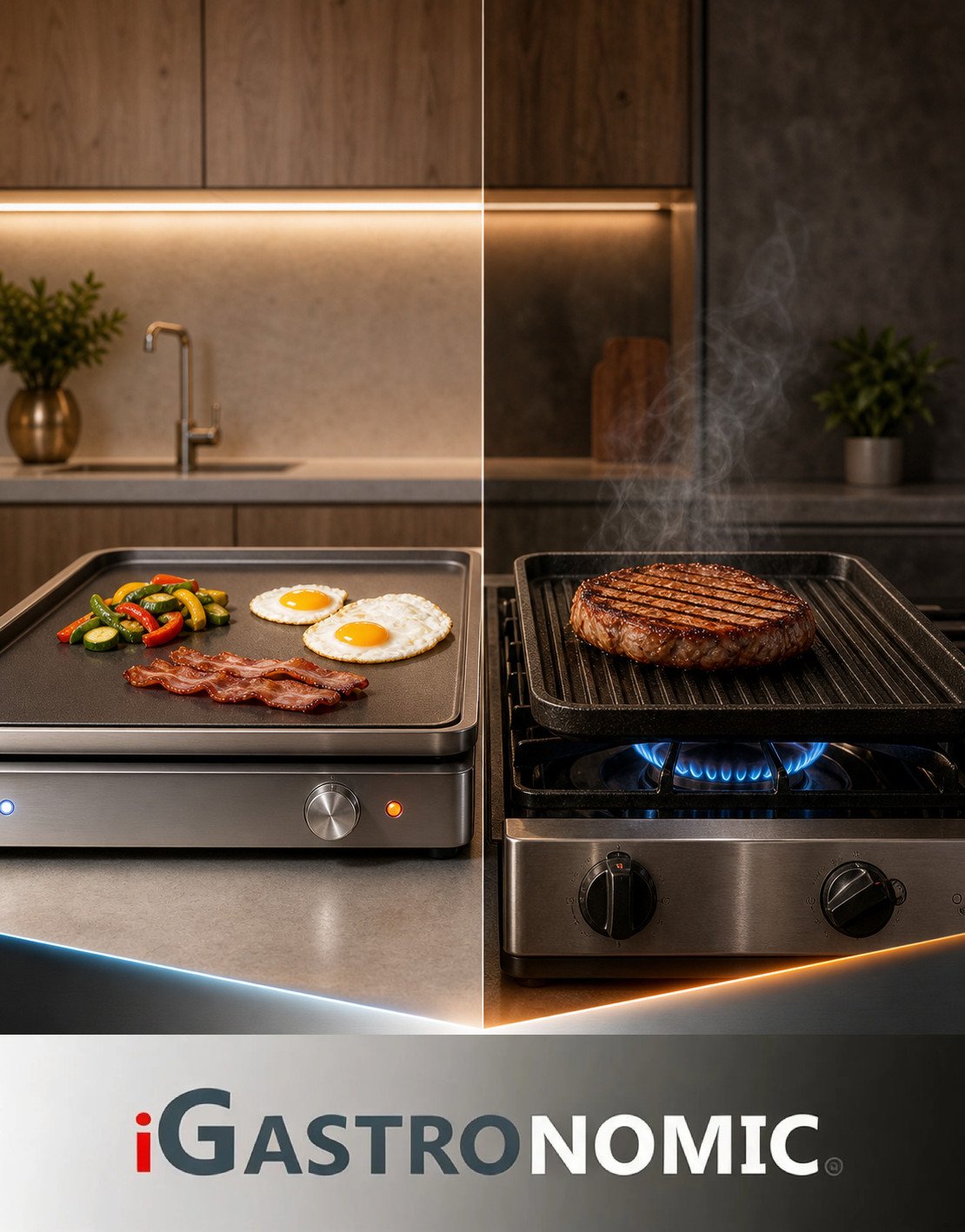 Electric Fry Top vs Gas: Advantages and Disadvantages Compared
Choosing between an electric and gas fry top can be challenging. Electric fry tops offer precise temperature control,...Read more
Electric Fry Top vs Gas: Advantages and Disadvantages Compared
Choosing between an electric and gas fry top can be challenging. Electric fry tops offer precise temperature control,...Read more
Leave a comment