
 Deutsch
 Türkçe
 Italiano

.jpg)
.jpg)
.jpg)
.jpg)
.jpg)
.jpg)
.jpg)
.jpg)
.jpg)
.jpg)

.jpg)

.jpg)
.jpg)
.jpg)
.jpg)
.jpg)
.jpg)
.jpg)
.jpg)
.jpg)
.jpg)



.jpg)
.jpg)
.jpg)
.jpg)
.jpg)
.jpg)
.jpg)
.jpg)
.jpg)



.jpg)
.jpg)

.jpg)
.jpg)
.jpg)
.jpg)


.jpg)

.png)
.jpg)
.jpg)
 (200 x 136 px) (5).png)
.png)

More and more restaurateurs and resourceful entrepreneurs are discovering the enormous potential of pizza vending...
-
 Cooking Appliances
add remove
Cooking Appliances
add remove -
-
Pizza & Grill
add remove
-
-
Refrigeration
add remove
-
-
Combi Steamer
add remove
-
-
Kitchen Appliances
add remove
-
-
Rinsing & Cleaning
add remove
-
-
Retail Refrigeration
add remove
-
-
Cafe & Ice Cream
add remove
-
-
Smart-Gastro
add remove
-
-
Event- & Cateringmöbel
-
Cooking Appliances
add remove
-
-
Pizza & Grill
add remove
-
-
Refrigeration
add remove
-
-
Combi Steamer
add remove
-
-
Kitchen Appliances
add remove
-
-
Rinsing & Cleaning
add remove
-
-
Retail Refrigeration
add remove
-
-
Cafe & Ice Cream
add remove
-
-
Smart-Gastro
add remove
-
-
Event- & Cateringmöbel


Call us:
+49 (0) 6135 7040 450Latest posts
-
 The Ultimate Guide: Pizza Vending Machines – Earnings, Costs & Experiences in the 24/7Read more
 -
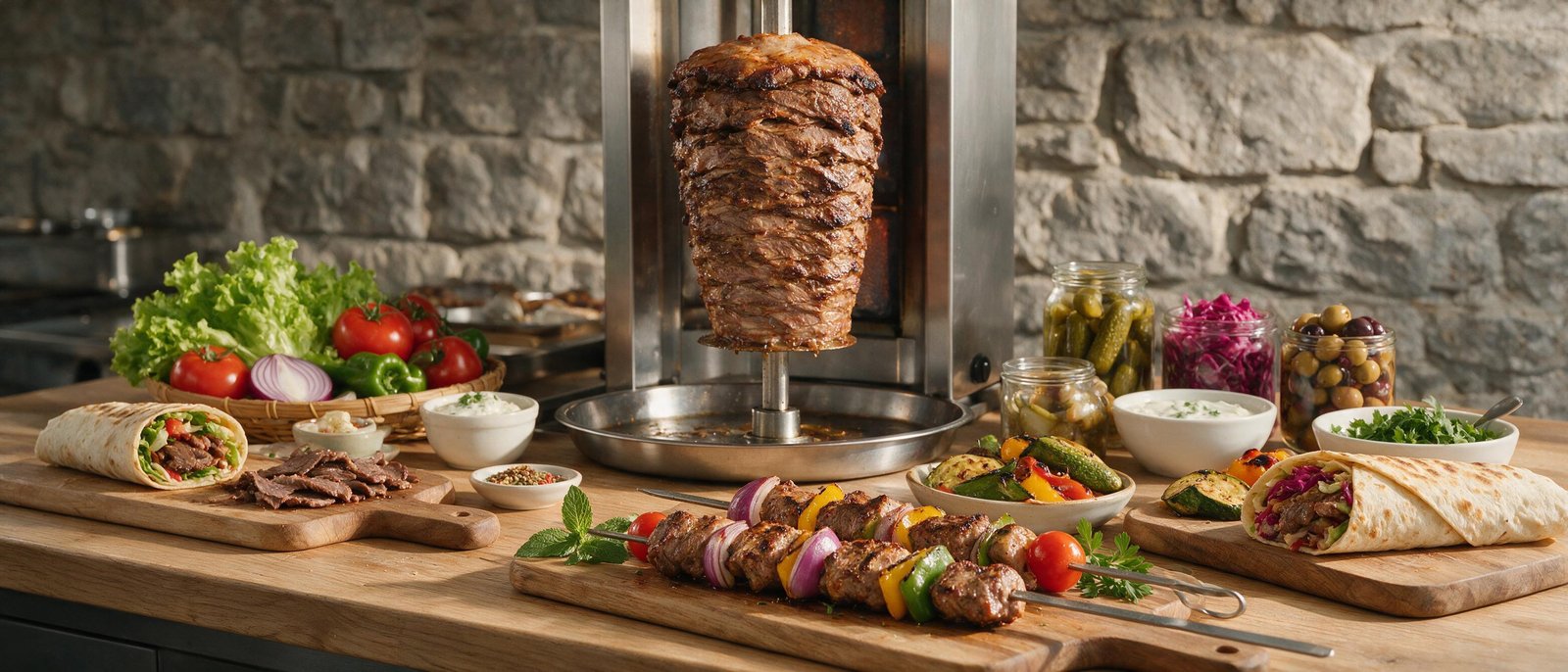 Döner vs. Shawarma vs. Kebab: Understanding the Terms and Differences for Your Food BusinessRead more
Are you confused about the difference between Döner, Shawarma, and Kebab? These popular meat dishes, often seen on...
-
 The 10 Best Döner Kebabs in Berlin (2026): The Ultimate Ranking Based on Real Customer ReviewsRead more
Berlin is the undisputed döner capital of the world. But with over 1,000 shops, the question arises: Which one is...
-
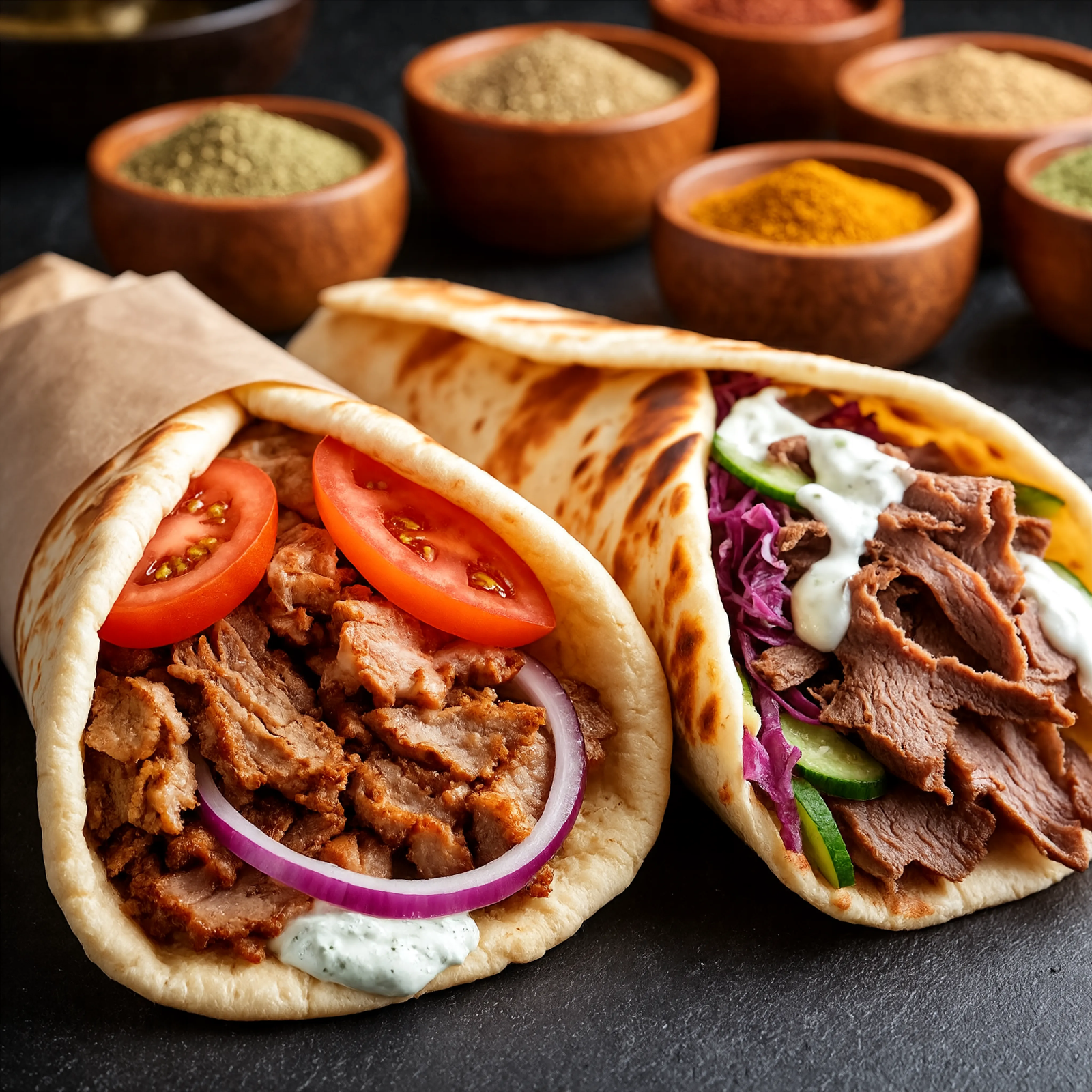 Gyros vs. Döner: Understanding the Differences in Preparation, Seasoning, and Meat Selection for Your MenuRead more
Gyros and Döner are two iconic Mediterranean dishes often confused due to their similar appearance and cooking style....
-
 Welche Temperatur braucht ein Dönergrill? Richtwerte für die Gastronomie → Optimale Garzeiten und Temperaturen für perfekte ErgebnisseRead more
Der Dönergrill ist das Herzstück jeder Döner-Gastronomie. Die richtige Temperatur am Grill entscheidet maßgeblich...
-
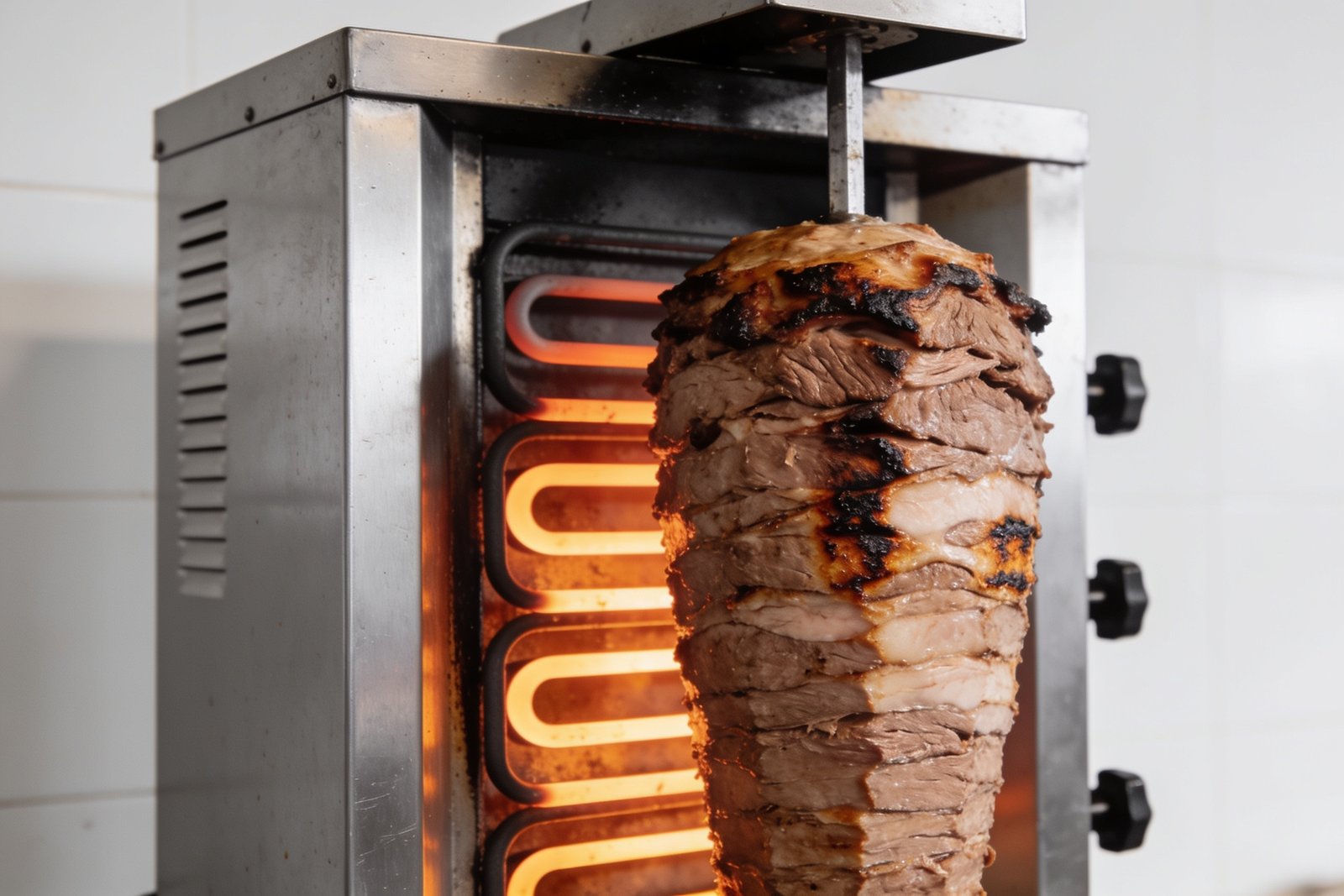 Döner Grill Heating Unevenly? Troubleshooting & Solutions → Recognize and Professionally Fix Common Device ProblemsRead more
Is your Döner grill heating unevenly? This can lead to poorly cooked meat and frustrated customers. In this guide, we...
-
 Proper Cleaning of Döner Grills: Care & Hygiene in Gastronomy → Equipment Cleaning According to HACCP Guidelines and Food Hygiene Regulations (LMHV)Read more
The Döner grill is a staple in many gastronomy businesses, and proper cleaning is essential to maintain hygiene and...
-
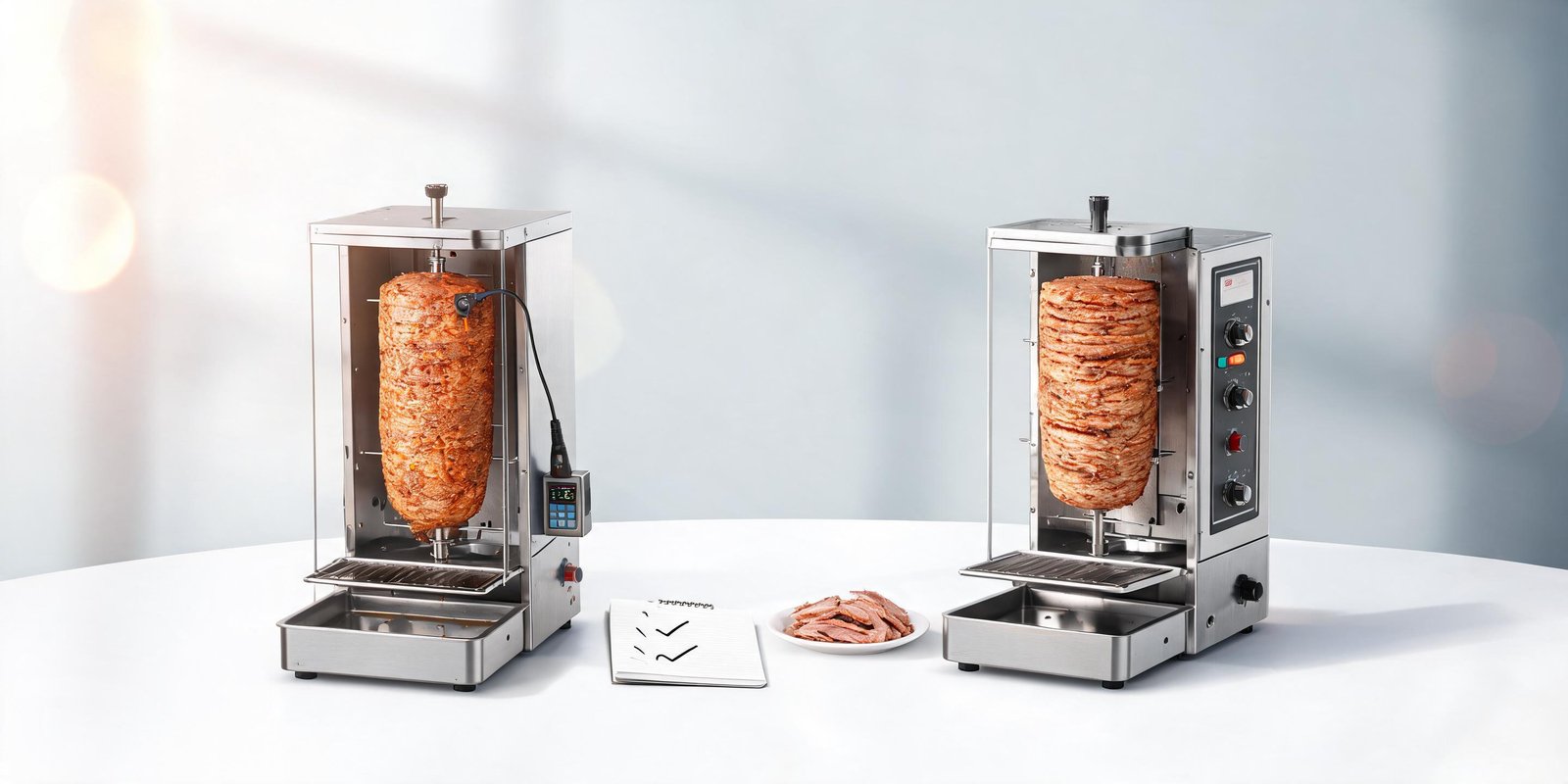 Commercial Döner Grill Tests & Reviews Overview → Make Informed Purchase Decisions with Current Product ComparisonsRead more
Choosing the right commercial Döner grill is essential for any food business specializing in this popular dish. This...
-
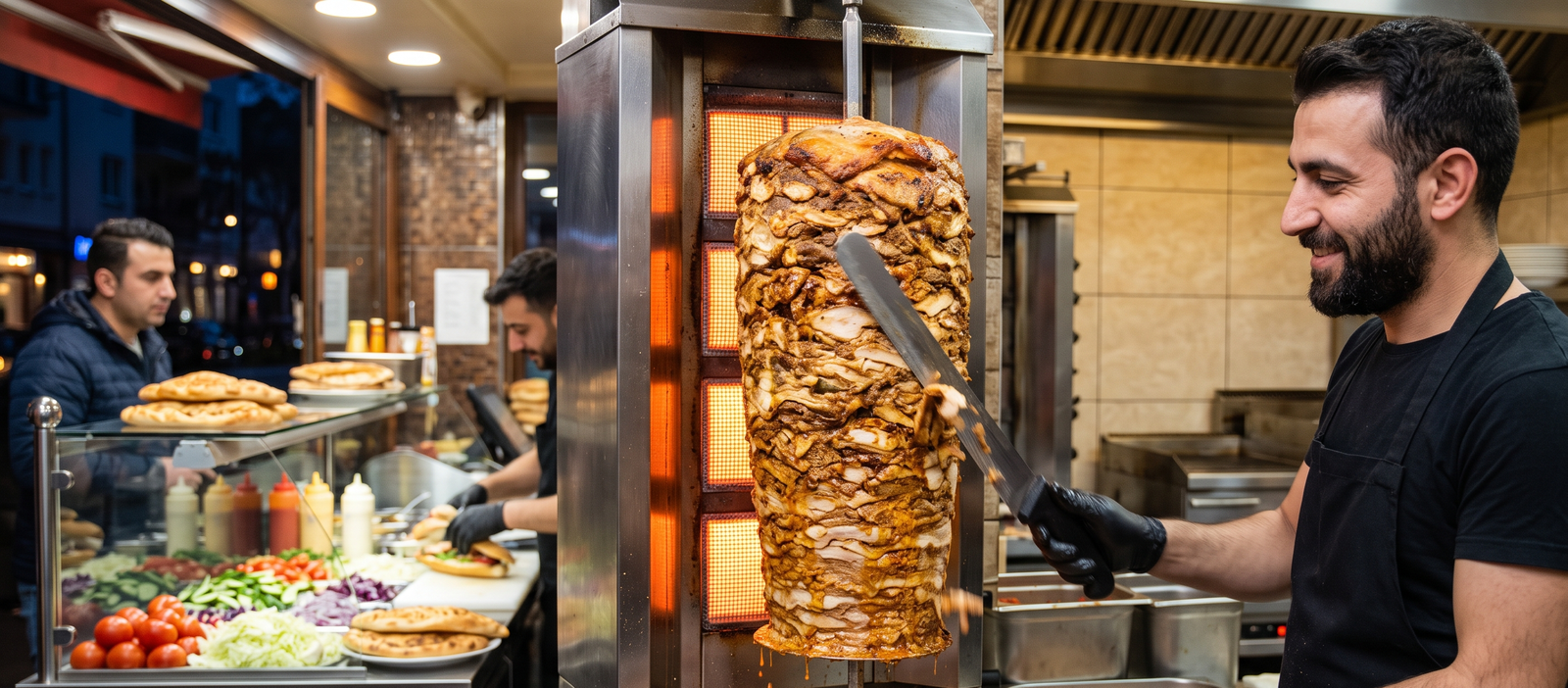 Why Is Döner Meat Grilled Vertically? Technology & Advantages Explained → The Functionality of the Vertical Grill and Its Benefits for the Gastronomy IndustryRead more
Döner kebab is famous worldwide for its juicy, flavorful meat cooked on a vertical spit. But why is the meat grilled...
-
 Compact Döner Grills for Small Snack Bars & Food Trucks → Space-Saving Solutions for Limited SpacesRead more
Small snack bars and food trucks often struggle with limited space, making it challenging to accommodate large...
Blog categories
Search in blog
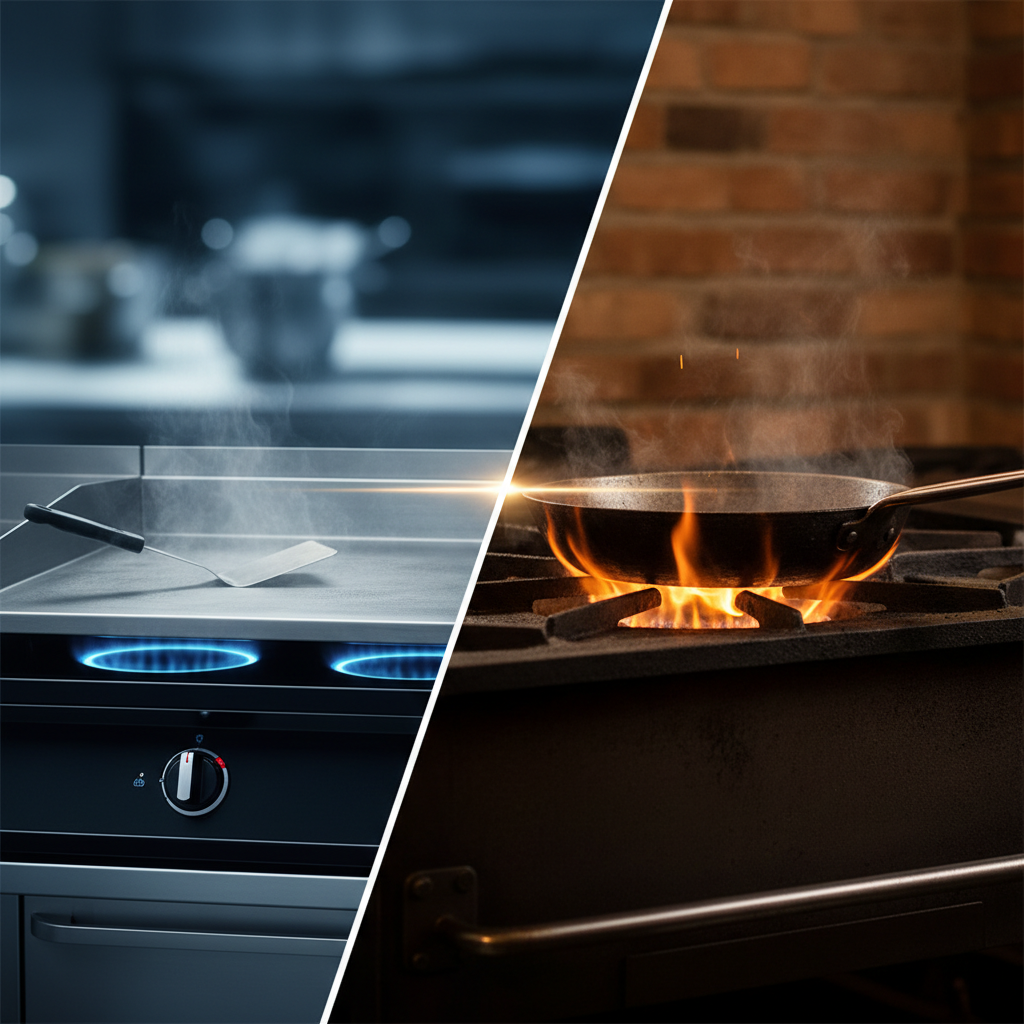
Induction Fry Top vs Traditional Fry Top: Are They the Same?
Induction Fry Top vs Traditional Fry Top: Are They the Same?
If you've ever spent time in a professional kitchen or even a well-equipped home kitchen, you've probably come across the term "fry top." But recently, you might have heard about the "fry top a induzione" or induction fry top. This raises an interesting question: is an induction fry top the same as a traditional fry top? In this comprehensive guide, we'll explore what each of these cooking surfaces is, how they work, their advantages and disadvantages, and which one might be the best fit for your cooking needs.
What is a Fry Top?
A fry top, also known as a griddle, is a flat cooking surface used to prepare a variety of foods, from pancakes and eggs to meats and vegetables. It is a staple in many professional kitchens due to its versatility and ability to cook multiple items simultaneously. The fry top provides an evenly heated surface that allows for consistent cooking, making it ideal for breakfast foods, sandwiches, and many other dishes.
Traditional fry tops are typically heated by gas or electric elements underneath the metal surface, which is usually made of stainless steel or cast iron. The heat source warms the metal plate, and the heat is transferred to the food through direct contact.
What is an Induction Fry Top?
An induction fry top is a newer variation of the traditional fry top that uses induction technology to heat the cooking surface. Instead of relying on direct flames or electric heating elements, induction fry tops use electromagnetic fields to heat the metal plate directly.
Induction cooking works by passing an alternating electric current through a coil beneath the cooking surface. This creates a magnetic field that induces electrical currents (called eddy currents) in the metal plate, generating heat directly within the plate itself. This method is highly efficient and allows for rapid heating and precise temperature control.
Key Differences Between Induction Fry Tops and Traditional Fry Tops
1. Heating Method
- Traditional Fry Top: Heated by gas flames or electric heating elements beneath the surface.
- Induction Fry Top: Uses electromagnetic fields to heat the metal plate directly.
2. Heat Distribution
- Traditional: Heat spreads from the source to the metal plate, which can sometimes lead to uneven heating if the plate is not of good quality.
- Induction: Heat is generated directly in the plate, providing more uniform and consistent heat distribution.
3. Energy Efficiency
- Traditional: Some heat is lost to the surrounding air and the heating elements themselves.
- Induction: Highly efficient as almost all the energy goes directly into heating the plate.
4. Temperature Control
- Traditional: Temperature control can be slower and less precise.
- Induction: Offers rapid and precise temperature adjustments.
5. Safety
- Traditional: The surface and surrounding areas can get very hot, posing a burn risk.
- Induction: The surface heats up only because of the metal plate; the cooking surface itself remains cooler, reducing burn risk.
6. Maintenance and Cleaning
- Traditional: Can be harder to clean due to grease buildup and high surface temperatures.
- Induction: Easier to clean since the surface doesn’t get as hot, preventing food from burning onto it.
Are Induction Fry Tops and Traditional Fry Tops Interchangeable?
While both types serve the same fundamental purpose—providing a flat surface for frying and grilling—they are not entirely interchangeable due to their different heating mechanisms. For example, an induction fry top requires a metal plate that is compatible with induction technology, typically ferromagnetic materials like cast iron or certain types of stainless steel.
Traditional fry tops, on the other hand, can use a wider variety of materials since the heat source is external. This means that if you want to switch from a traditional to an induction fry top, you may need to ensure that your cookware and the fry top surface are compatible with induction cooking.
Advantages of Induction Fry Tops
1. Energy Efficiency
Induction fry tops convert energy into heat more efficiently than traditional fry tops, which means lower energy consumption and reduced utility bills over time.
2. Faster Heating and Cooling
The induction process heats the cooking surface almost instantly and cools down quickly once turned off, allowing for better temperature management and faster cooking times.
3. Precise Temperature Control
Induction fry tops allow chefs to set and maintain exact temperatures, which is crucial for delicate cooking tasks.
4. Safety
Since the surface itself doesn’t get as hot as traditional fry tops, there is a lower risk of burns and fire hazards.
5. Easier Cleaning
The cooler surface means less burnt-on food, making cleaning simpler and quicker.
Advantages of Traditional Fry Tops
1. Proven Technology
Traditional fry tops have been used for decades and are well-understood by chefs worldwide.
2. Compatibility
They can accommodate a wider range of cookware and materials without worrying about magnetic properties.
3. Cost
Traditional fry tops are often less expensive upfront compared to induction models.
4. Robustness
Many chefs appreciate the ruggedness and simplicity of traditional fry tops, which can be easier to repair and maintain in some cases.
Which One Should You Choose?
Choosing between an induction fry top and a traditional fry top depends on your cooking style, budget, and kitchen setup.
Consider an Induction Fry Top If:
- You want energy efficiency and lower operating costs.
- You prioritize precise temperature control for delicate cooking.
- You are concerned about safety and want a cooler cooking surface.
- You prefer a modern kitchen with easy cleaning and maintenance.
Consider a Traditional Fry Top If:
- You want a more affordable initial investment.
- You use a variety of cookware materials that may not be induction-compatible.
- You prefer a proven, simple technology with fewer electronic components.
- You have an existing kitchen setup designed for gas or electric heating.
Common Myths About Induction Fry Tops
Myth 1: Induction Fry Tops Are Only for Professional Kitchens
While induction fry tops are popular in commercial kitchens, they are becoming increasingly common in home kitchens due to their efficiency and ease of use.
Myth 2: Induction Cooking Is Expensive to Maintain
Induction fry tops have fewer mechanical parts than traditional gas fry tops, often resulting in lower maintenance costs.
Myth 3: Induction Fry Tops Don’t Get Hot Enough
Induction technology can reach very high temperatures quickly, suitable for searing, frying, and grilling.
Tips for Using an Induction Fry Top
- Ensure your cookware is induction-compatible (ferromagnetic).
- Preheat the fry top briefly before cooking for optimal results.
- Use the precise temperature controls to avoid overheating or undercooking.
- Keep the surface clean to maintain efficiency and prevent damage.
Conclusion
So, is a fry top a induzione the same as a traditional fry top? Technically, they serve the same purpose but operate on very different principles. Induction fry tops offer modern advantages such as energy efficiency, safety, and precise temperature control, while traditional fry tops provide a time-tested, versatile cooking surface that many chefs still prefer.
Ultimately, the choice depends on your specific needs, budget, and kitchen environment. Whether you opt for the sleek efficiency of induction or the rugged reliability of traditional heating, both fry tops can help you create delicious meals with ease.
We hope this guide has clarified the differences and helped you make an informed decision about which fry top is right for you!
Related posts
-
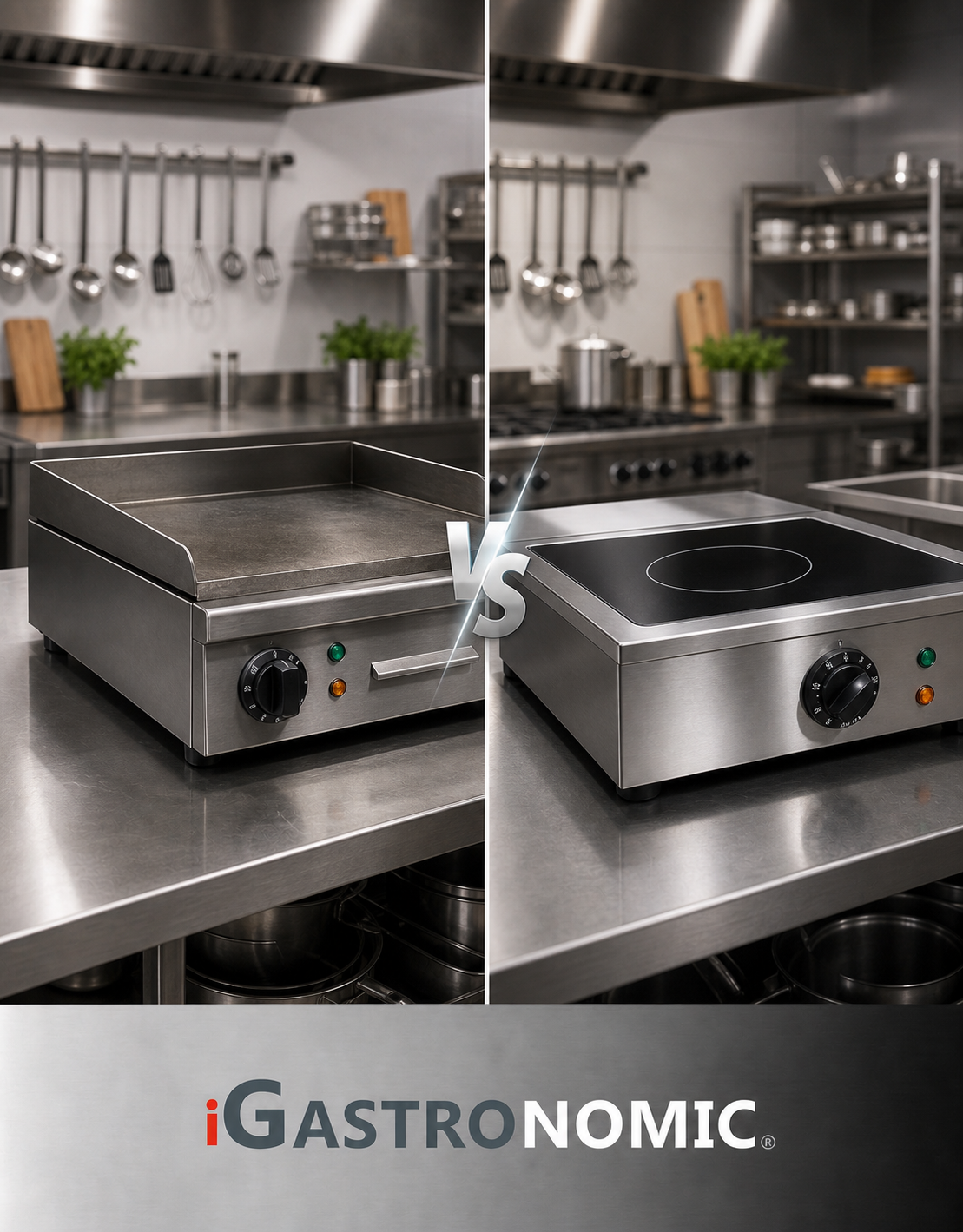 Fry Top vs Piastra Elettrica: Which One Should You Choose for Your Kitchen?
Choosing the right cooking appliance can transform your kitchen experience. Two popular options are the Fry Top and...Read more
Fry Top vs Piastra Elettrica: Which One Should You Choose for Your Kitchen?
Choosing the right cooking appliance can transform your kitchen experience. Two popular options are the Fry Top and...Read more -
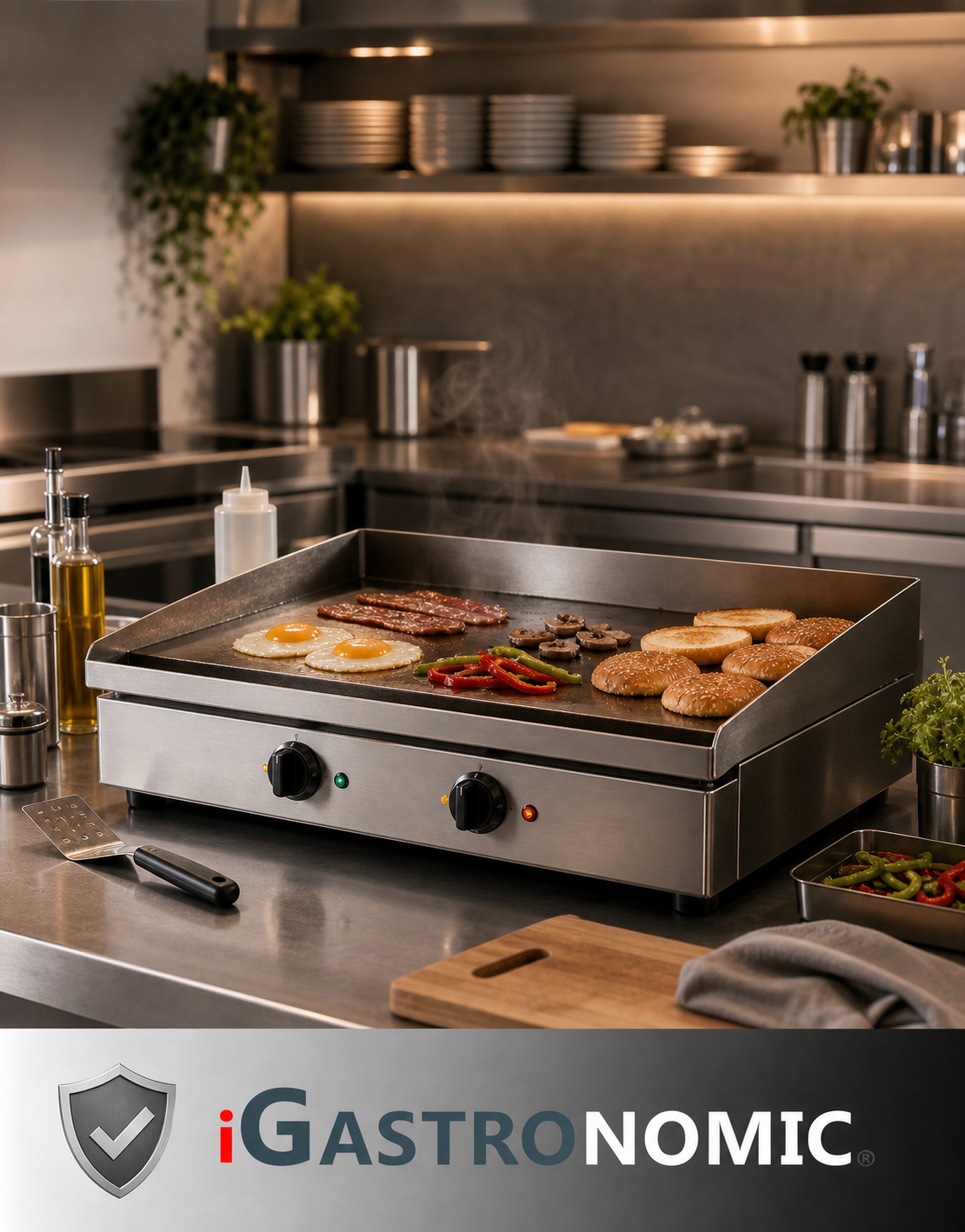 How to Use a Fry Top: A Complete Beginner's Guide
A fry top is a flat, smooth cooking surface that offers even heat distribution and a large area to cook multiple...Read more
How to Use a Fry Top: A Complete Beginner's Guide
A fry top is a flat, smooth cooking surface that offers even heat distribution and a large area to cook multiple...Read more -
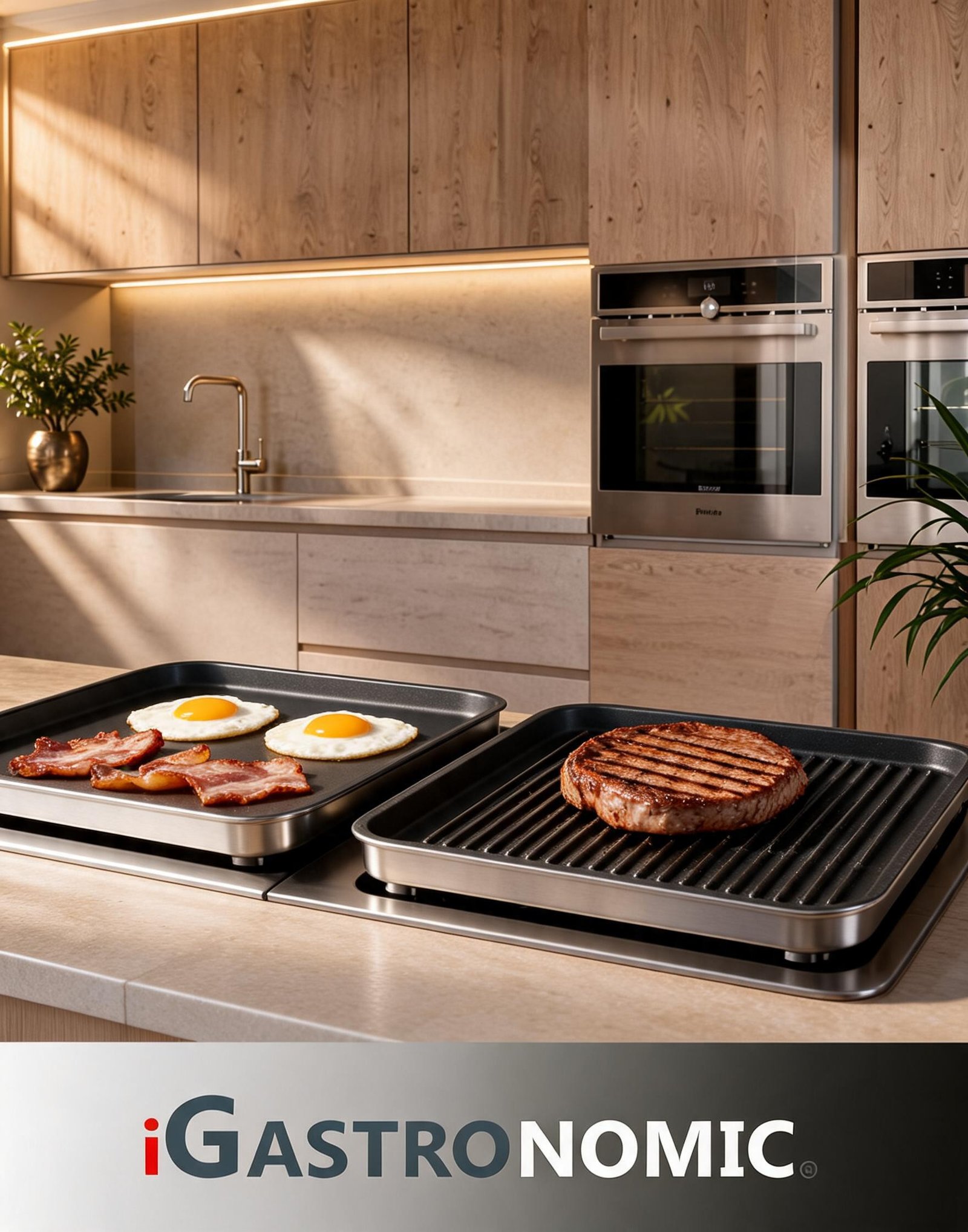 Fry Top Smooth or Ribbed? Which Is Better for Cooking?
Choosing between a smooth (liscio) and ribbed (rigato) fry top can significantly impact your cooking experience....Read more
Fry Top Smooth or Ribbed? Which Is Better for Cooking?
Choosing between a smooth (liscio) and ribbed (rigato) fry top can significantly impact your cooking experience....Read more -
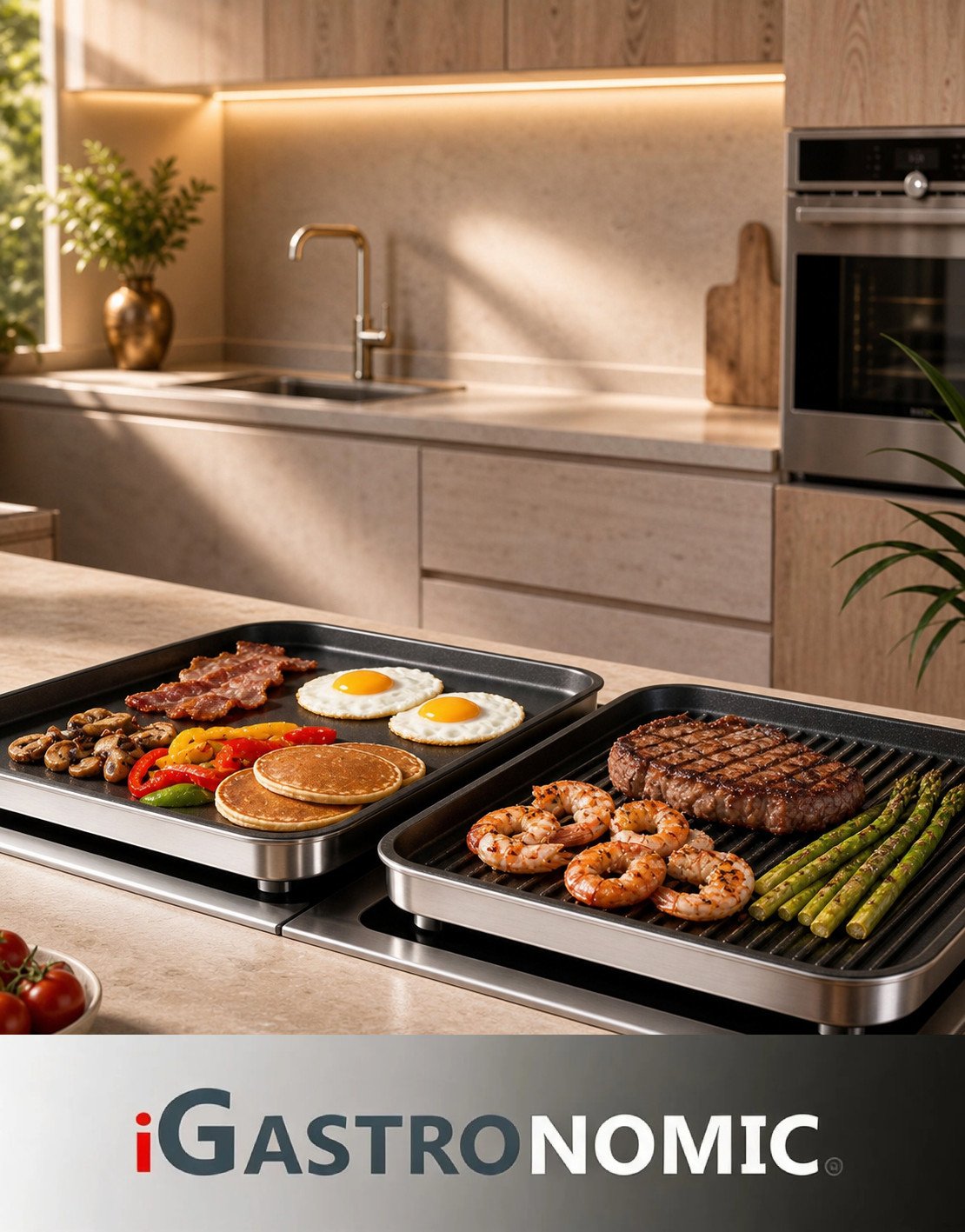 What Can You Cook on an Electric Fry Top? A Complete Guide
An electric fry top is a versatile kitchen appliance that offers a large, evenly heated cooking surface perfect for a...Read more
What Can You Cook on an Electric Fry Top? A Complete Guide
An electric fry top is a versatile kitchen appliance that offers a large, evenly heated cooking surface perfect for a...Read more -
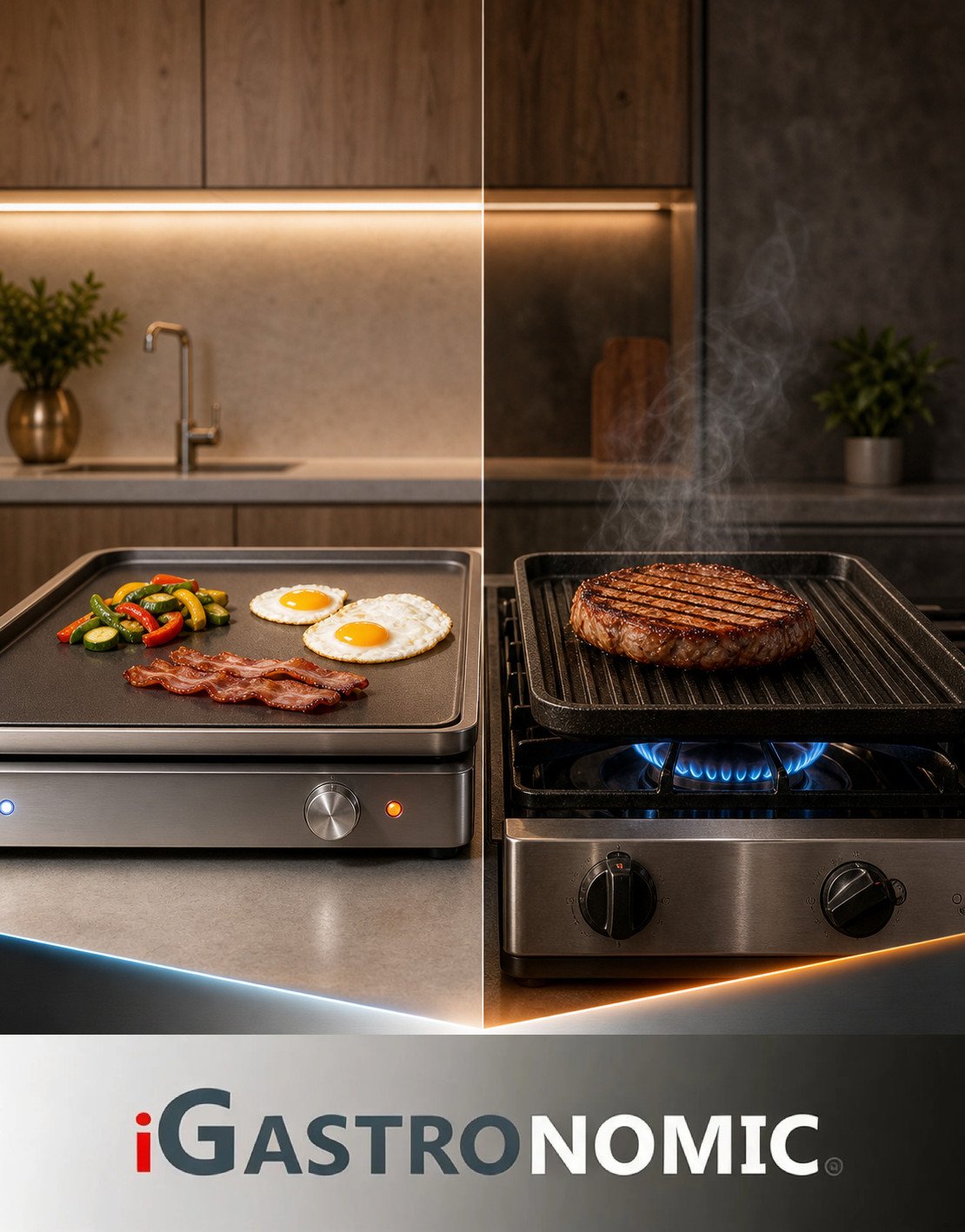 Electric Fry Top vs Gas: Advantages and Disadvantages Compared
Choosing between an electric and gas fry top can be challenging. Electric fry tops offer precise temperature control,...Read more
Electric Fry Top vs Gas: Advantages and Disadvantages Compared
Choosing between an electric and gas fry top can be challenging. Electric fry tops offer precise temperature control,...Read more
Leave a comment