
 Deutsch
 Türkçe
 Italiano

.jpg)
.jpg)
.jpg)
.jpg)
.jpg)
.jpg)
.jpg)
.jpg)
.jpg)
.jpg)

.jpg)

.jpg)
.jpg)
.jpg)
.jpg)
.jpg)
.jpg)
.jpg)
.jpg)
.jpg)
.jpg)



.jpg)
.jpg)
.jpg)
.jpg)
.jpg)
.jpg)
.jpg)
.jpg)
.jpg)



.jpg)
.jpg)

.jpg)
.jpg)
.jpg)
.jpg)


.jpg)

.png)
.jpg)
.jpg)
 (200 x 136 px) (5).png)
.png)

More and more restaurateurs and resourceful entrepreneurs are discovering the enormous potential of pizza vending...
-
 Cooking Appliances
add remove
Cooking Appliances
add remove -
-
Pizza & Grill
add remove
-
-
Refrigeration
add remove
-
-
Combi Steamer
add remove
-
-
Kitchen Appliances
add remove
-
-
Rinsing & Cleaning
add remove
-
-
Retail Refrigeration
add remove
-
-
Cafe & Ice Cream
add remove
-
-
Smart-Gastro
add remove
-
-
Event- & Cateringmöbel
-
Cooking Appliances
add remove
-
-
Pizza & Grill
add remove
-
-
Refrigeration
add remove
-
-
Combi Steamer
add remove
-
-
Kitchen Appliances
add remove
-
-
Rinsing & Cleaning
add remove
-
-
Retail Refrigeration
add remove
-
-
Cafe & Ice Cream
add remove
-
-
Smart-Gastro
add remove
-
-
Event- & Cateringmöbel


Call us:
+49 (0) 6135 7040 450Latest posts
-
 The Ultimate Guide: Pizza Vending Machines – Earnings, Costs & Experiences in the 24/7Read more
 -
 Döner vs. Shawarma vs. Kebab: Understanding the Terms and Differences for Your Food BusinessRead more
Are you confused about the difference between Döner, Shawarma, and Kebab? These popular meat dishes, often seen on...
-
 The 10 Best Döner Kebabs in Berlin (2026): The Ultimate Ranking Based on Real Customer ReviewsRead more
Berlin is the undisputed döner capital of the world. But with over 1,000 shops, the question arises: Which one is...
-
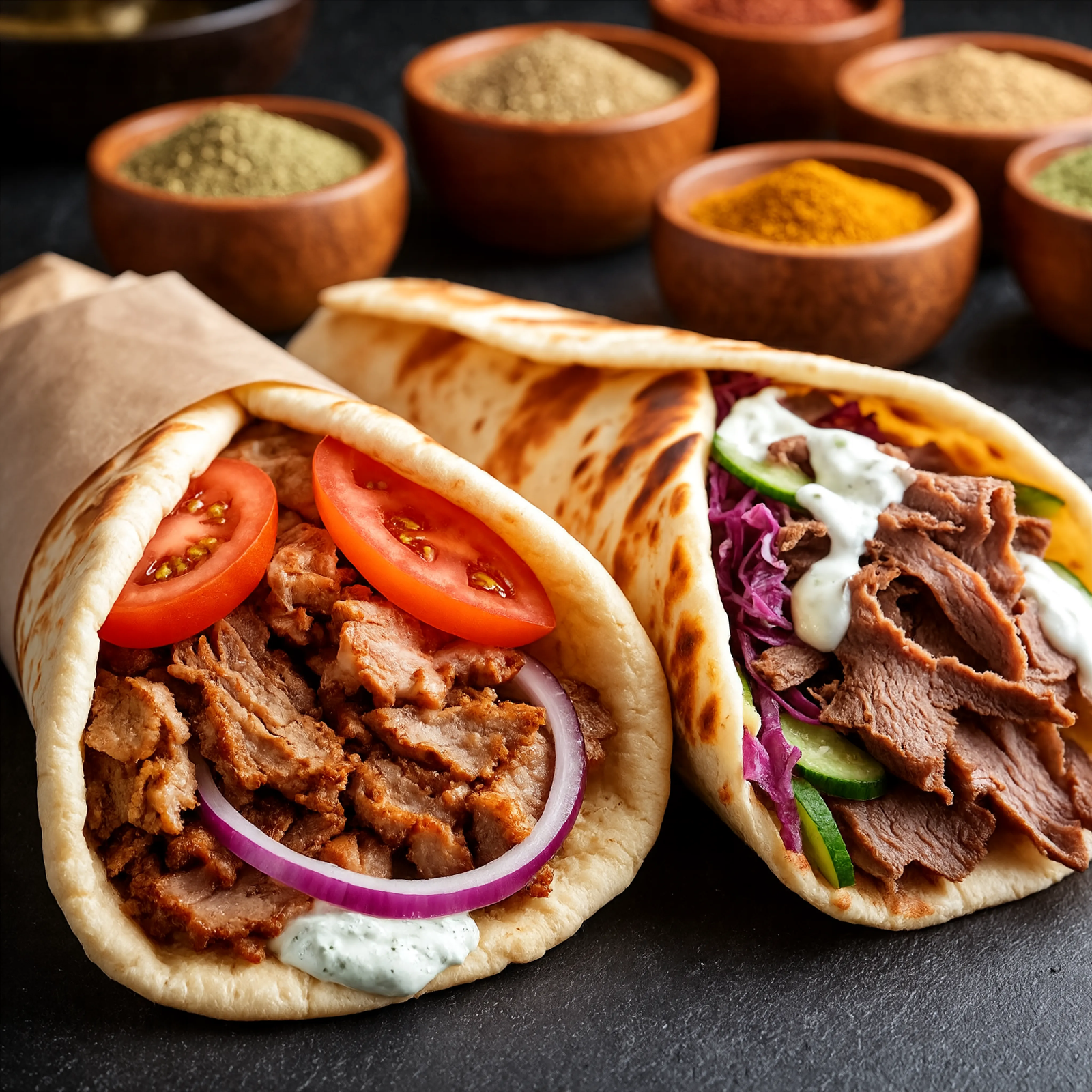 Gyros vs. Döner: Understanding the Differences in Preparation, Seasoning, and Meat Selection for Your MenuRead more
Gyros and Döner are two iconic Mediterranean dishes often confused due to their similar appearance and cooking style....
-
 Welche Temperatur braucht ein Dönergrill? Richtwerte für die Gastronomie → Optimale Garzeiten und Temperaturen für perfekte ErgebnisseRead more
Der Dönergrill ist das Herzstück jeder Döner-Gastronomie. Die richtige Temperatur am Grill entscheidet maßgeblich...
-
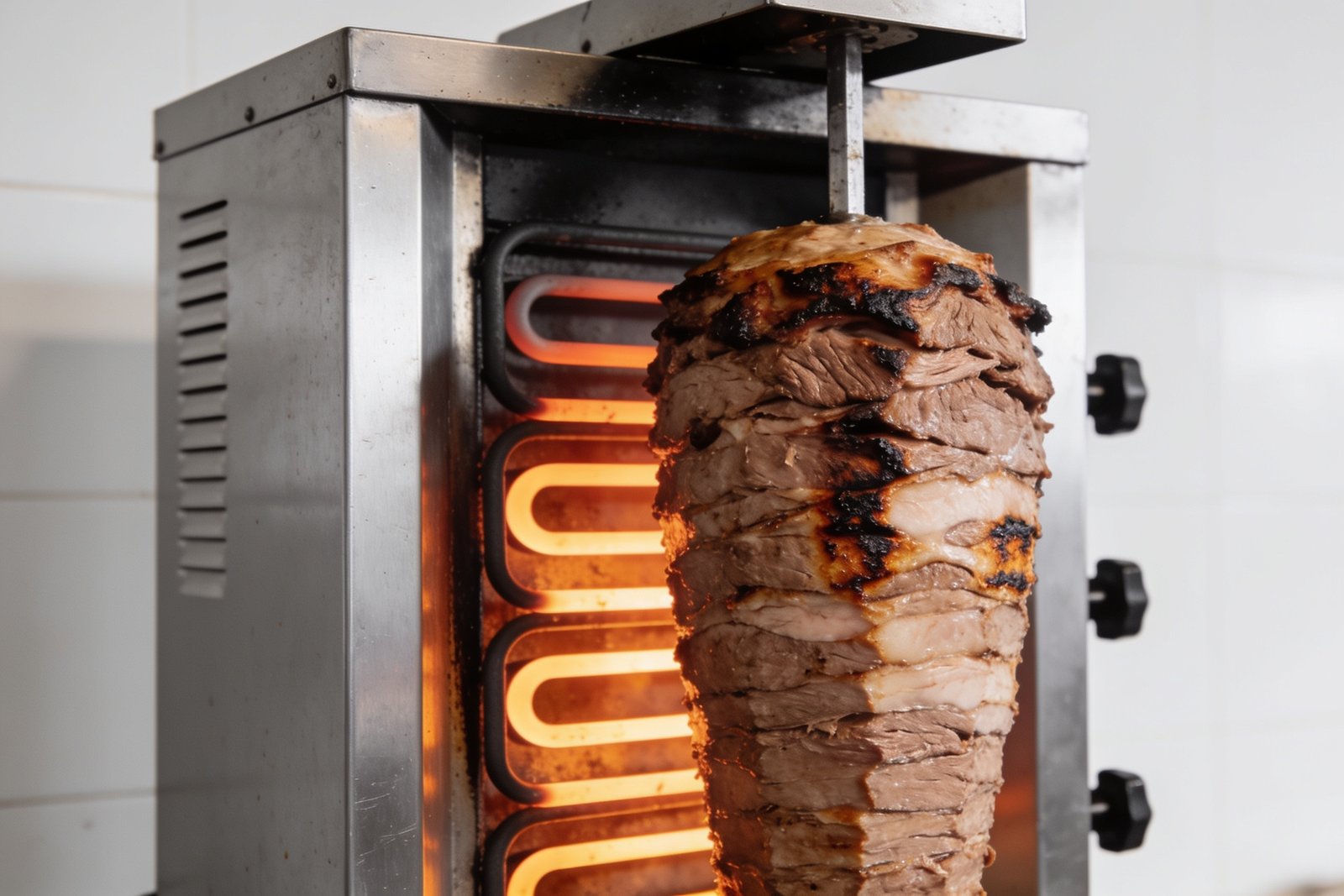 Döner Grill Heating Unevenly? Troubleshooting & Solutions → Recognize and Professionally Fix Common Device ProblemsRead more
Is your Döner grill heating unevenly? This can lead to poorly cooked meat and frustrated customers. In this guide, we...
-
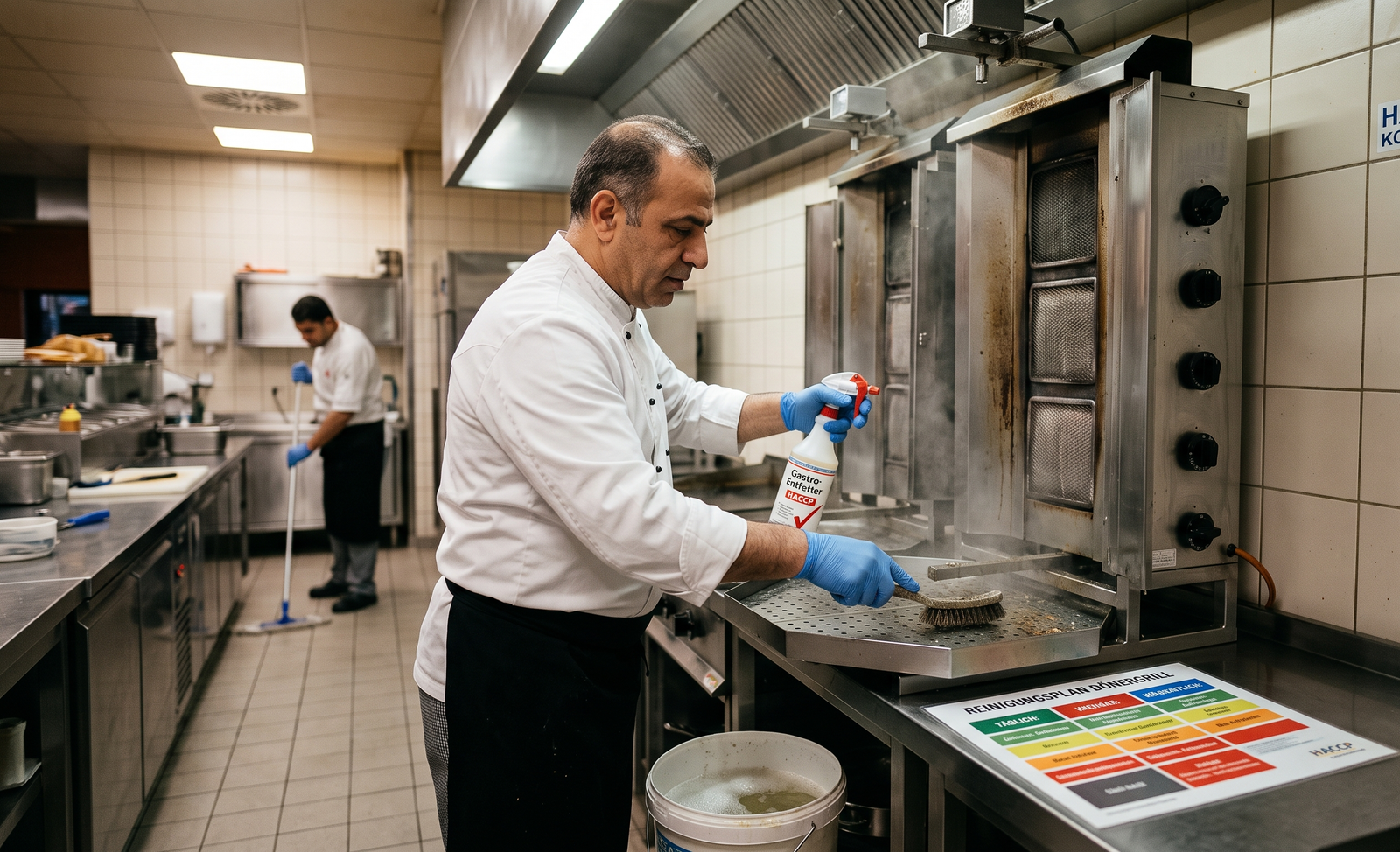 Proper Cleaning of Döner Grills: Care & Hygiene in Gastronomy → Equipment Cleaning According to HACCP Guidelines and Food Hygiene Regulations (LMHV)Read more
The Döner grill is a staple in many gastronomy businesses, and proper cleaning is essential to maintain hygiene and...
-
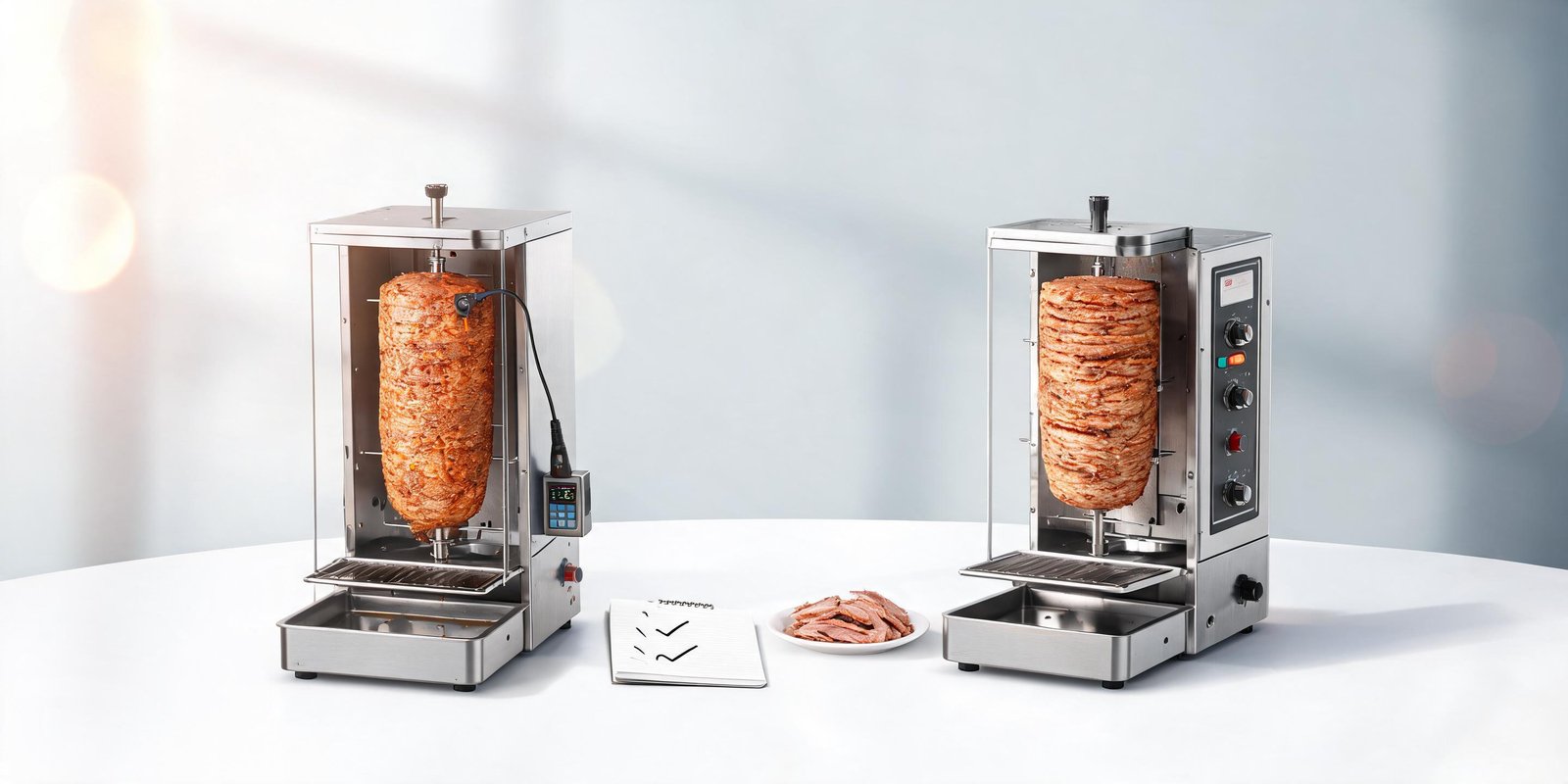 Commercial Döner Grill Tests & Reviews Overview → Make Informed Purchase Decisions with Current Product ComparisonsRead more
Choosing the right commercial Döner grill is essential for any food business specializing in this popular dish. This...
-
 Why Is Döner Meat Grilled Vertically? Technology & Advantages Explained → The Functionality of the Vertical Grill and Its Benefits for the Gastronomy IndustryRead more
Döner kebab is famous worldwide for its juicy, flavorful meat cooked on a vertical spit. But why is the meat grilled...
-
 Compact Döner Grills for Small Snack Bars & Food Trucks → Space-Saving Solutions for Limited SpacesRead more
Small snack bars and food trucks often struggle with limited space, making it challenging to accommodate large...
Blog categories
Search in blog
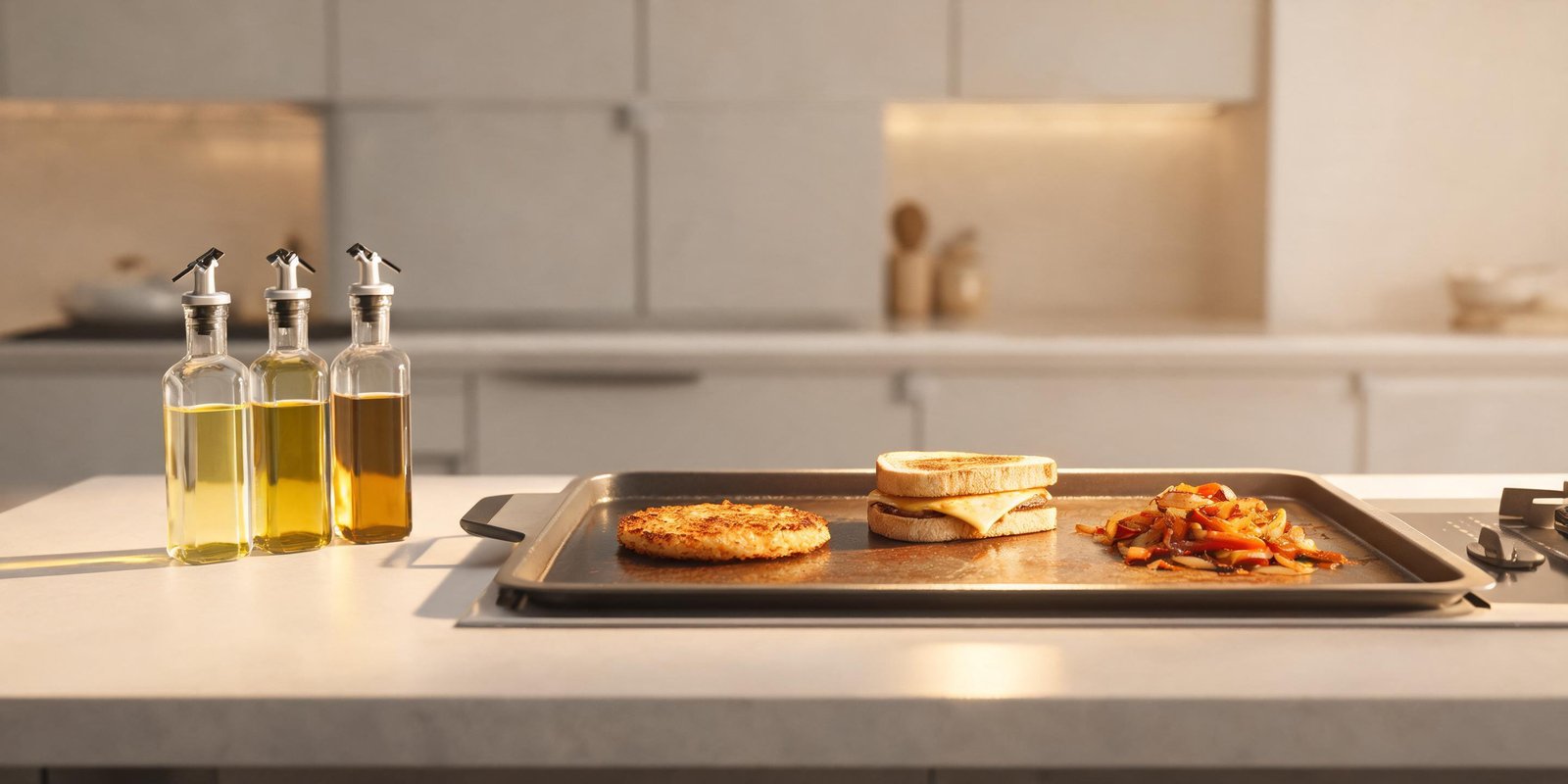
Which Oil to Use on a Fry Top? Practical Tips for Perfect Cooking
Which Oil to Use on a Fry Top? Practical Tips for Perfect Cooking
If you own or frequently use a fry top, you know how versatile and efficient this cooking surface can be. A fry top, also known as a griddle, is a flat cooking surface typically made of cast iron or steel, widely used in professional kitchens and home cooking alike. It allows you to prepare a variety of dishes—from pancakes and eggs to seared meats and vegetables—with even heat distribution and excellent control.
But one of the most important factors that can influence your cooking results on a fry top is the type of oil you use. Choosing the right oil affects not only the flavor and texture of your food but also the longevity and maintenance of your fry top.
Understanding the Role of Oil on a Fry Top
Before diving into which oils are best, it’s essential to understand why oil is necessary on a fry top:
- Non-stick surface: Oil creates a thin barrier between the food and the metal surface, preventing sticking and making flipping or turning food easier.
- Heat transfer: Oil helps distribute heat evenly across the food, promoting uniform cooking.
- Flavor enhancement: Certain oils add subtle flavors that can complement your dishes.
- Protection: A thin layer of oil can protect the fry top surface from rust and corrosion, especially if it’s made of cast iron or steel.
With these points in mind, the choice of oil becomes crucial.
Key Factors to Consider When Choosing Oil for Your Fry Top
Not all oils are created equal, and their performance on a fry top varies depending on several factors:
1. Smoke Point
The smoke point is the temperature at which oil begins to smoke and break down, producing harmful compounds and unpleasant flavors. Since fry tops can reach high temperatures (often between 350°F to 500°F or 175°C to 260°C), using an oil with a high smoke point is critical.
2. Flavor Profile
Some oils have strong flavors that can influence the taste of your food, while others are more neutral. Depending on what you’re cooking, you might want an oil that adds a hint of flavor or one that remains unobtrusive.
3. Health Considerations
Oils differ in their nutritional composition—some are rich in healthy fats and antioxidants, while others contain more saturated fats. If you’re health-conscious, this might influence your choice.
4. Price and Availability
Some oils are more expensive or harder to find than others. Practicality is important, especially if you use your fry top often.
5. Maintenance and Seasoning
For cast iron or steel fry tops, certain oils help maintain the seasoning layer better, protecting the surface from rust and improving non-stick properties over time.
Top Oils to Use on a Fry Top
1. Avocado Oil
Smoke Point: Approximately 520°F (271°C)
Flavor: Mild, buttery, slightly nutty
Why Use It? Avocado oil boasts one of the highest smoke points among cooking oils, making it ideal for high-temperature cooking like on a fry top. Its mild flavor won’t overpower your food, and it’s rich in monounsaturated fats, which are heart-healthy. It’s also great for seasoning your fry top because it polymerizes well, creating a durable non-stick surface.
2. Refined Grapeseed Oil
Smoke Point: Around 420°F (216°C)
Flavor: Neutral
Why Use It? Grapeseed oil is a popular choice for cooking due to its neutral flavor and relatively high smoke point. It’s perfect when you don’t want the oil to interfere with the taste of your dishes. However, its smoke point is a bit lower than avocado oil, so be mindful of the temperature.
3. Light Olive Oil (Refined)
Smoke Point: Approximately 465°F (240°C)
Flavor: Mild, neutral compared to extra virgin olive oil
Why Use It? While extra virgin olive oil has a lower smoke point and stronger flavor, refined or light olive oil can handle higher heat and offers a mild taste. It’s a great option for Mediterranean-style cooking on a fry top.
4. Peanut Oil
Smoke Point: Around 450°F (232°C)
Flavor: Slightly nutty
Why Use It? Peanut oil is widely used in Asian cooking and is excellent for stir-frying and searing due to its high smoke point and pleasant flavor. It’s also quite stable at high heat, making it suitable for fry tops.
5. Canola Oil
Smoke Point: About 400°F (204°C)
Flavor: Neutral
Why Use It? Canola oil is affordable, widely available, and has a neutral flavor. Its smoke point is decent for moderate fry top cooking, but it may not be the best choice for very high-heat applications. It’s also low in saturated fat.
6. Sunflower Oil (Refined)
Smoke Point: Around 440°F (227°C)
Flavor: Neutral
Why Use It? Refined sunflower oil has a high smoke point and neutral flavor, making it a good choice for frying and grilling on a fry top. It’s also rich in vitamin E.
7. Coconut Oil
Smoke Point: Approximately 350°F (177°C)
Flavor: Distinct coconut aroma and taste
Why Use It? Coconut oil has a relatively low smoke point compared to other oils listed here, so it’s better suited for lower-temperature cooking on a fry top. Its unique flavor can enhance tropical or sweet dishes but might not be suitable for all recipes.
8. Butter and Clarified Butter (Ghee)
Smoke Point (Butter): About 302°F (150°C)
Smoke Point (Ghee): Around 485°F (252°C)
Flavor: Rich, buttery
Why Use It? Regular butter burns easily due to milk solids, so it’s not ideal for high-temperature fry top cooking. However, clarified butter or ghee has the milk solids removed, raising its smoke point and making it suitable for frying and sautéing. It adds a rich flavor to your dishes.
Oils to Avoid on a Fry Top
- Extra Virgin Olive Oil: Although healthy and flavorful, it has a low smoke point (~375°F/190°C) and can burn easily, producing bitter flavors.
- Unrefined Oils: Such as unrefined sesame or flaxseed oil, which have low smoke points and are better suited for dressings or low-heat cooking.
- Oils with strong flavors: Unless you want to impart that flavor, avoid oils like toasted sesame or walnut oil for general fry top cooking.
How to Properly Use Oil on Your Fry Top
Regardless of the oil you choose, here are some practical tips to maximize your cooking experience:
1. Preheat Your Fry Top
Always preheat the fry top before adding oil. This ensures even heat distribution and prevents food from sticking.
2. Use the Right Amount
Apply a thin, even layer of oil across the surface. Too much oil can cause splattering and greasy food, while too little may lead to sticking.
3. Maintain Temperature
Keep the temperature within the oil’s smoke point range to avoid burning the oil and food.
4. Season Your Fry Top
For cast iron or steel fry tops, regularly seasoning the surface with oil (preferably one that polymerizes well like flaxseed or avocado oil) will maintain its non-stick properties and prevent rust.
5. Clean Properly After Use
After cooking, clean the fry top while it’s still warm using a scraper and a damp cloth. Avoid using harsh detergents that can strip away the seasoning layer.
Health and Environmental Considerations
While cooking oils are essential, it’s also important to consider their health impacts and environmental footprint:
- Choose oils high in unsaturated fats: Such as avocado, olive, and canola oils, which support heart health.
- Limit oils high in saturated fats: Like coconut oil and palm oil, which may raise cholesterol.
- Opt for sustainably sourced oils: To reduce environmental impact, look for certifications like organic, non-GMO, or sustainably harvested.
Summary: Best Practices for Oil Use on a Fry Top
| Oil | Smoke Point | Flavor | Best Use |
|---|---|---|---|
| Avocado Oil | 520°F (271°C) | Mild, buttery | High-heat cooking, seasoning |
| Refined Grapeseed Oil | 420°F (216°C) | Neutral | General frying, neutral flavor |
| Light Olive Oil | 465°F (240°C) | Mild | Medium-high heat cooking |
| Peanut Oil | 450°F (232°C) | Slightly nutty | Stir-frying, searing |
| Canola Oil | 400°F (204°C) | Neutral | Moderate heat cooking |
| Sunflower Oil (Refined) | 440°F (227°C) | Neutral | Frying, grilling |
| Coconut Oil | 350°F (177°C) | Coconut flavor | Low-temp cooking, flavor-specific dishes |
| Clarified Butter (Ghee) | 485°F (252°C) | Rich, buttery | High-heat cooking, flavor enhancement |
Final Thoughts
Choosing the right oil for your fry top is a balance between smoke point, flavor, health, and maintenance considerations. For most high-heat cooking needs, avocado oil stands out as an excellent all-around choice due to its very high smoke point and neutral flavor. However, depending on your recipe and preferences, oils like refined olive oil, peanut oil, or ghee can also be great options.
Remember to always preheat your fry top, use the right amount of oil, and maintain your cooking surface properly to enjoy delicious meals and prolong the life of your equipment.
Happy cooking!
Related posts
-
 Fry Top vs Piastra Elettrica: Which One Should You Choose for Your Kitchen?
Choosing the right cooking appliance can transform your kitchen experience. Two popular options are the Fry Top and...Read more
Fry Top vs Piastra Elettrica: Which One Should You Choose for Your Kitchen?
Choosing the right cooking appliance can transform your kitchen experience. Two popular options are the Fry Top and...Read more -
 How to Use a Fry Top: A Complete Beginner's Guide
A fry top is a flat, smooth cooking surface that offers even heat distribution and a large area to cook multiple...Read more
How to Use a Fry Top: A Complete Beginner's Guide
A fry top is a flat, smooth cooking surface that offers even heat distribution and a large area to cook multiple...Read more -
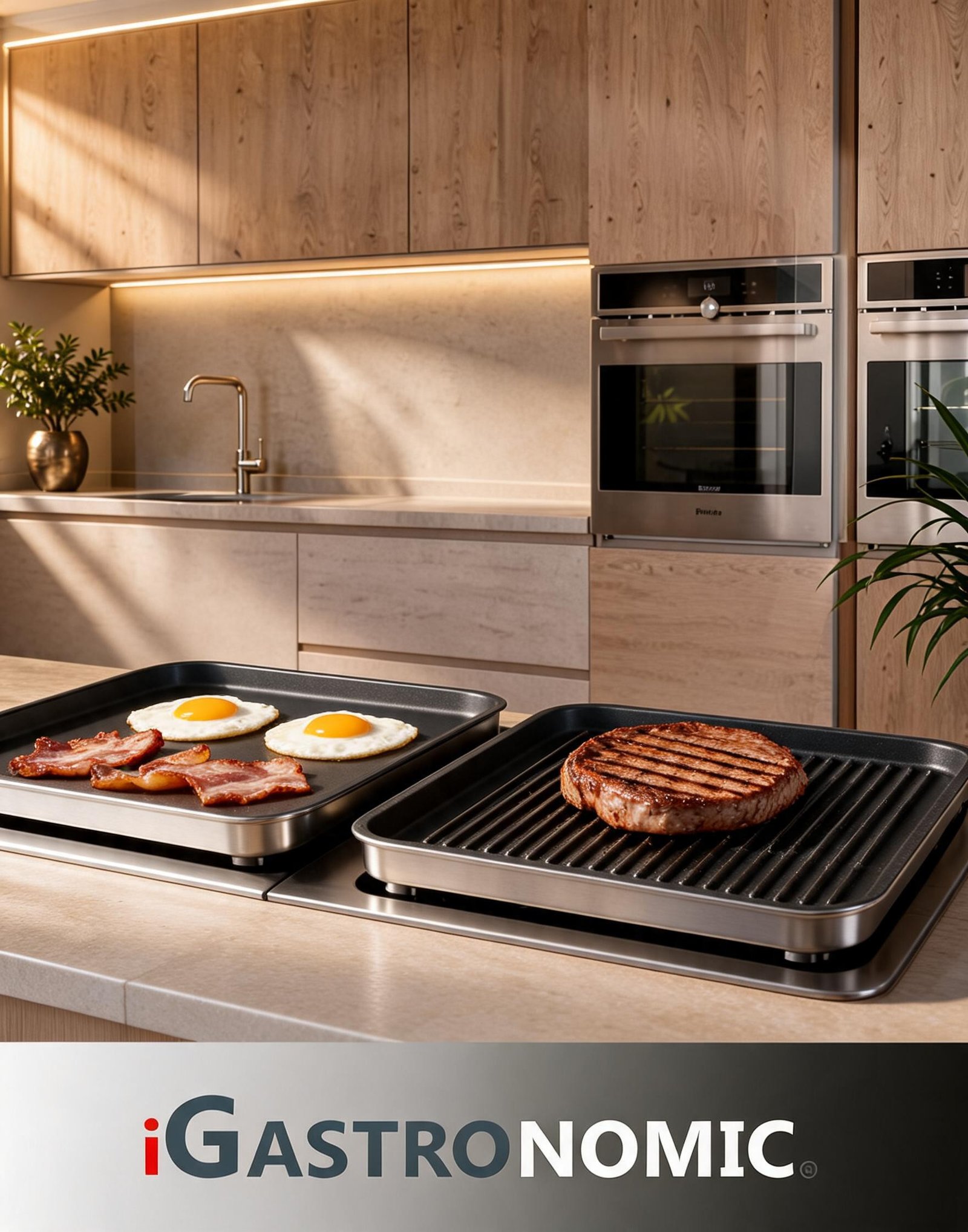 Fry Top Smooth or Ribbed? Which Is Better for Cooking?
Choosing between a smooth (liscio) and ribbed (rigato) fry top can significantly impact your cooking experience....Read more
Fry Top Smooth or Ribbed? Which Is Better for Cooking?
Choosing between a smooth (liscio) and ribbed (rigato) fry top can significantly impact your cooking experience....Read more -
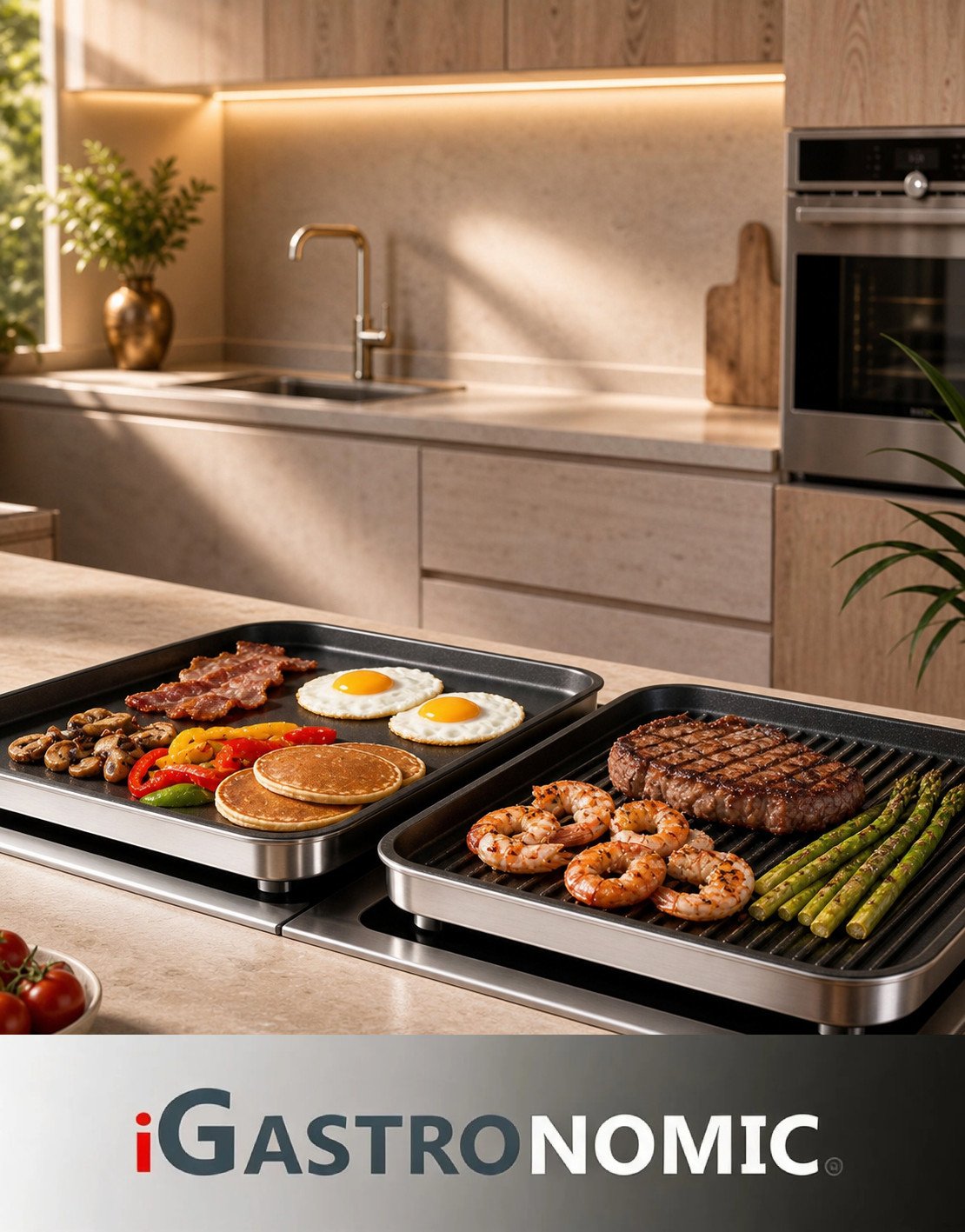 What Can You Cook on an Electric Fry Top? A Complete Guide
An electric fry top is a versatile kitchen appliance that offers a large, evenly heated cooking surface perfect for a...Read more
What Can You Cook on an Electric Fry Top? A Complete Guide
An electric fry top is a versatile kitchen appliance that offers a large, evenly heated cooking surface perfect for a...Read more -
 Electric Fry Top vs Gas: Advantages and Disadvantages Compared
Choosing between an electric and gas fry top can be challenging. Electric fry tops offer precise temperature control,...Read more
Electric Fry Top vs Gas: Advantages and Disadvantages Compared
Choosing between an electric and gas fry top can be challenging. Electric fry tops offer precise temperature control,...Read more
Leave a comment