
 Deutsch
 Türkçe
 Italiano

.jpg)
.jpg)
.jpg)
.jpg)
.jpg)
.jpg)
.jpg)
.jpg)
.jpg)
.jpg)

.jpg)

.jpg)
.jpg)
.jpg)
.jpg)
.jpg)
.jpg)
.jpg)
.jpg)
.jpg)
.jpg)



.jpg)
.jpg)
.jpg)
.jpg)
.jpg)
.jpg)
.jpg)
.jpg)
.jpg)



.jpg)
.jpg)

.jpg)
.jpg)
.jpg)
.jpg)


.jpg)

.png)
.jpg)
.jpg)
 (200 x 136 px) (5).png)
.png)

More and more restaurateurs and resourceful entrepreneurs are discovering the enormous potential of pizza vending...
-
 Cooking Appliances
add remove
Cooking Appliances
add remove -
-
Pizza & Grill
add remove
-
-
Refrigeration
add remove
-
-
Combi Steamer
add remove
-
-
Kitchen Appliances
add remove
-
-
Rinsing & Cleaning
add remove
-
-
Retail Refrigeration
add remove
-
-
Cafe & Ice Cream
add remove
-
-
Smart-Gastro
add remove
-
-
Event- & Cateringmöbel
-
Cooking Appliances
add remove
-
-
Pizza & Grill
add remove
-
-
Refrigeration
add remove
-
-
Combi Steamer
add remove
-
-
Kitchen Appliances
add remove
-
-
Rinsing & Cleaning
add remove
-
-
Retail Refrigeration
add remove
-
-
Cafe & Ice Cream
add remove
-
-
Smart-Gastro
add remove
-
-
Event- & Cateringmöbel


Call us:
+49 (0) 6135 7040 450Latest posts
-
 The Ultimate Guide: Pizza Vending Machines – Earnings, Costs & Experiences in the 24/7Read more
 -
 Döner vs. Shawarma vs. Kebab: Understanding the Terms and Differences for Your Food BusinessRead more
Are you confused about the difference between Döner, Shawarma, and Kebab? These popular meat dishes, often seen on...
-
 The 10 Best Döner Kebabs in Berlin (2026): The Ultimate Ranking Based on Real Customer ReviewsRead more
Berlin is the undisputed döner capital of the world. But with over 1,000 shops, the question arises: Which one is...
-
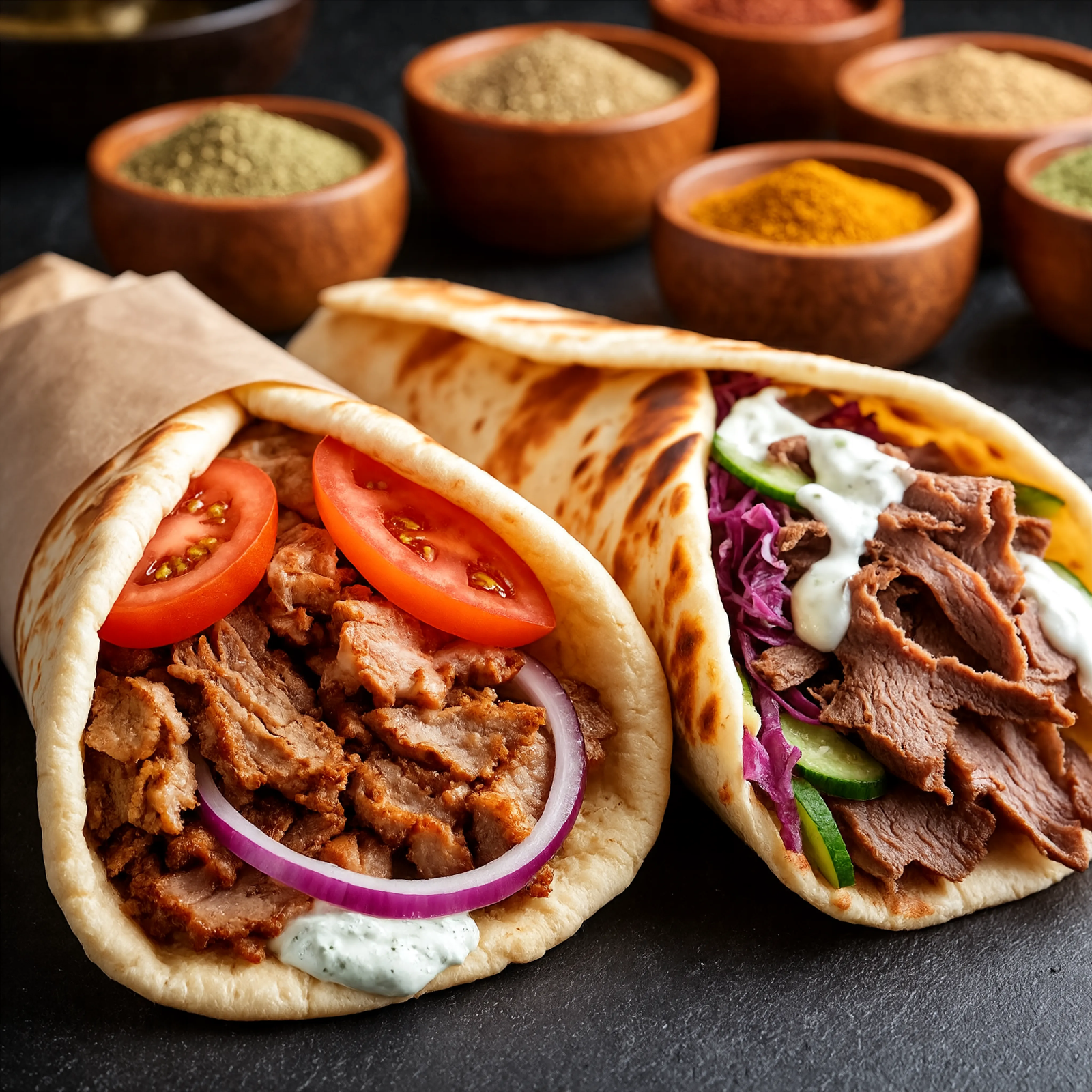 Gyros vs. Döner: Understanding the Differences in Preparation, Seasoning, and Meat Selection for Your MenuRead more
Gyros and Döner are two iconic Mediterranean dishes often confused due to their similar appearance and cooking style....
-
 Welche Temperatur braucht ein Dönergrill? Richtwerte für die Gastronomie → Optimale Garzeiten und Temperaturen für perfekte ErgebnisseRead more
Der Dönergrill ist das Herzstück jeder Döner-Gastronomie. Die richtige Temperatur am Grill entscheidet maßgeblich...
-
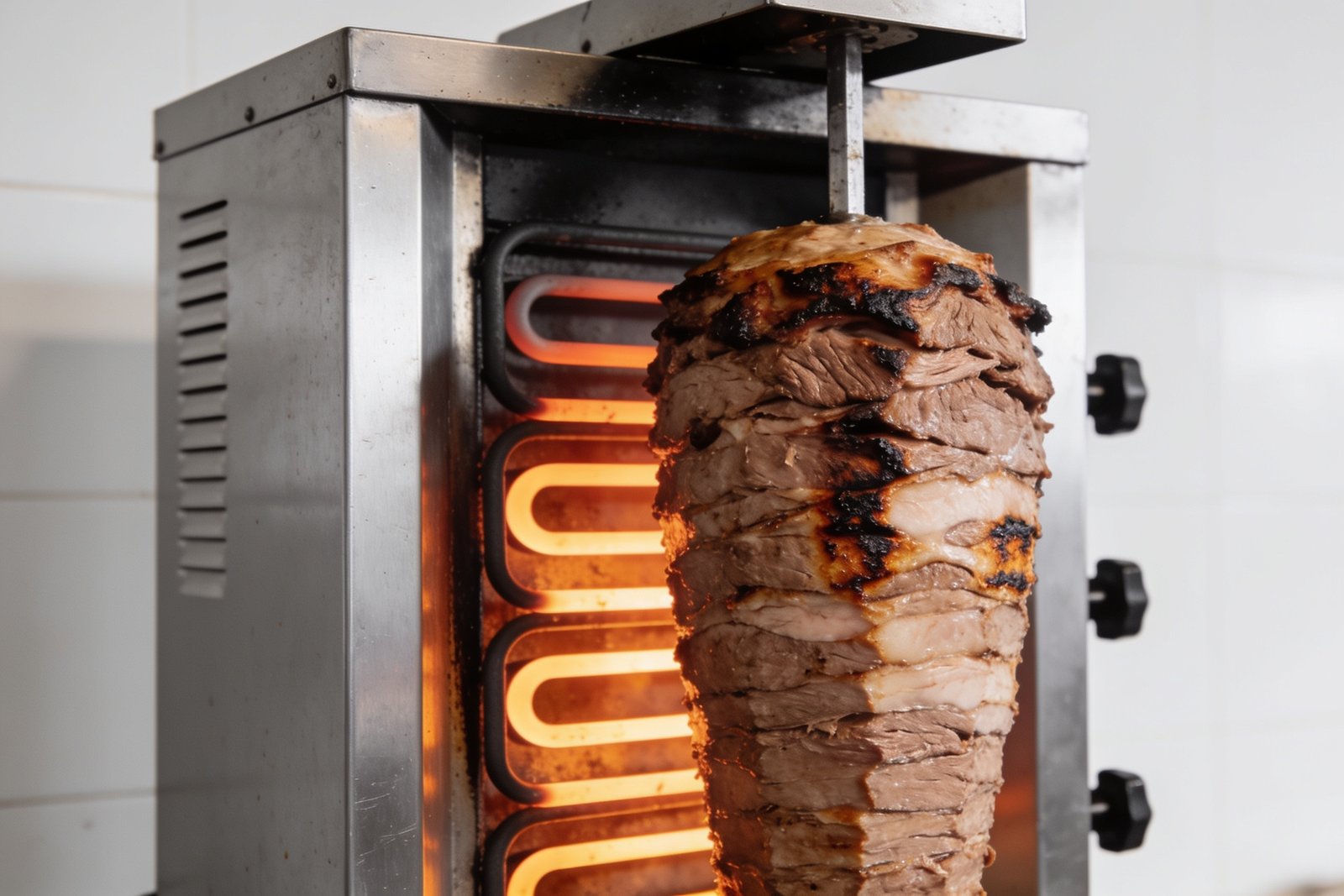 Döner Grill Heating Unevenly? Troubleshooting & Solutions → Recognize and Professionally Fix Common Device ProblemsRead more
Is your Döner grill heating unevenly? This can lead to poorly cooked meat and frustrated customers. In this guide, we...
-
 Proper Cleaning of Döner Grills: Care & Hygiene in Gastronomy → Equipment Cleaning According to HACCP Guidelines and Food Hygiene Regulations (LMHV)Read more
The Döner grill is a staple in many gastronomy businesses, and proper cleaning is essential to maintain hygiene and...
-
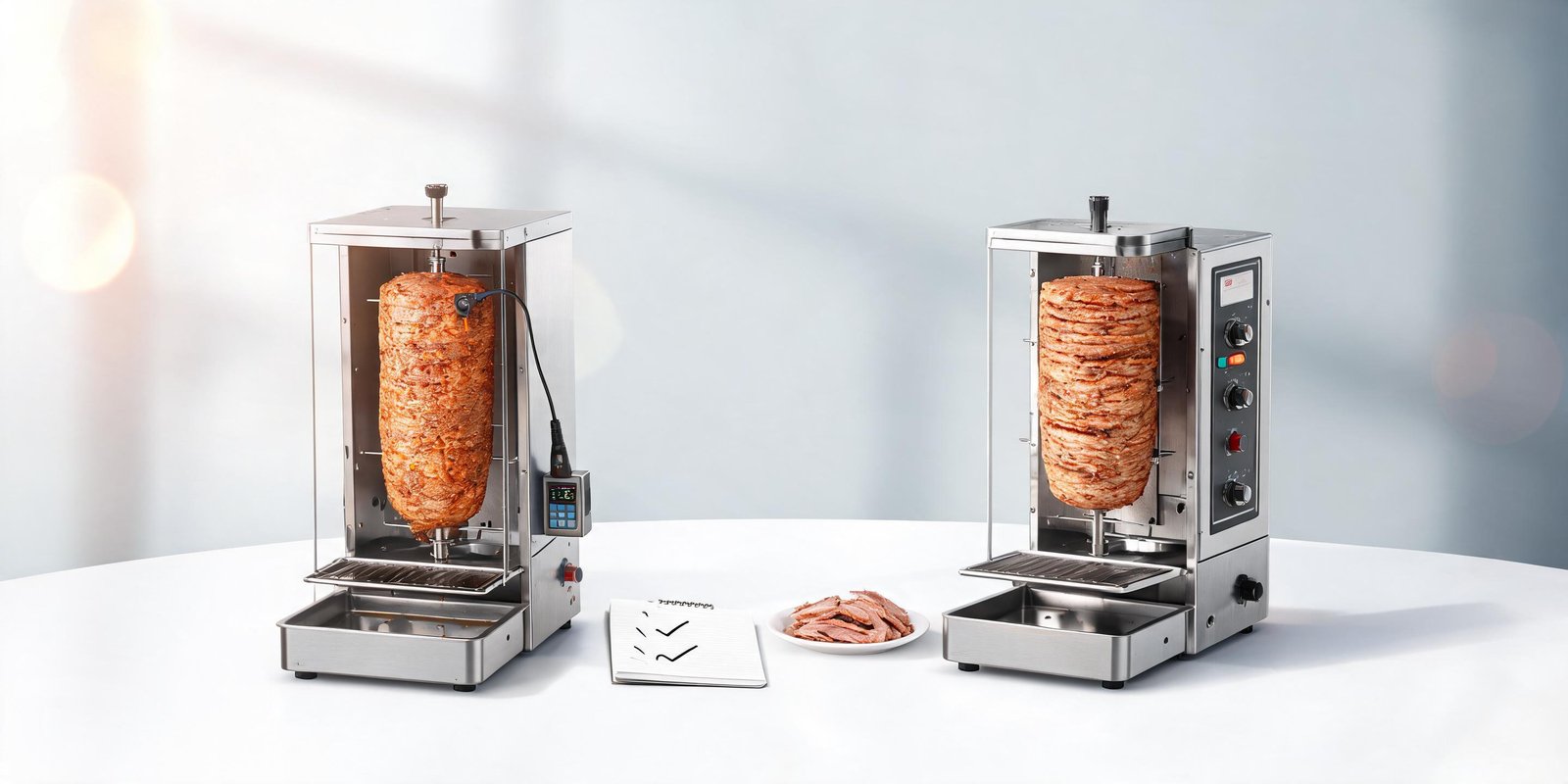 Commercial Döner Grill Tests & Reviews Overview → Make Informed Purchase Decisions with Current Product ComparisonsRead more
Choosing the right commercial Döner grill is essential for any food business specializing in this popular dish. This...
-
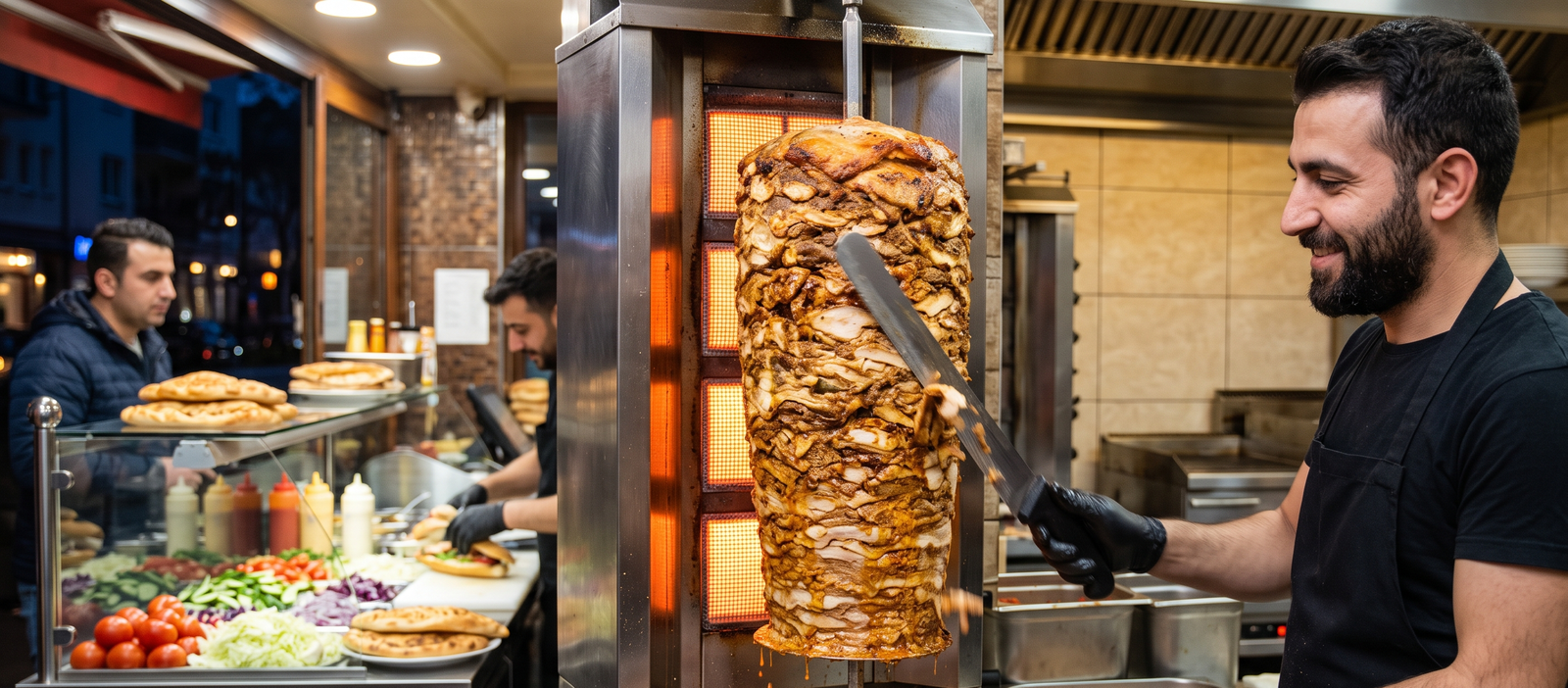 Why Is Döner Meat Grilled Vertically? Technology & Advantages Explained → The Functionality of the Vertical Grill and Its Benefits for the Gastronomy IndustryRead more
Döner kebab is famous worldwide for its juicy, flavorful meat cooked on a vertical spit. But why is the meat grilled...
-
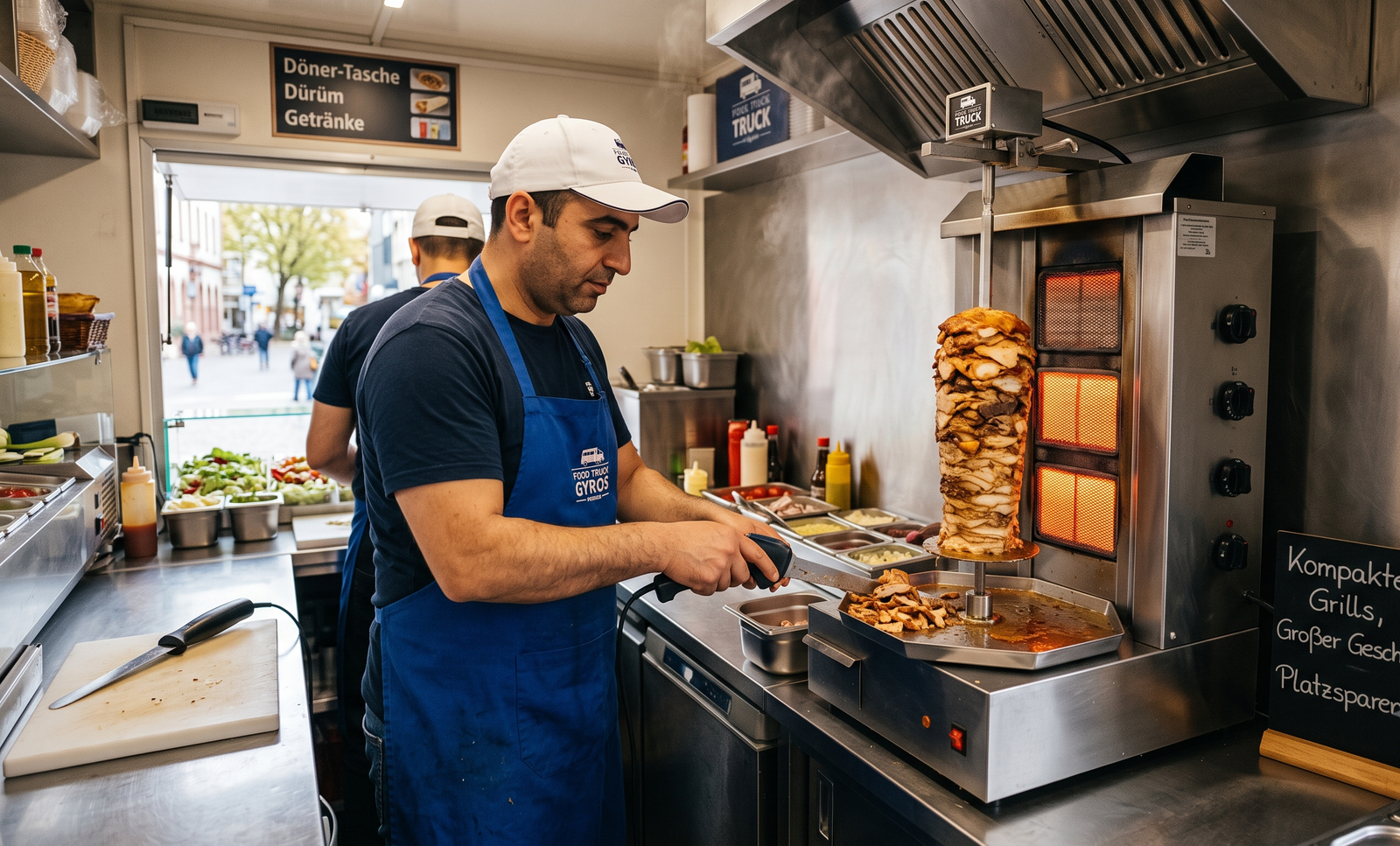 Compact Döner Grills for Small Snack Bars & Food Trucks → Space-Saving Solutions for Limited SpacesRead more
Small snack bars and food trucks often struggle with limited space, making it challenging to accommodate large...
Blog categories
Search in blog
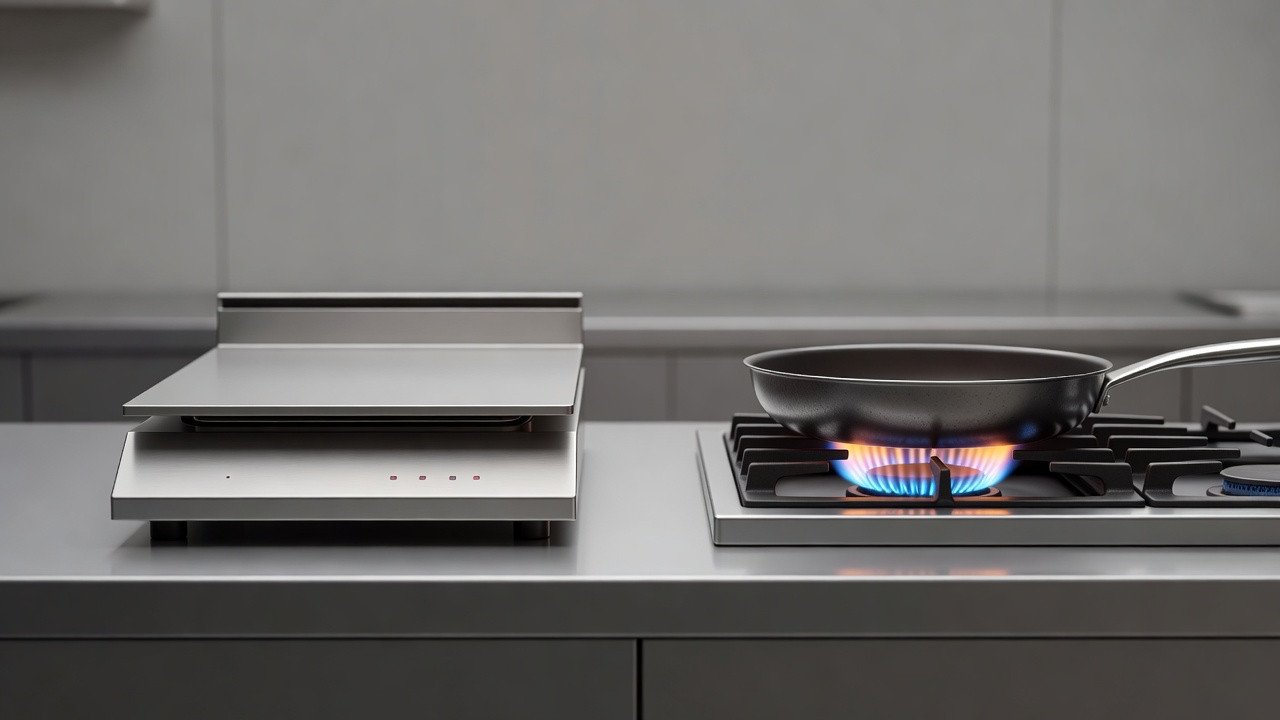
Is the Fry Top Safer Than Gas? What You Need to Know
Is the Fry Top Safer Than Gas? What You Need to Know
When it comes to cooking appliances, safety is a top priority for both home cooks and professional chefs. Among the many options available, the fry top and gas stoves are two popular choices. But which one is safer? This article explores the safety aspects of fry tops versus gas stoves, helping you make an informed decision for your kitchen.
What Is a Fry Top?
A fry top, also known as a griddle or flat top, is a cooking surface made of metal—usually cast iron or steel—that is heated from below. Unlike traditional gas burners that use an open flame, the fry top provides a flat, evenly heated surface ideal for cooking a variety of foods such as pancakes, eggs, meats, and vegetables.
Fry tops are widely used in commercial kitchens but are increasingly popular in home settings due to their versatility and ease of use.
What Is a Gas Stove?
A gas stove uses natural gas or propane to create an open flame for cooking. Gas stoves are known for their precise heat control and quick temperature changes, making them a favorite among many chefs. However, because they involve an open flame and combustible gas, safety concerns are often raised.
Safety Considerations: Fry Top vs Gas Stove
When comparing safety, several factors come into play, including the risk of fire, burns, gas leaks, and carbon monoxide poisoning. Let's break down each of these aspects.
1. Fire Hazard
- Gas Stove: The open flame on a gas stove can easily ignite flammable materials such as kitchen towels, curtains, or spilled cooking oil. Additionally, gas leaks can lead to dangerous explosions if not detected promptly.
- Fry Top: Since the fry top uses a heated surface without an open flame, the risk of accidental fires is significantly reduced. However, grease buildup on the surface can still ignite if overheated, so regular cleaning is essential.
2. Burns and Scalds
- Gas Stove: The open flame and exposed burner parts can cause burns if accidentally touched. Flames can also flare up unexpectedly when cooking with oil or alcohol-based ingredients.
- Fry Top: The entire surface of a fry top is hot, which means accidental contact can cause burns. However, there are no flames, reducing the risk of flare-ups. Many fry tops come with insulated edges or heat guards to minimize accidental contact.
3. Gas Leaks and Carbon Monoxide
- Gas Stove: One of the main safety concerns with gas stoves is the possibility of gas leaks, which can lead to explosions or carbon monoxide poisoning if the area is poorly ventilated.
- Fry Top: Fry tops can be powered by gas or electricity. When gas-powered, they share the same risks as gas stoves. However, electric fry tops eliminate the risk of gas leaks and carbon monoxide emissions altogether.
4. Ventilation Requirements
Proper ventilation is crucial for both appliances but especially for gas-powered devices. Gas stoves and gas fry tops produce combustion byproducts, including carbon monoxide and nitrogen dioxide, which can be harmful if accumulated indoors.
Electric fry tops do not produce combustion gases, making them safer in terms of indoor air quality and ventilation needs.
Advantages of Fry Tops Over Gas Stoves
- Reduced Fire Risk: No open flames mean fewer chances of accidental fires.
- Even Heating Surface: Provides consistent cooking temperature, reducing hotspots and flare-ups.
- Versatility: Ideal for cooking multiple items simultaneously due to the large flat surface.
- Electric Options Available: Electric fry tops eliminate gas-related risks.
- Easy to Clean: Smooth surfaces are often easier to wipe down than gas burners.
Advantages of Gas Stoves Over Fry Tops
- Precise Heat Control: Instant flame adjustments allow for quick temperature changes.
- Traditional Cooking Experience: Many chefs prefer the tactile feedback of an open flame.
- Widely Available: Gas stoves are common and often less expensive than specialized fry tops.
Common Safety Tips for Both Appliances
Regardless of your choice, following these safety tips will help minimize risks:
- Install Carbon Monoxide Detectors: Especially important for gas appliances.
- Maintain Proper Ventilation: Use range hoods or exhaust fans to remove combustion gases.
- Regular Cleaning: Prevent grease buildup to reduce fire hazards.
- Check for Gas Leaks: Periodically inspect gas lines and connections.
- Use Heat-Resistant Gloves: Protect yourself from burns when handling hot surfaces.
- Keep Flammable Items Away: Towels, paper, and curtains should be kept at a safe distance.
Which One Is Safer: Fry Top or Gas Stove?
In terms of pure safety, electric fry tops generally have the edge over gas stoves because they eliminate the risks associated with open flames and gas leaks. However, if you opt for a gas-powered fry top, the safety profile becomes similar to that of a gas stove.
Gas stoves require careful handling and proper maintenance to ensure safety, but they offer unmatched control and cooking experience for many users.
Ultimately, the safest choice depends on your kitchen setup, cooking habits, and willingness to maintain the appliance properly.
Additional Considerations
Cost and Installation
Gas stoves are often less expensive upfront and easier to install if you already have a gas line. Fry tops, especially electric models, may require dedicated electrical circuits and can be more costly.
Energy Efficiency
Gas stoves provide instant heat but can lose energy through open flames. Electric fry tops convert electricity directly into heat on the surface, which can be more efficient but depends on your electricity source.
Environmental Impact
Electric fry tops powered by renewable energy sources have a lower carbon footprint compared to gas stoves, which burn fossil fuels.
Conclusion
Choosing between a fry top and a gas stove involves weighing safety, cooking preferences, and practical considerations. Electric fry tops offer enhanced safety due to the absence of open flames and gas leaks, making them an excellent choice for safety-conscious cooks. Gas stoves provide superior heat control but require vigilance to prevent accidents.
By understanding the risks and benefits of each, and by following essential safety practices, you can enjoy cooking with confidence no matter which appliance you choose.
FAQs
Is a fry top safer for children?
While fry tops have no open flames, their entire surface can be very hot, so supervision is still necessary to prevent burns.
Can I use a fry top indoors without ventilation?
If the fry top is electric, ventilation is less critical. For gas-powered fry tops, proper ventilation is essential to avoid harmful gas buildup.
How do I clean a fry top safely?
Allow the surface to cool slightly, then use a scraper and warm soapy water. Avoid abrasive cleaners that can damage the surface.
Are there hybrid models combining gas and electric fry tops?
Some manufacturers offer hybrid models, but they are less common. Always check the specifications for safety features.
What should I do if I smell gas near my stove?
Immediately turn off the gas supply, ventilate the area, avoid using electrical switches, and contact a professional for inspection.
Related posts
-
 Fry Top vs Piastra Elettrica: Which One Should You Choose for Your Kitchen?
Choosing the right cooking appliance can transform your kitchen experience. Two popular options are the Fry Top and...Read more
Fry Top vs Piastra Elettrica: Which One Should You Choose for Your Kitchen?
Choosing the right cooking appliance can transform your kitchen experience. Two popular options are the Fry Top and...Read more -
 How to Use a Fry Top: A Complete Beginner's Guide
A fry top is a flat, smooth cooking surface that offers even heat distribution and a large area to cook multiple...Read more
How to Use a Fry Top: A Complete Beginner's Guide
A fry top is a flat, smooth cooking surface that offers even heat distribution and a large area to cook multiple...Read more -
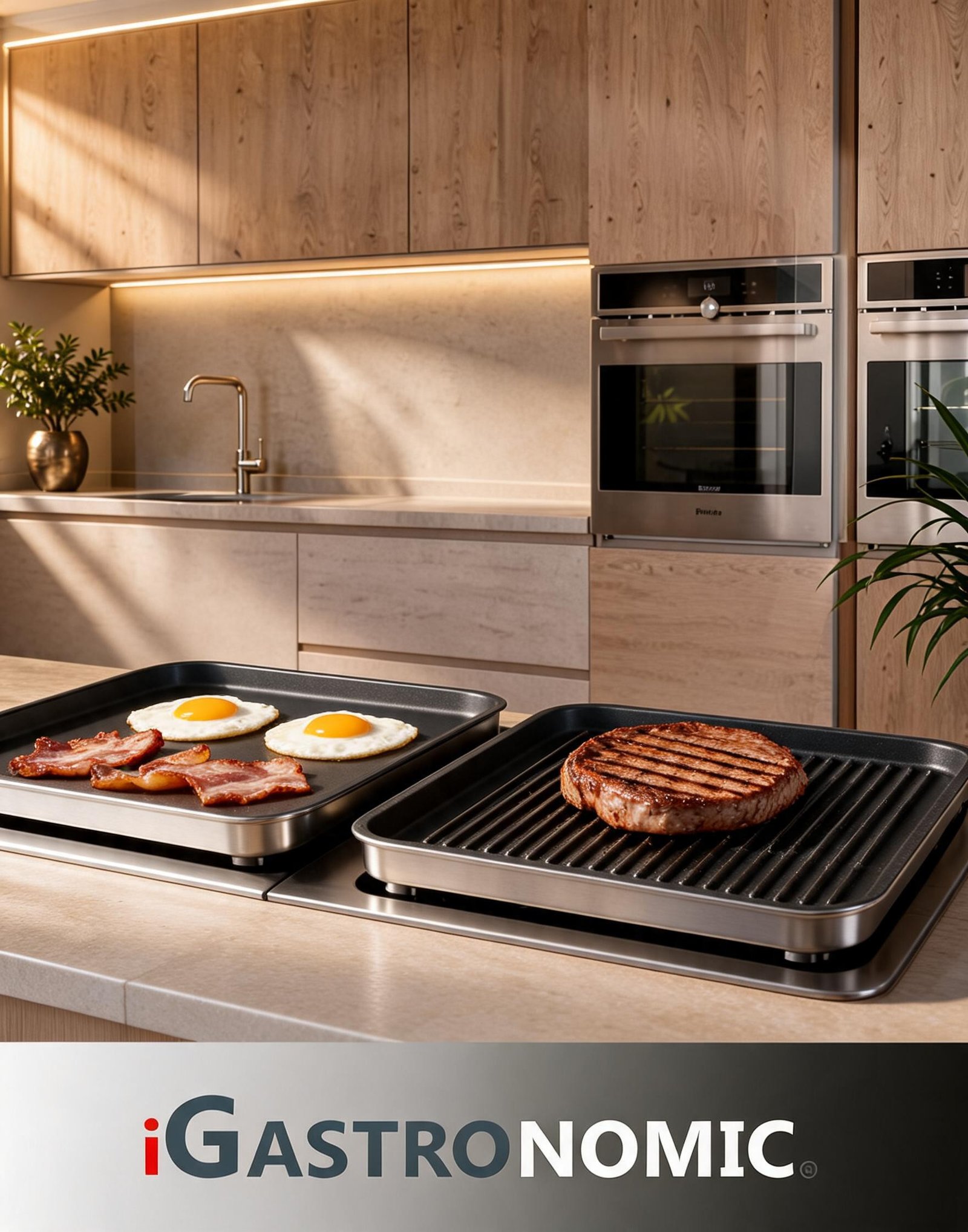 Fry Top Smooth or Ribbed? Which Is Better for Cooking?
Choosing between a smooth (liscio) and ribbed (rigato) fry top can significantly impact your cooking experience....Read more
Fry Top Smooth or Ribbed? Which Is Better for Cooking?
Choosing between a smooth (liscio) and ribbed (rigato) fry top can significantly impact your cooking experience....Read more -
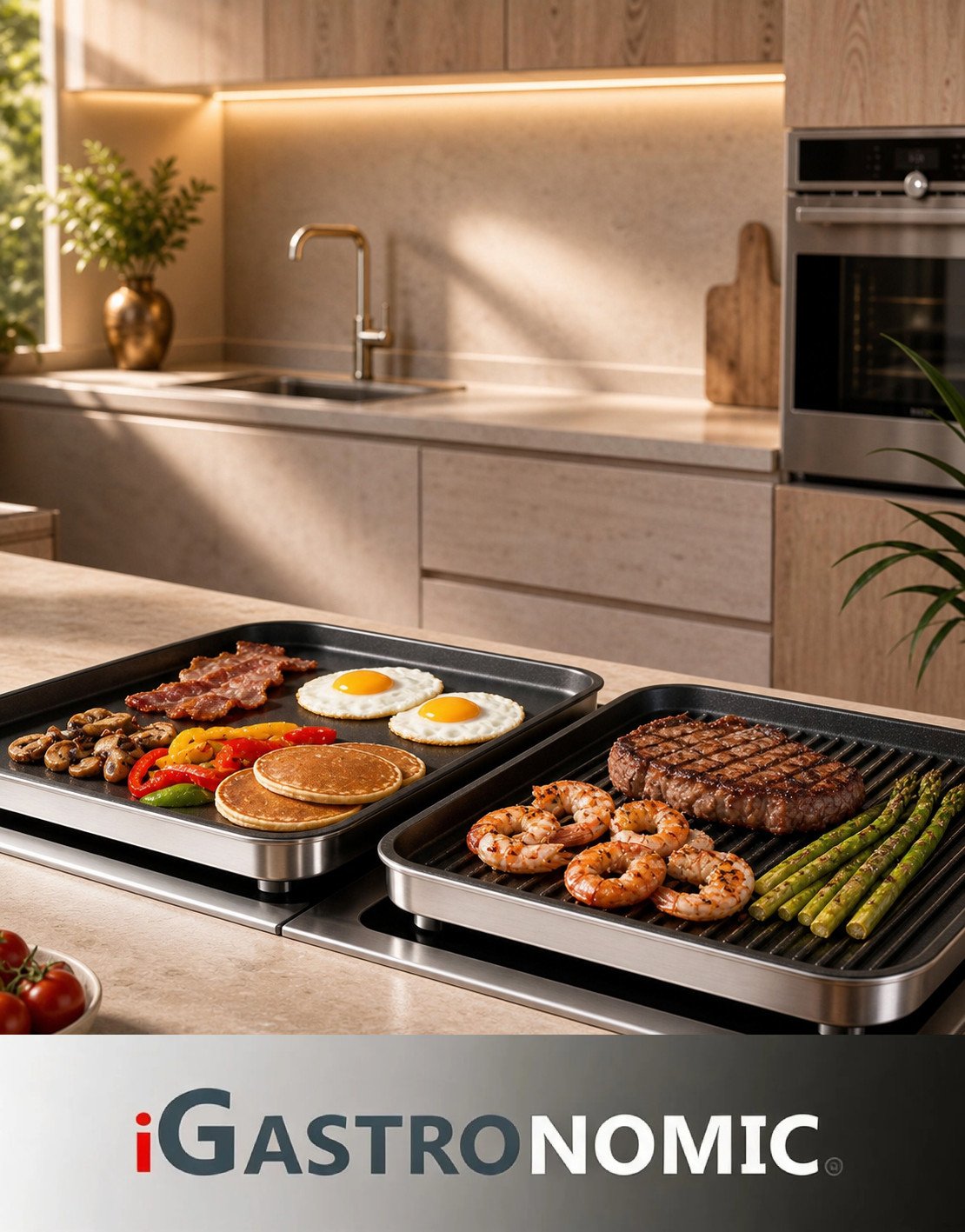 What Can You Cook on an Electric Fry Top? A Complete Guide
An electric fry top is a versatile kitchen appliance that offers a large, evenly heated cooking surface perfect for a...Read more
What Can You Cook on an Electric Fry Top? A Complete Guide
An electric fry top is a versatile kitchen appliance that offers a large, evenly heated cooking surface perfect for a...Read more -
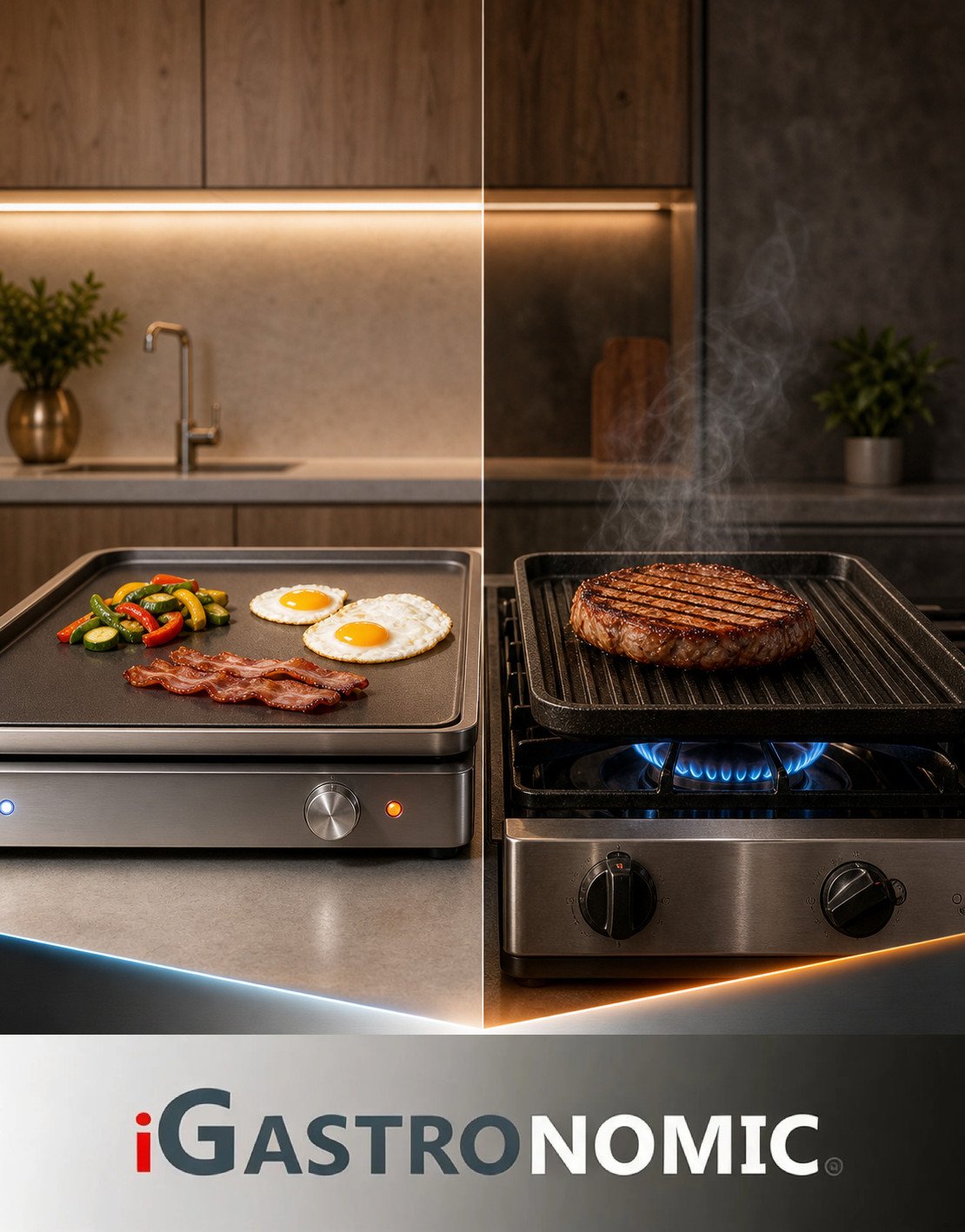 Electric Fry Top vs Gas: Advantages and Disadvantages Compared
Choosing between an electric and gas fry top can be challenging. Electric fry tops offer precise temperature control,...Read more
Electric Fry Top vs Gas: Advantages and Disadvantages Compared
Choosing between an electric and gas fry top can be challenging. Electric fry tops offer precise temperature control,...Read more
Leave a comment