
 Deutsch
 Türkçe
 Italiano

.jpg)
.jpg)
.jpg)
.jpg)
.jpg)
.jpg)
.jpg)
.jpg)
.jpg)
.jpg)

.jpg)

.jpg)
.jpg)
.jpg)
.jpg)
.jpg)
.jpg)
.jpg)
.jpg)
.jpg)
.jpg)



.jpg)
.jpg)
.jpg)
.jpg)
.jpg)
.jpg)
.jpg)
.jpg)
.jpg)


.jpg)
.jpg)

.jpg)
.jpg)
.jpg)
.jpg)


.jpg)

.png)
.jpg)
.jpg)
 (200 x 136 px) (5).png)
.png)

More and more restaurateurs and resourceful entrepreneurs are discovering the enormous potential of pizza vending...
-
 Cooking Appliances
add remove
Cooking Appliances
add remove -
-
Pizza & Grill
add remove
-
-
Refrigeration
add remove
-
-
Combi Steamer
add remove
-
-
Kitchen Appliances
add remove
-
-
Rinsing & Cleaning
add remove
-
-
Retail Refrigeration
add remove
-
-
Cafe & Ice Cream
add remove
-
-
Smart-Gastro
add remove
-
-
Event- & Cateringmöbel
-
Cooking Appliances
add remove
-
-
Pizza & Grill
add remove
-
-
Refrigeration
add remove
-
-
Combi Steamer
add remove
-
-
Kitchen Appliances
add remove
-
-
Rinsing & Cleaning
add remove
-
-
Retail Refrigeration
add remove
-
-
Cafe & Ice Cream
add remove
-
-
Smart-Gastro
add remove
-
-
Event- & Cateringmöbel


Call us:
+49 (0) 6135 7040 450Latest posts
-
 The Ultimate Guide: Pizza Vending Machines – Earnings, Costs & Experiences in the 24/7Read more
 -
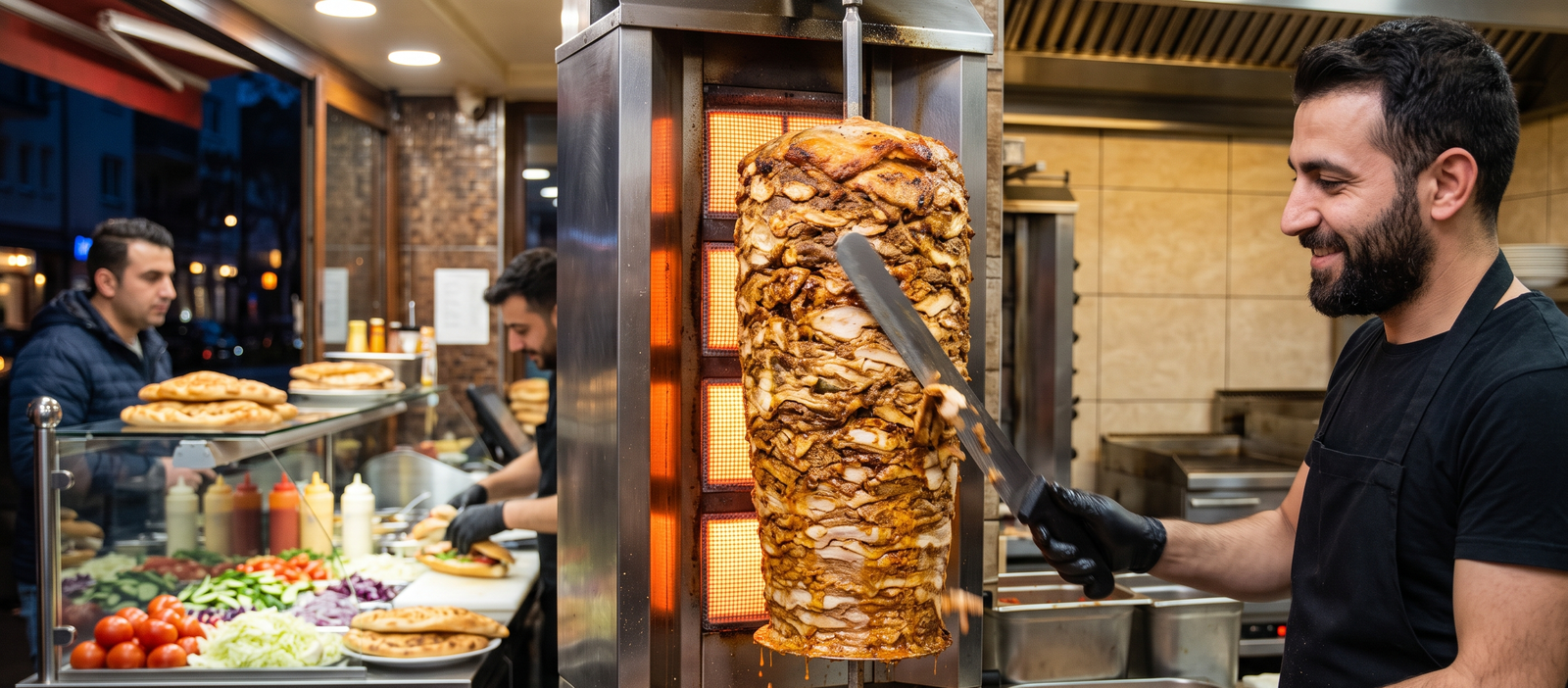
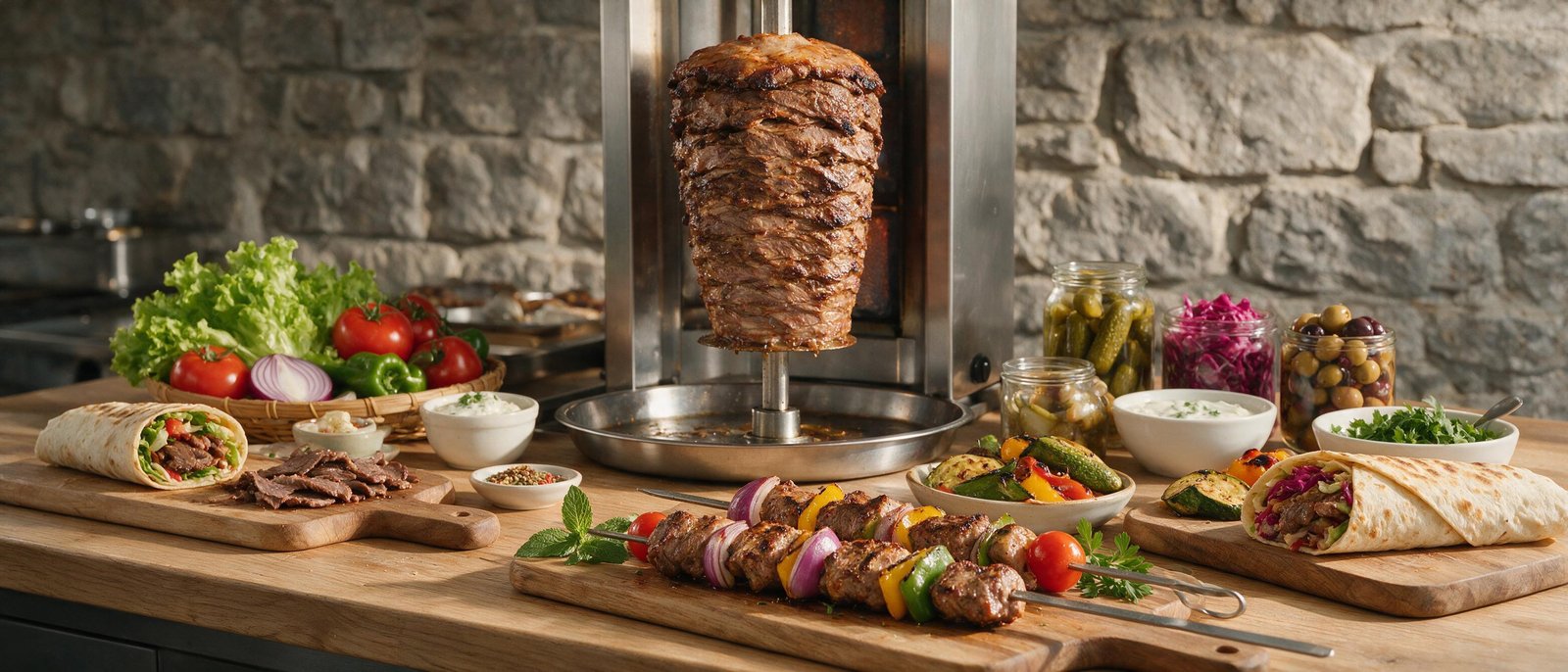 Döner vs. Shawarma vs. Kebab: Understanding the Terms and Differences for Your Food BusinessRead more
Are you confused about the difference between Döner, Shawarma, and Kebab? These popular meat dishes, often seen on...
-
 The 10 Best Döner Kebabs in Berlin (2026): The Ultimate Ranking Based on Real Customer ReviewsRead more
Berlin is the undisputed döner capital of the world. But with over 1,000 shops, the question arises: Which one is...
-
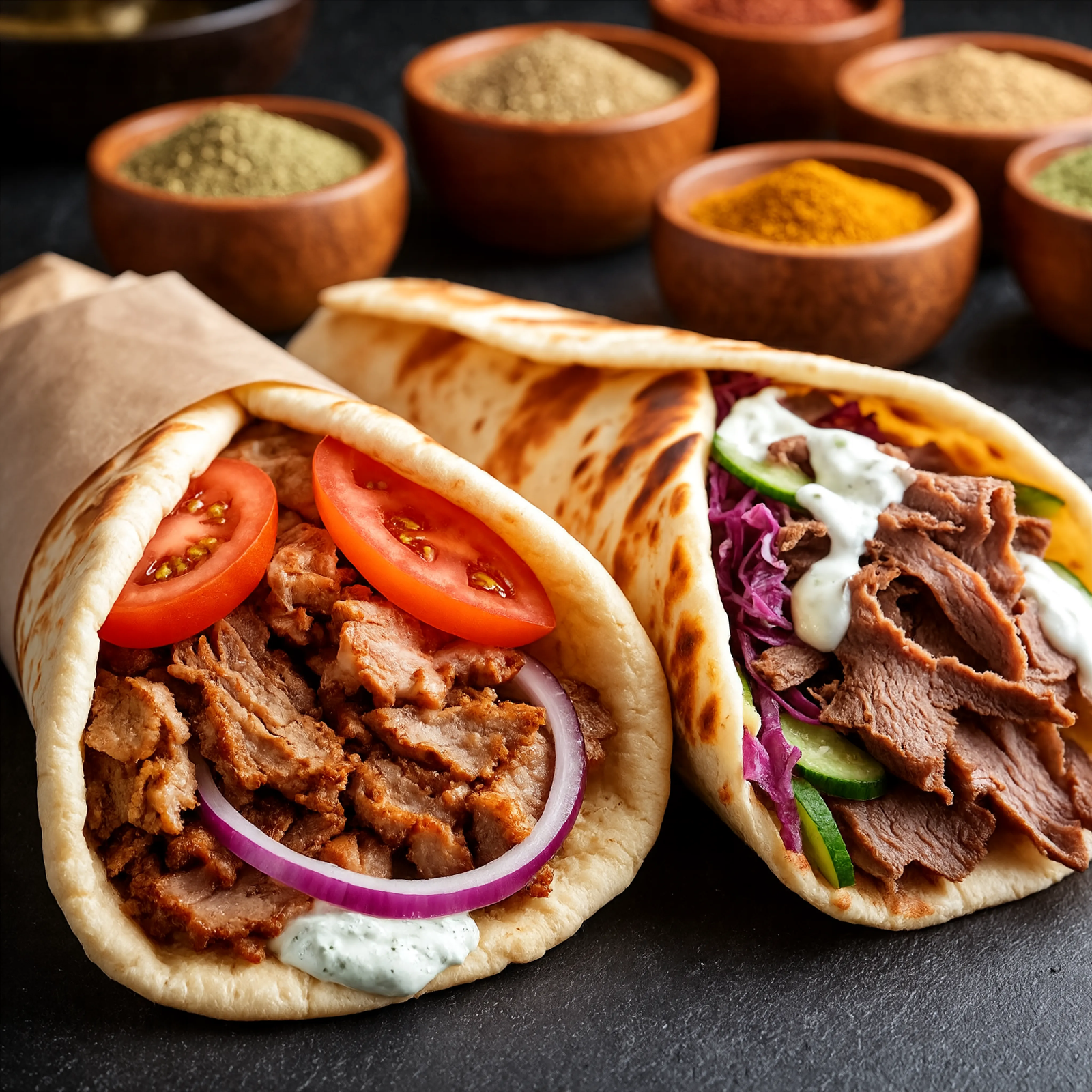 Gyros vs. Döner: Understanding the Differences in Preparation, Seasoning, and Meat Selection for Your MenuRead more
Gyros and Döner are two iconic Mediterranean dishes often confused due to their similar appearance and cooking style....
-
 Welche Temperatur braucht ein Dönergrill? Richtwerte für die Gastronomie → Optimale Garzeiten und Temperaturen für perfekte ErgebnisseRead more
Der Dönergrill ist das Herzstück jeder Döner-Gastronomie. Die richtige Temperatur am Grill entscheidet maßgeblich...
-
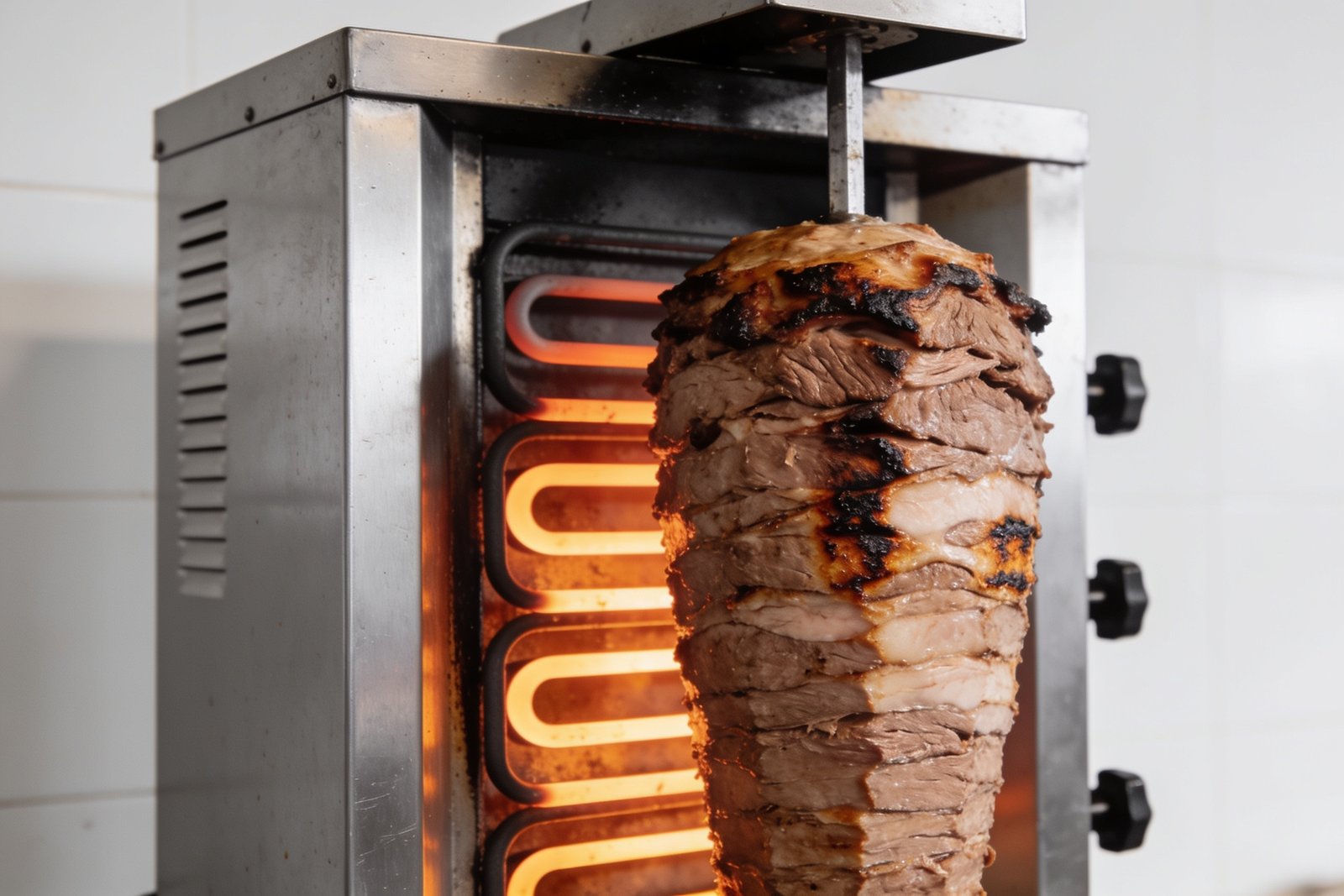 Döner Grill Heating Unevenly? Troubleshooting & Solutions → Recognize and Professionally Fix Common Device ProblemsRead more
Is your Döner grill heating unevenly? This can lead to poorly cooked meat and frustrated customers. In this guide, we...
-
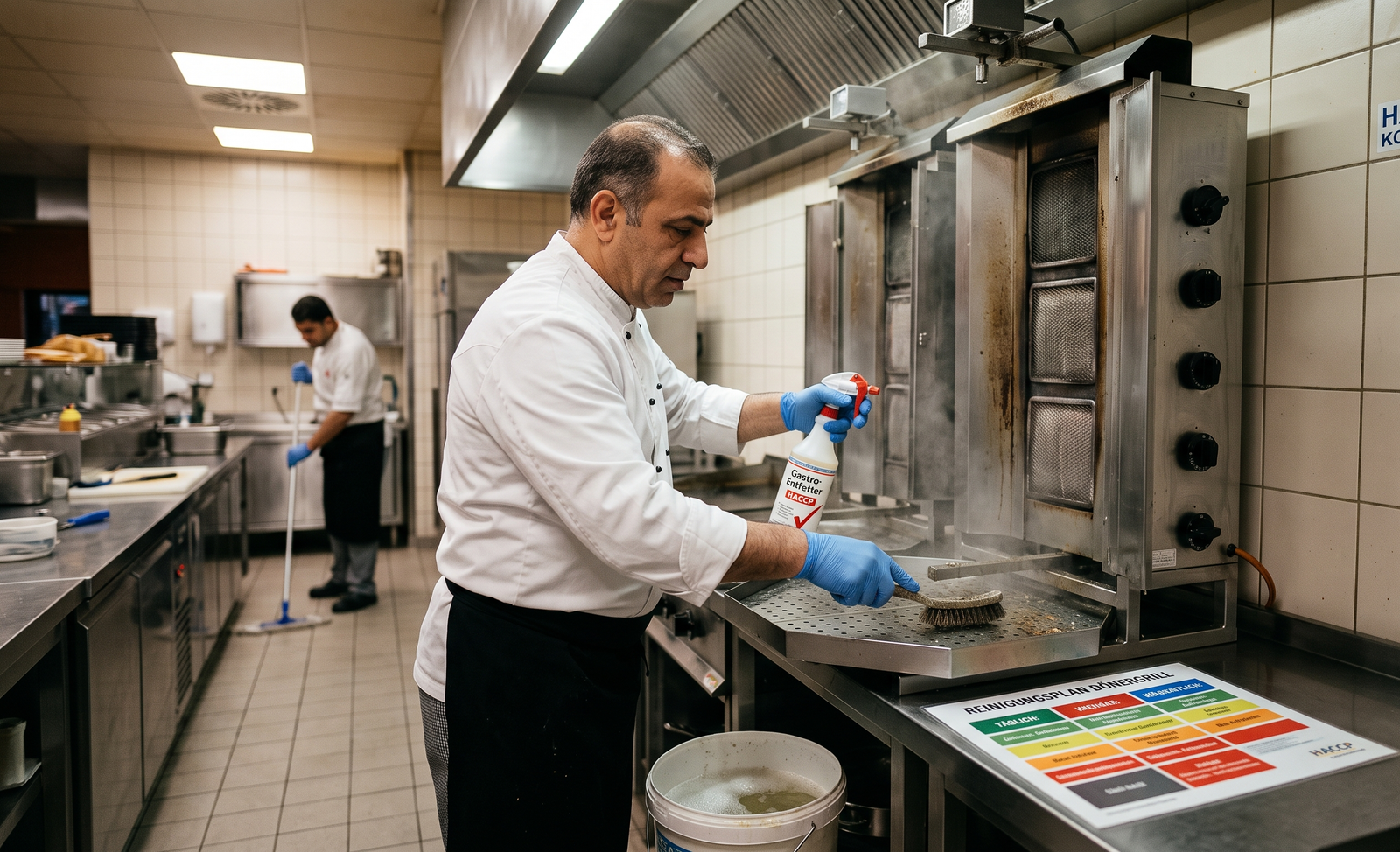 Proper Cleaning of Döner Grills: Care & Hygiene in Gastronomy → Equipment Cleaning According to HACCP Guidelines and Food Hygiene Regulations (LMHV)Read more
The Döner grill is a staple in many gastronomy businesses, and proper cleaning is essential to maintain hygiene and...
-
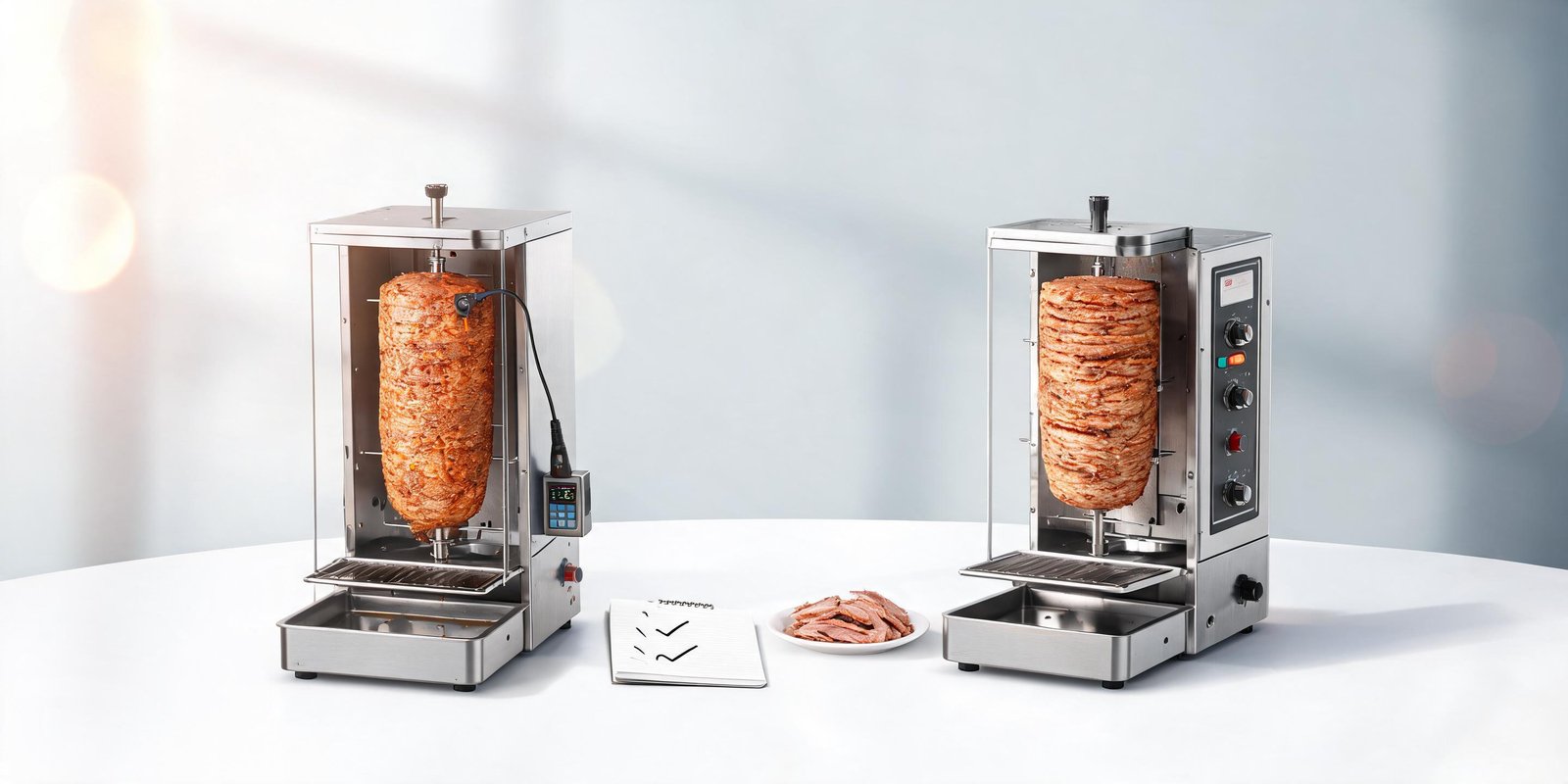 Commercial Döner Grill Tests & Reviews Overview → Make Informed Purchase Decisions with Current Product ComparisonsRead more
Choosing the right commercial Döner grill is essential for any food business specializing in this popular dish. This...
-
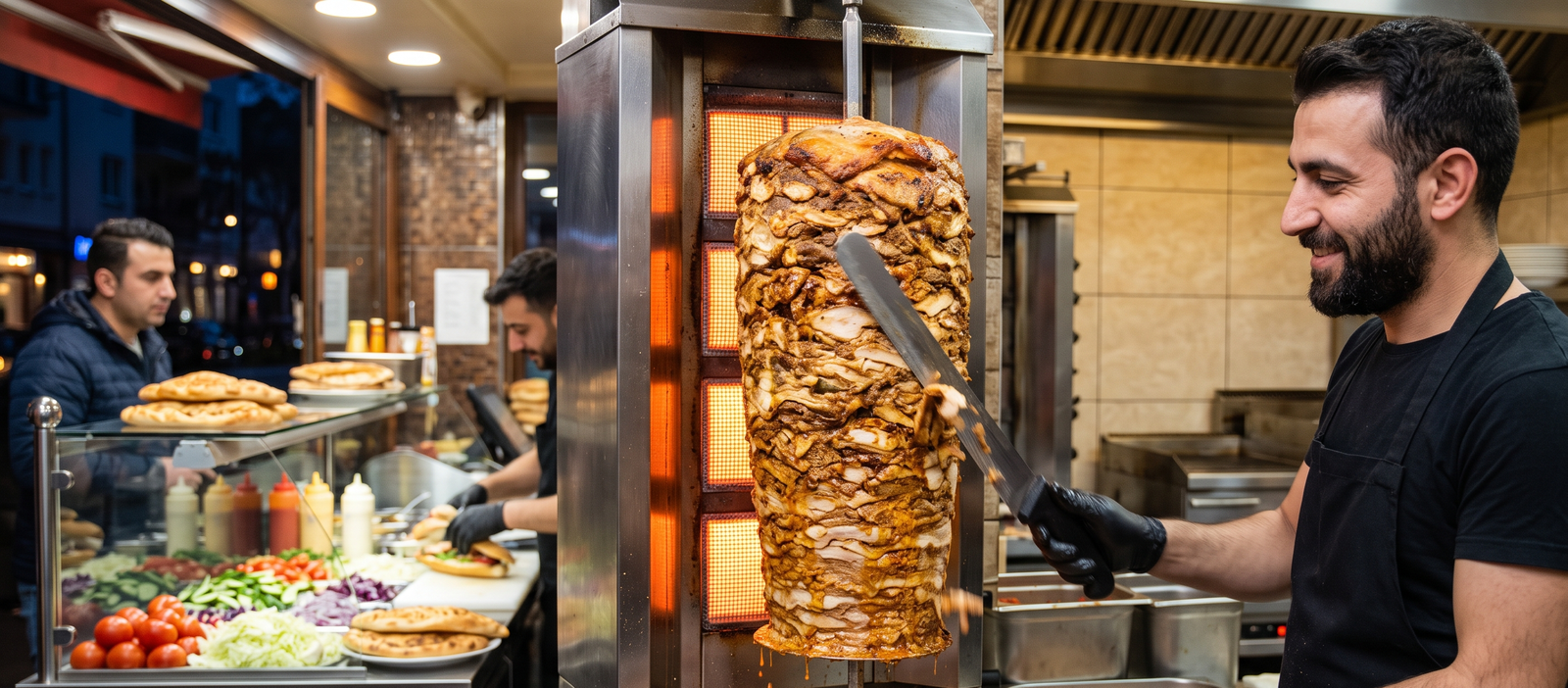 Why Is Döner Meat Grilled Vertically? Technology & Advantages Explained → The Functionality of the Vertical Grill and Its Benefits for the Gastronomy IndustryRead more
Döner kebab is famous worldwide for its juicy, flavorful meat cooked on a vertical spit. But why is the meat grilled...
-
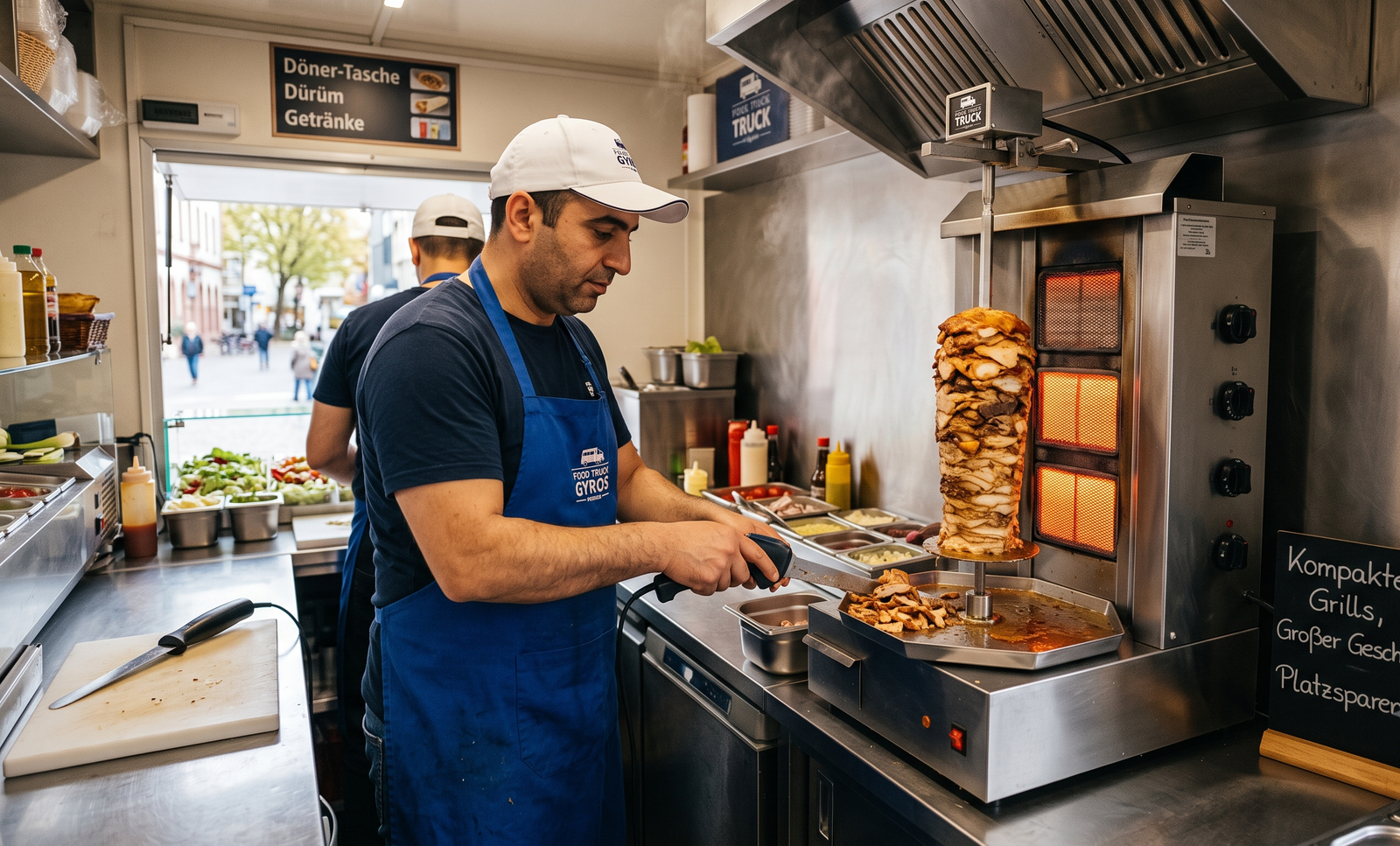 Compact Döner Grills for Small Snack Bars & Food Trucks → Space-Saving Solutions for Limited SpacesRead more
Small snack bars and food trucks often struggle with limited space, making it challenging to accommodate large...
Blog categories
Search in blog
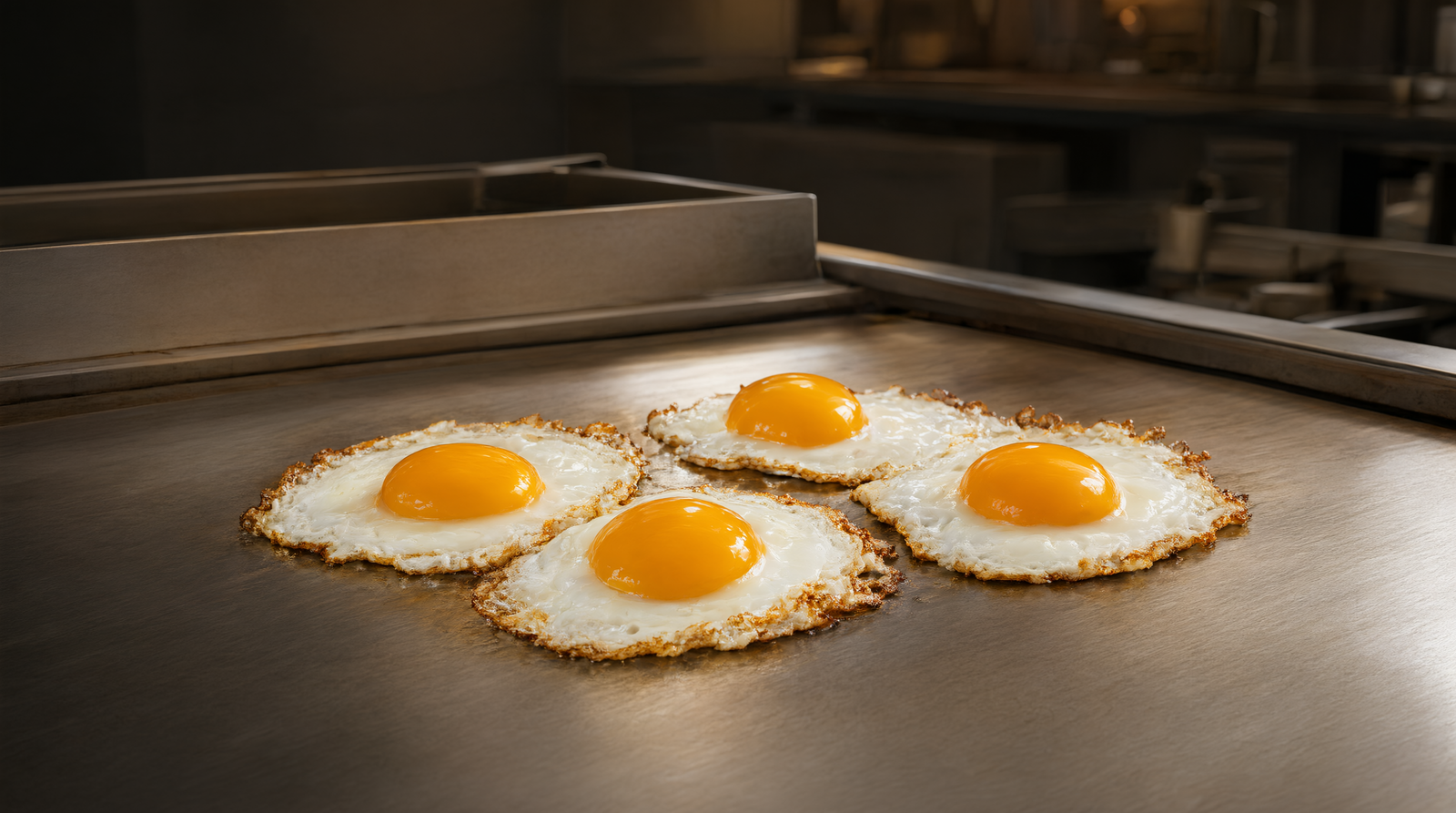
How to Cook Eggs on a Fry Top Without Sticking: The Ultimate Guide
How to Cook Eggs on a Fry Top Without Sticking: The Ultimate Guide
Cooking eggs on a fry top can be a delightful experience, especially when you get that perfect golden edge and soft, fluffy center. However, one of the most common challenges many people face is eggs sticking to the surface, making the cooking process frustrating and cleanup a nightmare. Whether you're a professional chef or a home cook, mastering the art of cooking eggs on a fry top without sticking is a valuable skill.
What is a Fry Top?
A fry top, also known as a griddle or plancha, is a flat cooking surface typically made of cast iron, stainless steel, or chrome steel. It is widely used in commercial kitchens and increasingly popular in home cooking for its versatility and ability to cook multiple ingredients at once. The even heat distribution and large surface area make it perfect for cooking eggs, pancakes, vegetables, and meats.
Why Do Eggs Stick on a Fry Top?
Eggs are notorious for sticking to cooking surfaces, especially if the surface isn't properly prepared or maintained. Several factors contribute to eggs sticking on a fry top:
- Surface temperature: If the fry top is too cold, eggs will stick. Conversely, if it’s too hot, eggs can burn and stick as well.
- Surface condition: A new or poorly seasoned fry top can cause sticking. Residual food particles or rust can also affect the surface.
- Insufficient fat or oil: Eggs need a layer of fat to create a barrier between the egg and the metal.
- Type of eggs: Fresh eggs tend to stick less than older eggs.
Step-by-Step Guide: How to Cook Eggs on a Fry Top Without Sticking
1. Prepare Your Fry Top
Before cooking, ensure your fry top is clean and properly seasoned. Seasoning is a process where you build up a layer of polymerized oil on the surface, creating a natural non-stick coating.
- Cleaning: Remove any leftover food or grease with a scraper and a damp cloth. Avoid using harsh detergents that can strip the seasoning.
- Seasoning: Heat the fry top to a medium-high temperature, then apply a thin layer of high-smoke-point oil (like flaxseed, canola, or grapeseed oil). Spread it evenly with a paper towel or cloth. Let it smoke and polymerize for 10-15 minutes, then wipe off excess oil. Repeat this process 2-3 times if your fry top is new or hasn’t been seasoned recently.
2. Preheat the Fry Top Properly
Preheating is crucial. Turn your fry top on and let it heat gradually to medium heat (around 250-300°F or 120-150°C). Use an infrared thermometer if you have one to check the temperature. Avoid cooking on a cold or overly hot surface.
3. Use the Right Fat
Once the fry top is preheated, add a generous amount of fat. Butter, clarified butter (ghee), or oils with a high smoke point work best. Butter adds flavor but can burn quickly, so clarified butter or neutral oils are often preferred for longer cooking.
Spread the fat evenly across the surface using a spatula or paper towel. This creates a lubricated layer that prevents sticking.
4. Crack the Eggs Carefully
Crack your eggs into a small bowl first, then gently pour them onto the fry top. This helps avoid shell fragments and allows you to control the placement.
5. Cook the Eggs with Patience
Allow the eggs to cook undisturbed for a couple of minutes. The proteins will start to set and form a natural barrier, making it easier to flip or remove them.
6. Use the Right Tools
A thin, flexible metal spatula is ideal for lifting eggs from a fry top. Gently slide the spatula under the eggs, loosening any edges that might be sticking. Avoid forcing or scraping aggressively as this can tear the eggs and damage the seasoning.
7. Adjust Heat as Needed
If you notice the eggs are browning too quickly or sticking, lower the heat slightly. Cooking eggs gently on medium or medium-low heat usually yields the best results.
8. Clean and Maintain Your Fry Top After Cooking
After cooking, clean your fry top while it’s still warm. Use a scraper to remove food debris, then wipe with a damp cloth. Avoid using soap or abrasive materials that can strip the seasoning. After cleaning, apply a thin layer of oil to protect the surface from rust.
Additional Tips and Tricks
Use Fresh Eggs
Fresh eggs tend to have thicker whites and stronger membranes, which reduce sticking. If possible, buy eggs from local farms or stores with high turnover.
Consider Adding a Little Water
Some cooks swear by adding a teaspoon of water near the eggs and covering the fry top with a lid or dome. The steam helps cook the eggs evenly and prevents sticking.
Try Non-Stick Sprays Sparingly
While non-stick sprays can help, be cautious as some sprays can build up residue over time, damaging your fry top’s seasoning.
Practice Makes Perfect
Every fry top heats differently based on its material and thickness. Spend some time experimenting with heat levels and oil quantities to find what works best for your setup.
Common Mistakes to Avoid
- Cooking on a cold fry top: Eggs will stick immediately if the surface isn’t hot enough.
- Using too little fat: Eggs need enough fat to create a barrier.
- Overcrowding the fry top: Cooking too many eggs at once lowers the surface temperature and causes sticking.
- Scraping too hard: Aggressive scraping can damage the seasoning and cause more sticking in future uses.
How to Season Your Fry Top: A Quick Guide
Seasoning your fry top is essential for non-stick cooking. Here’s a simple method:
- Clean the fry top thoroughly and dry it completely.
- Heat the surface over medium-high heat until it’s hot.
- Apply a thin layer of high-smoke-point oil evenly across the surface.
- Allow the oil to smoke and polymerize for 10-15 minutes.
- Turn off the heat and let the surface cool.
- Wipe off any excess oil with a clean cloth.
- Repeat 2-3 times for new or unseasoned fry tops.
Conclusion
Cooking eggs on a fry top without sticking is all about preparation, temperature control, and using the right tools and fats. By properly seasoning your fry top, preheating it correctly, and cooking with patience, you can enjoy perfectly cooked eggs every time. Remember, the key is to respect the surface and treat it well — a well-maintained fry top will reward you with delicious, easy-to-cook meals for years to come.
So next time you want to impress with a simple yet delicious breakfast or brunch, grab your fry top, follow these tips, and enjoy eggs cooked to perfection without the hassle of sticking!
Frequently Asked Questions (FAQs)
Can I use butter instead of oil on a fry top?
Yes, butter adds great flavor but has a lower smoke point than oils like canola or grapeseed. Clarified butter (ghee) is a good alternative as it has a higher smoke point.
How do I know when my fry top is at the right temperature?
Use an infrared thermometer if available. For eggs, aim for around 250-300°F (120-150°C). If you don’t have a thermometer, sprinkle a few drops of water on the surface — if they sizzle and evaporate quickly, the surface is ready.
What if my eggs still stick despite seasoning?
Try increasing the amount of fat, adjusting the heat, or seasoning the fry top again. Sometimes new fry tops require multiple seasoning sessions.
Can I cook other foods on the same fry top?
Absolutely! Fry tops are versatile and great for cooking pancakes, bacon, vegetables, and meats. Just clean and oil the surface between uses to maintain seasoning.
How do I clean a fry top without damaging the seasoning?
Use a scraper to remove food debris and wipe with a damp cloth. Avoid soap or abrasive cleaners. After cleaning, apply a thin layer of oil to protect the surface.
Happy cooking!
Related posts
-
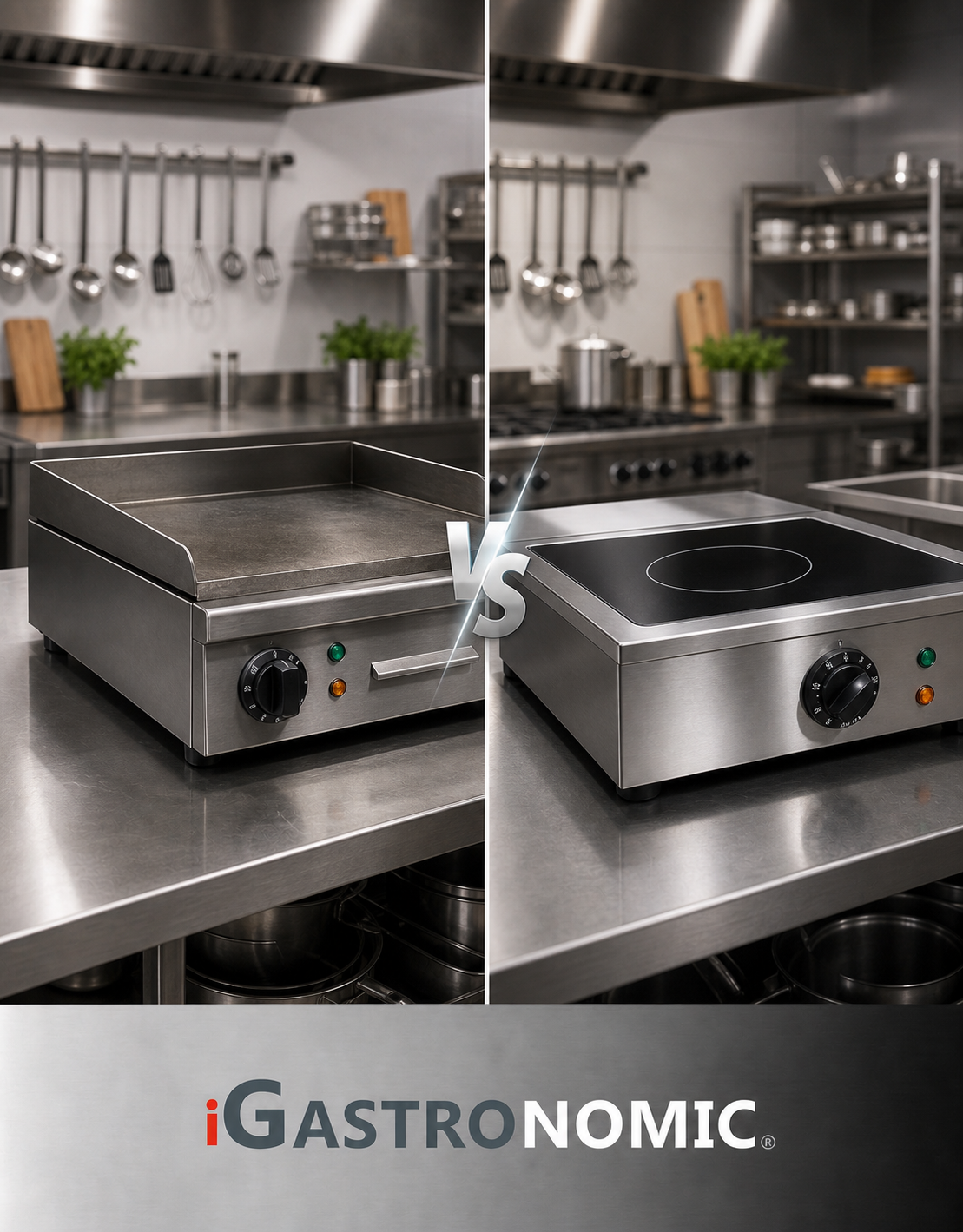 Fry Top vs Piastra Elettrica: Which One Should You Choose for Your Kitchen?
Choosing the right cooking appliance can transform your kitchen experience. Two popular options are the Fry Top and...Read more
Fry Top vs Piastra Elettrica: Which One Should You Choose for Your Kitchen?
Choosing the right cooking appliance can transform your kitchen experience. Two popular options are the Fry Top and...Read more -
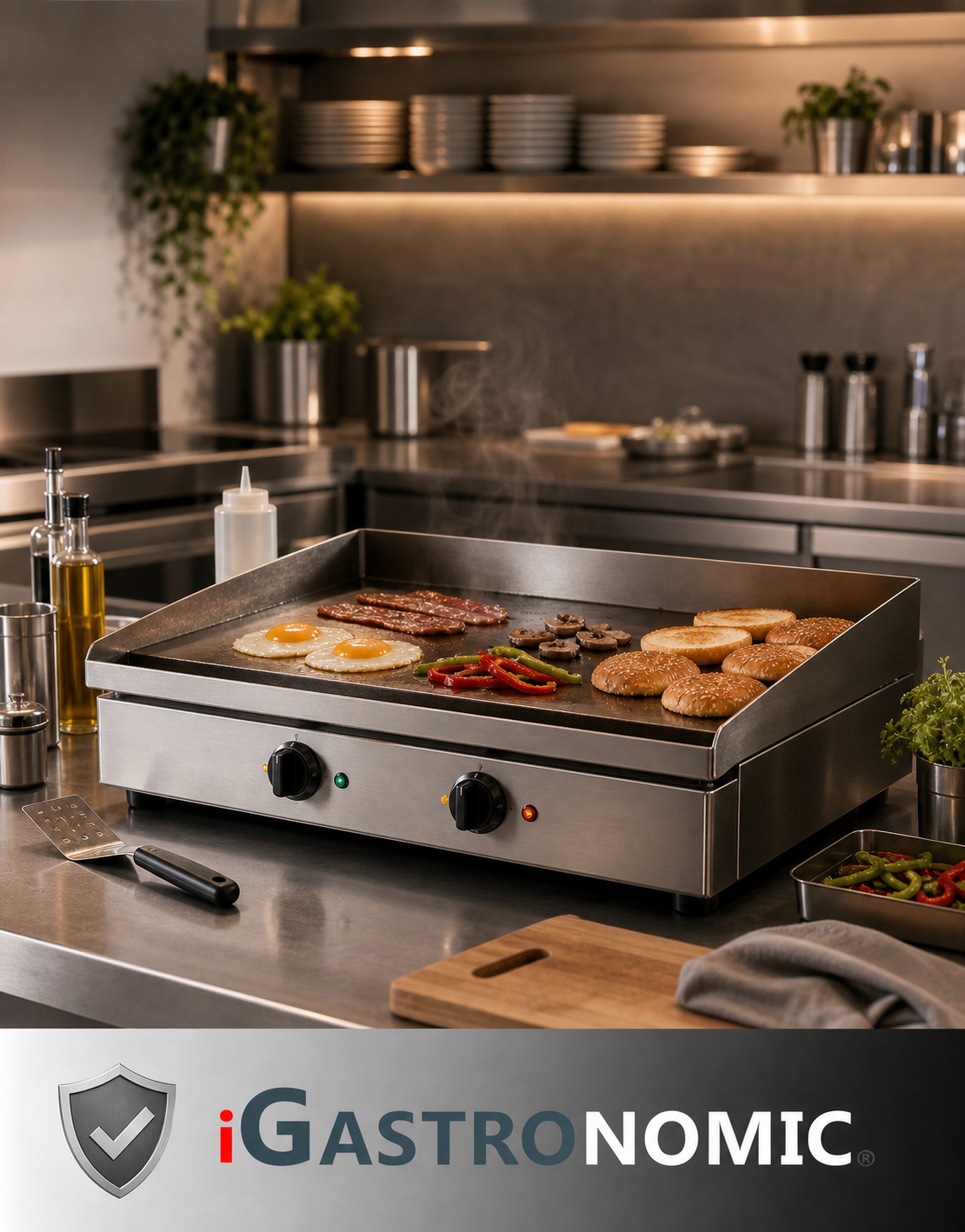 How to Use a Fry Top: A Complete Beginner's Guide
A fry top is a flat, smooth cooking surface that offers even heat distribution and a large area to cook multiple...Read more
How to Use a Fry Top: A Complete Beginner's Guide
A fry top is a flat, smooth cooking surface that offers even heat distribution and a large area to cook multiple...Read more -
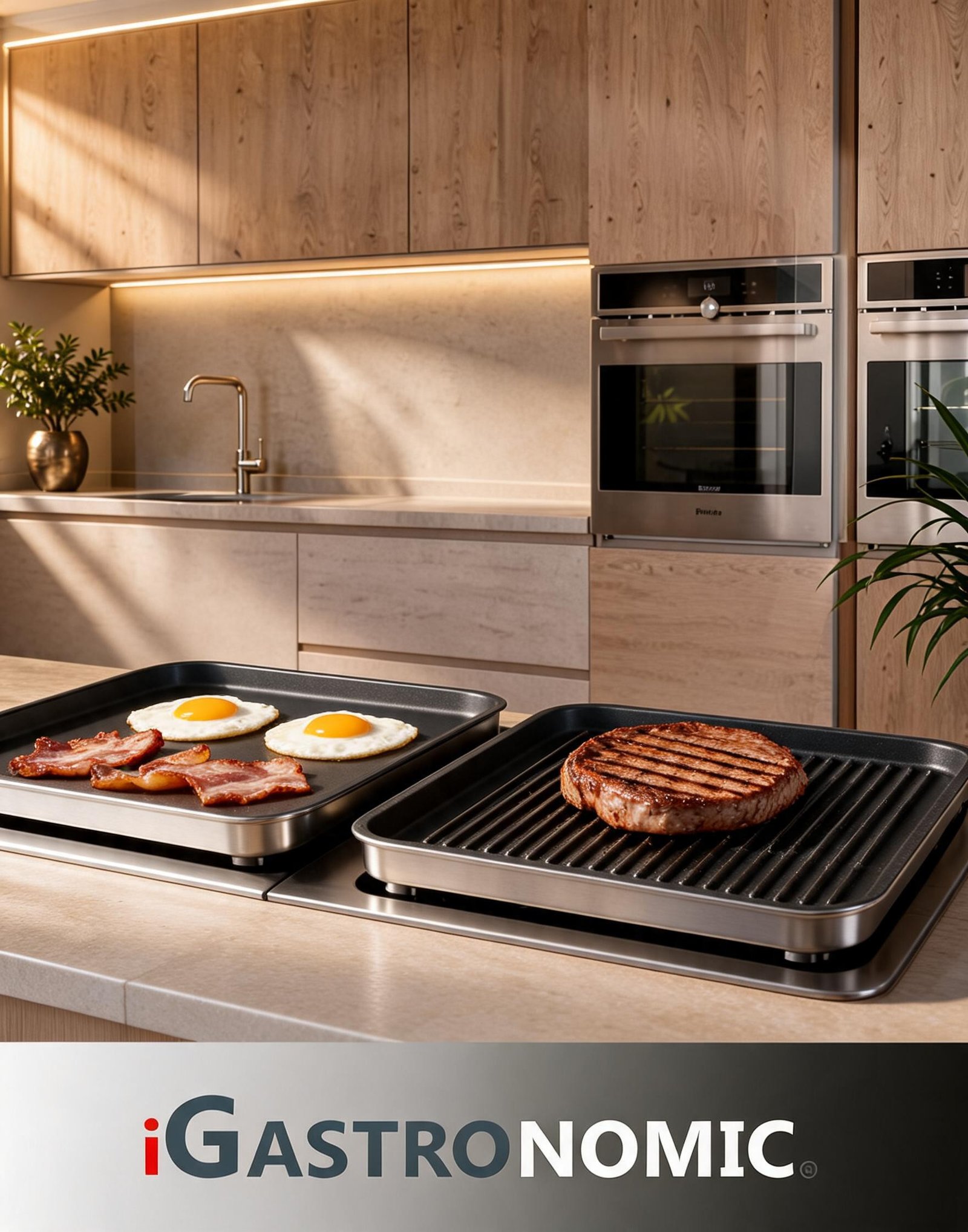 Fry Top Smooth or Ribbed? Which Is Better for Cooking?
Choosing between a smooth (liscio) and ribbed (rigato) fry top can significantly impact your cooking experience....Read more
Fry Top Smooth or Ribbed? Which Is Better for Cooking?
Choosing between a smooth (liscio) and ribbed (rigato) fry top can significantly impact your cooking experience....Read more -
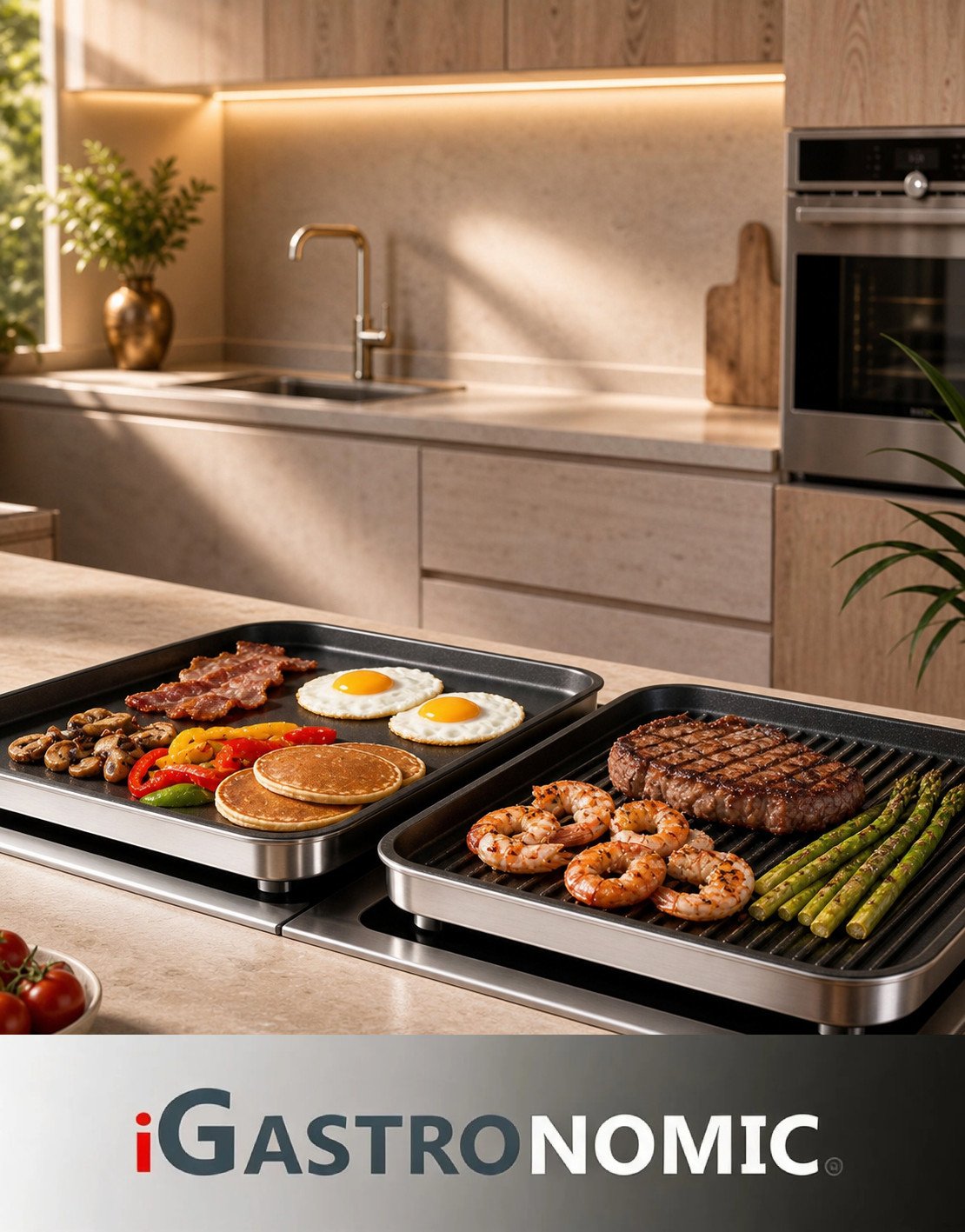 What Can You Cook on an Electric Fry Top? A Complete Guide
An electric fry top is a versatile kitchen appliance that offers a large, evenly heated cooking surface perfect for a...Read more
What Can You Cook on an Electric Fry Top? A Complete Guide
An electric fry top is a versatile kitchen appliance that offers a large, evenly heated cooking surface perfect for a...Read more -
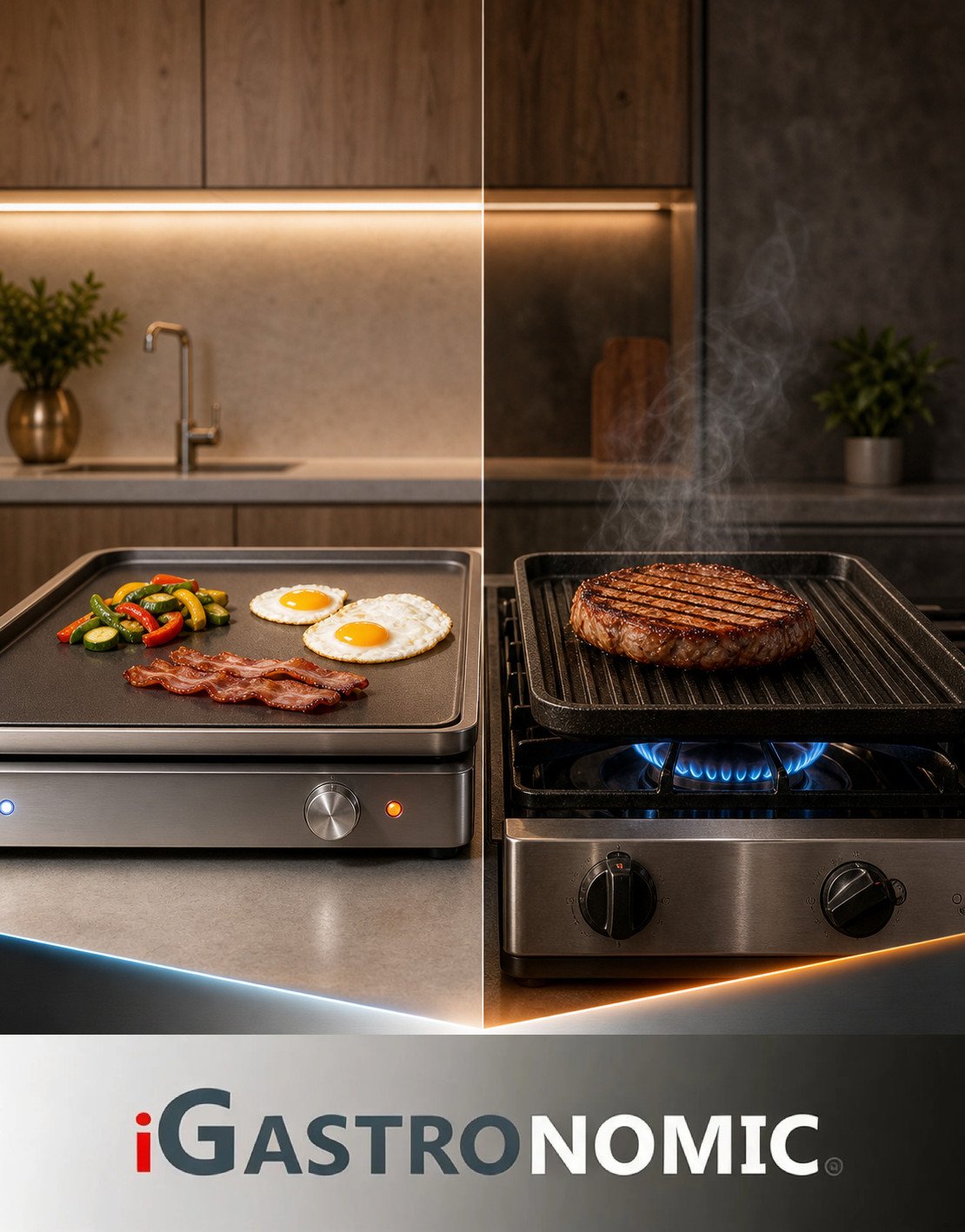 Electric Fry Top vs Gas: Advantages and Disadvantages Compared
Choosing between an electric and gas fry top can be challenging. Electric fry tops offer precise temperature control,...Read more
Electric Fry Top vs Gas: Advantages and Disadvantages Compared
Choosing between an electric and gas fry top can be challenging. Electric fry tops offer precise temperature control,...Read more
Leave a comment