
 Deutsch
 Türkçe
 Italiano

.jpg)
.jpg)
.jpg)
.jpg)
.jpg)
.jpg)
.jpg)
.jpg)
.jpg)
.jpg)

.jpg)

.jpg)
.jpg)
.jpg)
.jpg)
.jpg)
.jpg)
.jpg)
.jpg)
.jpg)
.jpg)



.jpg)
.jpg)
.jpg)
.jpg)
.jpg)
.jpg)
.jpg)
.jpg)
.jpg)



.jpg)
.jpg)

.jpg)
.jpg)
.jpg)
.jpg)


.jpg)

.png)
.jpg)
.jpg)
 (200 x 136 px) (5).png)
.png)

Fry tops are versatile cooking surfaces popular in both professional and home kitchens. When deciding between a...
-
 Cooking Appliances
add remove
Cooking Appliances
add remove -
-
Pizza & Grill
add remove
-
-
Refrigeration
add remove
-
-
Combi Steamer
add remove
-
-
Kitchen Appliances
add remove
-
-
Rinsing & Cleaning
add remove
-
-
Retail Refrigeration
add remove
-
-
Cafe & Ice Cream
add remove
-
-
Smart-Gastro
add remove
-
-
Event- & Cateringmöbel
-
Cooking Appliances
add remove
-
-
Pizza & Grill
add remove
-
-
Refrigeration
add remove
-
-
Combi Steamer
add remove
-
-
Kitchen Appliances
add remove
-
-
Rinsing & Cleaning
add remove
-
-
Retail Refrigeration
add remove
-
-
Cafe & Ice Cream
add remove
-
-
Smart-Gastro
add remove
-
-
Event- & Cateringmöbel


Call us:
+49 (0) 6135 7040 450Latest posts
-
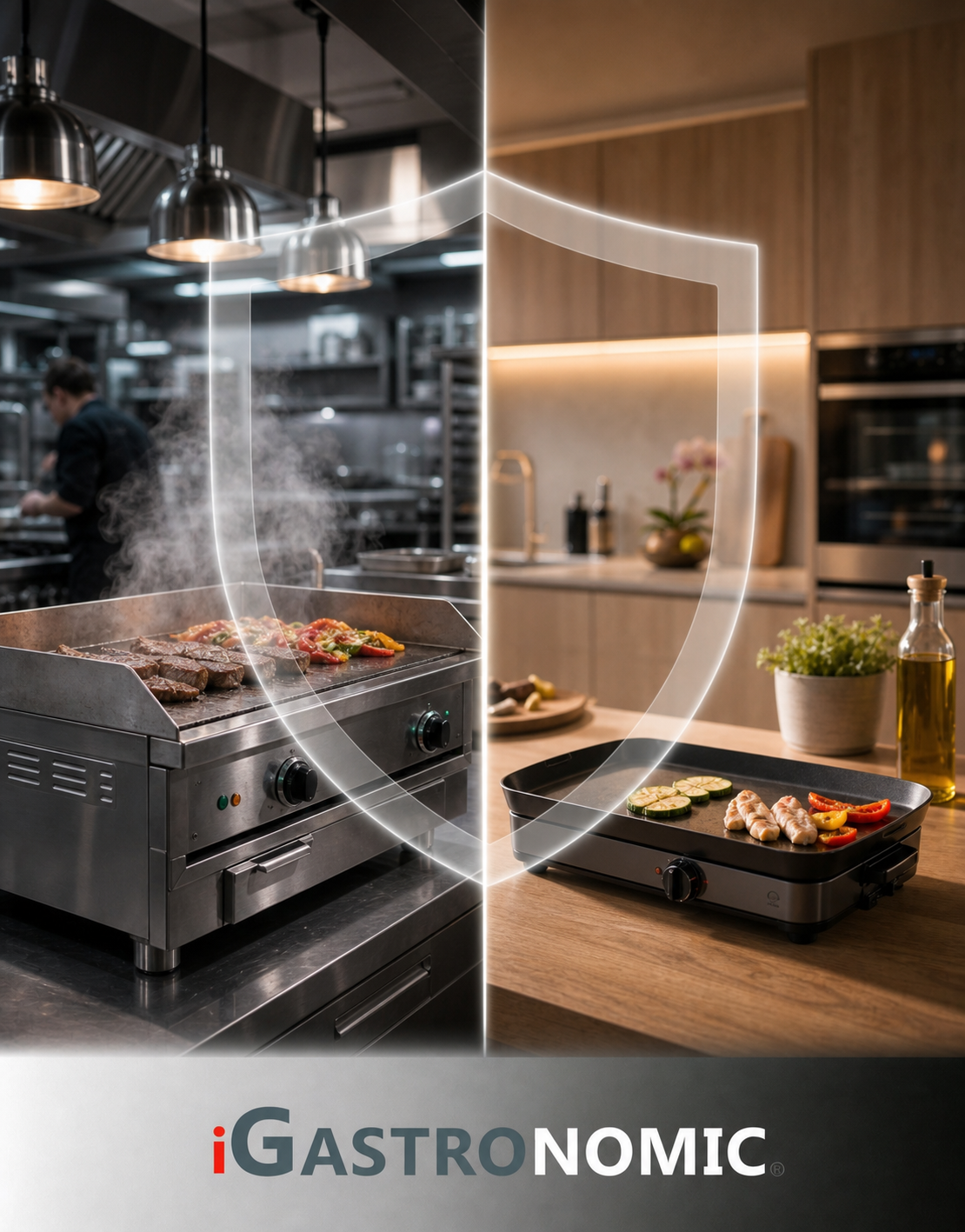 Fry Top Professionale vs Domestico: Which One Should You Buy?Read more
 -
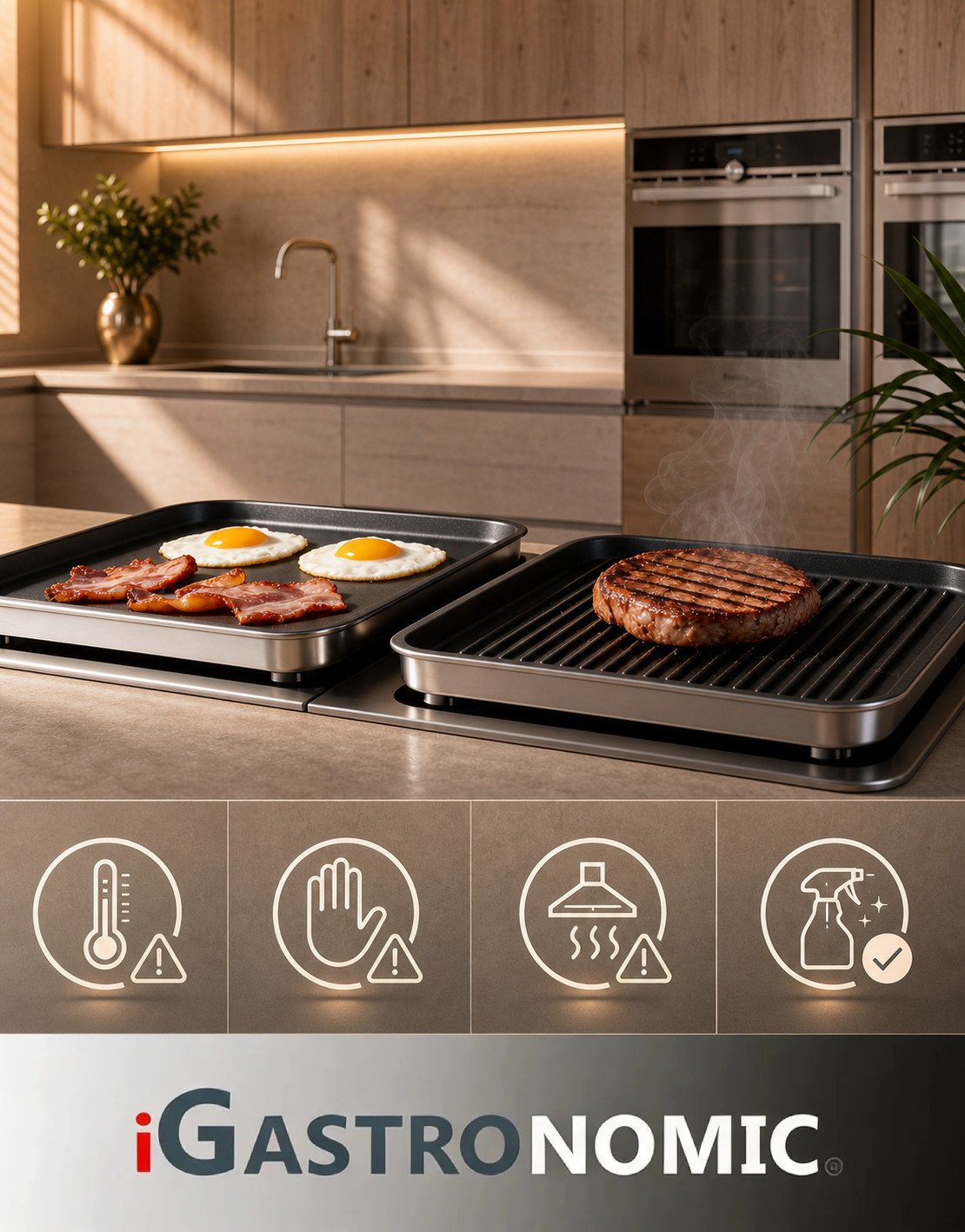 Is the Fry Top Safe to Use in the Kitchen? Risks and PrecautionsRead more
The fry top, or flat top grill, is a popular cooking appliance known for its versatility and efficiency. But is it...
-
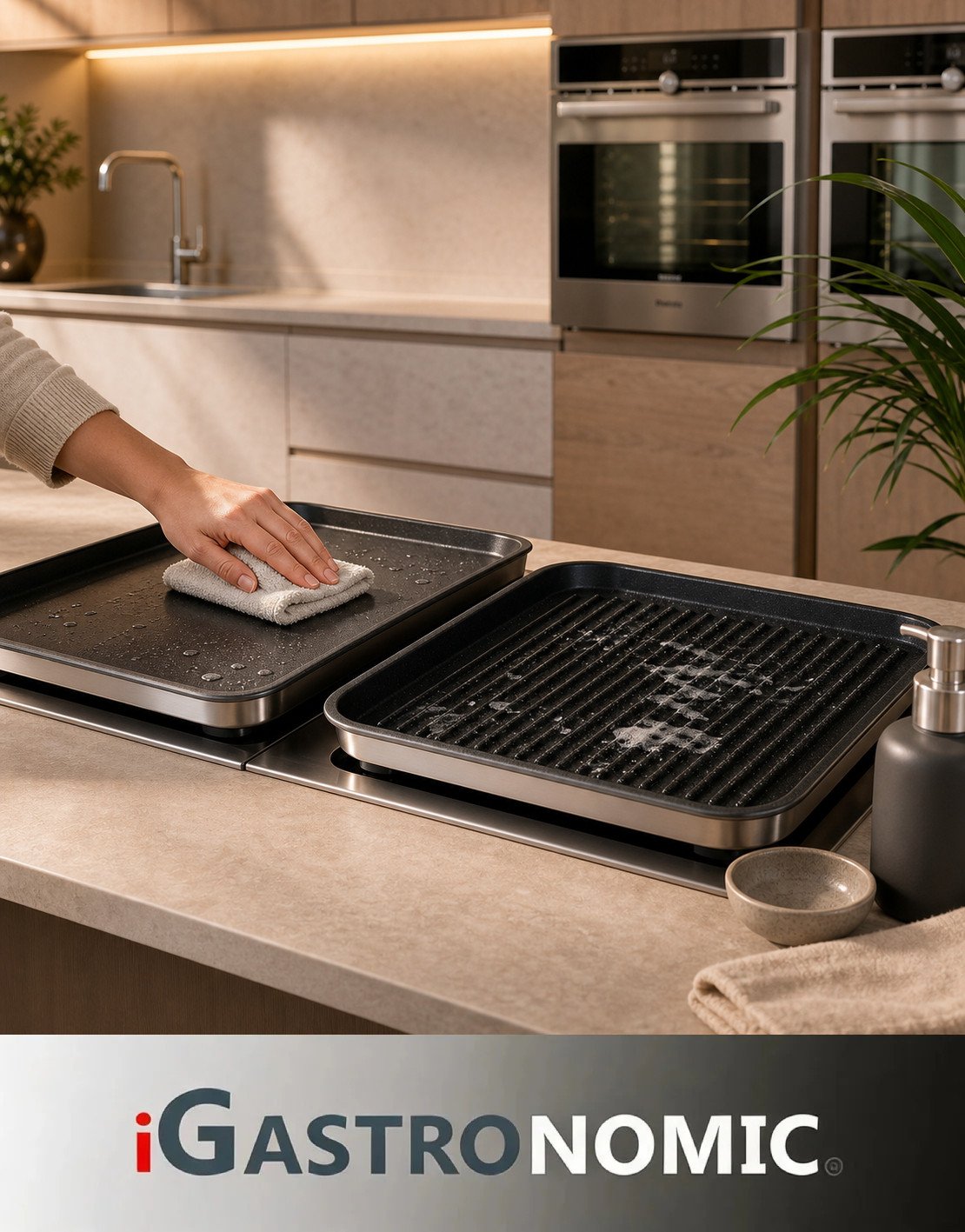 Electric Griddles: How to Clean Them Easily?Read more
Electric griddles are versatile and convenient kitchen appliances, but cleaning them can sometimes feel overwhelming....
-
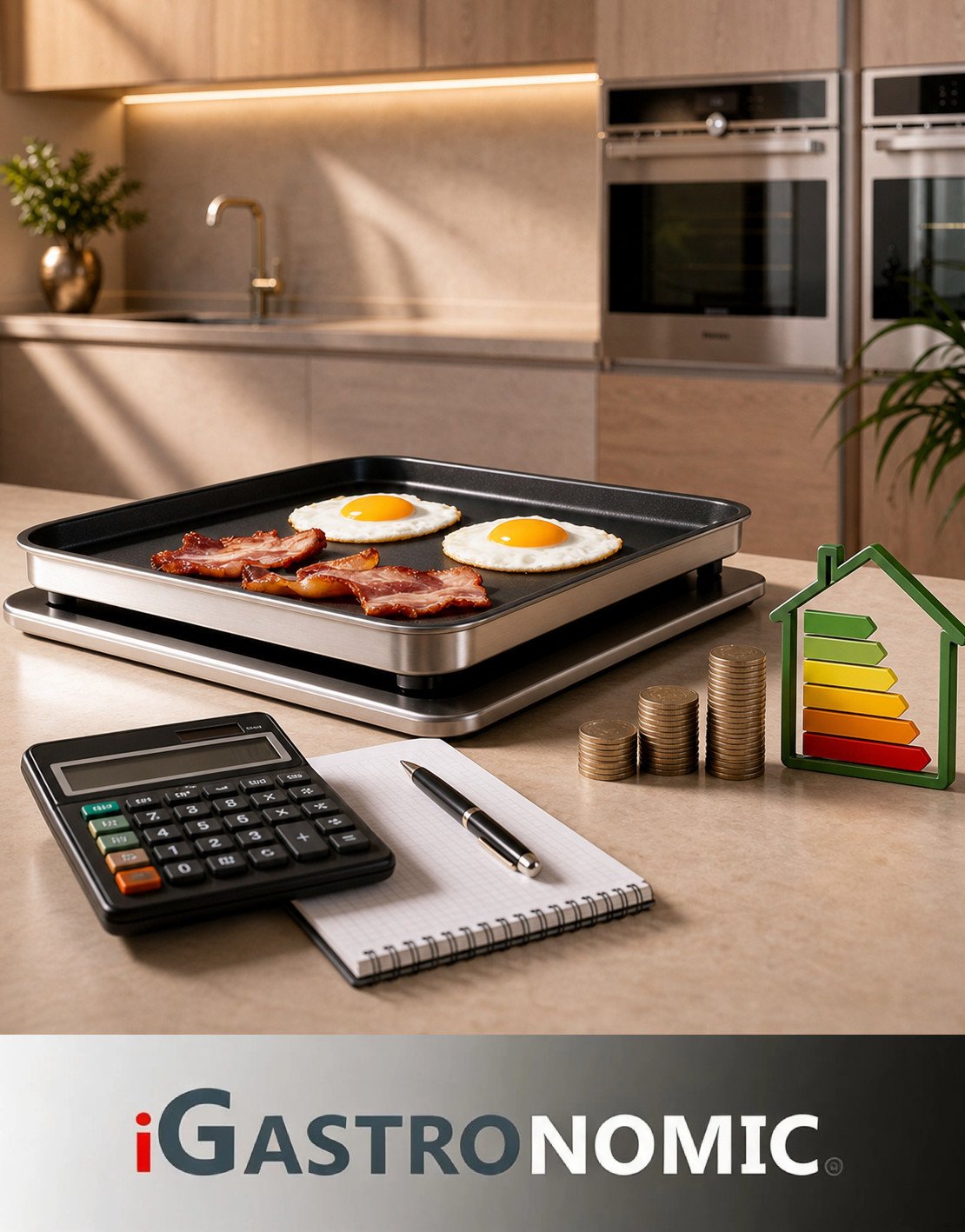 How Much Does It Cost to Operate a Fry Top? Energy Consumption and Expenses ExplainedRead more
Operating a fry top involves various costs, primarily energy consumption and maintenance expenses. Whether you use a...
-
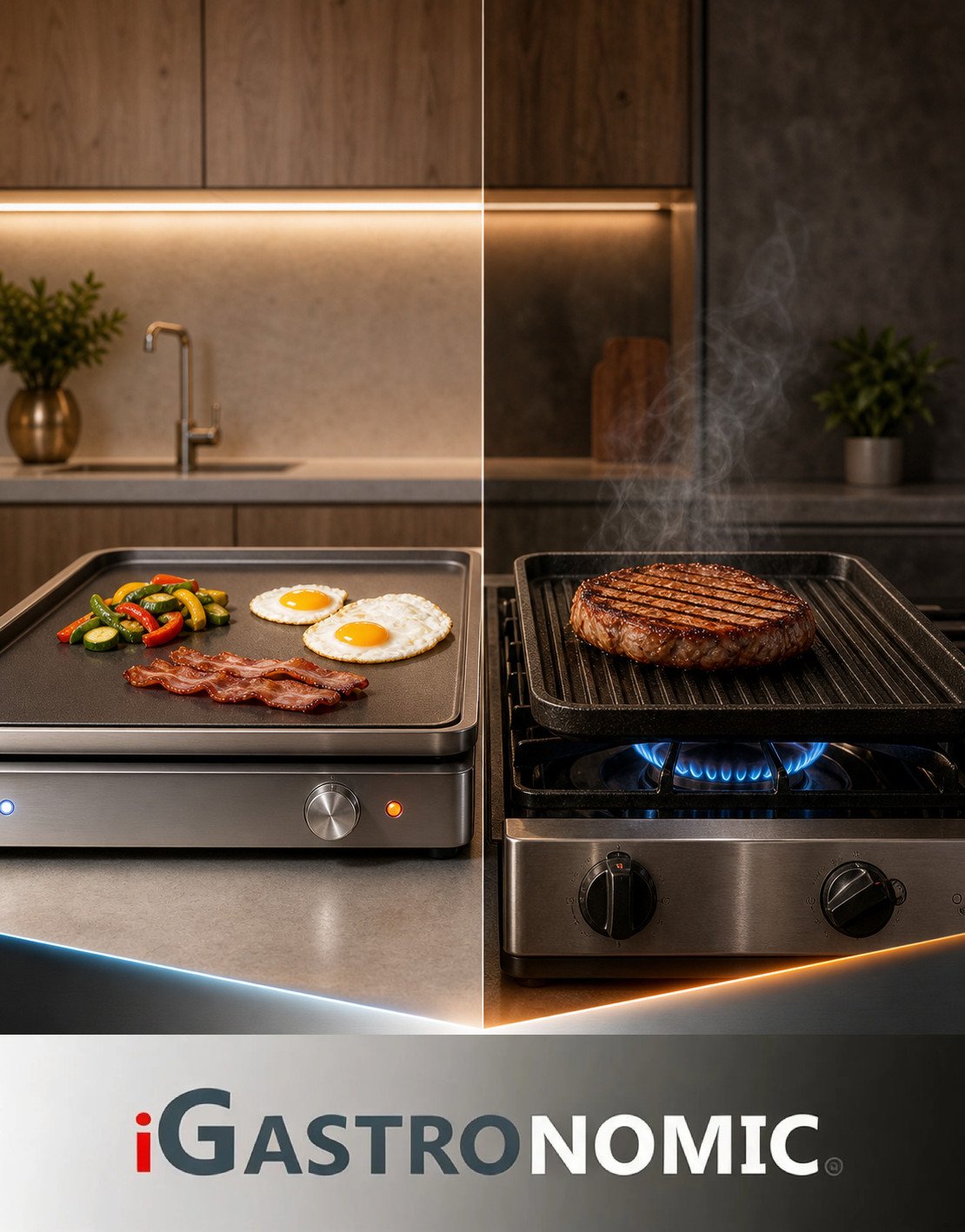 Electric Fry Top vs Gas: Advantages and Disadvantages ComparedRead more
Choosing between an electric and gas fry top can be challenging. Electric fry tops offer precise temperature control,...
-
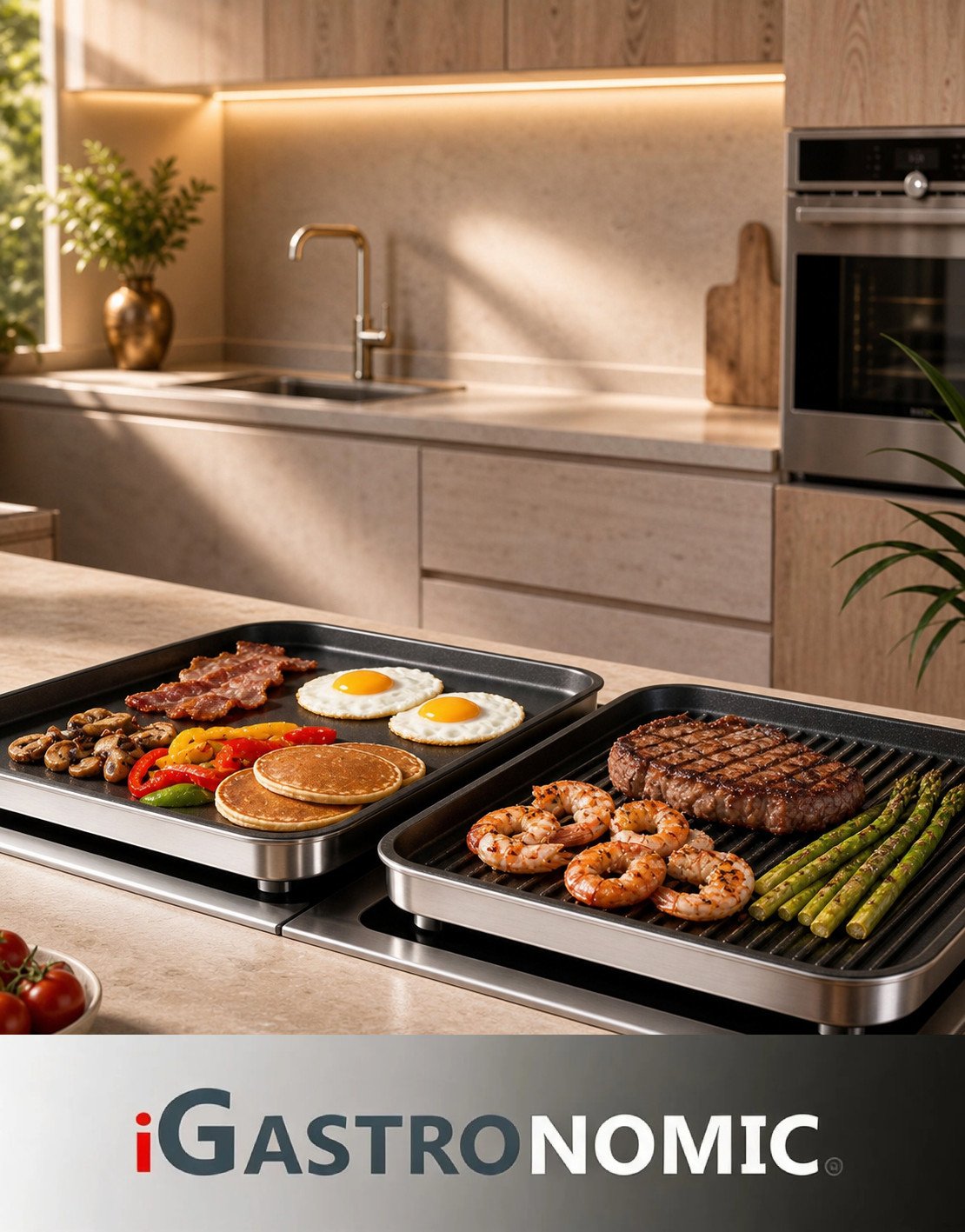 What Can You Cook on an Electric Fry Top? A Complete GuideRead more
An electric fry top is a versatile kitchen appliance that offers a large, evenly heated cooking surface perfect for a...
-
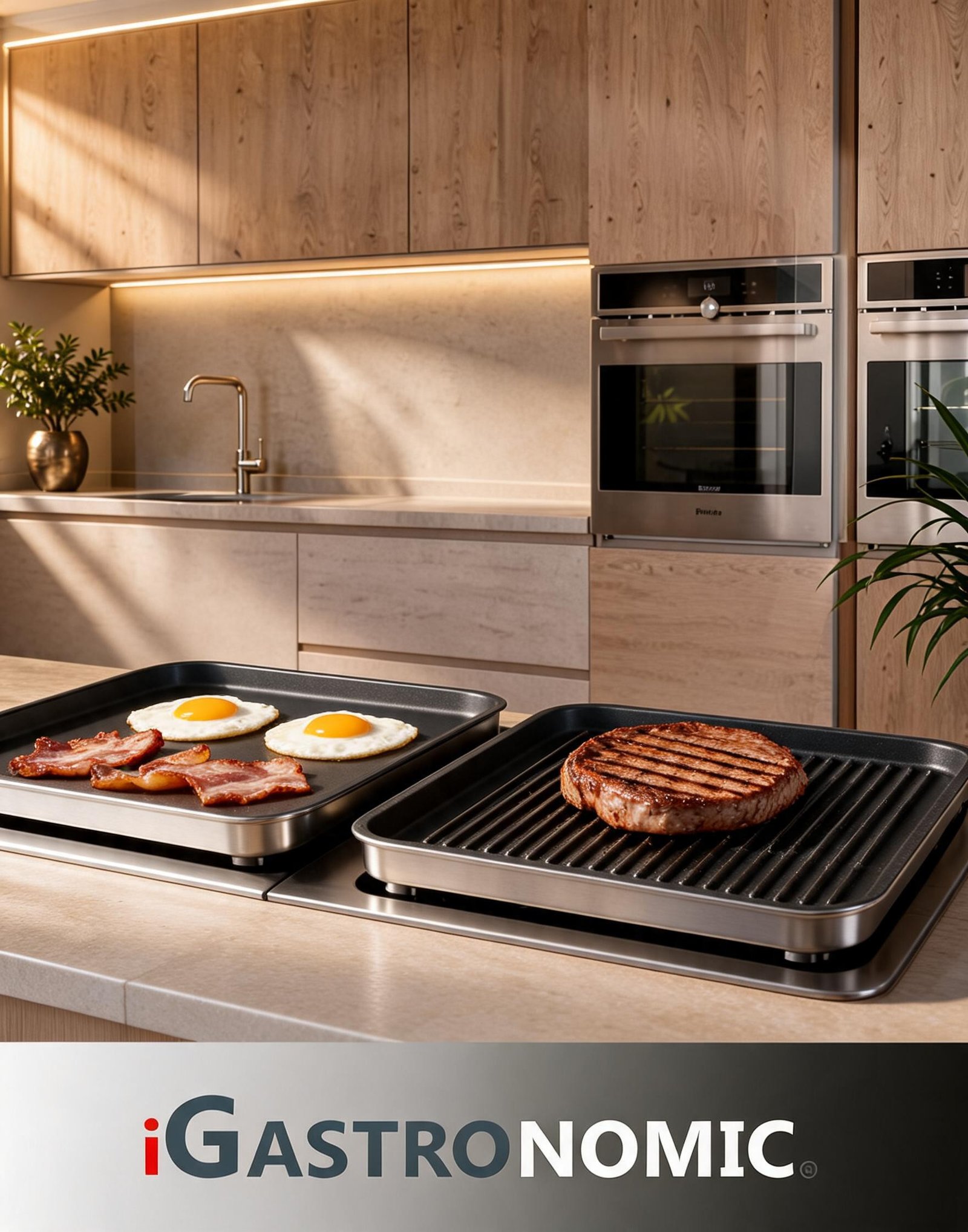 Fry Top Smooth or Ribbed? Which Is Better for Cooking?Read more
Choosing between a smooth (liscio) and ribbed (rigato) fry top can significantly impact your cooking experience....
-
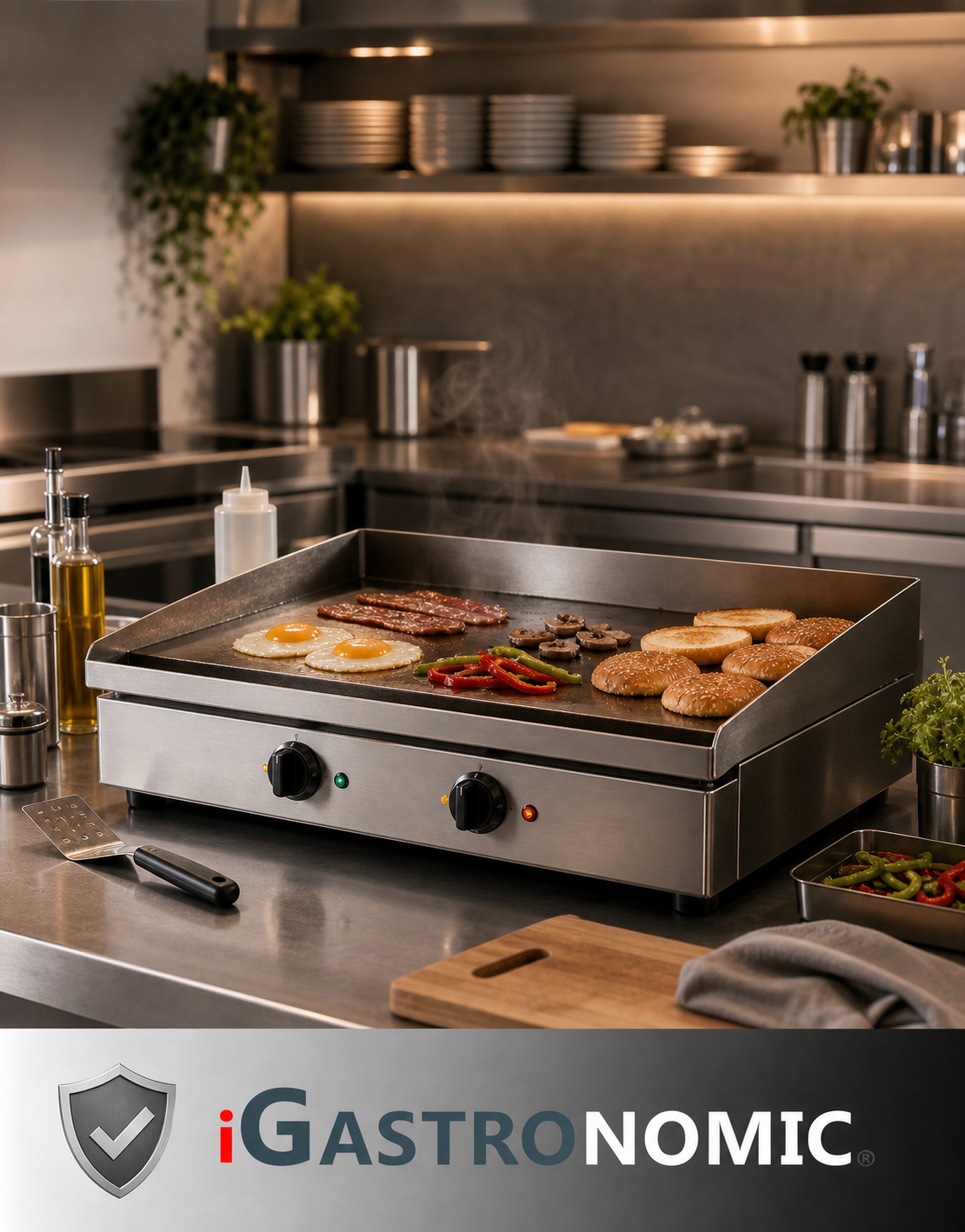 How to Use a Fry Top: A Complete Beginner's GuideRead more
A fry top is a flat, smooth cooking surface that offers even heat distribution and a large area to cook multiple...
-
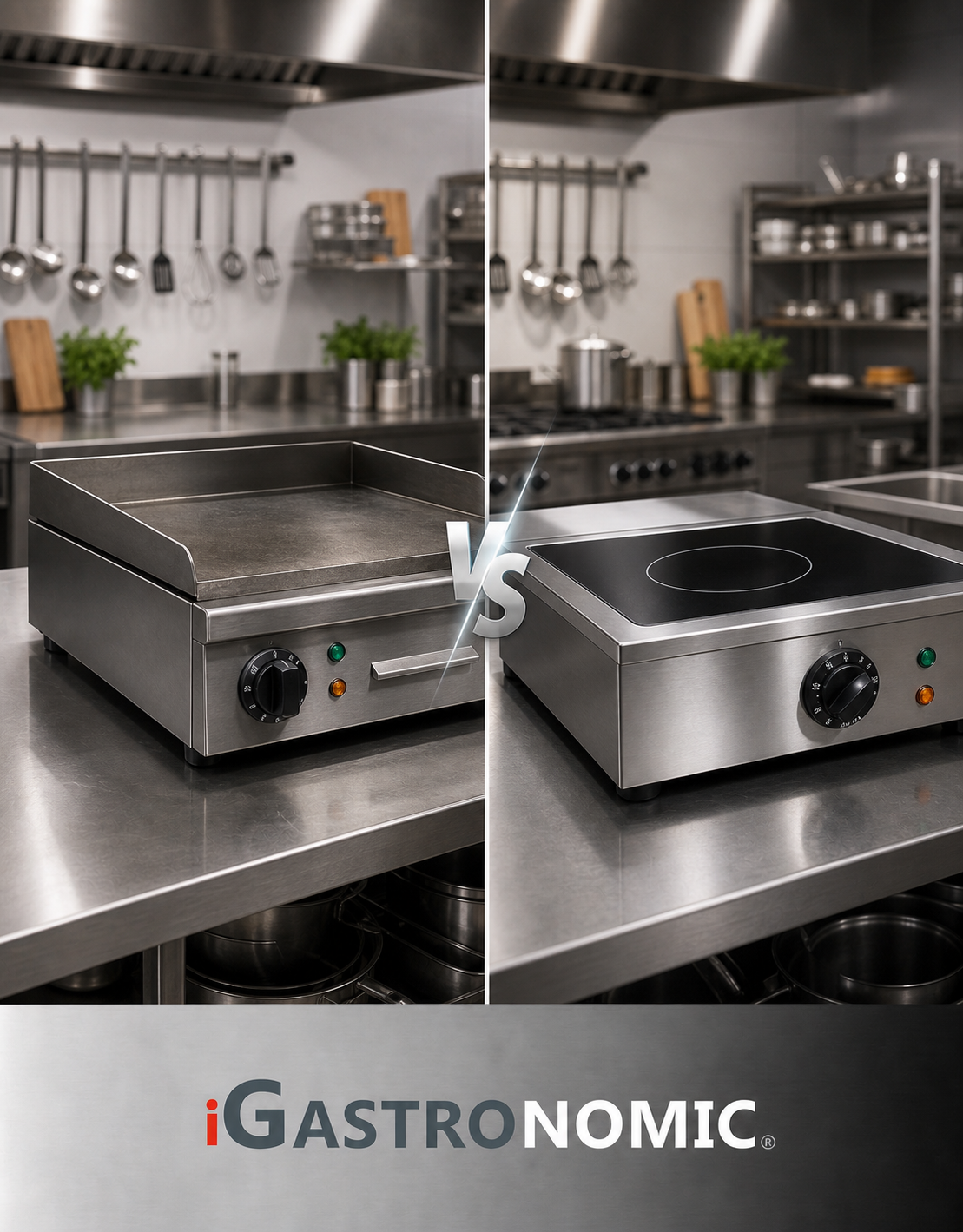 Fry Top vs Piastra Elettrica: Which One Should You Choose for Your Kitchen?Read more
Choosing the right cooking appliance can transform your kitchen experience. Two popular options are the Fry Top and...
-
 Which Kitchen Appliances Do I Really Need for My Restaurant?Read more
Opening a restaurant requires careful planning, especially when it comes to kitchen equipment. Not every kitchen...
Blog categories
Search in blog
What Is Better: A Gas Lava Stone Grill, a Water Grill, or a Griddle?
What Is Better: A Gas Lava Stone Grill, a Water Grill, or a Griddle?
When it comes to outdoor cooking, the variety of grills and cooking surfaces available can be overwhelming. Among the popular options, gas lava stone grills, water grills, and griddles each offer unique benefits and cater to different cooking preferences. If you're trying to decide which one to invest in, understanding their differences, advantages, and limitations is essential.
Overview of the Three Cooking Surfaces
Before diving into the pros and cons, let's briefly define what each of these cooking surfaces is.
- Gas Lava Stone Grill: This grill uses lava stones heated by gas burners. The lava stones retain and distribute heat evenly, providing a natural grilling surface. The stones also help reduce flare-ups by catching drippings.
- Water Grill: A water grill features a water-filled trough or basin beneath the cooking surface. The water absorbs heat and helps regulate temperature, reducing flare-ups and keeping food moist.
- Griddle: A griddle is a flat cooking surface, typically made of cast iron, steel, or aluminum, heated by gas or electricity. It provides a smooth, flat surface ideal for cooking a variety of foods that might fall through grill grates.
Gas Lava Stone Grill: Pros and Cons
Pros
- Even Heat Distribution: Lava stones retain heat well and distribute it evenly across the cooking surface, reducing hot spots.
- Natural Flavor: Cooking over lava stones mimics the effect of charcoal grilling, imparting a smoky, charred flavor to food.
- Reduced Flare-Ups: The stones absorb drippings, minimizing flare-ups that can burn food.
- Easy to Clean: Stones can be removed and cleaned or replaced as needed.
- Quick Heat-Up: Gas burners heat lava stones quickly, making it convenient for fast cooking.
Cons
- Stone Maintenance: Lava stones can crack or degrade over time and need replacement.
- Heat Retention Limits: While stones retain heat, they can cool quickly when food is added, requiring preheating.
- Limited Surface Area: The uneven surface of stones can make it difficult to cook smaller or delicate items.
- Cost: Lava stone grills tend to be pricier than basic gas grills or griddles.
Water Grill: Pros and Cons
Pros
- Temperature Control: The water basin absorbs excess heat, providing a more consistent and gentle cooking temperature.
- Moisture Retention: The water helps keep food moist, reducing the risk of drying out.
- Flare-Up Reduction: Water catches drippings, preventing flare-ups and burnt food.
- Healthier Cooking: Excess fat drips into the water and away from the food, reducing grease.
- Easy Cleaning: The water basin collects drippings, making cleanup easier.
Cons
- Longer Heat-Up Time: Heating water requires more energy and time compared to other grills.
- Water Maintenance: Water needs to be refilled and changed regularly to avoid odors and bacteria.
- Less Char Flavor: Because food is not in direct contact with flames or hot stones, you get less smoky, charred flavor.
- Weight and Portability: Water grills tend to be heavier and less portable due to the water reservoir.
Griddle: Pros and Cons
Pros
- Versatility: Griddles can cook a wide variety of foods — from pancakes and eggs to burgers and vegetables.
- Even Cooking Surface: The flat surface ensures even cooking and is perfect for delicate foods that might fall through grill grates.
- Easy to Clean: Smooth surface makes cleaning straightforward, especially with non-stick coatings.
- Quick Heat-Up: Griddles heat quickly and maintain steady temperatures.
- Indoor and Outdoor Use: Many griddles are portable and can be used indoors or outdoors.
Cons
- Less Smoky Flavor: Without open flames, food lacks the characteristic grilled smokiness.
- Grease Management: Grease can pool on the flat surface, requiring proper drainage or manual cleaning.
- Limited Searing: Griddles may not sear meat as well as grills with direct flame or hot stones.
- Surface Size: Depending on the griddle, the cooking surface may be smaller than traditional grills.
Comparing the Three: Which One Is Right for You?
Flavor and Cooking Style
If you love the authentic smoky, charred flavor of grilled food, a gas lava stone grill is likely your best bet. The lava stones mimic the effect of charcoal grilling, giving you that signature taste. Water grills, while gentle and moisture-retaining, do not impart much smoky flavor. Griddles excel at cooking a variety of foods but lack the flame-kissed taste.
Ease of Use and Maintenance
Griddles are generally the easiest to use and clean, especially if you opt for non-stick surfaces. Water grills require regular water changes and can be heavier to move. Lava stone grills need occasional stone replacement and can be a bit messier due to the porous stones.
Cooking Versatility
Griddles win in versatility, allowing you to cook breakfast items, delicate seafood, vegetables, and even stir-fry. Lava stone grills are excellent for traditional grilling but less suited for small or delicate items. Water grills are great for slow, moist cooking but less versatile overall.
Temperature Control
Water grills offer superior temperature regulation due to the water's heat absorption, ideal for slow cooking or delicate foods. Lava stone grills provide steady heat but can cool when food is added. Griddles heat quickly and maintain consistent temperature but can have hot spots depending on quality.
Portability and Space
Griddles tend to be the most portable and compact. Lava stone grills vary in size but generally are bulkier than griddles. Water grills are often the heaviest and least portable due to the water reservoir.
Use Cases: Matching Your Needs
You Should Choose a Gas Lava Stone Grill If:
- You want authentic grilled flavor with minimal flare-ups.
- You enjoy cooking traditional barbecue items like steaks, burgers, and kebabs.
- You don’t mind occasional stone maintenance and replacement.
- You have enough space for a medium to large grill setup.
You Should Choose a Water Grill If:
- You prioritize gentle cooking with moisture retention.
- You want to reduce flare-ups and grease smoke.
- You cook fatty meats or delicate seafood that benefit from even, moist heat.
- You don’t mind the extra maintenance of water refills and cleaning.
You Should Choose a Griddle If:
- You want a versatile cooking surface for a wide range of foods.
- You prefer quick heat-up and easy cleanup.
- You want a portable option for indoor and outdoor use.
- You don’t require the smoky flavor of traditional grilling.
Additional Tips for Choosing Your Grill or Griddle
- Consider Your Cooking Frequency: If you grill often, investing in a high-quality lava stone grill might be worthwhile. For occasional cooks, a griddle might suffice.
- Think About Cleaning: Ease of cleaning can influence how often you use your grill. Griddles and water grills generally require less scrubbing.
- Space and Storage: Make sure you have adequate space for your chosen grill and consider where you’ll store it.
- Budget: Prices vary widely. Lava stone grills tend to be more expensive, water grills are mid-range, and griddles can be budget-friendly.
- Accessories: Look for grills with useful accessories like grease traps, covers, and temperature gauges.
Conclusion
Choosing between a gas lava stone grill, a water grill, or a griddle ultimately depends on your cooking style, flavor preferences, and maintenance willingness. If you crave that smoky, charred flavor and traditional grilling experience, a lava stone grill is a fantastic choice. If you prioritize moisture retention, gentle heat, and reduced flare-ups, the water grill offers unique benefits. Meanwhile, griddles provide unmatched versatility and convenience, perfect for cooks who want to prepare a wide variety of dishes with ease.
Consider your needs carefully, and you’ll find the perfect cooking surface to elevate your outdoor culinary adventures!
Frequently Asked Questions
Can I use a griddle on a gas lava stone grill?
While some grills allow for interchangeable cooking surfaces, lava stone grills typically require the stones for heat retention and flavor. Using a griddle plate might be possible but could affect heat distribution and flavor.
How often do lava stones need replacing?
Depending on usage and care, lava stones usually last 1-3 years. Cracked or heavily soiled stones should be replaced to maintain performance.
Is a water grill harder to clean?
Water grills require draining and cleaning the water basin regularly to prevent buildup and odors, but the cooking surface itself is easier to clean due to reduced grease and flare-ups.
Are griddles suitable for outdoor use?
Yes, many griddles are designed for outdoor use and are portable. Just ensure you select a model suitable for your heat source and weather conditions.
Which grill is best for beginners?
Griddles are often best for beginners due to their ease of use, versatility, and simple cleanup. Lava stone grills require a bit more maintenance, and water grills need attention to water levels.
Happy grilling!
Posted in:
Tips & Tricks
Related posts
-
 More Than Just Fast Food - All You Need to Know
System Gastronomy: Learn more about this exciting business model. From Fast Food to Casual Dining - we explain...Read more
More Than Just Fast Food - All You Need to Know
System Gastronomy: Learn more about this exciting business model. From Fast Food to Casual Dining - we explain...Read more -
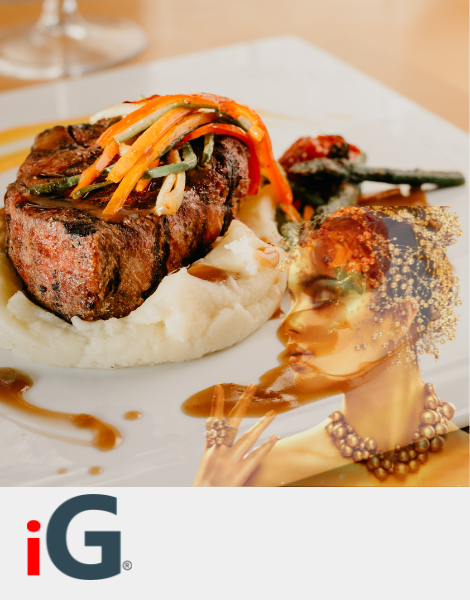 The 10 Most Expensive Restaurants in the World
When it comes to fine dining and luxurious culinary experiences, some restaurants around the globe capture attention...Read more
The 10 Most Expensive Restaurants in the World
When it comes to fine dining and luxurious culinary experiences, some restaurants around the globe capture attention...Read more -
 Which Restaurant Makes the Most Revenue? A Deep Dive into the World of Gastronomy
Who are the revenue giants in the gastronomy industry? We reveal the top players and analyze why they are so...Read more
Which Restaurant Makes the Most Revenue? A Deep Dive into the World of Gastronomy
Who are the revenue giants in the gastronomy industry? We reveal the top players and analyze why they are so...Read more -
 Boost Your Restaurant's Revenue with Pergolas and Louvered Roofs
Ever wondered how to make your restaurant more appealing and increase your sales? The answer might be simpler than...Read more
Boost Your Restaurant's Revenue with Pergolas and Louvered Roofs
Ever wondered how to make your restaurant more appealing and increase your sales? The answer might be simpler than...Read more -
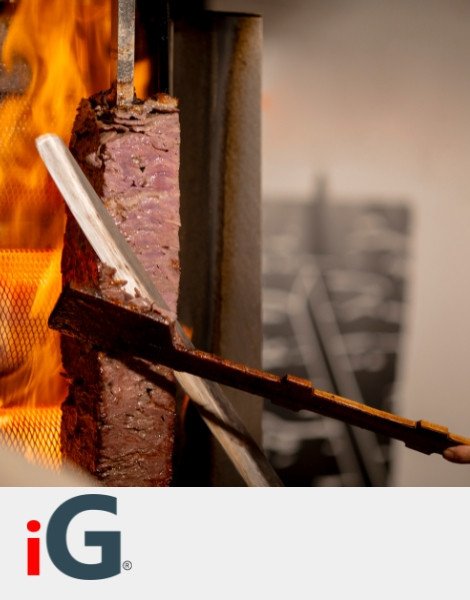 The World of Döner: From Traditional Recipes to the Best Döner Spots Worldwide
Learn how to make authentic Yaprak Döner, discover the best döner spots in Germany and worldwide, and explore the...Read more
The World of Döner: From Traditional Recipes to the Best Döner Spots Worldwide
Learn how to make authentic Yaprak Döner, discover the best döner spots in Germany and worldwide, and explore the...Read more
Leave a comment