
 Deutsch
 Türkçe
 Italiano

.jpg)
.jpg)
.jpg)
.jpg)
.jpg)
.jpg)
.jpg)
.jpg)
.jpg)
.jpg)

.jpg)

.jpg)
.jpg)
.jpg)
.jpg)
.jpg)
.jpg)
.jpg)
.jpg)
.jpg)
.jpg)



.jpg)
.jpg)
.jpg)
.jpg)
.jpg)
.jpg)
.jpg)
.jpg)
.jpg)



.jpg)
.jpg)

.jpg)
.jpg)
.jpg)
.jpg)


.jpg)

.png)
.jpg)
.jpg)
 (200 x 136 px) (5).png)
.png)

Looking for the perfect restaurant dinnerware? Discover why professional chefs worldwide rely on the chip-resistant...
-
 Cooking Appliances
add remove
Cooking Appliances
add remove -
-
Pizza & Grill
add remove
-
-
Refrigeration
add remove
-
-
Combi Steamer
add remove
-
-
Kitchen Appliances
add remove
-
-
Rinsing & Cleaning
add remove
-
-
Retail Refrigeration
add remove
-
-
Cafe & Ice Cream
add remove
-
-
Smart-Gastro
add remove
-
-
Event- & Cateringmöbel
-
Cooking Appliances
add remove
-
-
Pizza & Grill
add remove
-
-
Refrigeration
add remove
-
-
Combi Steamer
add remove
-
-
Kitchen Appliances
add remove
-
-
Rinsing & Cleaning
add remove
-
-
Retail Refrigeration
add remove
-
-
Cafe & Ice Cream
add remove
-
-
Smart-Gastro
add remove
-
-
Event- & Cateringmöbel


Call us:
+49 (0) 6135 7040 450Latest posts
-
 Why RAK Porcelain is the Top Choice for ProfessionalsRead more
 -
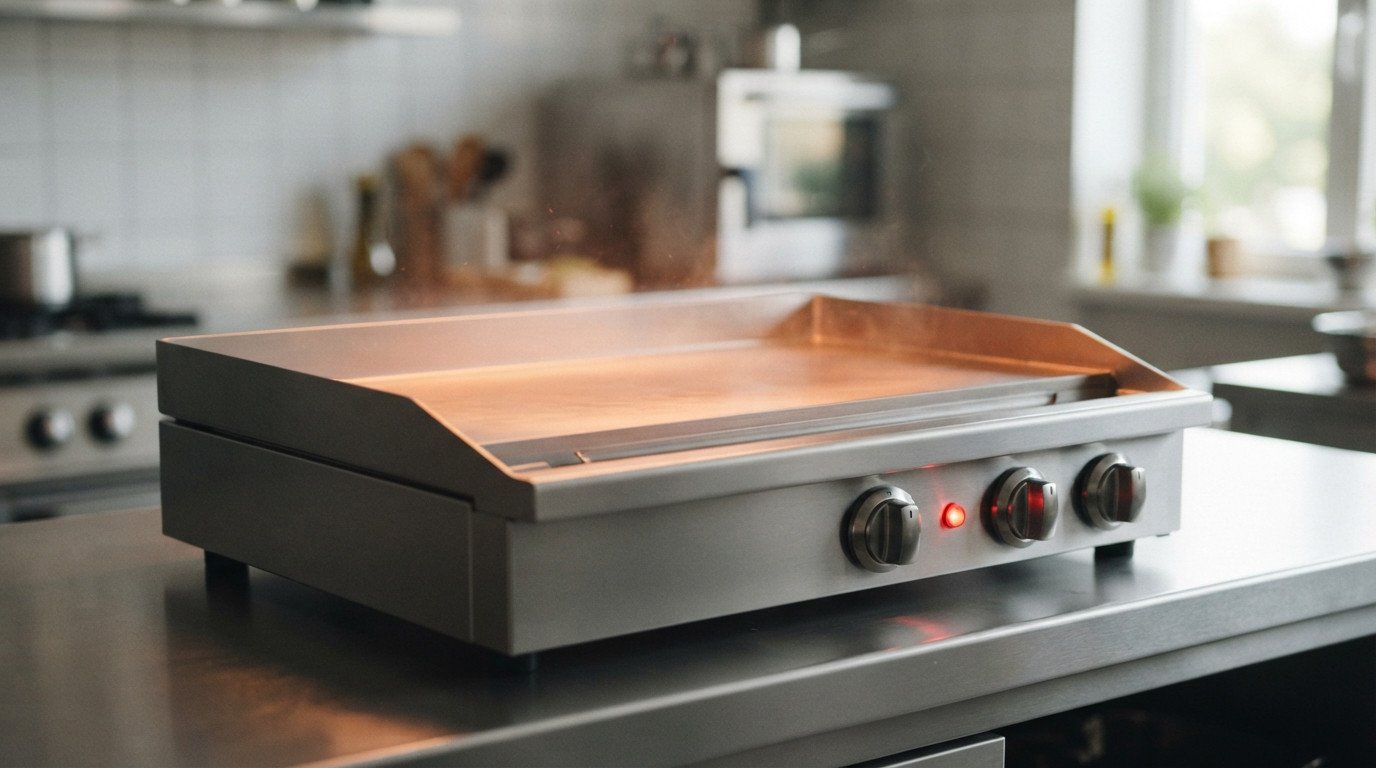 Electric Fry Top: How Long Does It Take to Heat Up?Read more
The electric fry top is a versatile and efficient kitchen appliance that offers even heat distribution and a smooth...
-
 Does the Fry Top Scratch Easily? How to Preserve Its SurfaceRead more
Fry tops are versatile and popular cooking surfaces, but many wonder if they scratch easily and how to keep them in...
-
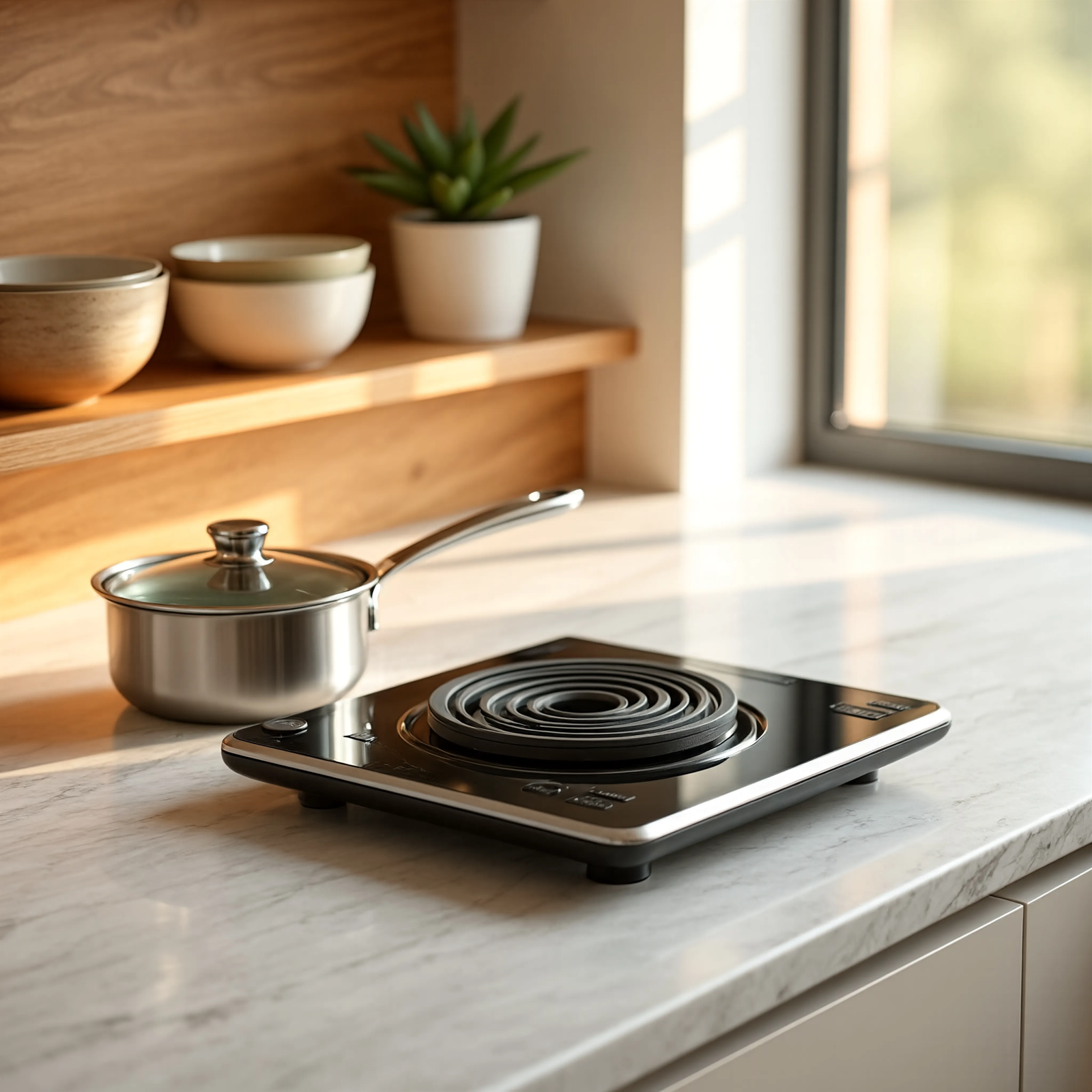 Fry Top for Beginners: Which Model Is Easiest to Use?Read more
Are you new to cooking with a fry top and wondering which model is easiest to use? A fry top, or griddle, offers a...
-
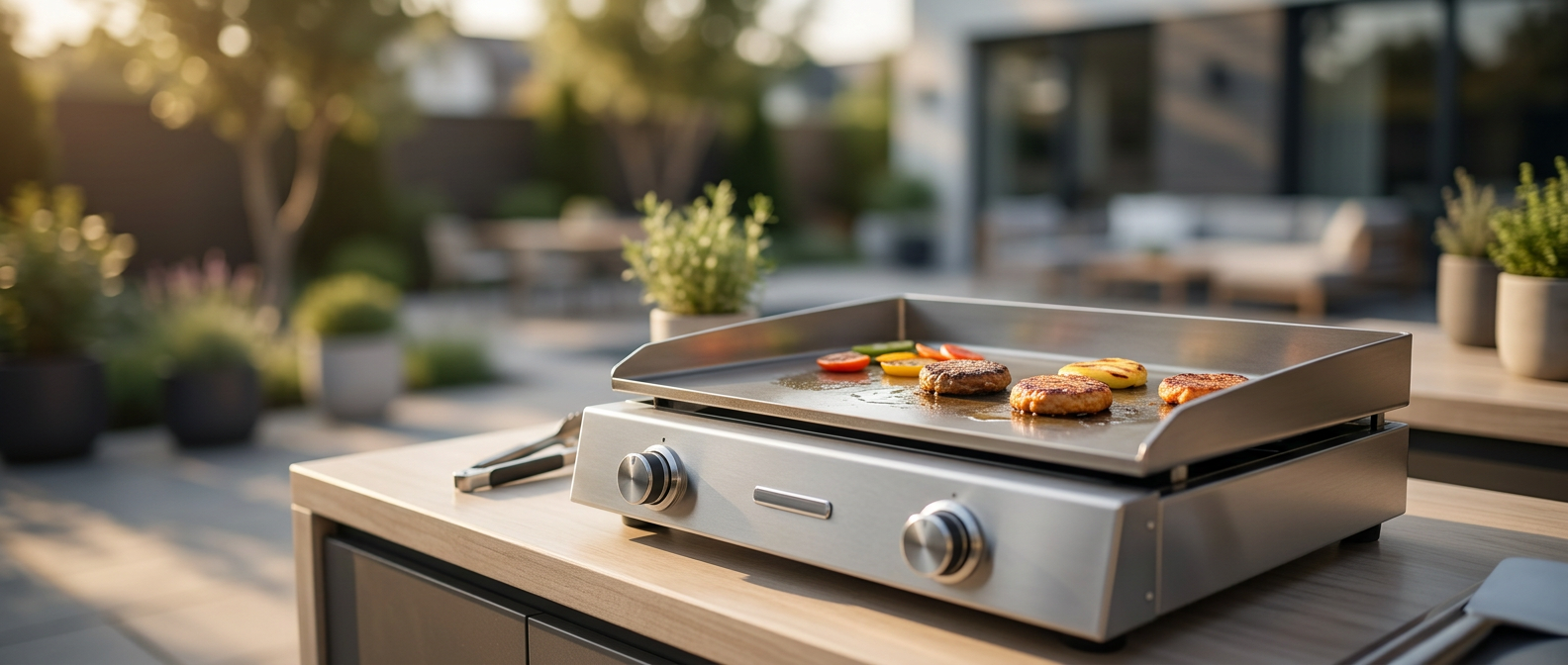 Small Spaces: Which Electric Hot Plate Should You Choose?Read more
Living in a small space often means limited kitchen area, making it essential to choose compact and efficient cooking...
-
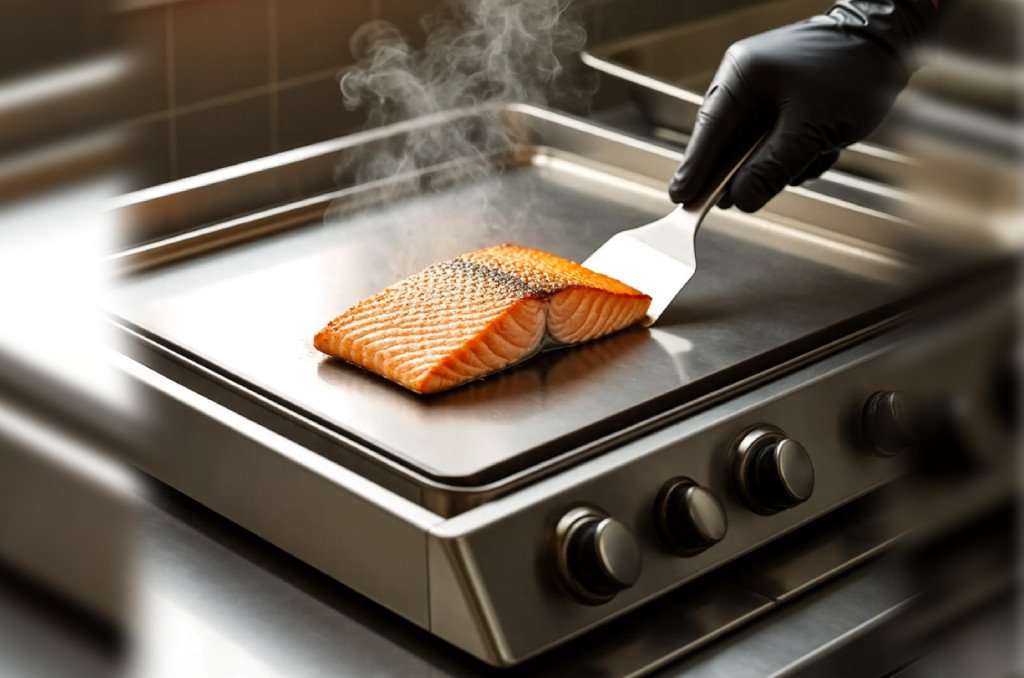 How to Fry Safely on an Electric Fry Top: A Complete GuideRead more
Frying on an electric fry top offers a convenient and efficient way to prepare delicious meals, but safety is...
-
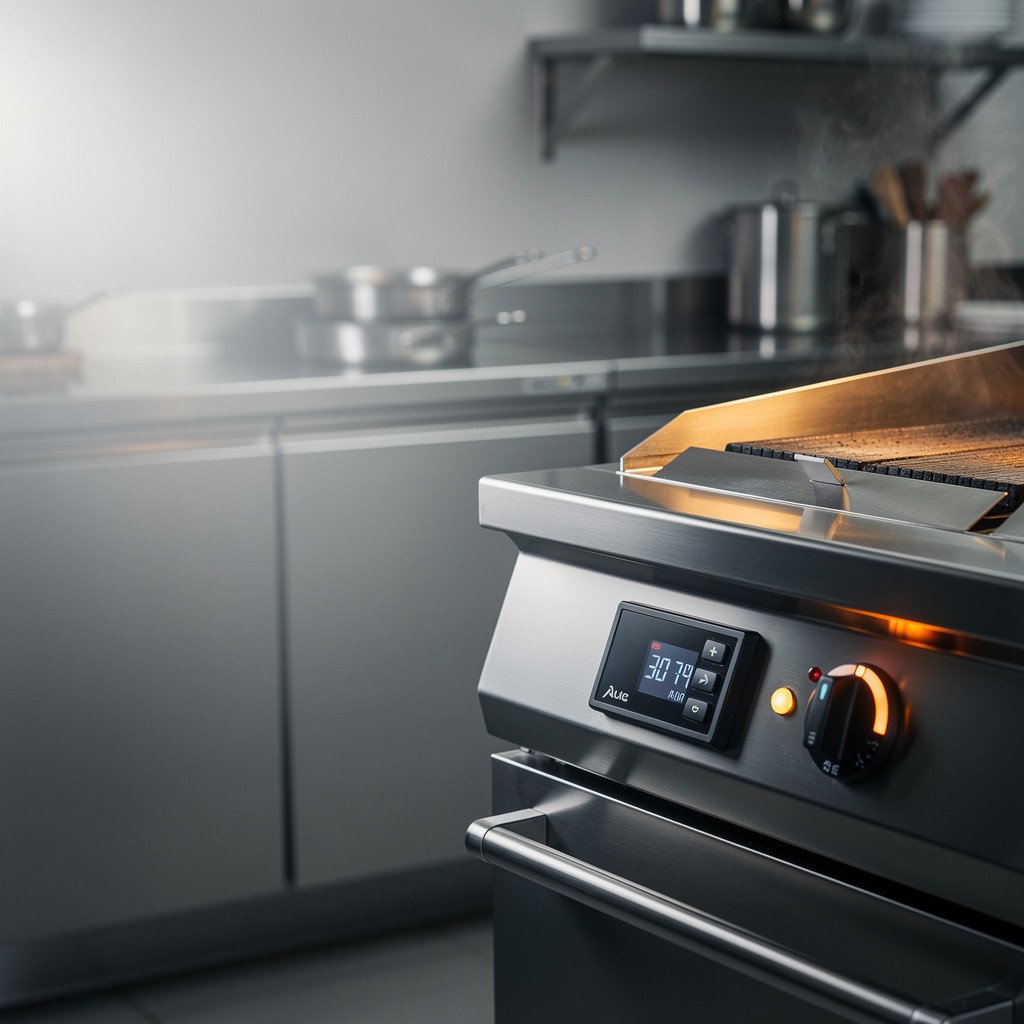 Fry Top with Thermostat: Is It Worth Spending More?Read more
A fry top is a versatile cooking surface widely used in both home and professional kitchens. One key feature that...
-
 Contact Electric Hotplates: Is Cooking Really Difficult?Read more
Contact electric hotplates are becoming increasingly popular for their convenience and efficiency in the kitchen....
-
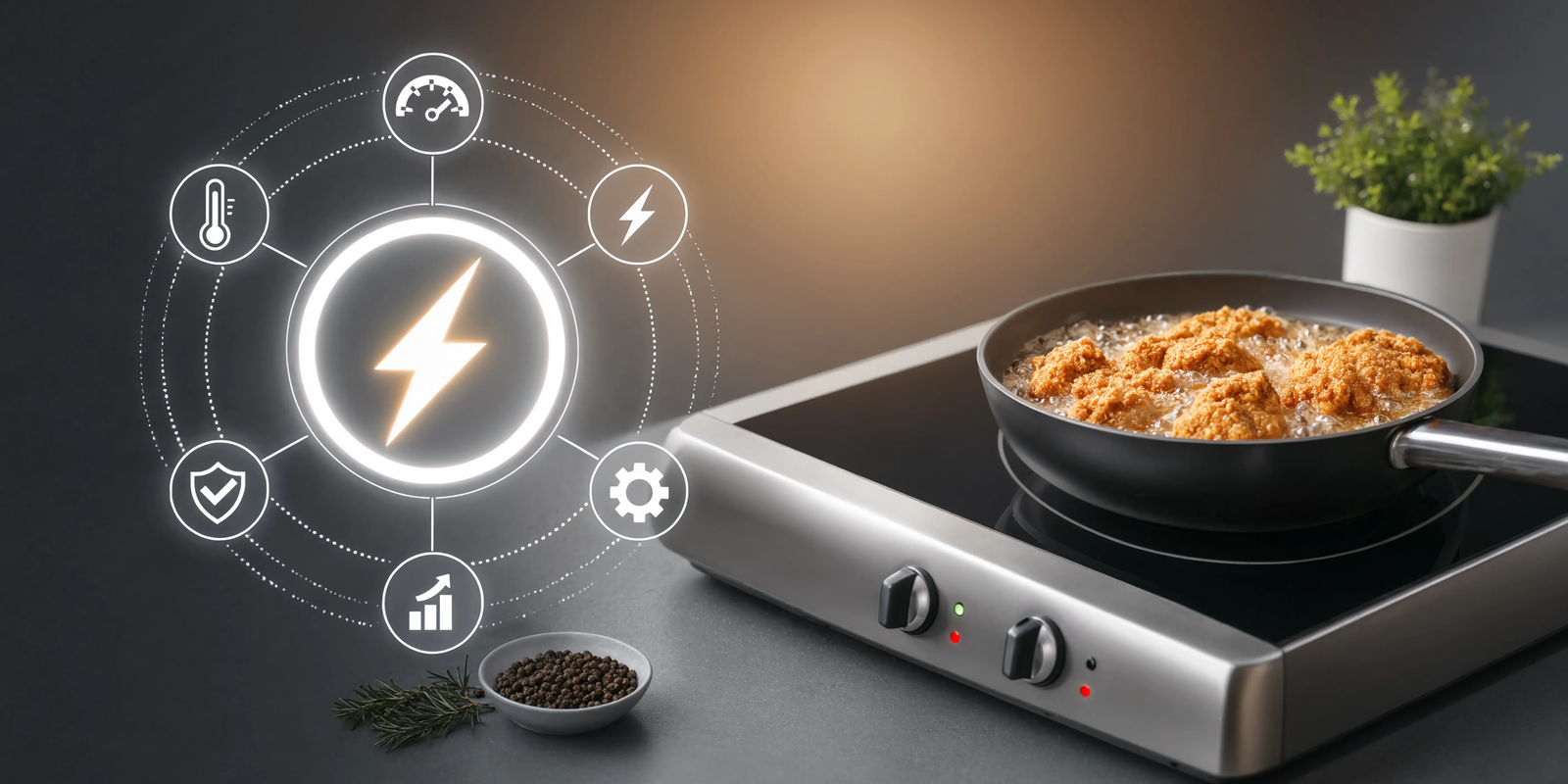 How to Choose the Right Power for Your Electric Fry TopRead more
Choosing the right power for your electric fry top is essential for efficient and enjoyable cooking. The power...
-
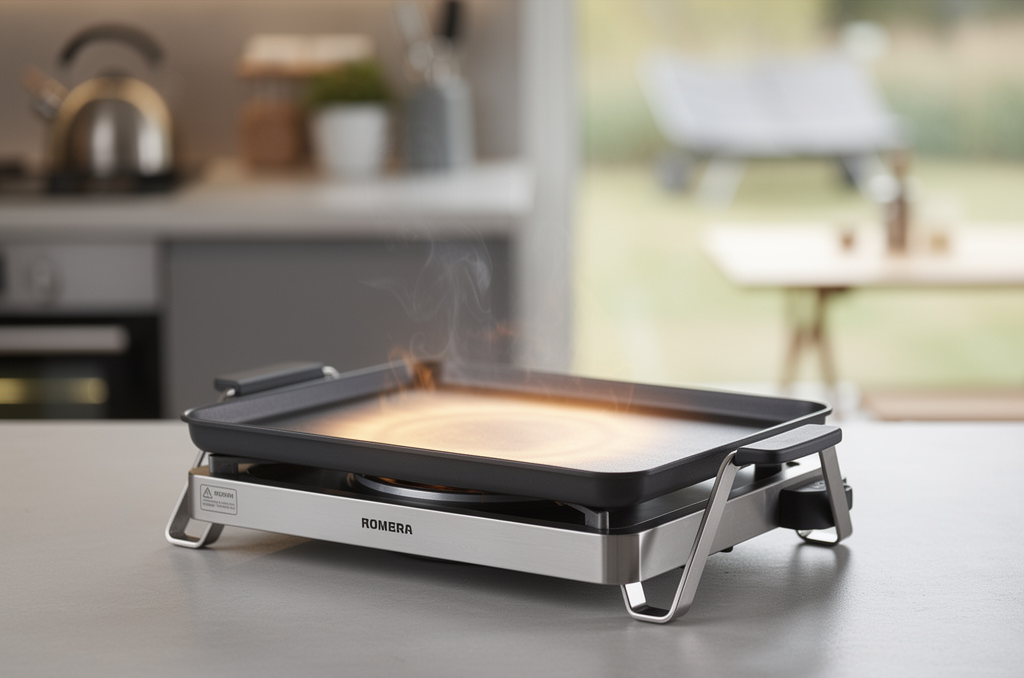 Portable Fry Top: Does It Exist and Is It Worth Having?Read more
If you love cooking and are always on the go, you might wonder if a portable fry top exists and whether it’s worth...
Blog categories
Search in blog
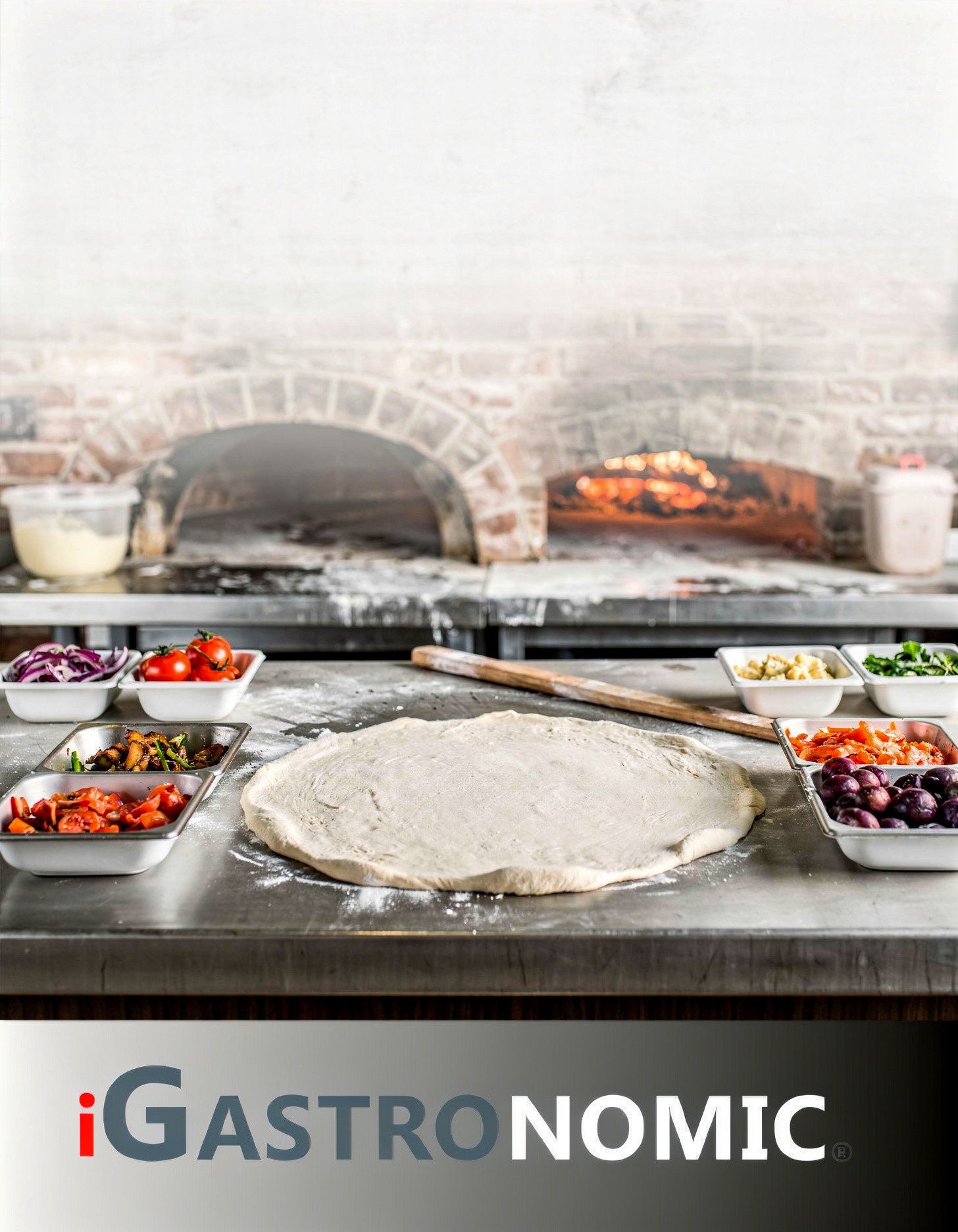
How to Open a Successful Pizzeria: A Step-by-Step Guide
How to Open a Successful Pizzeria: A Step-by-Step Guide
Opening a pizzeria can be an exciting and rewarding venture, especially if you have a passion for pizza and a dream of running your own business. However, like any restaurant business, it requires careful planning, dedication, and knowledge to succeed in a competitive market. Whether you’re aiming for a cozy neighborhood spot or a bustling pizza chain, this comprehensive guide will walk you through the essential steps to open a successful pizzeria.
Step 1: Research and Planning
Before diving into the pizza business, thorough research and planning are crucial. This phase lays the foundation for your pizzeria’s success.
Understand the Market
- Analyze local competition: Identify existing pizzerias in your area, their menu offerings, pricing, and customer reviews.
- Identify your target audience: Are you catering to families, college students, office workers, or tourists? Knowing your audience shapes your menu and marketing.
- Spot market gaps: Is there a demand for gourmet, vegan, gluten-free, or fast delivery pizza? Filling a niche can give you an edge.
Create a Business Plan
A detailed business plan acts as your roadmap and is essential if you seek funding. Include:
- Executive summary: Your business concept and goals.
- Market analysis: Insights from your research.
- Menu and pricing strategy: What you’ll offer and at what price points.
- Marketing plan: How you’ll attract and retain customers.
- Operations plan: Staffing, suppliers, and daily processes.
- Financial projections: Startup costs, revenue forecasts, and break-even analysis.
Step 2: Secure Financing
Starting a pizzeria requires capital for equipment, rent, licenses, ingredients, and marketing. Consider these options:
- Personal savings: Using your own funds reduces debt but may limit scale.
- Bank loans: Traditional loans require a solid credit history and business plan.
- Investors or partners: Bringing in partners can provide funds and expertise.
- Small business grants or loans: Check government programs supporting food businesses.
Step 3: Choose the Right Location
Location can make or break your pizzeria. Consider these factors:
- Foot traffic: Busy streets, near offices, schools, or entertainment venues attract customers.
- Accessibility: Parking availability and public transportation options.
- Size and layout: Space for kitchen, dining, storage, and possibly delivery operations.
- Rent and lease terms: Ensure affordability and flexibility.
Visit potential locations at different times to gauge traffic and ambiance.
Step 4: Obtain Licenses and Permits
Operating a food business requires compliance with local laws and health regulations. Common permits include:
- Business license: Register your business officially.
- Food service license: Required to prepare and sell food.
- Health department permits: Your kitchen will be inspected for hygiene and safety.
- Fire department permits: For kitchen safety and occupancy limits.
- Sign permits: For outdoor signage.
- Alcohol license: If you plan to serve beer or wine.
Check with your city or county government offices to ensure you have all necessary documentation before opening.
Step 5: Design Your Menu
Your menu is the heart of your pizzeria. It should reflect your brand, appeal to your target market, and be operationally feasible.
Decide on Pizza Styles
- Classic styles: Neapolitan, New York, Chicago deep dish, Sicilian, etc.
- Specialty pizzas: Unique toppings, gourmet ingredients, or dietary options like vegan or gluten-free.
- Other offerings: Salads, appetizers, desserts, and beverages can increase sales.
Pricing Strategy
Price your menu items to cover costs and generate profit while remaining competitive. Consider ingredient costs, labor, overhead, and perceived value.
Recipe Development and Testing
Perfect your dough, sauce, and toppings through trial and error. Consistency is key to customer satisfaction.
Step 6: Purchase Equipment and Supplies
Invest in quality equipment that suits your menu and volume:
- Ovens: Deck ovens, conveyor ovens, or wood-fired ovens depending on style.
- Refrigeration: Walk-in coolers, prep tables, and display fridges.
- Prep equipment: Mixers, dough rollers, cutting boards, pizza peels.
- POS system: For order taking, payments, and inventory management.
- Furniture: Tables, chairs, counters, and décor.
Establish relationships with reliable suppliers for fresh ingredients like flour, cheese, tomatoes, meats, and vegetables.
Step 7: Hire and Train Staff
Your team will shape the customer experience. Key roles include:
- Pizza chefs and cooks: Skilled in dough preparation and pizza making.
- Front-of-house staff: Cashiers, servers, and hosts.
- Delivery drivers: If you offer delivery services.
- Cleaning and maintenance: To keep your pizzeria clean and safe.
Provide thorough training on food safety, customer service, and your pizzeria’s standards. Encourage teamwork and a positive work environment.
Step 8: Marketing and Promotion
Attracting customers is essential, especially in the early days.
Build an Online Presence
- Website: Showcase your menu, location, hours, and contact info.
- Social media: Engage customers with photos, promotions, and updates on platforms like Instagram, Facebook, and TikTok.
- Online ordering: Offer delivery and takeout options through your website or apps.
Local Marketing
- Grand opening event: Offer discounts or free samples to attract initial customers.
- Loyalty programs: Reward repeat customers with discounts or freebies.
- Collaborations: Partner with local businesses or events to increase visibility.
- Flyers and signage: Distribute in the neighborhood and ensure your signage is eye-catching.
Step 9: Manage Daily Operations
Running a pizzeria involves juggling many tasks:
- Inventory management: Track ingredients to reduce waste and avoid shortages.
- Quality control: Maintain consistent food quality and presentation.
- Customer service: Train staff to handle complaints and create positive experiences.
- Financial tracking: Monitor sales, expenses, and profitability regularly.
- Health and safety compliance: Ensure ongoing adherence to regulations.
Step 10: Continuously Improve and Grow
Success doesn’t stop at opening. Listen to customer feedback and adapt your menu and services accordingly. Consider:
- Introducing seasonal or limited-time pizzas.
- Expanding delivery zones or partnering with third-party delivery apps.
- Hosting events like pizza-making classes or live music nights.
- Exploring catering opportunities for parties and corporate events.
Regularly review your business plan and financials to identify growth opportunities and areas needing improvement.
Final Thoughts
Opening a successful pizzeria requires passion, planning, and perseverance. By following these steps—from research and planning to marketing and daily management—you can build a thriving pizza business that delights customers and stands the test of time. Remember, great pizza is an art and a science, so keep experimenting, listening, and improving. Your perfect slice awaits!
Good luck on your pizza-making journey!
Posted in:
Tips & Tricks
Related posts
-
 More Than Just Fast Food - All You Need to Know
System Gastronomy: Learn more about this exciting business model. From Fast Food to Casual Dining - we explain...Read more
More Than Just Fast Food - All You Need to Know
System Gastronomy: Learn more about this exciting business model. From Fast Food to Casual Dining - we explain...Read more -
 The 10 Most Expensive Restaurants in the World
When it comes to fine dining and luxurious culinary experiences, some restaurants around the globe capture attention...Read more
The 10 Most Expensive Restaurants in the World
When it comes to fine dining and luxurious culinary experiences, some restaurants around the globe capture attention...Read more -
 Which Restaurant Makes the Most Revenue? A Deep Dive into the World of Gastronomy
Who are the revenue giants in the gastronomy industry? We reveal the top players and analyze why they are so...Read more
Which Restaurant Makes the Most Revenue? A Deep Dive into the World of Gastronomy
Who are the revenue giants in the gastronomy industry? We reveal the top players and analyze why they are so...Read more -
 Boost Your Restaurant's Revenue with Pergolas and Louvered Roofs
Ever wondered how to make your restaurant more appealing and increase your sales? The answer might be simpler than...Read more
Boost Your Restaurant's Revenue with Pergolas and Louvered Roofs
Ever wondered how to make your restaurant more appealing and increase your sales? The answer might be simpler than...Read more -
 The World of Döner: From Traditional Recipes to the Best Döner Spots Worldwide
Learn how to make authentic Yaprak Döner, discover the best döner spots in Germany and worldwide, and explore the...Read more
The World of Döner: From Traditional Recipes to the Best Döner Spots Worldwide
Learn how to make authentic Yaprak Döner, discover the best döner spots in Germany and worldwide, and explore the...Read more
Leave a comment