
 Deutsch
 Türkçe
 Italiano

.jpg)
.jpg)
.jpg)
.jpg)
.jpg)
.jpg)
.jpg)
.jpg)
.jpg)
.jpg)

.jpg)

.jpg)
.jpg)
.jpg)
.jpg)
.jpg)
.jpg)
.jpg)
.jpg)
.jpg)
.jpg)



.jpg)
.jpg)
.jpg)
.jpg)
.jpg)
.jpg)
.jpg)
.jpg)
.jpg)



.jpg)
.jpg)

.jpg)
.jpg)
.jpg)
.jpg)


.jpg)

.png)
.jpg)
.jpg)
 (200 x 136 px) (5).png)
.png)

Looking for the perfect restaurant dinnerware? Discover why professional chefs worldwide rely on the chip-resistant...
-
 Cooking Appliances
add remove
Cooking Appliances
add remove -
-
Pizza & Grill
add remove
-
-
Refrigeration
add remove
-
-
Combi Steamer
add remove
-
-
Kitchen Appliances
add remove
-
-
Rinsing & Cleaning
add remove
-
-
Retail Refrigeration
add remove
-
-
Cafe & Ice Cream
add remove
-
-
Smart-Gastro
add remove
-
-
Event- & Cateringmöbel
-
Cooking Appliances
add remove
-
-
Pizza & Grill
add remove
-
-
Refrigeration
add remove
-
-
Combi Steamer
add remove
-
-
Kitchen Appliances
add remove
-
-
Rinsing & Cleaning
add remove
-
-
Retail Refrigeration
add remove
-
-
Cafe & Ice Cream
add remove
-
-
Smart-Gastro
add remove
-
-
Event- & Cateringmöbel


Call us:
+49 (0) 6135 7040 450Latest posts
-
 Why RAK Porcelain is the Top Choice for ProfessionalsRead more
 -
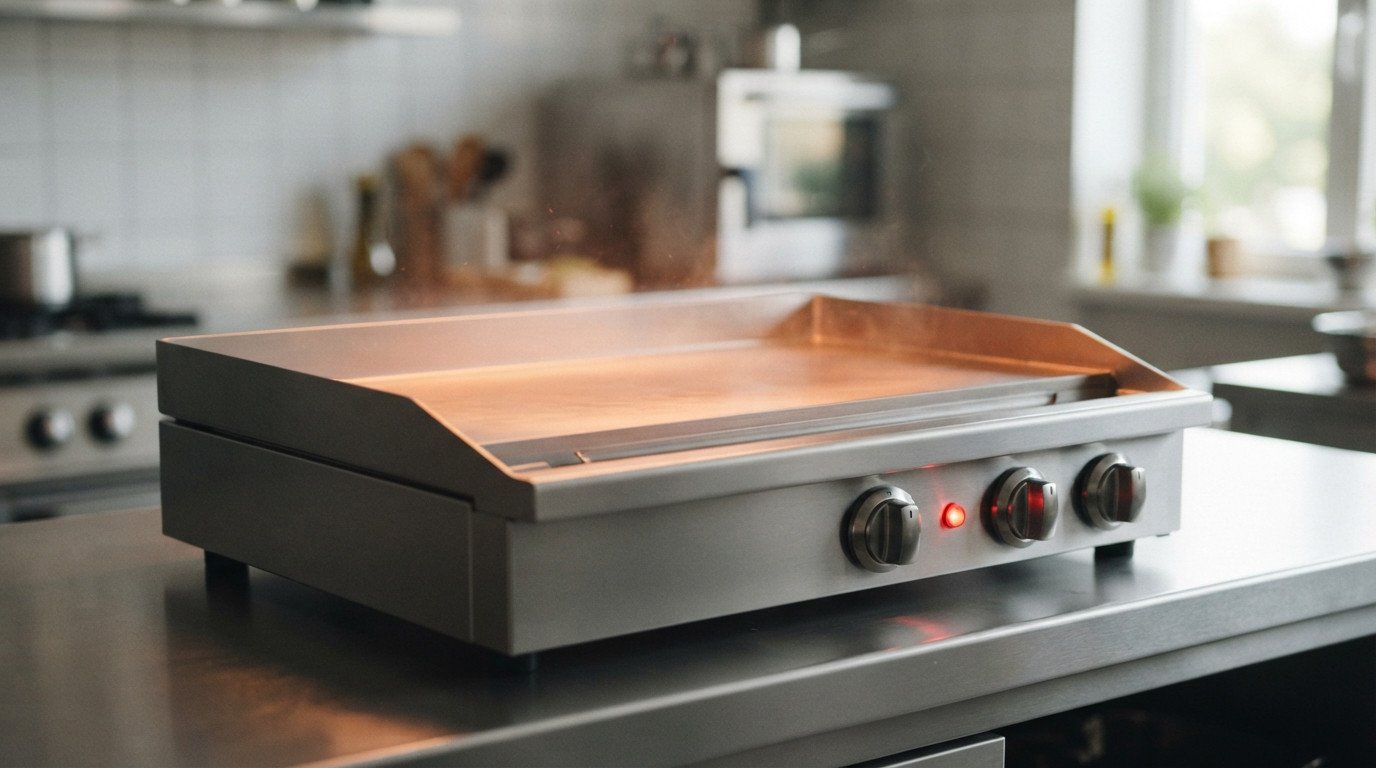 Electric Fry Top: How Long Does It Take to Heat Up?Read more
The electric fry top is a versatile and efficient kitchen appliance that offers even heat distribution and a smooth...
-
 Does the Fry Top Scratch Easily? How to Preserve Its SurfaceRead more
Fry tops are versatile and popular cooking surfaces, but many wonder if they scratch easily and how to keep them in...
-
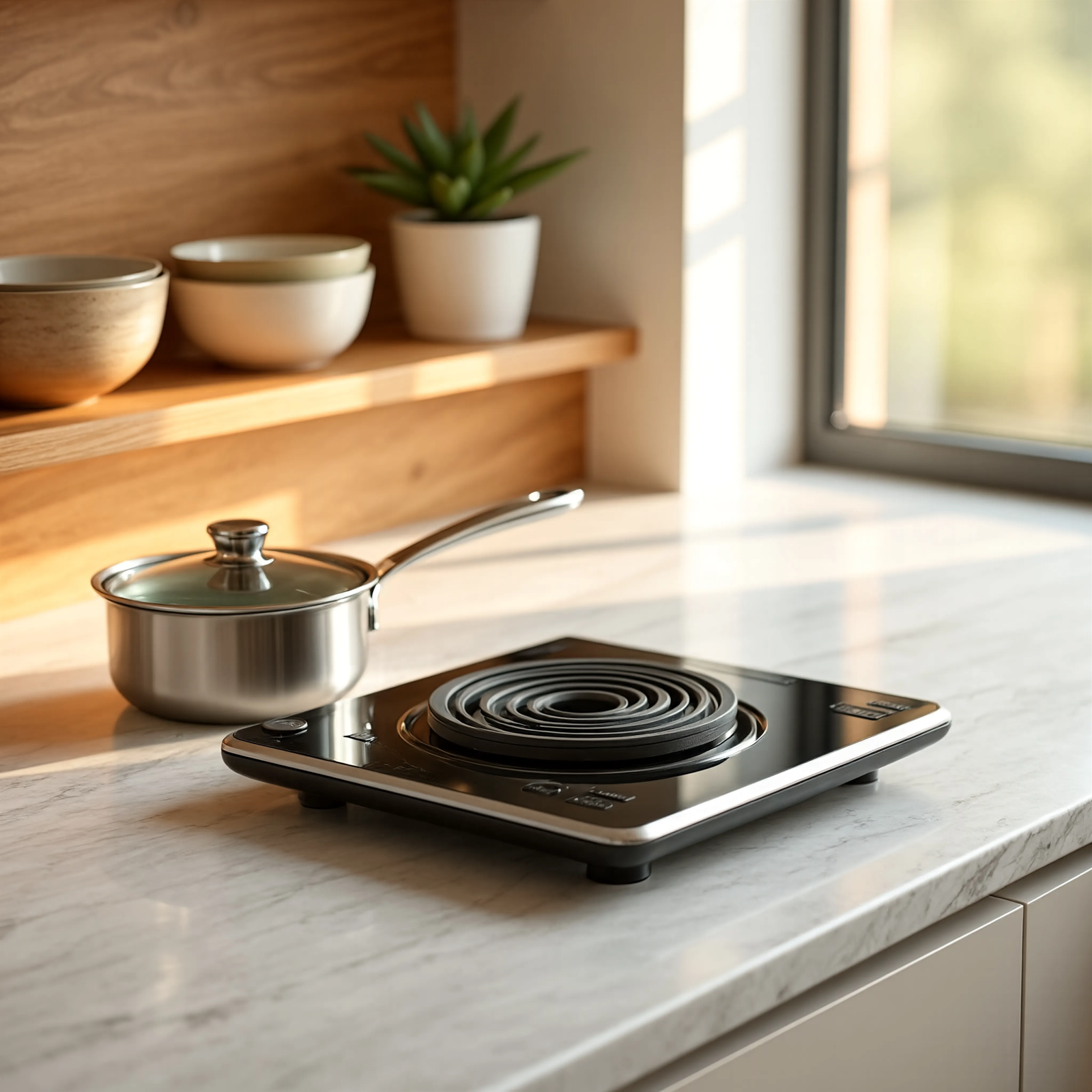 Fry Top for Beginners: Which Model Is Easiest to Use?Read more
Are you new to cooking with a fry top and wondering which model is easiest to use? A fry top, or griddle, offers a...
-
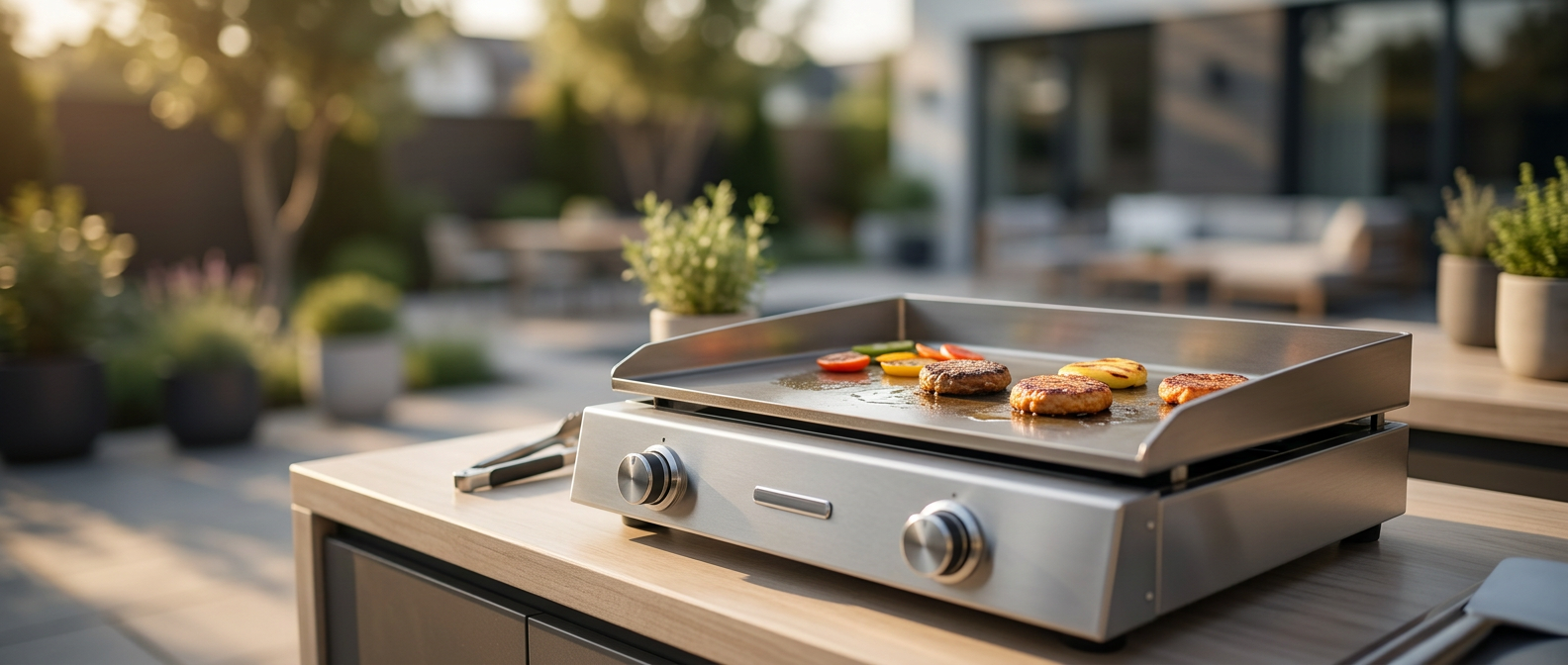 Small Spaces: Which Electric Hot Plate Should You Choose?Read more
Living in a small space often means limited kitchen area, making it essential to choose compact and efficient cooking...
-
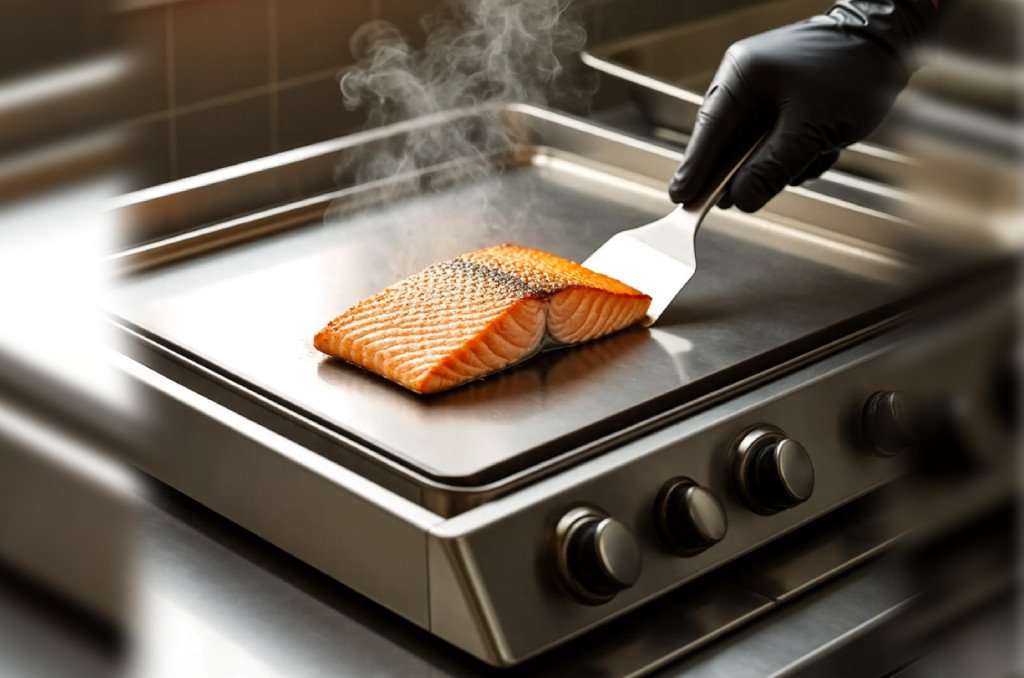 How to Fry Safely on an Electric Fry Top: A Complete GuideRead more
Frying on an electric fry top offers a convenient and efficient way to prepare delicious meals, but safety is...
-
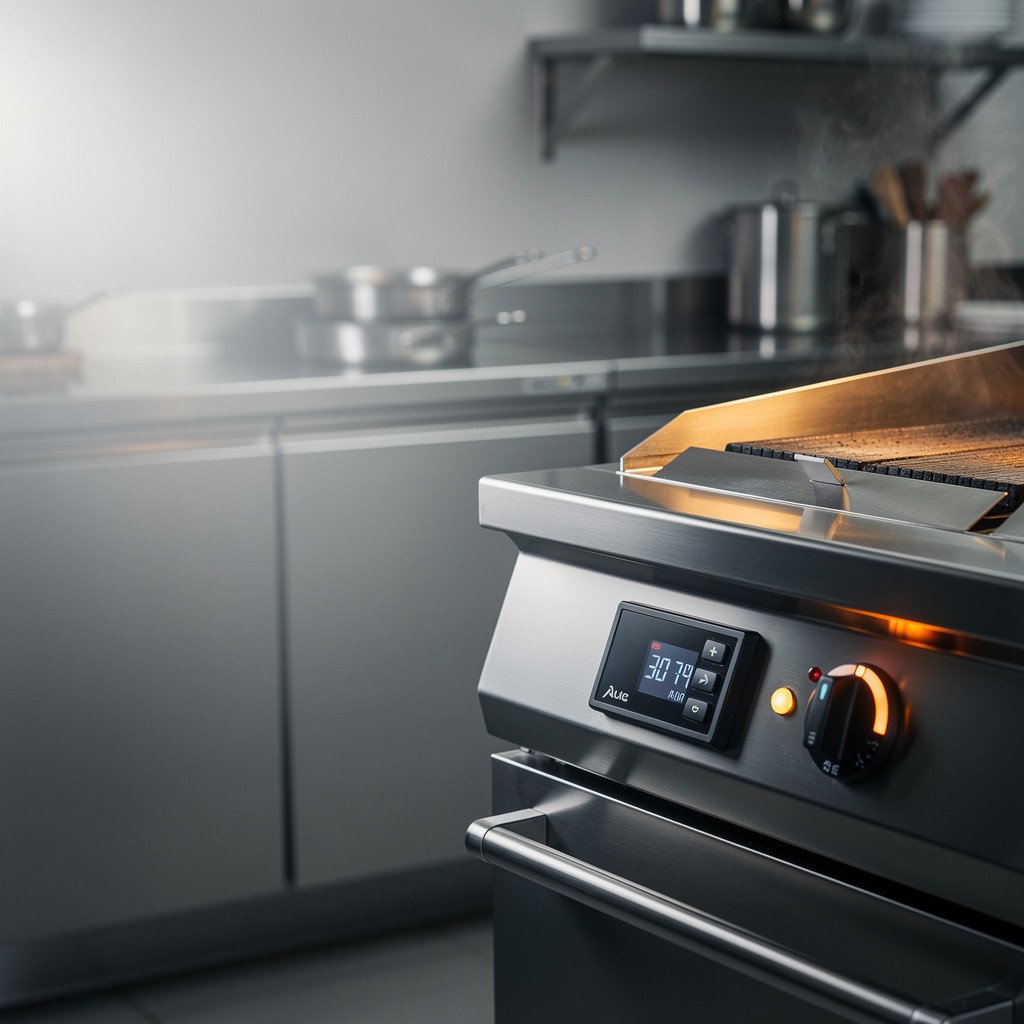 Fry Top with Thermostat: Is It Worth Spending More?Read more
A fry top is a versatile cooking surface widely used in both home and professional kitchens. One key feature that...
-
 Contact Electric Hotplates: Is Cooking Really Difficult?Read more
Contact electric hotplates are becoming increasingly popular for their convenience and efficiency in the kitchen....
-
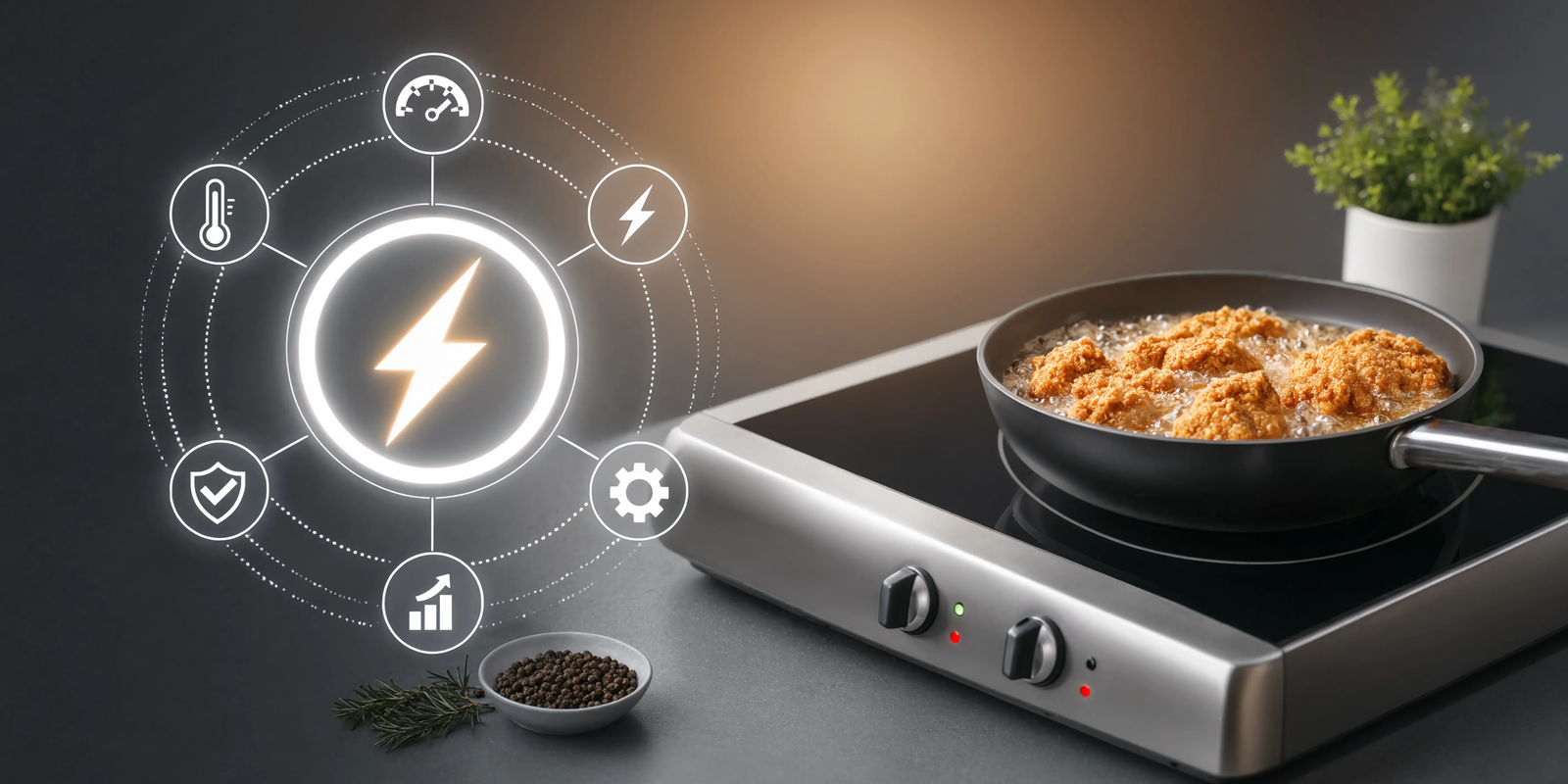 How to Choose the Right Power for Your Electric Fry TopRead more
Choosing the right power for your electric fry top is essential for efficient and enjoyable cooking. The power...
-
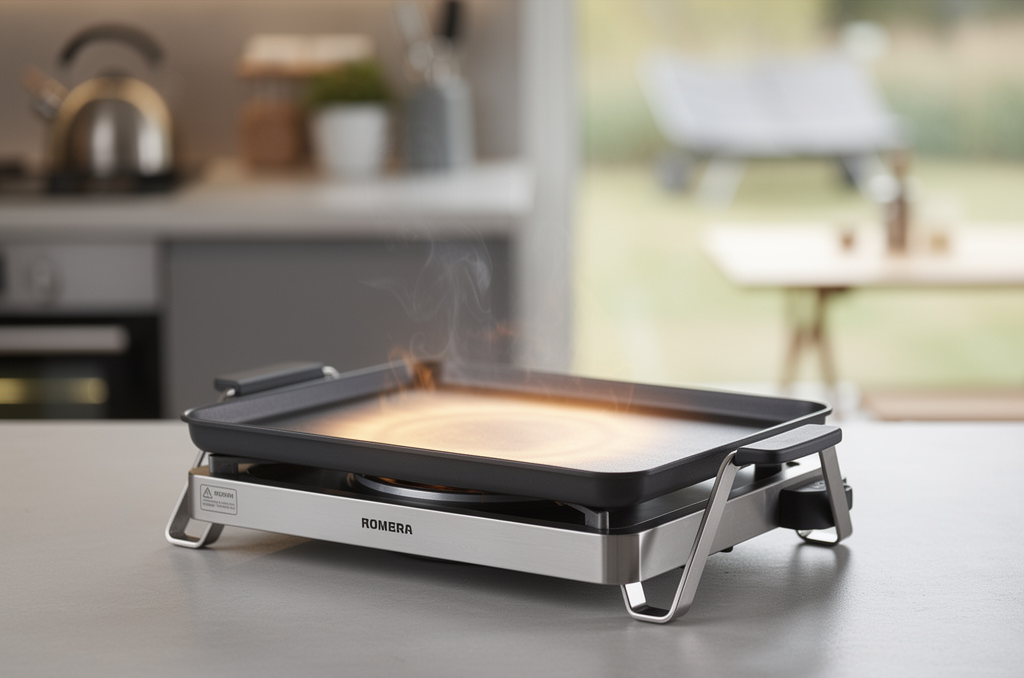 Portable Fry Top: Does It Exist and Is It Worth Having?Read more
If you love cooking and are always on the go, you might wonder if a portable fry top exists and whether it’s worth...
Blog categories
Search in blog
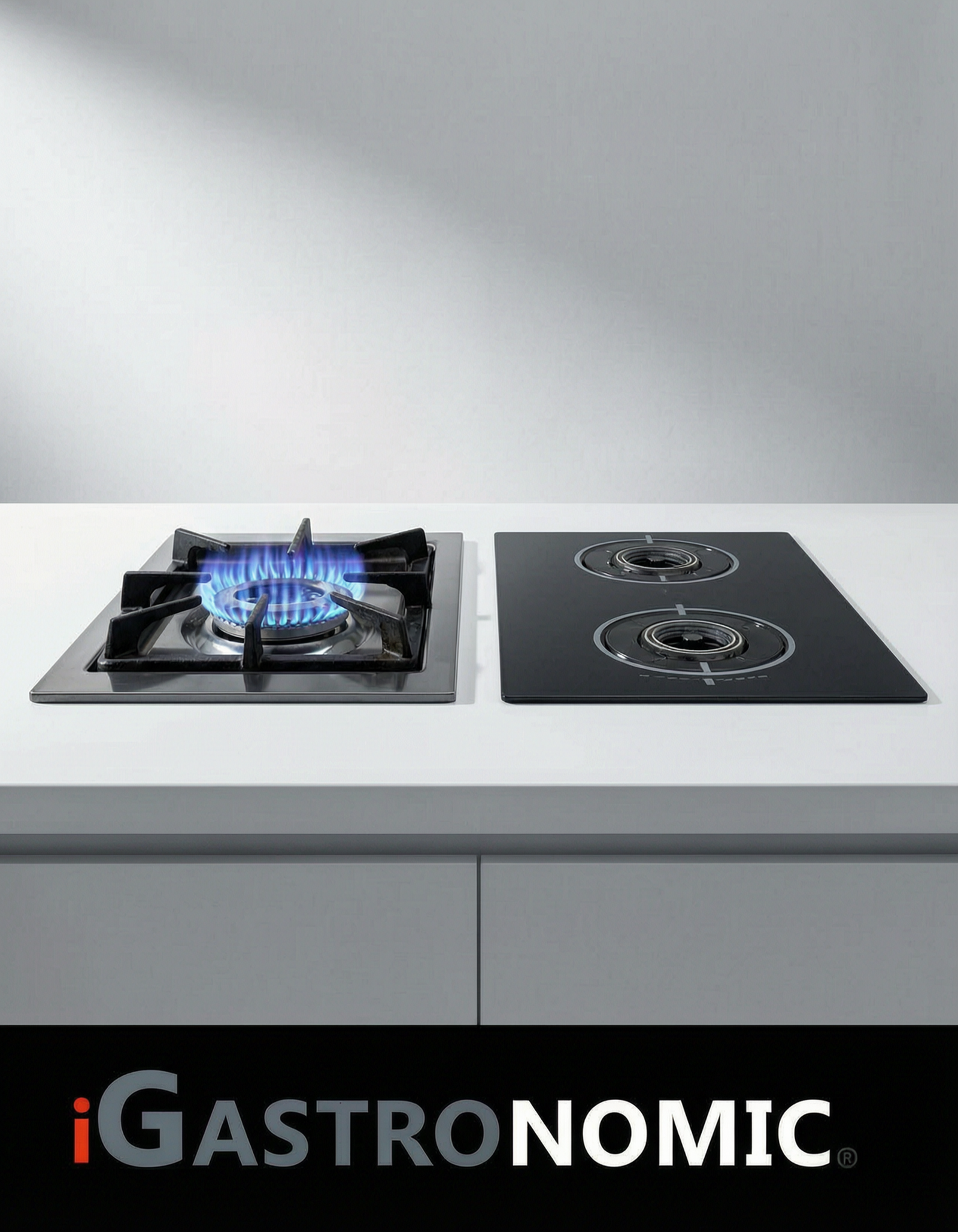
Why a Gas Stove is Better Than an Electric Stove: A Comprehensive Comparison
Why a Gas Stove is Better Than an Electric Stove: A Comprehensive Comparison
When it comes to choosing a stove for your kitchen, the debate between gas and electric models has been ongoing for decades. Both have their own unique advantages and disadvantages, but many professional chefs and home cooks alike tend to favor gas stoves for several compelling reasons. In this article, we will explore why a gas stove is often considered better than an electric stove by looking at aspects such as cooking performance, energy efficiency, cost, safety, and environmental impact.
1. Superior Cooking Control and Performance
One of the most significant advantages of a gas stove is the precise control it offers over cooking temperatures. When you turn the knob on a gas stove, the flame adjusts instantly, allowing you to increase or decrease heat immediately. This level of responsiveness is crucial for cooking techniques that require delicate temperature adjustments, such as simmering sauces, searing meats, or melting chocolate.
Electric stoves, especially those with coil or ceramic elements, take longer to heat up and cool down. This delay can make it difficult to control cooking temperatures accurately, sometimes leading to overcooked or undercooked food. Although induction cooktops have improved this aspect for electric cooking, they are generally more expensive and require compatible cookware.
Moreover, gas flames provide even heat distribution around the bottom of your cookware. This helps prevent hot spots and promotes uniform cooking, which is particularly beneficial when preparing dishes that require consistent heat.
2. Energy Efficiency and Cost Savings
Gas stoves are often more energy-efficient compared to traditional electric stoves. This is because gas produces heat directly through combustion, so less energy is lost in the transfer process. Electric stoves, on the other hand, rely on heating elements that must warm up before transferring heat to the cookware, leading to energy loss.
In many regions, natural gas is cheaper than electricity, which can result in lower utility bills over time when using a gas stove. This cost-effectiveness is a major factor for many households when deciding between the two options.
3. Faster Cooking Times
Gas stoves heat up quickly and provide instant heat, allowing you to start cooking immediately. This can significantly reduce cooking times, which is especially helpful during busy meal preparations. Electric stoves typically take longer to reach the desired temperature, which can slow down your cooking process.
4. Versatility in Cooking Methods
Gas stoves offer greater versatility when it comes to cooking methods. The open flame allows for techniques such as charring, toasting, flambéing, and wok cooking, which are difficult or impossible to replicate on electric stoves.
For example, if you enjoy Asian cuisine, a gas stove’s high heat and flame control make stir-frying in a wok much easier. Similarly, the ability to adjust the flame size allows for gentle simmering or rapid boiling with ease.
5. Reliability During Power Outages
Since gas stoves do not rely on electricity to generate heat, they can still be used during power outages. This is a practical advantage in areas prone to blackouts or for those who want a reliable cooking option in emergencies.
Electric stoves, on the other hand, become completely unusable without power, which can be inconvenient and disruptive.
6. Cost and Installation Considerations
Gas stoves are generally less expensive to purchase than electric stoves, especially when comparing to high-end induction cooktops. Installation costs can vary depending on whether your home already has a natural gas line. If it does, installing a gas stove is straightforward and affordable.
Electric stoves may require upgrades to your home’s electrical system, such as installing a dedicated 240-volt outlet, which can add to the installation cost.
7. Environmental Impact
The environmental impact of gas versus electric stoves depends largely on the source of the electricity and the efficiency of the appliances. Natural gas is a fossil fuel, and burning it releases carbon dioxide and other pollutants. However, if your electricity comes from coal or other non-renewable sources, electric stoves can have a higher carbon footprint.
That said, as the energy grid becomes greener with more renewable sources, electric stoves may become more environmentally friendly over time. For now, gas stoves offer a direct and efficient heat source with less energy loss.
8. Safety Considerations
Some people worry about the safety of gas stoves due to the open flame and potential for gas leaks. Modern gas stoves, however, come equipped with safety features such as flame failure devices that automatically shut off the gas if the flame goes out.
Electric stoves do not have an open flame, reducing the risk of fire from that source, but their hot surfaces can cause burns if touched accidentally. Both types require proper use and maintenance to ensure safety.
9. Cleaning and Maintenance
Cleaning a gas stove can be more involved because of the grates and burners, which need to be removed and cleaned separately. Electric stoves with smooth glass or ceramic tops are easier to wipe down, but they can be scratched or cracked if not handled carefully.
Ultimately, cleaning preferences vary by user, but it is worth noting that gas stoves require regular burner maintenance to keep them functioning optimally.
10. Aesthetics and Kitchen Design
Gas stoves often have a classic, professional look that appeals to many home cooks. The visible flames add an element of ambiance and can make cooking more enjoyable. Electric stoves, especially sleek induction models, offer a modern and minimalist appearance that fits contemporary kitchen designs.
Choosing between the two may also come down to personal taste and the overall style of your kitchen.
Conclusion
While both gas and electric stoves have their merits, a gas stove is often considered better for those who value precise temperature control, faster cooking times, versatility, and cost efficiency. The instant heat and responsiveness of a gas flame make it the preferred choice for many professional chefs and passionate home cooks.
However, it is important to consider your individual needs, kitchen setup, and environmental priorities when making a decision. If you have access to natural gas and enjoy cooking with direct flame control, a gas stove is likely the better option for you.
Ultimately, understanding the benefits and limitations of each type will help you make an informed choice that enhances your cooking experience for years to come.
Thank you for reading! We hope this guide has helped clarify why a gas stove might be the better choice for your kitchen.
Posted in:
Tips & Tricks
Related posts
-
 More Than Just Fast Food - All You Need to Know
System Gastronomy: Learn more about this exciting business model. From Fast Food to Casual Dining - we explain...Read more
More Than Just Fast Food - All You Need to Know
System Gastronomy: Learn more about this exciting business model. From Fast Food to Casual Dining - we explain...Read more -
 The 10 Most Expensive Restaurants in the World
When it comes to fine dining and luxurious culinary experiences, some restaurants around the globe capture attention...Read more
The 10 Most Expensive Restaurants in the World
When it comes to fine dining and luxurious culinary experiences, some restaurants around the globe capture attention...Read more -
 Which Restaurant Makes the Most Revenue? A Deep Dive into the World of Gastronomy
Who are the revenue giants in the gastronomy industry? We reveal the top players and analyze why they are so...Read more
Which Restaurant Makes the Most Revenue? A Deep Dive into the World of Gastronomy
Who are the revenue giants in the gastronomy industry? We reveal the top players and analyze why they are so...Read more -
 Boost Your Restaurant's Revenue with Pergolas and Louvered Roofs
Ever wondered how to make your restaurant more appealing and increase your sales? The answer might be simpler than...Read more
Boost Your Restaurant's Revenue with Pergolas and Louvered Roofs
Ever wondered how to make your restaurant more appealing and increase your sales? The answer might be simpler than...Read more -
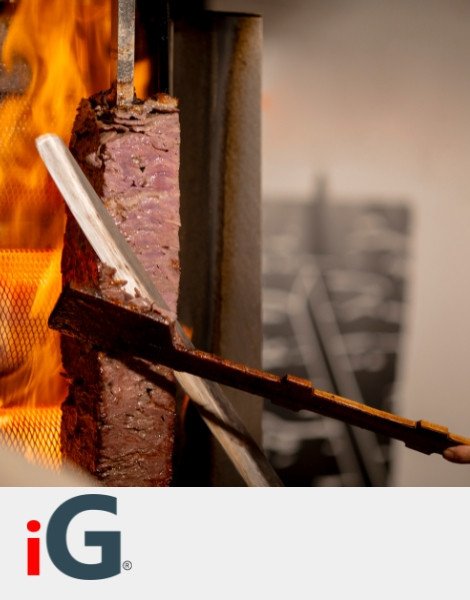 The World of Döner: From Traditional Recipes to the Best Döner Spots Worldwide
Learn how to make authentic Yaprak Döner, discover the best döner spots in Germany and worldwide, and explore the...Read more
The World of Döner: From Traditional Recipes to the Best Döner Spots Worldwide
Learn how to make authentic Yaprak Döner, discover the best döner spots in Germany and worldwide, and explore the...Read more
Leave a comment