
 Deutsch
 Türkçe
 Italiano

.jpg)
.jpg)
.jpg)
.jpg)
.jpg)
.jpg)
.jpg)
.jpg)
.jpg)
.jpg)

.jpg)

.jpg)
.jpg)
.jpg)
.jpg)
.jpg)
.jpg)
.jpg)
.jpg)
.jpg)
.jpg)



.jpg)
.jpg)
.jpg)
.jpg)
.jpg)
.jpg)
.jpg)
.jpg)
.jpg)



.jpg)
.jpg)

.jpg)
.jpg)
.jpg)
.jpg)


.jpg)

.png)
.jpg)
.jpg)
 (200 x 136 px) (5).png)
.png)

Looking for the perfect restaurant dinnerware? Discover why professional chefs worldwide rely on the chip-resistant...
-
 Cooking Appliances
add remove
Cooking Appliances
add remove -
-
Pizza & Grill
add remove
-
-
Refrigeration
add remove
-
-
Combi Steamer
add remove
-
-
Kitchen Appliances
add remove
-
-
Rinsing & Cleaning
add remove
-
-
Retail Refrigeration
add remove
-
-
Cafe & Ice Cream
add remove
-
-
Smart-Gastro
add remove
-
-
Event- & Cateringmöbel
-
Cooking Appliances
add remove
-
-
Pizza & Grill
add remove
-
-
Refrigeration
add remove
-
-
Combi Steamer
add remove
-
-
Kitchen Appliances
add remove
-
-
Rinsing & Cleaning
add remove
-
-
Retail Refrigeration
add remove
-
-
Cafe & Ice Cream
add remove
-
-
Smart-Gastro
add remove
-
-
Event- & Cateringmöbel


Call us:
+49 (0) 6135 7040 450Latest posts
-
 Why RAK Porcelain is the Top Choice for ProfessionalsRead more
 -
 Electric Fry Top: How Long Does It Take to Heat Up?Read more
The electric fry top is a versatile and efficient kitchen appliance that offers even heat distribution and a smooth...
-
 Does the Fry Top Scratch Easily? How to Preserve Its SurfaceRead more
Fry tops are versatile and popular cooking surfaces, but many wonder if they scratch easily and how to keep them in...
-
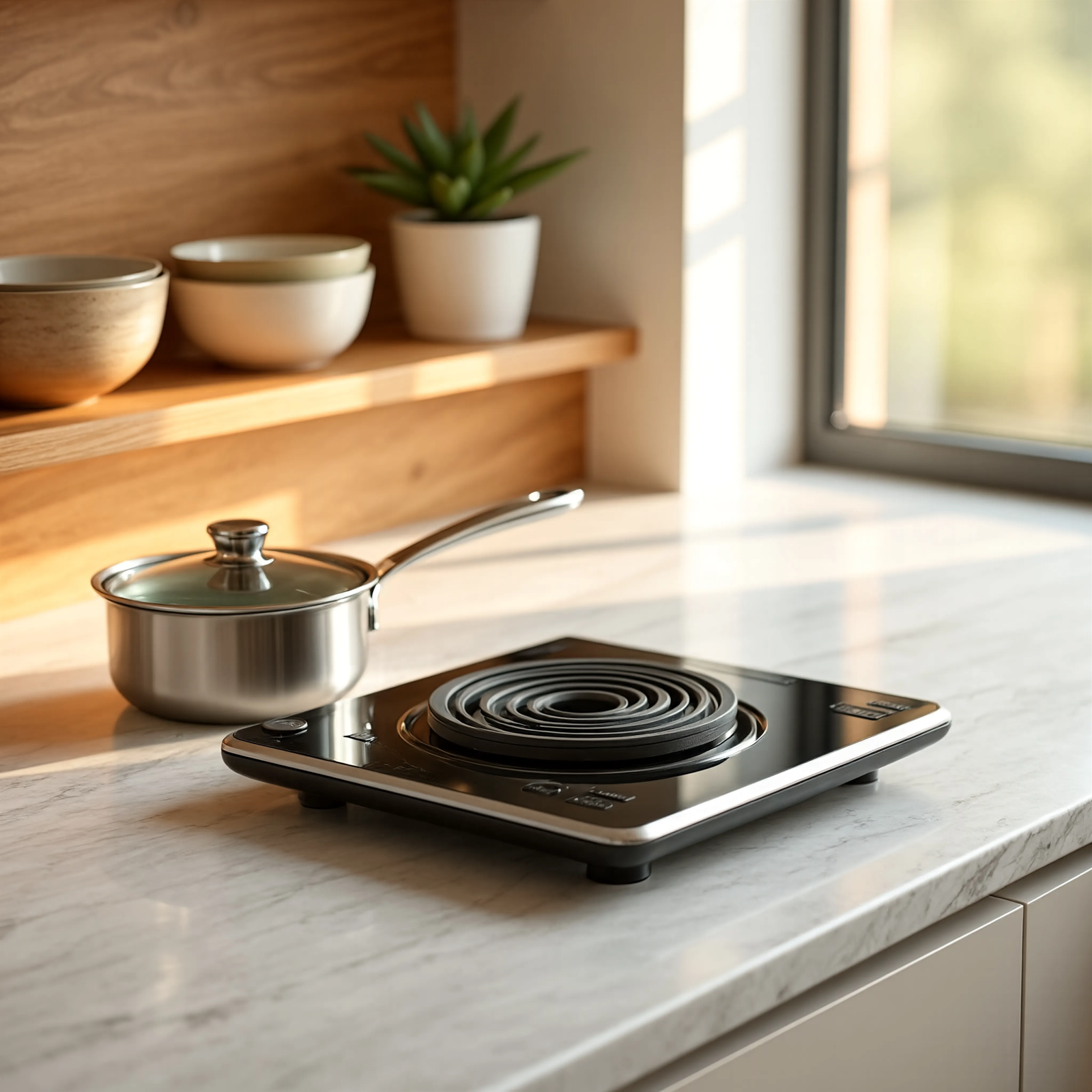 Fry Top for Beginners: Which Model Is Easiest to Use?Read more
Are you new to cooking with a fry top and wondering which model is easiest to use? A fry top, or griddle, offers a...
-
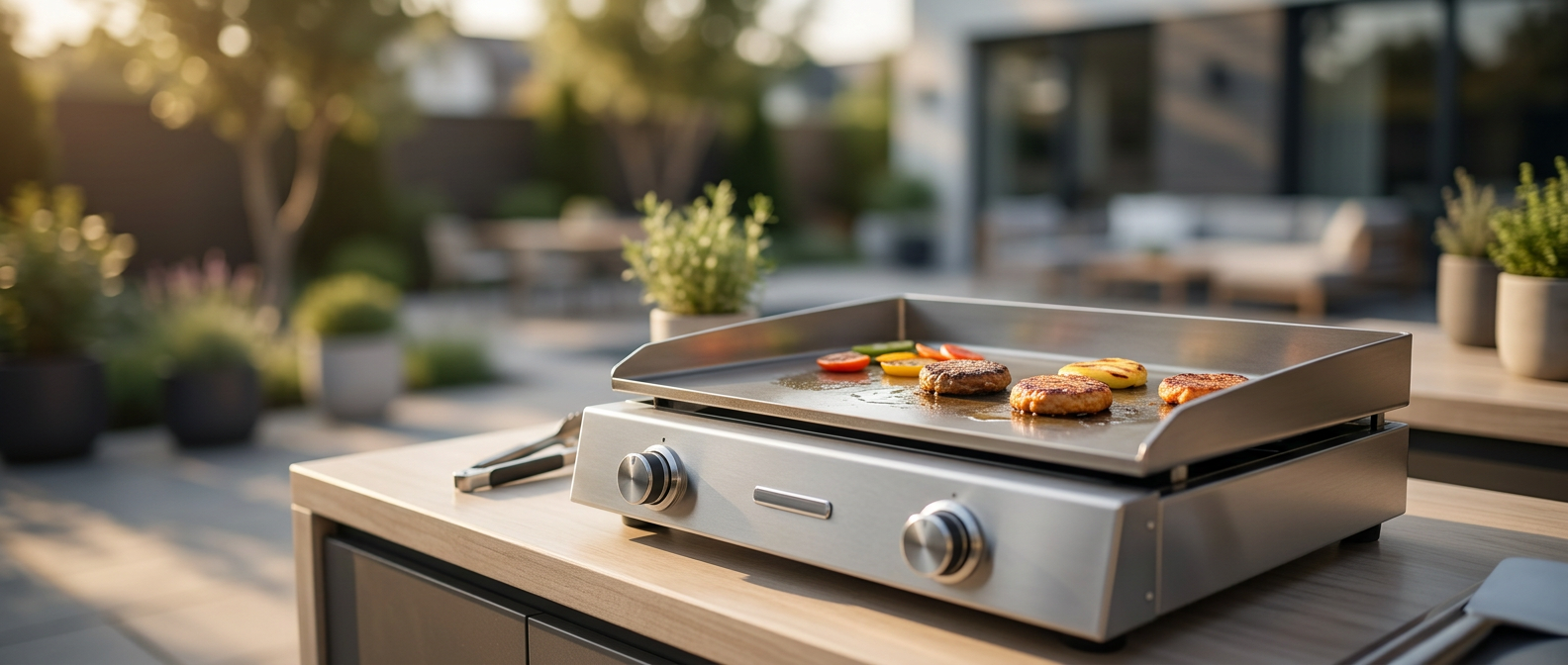 Small Spaces: Which Electric Hot Plate Should You Choose?Read more
Living in a small space often means limited kitchen area, making it essential to choose compact and efficient cooking...
-
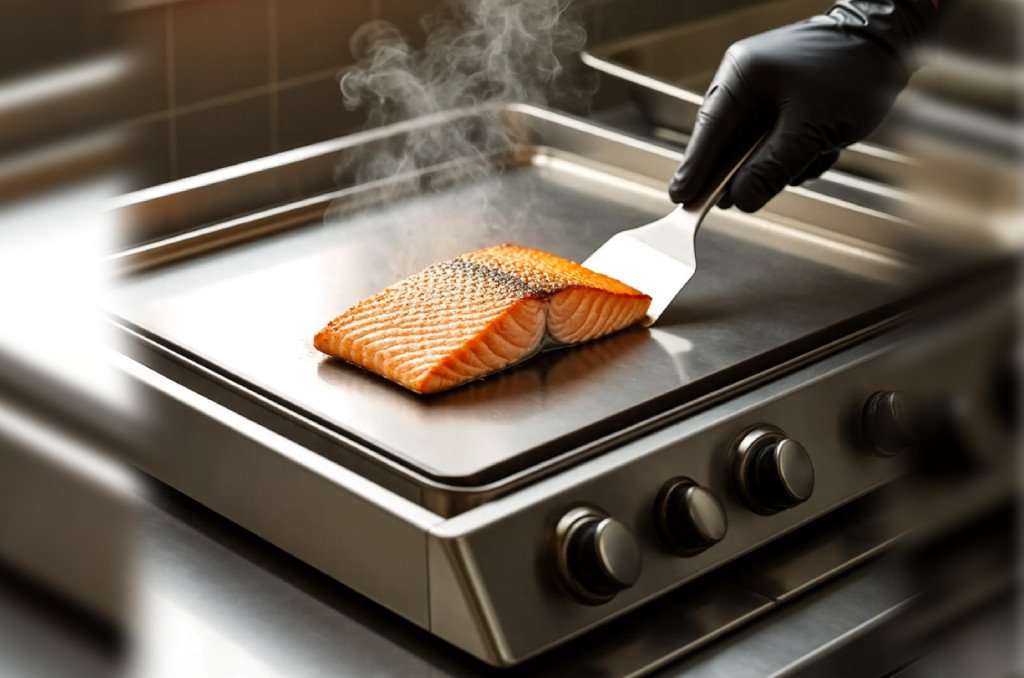 How to Fry Safely on an Electric Fry Top: A Complete GuideRead more
Frying on an electric fry top offers a convenient and efficient way to prepare delicious meals, but safety is...
-
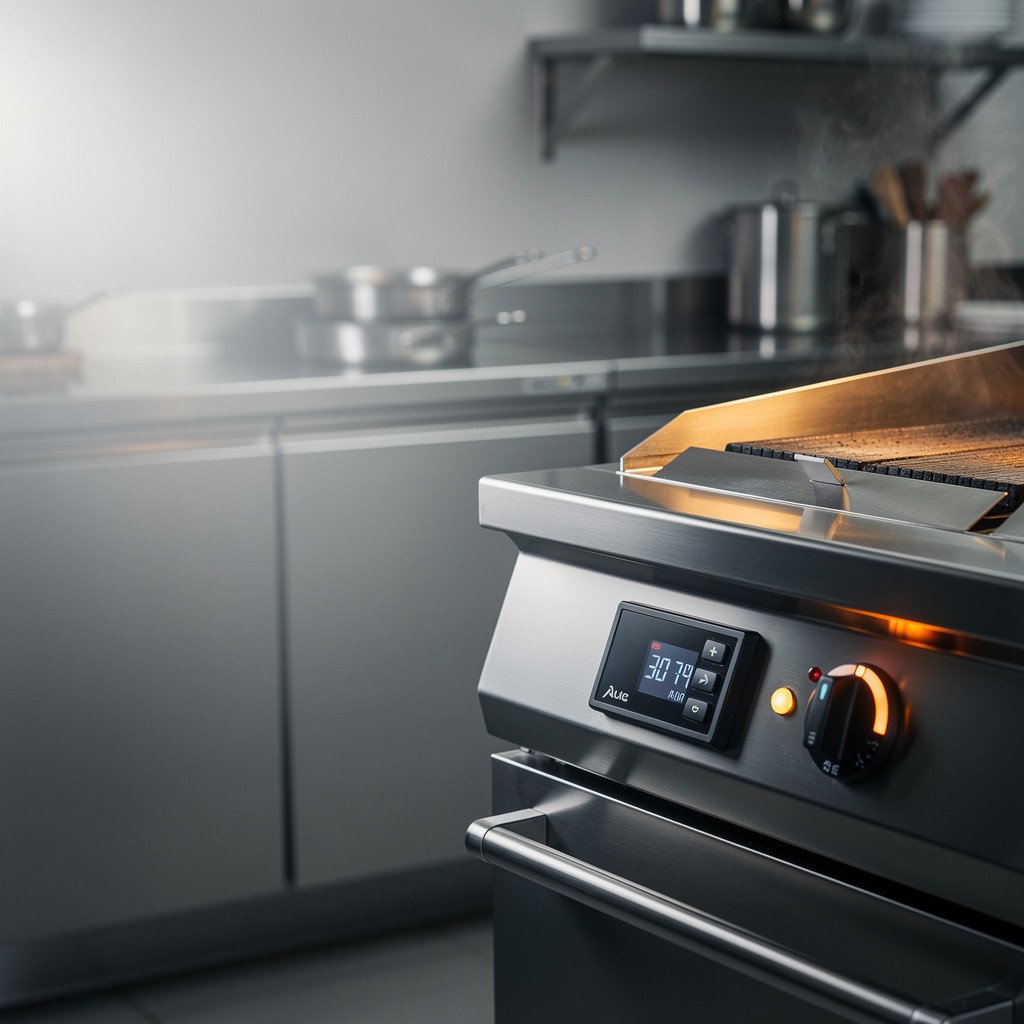 Fry Top with Thermostat: Is It Worth Spending More?Read more
A fry top is a versatile cooking surface widely used in both home and professional kitchens. One key feature that...
-
 Contact Electric Hotplates: Is Cooking Really Difficult?Read more
Contact electric hotplates are becoming increasingly popular for their convenience and efficiency in the kitchen....
-
 How to Choose the Right Power for Your Electric Fry TopRead more
Choosing the right power for your electric fry top is essential for efficient and enjoyable cooking. The power...
-
 Portable Fry Top: Does It Exist and Is It Worth Having?Read more
If you love cooking and are always on the go, you might wonder if a portable fry top exists and whether it’s worth...
Blog categories
Search in blog
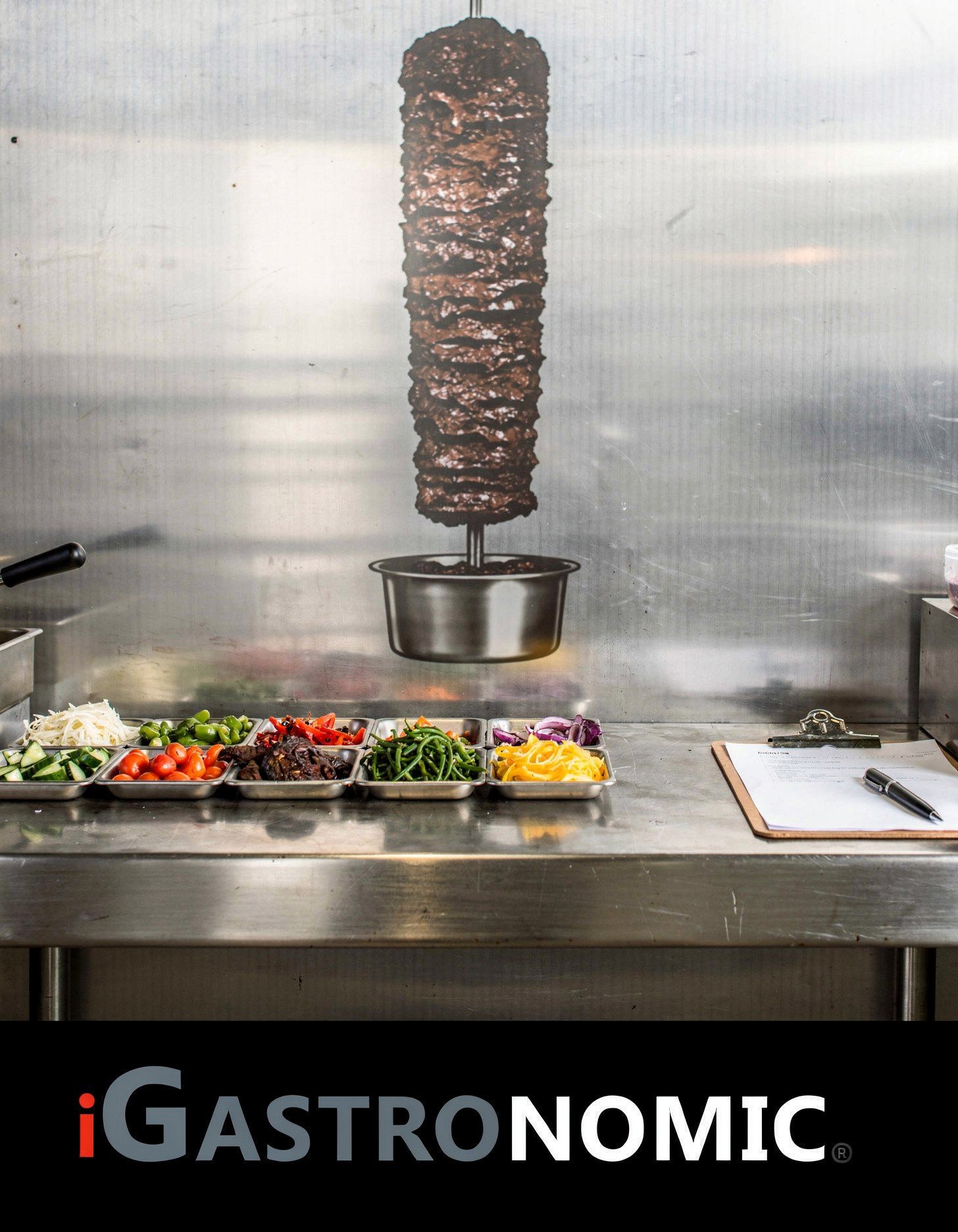
How Can I Open a Kebab Store? A Complete Step-by-Step Guide
How Can I Open a Kebab Store? A Complete Step-by-Step Guide
If you’ve ever dreamed of owning your own food business and have a passion for delicious, flavorful kebabs, opening a kebab store might be the perfect venture for you. Kebab stores are popular worldwide, offering a tasty and convenient food option loved by many. But how exactly do you open a kebab store? This guide will walk you through everything you need to know, from initial planning to launching your business and beyond.
1. Understanding the Kebab Business
Before diving into the practical steps, it’s important to understand what running a kebab store entails. Kebab stores typically serve grilled meat dishes, often accompanied by fresh vegetables, sauces, and bread. They can range from small street food carts to full-service restaurants. The key to success lies in quality ingredients, authentic recipes, excellent customer service, and efficient operations.
Types of Kebab Stores
- Street Food Stalls: Small, mobile setups often found in busy urban areas.
- Fast Food Outlets: Quick-service restaurants with limited seating.
- Full-Service Restaurants: Larger venues offering a wider menu and dine-in experience.
Decide early which model suits your budget, location, and target market.
2. Conduct Market Research
Market research is crucial to understand your potential customers, competitors, and location dynamics.
- Identify Your Target Audience: Are you targeting office workers, families, students, or tourists?
- Analyze Competitors: Visit other kebab stores and note their menu, pricing, and customer service.
- Location Analysis: High foot traffic areas, near offices, colleges, or shopping centers are ideal.
Use surveys, online research, and direct observation to gather data.
3. Develop a Business Plan
A solid business plan will serve as your roadmap and is often necessary for securing funding.
Key Components of Your Business Plan:
- Executive Summary: Brief overview of your business idea.
- Market Analysis: Insights from your research.
- Menu and Pricing Strategy: What kebabs and sides will you offer? At what price?
- Marketing Plan: How will you attract and retain customers?
- Operations Plan: Staffing, suppliers, equipment, and daily workflows.
- Financial Plan: Startup costs, projected revenue, expenses, and profit margins.
Having a clear plan helps you stay focused and makes it easier to communicate your vision to investors or lenders.
4. Secure Financing
Opening a kebab store requires capital for rent, equipment, ingredients, licenses, and marketing.
- Personal Savings: Using your own funds is common for small startups.
- Bank Loans: Prepare your business plan and financial projections to apply.
- Investors or Partners: Consider bringing in partners who can contribute capital and expertise.
- Government Grants or Programs: Check if there are any local grants for small food businesses.
Be realistic about your budget and include a contingency fund for unexpected expenses.
5. Choose the Right Location
Location can make or break your kebab store. Look for places with:
- High foot traffic
- Visibility from main roads or pedestrian paths
- Proximity to your target market
- Affordable rent
- Compliance with zoning laws
Visit potential locations at different times of the day to assess traffic patterns and competition.
6. Obtain Necessary Permits and Licenses
Food businesses are heavily regulated to ensure public safety. Requirements vary by country and city but generally include:
- Business License: Register your business officially.
- Food Service Permit: Ensures your store meets health and safety standards.
- Health Department Inspection: Your premises and food handling practices will be inspected.
- Fire Safety Certificate: Compliance with fire regulations.
- Signage Permit: Approval for your store’s signage.
Visit your local government website or office to get detailed information and start the application process early.
7. Design Your Store Layout
Efficient store layout improves workflow and customer experience.
- Kitchen Area: Should be spacious enough for food prep, cooking, and cleaning.
- Counter and Ordering Area: Clear and welcoming for customers.
- Seating Area: If applicable, comfortable and clean.
- Storage: For ingredients and supplies, ideally cool and dry.
Consider hiring a professional designer or consultant specialized in food service layouts.
8. Purchase Equipment and Supplies
Essential equipment includes:
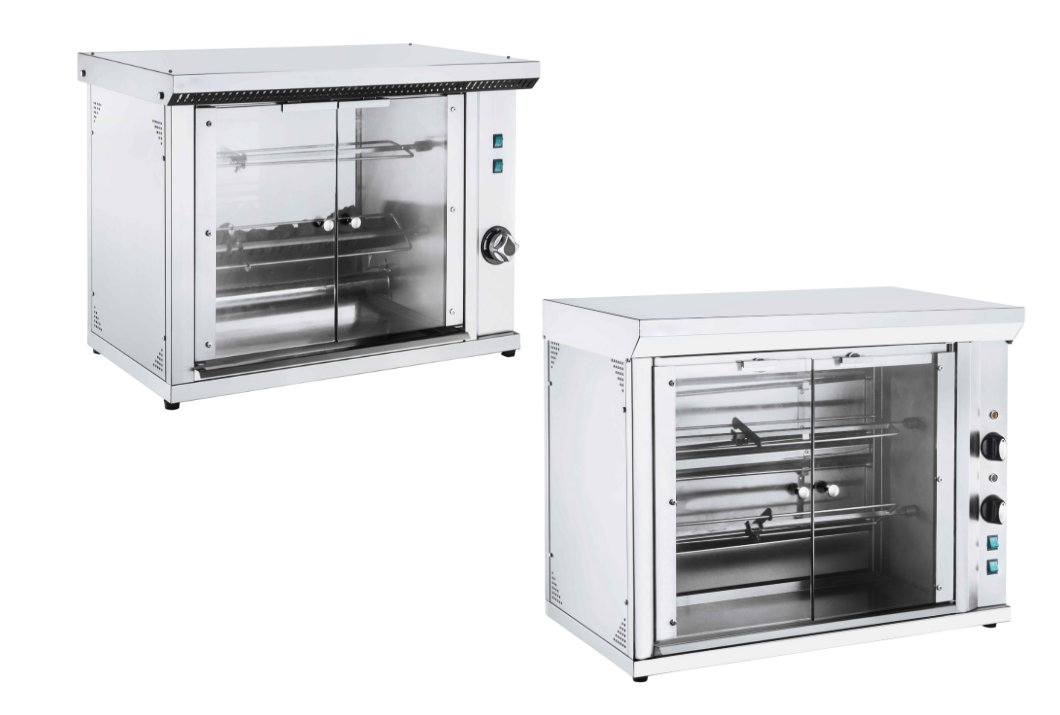
- Grills or rotisseries for kebabs
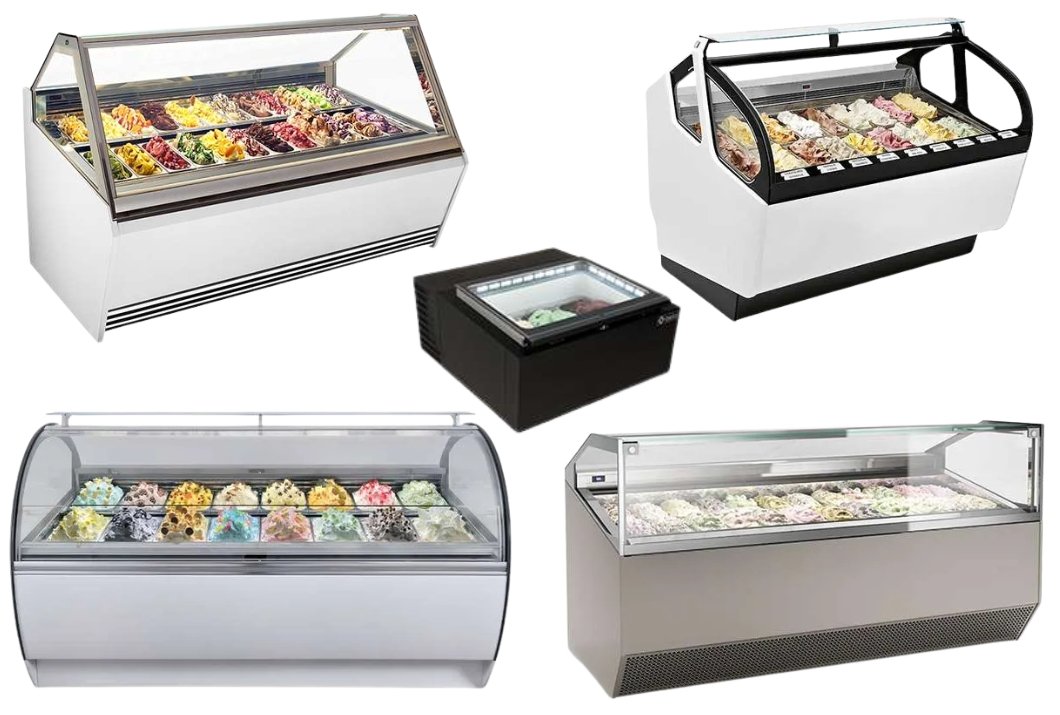
- Refrigerators and freezers
- Food prep tables and utensils
- Point of Sale (POS) system
- Packaging materials for takeout orders
Source fresh, high-quality ingredients from reliable suppliers. Building good relationships with vendors can help you negotiate better prices and ensure consistent supply.
9. Create Your Menu
Your menu is your business’s heart. Focus on authenticity, quality, and variety.
- Offer popular kebab varieties such as chicken, lamb, beef, and vegetarian options.
- Include sides like salads, fries, and sauces.
- Consider dietary preferences and allergies.
- Price your menu competitively but profitably.
Test recipes thoroughly and gather feedback before finalizing.
10. Hire and Train Staff
Depending on your store size, you may need cooks, cashiers, cleaners, and servers.
- Hire people with relevant experience and a friendly attitude.
- Train staff on food safety, customer service, and your store’s standards.
- Establish clear roles and responsibilities.
Good staff can significantly enhance customer satisfaction and repeat business.
11. Marketing and Promotion
Attracting customers is vital, especially in the early days.
- Social Media: Create profiles on Facebook, Instagram, and TikTok to showcase your food and promotions.
- Local Advertising: Flyers, posters, and local newspapers.
- Special Offers: Discounts, combo deals, or loyalty programs.
- Collaborations: Partner with local businesses or food delivery platforms.
- Grand Opening Event: Host a launch party with free samples or discounts.
Consistent marketing efforts will help build your brand and customer base.
12. Manage Daily Operations
Running your kebab store smoothly requires attention to detail.
- Maintain cleanliness and hygiene.
- Monitor inventory to avoid shortages or waste.
- Keep track of sales and expenses.
- Gather customer feedback and make improvements.
- Ensure staff schedules are well managed.
Use software tools for accounting, inventory, and scheduling to streamline processes.
13. Expand and Grow
Once your kebab store is established, consider growth opportunities:
- Add new menu items based on customer preferences.
- Open additional locations or food trucks.
- Offer catering services for events.
- Develop a strong online presence with delivery options.
Continuously innovate and adapt to market trends to stay competitive.
Conclusion
Opening a kebab store is an exciting and rewarding business opportunity if you plan carefully and execute well. From understanding the market and creating a solid business plan to securing financing, finding the right location, and marketing your brand, each step is crucial to your success. Remember, quality food and excellent customer service are the foundations of any thriving kebab store. So, roll up your sleeves, embrace the journey, and soon you could be serving delicious kebabs to happy customers every day!
Posted in:
Tips & Tricks
Related posts
-
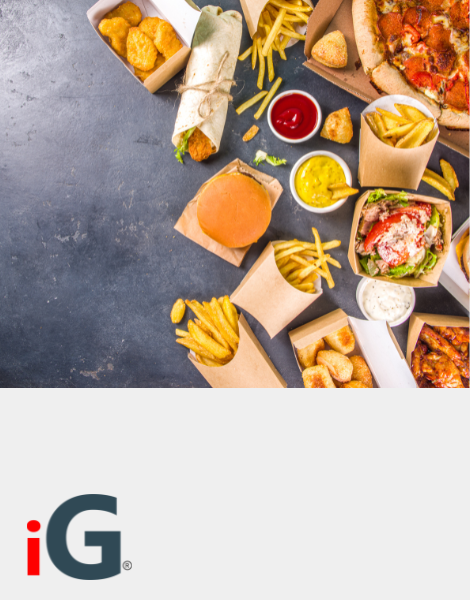 More Than Just Fast Food - All You Need to Know
System Gastronomy: Learn more about this exciting business model. From Fast Food to Casual Dining - we explain...Read more
More Than Just Fast Food - All You Need to Know
System Gastronomy: Learn more about this exciting business model. From Fast Food to Casual Dining - we explain...Read more -
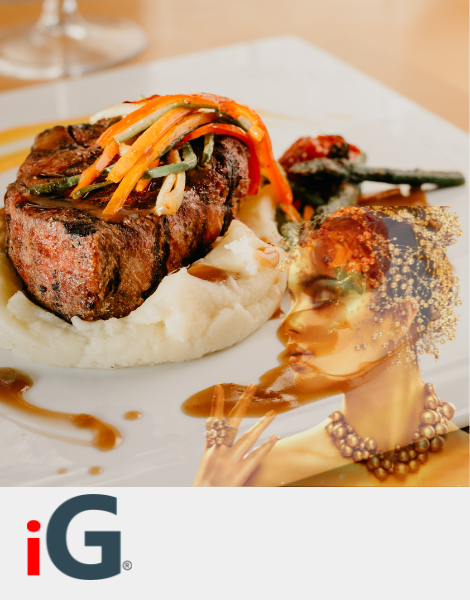 The 10 Most Expensive Restaurants in the World
When it comes to fine dining and luxurious culinary experiences, some restaurants around the globe capture attention...Read more
The 10 Most Expensive Restaurants in the World
When it comes to fine dining and luxurious culinary experiences, some restaurants around the globe capture attention...Read more -
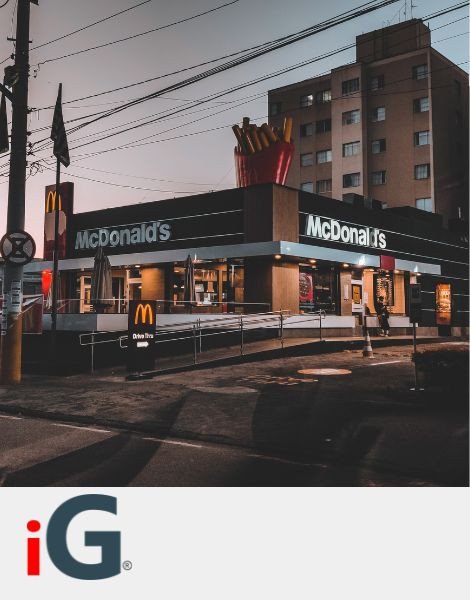 Which Restaurant Makes the Most Revenue? A Deep Dive into the World of Gastronomy
Who are the revenue giants in the gastronomy industry? We reveal the top players and analyze why they are so...Read more
Which Restaurant Makes the Most Revenue? A Deep Dive into the World of Gastronomy
Who are the revenue giants in the gastronomy industry? We reveal the top players and analyze why they are so...Read more -
 Boost Your Restaurant's Revenue with Pergolas and Louvered Roofs
Ever wondered how to make your restaurant more appealing and increase your sales? The answer might be simpler than...Read more
Boost Your Restaurant's Revenue with Pergolas and Louvered Roofs
Ever wondered how to make your restaurant more appealing and increase your sales? The answer might be simpler than...Read more -
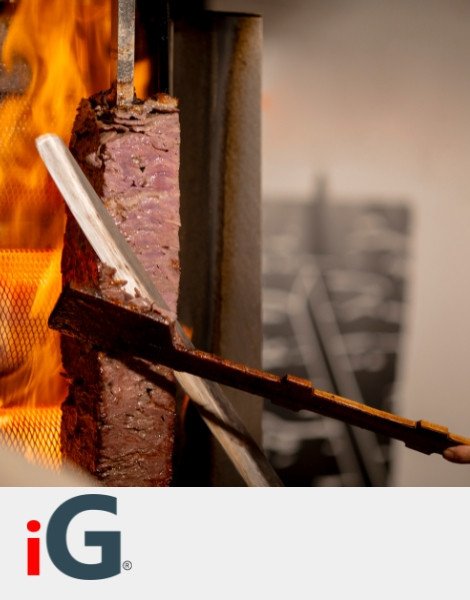 The World of Döner: From Traditional Recipes to the Best Döner Spots Worldwide
Learn how to make authentic Yaprak Döner, discover the best döner spots in Germany and worldwide, and explore the...Read more
The World of Döner: From Traditional Recipes to the Best Döner Spots Worldwide
Learn how to make authentic Yaprak Döner, discover the best döner spots in Germany and worldwide, and explore the...Read more
Leave a comment