
 Deutsch
 Türkçe
 Italiano

.jpg)
.jpg)
.jpg)
.jpg)
.jpg)
.jpg)
.jpg)
.jpg)
.jpg)
.jpg)

.jpg)

.jpg)
.jpg)
.jpg)
.jpg)
.jpg)
.jpg)
.jpg)
.jpg)
.jpg)
.jpg)



.jpg)
.jpg)
.jpg)
.jpg)
.jpg)
.jpg)
.jpg)
.jpg)
.jpg)



.jpg)
.jpg)

.jpg)
.jpg)
.jpg)
.jpg)


.jpg)

.png)
.jpg)
.jpg)
 (200 x 136 px) (5).png)
.png)

Setting up a döner stand at markets and events offers a fantastic opportunity to reach new customers and share...
-
 Cooking Appliances
add remove
Cooking Appliances
add remove -
-
Pizza & Grill
add remove
-
-
Refrigeration
add remove
-
-
Combi Steamer
add remove
-
-
Kitchen Appliances
add remove
-
-
Rinsing & Cleaning
add remove
-
-
Retail Refrigeration
add remove
-
-
Cafe & Ice Cream
add remove
-
-
Smart-Gastro
add remove
-
-
Event- & Cateringmöbel
-
Cooking Appliances
add remove
-
-
Pizza & Grill
add remove
-
-
Refrigeration
add remove
-
-
Combi Steamer
add remove
-
-
Kitchen Appliances
add remove
-
-
Rinsing & Cleaning
add remove
-
-
Retail Refrigeration
add remove
-
-
Cafe & Ice Cream
add remove
-
-
Smart-Gastro
add remove
-
-
Event- & Cateringmöbel


Call us:
+49 (0) 6135 7040 450Latest posts
-
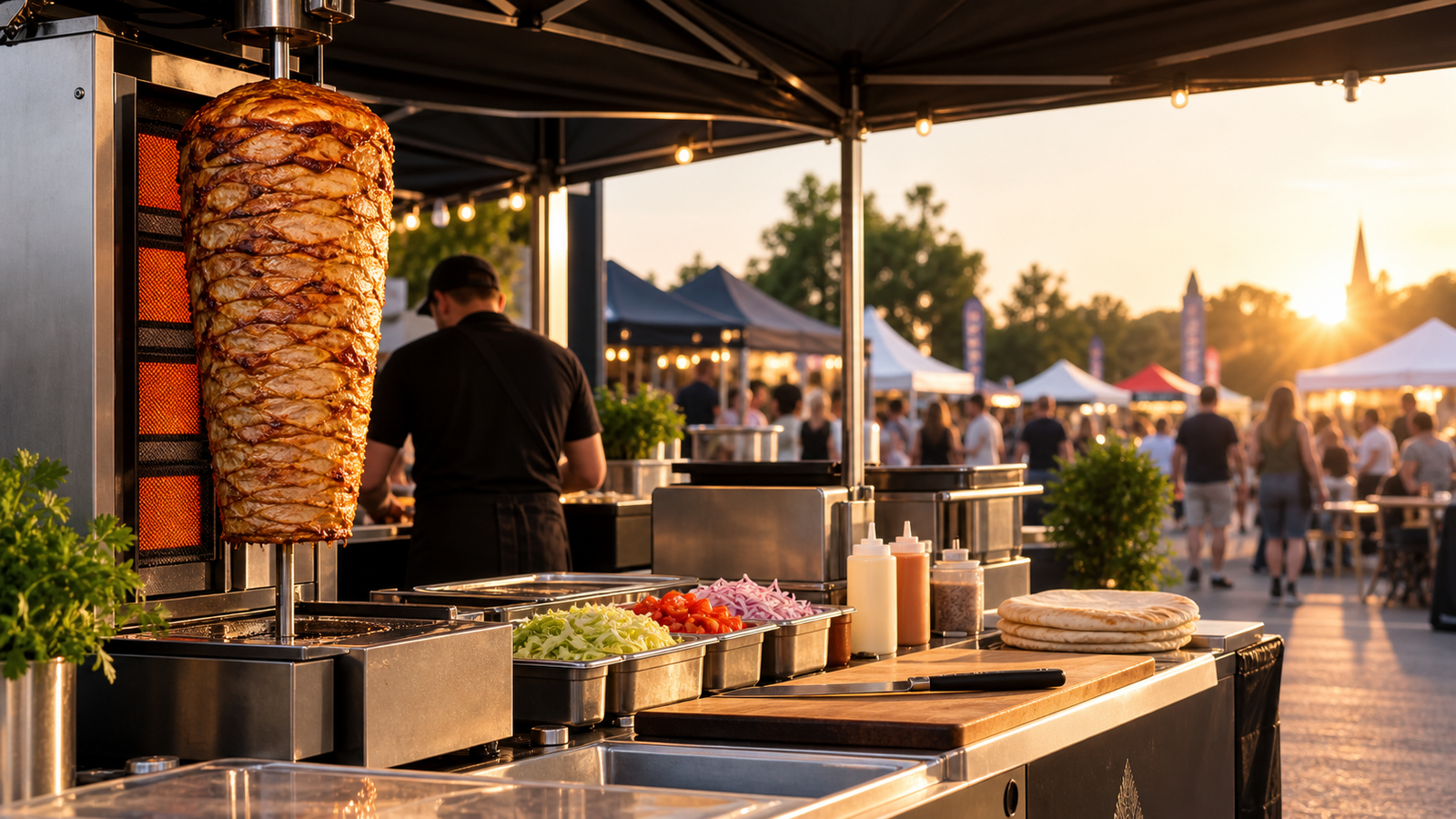 Setting Up a Döner Stand at Markets & Events: Equipment & Planning for Professional Temporary Sales PointsRead more
 -
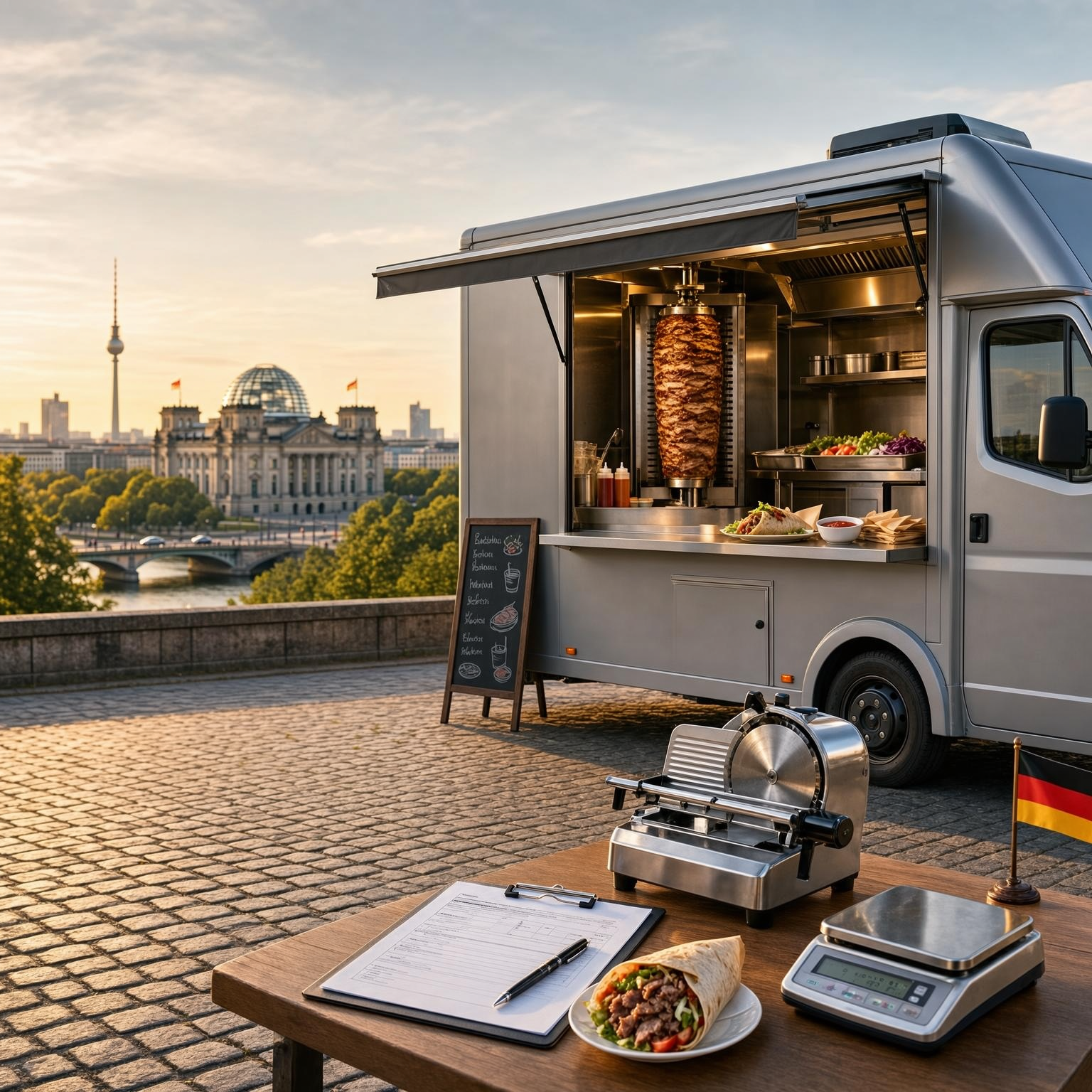 Starting a Döner Food Truck in Germany: Equipment and Regulations You Need to KnowRead more
Thinking about starting a Döner food truck in Germany? This guide covers everything you need to know—from legal...
-
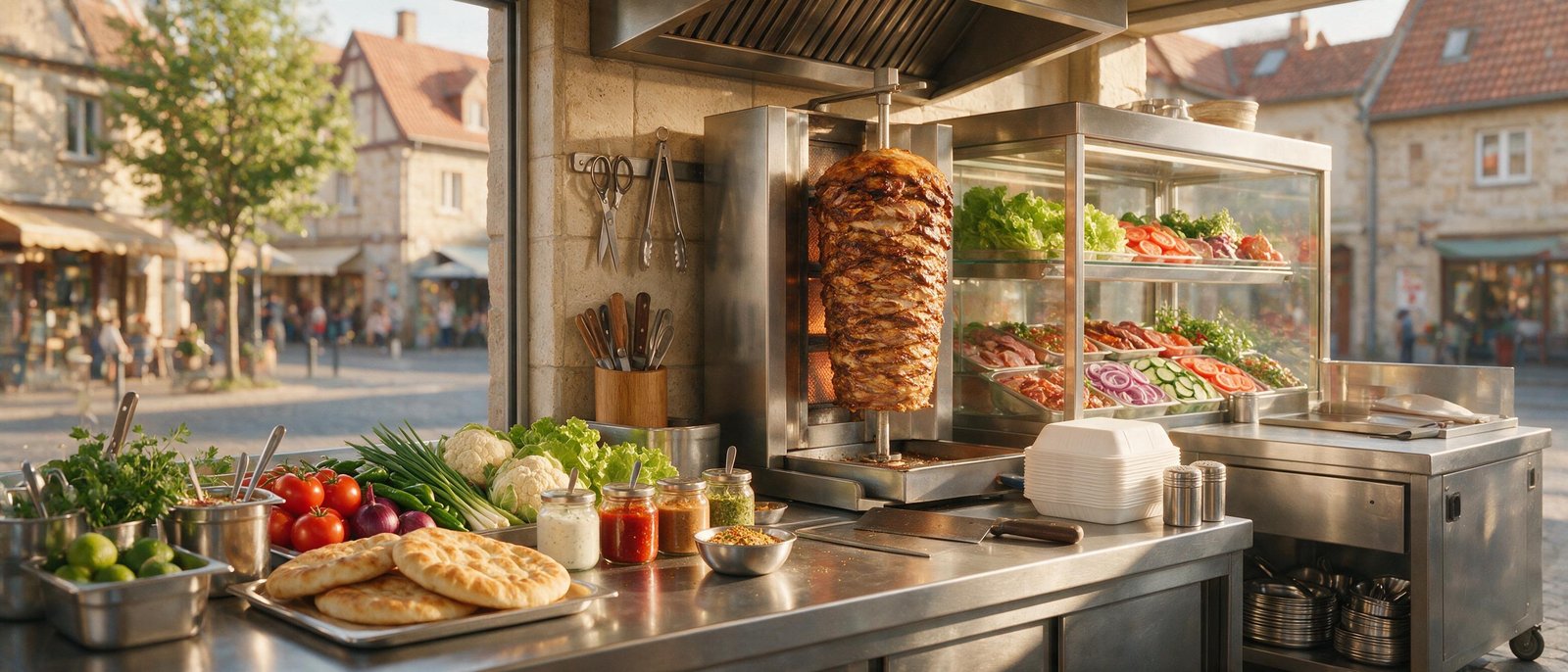 Opening a Döner Kebab Stand in Germany: Equipment, Permits & Startup Costs – Step-by-Step Guide to Starting Your BusinessRead more
Opening a Döner kebab stand in Germany is a popular business idea due to the widespread love for this delicious fast...
-
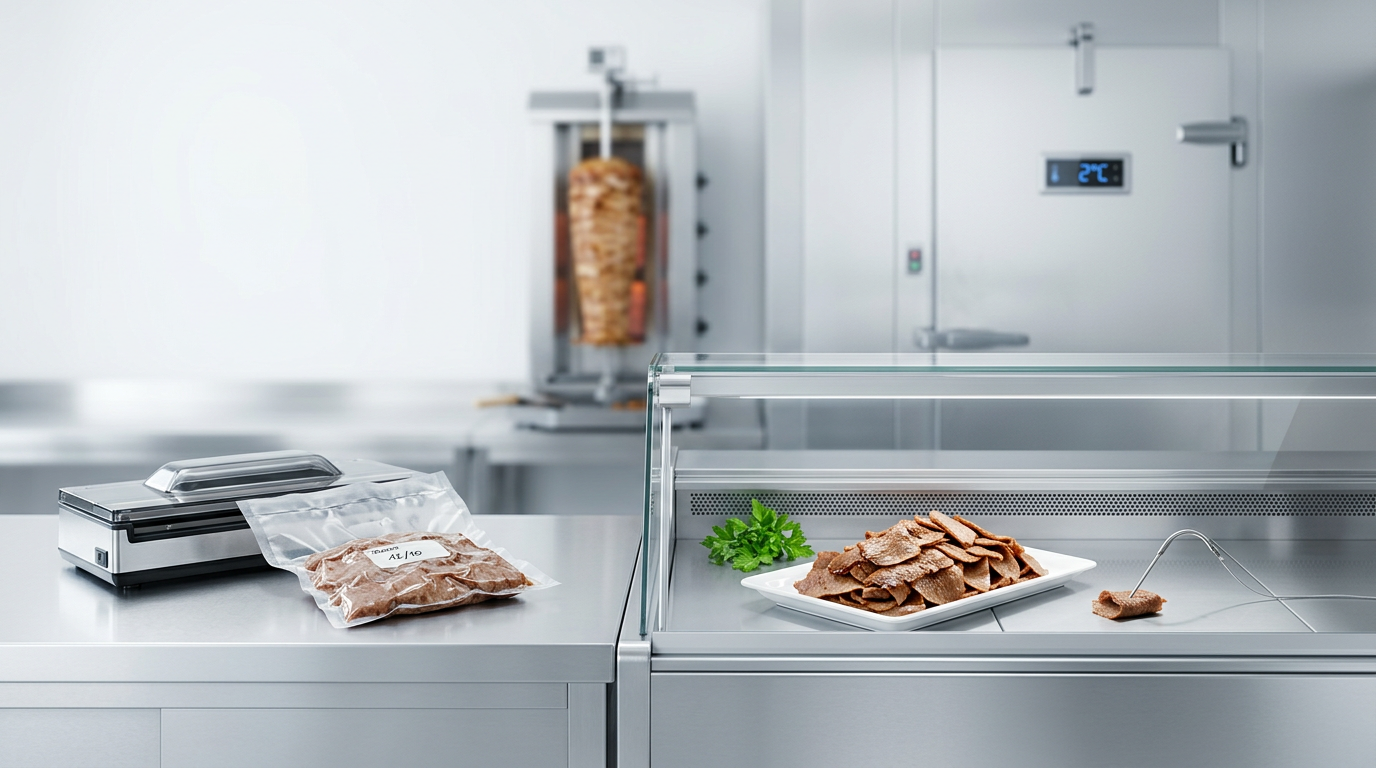 Shelf Life of Döner Meat: Cooling, Freezing & Fresh Counter Storage – Proper Handling to Prevent Food WasteRead more
Döner meat is a popular and delicious dish, but it’s also highly perishable. Proper storage is key to maintaining its...
-
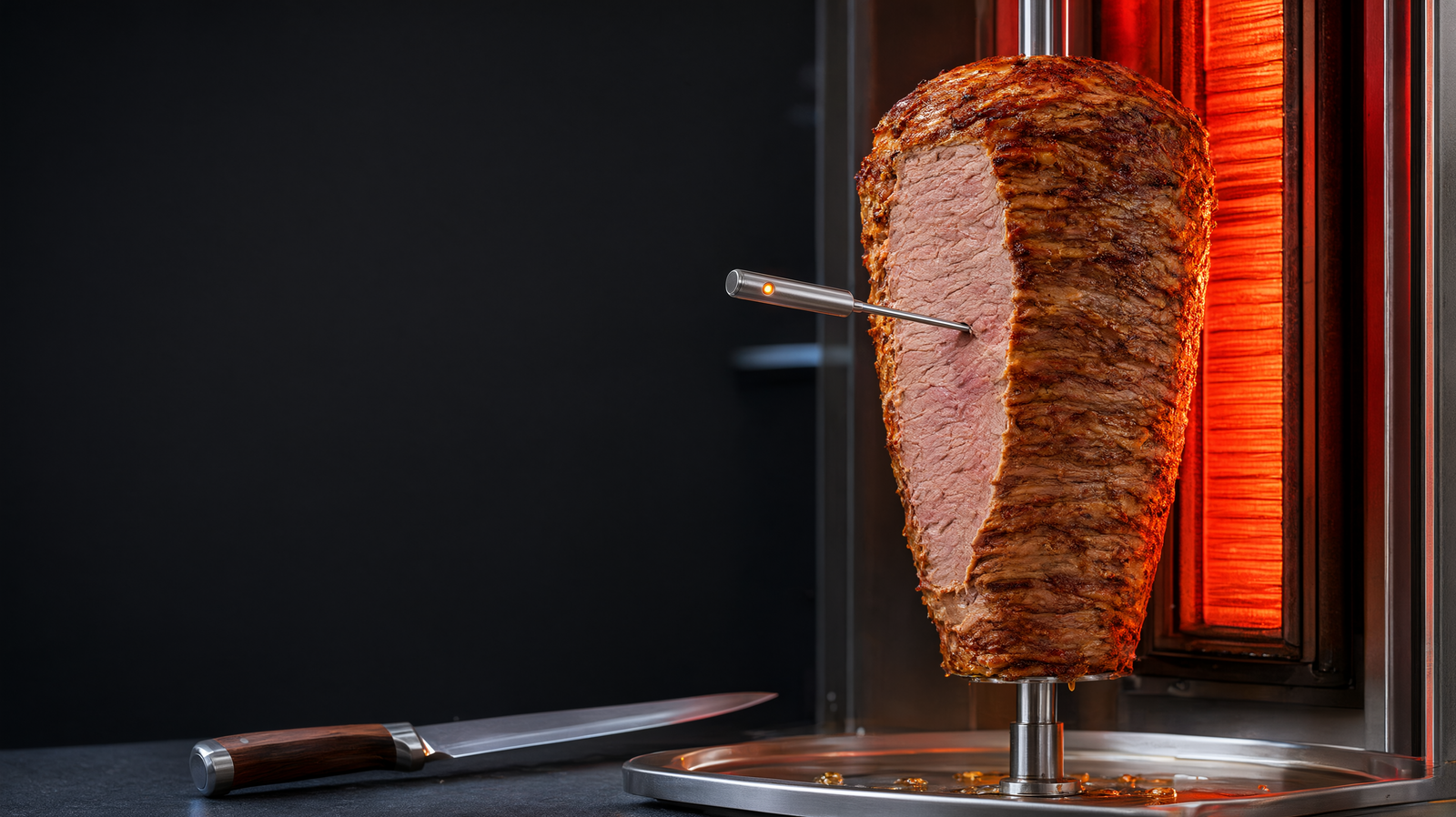 How Long Does a Döner Kebab Spit Last on the Grill? → Stand Times, Core Temperature, and Replenishment Planning in BusinessRead more
The Döner kebab spit is a cornerstone of many street food businesses, but managing how long it stays on the grill is...
-
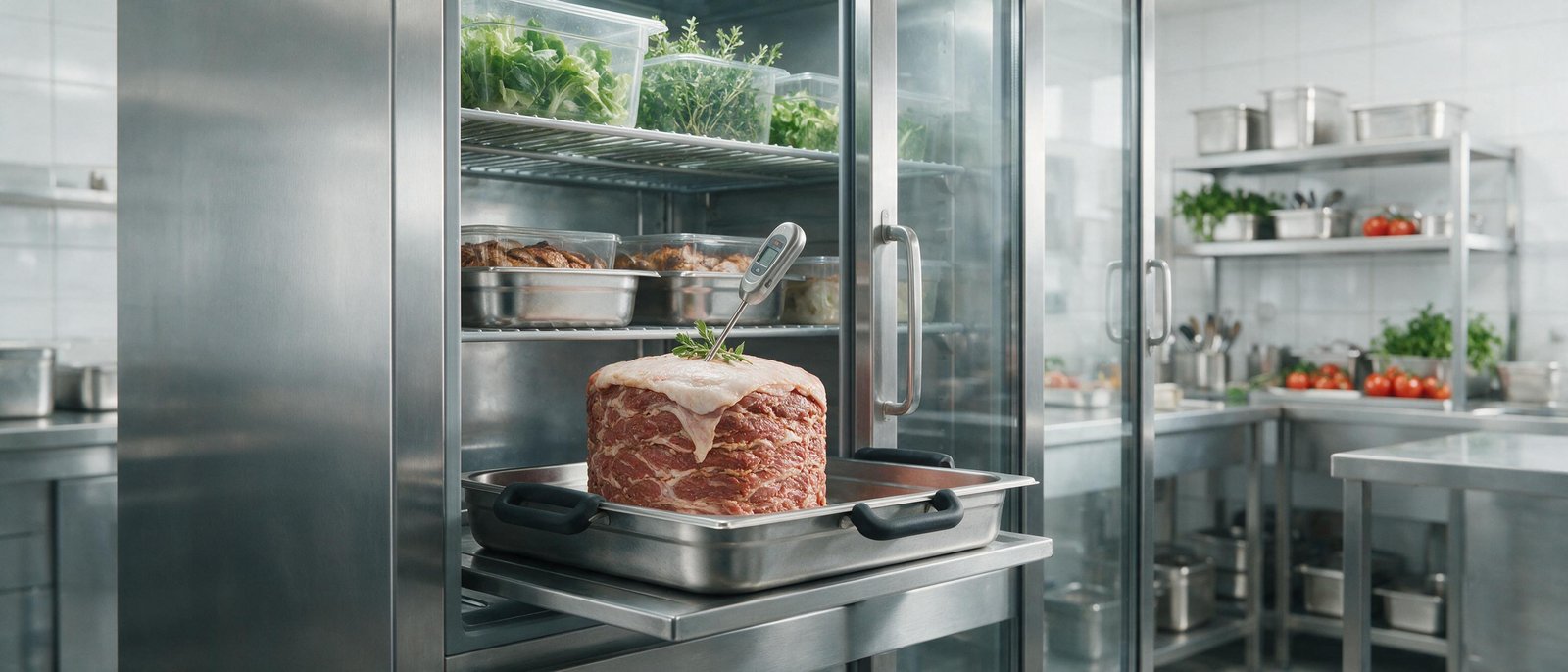 Proper Storage of Döner Meat: Regulations & Food Safety → HACCP-Compliant Storage According to German Food Hygiene RegulationsRead more
Döner meat is a popular and perishable food product that requires careful storage to maintain its safety and quality....
-
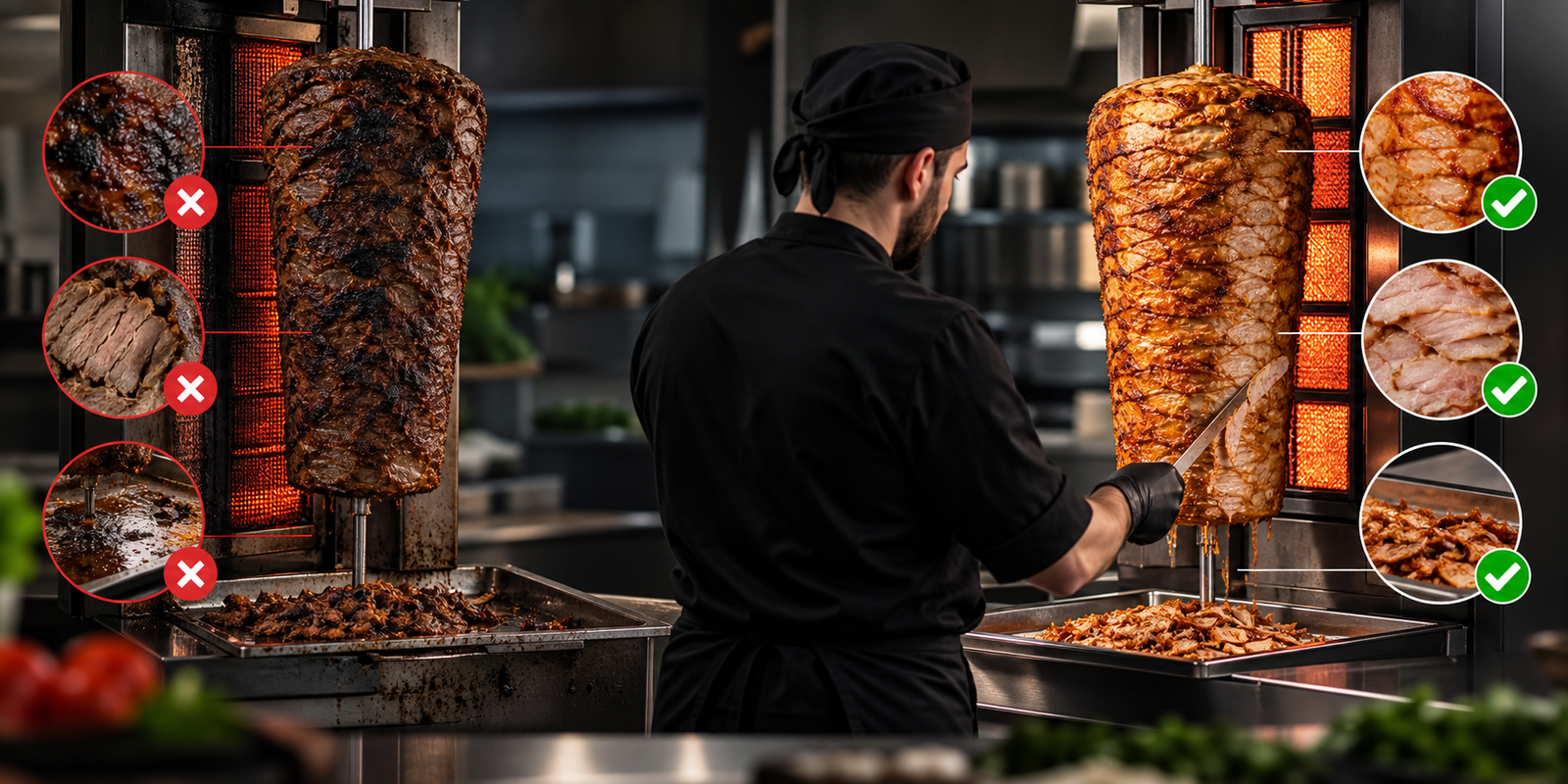 Common Mistakes When Grilling Döner – And How to Avoid Them: Identifying and Fixing Typical Preparation Errors in the Gastronomy IndustryRead more
The Döner kebab is a globally loved dish, but many gastronomy professionals struggle with common mistakes during its...
-
 What Makes Good Döner Meat So Tender and Flavorful? → Quality Characteristics and Preparation Techniques for RestaurateursRead more
Döner kebab is famous worldwide for its tender, juicy, and flavorful meat. But what exactly makes Döner meat so...
-
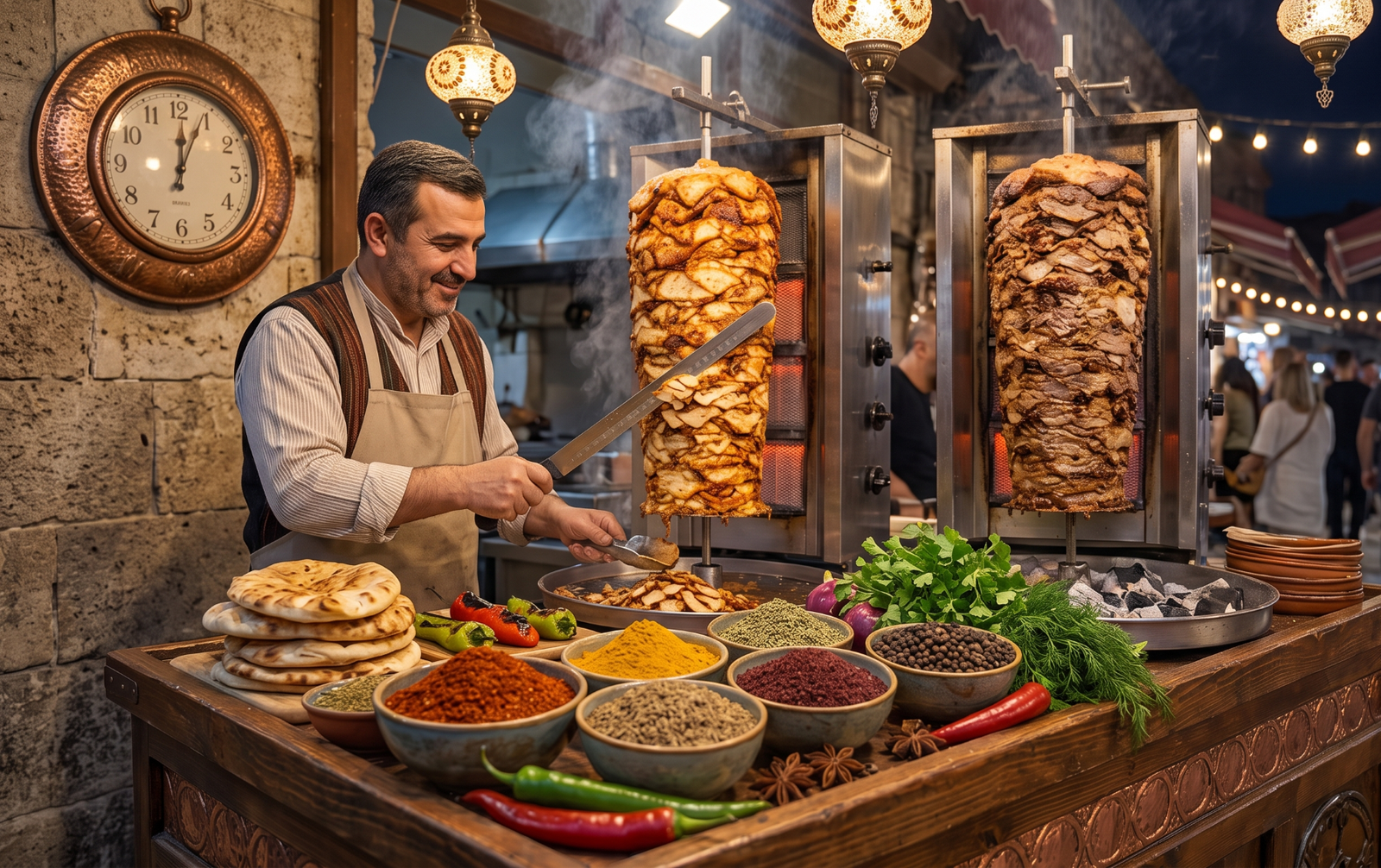 How to Slice Döner Meat Perfectly: Professional Techniques with Döner Knives and Electric SlicersRead more
Döner kebab is renowned for its thin, juicy slices of meat cooked on a vertical spit. Achieving perfect slices...
-
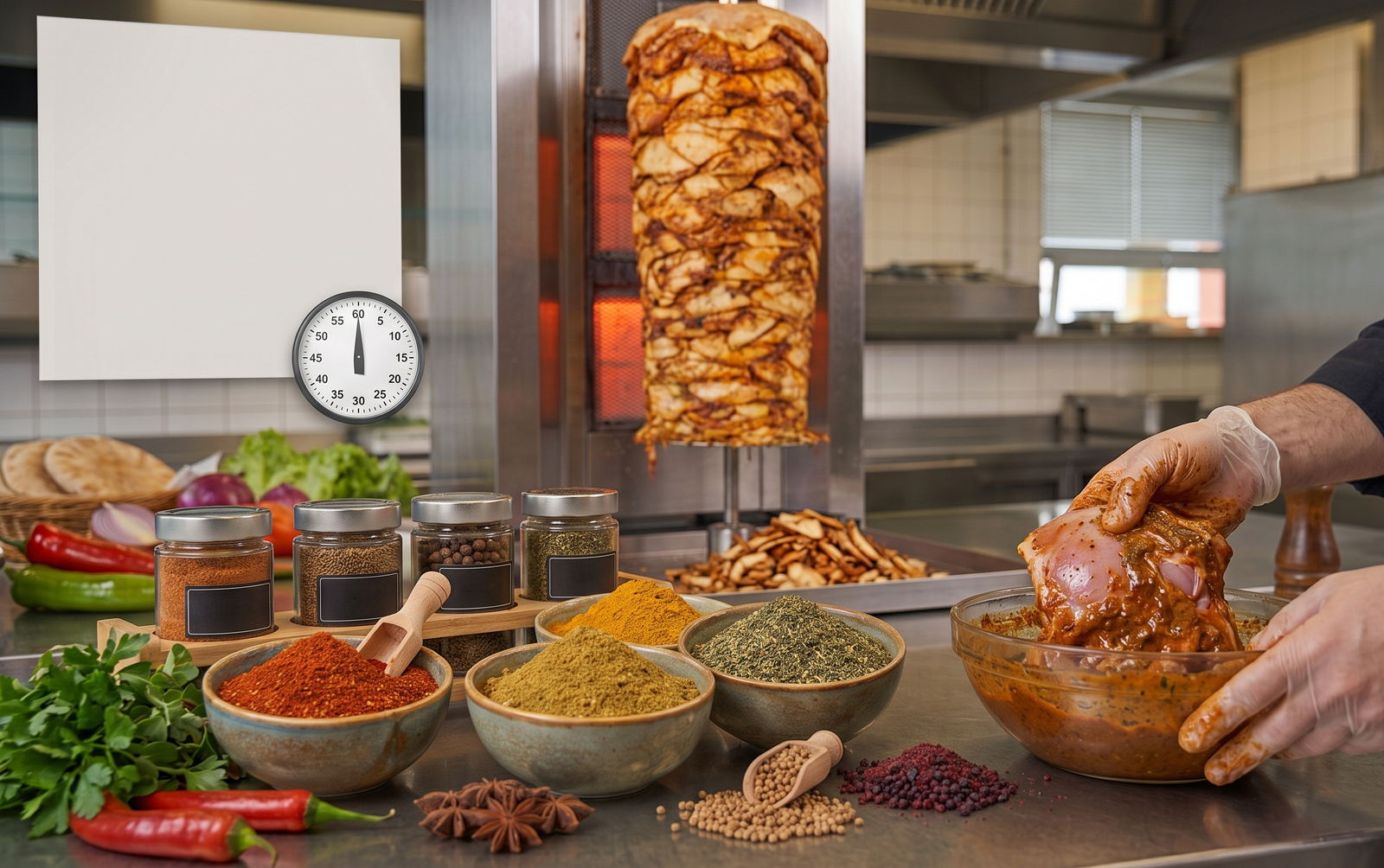 Döner Meat Marinade: Marinating Time and Professional Preparation → Optimal Preparation for Maximum Flavor and TendernessRead more
Döner kebab is famous worldwide for its juicy, flavorful meat, and the key to its perfection lies in the marinade and...
Blog categories
Search in blog
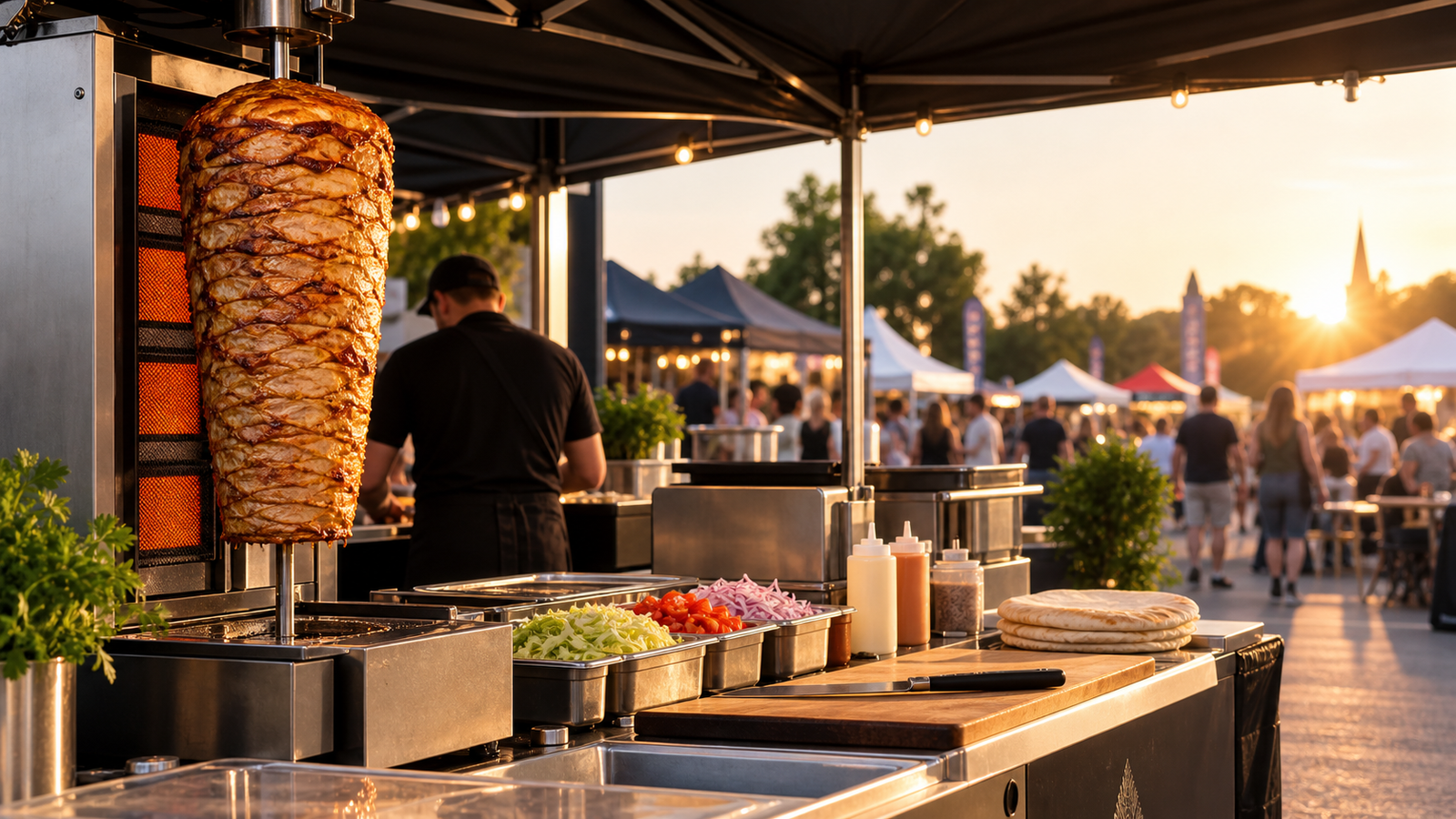
Setting Up a Döner Stand at Markets & Events: Equipment & Planning for Professional Temporary Sales Points
Setting Up a Döner Stand at Markets & Events: Equipment & Planning for Professional Temporary Sales Points
Markets, fairs, and events are fantastic opportunities for food entrepreneurs to showcase their culinary delights and reach new customers. Among the many popular street foods, the döner kebab stands out as a beloved and versatile choice. Setting up a döner stand at temporary locations such as markets or festivals requires more than just a passion for food; it demands careful planning, the right equipment, and an understanding of the logistics involved in running a mobile food business.
Why Choose a Döner Stand for Markets and Events?
Döner kebab is a crowd-pleaser with its juicy, flavorful meat, fresh vegetables, and tasty sauces served in pita bread or flatbreads. Its popularity across Europe and beyond makes it a reliable choice for vendors aiming to attract a diverse clientele. Additionally, the relatively compact setup of a döner stand allows for flexibility in location and mobility, making it ideal for temporary sales points.
However, success depends on more than just the food. Professional setup, hygiene, and efficient service are key factors that influence customer satisfaction and sales volume.
Planning Your Döner Stand: Key Considerations
1. Location and Permissions
Before you even think about equipment, securing the right location and obtaining necessary permits is crucial. Market organizers or event managers usually provide guidelines on where and how food vendors can operate. Contact local authorities to understand health and safety regulations, food handling licenses, and any temporary sales permits required.
2. Understanding Your Target Audience
Knowing who your customers are will help tailor your menu and service style. For instance, family-friendly markets might require kid-friendly options, while music festivals might call for quick service and portable packaging.
3. Menu Planning
While döner kebabs are the star, consider offering variations such as vegetarian or vegan options, different sauces, or combo meals. Keep the menu manageable to maintain speed and quality during busy periods.
4. Budgeting and Pricing
Calculate costs including ingredients, equipment rental or purchase, permits, staff wages, and transportation. Pricing must cover expenses while remaining competitive.
Essential Equipment for a Döner Stand
Setting up a döner stand requires specialized equipment designed for efficiency, hygiene, and safety. Here’s a detailed overview of what you need:
1. Döner Grill (Vertical Rotisserie)
The centerpiece of your stand, the döner grill cooks the meat slowly and evenly on a vertical spit. Look for grills with adjustable heat settings, easy cleaning features, and sufficient capacity to meet demand. Gas-powered grills are common for their portability and quick heating.
2. Meat Slicer
After cooking, the meat is shaved off in thin slices. A reliable electric meat slicer ensures uniform cuts and speeds up service. Safety features like blade guards are essential.
3. Food Prep Tables and Counters
Stainless steel prep tables provide a hygienic surface for assembling döner kebabs and preparing ingredients. They should be easy to clean and resistant to corrosion.
4. Refrigeration Units
Keeping ingredients fresh is vital. Portable refrigerators or coolers store meat, vegetables, sauces, and drinks at safe temperatures. Ensure your refrigeration equipment complies with food safety standards.
5. Food Warmers and Heat Lamps
To keep bread, cooked meats, and other components warm without drying them out, use food warmers or heat lamps. This helps maintain quality during busy service times.
6. Serving and Packaging Supplies
Disposable plates, wraps, napkins, and cutlery should be practical and eco-friendly if possible. Consider branded packaging to enhance your stand’s visibility.
7. Handwashing Station
Health regulations often require a dedicated handwashing station with running water, soap, and disposable towels. Portable sinks are available for mobile setups.
8. Cash Register or POS System
Efficient payment processing speeds up transactions. Modern POS systems can accept card payments and even mobile pay, which customers increasingly prefer.
9. Shelter and Display
A tent, canopy, or trailer protects your stand from weather elements and creates a welcoming environment. Display boards or menus should be clear and attractive.
Setting Up Your Döner Stand: Step-by-Step
Step 1: Site Preparation
Upon arrival, choose a spot that maximizes foot traffic and visibility. Set up your shelter and arrange equipment logically to ensure smooth workflow from cooking to serving.
Step 2: Equipment Installation
Install the döner grill and refrigeration units, ensuring power supply is stable and safe. Set up prep tables and handwashing stations in accessible locations.
Step 3: Ingredient Preparation
Pre-cut vegetables, prepare sauces, and load the meat onto the spit. Maintain strict hygiene standards during all preparation steps.
Step 4: Staff Briefing
Ensure all team members understand their roles, hygiene protocols, and customer service expectations. Practice efficient order taking and assembly.
Step 5: Opening and Service
Start grilling the meat and serving customers. Monitor stock levels and maintain cleanliness throughout the event.
Tips for Running a Successful Döner Stand at Temporary Locations
- Prioritize Hygiene: Regularly clean surfaces, use gloves, and ensure handwashing compliance.
- Speed and Efficiency: Organize your workspace to minimize movement and reduce wait times.
- Customer Engagement: Friendly service encourages repeat business and positive word-of-mouth.
- Marketing: Use signage, social media, and promotions to attract attention.
- Adaptability: Be prepared to adjust menu or operations based on crowd size and feedback.
Challenges and How to Overcome Them
Operating a döner stand at markets and events comes with unique challenges:
Weather Conditions
Rain, wind, or extreme heat can affect both equipment and customer turnout. Invest in sturdy shelters and plan for weather contingencies.
Power Supply
Reliable electricity is essential for grills, refrigeration, and POS systems. Use generators if necessary and have backup plans.
Waste Management
Temporary locations may have limited waste disposal options. Use biodegradable packaging and coordinate with event organizers for trash removal.
Regulatory Compliance
Stay updated on local food safety laws and event-specific rules to avoid fines or shutdowns.
Conclusion
Setting up a professional döner stand at markets and events is a rewarding venture that combines culinary passion with smart business planning. By investing in the right equipment, understanding your audience, and adhering to hygiene and safety standards, you can create a memorable food experience that keeps customers coming back.
Whether you are a seasoned vendor or just starting out, careful preparation and attention to detail will set you apart in the bustling world of temporary food sales. Embrace the challenge, and enjoy the delicious journey of serving one of the world’s favorite street foods!
Interested in more tips on mobile food vending and event catering? Stay tuned for our upcoming guides on food truck essentials and seasonal market strategies!
Posted in:
Gyros | Dönergrills
Related posts
-
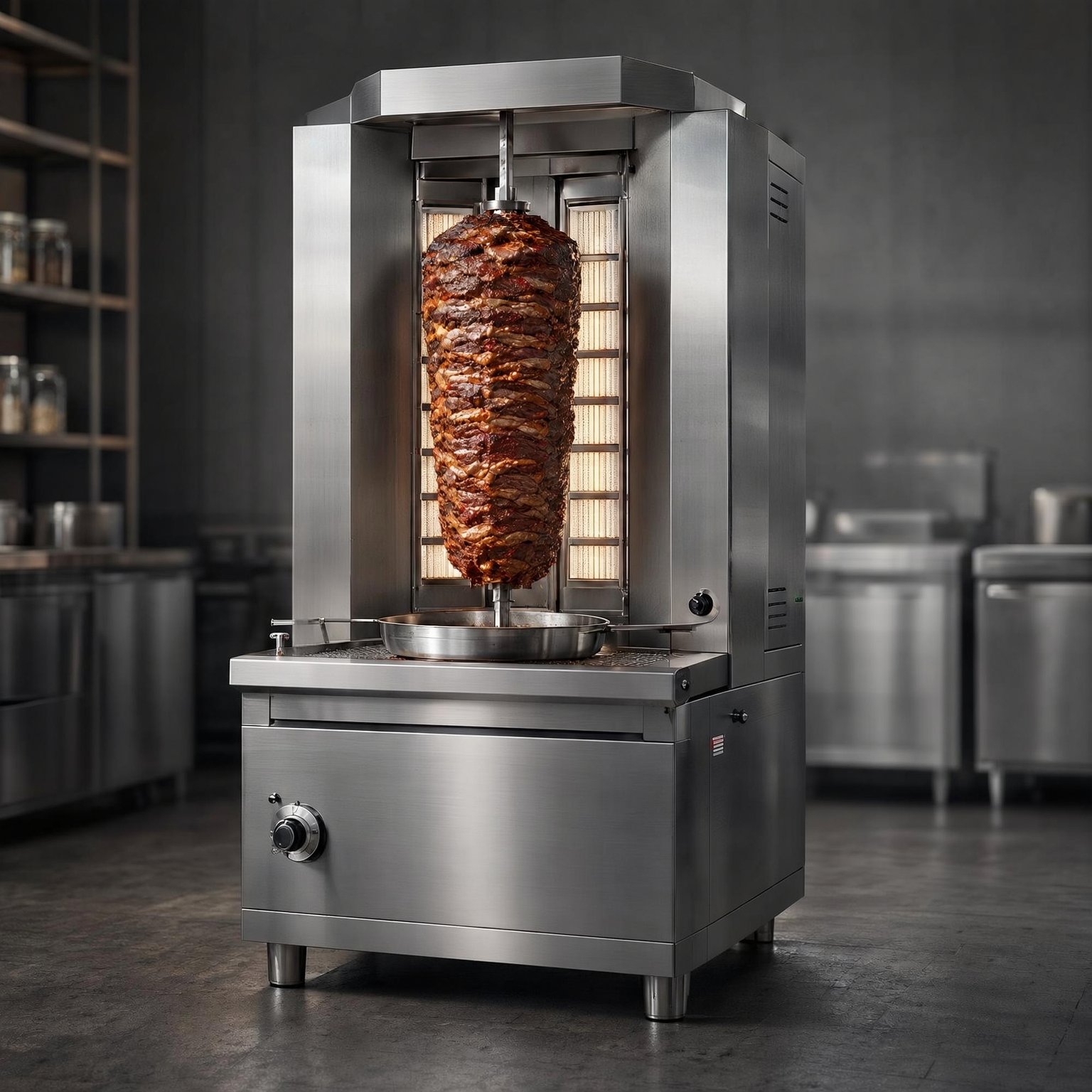 Buying a Commercial Döner Grill: Costs, Price Overview, and Budget Planning for Gastronomy Businesses
Investing in a commercial Döner grill is essential for gastronomy businesses serving Döner kebabs. The cost of these...Read more
Buying a Commercial Döner Grill: Costs, Price Overview, and Budget Planning for Gastronomy Businesses
Investing in a commercial Döner grill is essential for gastronomy businesses serving Döner kebabs. The cost of these...Read more -
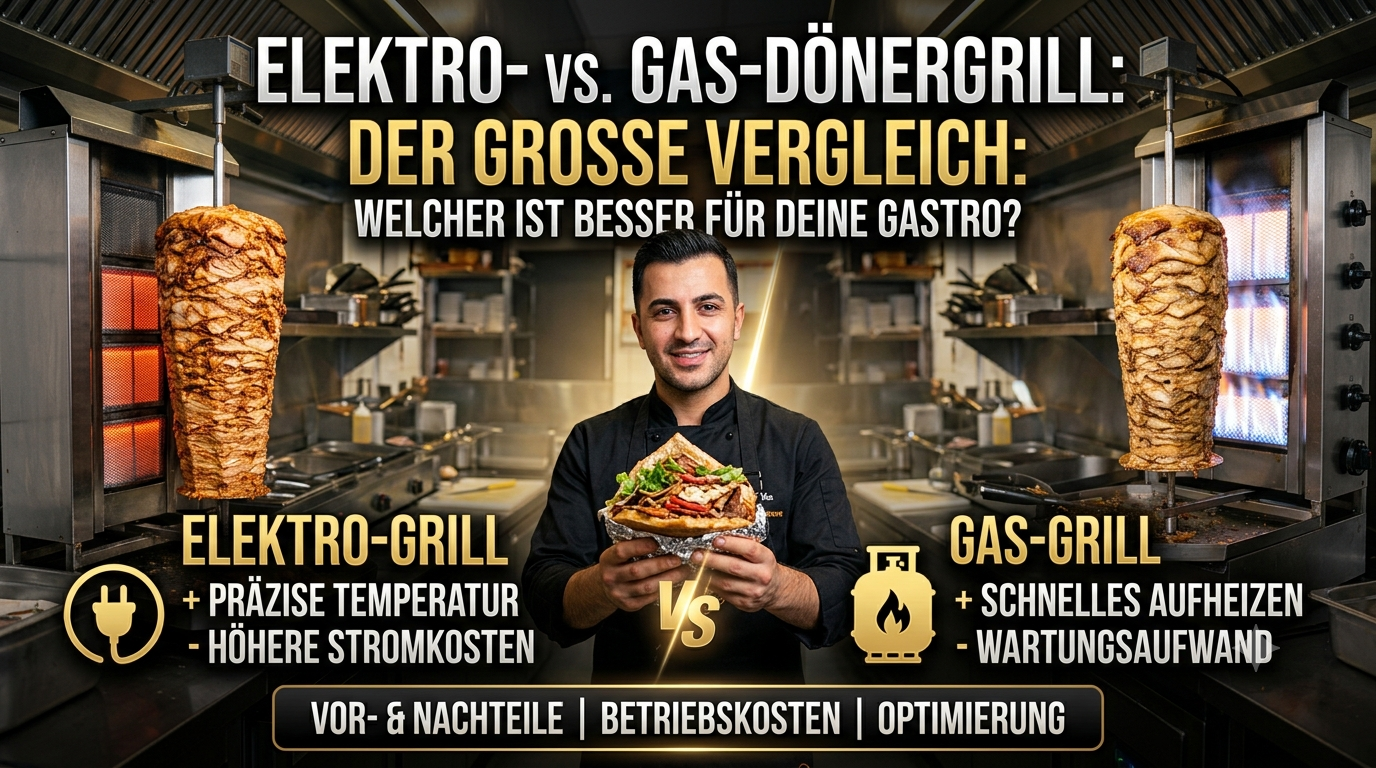 Electric vs. Gas Döner Grill: Which Is Better for the Gastronomy Industry? A Comprehensive Comparison for Snack Bars, Restaurants, and Catering
The choice between electric and gas Döner grills is a key decision for gastronomy professionals operating snack bars,...Read more
Electric vs. Gas Döner Grill: Which Is Better for the Gastronomy Industry? A Comprehensive Comparison for Snack Bars, Restaurants, and Catering
The choice between electric and gas Döner grills is a key decision for gastronomy professionals operating snack bars,...Read more -
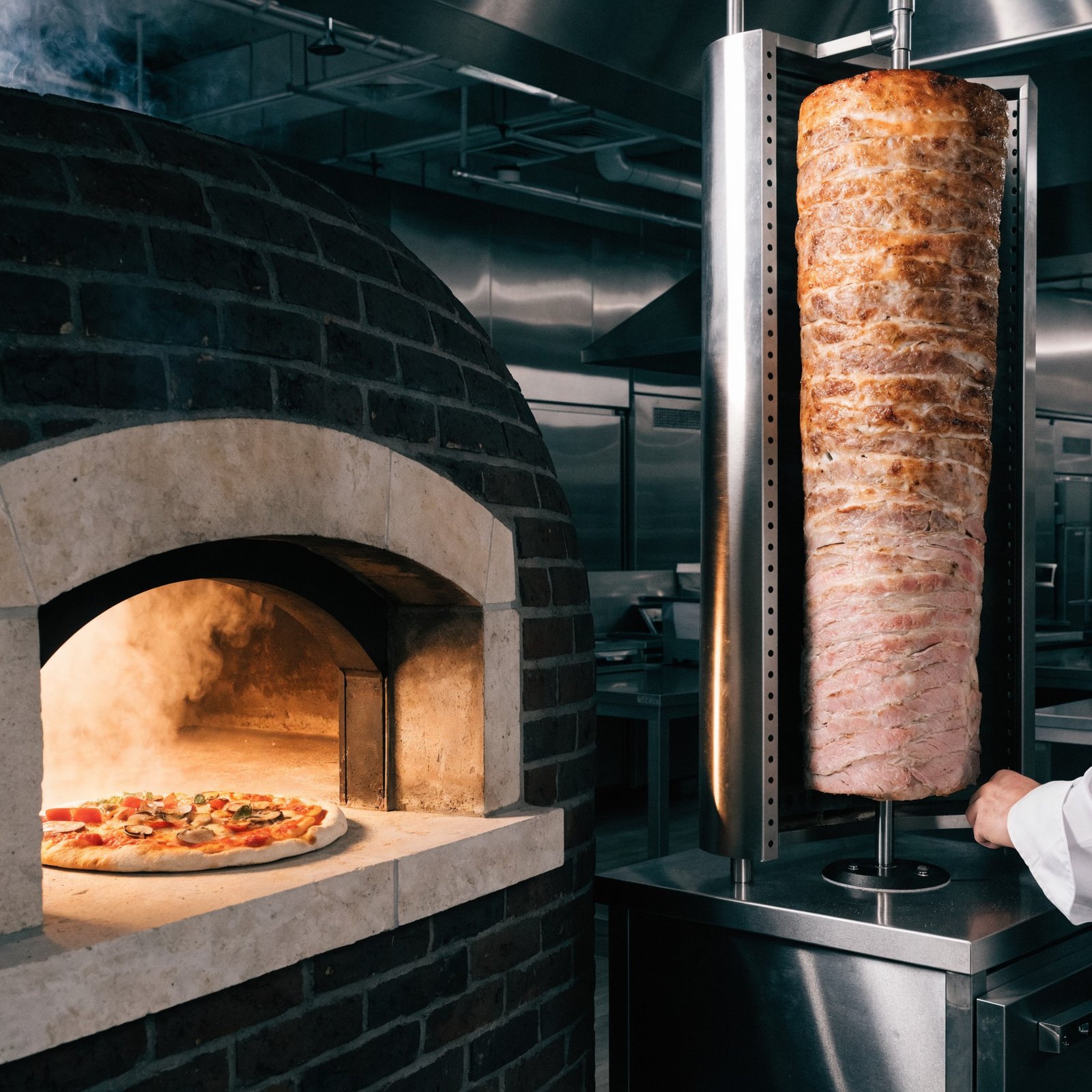 Pizza Oven or Döner Grill – Which Investment Is Worth It for Your Business? A Guide to Choosing the Right Equipment in Gastronomy
Deciding between a pizza oven and a döner grill is a crucial step for any gastronomy business. Both devices serve...Read more
Pizza Oven or Döner Grill – Which Investment Is Worth It for Your Business? A Guide to Choosing the Right Equipment in Gastronomy
Deciding between a pizza oven and a döner grill is a crucial step for any gastronomy business. Both devices serve...Read more -
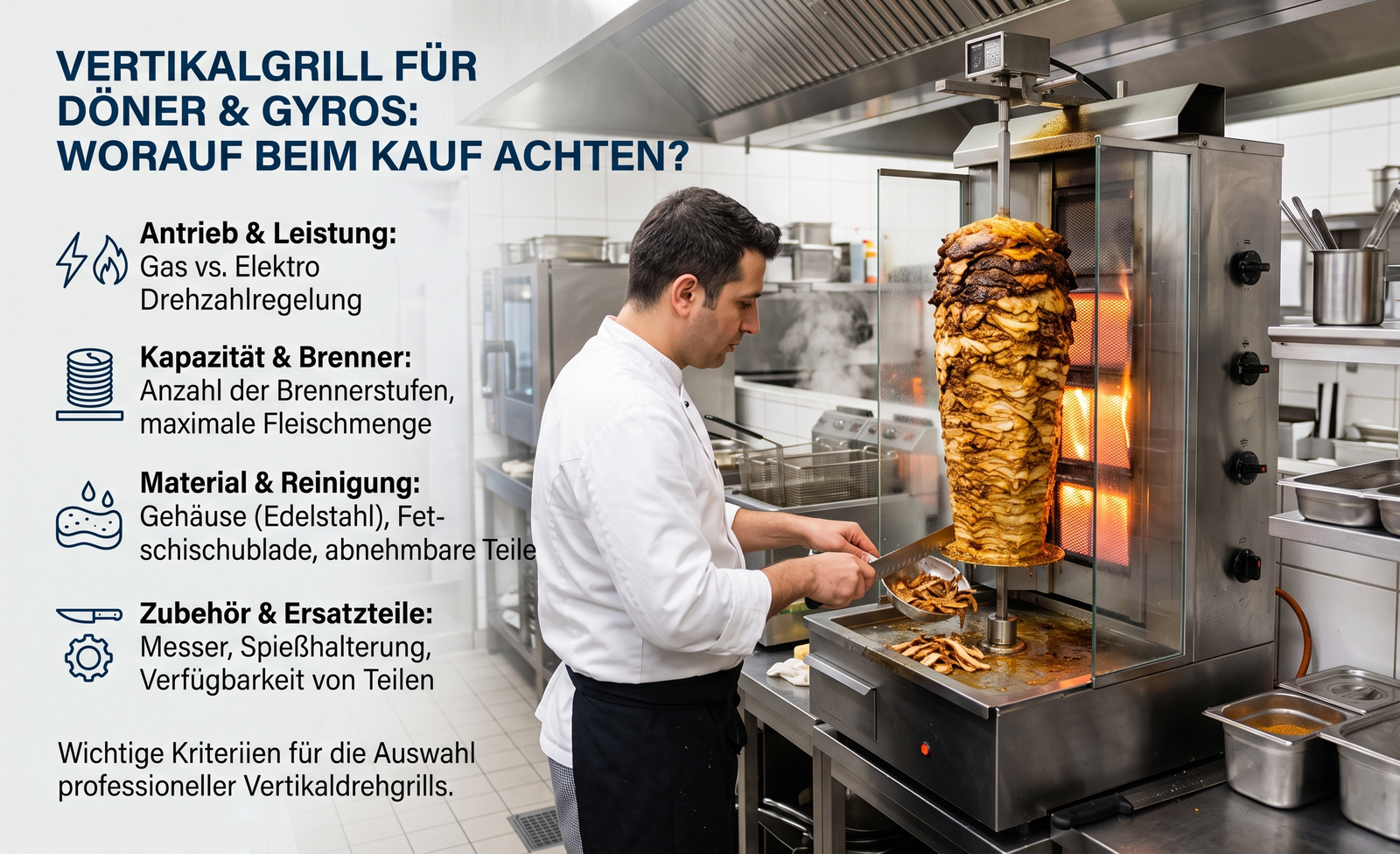 Vertical Grill for Döner & Gyros: Key Criteria for Choosing a Professional Vertical Rotisserie
A vertical grill, or vertical rotisserie, is essential for cooking Döner and Gyros meat evenly and deliciously....Read more
Vertical Grill for Döner & Gyros: Key Criteria for Choosing a Professional Vertical Rotisserie
A vertical grill, or vertical rotisserie, is essential for cooking Döner and Gyros meat evenly and deliciously....Read more -
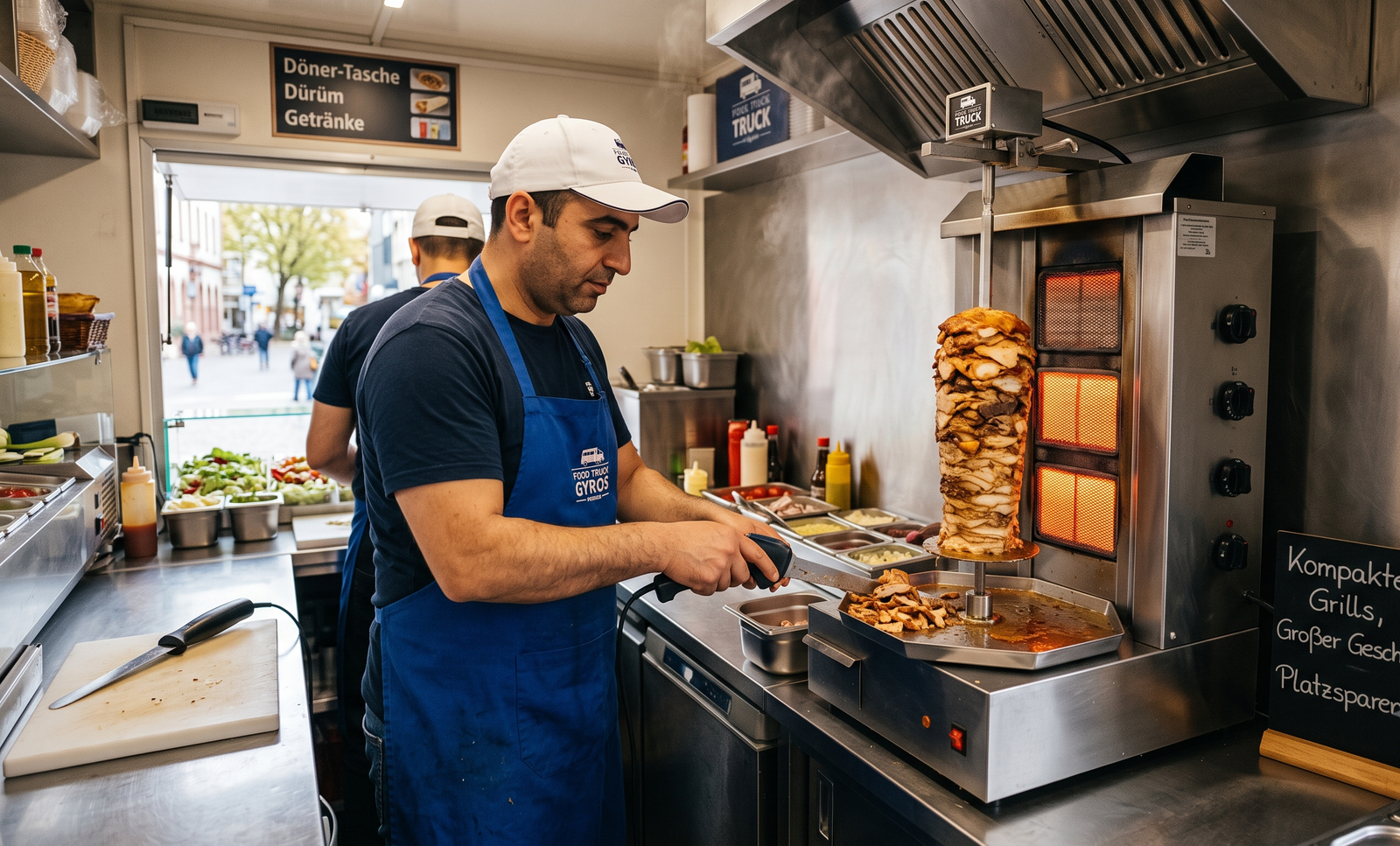 Compact Döner Grills for Small Snack Bars & Food Trucks → Space-Saving Solutions for Limited Spaces
Small snack bars and food trucks often struggle with limited space, making it challenging to accommodate large...Read more
Compact Döner Grills for Small Snack Bars & Food Trucks → Space-Saving Solutions for Limited Spaces
Small snack bars and food trucks often struggle with limited space, making it challenging to accommodate large...Read more
Leave a comment