
 Deutsch
 Türkçe
 Italiano

.jpg)
.jpg)
.jpg)
.jpg)
.jpg)
.jpg)
.jpg)
.jpg)
.jpg)
.jpg)

.jpg)

.jpg)
.jpg)
.jpg)
.jpg)
.jpg)
.jpg)
.jpg)
.jpg)
.jpg)
.jpg)



.jpg)
.jpg)
.jpg)
.jpg)
.jpg)
.jpg)
.jpg)
.jpg)
.jpg)



.jpg)
.jpg)

.jpg)
.jpg)
.jpg)
.jpg)


.jpg)

.png)
.jpg)
.jpg)
 (200 x 136 px) (5).png)
.png)

Setting up a döner stand at markets and events offers a fantastic opportunity to reach new customers and share...
-
 Cooking Appliances
add remove
Cooking Appliances
add remove -
-
Pizza & Grill
add remove
-
-
Refrigeration
add remove
-
-
Combi Steamer
add remove
-
-
Kitchen Appliances
add remove
-
-
Rinsing & Cleaning
add remove
-
-
Retail Refrigeration
add remove
-
-
Cafe & Ice Cream
add remove
-
-
Smart-Gastro
add remove
-
-
Event- & Cateringmöbel
-
Cooking Appliances
add remove
-
-
Pizza & Grill
add remove
-
-
Refrigeration
add remove
-
-
Combi Steamer
add remove
-
-
Kitchen Appliances
add remove
-
-
Rinsing & Cleaning
add remove
-
-
Retail Refrigeration
add remove
-
-
Cafe & Ice Cream
add remove
-
-
Smart-Gastro
add remove
-
-
Event- & Cateringmöbel


Call us:
+49 (0) 6135 7040 450Latest posts
-
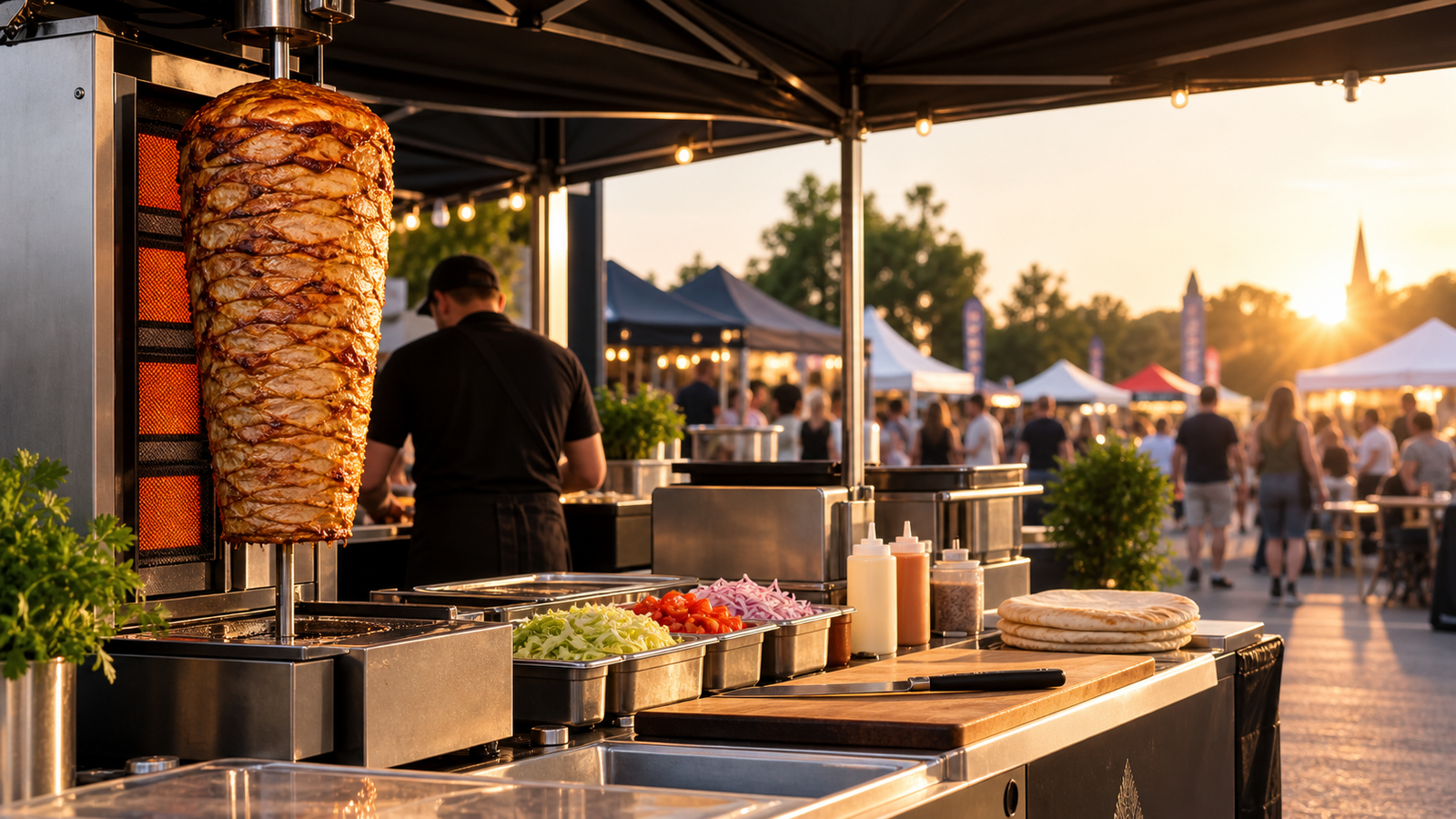 Setting Up a Döner Stand at Markets & Events: Equipment & Planning for Professional Temporary Sales PointsRead more
 -
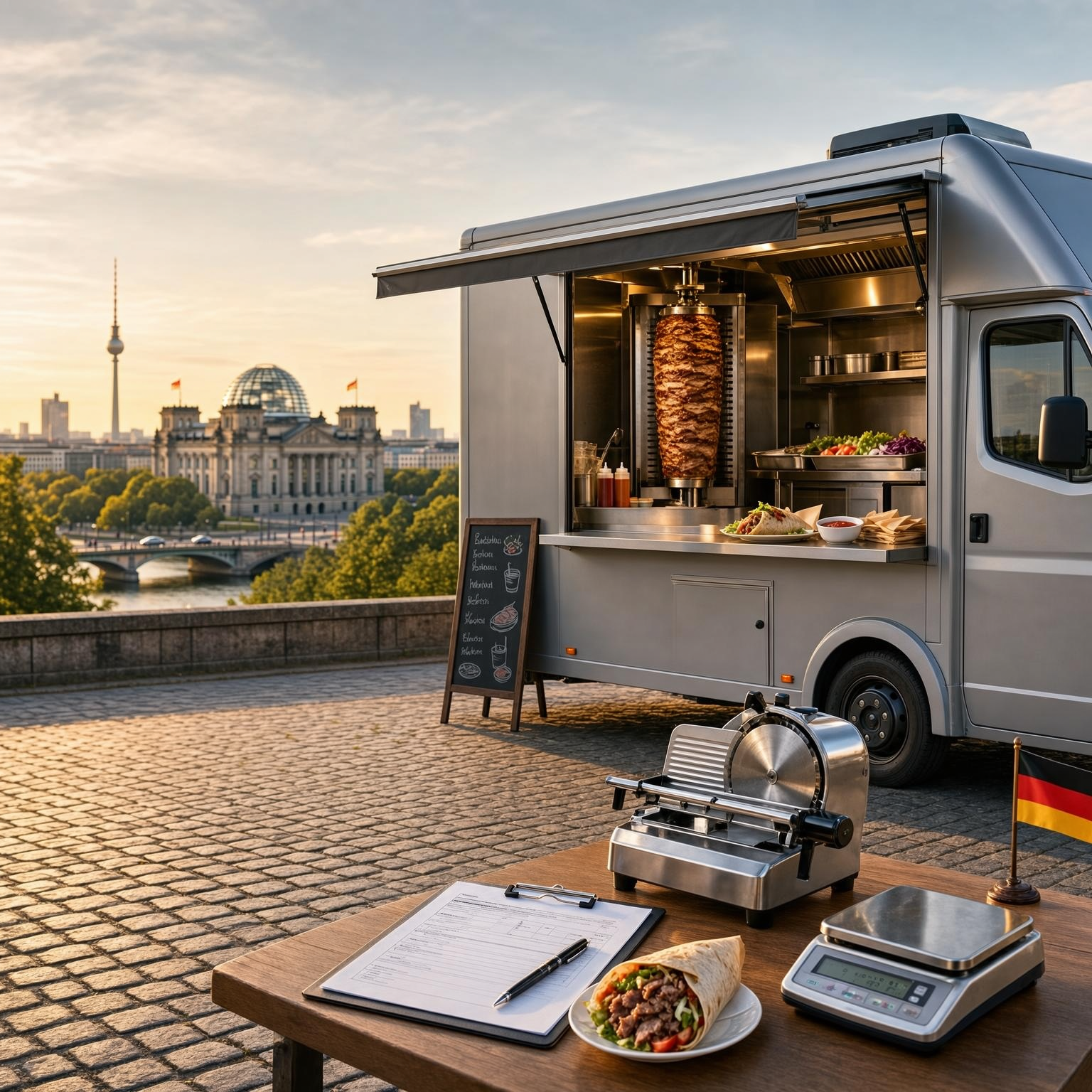 Starting a Döner Food Truck in Germany: Equipment and Regulations You Need to KnowRead more
Thinking about starting a Döner food truck in Germany? This guide covers everything you need to know—from legal...
-
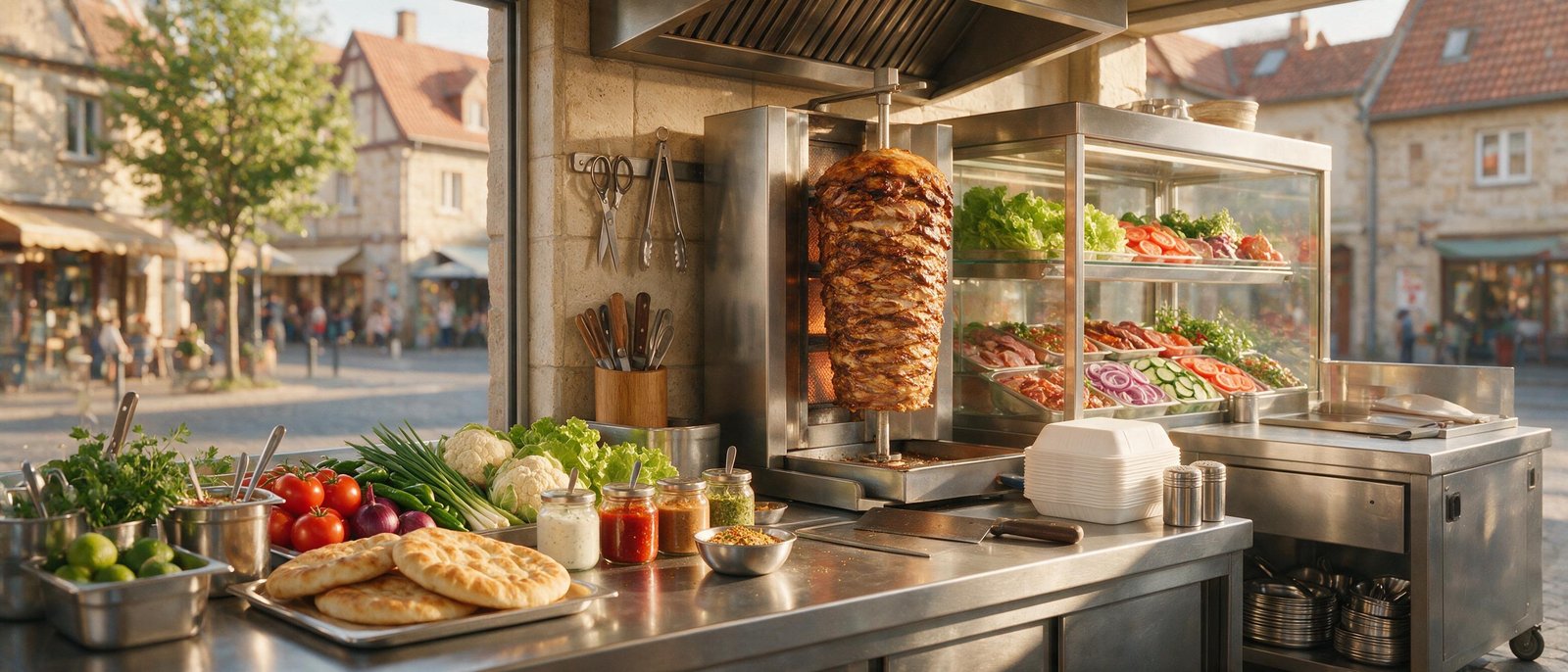 Opening a Döner Kebab Stand in Germany: Equipment, Permits & Startup Costs – Step-by-Step Guide to Starting Your BusinessRead more
Opening a Döner kebab stand in Germany is a popular business idea due to the widespread love for this delicious fast...
-
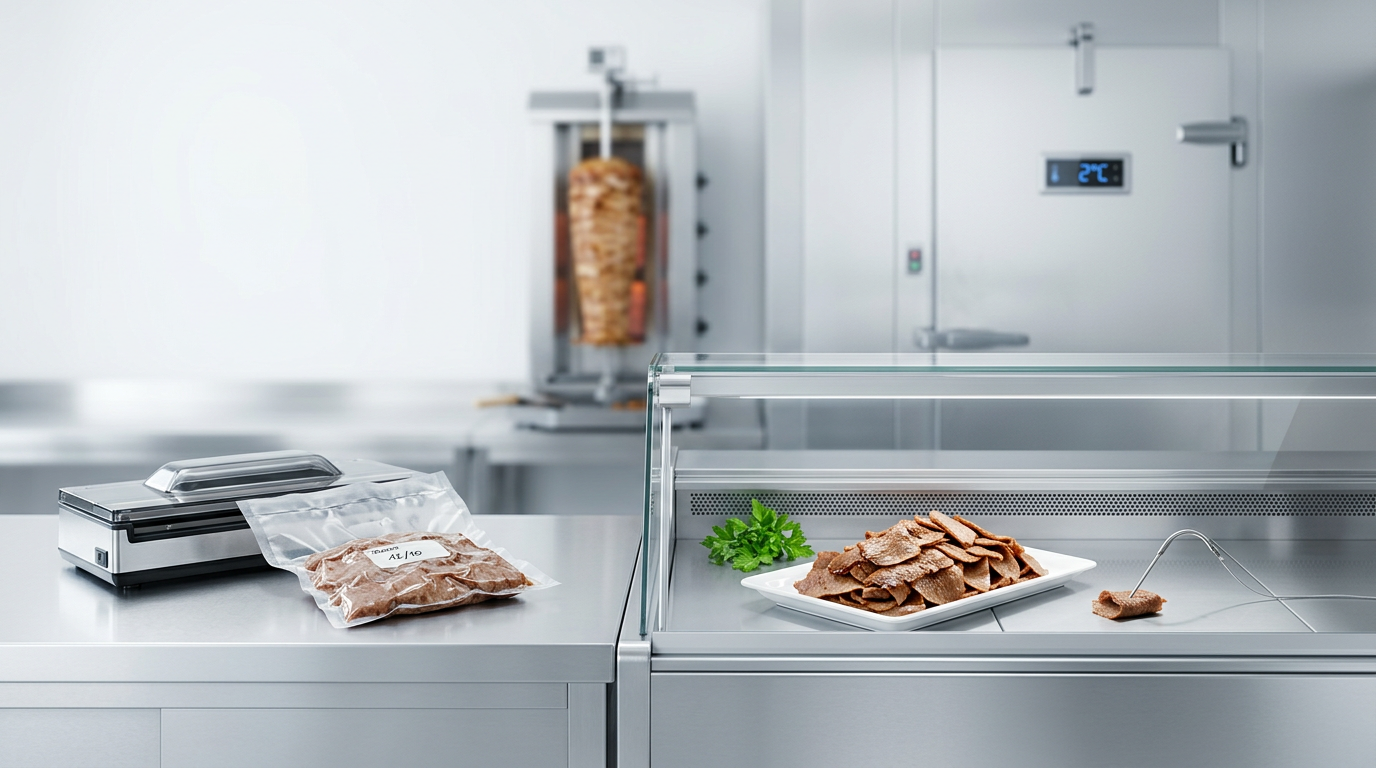 Shelf Life of Döner Meat: Cooling, Freezing & Fresh Counter Storage – Proper Handling to Prevent Food WasteRead more
Döner meat is a popular and delicious dish, but it’s also highly perishable. Proper storage is key to maintaining its...
-
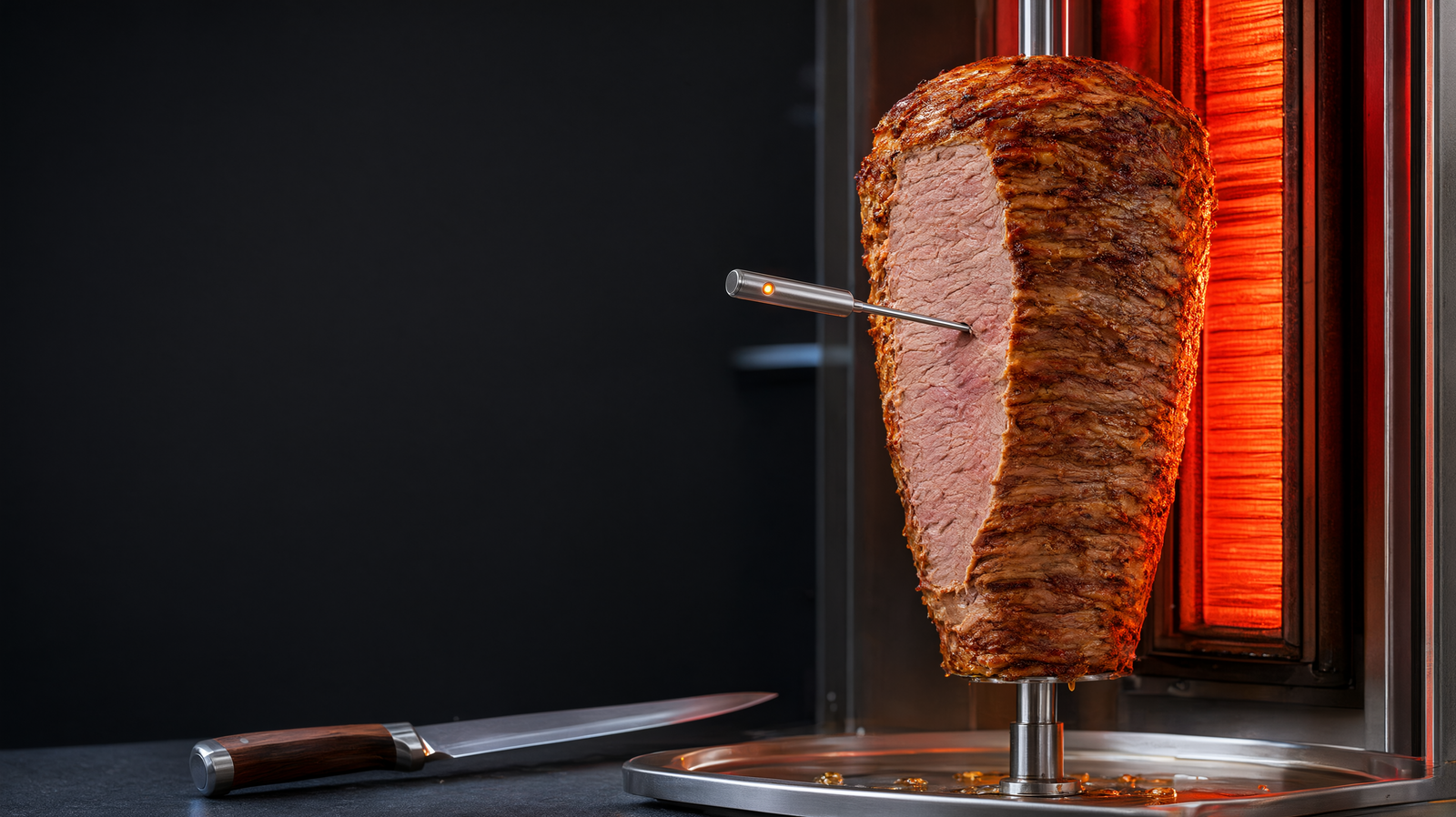 How Long Does a Döner Kebab Spit Last on the Grill? → Stand Times, Core Temperature, and Replenishment Planning in BusinessRead more
The Döner kebab spit is a cornerstone of many street food businesses, but managing how long it stays on the grill is...
-
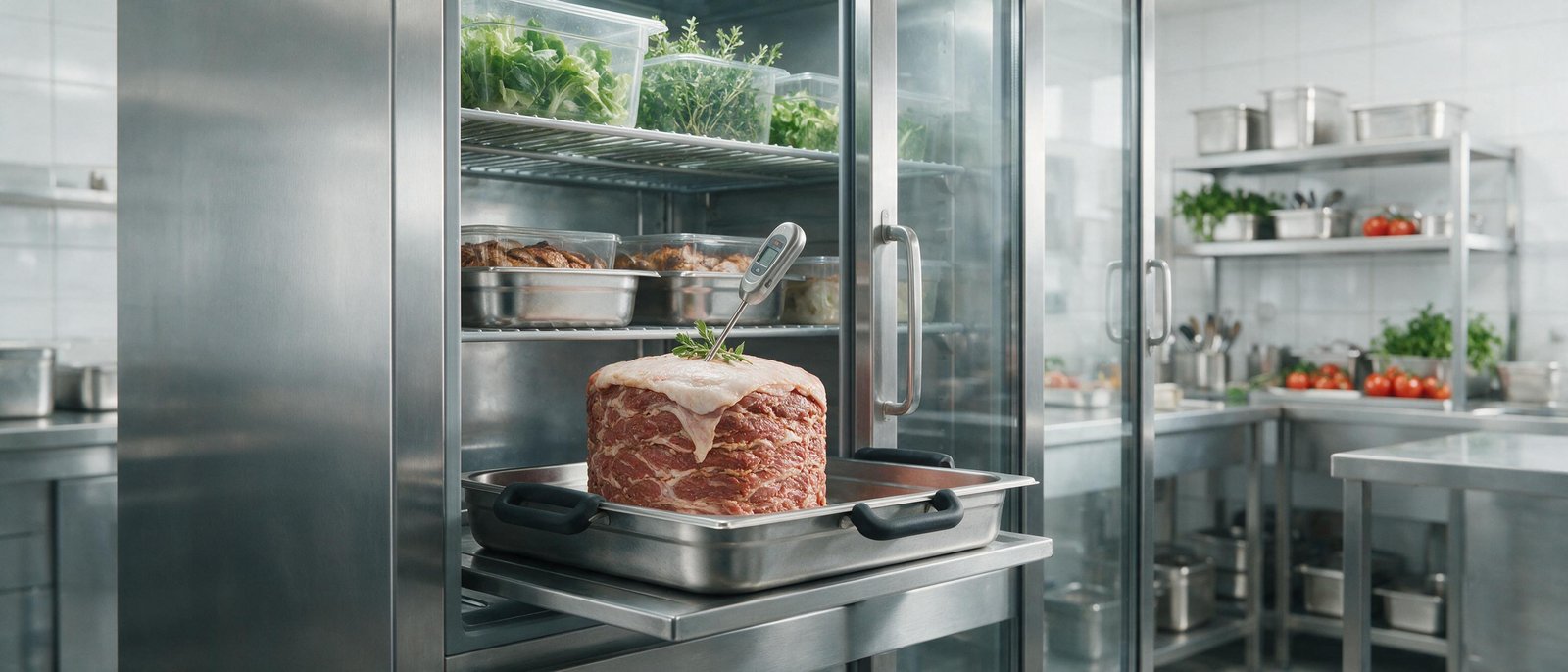 Proper Storage of Döner Meat: Regulations & Food Safety → HACCP-Compliant Storage According to German Food Hygiene RegulationsRead more
Döner meat is a popular and perishable food product that requires careful storage to maintain its safety and quality....
-
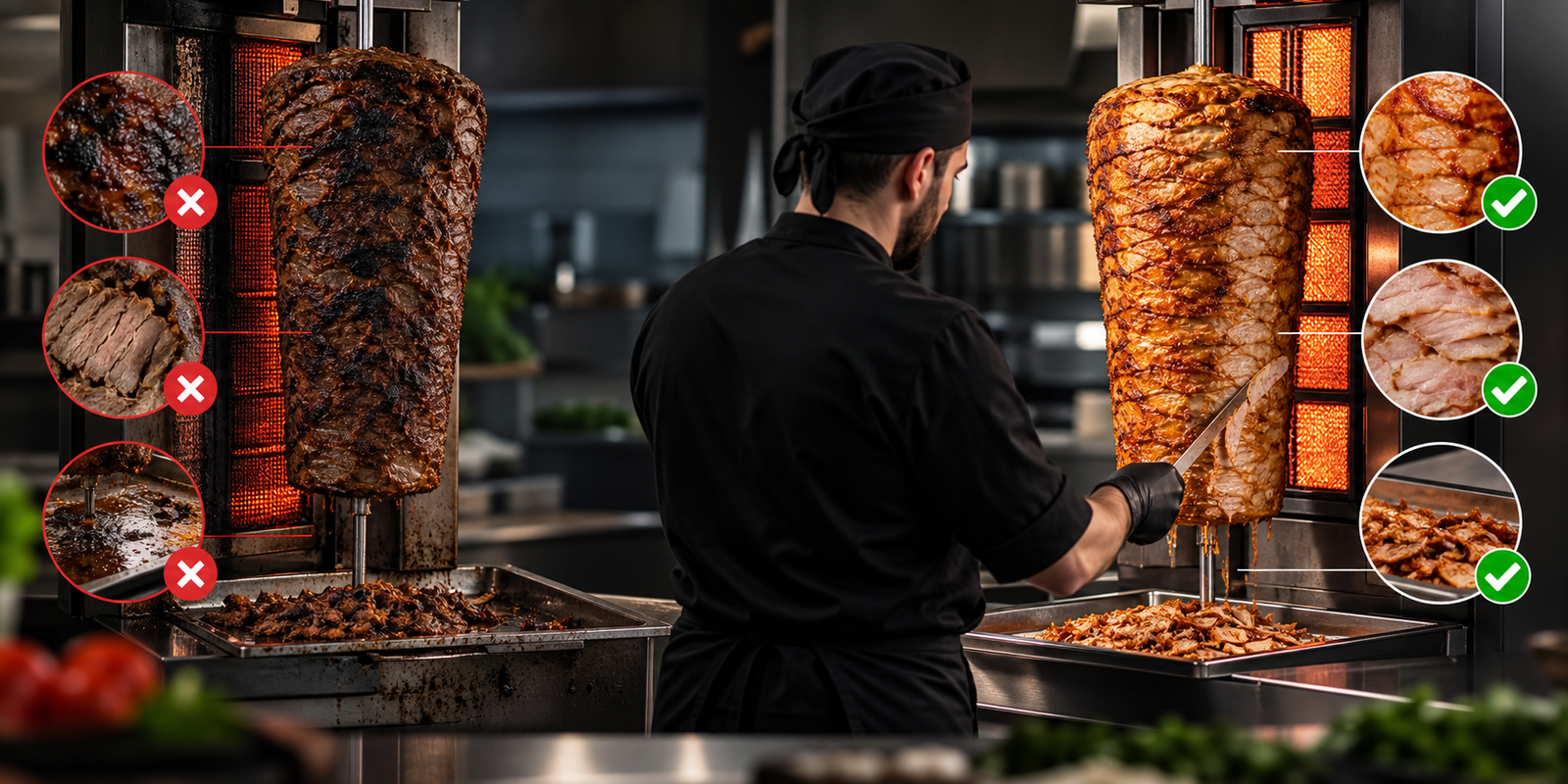 Common Mistakes When Grilling Döner – And How to Avoid Them: Identifying and Fixing Typical Preparation Errors in the Gastronomy IndustryRead more
The Döner kebab is a globally loved dish, but many gastronomy professionals struggle with common mistakes during its...
-
 What Makes Good Döner Meat So Tender and Flavorful? → Quality Characteristics and Preparation Techniques for RestaurateursRead more
Döner kebab is famous worldwide for its tender, juicy, and flavorful meat. But what exactly makes Döner meat so...
-
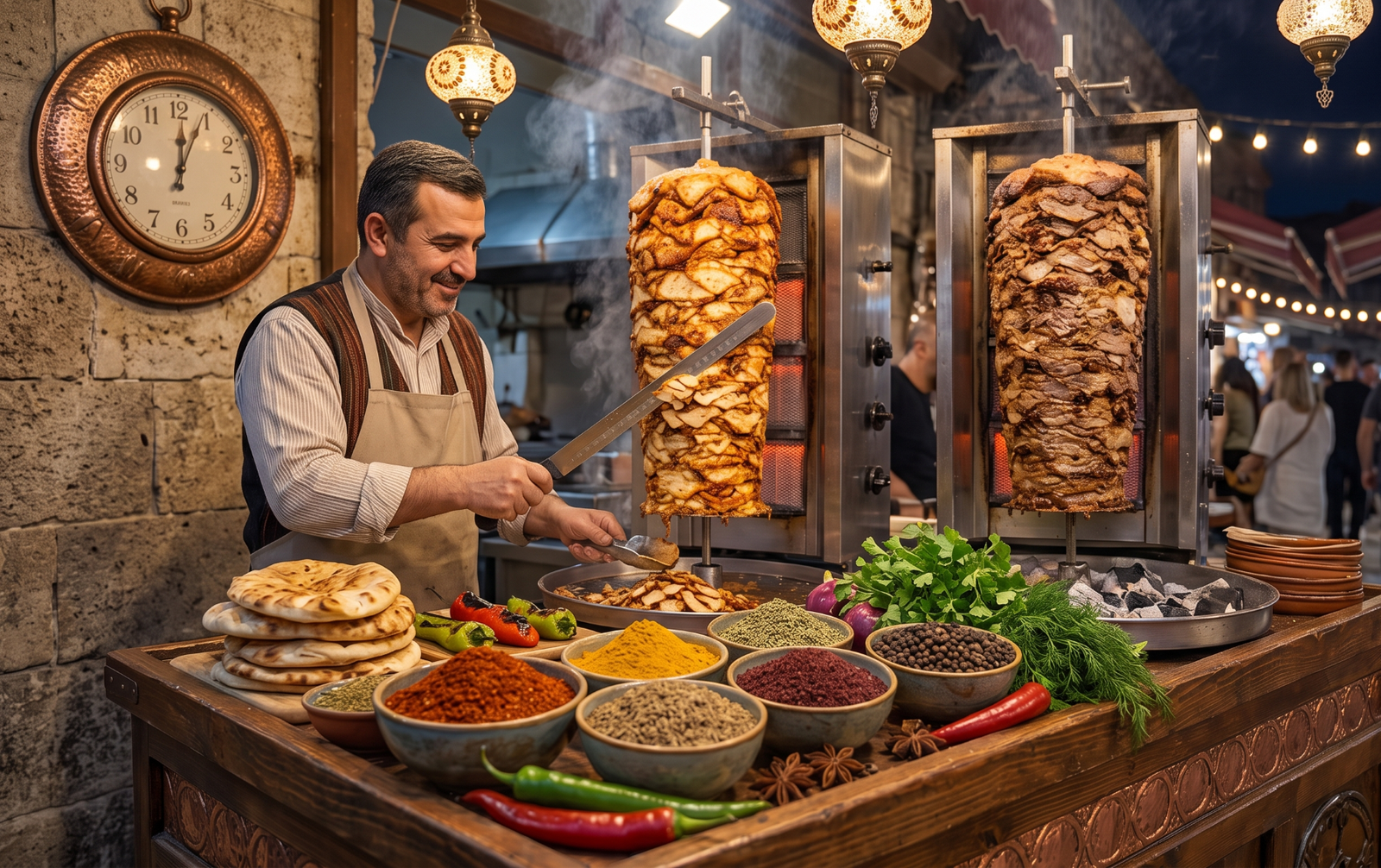 How to Slice Döner Meat Perfectly: Professional Techniques with Döner Knives and Electric SlicersRead more
Döner kebab is renowned for its thin, juicy slices of meat cooked on a vertical spit. Achieving perfect slices...
-
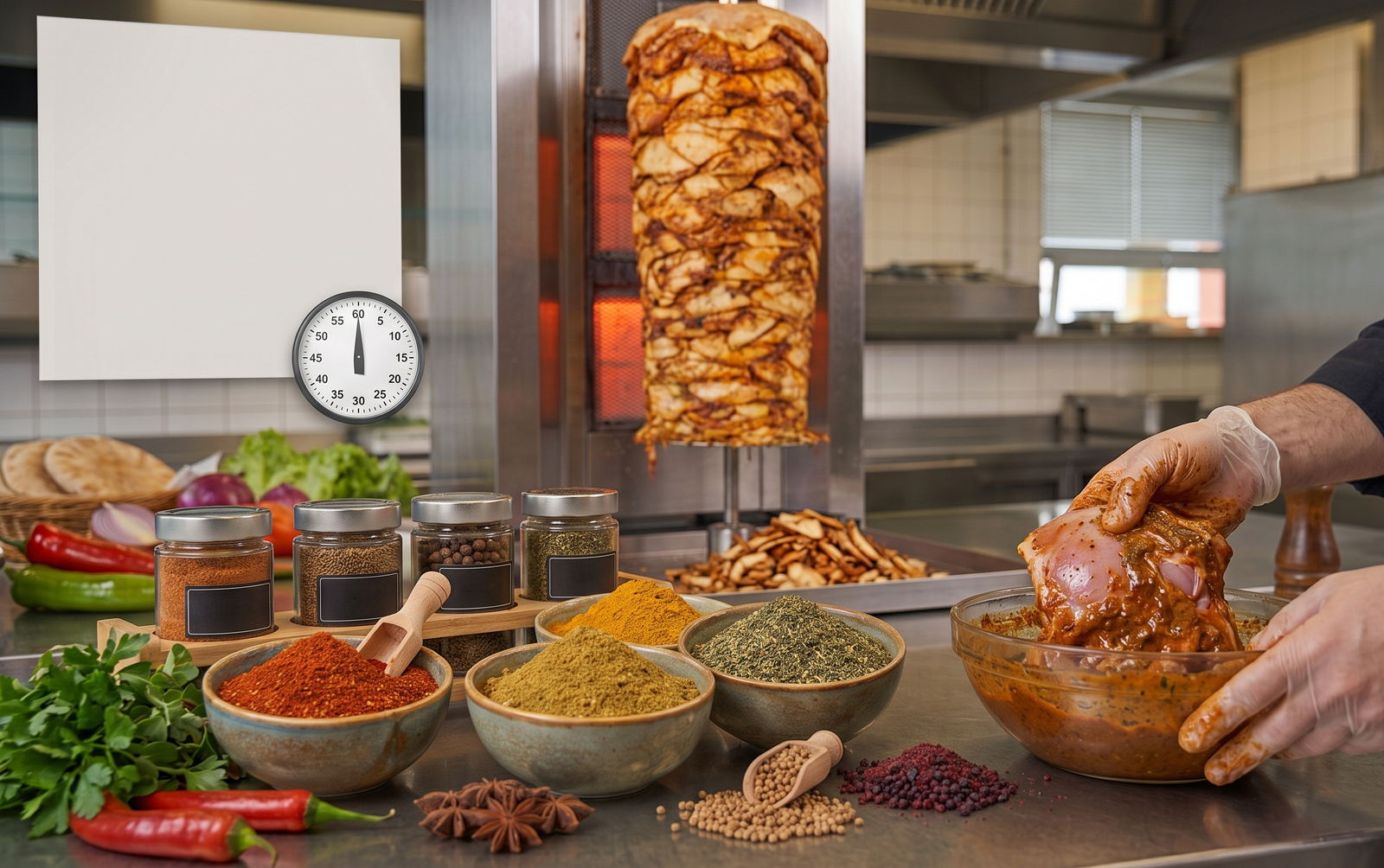 Döner Meat Marinade: Marinating Time and Professional Preparation → Optimal Preparation for Maximum Flavor and TendernessRead more
Döner kebab is famous worldwide for its juicy, flavorful meat, and the key to its perfection lies in the marinade and...
Blog categories
Search in blog
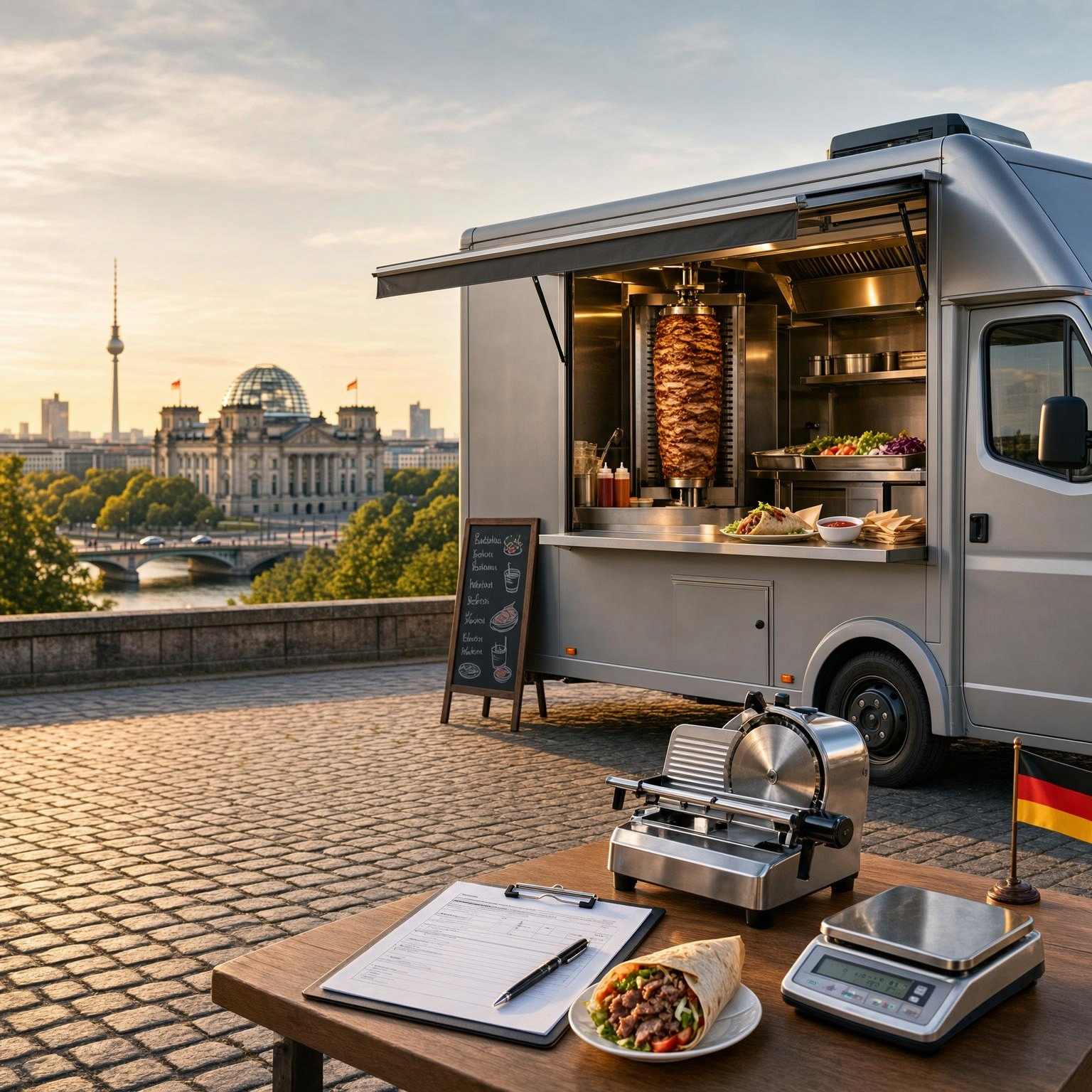
Starting a Döner Food Truck in Germany: Equipment and Regulations You Need to Know
Starting a Döner Food Truck in Germany: Equipment and Regulations You Need to Know
The Döner kebab has become a beloved street food staple in Germany, with millions enjoying its delicious flavors every day. If you’re passionate about food and entrepreneurship, starting a Döner food truck can be a lucrative and rewarding venture. However, operating a mobile gastronomy business in Germany comes with specific requirements, from equipment choices to legal regulations. This comprehensive guide will walk you through everything you need to know to start your Döner food truck business successfully.
Why Start a Döner Food Truck?
Germany is the home of the Döner kebab outside Turkey, and the demand for quick, tasty, and affordable street food remains high. A food truck offers flexibility, lower startup costs compared to a brick-and-mortar restaurant, and the ability to reach diverse customers at events, markets, and busy urban locations.
Moreover, the Döner’s popularity means you have a tried-and-tested product that appeals to a broad customer base. With the right approach, your Döner food truck can become a local favorite.
Step 1: Planning Your Döner Food Truck Business
Before diving into the practicalities, it’s important to plan your business carefully. Consider the following:
- Market Research: Understand your target customers, competitors, and potential locations.
- Menu Development: Decide on your Döner offerings — traditional lamb, chicken, vegetarian options, sauces, and sides.
- Budgeting: Calculate your startup costs, ongoing expenses, and expected revenues.
- Legal Structure: Choose your business form (e.g., sole proprietorship, GbR, GmbH) and register accordingly.
Step 2: Understanding the Legal Requirements
Business Registration and Permits
In Germany, starting a food truck business requires proper registration and permits:
- Trade Office (Gewerbeamt): You must register your business at the local Gewerbeamt. This is mandatory for any commercial activity.
- Food Business Registration: Notify the local health authority (Gesundheitsamt) about your food business. This allows them to monitor hygiene standards.
- Mobile Vending Permit: Depending on the city or municipality, you may need a special permit to operate a food truck in public spaces.
- Tax Registration: Register with the tax office (Finanzamt) to obtain a tax number and understand VAT obligations.
Hygiene Regulations (Lebensmittelhygiene-Verordnung)
Food safety is a top priority. The Lebensmittelhygiene-Verordnung (Food Hygiene Regulation) sets strict rules for handling, storing, and preparing food. Key points include:
- Proper handwashing facilities and hygiene practices.
- Temperature controls for meat and perishable ingredients.
- Regular cleaning and disinfection of equipment and surfaces.
- Training for staff in food hygiene (often a certificate is required).
Health and Safety Inspections
After registration, expect inspections by the local health department to ensure compliance with hygiene and safety standards. Non-compliance can result in fines or closure.
Fire Safety and Vehicle Regulations
Your food truck must comply with fire safety regulations, including having fire extinguishers and proper ventilation. Additionally, the vehicle must meet roadworthiness standards and be insured.
Step 3: Choosing the Right Equipment for Your Döner Food Truck
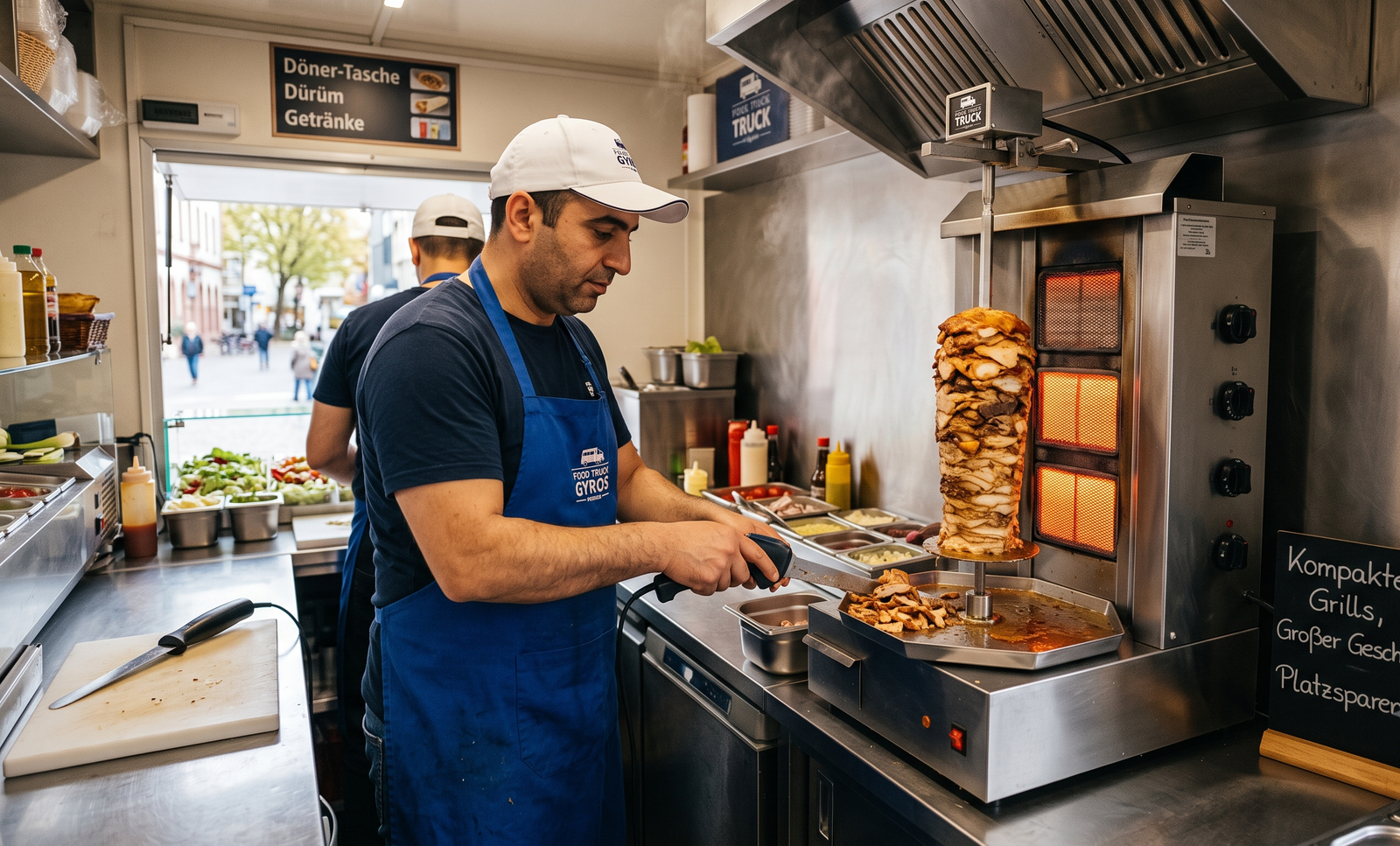
The equipment you choose will impact your efficiency, food quality, and compliance with regulations. Here’s a breakdown of essential Döner food truck equipment:
1. Döner Grill (Vertical Rotisserie)
The centerpiece of any Döner operation is the vertical rotisserie, where the meat slowly cooks and bastes in its own juices. Consider:
- Gas or electric models depending on your truck’s setup.
- Capacity suitable for your expected sales volume.
- Easy-to-clean surfaces and removable parts.
2. Refrigeration Units
Keeping ingredients fresh is critical. Your truck should have:
- A refrigerator for meat, vegetables, and sauces.
- A freezer if you plan to store frozen items.
- Temperature monitoring devices to ensure compliance.
3. Food Preparation Surfaces
Stainless steel counters are ideal for hygiene and durability. You’ll need space for slicing meat, chopping vegetables, and assembling Döner sandwiches.
4. Slicing Equipment
A good quality meat slicer is essential for cutting thin, even slices from the rotisserie meat.
5. Cooking Appliances
Besides the rotisserie, you might need additional appliances such as:
- Grills or pans for toasting bread or preparing side dishes.
- Microwave or small oven for warming sauces or bread.
6. Storage and Serving Equipment
- Containers for sauces, salads, and toppings.
- Disposable or reusable serving materials (boxes, wraps, cutlery).
- Waste disposal bins.
7. Water Supply and Sanitation
Your truck must have a clean water supply for cooking and handwashing, as well as wastewater storage compliant with local regulations.
8. Ventilation and Fire Safety
Proper ventilation systems are necessary to remove smoke and odors. Fire extinguishers and safety equipment must be accessible.
Step 4: Designing Your Food Truck
The layout and design of your food truck affect workflow and customer experience. Tips include:
- Organize equipment for efficient food preparation and service.
- Ensure clear separation between raw and cooked food areas.
- Include a serving window that’s easily accessible to customers.
- Consider branding and signage to attract attention.
Step 5: Staffing and Training
Even if you start solo, you may need help during busy times. Staff must be trained in:
- Food hygiene and safety.
- Customer service.
- Efficient food preparation techniques.
Step 6: Marketing Your Döner Food Truck
Success depends not only on good food but also on visibility and customer engagement. Consider:
- Social media presence (Instagram, Facebook) with appetizing photos.
- Participating in local food markets and events.
- Offering promotions or loyalty programs.
- Collaborating with delivery platforms if possible.
Step 7: Financial Considerations and Funding
Starting a Döner food truck requires capital for the vehicle, equipment, permits, and initial inventory. Funding options include:
- Personal savings.
- Bank loans or microloans.
- Government grants for small businesses or gastronomy startups.
- Investors or partnerships.
Keep detailed financial records and monitor cash flow closely.
Common Challenges and How to Overcome Them
- Regulatory hurdles: Stay informed and maintain good communication with authorities.
- Competition: Differentiate your Döner with unique recipes or exceptional service.
- Weather dependency: Plan for seasonal fluctuations and consider covered seating or events.
- Supply chain issues: Build relationships with reliable suppliers.
Conclusion
Starting a Döner food truck in Germany is an exciting opportunity to combine culinary passion with entrepreneurship. By understanding and adhering to the legal requirements, investing in the right equipment, and focusing on quality and customer experience, you can build a thriving mobile gastronomy business. Remember, success comes with planning, dedication, and a love for great food!
If you’re ready to embark on this journey, start by researching local regulations in your city, drafting a solid business plan, and exploring equipment suppliers. The Döner food truck market in Germany is vibrant and welcoming — your tasty creations could be the next big hit!
Posted in:
Gyros | Dönergrills
Related posts
-
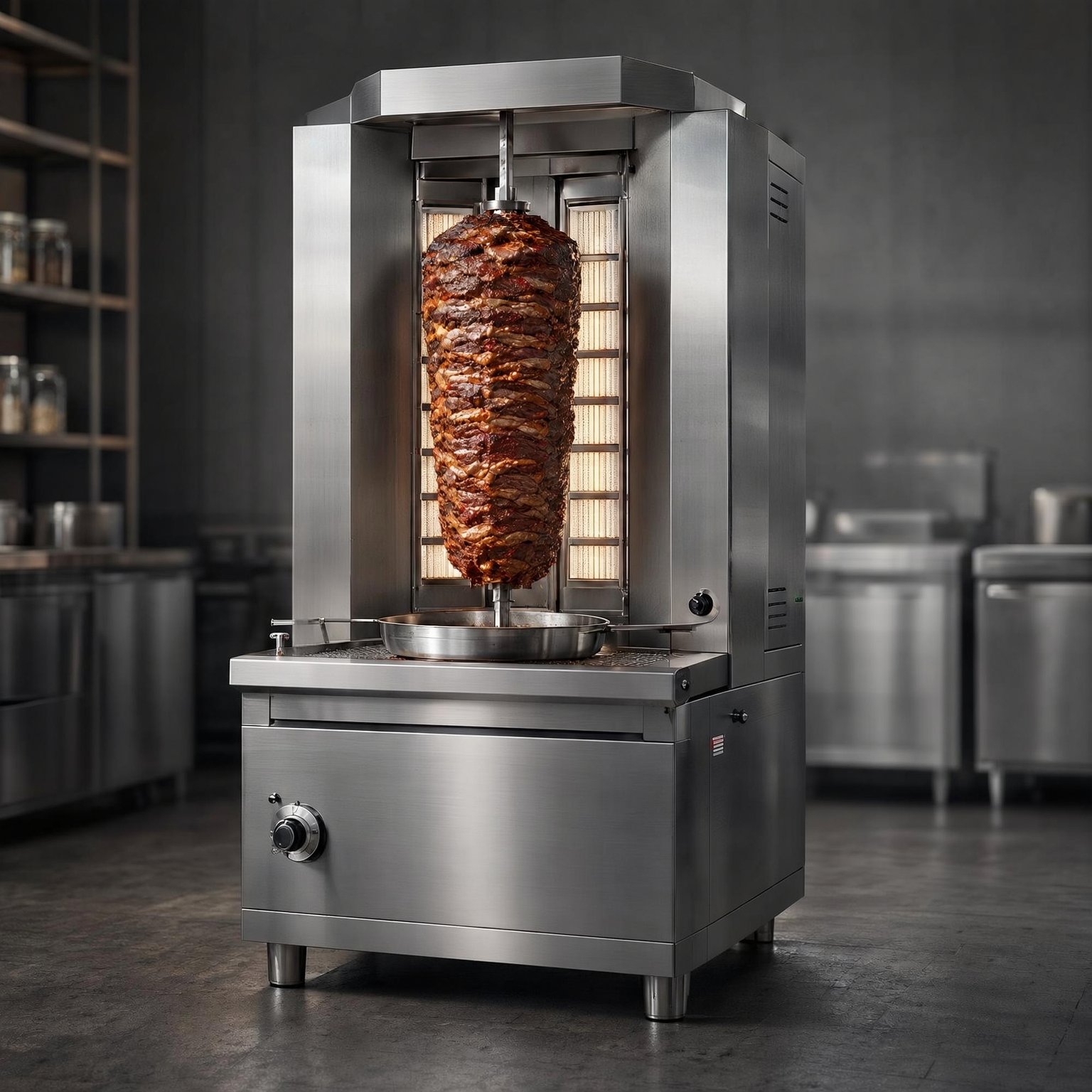 Buying a Commercial Döner Grill: Costs, Price Overview, and Budget Planning for Gastronomy Businesses
Investing in a commercial Döner grill is essential for gastronomy businesses serving Döner kebabs. The cost of these...Read more
Buying a Commercial Döner Grill: Costs, Price Overview, and Budget Planning for Gastronomy Businesses
Investing in a commercial Döner grill is essential for gastronomy businesses serving Döner kebabs. The cost of these...Read more -
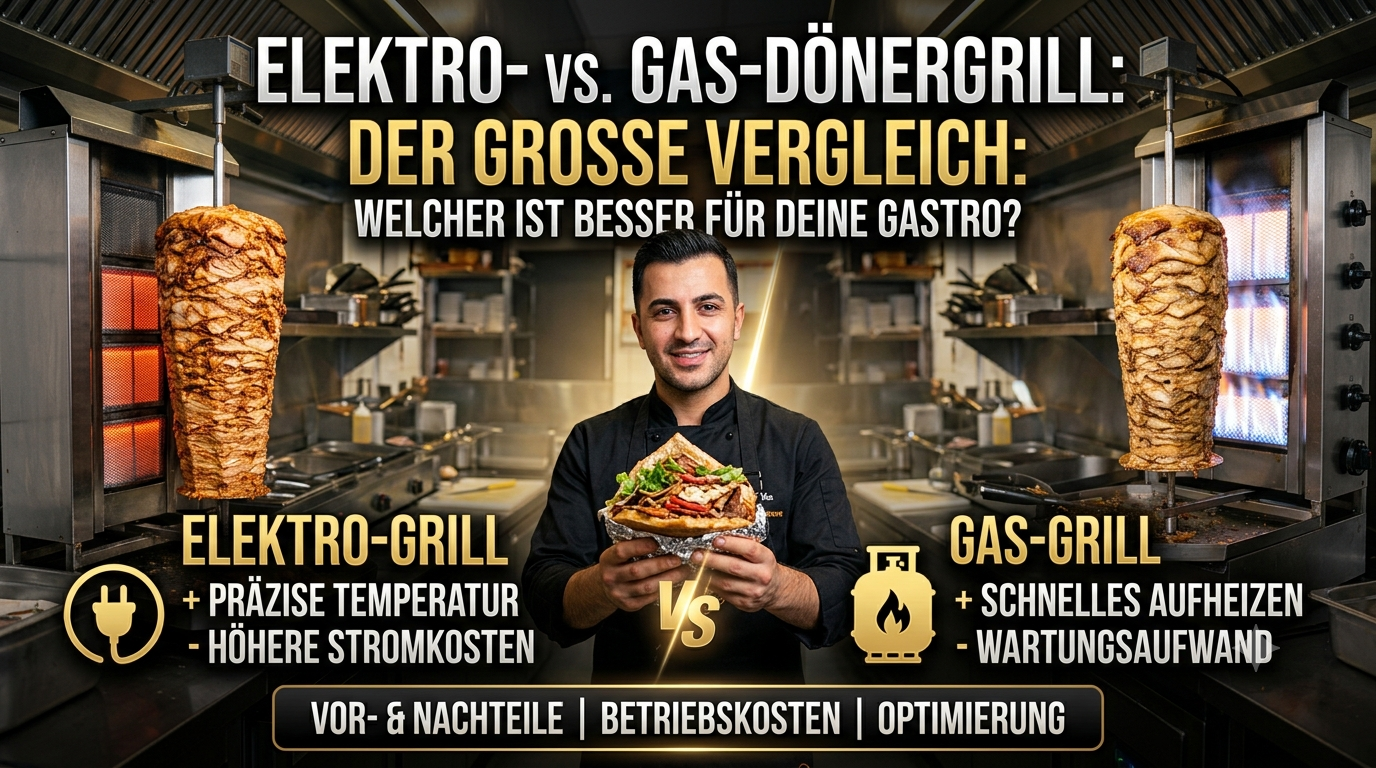 Electric vs. Gas Döner Grill: Which Is Better for the Gastronomy Industry? A Comprehensive Comparison for Snack Bars, Restaurants, and Catering
The choice between electric and gas Döner grills is a key decision for gastronomy professionals operating snack bars,...Read more
Electric vs. Gas Döner Grill: Which Is Better for the Gastronomy Industry? A Comprehensive Comparison for Snack Bars, Restaurants, and Catering
The choice between electric and gas Döner grills is a key decision for gastronomy professionals operating snack bars,...Read more -
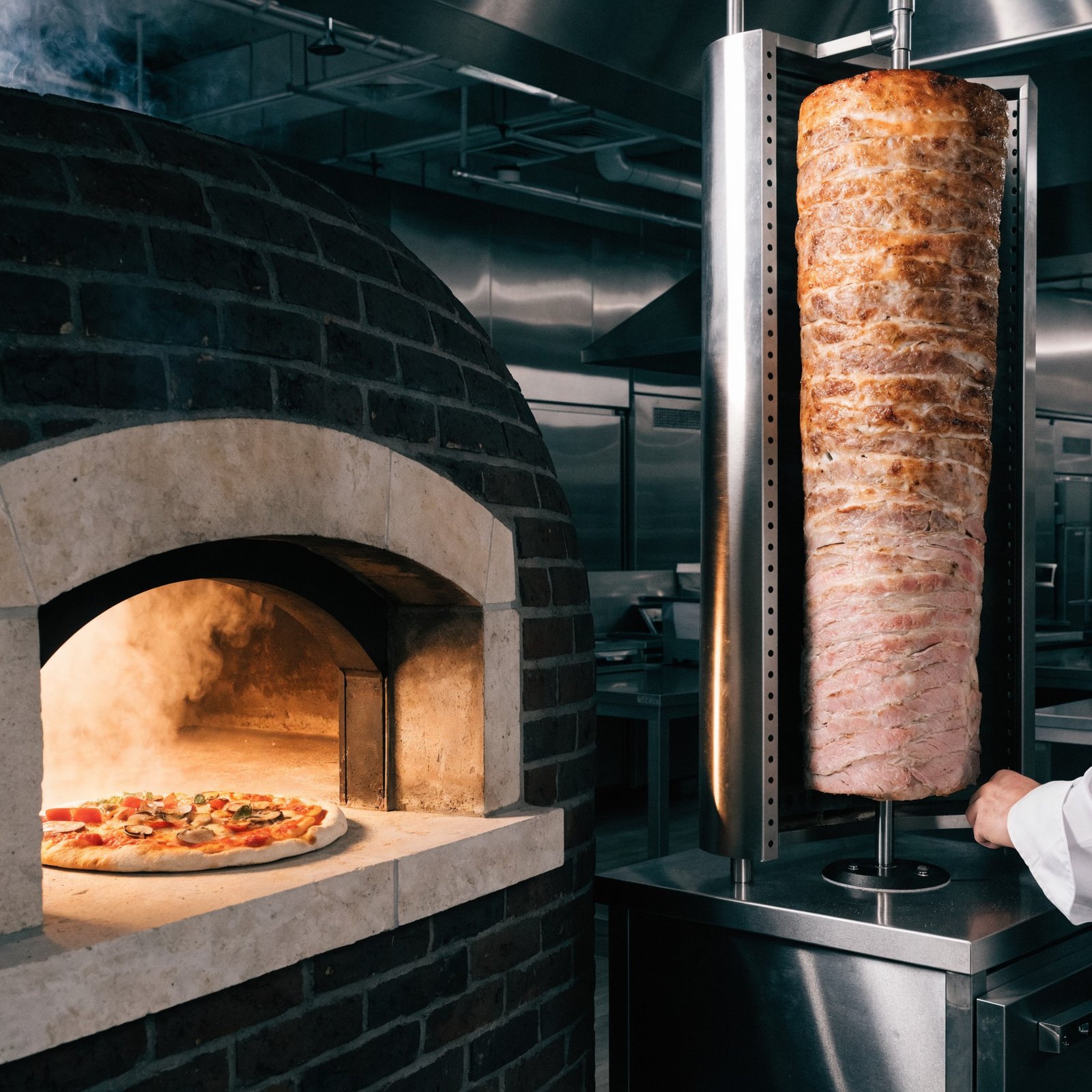 Pizza Oven or Döner Grill – Which Investment Is Worth It for Your Business? A Guide to Choosing the Right Equipment in Gastronomy
Deciding between a pizza oven and a döner grill is a crucial step for any gastronomy business. Both devices serve...Read more
Pizza Oven or Döner Grill – Which Investment Is Worth It for Your Business? A Guide to Choosing the Right Equipment in Gastronomy
Deciding between a pizza oven and a döner grill is a crucial step for any gastronomy business. Both devices serve...Read more -
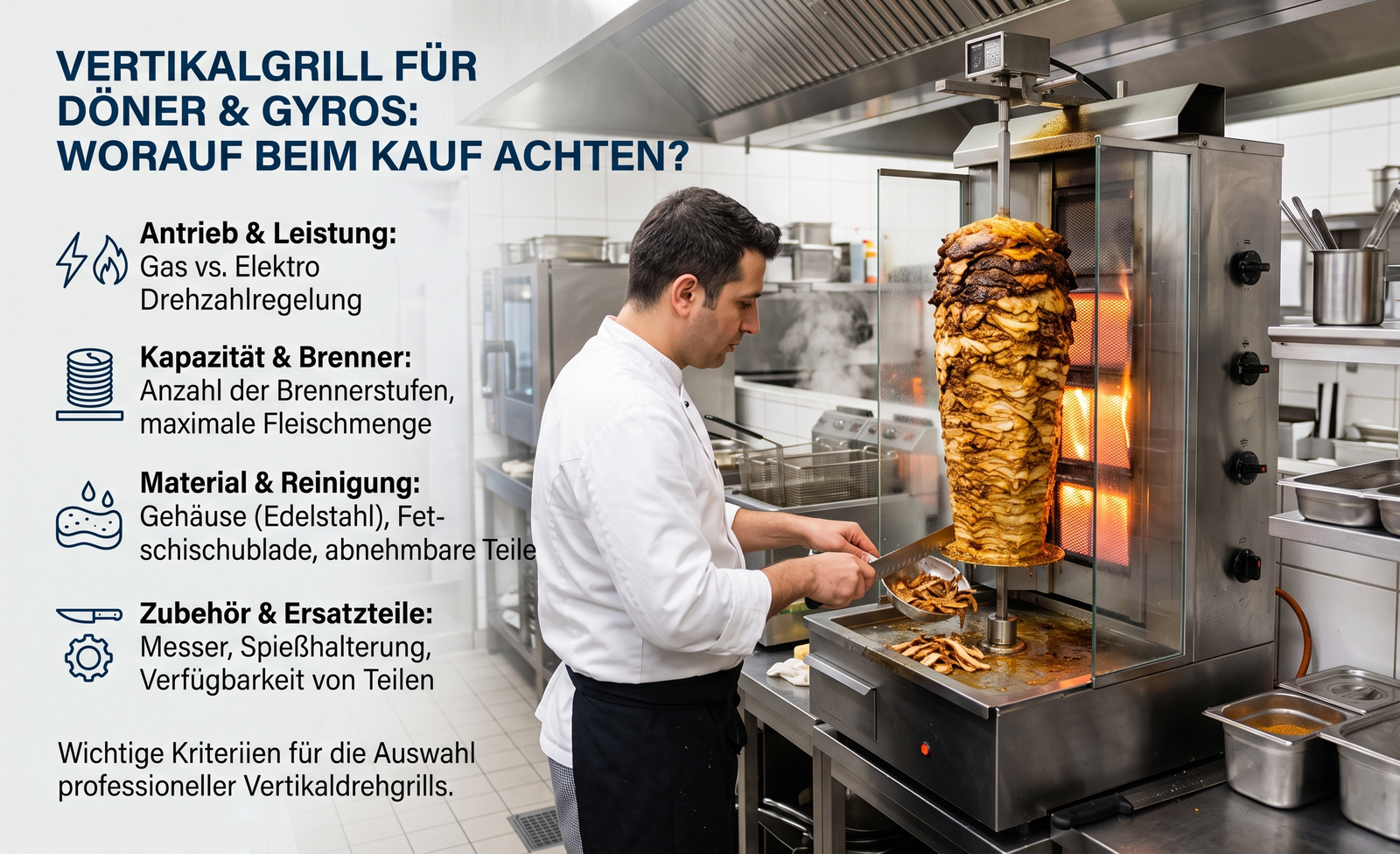 Vertical Grill for Döner & Gyros: Key Criteria for Choosing a Professional Vertical Rotisserie
A vertical grill, or vertical rotisserie, is essential for cooking Döner and Gyros meat evenly and deliciously....Read more
Vertical Grill for Döner & Gyros: Key Criteria for Choosing a Professional Vertical Rotisserie
A vertical grill, or vertical rotisserie, is essential for cooking Döner and Gyros meat evenly and deliciously....Read more -
 Compact Döner Grills for Small Snack Bars & Food Trucks → Space-Saving Solutions for Limited Spaces
Small snack bars and food trucks often struggle with limited space, making it challenging to accommodate large...Read more
Compact Döner Grills for Small Snack Bars & Food Trucks → Space-Saving Solutions for Limited Spaces
Small snack bars and food trucks often struggle with limited space, making it challenging to accommodate large...Read more
Leave a comment