
 Deutsch
 Türkçe
 Italiano

.jpg)
.jpg)
.jpg)
.jpg)
.jpg)
.jpg)
.jpg)
.jpg)
.jpg)
.jpg)

.jpg)

.jpg)
.jpg)
.jpg)
.jpg)
.jpg)
.jpg)
.jpg)
.jpg)
.jpg)
.jpg)



.jpg)
.jpg)
.jpg)
.jpg)
.jpg)
.jpg)
.jpg)
.jpg)
.jpg)



.jpg)
.jpg)

.jpg)
.jpg)
.jpg)
.jpg)


.jpg)

.png)
.jpg)
.jpg)
 (200 x 136 px) (5).png)
.png)

More and more restaurateurs and resourceful entrepreneurs are discovering the enormous potential of pizza vending...
-
 Cooking Appliances
add remove
Cooking Appliances
add remove -
-
Pizza & Grill
add remove
-
-
Refrigeration
add remove
-
-
Combi Steamer
add remove
-
-
Kitchen Appliances
add remove
-
-
Rinsing & Cleaning
add remove
-
-
Retail Refrigeration
add remove
-
-
Cafe & Ice Cream
add remove
-
-
Smart-Gastro
add remove
-
-
Event- & Cateringmöbel
-
Cooking Appliances
add remove
-
-
Pizza & Grill
add remove
-
-
Refrigeration
add remove
-
-
Combi Steamer
add remove
-
-
Kitchen Appliances
add remove
-
-
Rinsing & Cleaning
add remove
-
-
Retail Refrigeration
add remove
-
-
Cafe & Ice Cream
add remove
-
-
Smart-Gastro
add remove
-
-
Event- & Cateringmöbel


Call us:
+49 (0) 6135 7040 450Latest posts
-
 The Ultimate Guide: Pizza Vending Machines – Earnings, Costs & Experiences in the 24/7Read more
 -
 Döner vs. Shawarma vs. Kebab: Understanding the Terms and Differences for Your Food BusinessRead more
Are you confused about the difference between Döner, Shawarma, and Kebab? These popular meat dishes, often seen on...
-
 The 10 Best Döner Kebabs in Berlin (2026): The Ultimate Ranking Based on Real Customer ReviewsRead more
Berlin is the undisputed döner capital of the world. But with over 1,000 shops, the question arises: Which one is...
-
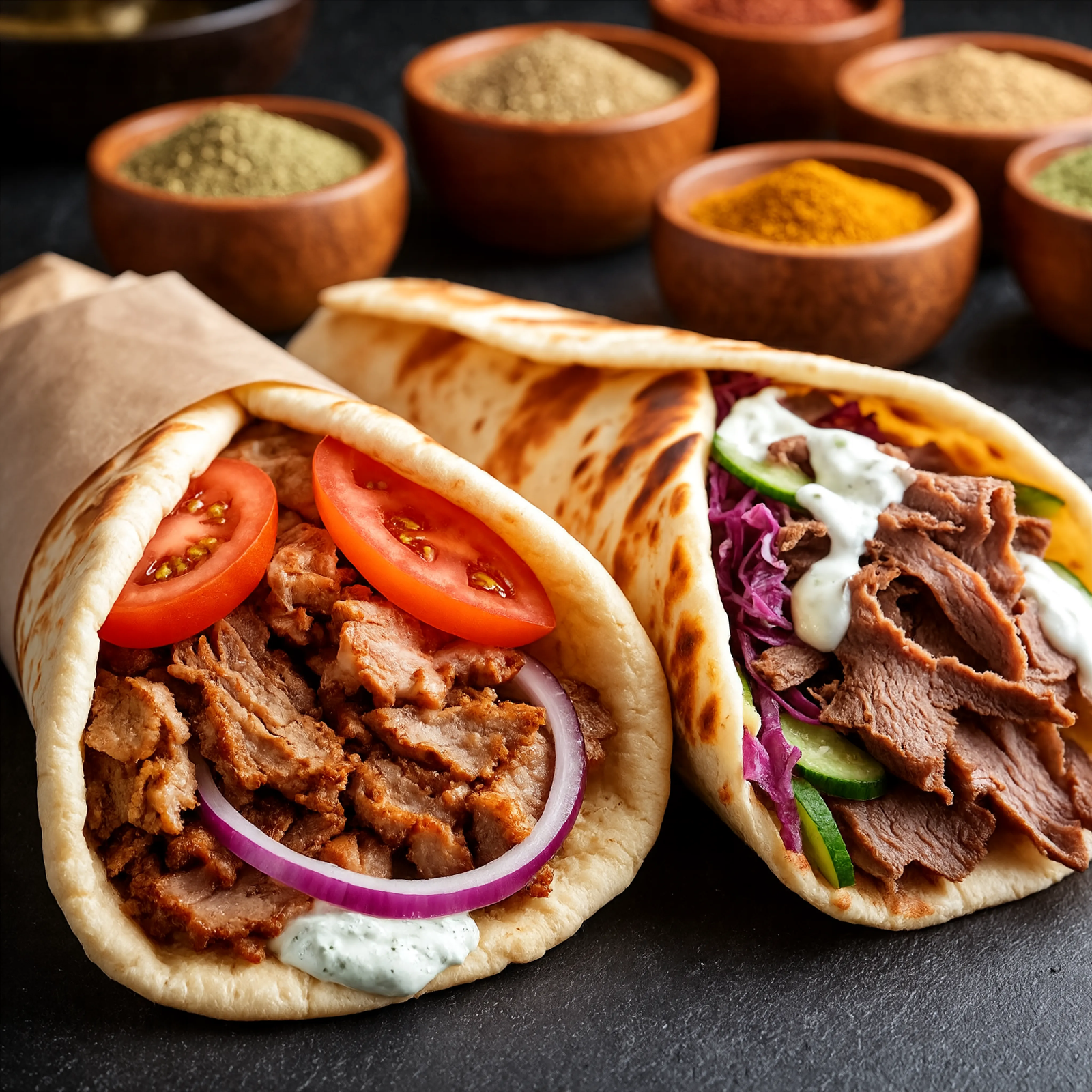 Gyros vs. Döner: Understanding the Differences in Preparation, Seasoning, and Meat Selection for Your MenuRead more
Gyros and Döner are two iconic Mediterranean dishes often confused due to their similar appearance and cooking style....
-
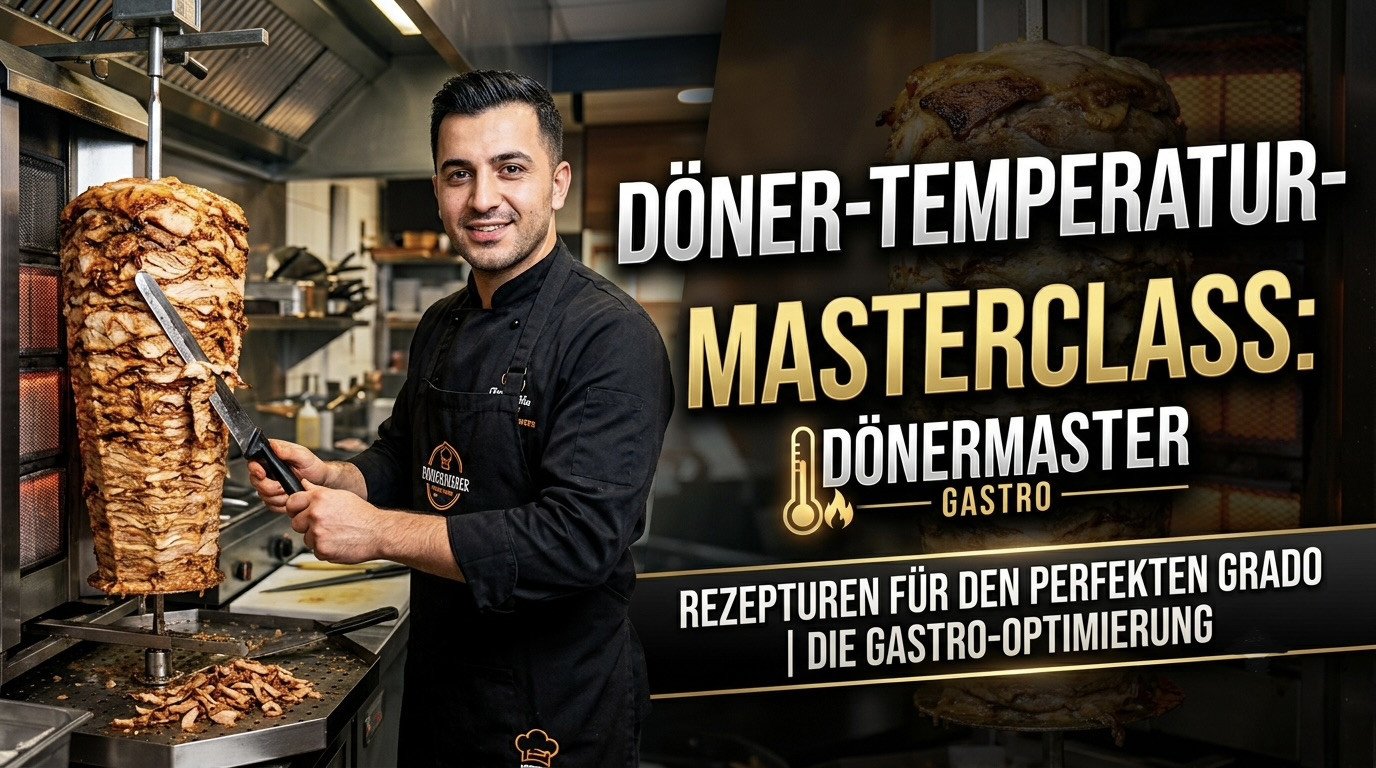 Welche Temperatur braucht ein Dönergrill? Richtwerte für die Gastronomie → Optimale Garzeiten und Temperaturen für perfekte ErgebnisseRead more
Der Dönergrill ist das Herzstück jeder Döner-Gastronomie. Die richtige Temperatur am Grill entscheidet maßgeblich...
-
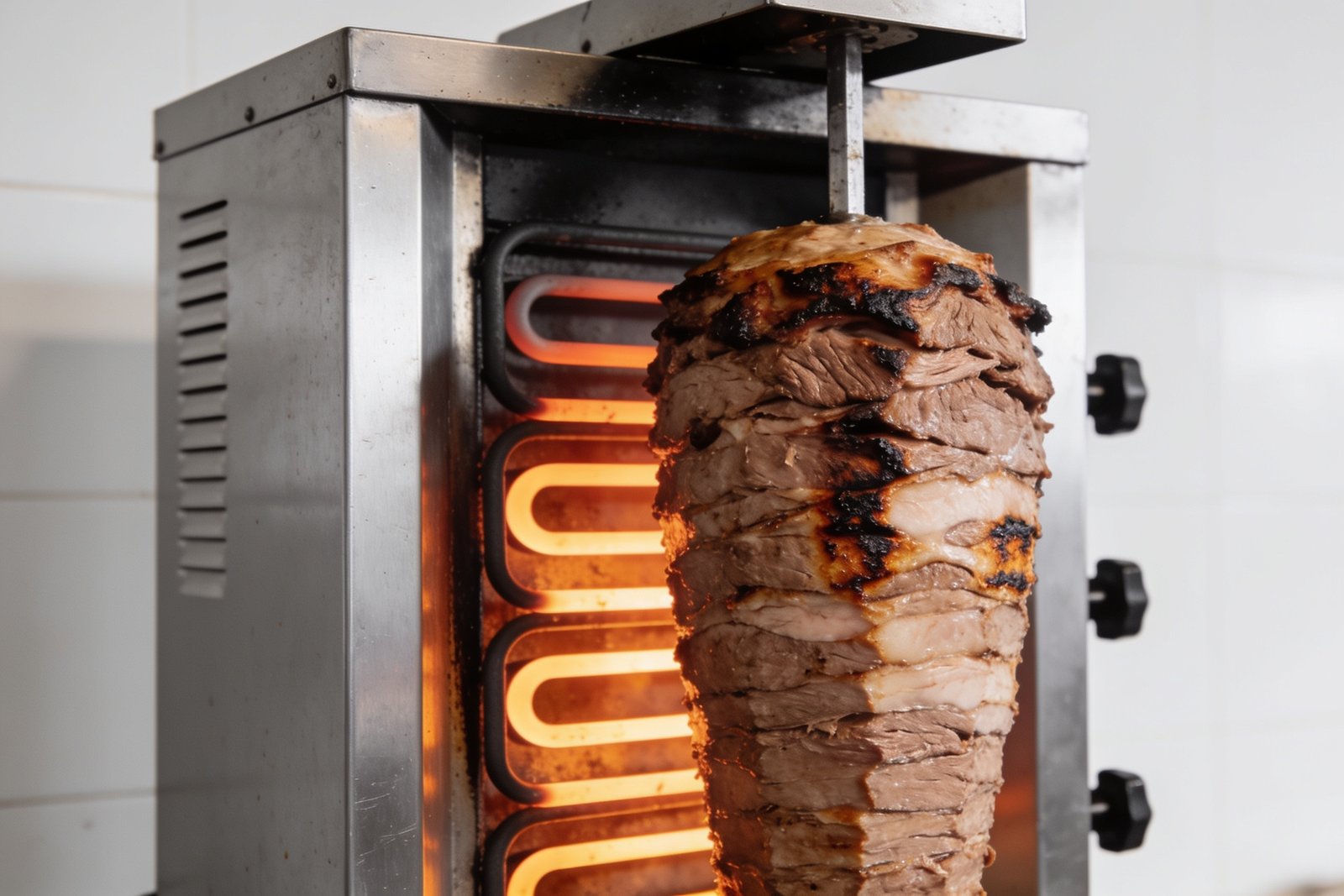 Döner Grill Heating Unevenly? Troubleshooting & Solutions → Recognize and Professionally Fix Common Device ProblemsRead more
Is your Döner grill heating unevenly? This can lead to poorly cooked meat and frustrated customers. In this guide, we...
-
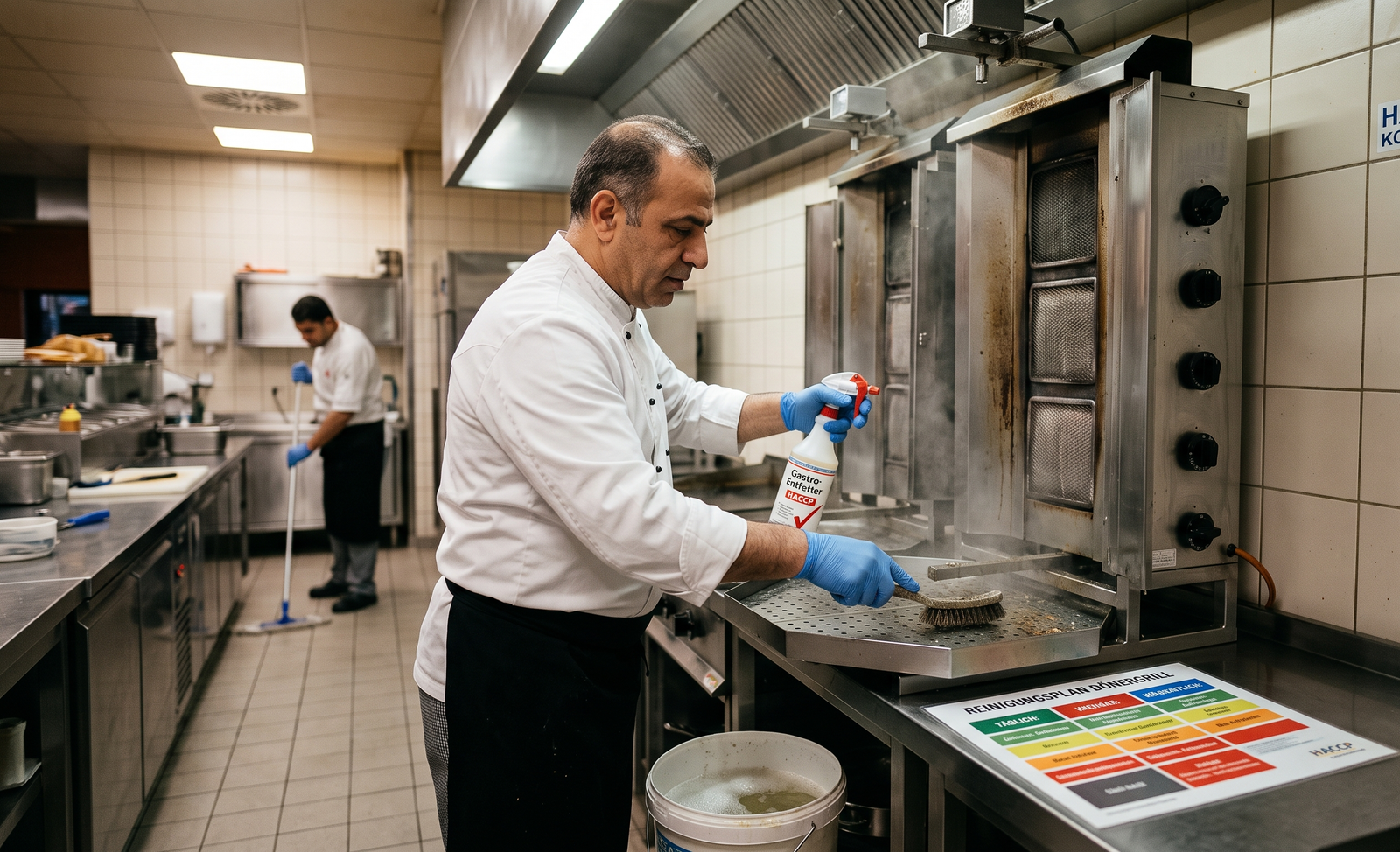 Proper Cleaning of Döner Grills: Care & Hygiene in Gastronomy → Equipment Cleaning According to HACCP Guidelines and Food Hygiene Regulations (LMHV)Read more
The Döner grill is a staple in many gastronomy businesses, and proper cleaning is essential to maintain hygiene and...
-
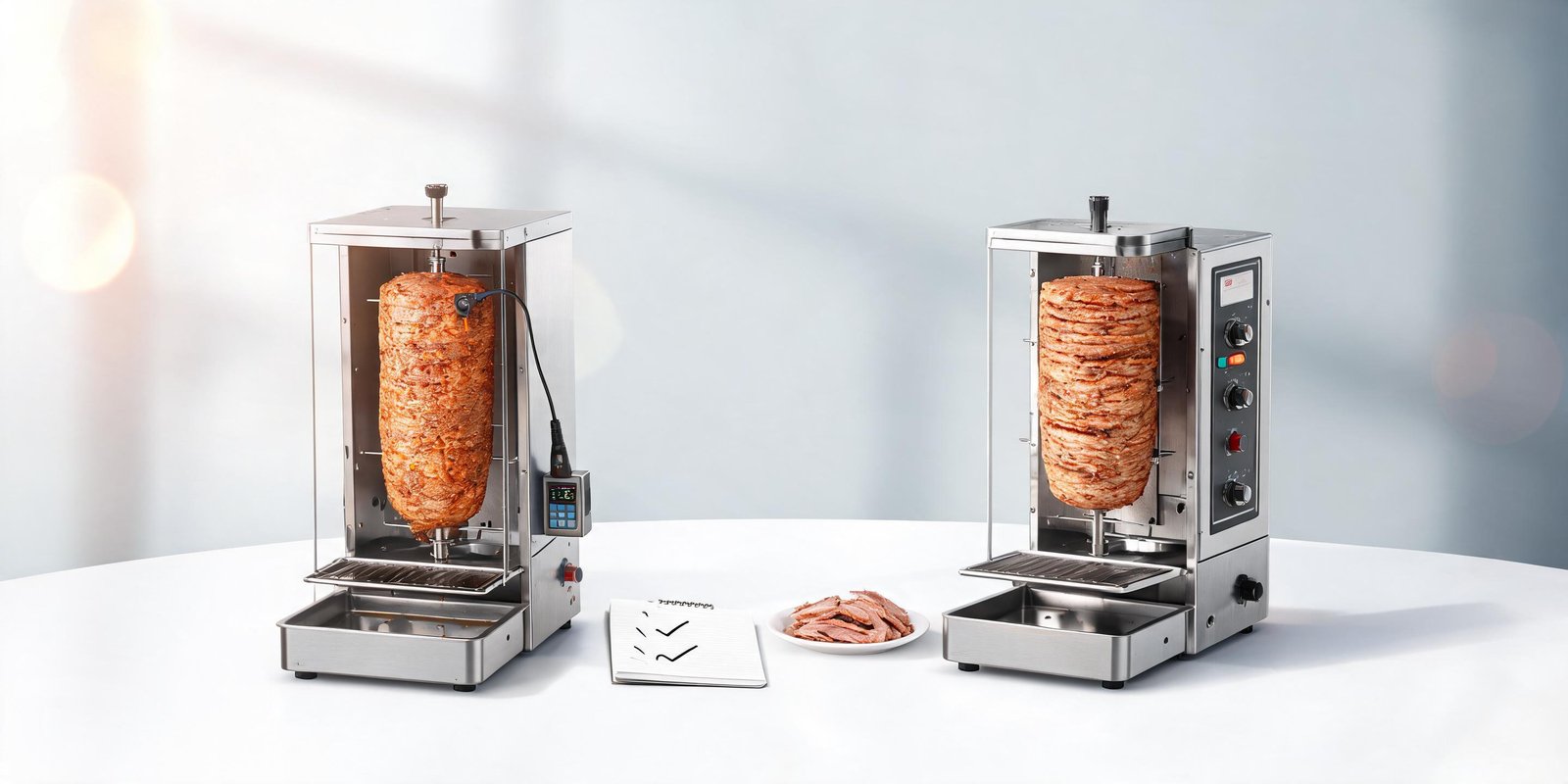 Commercial Döner Grill Tests & Reviews Overview → Make Informed Purchase Decisions with Current Product ComparisonsRead more
Choosing the right commercial Döner grill is essential for any food business specializing in this popular dish. This...
-
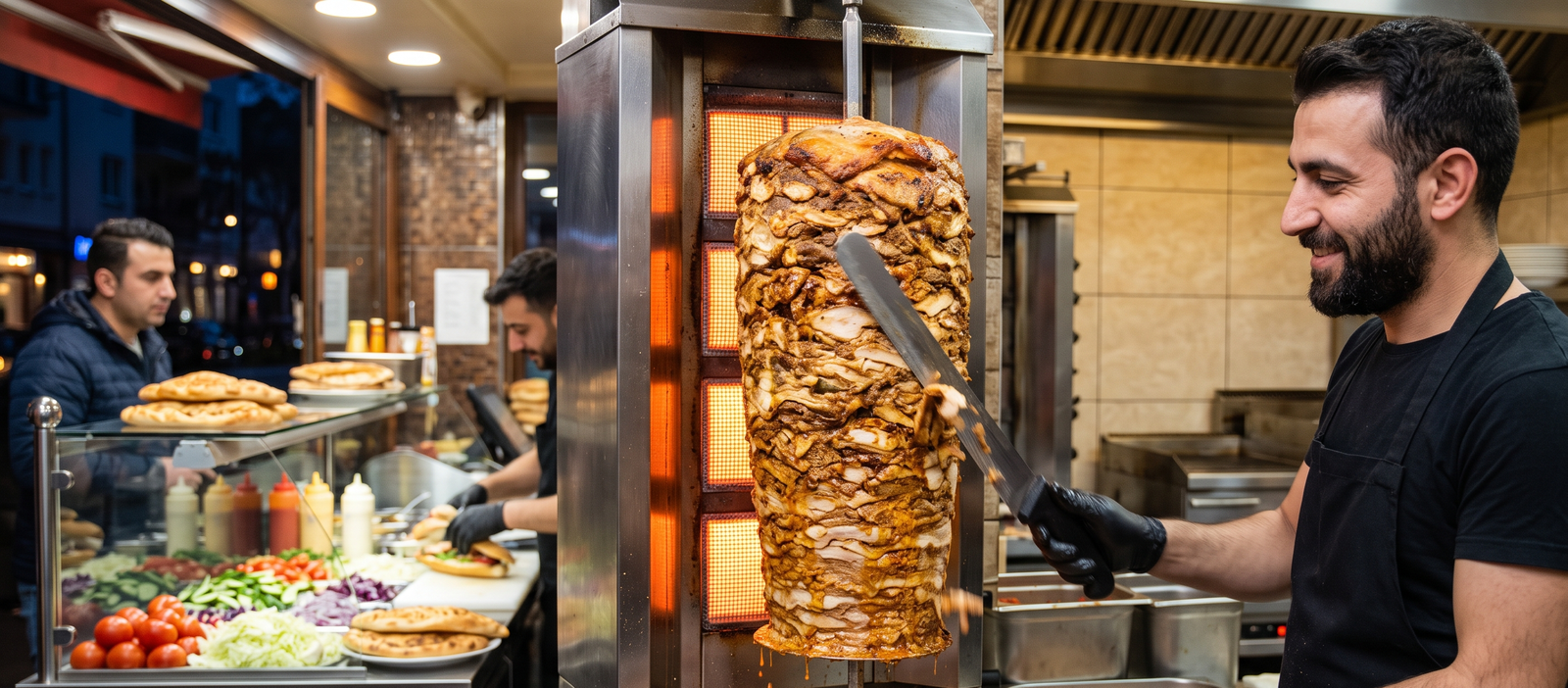 Why Is Döner Meat Grilled Vertically? Technology & Advantages Explained → The Functionality of the Vertical Grill and Its Benefits for the Gastronomy IndustryRead more
Döner kebab is famous worldwide for its juicy, flavorful meat cooked on a vertical spit. But why is the meat grilled...
-
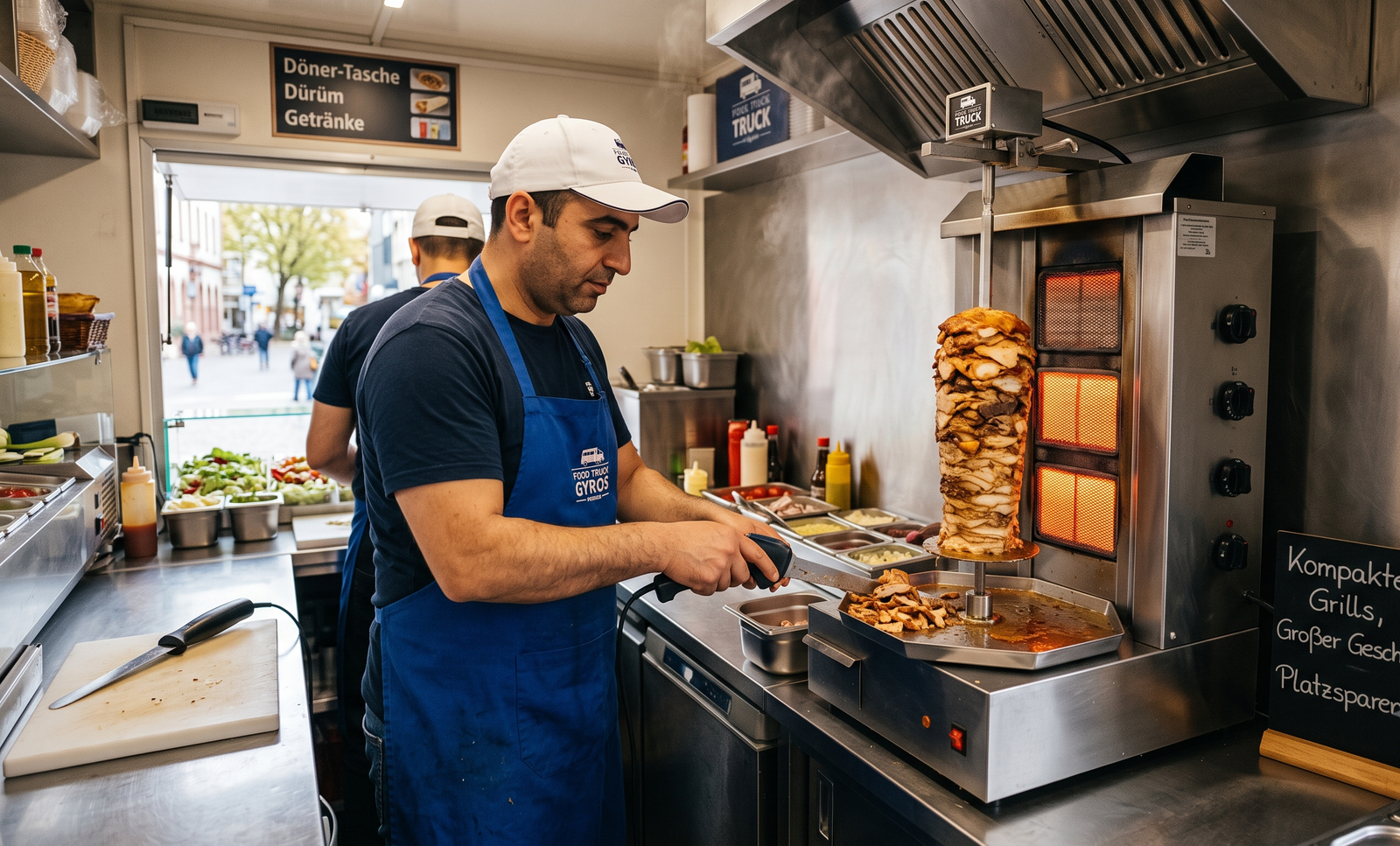 Compact Döner Grills for Small Snack Bars & Food Trucks → Space-Saving Solutions for Limited SpacesRead more
Small snack bars and food trucks often struggle with limited space, making it challenging to accommodate large...
Blog categories
Search in blog
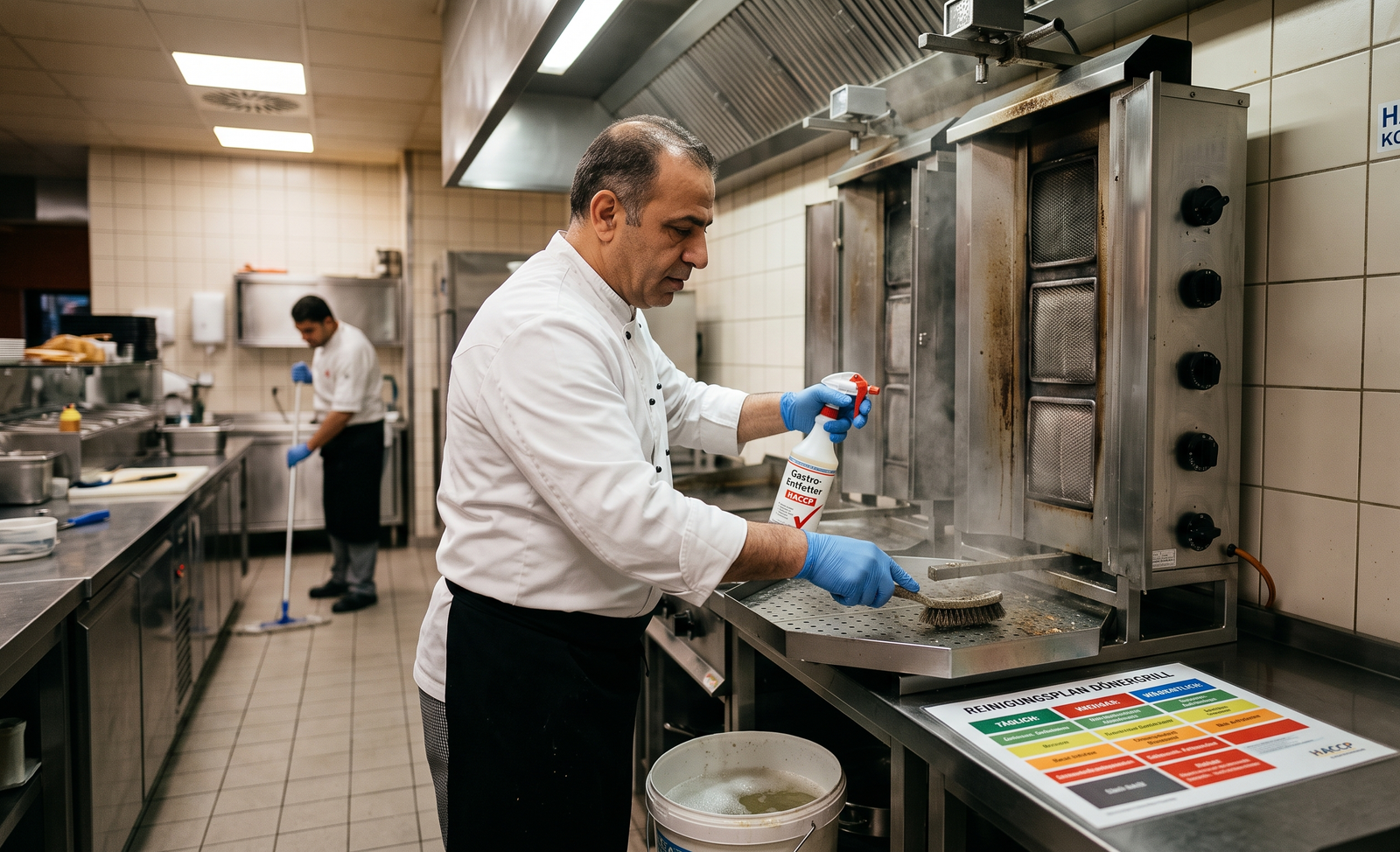
Proper Cleaning of Döner Grills: Care & Hygiene in Gastronomy → Equipment Cleaning According to HACCP Guidelines and Food Hygiene Regulations (LMHV)
Proper Cleaning of Döner Grills: Care & Hygiene in Gastronomy
The Döner grill is an essential piece of equipment in many gastronomy businesses, especially in fast-food outlets, kebab shops, and restaurants specializing in Turkish or Middle Eastern cuisine. Ensuring that this equipment is cleaned and maintained properly is not only vital for the longevity of the device but also crucial for food safety and hygiene compliance.
Why Proper Cleaning of Döner Grills Matters
Improper cleaning of Döner grills can lead to several problems, including:
- Food Contamination: Residual meat, fat, and marinade can harbor harmful bacteria, leading to cross-contamination and foodborne illnesses.
- Equipment Damage: Grease and food residues can cause corrosion or mechanical issues, reducing the lifespan of the grill.
- Regulatory Non-Compliance: Failure to adhere to hygiene standards can result in fines, closure of the business, or damage to reputation.
Therefore, cleaning Döner grills according to HACCP (Hazard Analysis and Critical Control Points) guidelines and the German Lebensmittelhygieneverordnung (LMHV) is mandatory for any professional kitchen.
Understanding HACCP and LMHV in Relation to Döner Grill Cleaning
HACCP is a systematic preventive approach to food safety that identifies physical, chemical, and biological hazards in production processes and designs measurements to reduce these risks to safe levels.
LMHV is the German Food Hygiene Regulation that lays down specific hygiene requirements for food businesses, including cleaning and disinfection of equipment.
Both frameworks require that food contact surfaces, including Döner grills, are cleaned and disinfected regularly to prevent contamination.
Step-by-Step Guide to Cleaning a Döner Grill
1. Preparation
- Turn off and unplug the equipment: Ensure the grill is powered off and cooled down to avoid burns or electrical hazards.
- Remove meat and accessories: Take off the meat skewer, drip trays, and any detachable parts.
- Wear protective gear: Use gloves and aprons to protect your skin from cleaning chemicals.
2. Disassemble Removable Parts
Remove all detachable components such as the meat skewer, meat clamps, drip trays, and any grills or racks. These parts often accumulate grease and food residues and must be cleaned separately.
3. Scrape Off Excess Residue
Using a plastic or wooden scraper (avoid metal to prevent damage), remove large chunks of meat, fat, and burnt residues from the grill and surrounding surfaces.
4. Apply Cleaning Agents
Use a food-safe degreaser or alkaline cleaner suitable for stainless steel and food contact surfaces. Spray or apply the cleaner generously on the grill surface, skewer, and other parts.
Important: Always follow the manufacturer’s instructions regarding dilution and contact time.
5. Scrub and Clean
Use a non-abrasive brush or sponge to scrub the surfaces thoroughly. Pay special attention to corners, joints, and drip trays where grease accumulates.
6. Rinse Thoroughly
Rinse all parts and surfaces with clean, hot water to remove cleaning agents and loosened debris.
7. Disinfect
After cleaning, apply a food-safe disinfectant approved under LMHV guidelines. This step is crucial to eliminate any remaining microorganisms.
8. Dry Completely
Use clean towels or air dry all parts to prevent moisture buildup, which can encourage bacterial growth.
9. Reassemble and Test
Once dry, reassemble the grill and perform a quick operational check to ensure everything is functioning correctly.
Cleaning Frequency and Scheduling
According to HACCP and LMHV, cleaning frequency depends on the intensity of use and type of food processed. However, general recommendations include:
- Daily: Clean all food contact surfaces, drip trays, and removable parts.
- Weekly: Perform a more thorough cleaning, including disassembling parts that are not removed daily.
- Monthly or Quarterly: Schedule deep cleaning and maintenance checks, possibly involving professional service technicians.
Maintaining a cleaning log is advisable to document all cleaning activities and demonstrate compliance during inspections.
Choosing the Right Cleaning Products
Cleaning agents must be:
- Approved for use in food environments
- Effective against grease, proteins, and microbial contaminants
- Compatible with stainless steel and other materials used in Döner grills
- Safe for staff when used as directed
Common types include alkaline degreasers, enzymatic cleaners, and food-safe disinfectants. Avoid harsh acids or abrasive powders that can damage surfaces.
Additional Tips for Döner Grill Hygiene and Maintenance
- Regular Inspection: Check seals, heating elements, and mechanical parts for wear and tear.
- Temperature Control: Ensure the grill operates at correct temperatures to prevent bacterial growth.
- Staff Training: Train employees on proper cleaning procedures and the importance of hygiene.
- Use Protective Covers: When the grill is not in use, cover it to prevent dust and insects.
- Ventilation: Ensure proper ventilation in the kitchen to reduce grease buildup on surfaces.
Common Challenges and How to Overcome Them
Stubborn Grease Build-up: Use specialized degreasers and allow longer contact times. Consider hot water rinses to improve effectiveness.
Hard-to-Reach Areas: Use brushes with flexible handles or steam cleaners for deep cleaning.
Time Constraints: Develop a cleaning schedule that fits operational hours, possibly splitting tasks between shifts.
Legal Consequences of Non-Compliance
Failure to comply with HACCP and LMHV cleaning standards can lead to:
- Fines and penalties from health authorities
- Temporary or permanent closure of business
- Damage to brand reputation and loss of customer trust
- Increased risk of foodborne illness outbreaks
Therefore, investing time and resources in proper Döner grill cleaning is a wise business decision.
Conclusion
Cleaning and maintaining your Döner grill according to HACCP guidelines and the Lebensmittelhygieneverordnung is essential for ensuring food safety, prolonging equipment life, and complying with legal requirements. By following a systematic cleaning process, using appropriate cleaning agents, and training staff, gastronomy businesses can maintain high hygiene standards and offer safe, delicious food to their customers.
Remember, hygiene is not just a regulatory obligation—it is a cornerstone of quality and customer satisfaction.
Additional Resources
Related posts
-
 More Than Just Fast Food - All You Need to Know
System Gastronomy: Learn more about this exciting business model. From Fast Food to Casual Dining - we explain...Read more
More Than Just Fast Food - All You Need to Know
System Gastronomy: Learn more about this exciting business model. From Fast Food to Casual Dining - we explain...Read more -
 The 10 Most Expensive Restaurants in the World
When it comes to fine dining and luxurious culinary experiences, some restaurants around the globe capture attention...Read more
The 10 Most Expensive Restaurants in the World
When it comes to fine dining and luxurious culinary experiences, some restaurants around the globe capture attention...Read more -
 Which Restaurant Makes the Most Revenue? A Deep Dive into the World of Gastronomy
Who are the revenue giants in the gastronomy industry? We reveal the top players and analyze why they are so...Read more
Which Restaurant Makes the Most Revenue? A Deep Dive into the World of Gastronomy
Who are the revenue giants in the gastronomy industry? We reveal the top players and analyze why they are so...Read more -
 Boost Your Restaurant's Revenue with Pergolas and Louvered Roofs
Ever wondered how to make your restaurant more appealing and increase your sales? The answer might be simpler than...Read more
Boost Your Restaurant's Revenue with Pergolas and Louvered Roofs
Ever wondered how to make your restaurant more appealing and increase your sales? The answer might be simpler than...Read more -
 The World of Döner: From Traditional Recipes to the Best Döner Spots Worldwide
Learn how to make authentic Yaprak Döner, discover the best döner spots in Germany and worldwide, and explore the...Read more
The World of Döner: From Traditional Recipes to the Best Döner Spots Worldwide
Learn how to make authentic Yaprak Döner, discover the best döner spots in Germany and worldwide, and explore the...Read more
Leave a comment