
 Deutsch
 Türkçe
 Italiano

.jpg)
.jpg)
.jpg)
.jpg)
.jpg)
.jpg)
.jpg)
.jpg)
.jpg)
.jpg)

.jpg)

.jpg)
.jpg)
.jpg)
.jpg)
.jpg)
.jpg)
.jpg)
.jpg)
.jpg)
.jpg)



.jpg)
.jpg)
.jpg)
.jpg)
.jpg)
.jpg)
.jpg)
.jpg)
.jpg)



.jpg)
.jpg)

.jpg)
.jpg)
.jpg)
.jpg)


.jpg)

.png)
.jpg)
.jpg)
 (200 x 136 px) (5).png)
.png)

More and more restaurateurs and resourceful entrepreneurs are discovering the enormous potential of pizza vending...
-
 Cooking Appliances
add remove
Cooking Appliances
add remove -
-
Pizza & Grill
add remove
-
-
Refrigeration
add remove
-
-
Combi Steamer
add remove
-
-
Kitchen Appliances
add remove
-
-
Rinsing & Cleaning
add remove
-
-
Retail Refrigeration
add remove
-
-
Cafe & Ice Cream
add remove
-
-
Smart-Gastro
add remove
-
-
Event- & Cateringmöbel
-
Cooking Appliances
add remove
-
-
Pizza & Grill
add remove
-
-
Refrigeration
add remove
-
-
Combi Steamer
add remove
-
-
Kitchen Appliances
add remove
-
-
Rinsing & Cleaning
add remove
-
-
Retail Refrigeration
add remove
-
-
Cafe & Ice Cream
add remove
-
-
Smart-Gastro
add remove
-
-
Event- & Cateringmöbel


Call us:
+49 (0) 6135 7040 450Latest posts
-
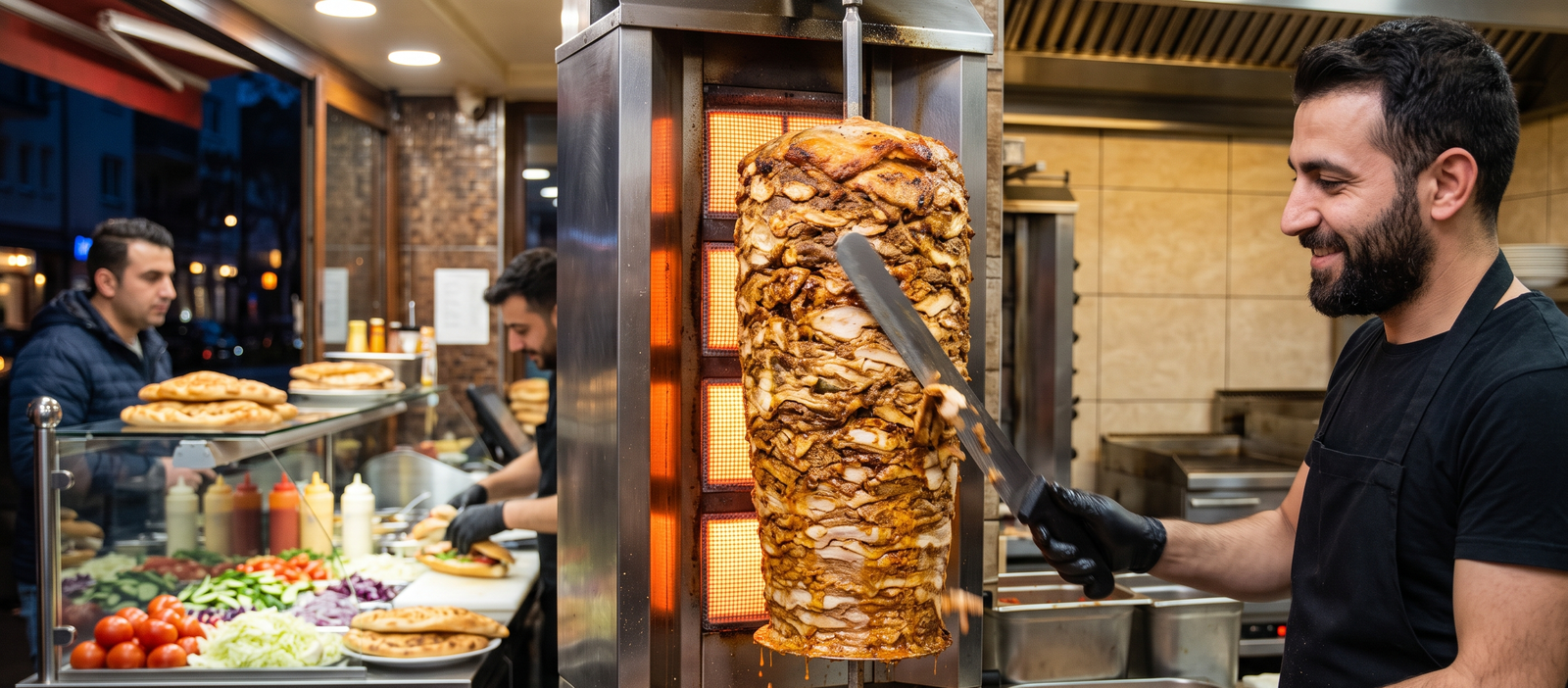 The Ultimate Guide: Pizza Vending Machines – Earnings, Costs & Experiences in the 24/7Read more
 -
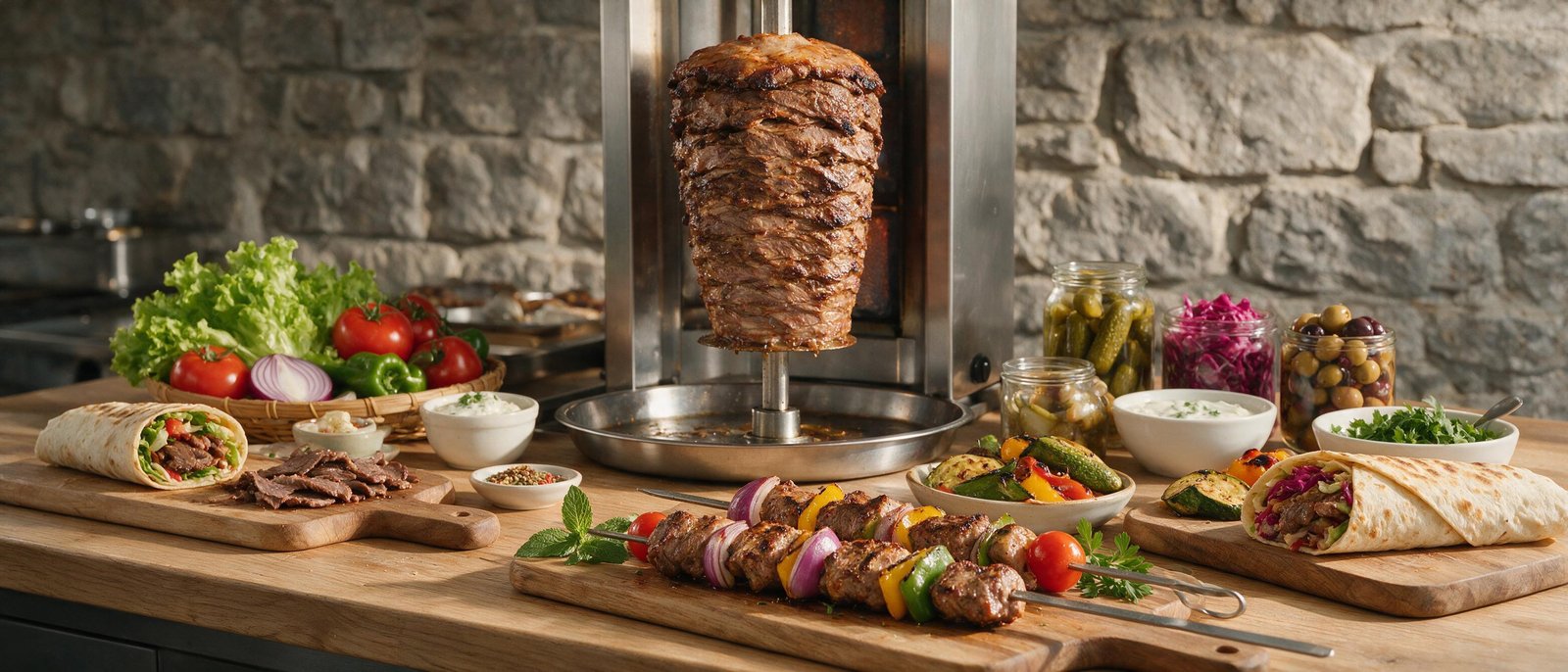 Döner vs. Shawarma vs. Kebab: Understanding the Terms and Differences for Your Food BusinessRead more
Are you confused about the difference between Döner, Shawarma, and Kebab? These popular meat dishes, often seen on...
-
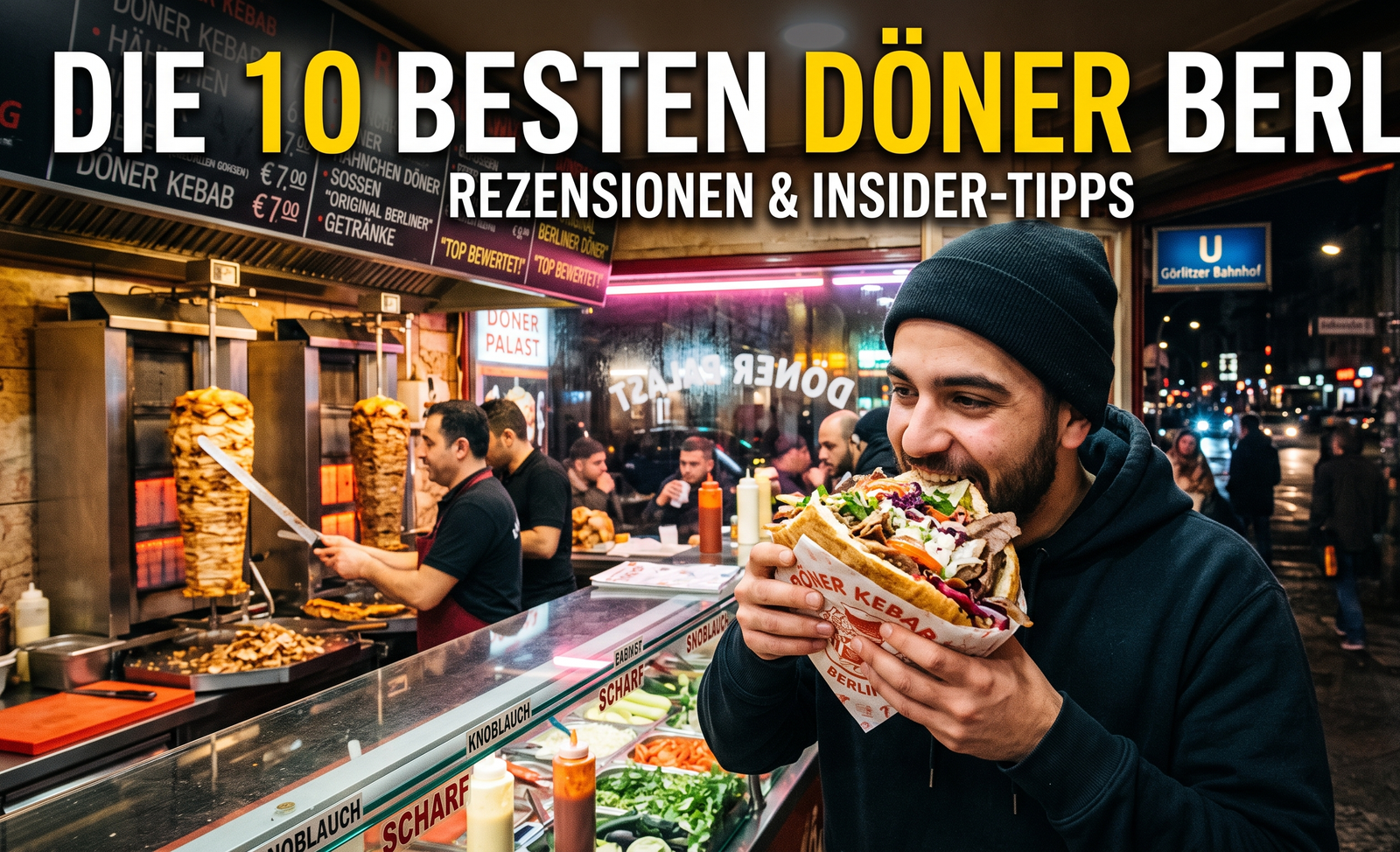 The 10 Best Döner Kebabs in Berlin (2026): The Ultimate Ranking Based on Real Customer ReviewsRead more
Berlin is the undisputed döner capital of the world. But with over 1,000 shops, the question arises: Which one is...
-
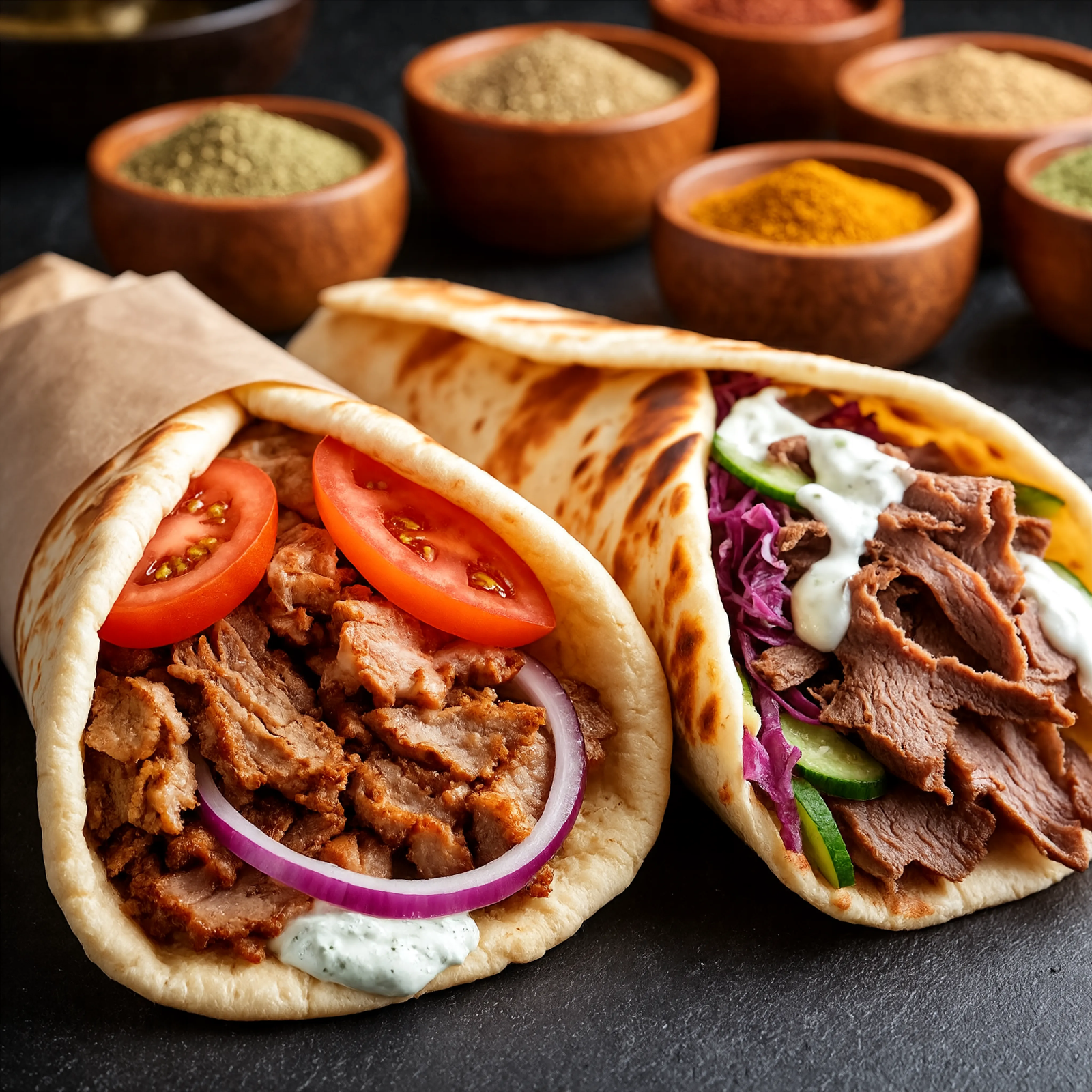 Gyros vs. Döner: Understanding the Differences in Preparation, Seasoning, and Meat Selection for Your MenuRead more
Gyros and Döner are two iconic Mediterranean dishes often confused due to their similar appearance and cooking style....
-
 Welche Temperatur braucht ein Dönergrill? Richtwerte für die Gastronomie → Optimale Garzeiten und Temperaturen für perfekte ErgebnisseRead more
Der Dönergrill ist das Herzstück jeder Döner-Gastronomie. Die richtige Temperatur am Grill entscheidet maßgeblich...
-
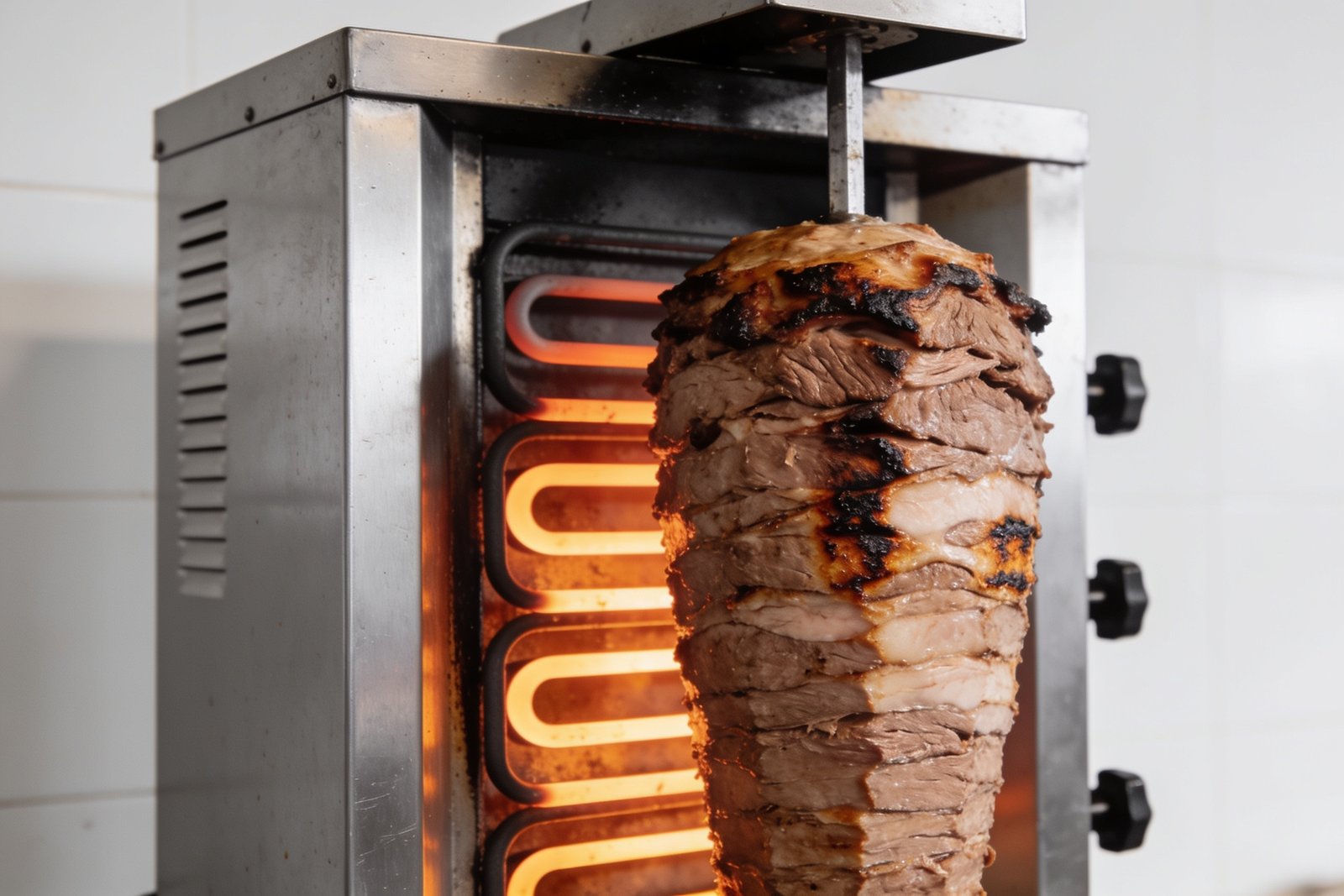 Döner Grill Heating Unevenly? Troubleshooting & Solutions → Recognize and Professionally Fix Common Device ProblemsRead more
Is your Döner grill heating unevenly? This can lead to poorly cooked meat and frustrated customers. In this guide, we...
-
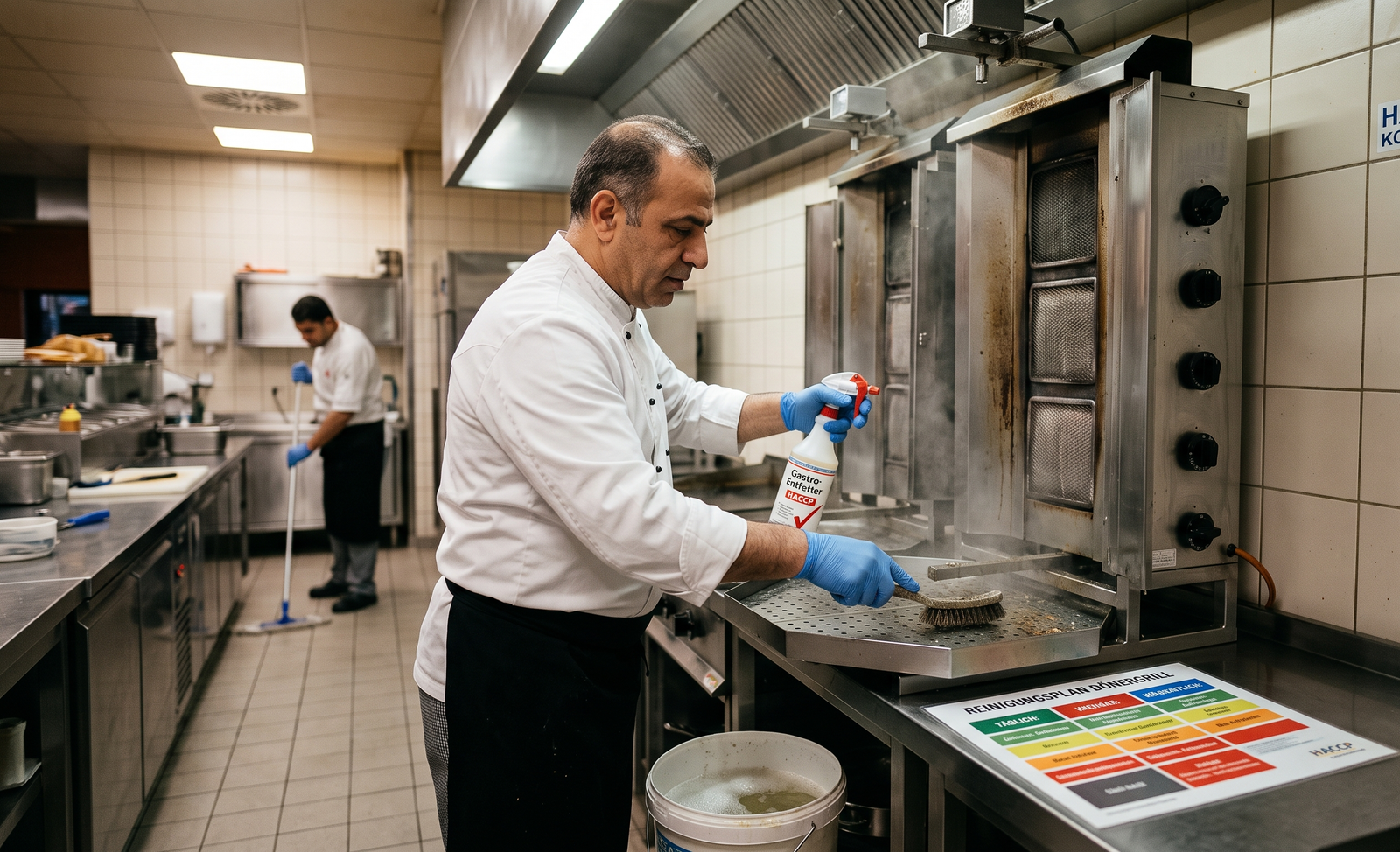 Proper Cleaning of Döner Grills: Care & Hygiene in Gastronomy → Equipment Cleaning According to HACCP Guidelines and Food Hygiene Regulations (LMHV)Read more
The Döner grill is a staple in many gastronomy businesses, and proper cleaning is essential to maintain hygiene and...
-
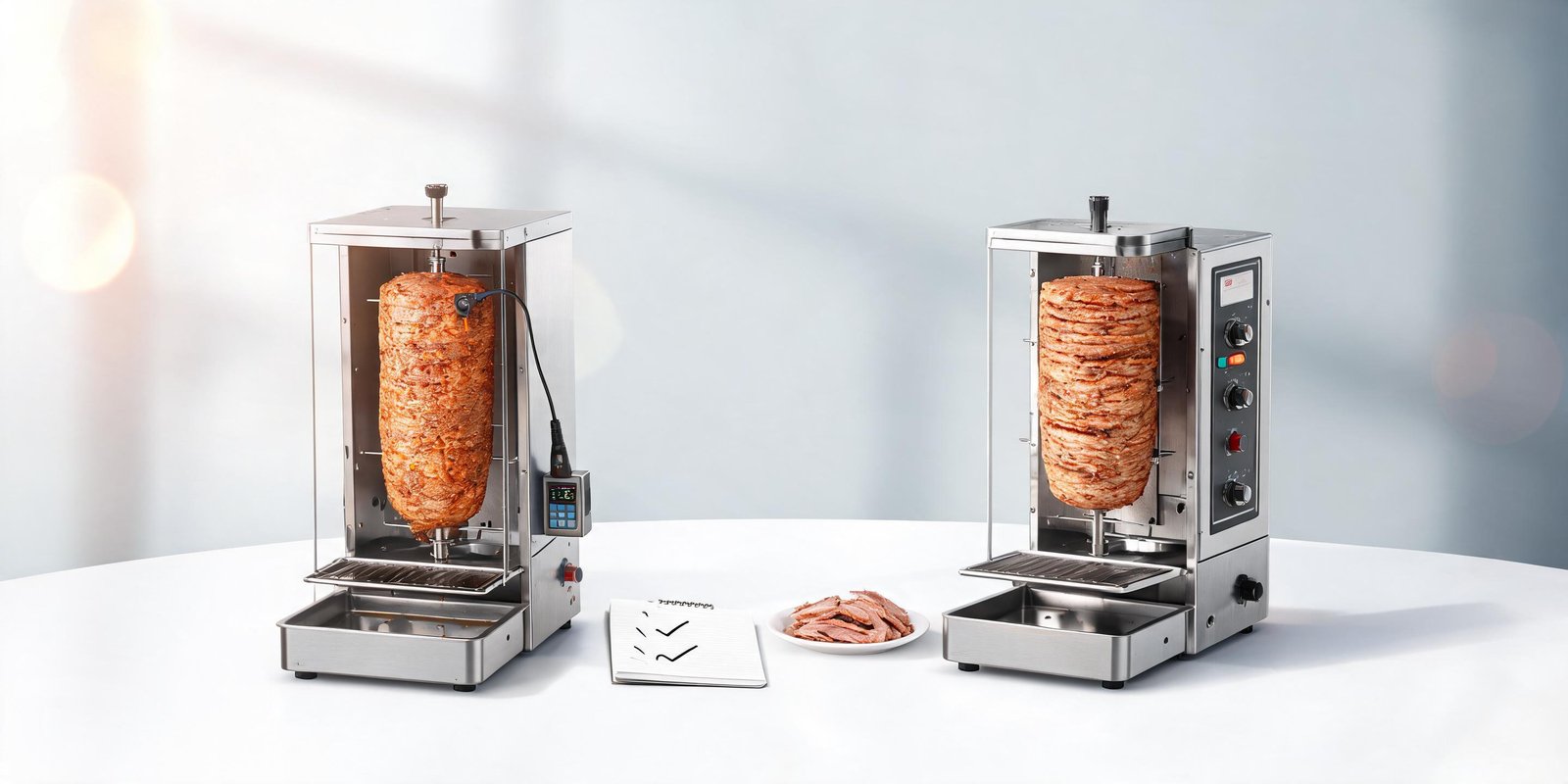 Commercial Döner Grill Tests & Reviews Overview → Make Informed Purchase Decisions with Current Product ComparisonsRead more
Choosing the right commercial Döner grill is essential for any food business specializing in this popular dish. This...
-
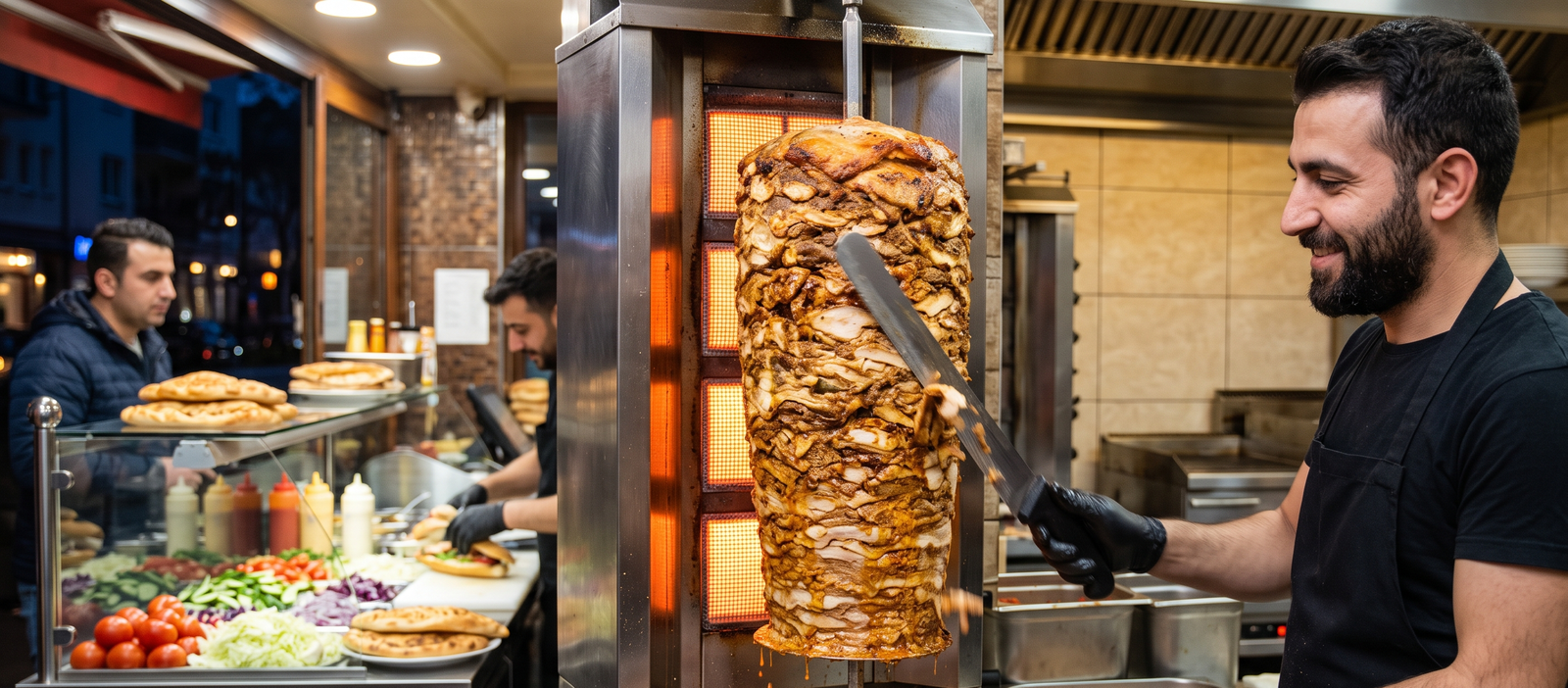 Why Is Döner Meat Grilled Vertically? Technology & Advantages Explained → The Functionality of the Vertical Grill and Its Benefits for the Gastronomy IndustryRead more
Döner kebab is famous worldwide for its juicy, flavorful meat cooked on a vertical spit. But why is the meat grilled...
-
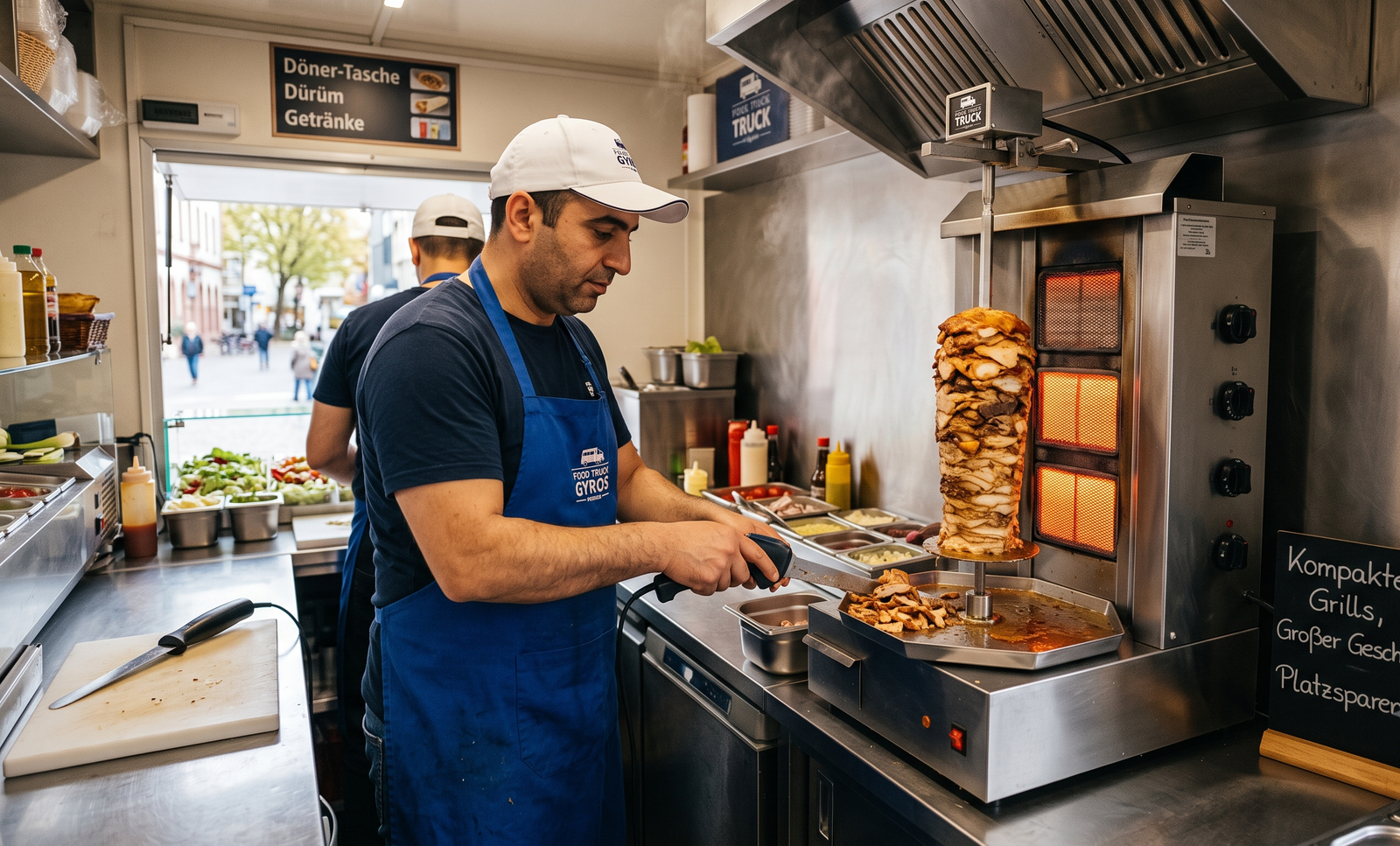 Compact Döner Grills for Small Snack Bars & Food Trucks → Space-Saving Solutions for Limited SpacesRead more
Small snack bars and food trucks often struggle with limited space, making it challenging to accommodate large...
Blog categories
Search in blog
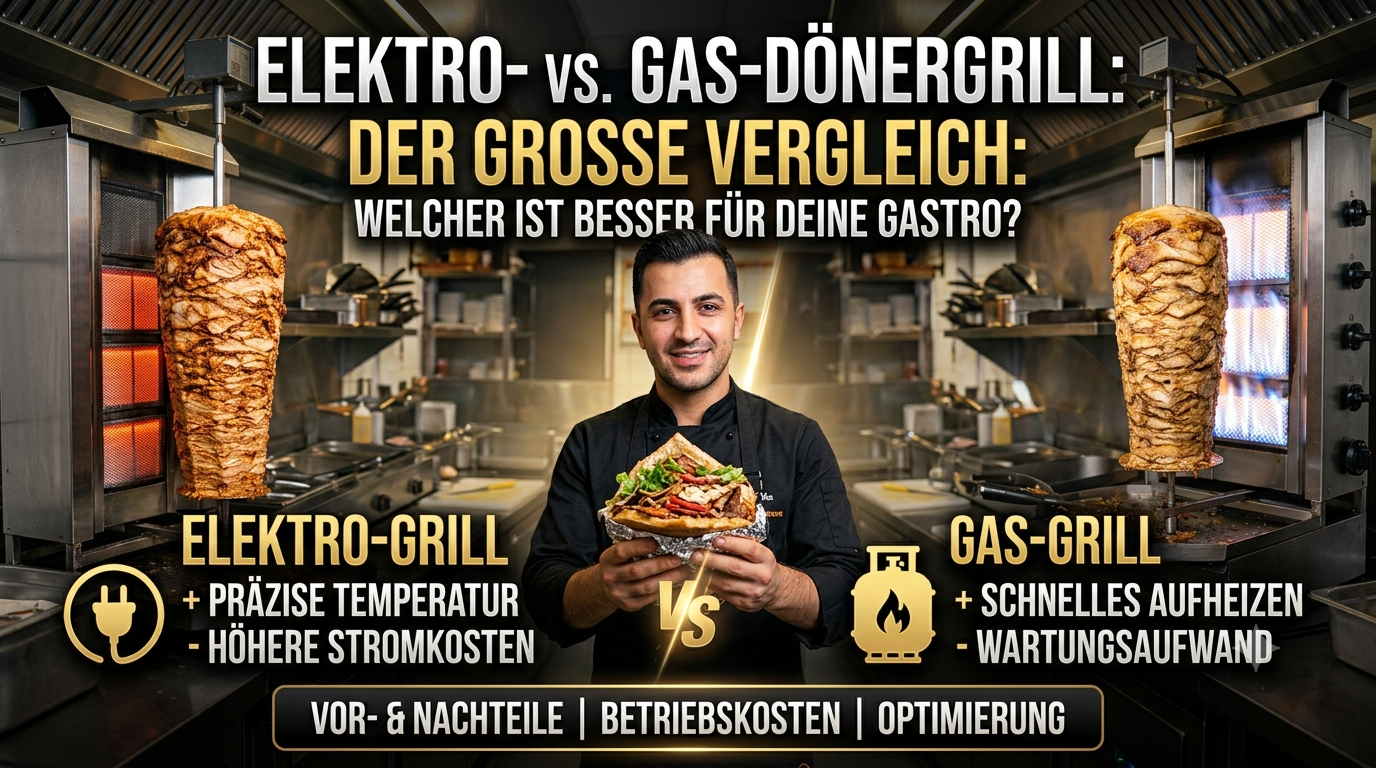
Electric vs. Gas Döner Grill: Which Is Better for the Gastronomy Industry? A Comprehensive Comparison for Snack Bars, Restaurants, and Catering
Electric vs. Gas Döner Grill: Which Is Better for the Gastronomy Industry?
The Döner kebab is a beloved street food staple across Europe and beyond. Whether served in a humble snack bar, a bustling restaurant, or at a catering event, the quality and efficiency of the Döner grill can make or break the customer experience. Choosing the right grill—electric or gas—is a crucial decision for any gastronomy professional.
Introduction to Döner Grills
Döner grills are vertical rotisserie devices designed to cook large slabs of meat slowly and evenly. Traditionally, meat is stacked on a vertical spit and cooked by radiant heat. The heat source can be either gas burners or electric heating elements, each with distinct characteristics.
Before diving into the pros and cons of each, it’s important to consider the context in which the grill will be used. Snack bars, restaurants, and catering services have different operational needs, space constraints, and customer expectations.
Electric Döner Grills: Overview
Electric Döner grills use electric heating elements to generate radiant heat. These elements are usually positioned behind ceramic or metal plates that radiate heat onto the meat. The temperature is controlled electronically, allowing for precise adjustments.
Advantages of Electric Döner Grills
- Consistent Temperature Control: Electric grills offer precise temperature regulation, which helps in cooking meat evenly without flare-ups.
- Ease of Use: They are generally easier to operate, with simple on/off switches and temperature dials.
- Cleaner Operation: Electric grills produce no open flames or combustion gases, making them cleaner and safer indoors.
- Energy Efficiency: In some cases, electric grills convert energy more efficiently into heat, especially in smaller setups.
- Lower Emissions: No direct emissions make electric grills more environmentally friendly and compliant with strict indoor air quality regulations.
Disadvantages of Electric Döner Grills
- Higher Operating Costs: Electricity can be more expensive than gas, especially in high-volume operations.
- Heat Output Limitations: Electric grills may have lower maximum heat output, potentially leading to longer cooking times.
- Dependence on Electricity Supply: Power outages can halt operations completely.
- Less Traditional Flavor: Some chefs argue that electric grills do not replicate the smoky, charred flavor that gas or charcoal grills impart.
Gas Döner Grills: Overview
Gas Döner grills use natural gas or propane burners to produce an open flame that radiates heat onto the meat. This method is closer to traditional grilling and is widely used in many Döner shops.
Advantages of Gas Döner Grills
- High Heat Output: Gas grills can reach higher temperatures quickly, allowing for faster cooking and crispier edges.
- Flavor Profile: The open flame can caramelize the meat’s exterior, adding a desirable smoky flavor and texture.
- Lower Energy Costs: Gas is often cheaper than electricity in many regions, reducing operational expenses.
- Portability: Propane-fueled gas grills can be used in locations without electrical infrastructure, ideal for catering.
- Proven Reliability: Gas grills have been the standard in Döner production for decades and are trusted by many professionals.
Disadvantages of Gas Döner Grills
- Safety Concerns: Open flames and gas lines require careful installation and maintenance to prevent accidents.
- Ventilation Requirements: Gas grills produce combustion gases that require proper ventilation systems, increasing setup costs.
- Flare-ups and Uneven Cooking: Fat dripping onto flames can cause flare-ups, potentially burning the meat if not managed carefully.
- Environmental Impact: Burning fossil fuels contributes to greenhouse gas emissions.
Comparing the Two: Key Factors for Gastronomy
1. Operational Costs
Electric grills tend to have higher energy costs due to electricity prices, but they often require less maintenance. Gas grills have lower fuel costs but may incur higher expenses related to ventilation and safety inspections.
2. Cooking Quality and Flavor
Gas grills provide a more traditional flavor with caramelization and slight smokiness. Electric grills produce consistent heat but lack the open flame’s flavor nuances.
3. Safety and Compliance
Electric grills are safer indoors, with no open flames or gas leaks. Gas grills require strict adherence to safety codes and ventilation standards.
4. Space and Installation
Electric grills are easier to install, requiring only electrical outlets. Gas grills need gas lines and ventilation hoods, which can be challenging in tight or rented spaces.
5. Environmental Considerations
Electric grills can be powered by renewable energy sources, reducing carbon footprint. Gas grills rely on fossil fuels, contributing to emissions.
6. Flexibility and Portability
Gas grills, especially propane-powered ones, are more portable and suitable for catering events. Electric grills depend on power availability and are less mobile.
Use Case Scenarios
Snack Bars and Small Imbiss Stands
Snack bars often operate in small spaces with limited ventilation. Electric Döner grills are advantageous here due to their clean operation and ease of installation. Although energy costs may be higher, the benefits of safety and compliance often outweigh this.
Restaurants
Restaurants with dedicated kitchen spaces and professional ventilation systems can benefit from gas grills. The superior flavor and faster cooking times improve throughput and customer satisfaction. However, if the restaurant emphasizes sustainability or has limited gas infrastructure, electric grills may be preferred.
Catering Services
Catering demands flexibility and mobility. Portable gas grills powered by propane tanks are ideal for outdoor events where electricity may be unavailable. The ability to generate high heat quickly is also beneficial for serving large crowds efficiently.
Maintenance and Longevity
Electric grills generally require less maintenance, with fewer moving parts and no gas lines. Cleaning is straightforward, and there is no risk of gas leaks. Gas grills need regular inspections of burners, gas hoses, and ventilation to ensure safety and performance.
Both types of grills can last many years if maintained properly, but the choice may depend on the operator’s willingness and ability to perform routine maintenance.
Cost Comparison: Initial Investment vs. Long-Term Expenses
Initial costs for electric grills can be higher due to advanced heating elements and control systems. Gas grills may have lower upfront costs but require investment in ventilation and gas infrastructure.
Long-term, gas grills may be cheaper to operate depending on local energy prices. However, electric grills can benefit from lower maintenance and potential incentives for energy-efficient appliances.
Environmental Impact and Sustainability
With growing awareness of environmental issues, many gastronomy businesses are considering sustainability in their equipment choices. Electric grills, especially when powered by renewable energy, offer a greener alternative. Gas grills contribute to carbon emissions but may still be necessary in certain contexts.
Final Thoughts: Which Grill Is Better for Your Gastronomy Business?
There is no one-size-fits-all answer. The decision between electric and gas Döner grills depends on your specific needs, including:
- Location and space constraints
- Volume of production
- Flavor preferences
- Budget for installation and operation
- Environmental goals
- Mobility requirements
Summary Recommendations:
- Electric Döner Grills: Best for small snack bars, indoor use, and businesses prioritizing safety and sustainability.
- Gas Döner Grills: Ideal for restaurants with proper ventilation, catering services, and those seeking traditional flavor and faster cooking.
Ultimately, evaluating your operational context and priorities will guide you to the right choice. Investing in quality equipment tailored to your needs will ensure delicious Döner kebabs and satisfied customers for years to come.
Additional Tips for Choosing the Right Döner Grill
- Test Before You Buy: If possible, sample meat cooked on both grill types to assess flavor and texture differences.
- Consider Hybrid Models: Some manufacturers offer grills that combine electric and gas elements, offering flexibility.
- Check Local Regulations: Ensure compliance with safety and environmental regulations for your chosen grill type.
- Plan for Ventilation: For gas grills, invest in proper ventilation to protect staff and customers.
- Train Staff: Proper operation and maintenance training can extend grill life and improve food quality.
Conclusion
The choice between electric and gas Döner grills is a strategic decision that impacts your gastronomy business’s efficiency, safety, and food quality. Both grill types have their merits and challenges. By carefully weighing the factors discussed, you can select the grill that best fits your operational needs and delights your customers with authentic, delicious Döner kebabs.
Whether you run a cozy snack bar, a high-end restaurant, or a dynamic catering company, the right Döner grill is an investment in your culinary success.
Related posts
-
 More Than Just Fast Food - All You Need to Know
System Gastronomy: Learn more about this exciting business model. From Fast Food to Casual Dining - we explain...Read more
More Than Just Fast Food - All You Need to Know
System Gastronomy: Learn more about this exciting business model. From Fast Food to Casual Dining - we explain...Read more -
 The 10 Most Expensive Restaurants in the World
When it comes to fine dining and luxurious culinary experiences, some restaurants around the globe capture attention...Read more
The 10 Most Expensive Restaurants in the World
When it comes to fine dining and luxurious culinary experiences, some restaurants around the globe capture attention...Read more -
 Which Restaurant Makes the Most Revenue? A Deep Dive into the World of Gastronomy
Who are the revenue giants in the gastronomy industry? We reveal the top players and analyze why they are so...Read more
Which Restaurant Makes the Most Revenue? A Deep Dive into the World of Gastronomy
Who are the revenue giants in the gastronomy industry? We reveal the top players and analyze why they are so...Read more -
 Boost Your Restaurant's Revenue with Pergolas and Louvered Roofs
Ever wondered how to make your restaurant more appealing and increase your sales? The answer might be simpler than...Read more
Boost Your Restaurant's Revenue with Pergolas and Louvered Roofs
Ever wondered how to make your restaurant more appealing and increase your sales? The answer might be simpler than...Read more -
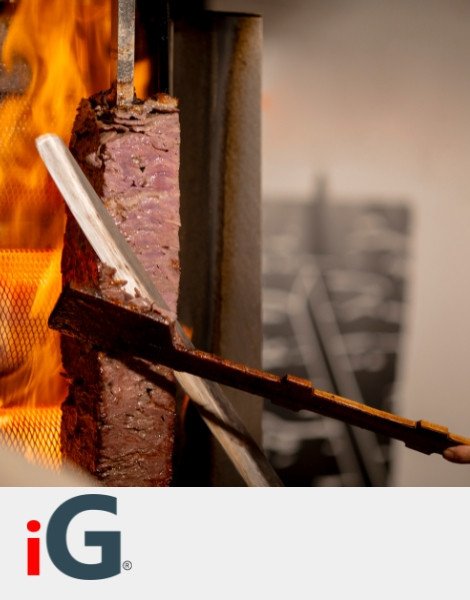 The World of Döner: From Traditional Recipes to the Best Döner Spots Worldwide
Learn how to make authentic Yaprak Döner, discover the best döner spots in Germany and worldwide, and explore the...Read more
The World of Döner: From Traditional Recipes to the Best Döner Spots Worldwide
Learn how to make authentic Yaprak Döner, discover the best döner spots in Germany and worldwide, and explore the...Read more
Leave a comment