
 Deutsch
 Türkçe
 Italiano

.jpg)
.jpg)
.jpg)
.jpg)
.jpg)
.jpg)
.jpg)
.jpg)
.jpg)
.jpg)

.jpg)

.jpg)
.jpg)
.jpg)
.jpg)
.jpg)
.jpg)
.jpg)
.jpg)
.jpg)
.jpg)



.jpg)
.jpg)
.jpg)
.jpg)
.jpg)
.jpg)
.jpg)
.jpg)
.jpg)



.jpg)
.jpg)

.jpg)
.jpg)
.jpg)
.jpg)


.jpg)

.png)
.jpg)
.jpg)
 (200 x 136 px) (5).png)
.png)

Looking for the perfect restaurant dinnerware? Discover why professional chefs worldwide rely on the chip-resistant...
-
 Cooking Appliances
add remove
Cooking Appliances
add remove -
-
Pizza & Grill
add remove
-
-
Refrigeration
add remove
-
-
Combi Steamer
add remove
-
-
Kitchen Appliances
add remove
-
-
Rinsing & Cleaning
add remove
-
-
Retail Refrigeration
add remove
-
-
Cafe & Ice Cream
add remove
-
-
Smart-Gastro
add remove
-
-
Event- & Cateringmöbel
-
Cooking Appliances
add remove
-
-
Pizza & Grill
add remove
-
-
Refrigeration
add remove
-
-
Combi Steamer
add remove
-
-
Kitchen Appliances
add remove
-
-
Rinsing & Cleaning
add remove
-
-
Retail Refrigeration
add remove
-
-
Cafe & Ice Cream
add remove
-
-
Smart-Gastro
add remove
-
-
Event- & Cateringmöbel


Call us:
+49 (0) 6135 7040 450Latest posts
-
 Why RAK Porcelain is the Top Choice for ProfessionalsRead more
 -
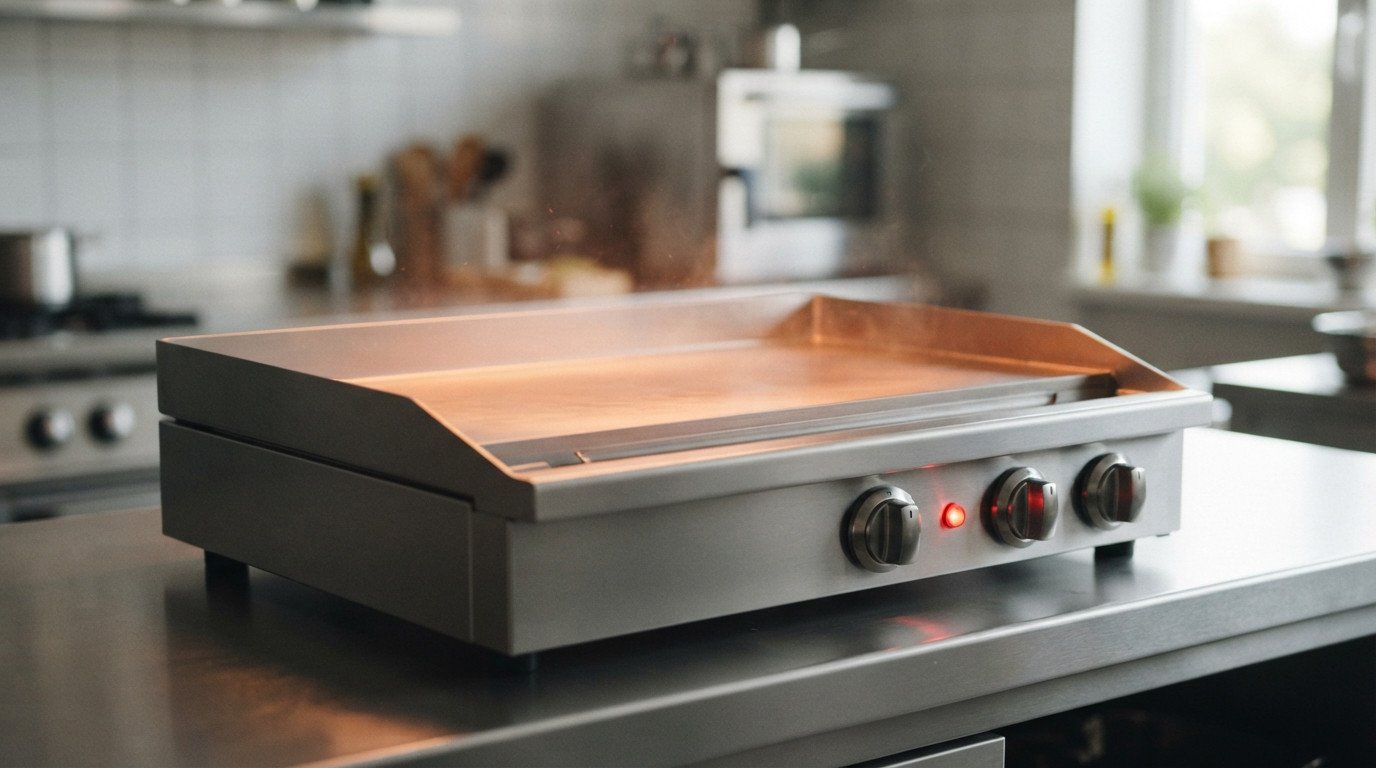 Electric Fry Top: How Long Does It Take to Heat Up?Read more
The electric fry top is a versatile and efficient kitchen appliance that offers even heat distribution and a smooth...
-
 Does the Fry Top Scratch Easily? How to Preserve Its SurfaceRead more
Fry tops are versatile and popular cooking surfaces, but many wonder if they scratch easily and how to keep them in...
-
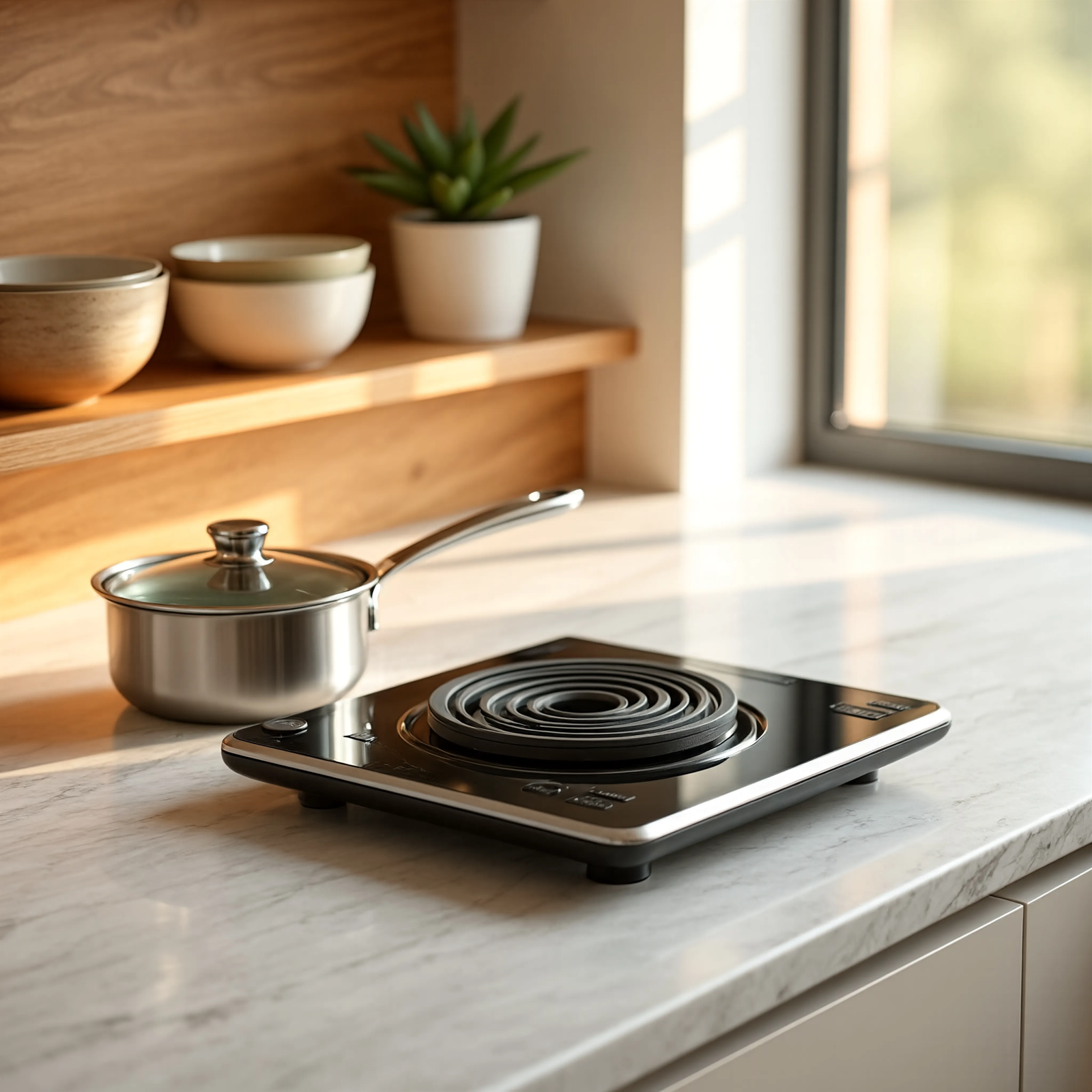 Fry Top for Beginners: Which Model Is Easiest to Use?Read more
Are you new to cooking with a fry top and wondering which model is easiest to use? A fry top, or griddle, offers a...
-
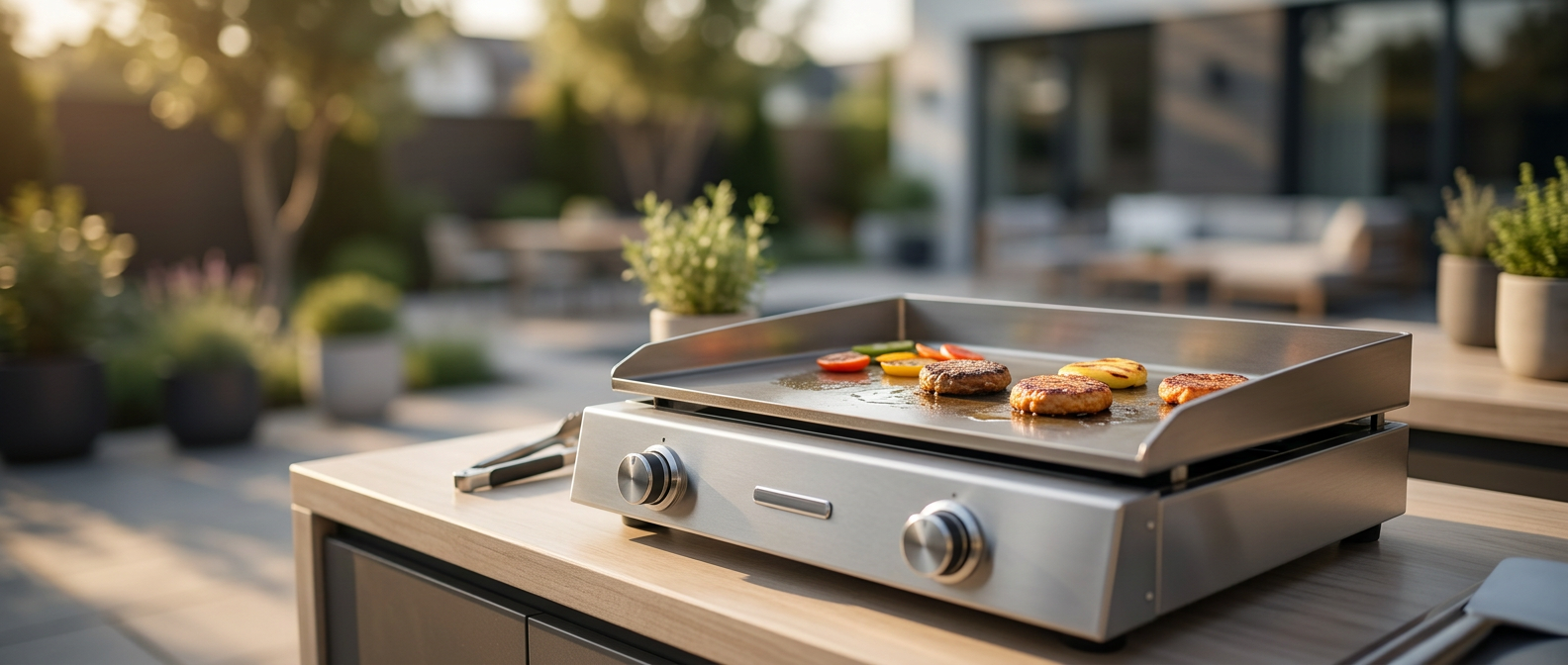 Small Spaces: Which Electric Hot Plate Should You Choose?Read more
Living in a small space often means limited kitchen area, making it essential to choose compact and efficient cooking...
-
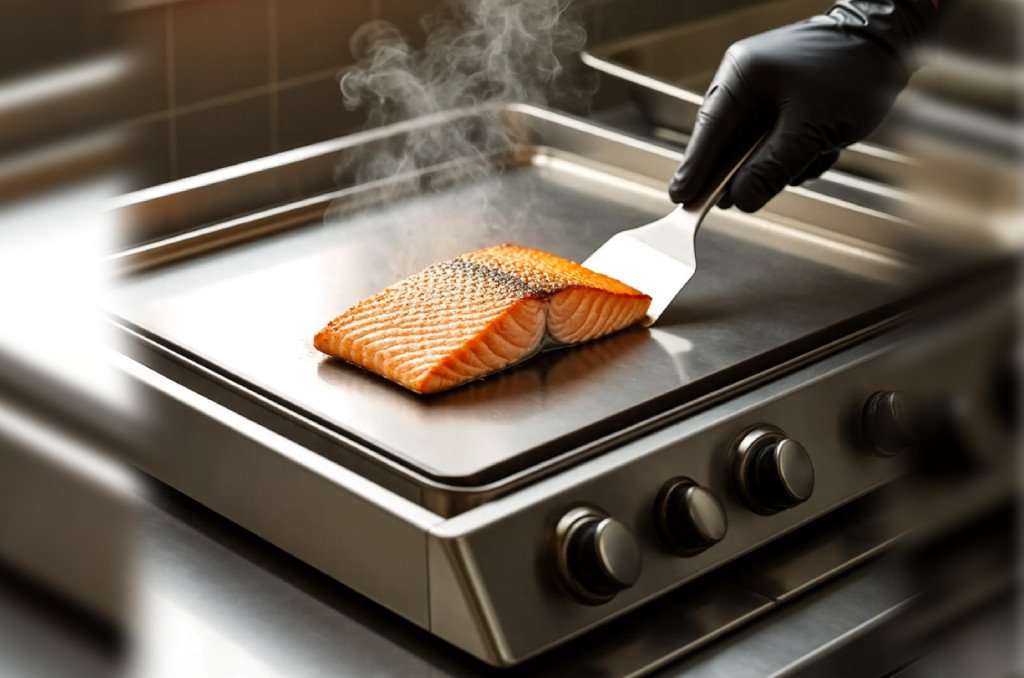 How to Fry Safely on an Electric Fry Top: A Complete GuideRead more
Frying on an electric fry top offers a convenient and efficient way to prepare delicious meals, but safety is...
-
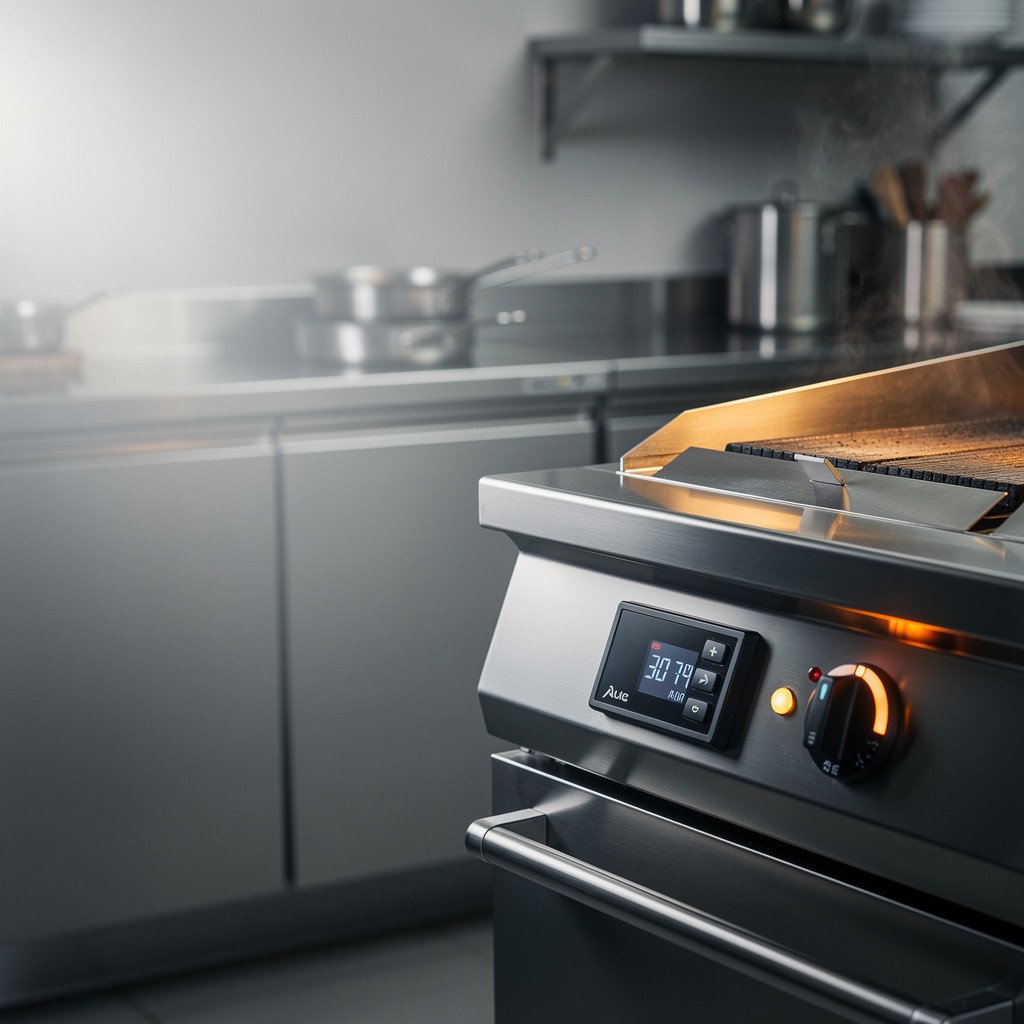 Fry Top with Thermostat: Is It Worth Spending More?Read more
A fry top is a versatile cooking surface widely used in both home and professional kitchens. One key feature that...
-
 Contact Electric Hotplates: Is Cooking Really Difficult?Read more
Contact electric hotplates are becoming increasingly popular for their convenience and efficiency in the kitchen....
-
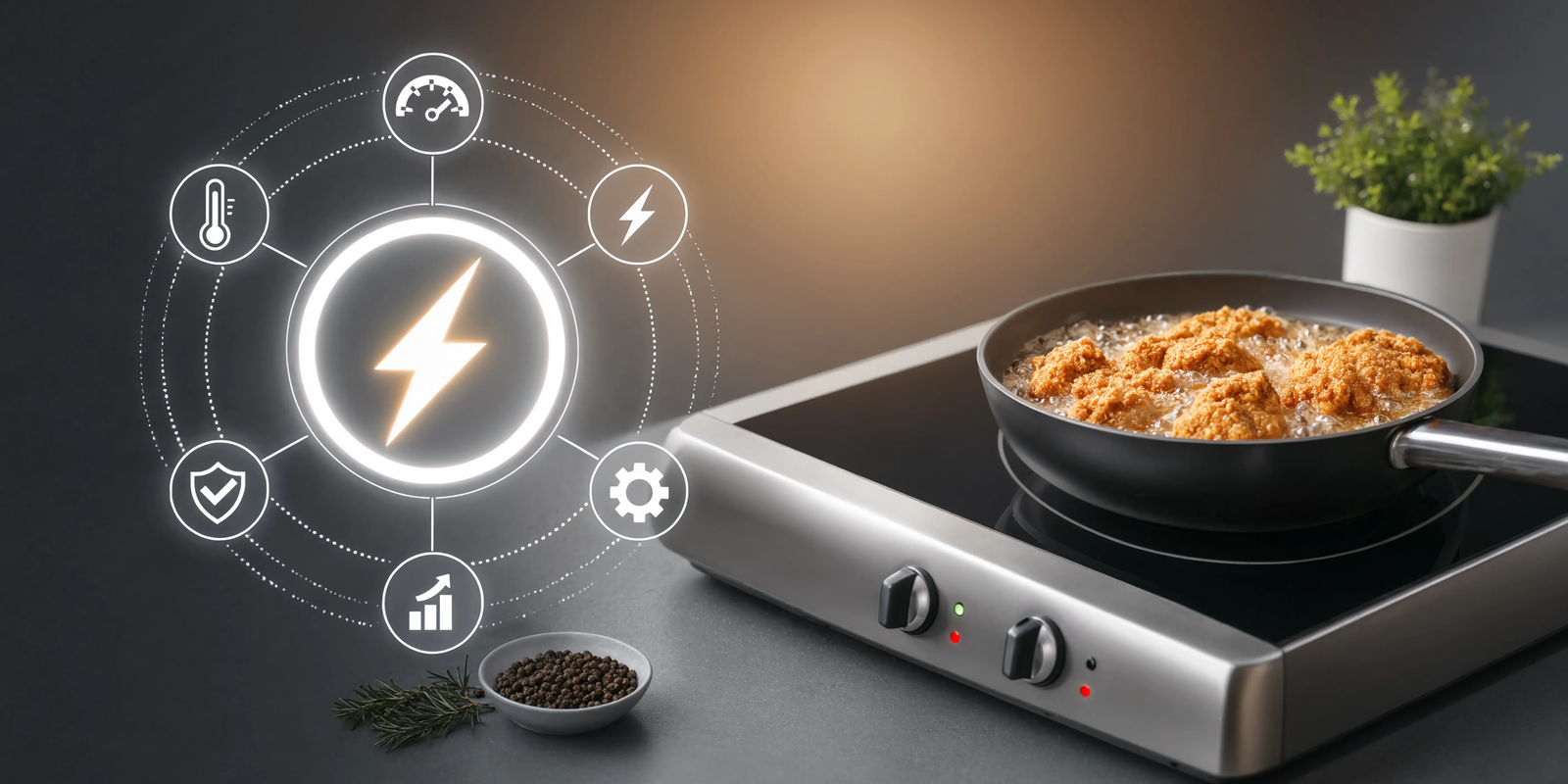 How to Choose the Right Power for Your Electric Fry TopRead more
Choosing the right power for your electric fry top is essential for efficient and enjoyable cooking. The power...
-
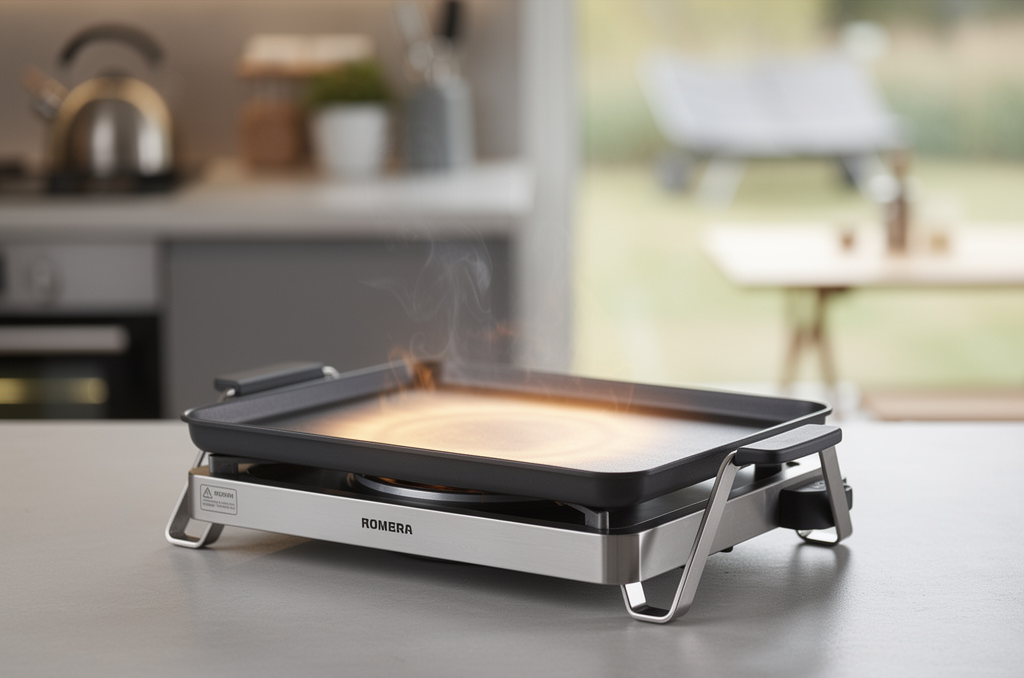 Portable Fry Top: Does It Exist and Is It Worth Having?Read more
If you love cooking and are always on the go, you might wonder if a portable fry top exists and whether it’s worth...
Blog categories
Search in blog
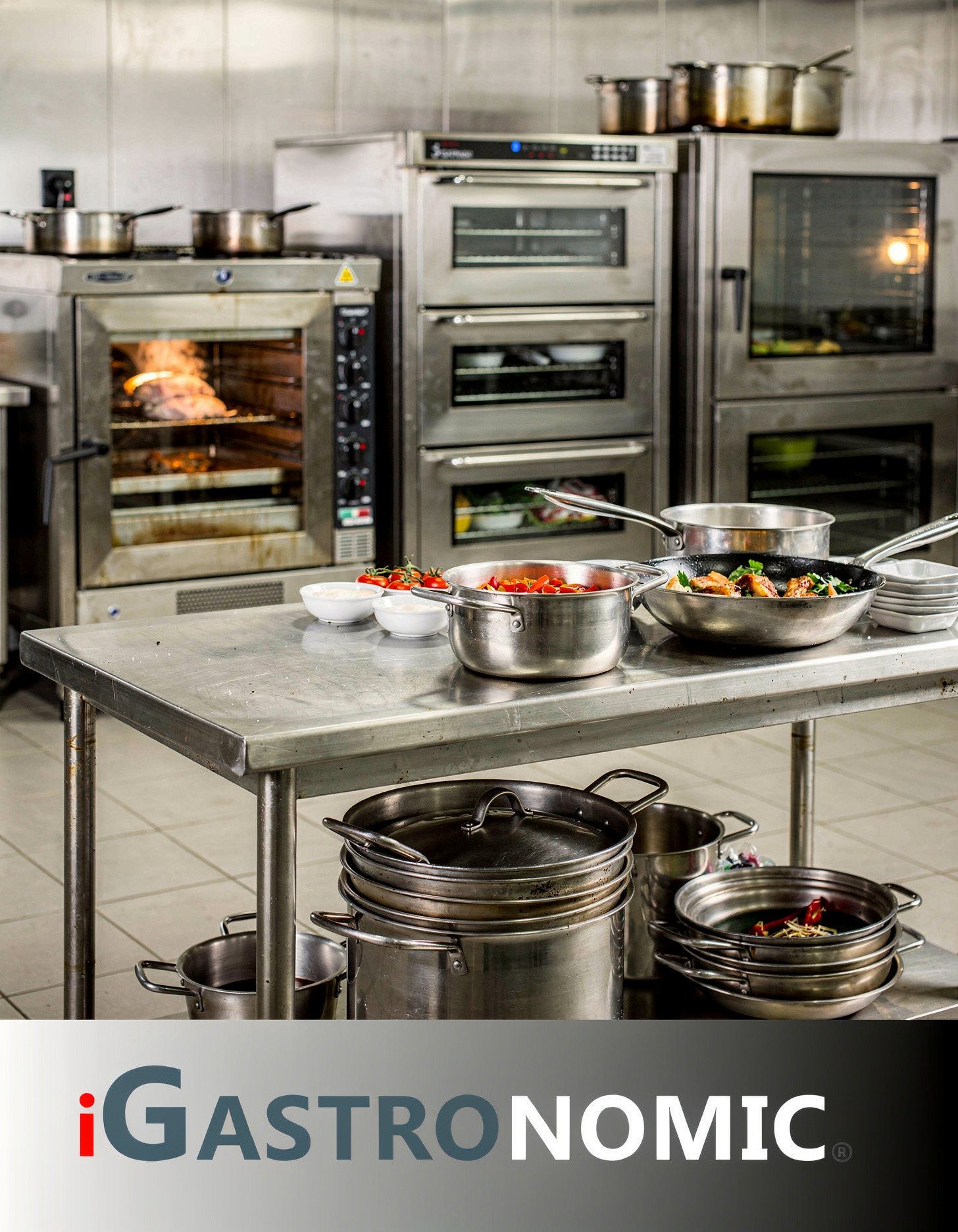
The Ultimate Guide to Commercial Kitchen Equipment: Everything You Need to Know
The Ultimate Guide to Commercial Kitchen Equipment: Everything You Need to Know
Running a successful food business requires more than just passion and recipes; it demands the right tools and equipment to bring your culinary vision to life efficiently and safely. Commercial kitchen equipment is the backbone of any professional kitchen, whether it's a bustling restaurant, a cozy café, or a large-scale catering operation.
In this comprehensive guide, we will explore the various types of commercial kitchen equipment, their functions, how to choose the right tools for your business, maintenance tips, and much more. Whether you are starting a new venture or upgrading your existing kitchen, understanding the equipment landscape is crucial.
Why Is Commercial Kitchen Equipment Important?
Commercial kitchen equipment is specifically designed to withstand the rigors of heavy use in professional environments. Unlike residential appliances, these tools are built for efficiency, durability, and safety, ensuring that your kitchen operates smoothly and meets health and safety standards.
Investing in quality commercial kitchen equipment can improve productivity, reduce downtime, and enhance food quality. It also helps in maintaining consistency, which is vital for customer satisfaction and repeat business.
Types of Commercial Kitchen Equipment
1. Cooking Equipment
- Ranges and Ovens: The heart of any kitchen, ranges and ovens come in various sizes and fuel types (gas, electric, induction). They include convection ovens, deck ovens, combi ovens, and pizza ovens.
- Grills and Griddles: Perfect for searing meats, vegetables, and sandwiches. Commercial grills can be gas or electric and vary in size.
- Deep Fryers: Essential for frying foods quickly and evenly. Available in countertop or floor models.
- Microwaves: Used for quick heating and defrosting.
2. Refrigeration Equipment
- Reach-In Refrigerators and Freezers: For storing perishable ingredients at safe temperatures.
- Walk-In Coolers and Freezers: Large storage solutions for high-volume kitchens.
- Prep Tables: Refrigerated tables that provide workspace and cold storage simultaneously.
3. Food Preparation Equipment
- Mixers: Stand mixers and planetary mixers for dough, batter, and other mixtures.
- Food Processors: For chopping, slicing, and pureeing ingredients efficiently.
- Blenders: Used for smoothies, sauces, and soups.
- Slicers: For uniform slicing of meats and cheeses.
4. Holding and Warming Equipment
- Heat Lamps: Keep food warm before serving.
- Steam Tables: Maintain food at safe serving temperatures.
- Food Warmers: Portable devices to keep food hot during transport or service.
5. Dishwashing Equipment
- Commercial Dishwashers: High-capacity machines that clean dishes quickly and hygienically.
- Glass Washers: Specialized for delicate glassware.
- Pot and Pan Washers: Heavy-duty machines for large cookware.
6. Smallwares and Utensils
- Knives, cutting boards, pots, pans, ladles, and other essential tools.
- Storage containers, measuring cups, and thermometers.
How to Choose the Right Commercial Kitchen Equipment
Choosing the right equipment depends on several factors including your menu, kitchen size, budget, and workflow. Here are some tips to guide your decision:
Assess Your Menu and Volume
The type of food you prepare will dictate the equipment you need. For example, a bakery will require mixers and ovens specialized for baking, while a grill-focused restaurant will invest more in grills and fryers.
Consider Kitchen Space and Layout
Measure your kitchen space carefully. Equipment should fit comfortably without crowding, allowing staff to move efficiently and safely.
Energy Efficiency
Look for energy-efficient models to reduce utility costs and environmental impact. Many manufacturers offer Energy Star-rated appliances.
Durability and Warranty
Invest in equipment made from high-quality materials like stainless steel. Check warranties and after-sales support.
Compliance and Safety
Ensure the equipment meets local health and safety regulations. Features like temperature controls, safety shut-offs, and easy-to-clean surfaces are important.
Maintenance and Care Tips for Commercial Kitchen Equipment
Proper maintenance extends the life of your equipment and ensures optimal performance. Here are some essential tips:
- Regular Cleaning: Clean equipment daily to prevent buildup of grease and food particles.
- Scheduled Servicing: Follow manufacturer guidelines for routine inspections and servicing.
- Proper Use: Train staff to use equipment correctly to avoid damage.
- Check for Wear and Tear: Replace worn parts promptly to prevent breakdowns.
Emerging Trends in Commercial Kitchen Equipment
The foodservice industry is evolving, and so is the technology behind commercial kitchen equipment. Here are some trends to watch:
- Smart Kitchens: Integration of IoT (Internet of Things) devices for remote monitoring and control.
- Energy-Efficient Appliances: Greater emphasis on sustainability and cost-saving.
- Multi-Functional Equipment: Devices that combine cooking, steaming, and baking to save space.
- Automation: Robotics and automated cooking systems to increase consistency and reduce labor.
Where to Buy Quality Commercial Kitchen Equipment
When it comes to purchasing commercial kitchen equipment, quality and reliability are paramount. iGastronomic is a trusted supplier offering a wide range of premium products tailored to professional kitchens. Their extensive catalog includes everything from cooking appliances to refrigeration units and smallwares, all designed to meet the highest industry standards.
Shopping with iGastronomic ensures you get durable, high-performance equipment backed by excellent customer service and competitive pricing. Whether you need a single piece or an entire kitchen setup, their expert team can help you find the perfect solutions.
Conclusion
Investing in the right commercial kitchen equipment is a critical step toward running a successful food business. Understanding the types of equipment, how to select them, and maintaining them properly will help you create a productive, safe, and efficient kitchen environment.
Remember to consider your specific needs, space, and budget while prioritizing quality and compliance. And when you're ready to purchase, visit iGastronomic for a trusted source of top-tier commercial kitchen equipment.
Equip your kitchen with the best tools and watch your culinary dreams come to life!
For more information and to explore their product range, visit www.igastronomic.com.
Posted in:
Tips & Tricks
Related posts
-
 More Than Just Fast Food - All You Need to Know
System Gastronomy: Learn more about this exciting business model. From Fast Food to Casual Dining - we explain...Read more
More Than Just Fast Food - All You Need to Know
System Gastronomy: Learn more about this exciting business model. From Fast Food to Casual Dining - we explain...Read more -
 The 10 Most Expensive Restaurants in the World
When it comes to fine dining and luxurious culinary experiences, some restaurants around the globe capture attention...Read more
The 10 Most Expensive Restaurants in the World
When it comes to fine dining and luxurious culinary experiences, some restaurants around the globe capture attention...Read more -
 Which Restaurant Makes the Most Revenue? A Deep Dive into the World of Gastronomy
Who are the revenue giants in the gastronomy industry? We reveal the top players and analyze why they are so...Read more
Which Restaurant Makes the Most Revenue? A Deep Dive into the World of Gastronomy
Who are the revenue giants in the gastronomy industry? We reveal the top players and analyze why they are so...Read more -
 Boost Your Restaurant's Revenue with Pergolas and Louvered Roofs
Ever wondered how to make your restaurant more appealing and increase your sales? The answer might be simpler than...Read more
Boost Your Restaurant's Revenue with Pergolas and Louvered Roofs
Ever wondered how to make your restaurant more appealing and increase your sales? The answer might be simpler than...Read more -
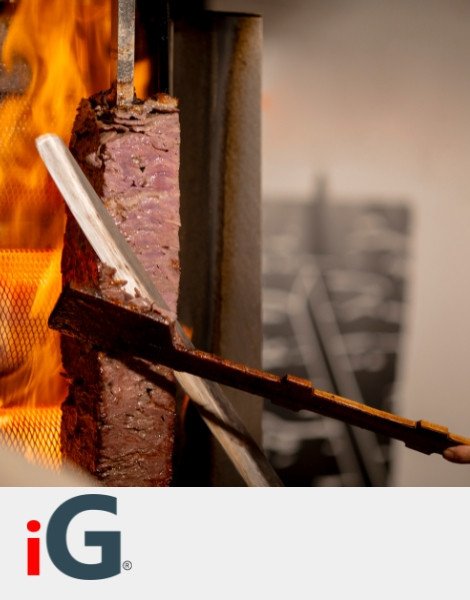 The World of Döner: From Traditional Recipes to the Best Döner Spots Worldwide
Learn how to make authentic Yaprak Döner, discover the best döner spots in Germany and worldwide, and explore the...Read more
The World of Döner: From Traditional Recipes to the Best Döner Spots Worldwide
Learn how to make authentic Yaprak Döner, discover the best döner spots in Germany and worldwide, and explore the...Read more
Leave a comment