
 Deutsch
 Türkçe
 Italiano

.jpg)
.jpg)
.jpg)
.jpg)
.jpg)
.jpg)
.jpg)
.jpg)
.jpg)
.jpg)

.jpg)

.jpg)
.jpg)
.jpg)
.jpg)
.jpg)
.jpg)
.jpg)
.jpg)
.jpg)
.jpg)



.jpg)
.jpg)
.jpg)
.jpg)
.jpg)
.jpg)
.jpg)
.jpg)
.jpg)



.jpg)
.jpg)

.jpg)
.jpg)
.jpg)
.jpg)


.jpg)

.png)
.jpg)
.jpg)
 (200 x 136 px) (5).png)
.png)

Setting up a döner stand at markets and events offers a fantastic opportunity to reach new customers and share...
-
 Cooking Appliances
add remove
Cooking Appliances
add remove -
-
Pizza & Grill
add remove
-
-
Refrigeration
add remove
-
-
Combi Steamer
add remove
-
-
Kitchen Appliances
add remove
-
-
Rinsing & Cleaning
add remove
-
-
Retail Refrigeration
add remove
-
-
Cafe & Ice Cream
add remove
-
-
Smart-Gastro
add remove
-
-
Event- & Cateringmöbel
-
Cooking Appliances
add remove
-
-
Pizza & Grill
add remove
-
-
Refrigeration
add remove
-
-
Combi Steamer
add remove
-
-
Kitchen Appliances
add remove
-
-
Rinsing & Cleaning
add remove
-
-
Retail Refrigeration
add remove
-
-
Cafe & Ice Cream
add remove
-
-
Smart-Gastro
add remove
-
-
Event- & Cateringmöbel


Call us:
+49 (0) 6135 7040 450Latest posts
-
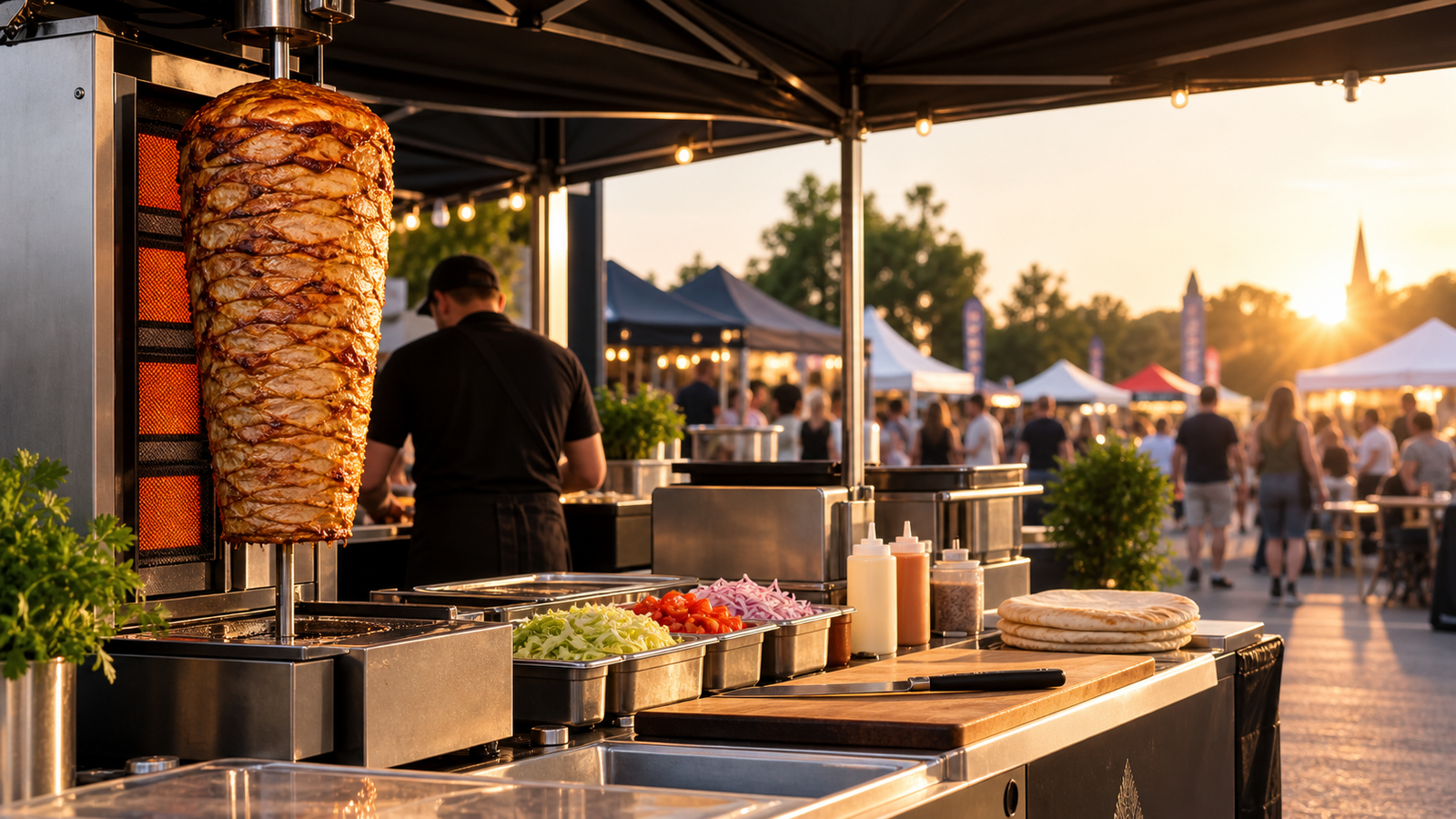 Setting Up a Döner Stand at Markets & Events: Equipment & Planning for Professional Temporary Sales PointsRead more
 -
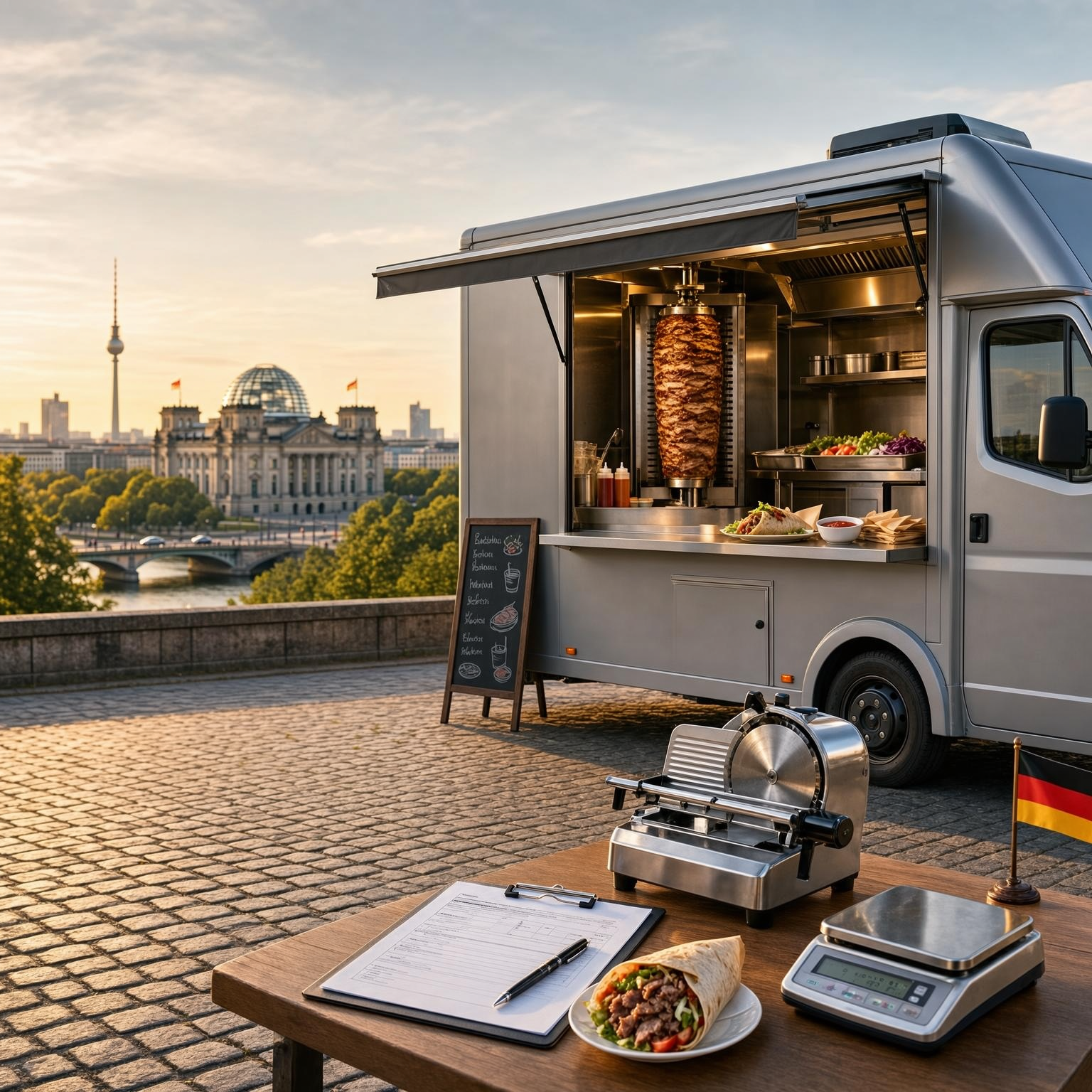 Starting a Döner Food Truck in Germany: Equipment and Regulations You Need to KnowRead more
Thinking about starting a Döner food truck in Germany? This guide covers everything you need to know—from legal...
-
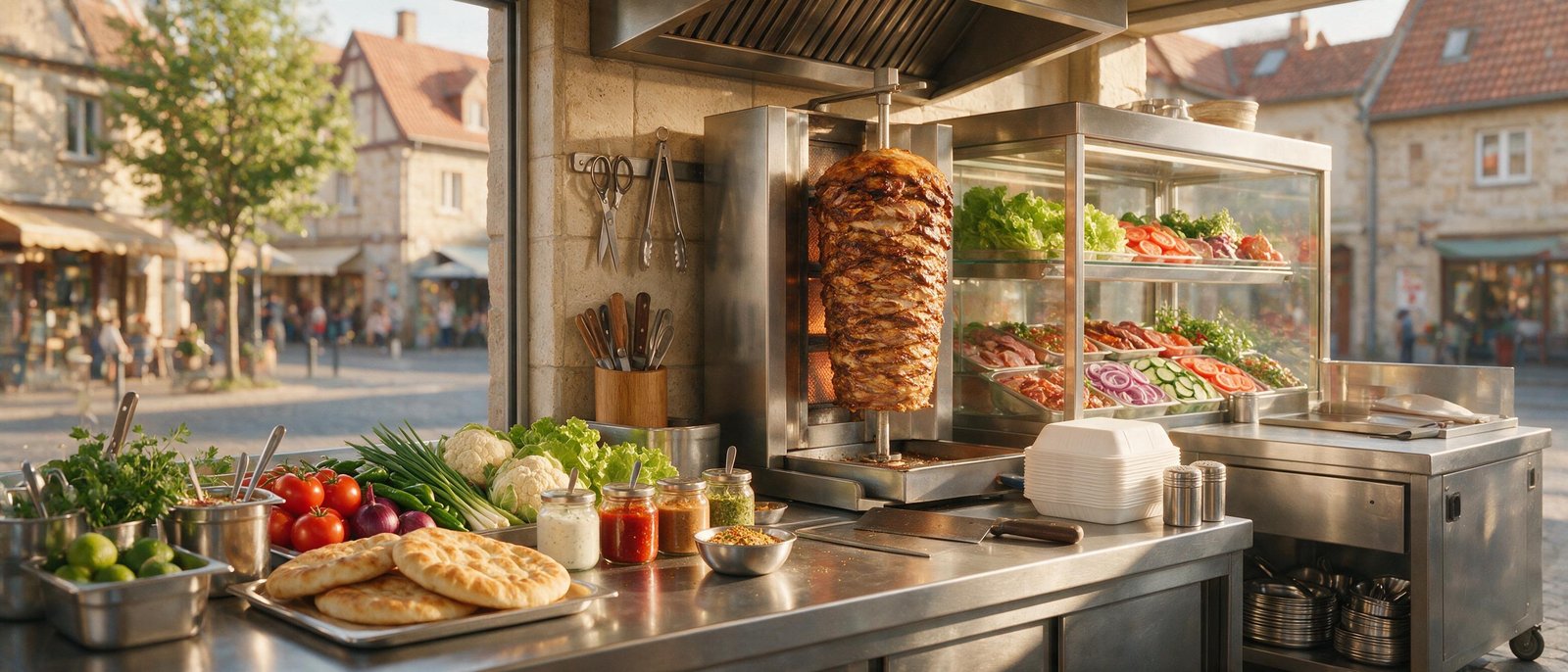 Opening a Döner Kebab Stand in Germany: Equipment, Permits & Startup Costs – Step-by-Step Guide to Starting Your BusinessRead more
Opening a Döner kebab stand in Germany is a popular business idea due to the widespread love for this delicious fast...
-
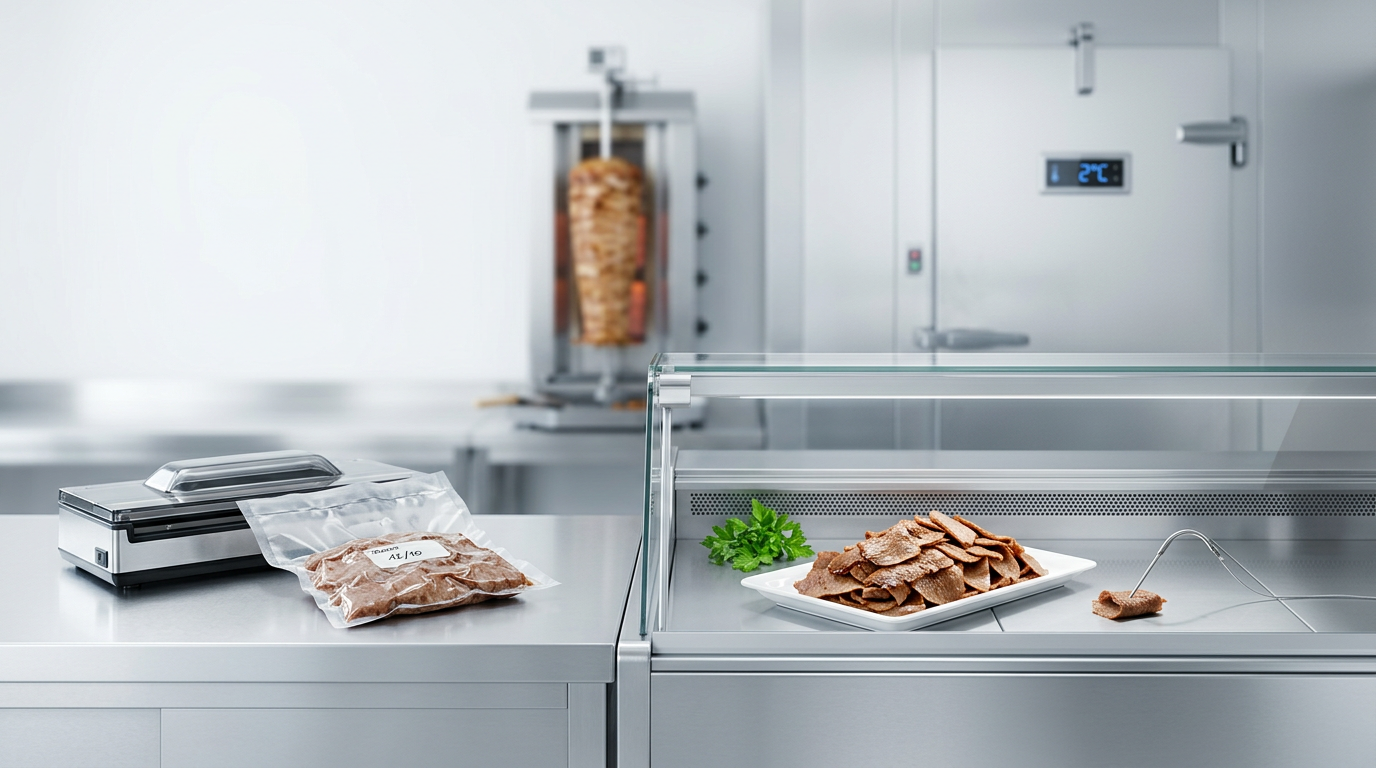 Shelf Life of Döner Meat: Cooling, Freezing & Fresh Counter Storage – Proper Handling to Prevent Food WasteRead more
Döner meat is a popular and delicious dish, but it’s also highly perishable. Proper storage is key to maintaining its...
-
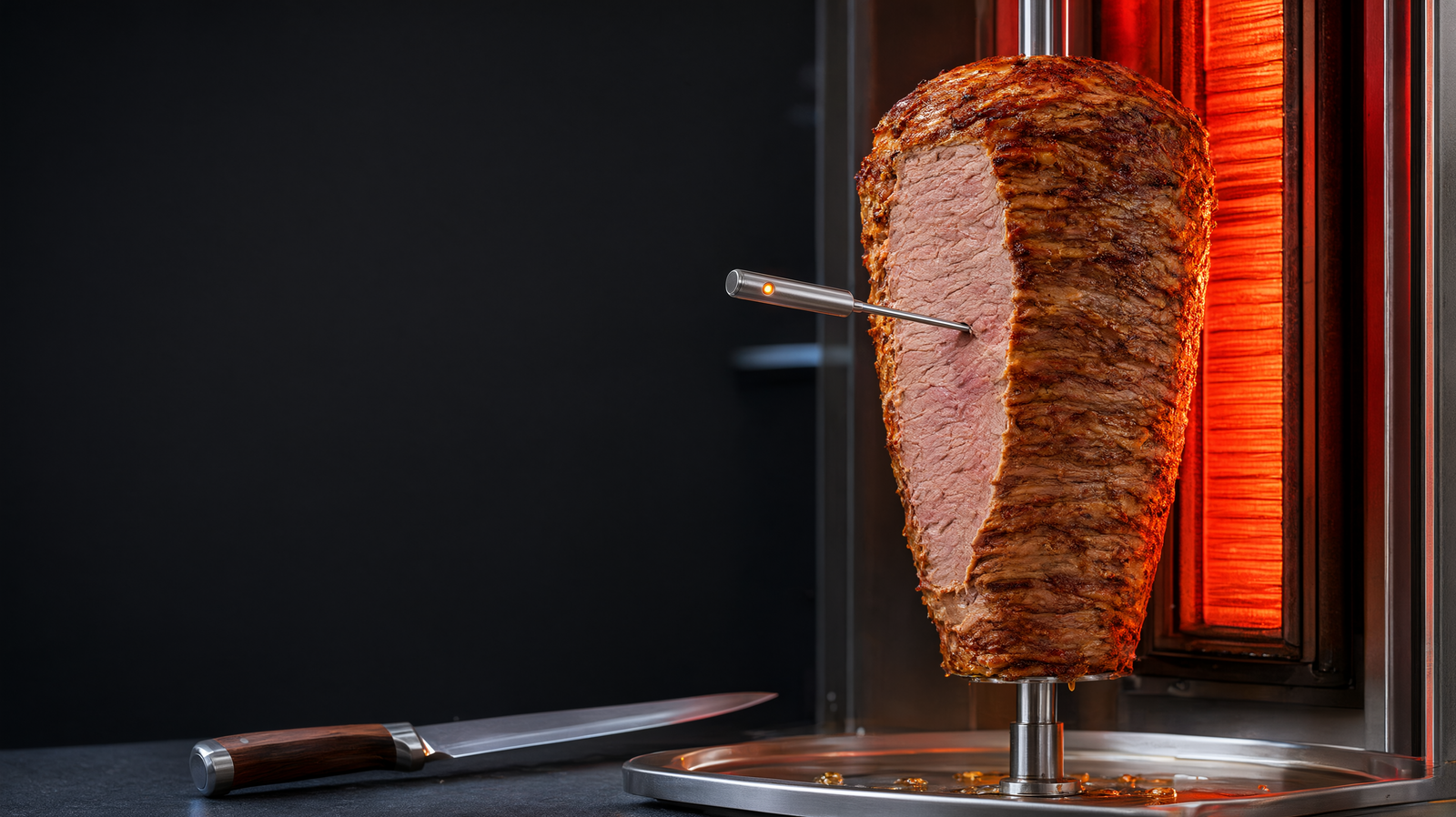 How Long Does a Döner Kebab Spit Last on the Grill? → Stand Times, Core Temperature, and Replenishment Planning in BusinessRead more
The Döner kebab spit is a cornerstone of many street food businesses, but managing how long it stays on the grill is...
-
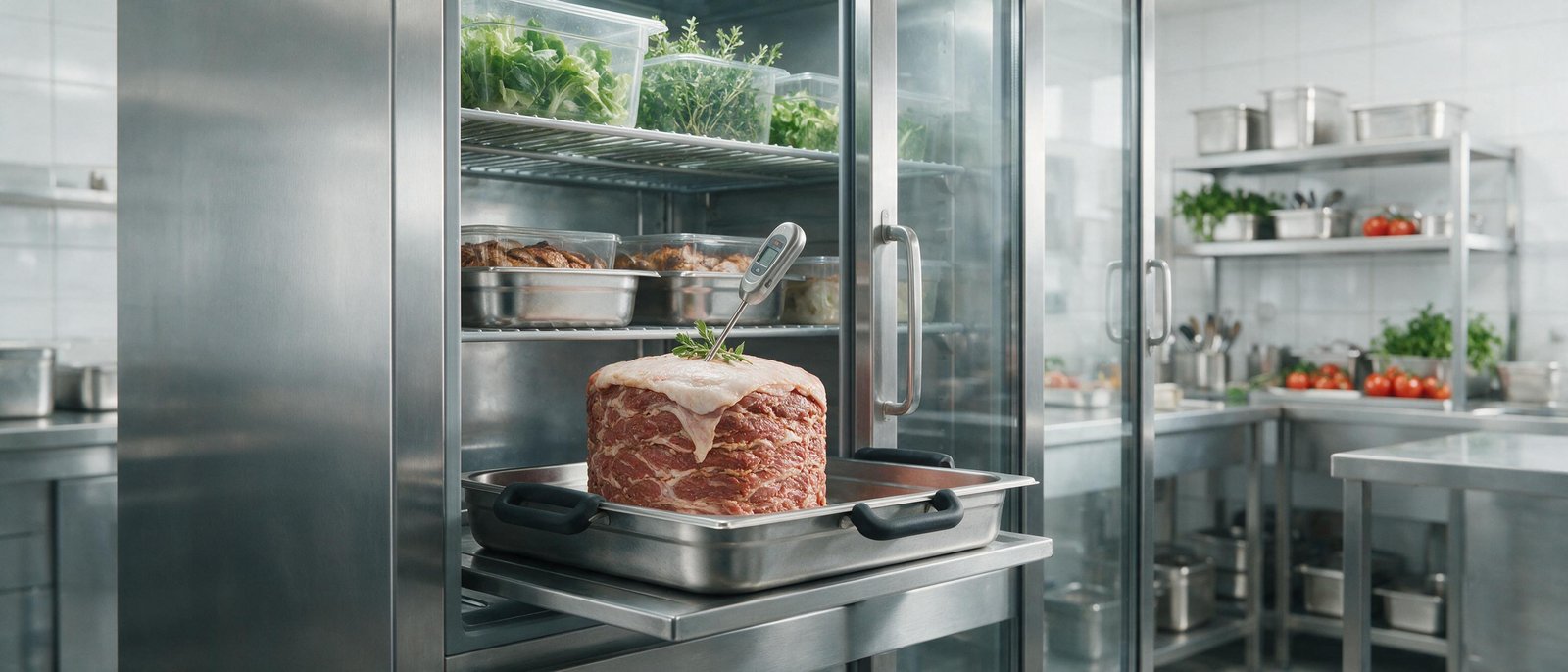 Proper Storage of Döner Meat: Regulations & Food Safety → HACCP-Compliant Storage According to German Food Hygiene RegulationsRead more
Döner meat is a popular and perishable food product that requires careful storage to maintain its safety and quality....
-
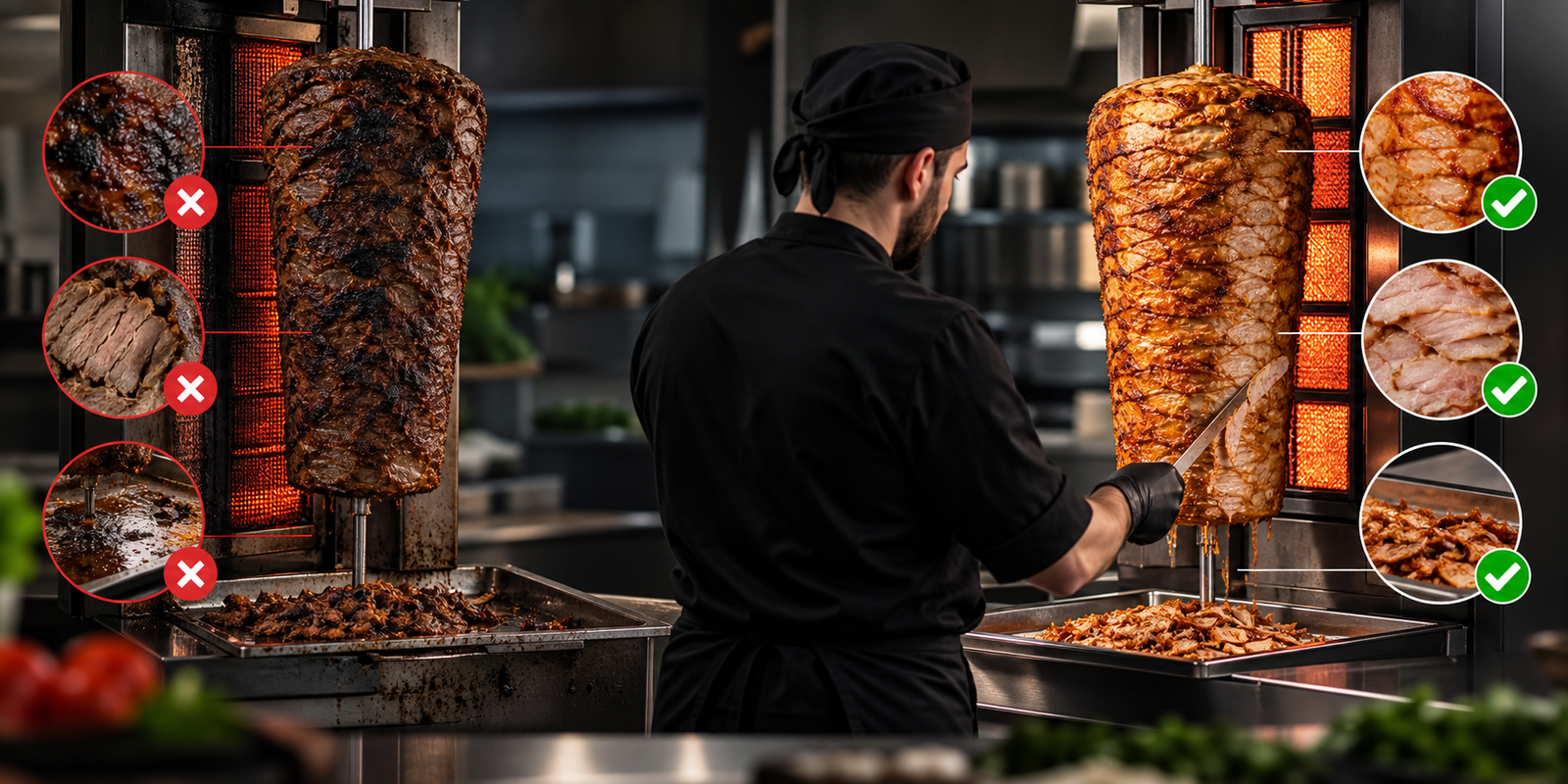 Common Mistakes When Grilling Döner – And How to Avoid Them: Identifying and Fixing Typical Preparation Errors in the Gastronomy IndustryRead more
The Döner kebab is a globally loved dish, but many gastronomy professionals struggle with common mistakes during its...
-
 What Makes Good Döner Meat So Tender and Flavorful? → Quality Characteristics and Preparation Techniques for RestaurateursRead more
Döner kebab is famous worldwide for its tender, juicy, and flavorful meat. But what exactly makes Döner meat so...
-
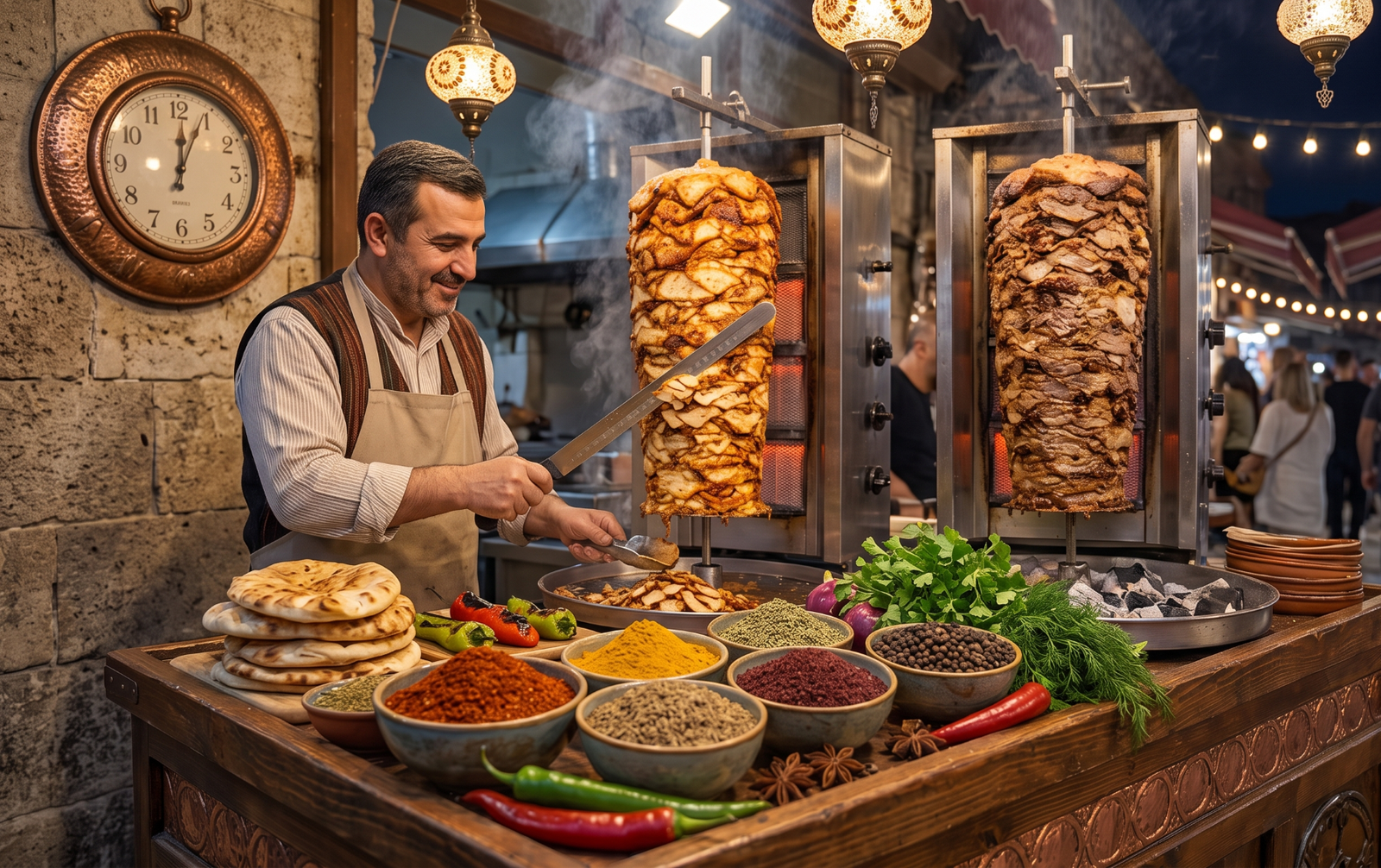 How to Slice Döner Meat Perfectly: Professional Techniques with Döner Knives and Electric SlicersRead more
Döner kebab is renowned for its thin, juicy slices of meat cooked on a vertical spit. Achieving perfect slices...
-
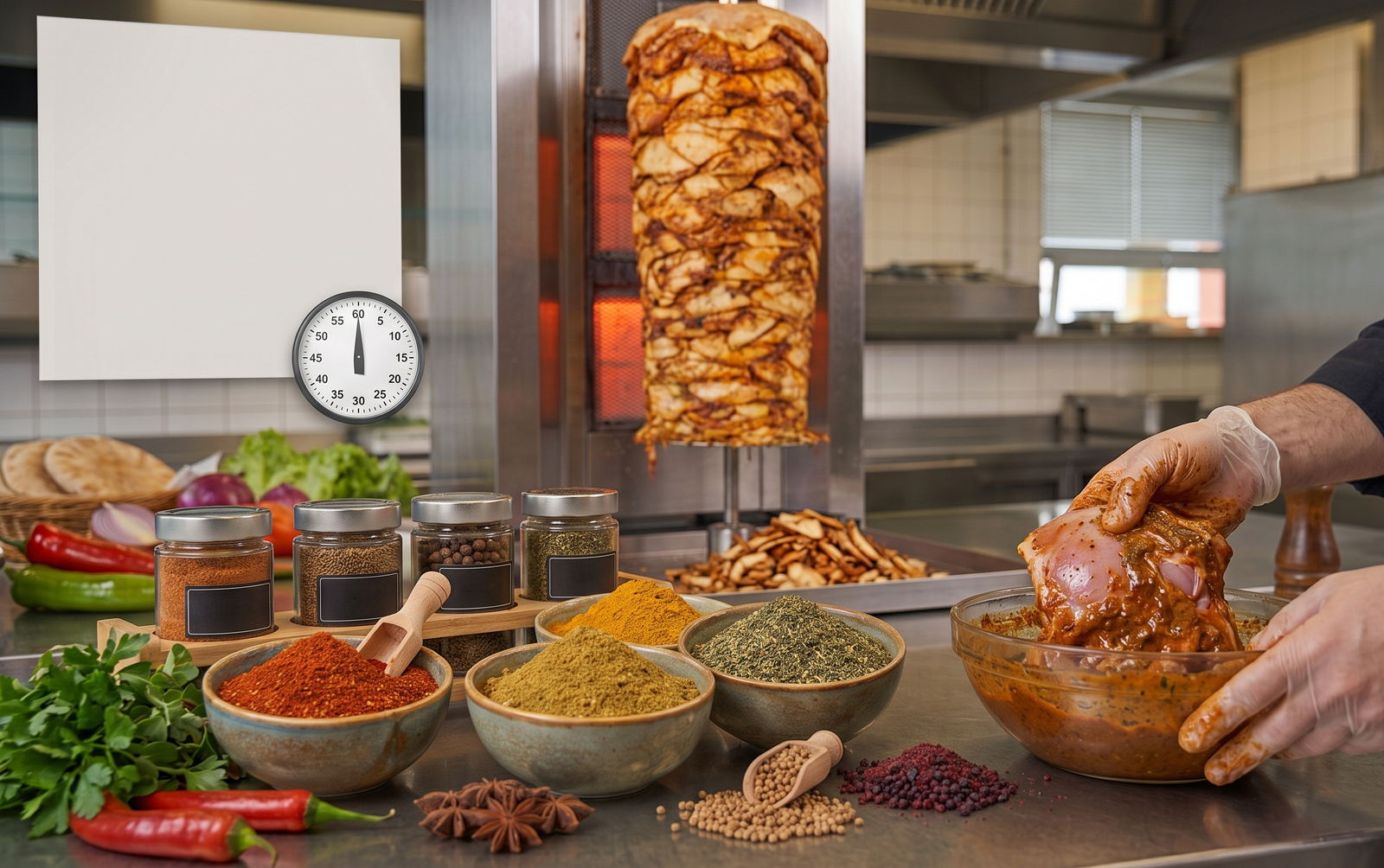 Döner Meat Marinade: Marinating Time and Professional Preparation → Optimal Preparation for Maximum Flavor and TendernessRead more
Döner kebab is famous worldwide for its juicy, flavorful meat, and the key to its perfection lies in the marinade and...
Blog categories
Search in blog
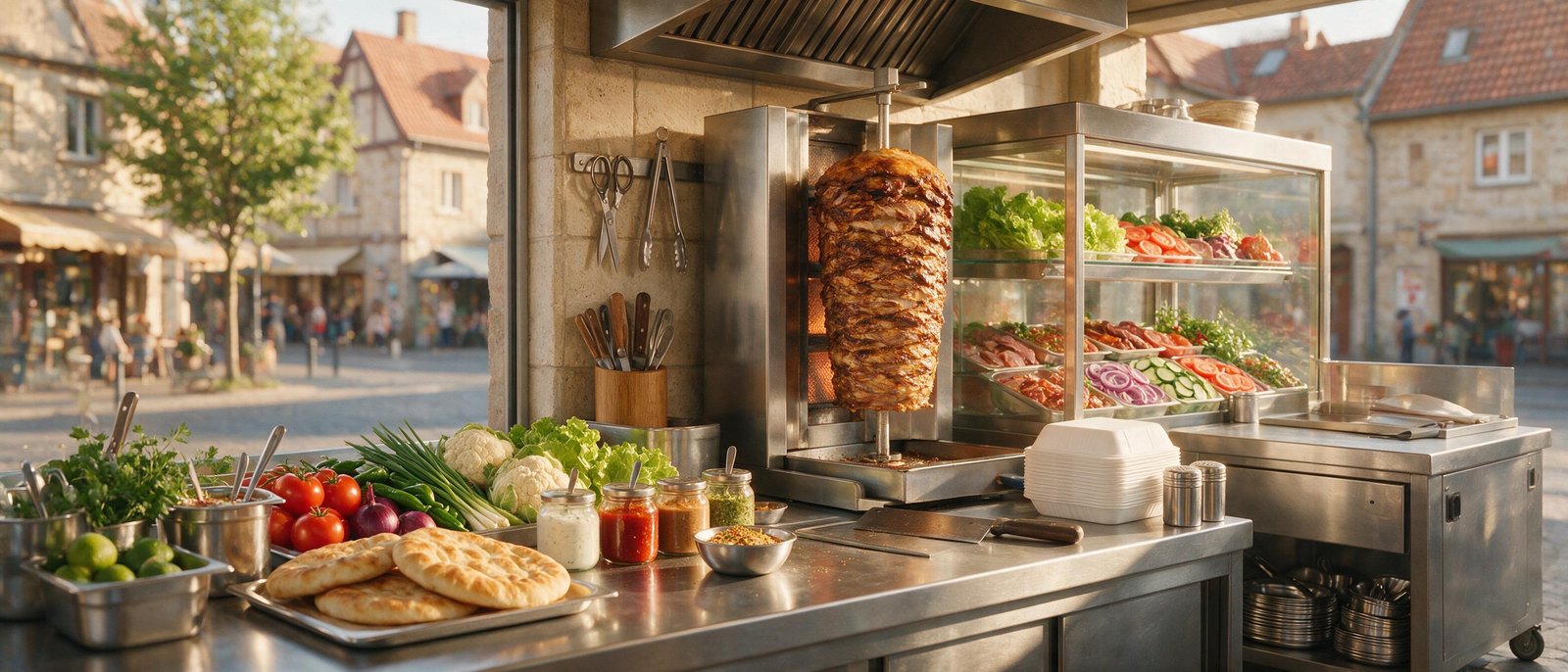
Opening a Döner Kebab Stand in Germany: Equipment, Permits & Startup Costs – Step-by-Step Guide to Starting Your Business
Opening a Döner Kebab Stand in Germany: Equipment, Permits & Startup Costs – Step-by-Step Guide
The Döner kebab stand is a beloved fixture in Germany’s fast food scene, serving millions of customers each day with delicious, affordable, and quick meals. If you’ve ever dreamed of starting your own Döner-Imbiss (Döner snack bar), you’re in the right place. This comprehensive guide will walk you through everything you need to know — from the essential equipment and legal permits to the expected startup costs and practical tips for launching your business.
Why Open a Döner Kebab Stand in Germany?
Döner kebabs have become an iconic fast food in Germany, with roots tracing back to Turkish immigrants in the 1970s. Today, the Döner market is worth billions of euros annually, and demand remains strong across cities and towns. Opening a Döner stand offers several advantages:
- High demand: Döner is popular among all age groups and demographics.
- Relatively low startup costs: Compared to full-scale restaurants, a Döner stand requires less initial investment.
- Scalability: You can start small and expand with time.
- Simple menu: Focus on a few core items, reducing complexity.
However, success requires careful planning, compliance with local regulations, and the right equipment. Let’s dive into the details.
Step 1: Planning Your Döner Kebab Business
Before jumping into the operational aspects, you need a solid business plan. This plan will guide your decisions and is essential if you seek financing.
Define Your Concept and Target Market
Are you opening a small street kiosk, a food truck, or a stationary shop? Will you focus solely on Döner kebabs, or offer complementary items like falafel, salads, or drinks? Identifying your target customers — students, office workers, families — will help tailor your menu, pricing, and location.
Location Selection
Location is critical. High foot traffic areas such as near universities, train stations, office districts, or busy shopping streets are ideal. Consider rental costs, competition, and accessibility.
Budgeting and Financing
Estimate your startup capital needs, including equipment, permits, initial inventory, and working capital. Explore financing options such as personal savings, bank loans, or government grants for small businesses.
Step 2: Essential Equipment for Your Döner Stand
The right equipment not only ensures quality and efficiency but also helps comply with hygiene and safety regulations.
1. Döner Grill (Vertical Rotisserie)
The centerpiece of any Döner stand is the vertical rotisserie, where the meat is cooked slowly on a rotating spit. Options range from small electric models suitable for kiosks to larger gas-powered units for higher volume.
- Capacity: Choose based on expected daily sales.
- Fuel type: Electric or gas-powered.
- Features: Adjustable heat zones, drip trays, and ease of cleaning.
2. Meat Slicer
A high-quality meat slicer is essential for cutting thin, even slices of cooked meat. Look for models that are easy to clean and have adjustable thickness settings.
3. Refrigeration Units
Freshness is key. You’ll need refrigerators and freezers to store raw meat, vegetables, sauces, and other perishables. Consider:
- Under-counter refrigerators for quick access.
- Display fridges for salads and drinks.
- Freezers for storing surplus meat.
4. Food Preparation Surfaces and Equipment
Stainless steel tables provide hygienic and durable prep areas. Additional equipment includes cutting boards, knives, salad spinners, and containers for sauces and toppings.
5. Bread Warmer or Toaster
Many Döner stands serve freshly toasted pita or flatbreads. A bread warmer or toaster ensures warm, crispy bread for your customers.
6. Cash Register or POS System
Modern point-of-sale (POS) systems can streamline order taking, inventory management, and payments. Mobile payment options are increasingly popular.
7. Ventilation and Fire Safety Equipment
Proper ventilation is required by law to remove cooking fumes. Fire extinguishers and safety equipment must be installed according to local fire codes.
8. Serving Utensils and Packaging
Invest in disposable or reusable serving trays, napkins, cutlery, and takeaway packaging that meet hygiene standards and appeal to customers.
Step 3: Legal Permits and Registrations
Operating a food business in Germany involves navigating several legal requirements. Compliance ensures your business runs smoothly and avoids fines or closures.
1. Business Registration (Gewerbeanmeldung)
Register your Döner stand as a Gewerbe (trade/business) at the local Gewerbeamt (trade office). You’ll receive a Gewerbeschein (business license), which is mandatory before starting operations.
2. Food Hygiene and Safety Regulations
Germany has strict food safety laws governed by the Lebensmittelhygieneverordnung (Food Hygiene Regulation). Key steps include:
- Attending a food hygiene course (Hygieneschulung) and obtaining a certificate.
- Ensuring your premises meet hygiene standards.
- Implementing HACCP (Hazard Analysis and Critical Control Points) plans.
3. Health Department Inspection (Gesundheitsamt)
The local health department will inspect your premises before you open to ensure compliance with hygiene and safety standards. They may also conduct periodic follow-up inspections.
4. Building and Operating Permits
If you’re setting up a kiosk or food truck, you may need additional permits related to construction, signage, and operating hours. Check with your local Ordnungsamt (public order office).
5. Employment and Tax Registration
If you plan to hire staff, you must register with the tax office (Finanzamt) and social security authorities. Even if you’re self-employed, you need to obtain a tax number and file regular tax returns.
6. Waste Disposal and Environmental Regulations
Food businesses must comply with waste disposal laws, including proper handling of organic waste and packaging materials.
Step 4: Estimating Startup Costs
Understanding your initial investment is crucial for budgeting and financing. Here’s a rough breakdown of typical startup costs for a Döner stand in Germany:
- Equipment: €10,000 – €25,000 (rotisserie, slicer, refrigerators, prep tables)
- Premises rental or purchase: €500 – €2,000/month (depending on location and size)
- Permits and licenses: €200 – €1,000 (varies by municipality)
- Initial inventory: €1,000 – €3,000 (meat, bread, vegetables, sauces)
- Marketing and signage: €500 – €2,000
- Miscellaneous (insurance, POS system, uniforms): €1,000 – €3,000
In total, you should budget approximately €15,000 to €35,000 to launch your Döner business, though costs can vary widely.
Step 5: Hiring and Training Staff
If you plan to hire employees, consider the following:
- Number of staff: Typically 1-3 employees for a small stand.
- Training: Ensure staff complete food hygiene training and are familiar with preparation standards.
- Work contracts and payroll: Comply with German labor laws, minimum wage regulations, and social security contributions.
Step 6: Marketing Your Döner Stand
Even the best Döner stand needs effective marketing to attract customers. Some ideas include:
- Eye-catching signage: Use bright colors and clear branding.
- Social media presence: Create profiles on Instagram, Facebook, and Google My Business.
- Local promotions: Offer opening discounts or loyalty cards.
- Collaborations: Partner with nearby businesses or events.
Step 7: Launching and Operating Your Döner Stand
Once everything is in place, it’s time to open your doors. Keep these tips in mind:
- Maintain high hygiene standards: Regular cleaning and food safety checks.
- Consistent quality: Use fresh ingredients and follow recipes precisely.
- Customer service: Friendly and efficient service builds repeat business.
- Monitor costs and sales: Track inventory and financials carefully.
Additional Tips and Resources
- Join industry associations: Groups like the German Snack Association (Deutscher Imbissverband) offer support and networking.
- Stay updated on regulations: Food laws can change; keep in touch with local authorities.
- Consider sustainability: Use eco-friendly packaging and minimize waste.
- Explore franchising: If successful, consider expanding or franchising your Döner brand.
Conclusion
Opening a Döner kebab stand in Germany is an exciting and potentially rewarding venture. By carefully planning your concept, investing in the right equipment, securing necessary permits, and managing your costs, you can build a thriving business that serves one of Germany’s favorite fast foods. Remember, success comes from combining quality, hygiene, customer service, and smart marketing.
Ready to start your Döner journey? Begin with a detailed business plan, connect with local authorities, and take the first steps toward becoming a Döner entrepreneur!
Posted in:
Gyros | Dönergrills
Related posts
-
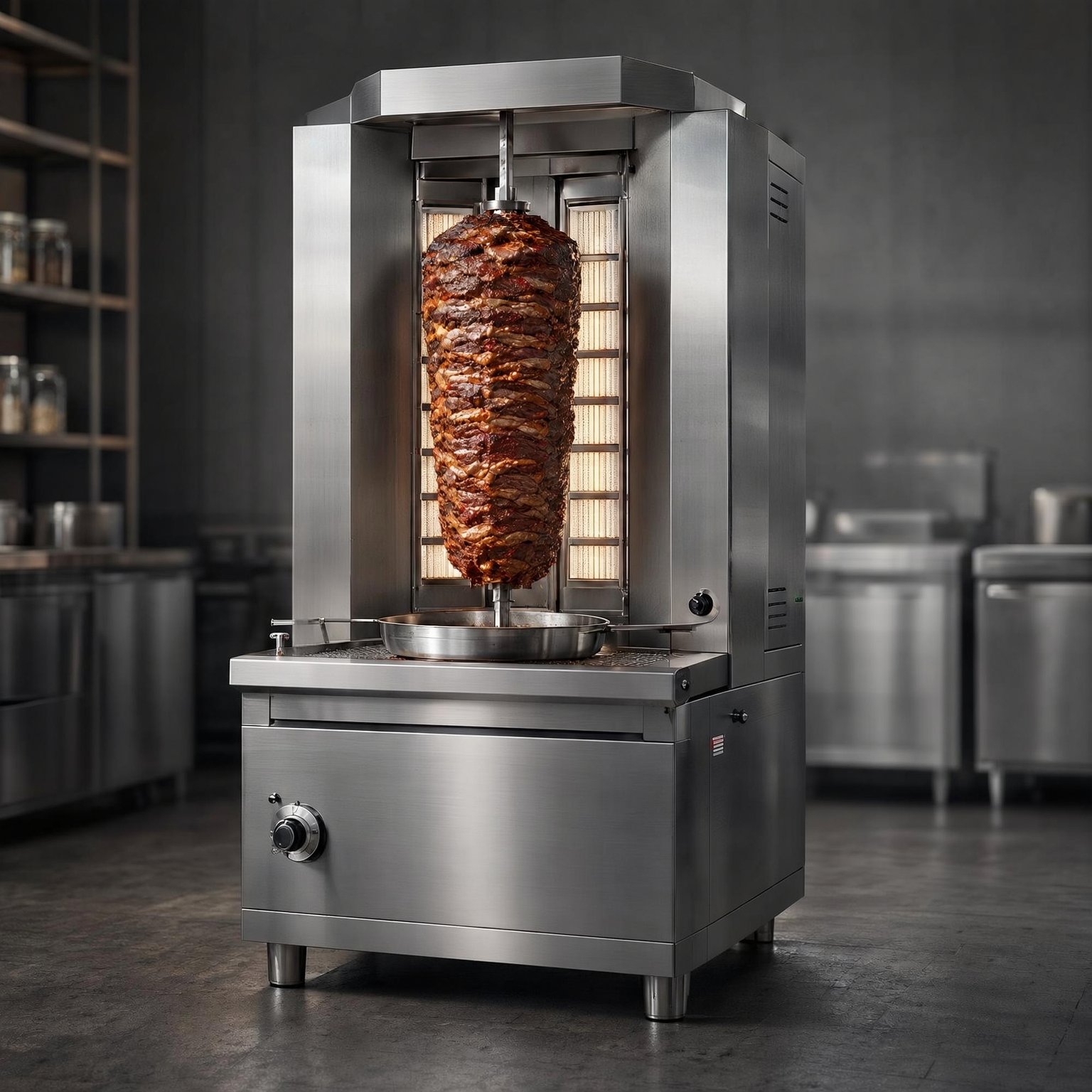 Buying a Commercial Döner Grill: Costs, Price Overview, and Budget Planning for Gastronomy Businesses
Investing in a commercial Döner grill is essential for gastronomy businesses serving Döner kebabs. The cost of these...Read more
Buying a Commercial Döner Grill: Costs, Price Overview, and Budget Planning for Gastronomy Businesses
Investing in a commercial Döner grill is essential for gastronomy businesses serving Döner kebabs. The cost of these...Read more -
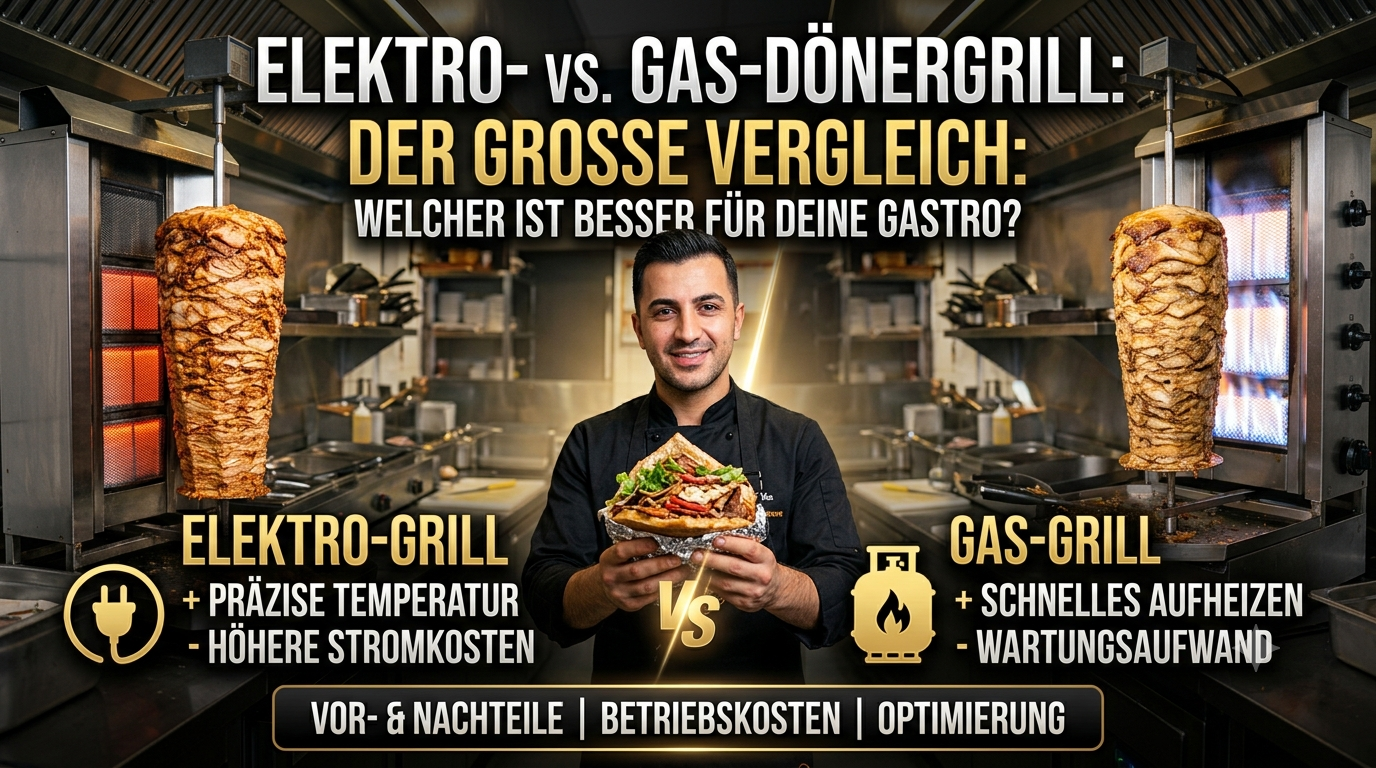 Electric vs. Gas Döner Grill: Which Is Better for the Gastronomy Industry? A Comprehensive Comparison for Snack Bars, Restaurants, and Catering
The choice between electric and gas Döner grills is a key decision for gastronomy professionals operating snack bars,...Read more
Electric vs. Gas Döner Grill: Which Is Better for the Gastronomy Industry? A Comprehensive Comparison for Snack Bars, Restaurants, and Catering
The choice between electric and gas Döner grills is a key decision for gastronomy professionals operating snack bars,...Read more -
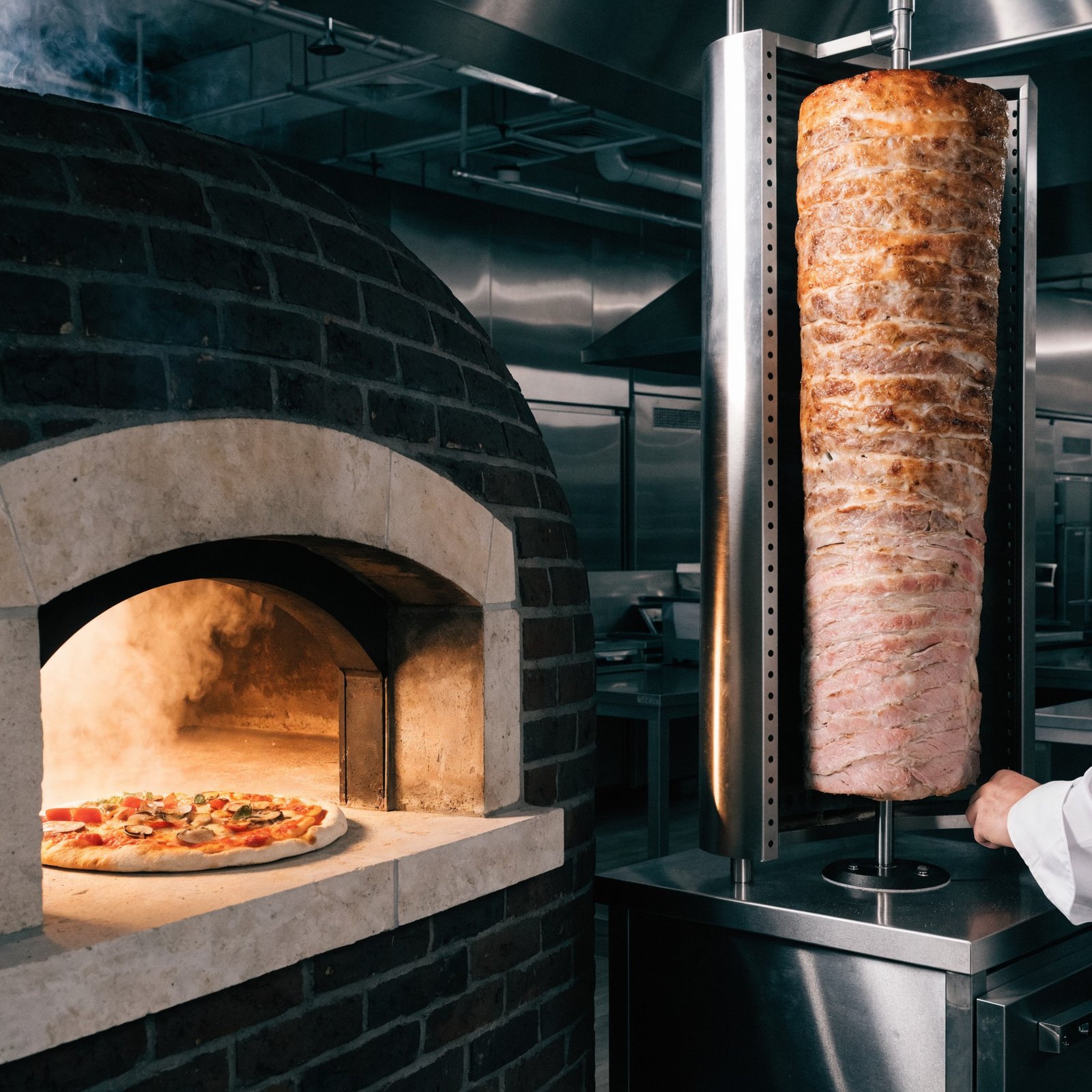 Pizza Oven or Döner Grill – Which Investment Is Worth It for Your Business? A Guide to Choosing the Right Equipment in Gastronomy
Deciding between a pizza oven and a döner grill is a crucial step for any gastronomy business. Both devices serve...Read more
Pizza Oven or Döner Grill – Which Investment Is Worth It for Your Business? A Guide to Choosing the Right Equipment in Gastronomy
Deciding between a pizza oven and a döner grill is a crucial step for any gastronomy business. Both devices serve...Read more -
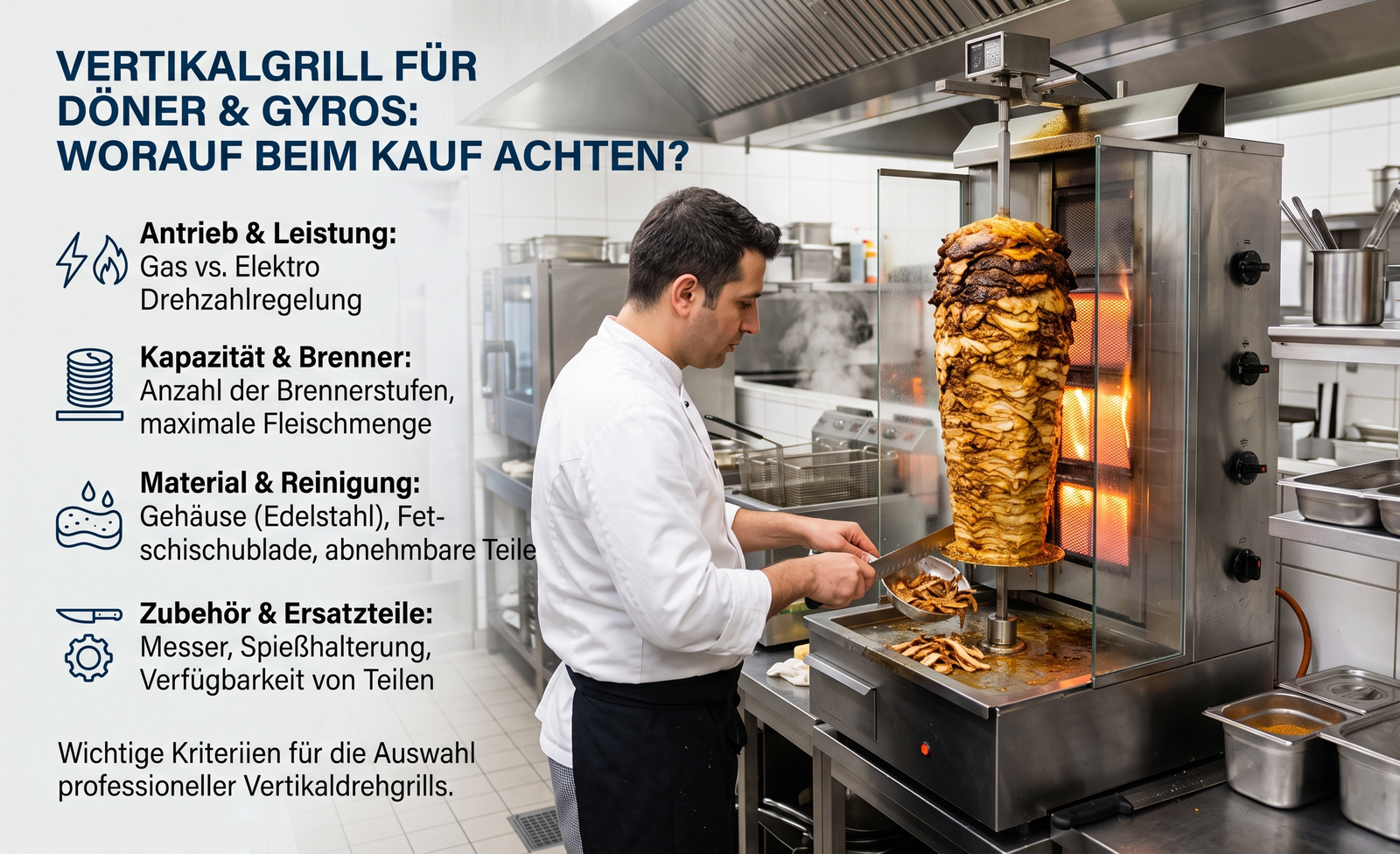 Vertical Grill for Döner & Gyros: Key Criteria for Choosing a Professional Vertical Rotisserie
A vertical grill, or vertical rotisserie, is essential for cooking Döner and Gyros meat evenly and deliciously....Read more
Vertical Grill for Döner & Gyros: Key Criteria for Choosing a Professional Vertical Rotisserie
A vertical grill, or vertical rotisserie, is essential for cooking Döner and Gyros meat evenly and deliciously....Read more -
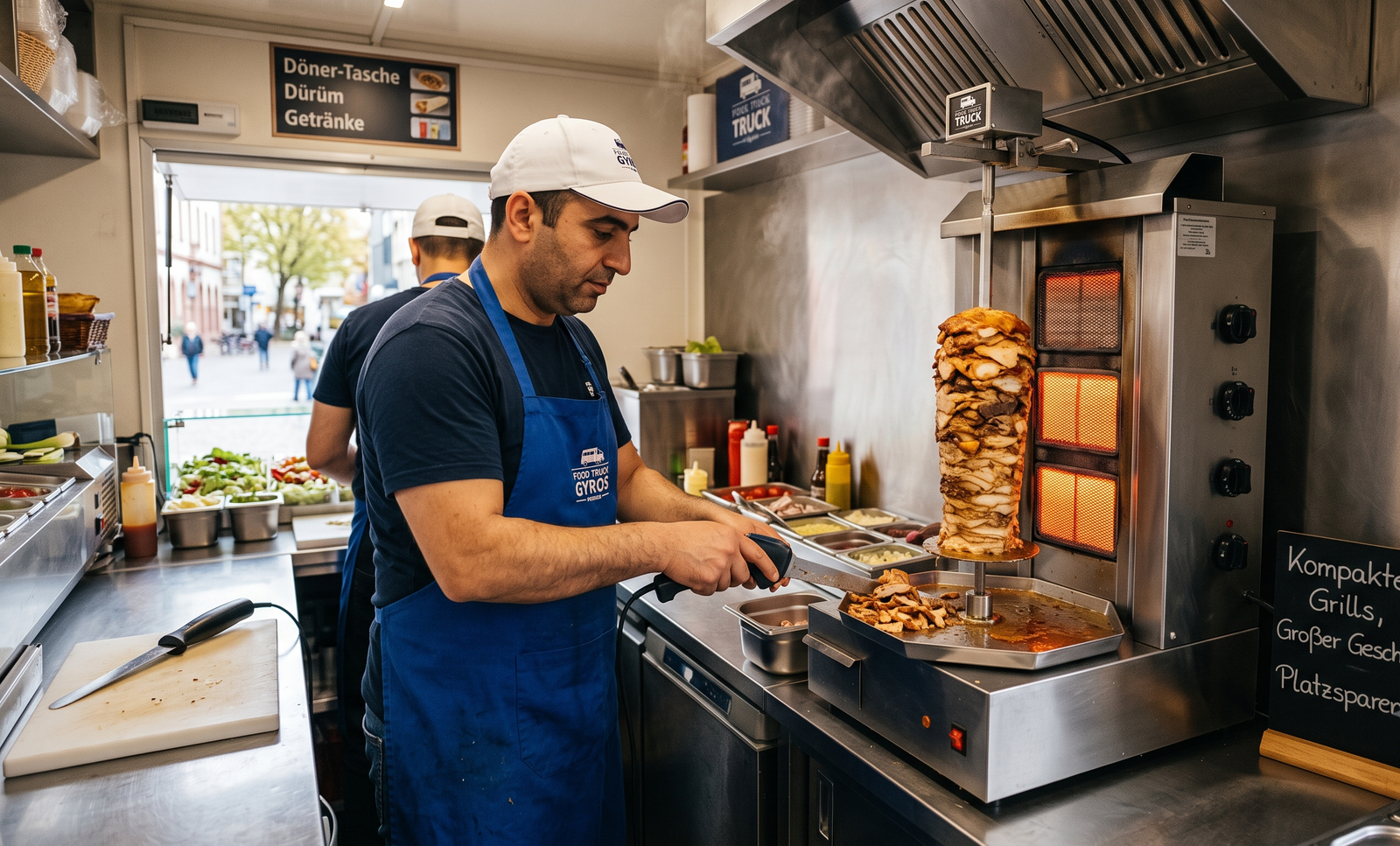 Compact Döner Grills for Small Snack Bars & Food Trucks → Space-Saving Solutions for Limited Spaces
Small snack bars and food trucks often struggle with limited space, making it challenging to accommodate large...Read more
Compact Döner Grills for Small Snack Bars & Food Trucks → Space-Saving Solutions for Limited Spaces
Small snack bars and food trucks often struggle with limited space, making it challenging to accommodate large...Read more
Leave a comment