
 Deutsch
 Türkçe
 Italiano

.jpg)
.jpg)
.jpg)
.jpg)
.jpg)
.jpg)
.jpg)
.jpg)
.jpg)
.jpg)

.jpg)

.jpg)
.jpg)
.jpg)
.jpg)
.jpg)
.jpg)
.jpg)
.jpg)
.jpg)
.jpg)



.jpg)
.jpg)
.jpg)
.jpg)
.jpg)
.jpg)
.jpg)
.jpg)
.jpg)



.jpg)
.jpg)

.jpg)
.jpg)
.jpg)
.jpg)


.jpg)

.png)
.jpg)
.jpg)
 (200 x 136 px) (5).png)
.png)

Döner meat is a popular and delicious dish, but it’s also highly perishable. Proper storage is key to maintaining its...
-
 Cooking Appliances
add remove
Cooking Appliances
add remove -
-
Pizza & Grill
add remove
-
-
Refrigeration
add remove
-
-
Combi Steamer
add remove
-
-
Kitchen Appliances
add remove
-
-
Rinsing & Cleaning
add remove
-
-
Retail Refrigeration
add remove
-
-
Cafe & Ice Cream
add remove
-
-
Smart-Gastro
add remove
-
-
Event- & Cateringmöbel
-
Cooking Appliances
add remove
-
-
Pizza & Grill
add remove
-
-
Refrigeration
add remove
-
-
Combi Steamer
add remove
-
-
Kitchen Appliances
add remove
-
-
Rinsing & Cleaning
add remove
-
-
Retail Refrigeration
add remove
-
-
Cafe & Ice Cream
add remove
-
-
Smart-Gastro
add remove
-
-
Event- & Cateringmöbel


Call us:
+49 (0) 6135 7040 450Latest posts
-
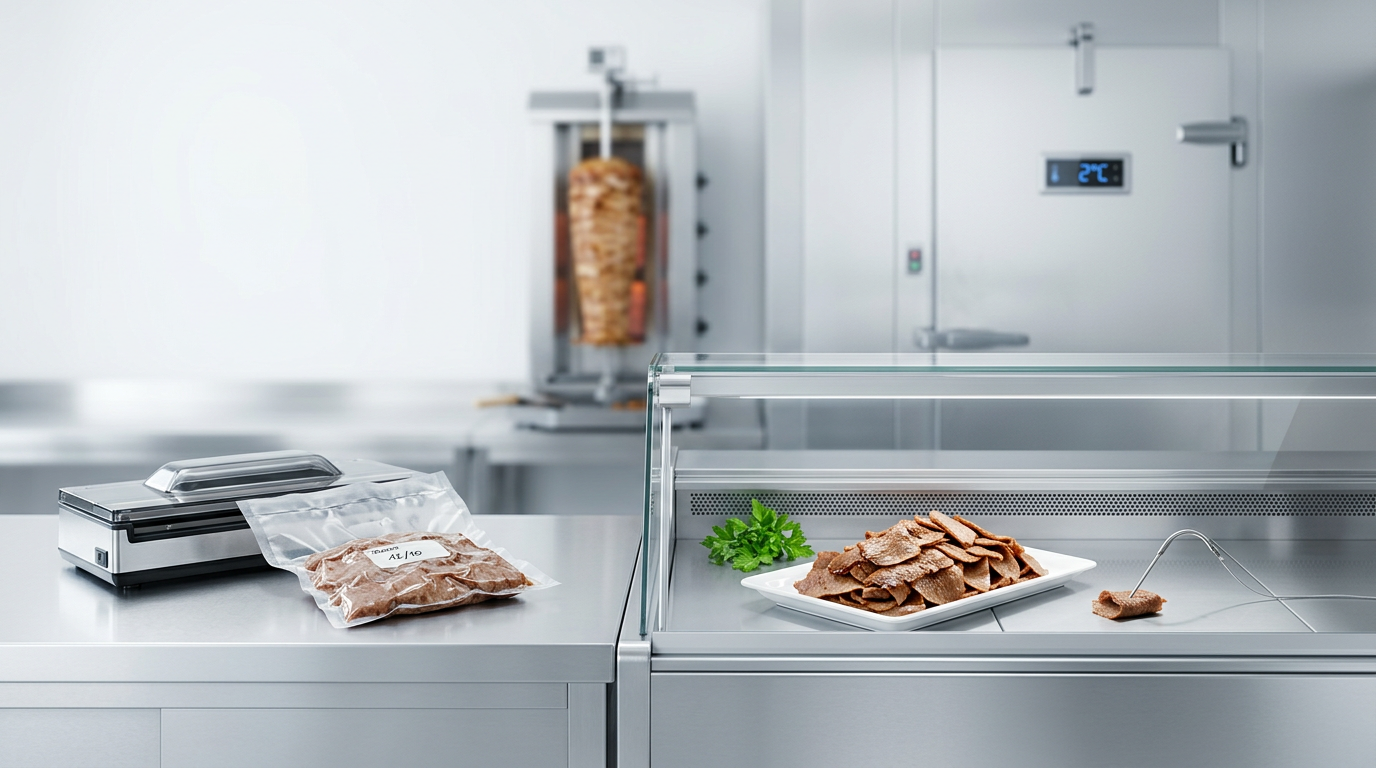 Shelf Life of Döner Meat: Cooling, Freezing & Fresh Counter Storage – Proper Handling to Prevent Food WasteRead more
 -
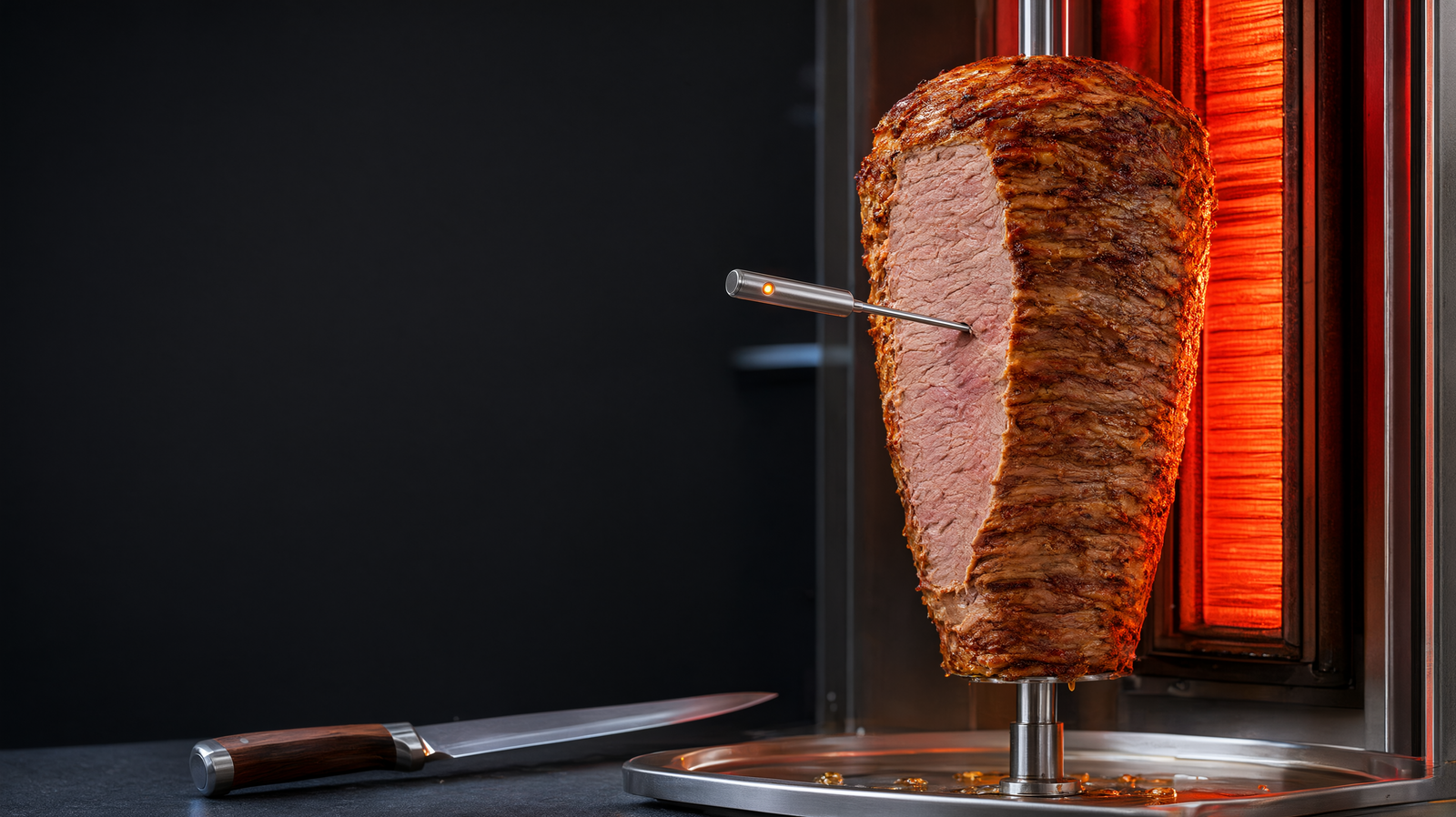 How Long Does a Döner Kebab Spit Last on the Grill? → Stand Times, Core Temperature, and Replenishment Planning in BusinessRead more
The Döner kebab spit is a cornerstone of many street food businesses, but managing how long it stays on the grill is...
-
 Proper Storage of Döner Meat: Regulations & Food Safety → HACCP-Compliant Storage According to German Food Hygiene RegulationsRead more
Döner meat is a popular and perishable food product that requires careful storage to maintain its safety and quality....
-
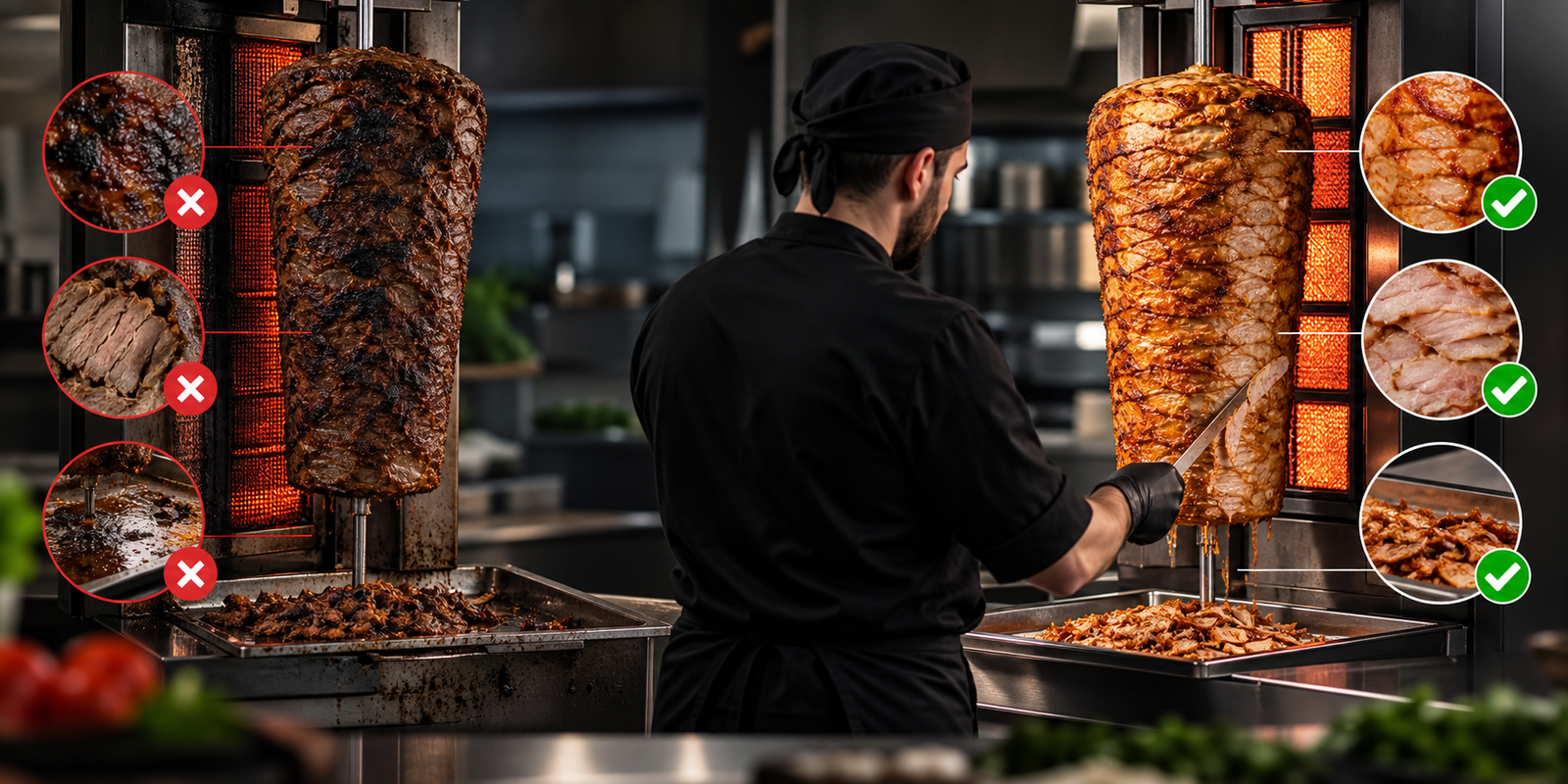 Common Mistakes When Grilling Döner – And How to Avoid Them: Identifying and Fixing Typical Preparation Errors in the Gastronomy IndustryRead more
The Döner kebab is a globally loved dish, but many gastronomy professionals struggle with common mistakes during its...
-
 What Makes Good Döner Meat So Tender and Flavorful? → Quality Characteristics and Preparation Techniques for RestaurateursRead more
Döner kebab is famous worldwide for its tender, juicy, and flavorful meat. But what exactly makes Döner meat so...
-
 How to Slice Döner Meat Perfectly: Professional Techniques with Döner Knives and Electric SlicersRead more
Döner kebab is renowned for its thin, juicy slices of meat cooked on a vertical spit. Achieving perfect slices...
-
 Döner Meat Marinade: Marinating Time and Professional Preparation → Optimal Preparation for Maximum Flavor and TendernessRead more
Döner kebab is famous worldwide for its juicy, flavorful meat, and the key to its perfection lies in the marinade and...
-
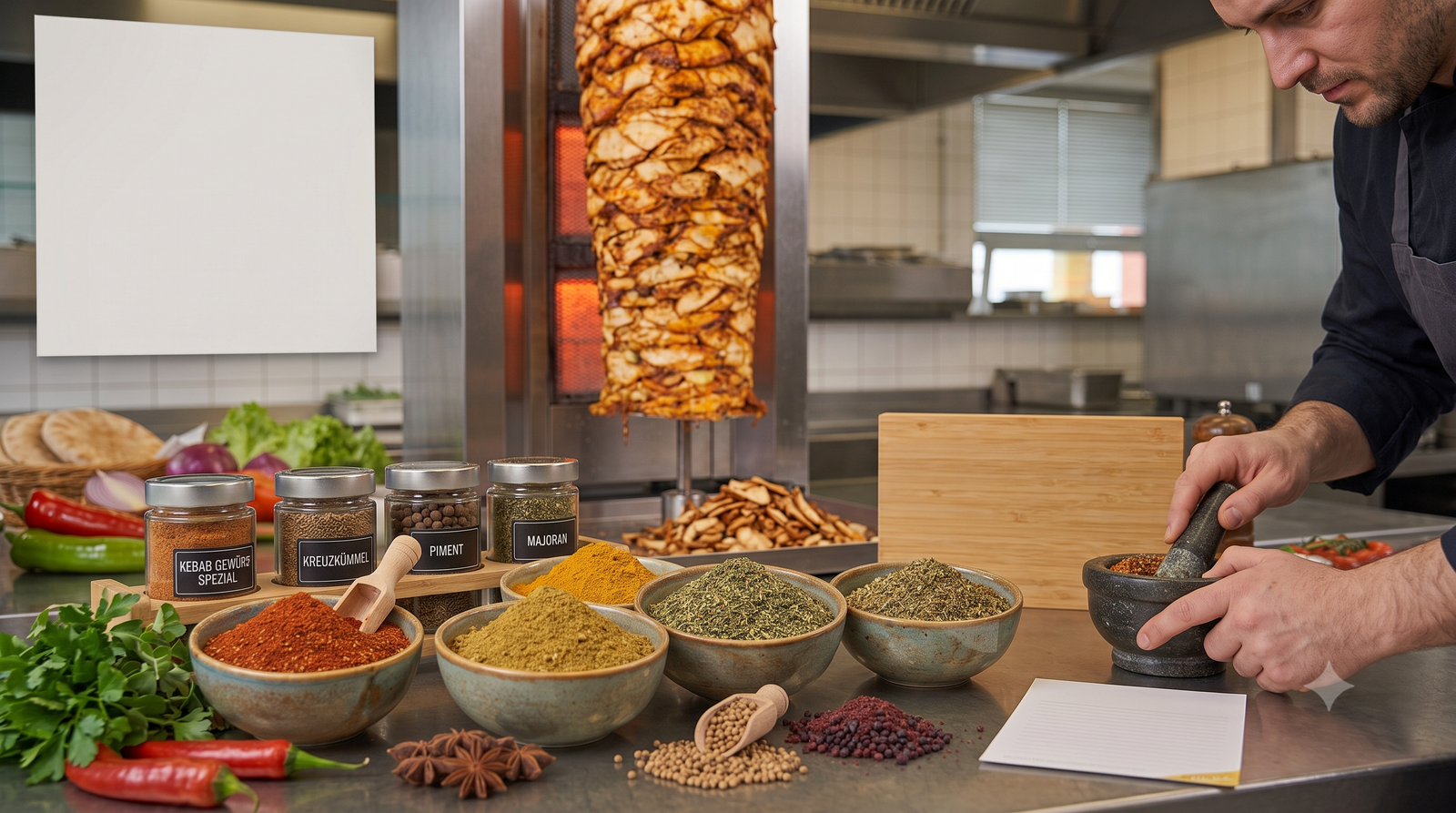 Making Your Own Döner Spice Mix: Recipes for the Gastronomy Industry → In-House Production for Better Flavor Control and Cost EfficiencyRead more
Döner kebab is a global favorite, and the secret to its irresistible flavor lies in the spice mix used to season the...
-
 The Ultimate Guide: Pizza Vending Machines – Earnings, Costs & Experiences in the 24/7Read more
More and more restaurateurs and resourceful entrepreneurs are discovering the enormous potential of pizza vending...
-
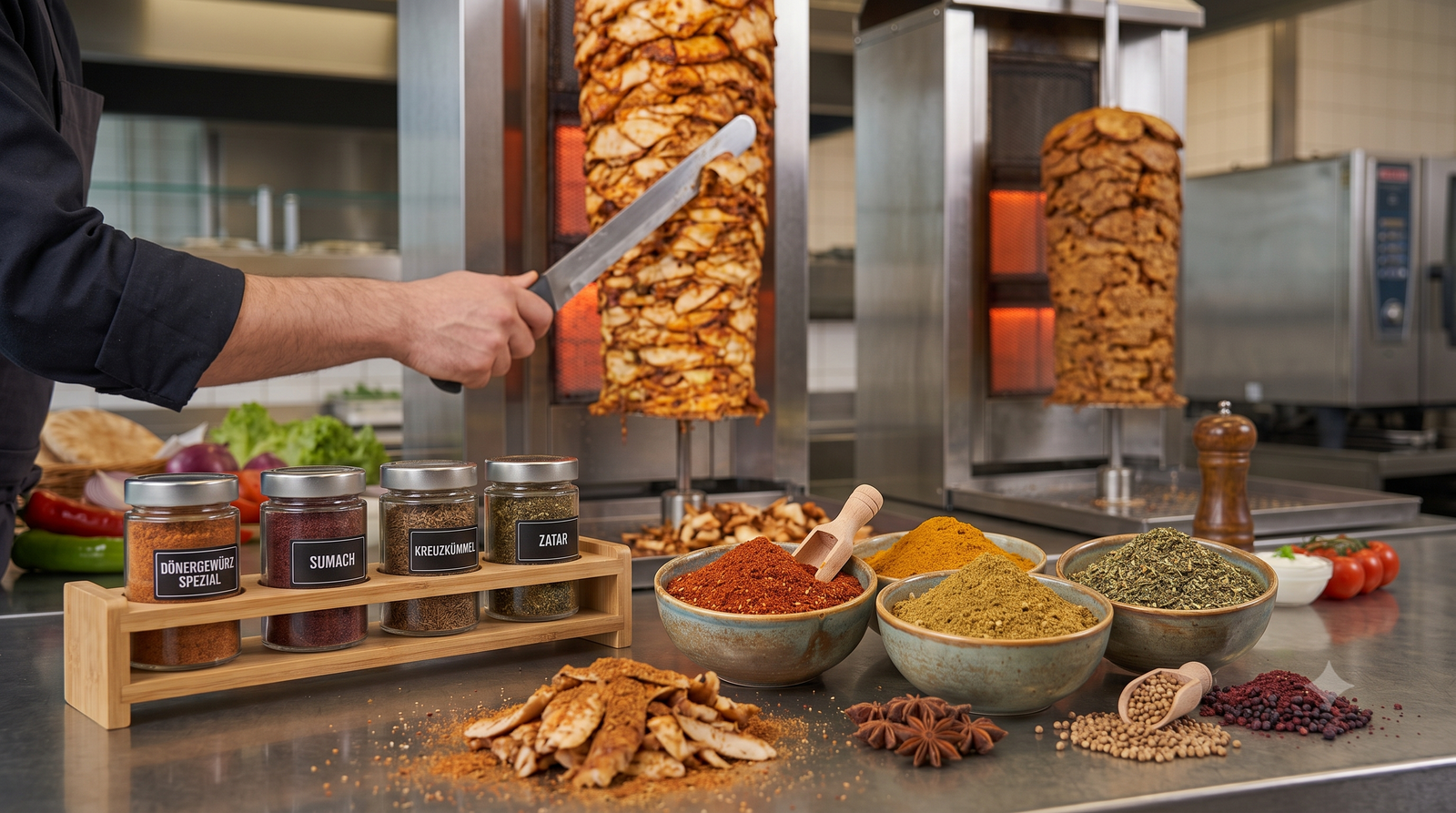 Professional Döner Meat Seasoning: Recipe & Spice Blend → Authentic Mixes for Consistent QualityRead more
Döner kebab is a global favorite, celebrated for its juicy, flavorful meat and aromatic spices. Achieving authentic...
Blog categories
Search in blog
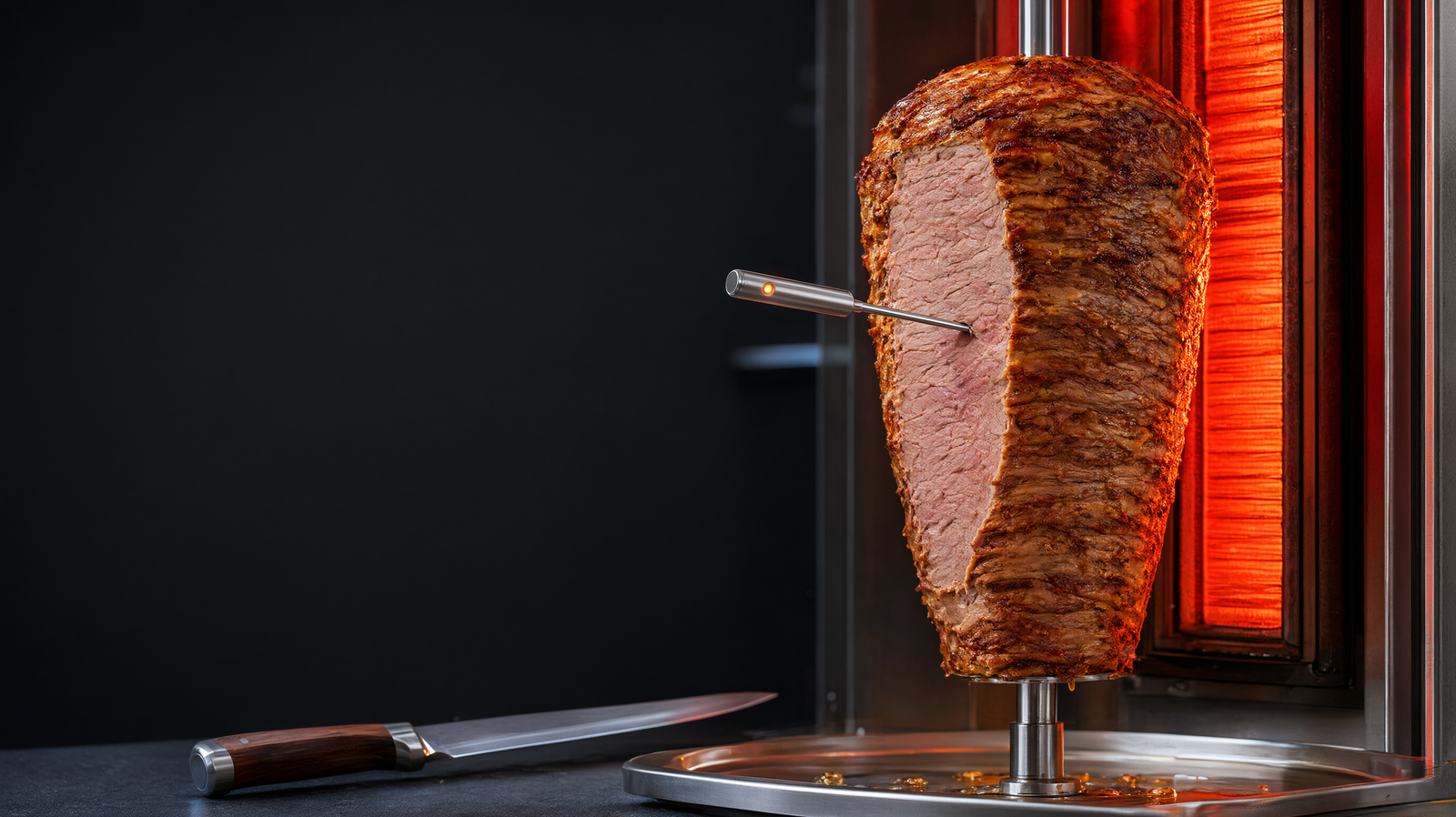
How Long Does a Döner Kebab Spit Last on the Grill? → Stand Times, Core Temperature, and Replenishment Planning in Business
How Long Does a Döner Kebab Spit Last on the Grill? → Stand Times, Core Temperature, and Replenishment Planning in Business
The Döner kebab is a beloved street food staple, enjoyed worldwide for its juicy, flavorful meat and crispy edges. Behind this delicious dish lies a carefully managed process of grilling the meat on a vertical spit. For Döner shop owners and operators, understanding how long a Döner spit can stay on the grill, maintaining the right core temperature, and planning replenishment are crucial factors to ensure food quality, safety, and operational efficiency.
Introduction to Döner Kebab Spits
The Döner kebab spit is traditionally a large cone-shaped stack of seasoned meat — often lamb, beef, chicken, or a mix — mounted vertically next to a heat source. The outer layers are cooked by radiant heat, shaved off when ready, and served fresh. This method allows continuous cooking and serving throughout the day, but it also requires precise timing and temperature control.
For business owners, the question often arises: How long can a Döner spit stay on the grill without compromising taste, texture, and food safety? This blog post will explore the factors influencing stand time, the importance of core temperature monitoring, and strategies for replenishment planning to keep your Döner operation running smoothly.
Understanding Stand Time: What Does It Mean?
Stand time refers to the duration a Döner spit remains on the grill, continuously exposed to heat and ready for serving. This time frame is crucial because it directly affects the meat’s quality, safety, and the overall customer experience.
Too short a stand time might mean frequent interruptions to replace or add meat, leading to inefficiencies. Too long, and the meat can dry out, lose flavor, or even pose food safety risks if core temperatures drop below safe levels.
Typical Stand Times in Döner Operations
In practice, Döner spits can remain on the grill anywhere from 4 to 12 hours, depending on several factors:
- Meat type: Chicken spits may have shorter stand times than beef or lamb due to different cooking and safety requirements.
- Heat source and grill type: Gas grills, electric grills, or charcoal grills can have different heat distributions affecting cooking speed and stand time.
- Customer volume: High turnover means spits are used up faster, reducing stand time naturally.
- Ambient temperature and humidity: Environmental factors can influence how quickly the meat cooks and how long it can safely remain on the grill.
The Role of Core Temperature in Döner Grilling
Core temperature is a critical parameter in Döner preparation. It ensures that the meat is cooked thoroughly, safe to eat, and maintains an optimal texture and juiciness.
Recommended Core Temperatures
Food safety authorities generally recommend the following minimum internal temperatures for meats:
- Chicken: 74°C (165°F)
- Beef and Lamb: 63°C (145°F) for medium rare, but often Döner meat is cooked more thoroughly, around 70°C (158°F), to ensure safety.
Maintaining these temperatures throughout the stand time is crucial. The outer layers cook first, and the heat gradually penetrates inward. If the core temperature falls below these thresholds, there is a risk of bacterial growth.
Monitoring Core Temperature
Modern Döner operations often use digital probes or infrared thermometers to monitor the core temperature continuously or at regular intervals. This helps in:
- Ensuring food safety compliance
- Determining when the spit needs to be replaced or replenished
- Maintaining consistent product quality
Factors Affecting the Longevity of a Döner Spit on the Grill
Several factors influence how long a Döner spit can stay on the grill without compromising quality or safety:
1. Meat Composition and Preparation
The type of meat and how it’s prepared impacts cooking time and stand duration. For example, chicken requires higher internal temperatures and may dry out faster if left too long. Marinated meats with higher fat content tend to stay juicier and can last longer on the grill.
2. Heat Intensity and Distribution
The heat source’s intensity and how evenly it distributes heat around the spit are vital. Too high heat can burn the outer layers before the core is cooked, while too low heat prolongs cooking and increases the risk of bacterial growth.
3. Spit Size and Shape
Larger spits take longer to cook through but also provide more servings before needing replacement. However, very large spits may have uneven cooking, requiring careful rotation and monitoring.
4. Ambient Conditions
Temperature and humidity in the environment can affect cooking times and how quickly the meat dries out. Outdoor grills may be more susceptible to weather changes.
Best Practices for Replenishment Planning in Döner Operations
Replenishment planning ensures that the Döner spit is replaced or topped up before quality declines, minimizing waste and maximizing customer satisfaction.
1. Assess Demand Patterns
Track sales data to understand peak hours and average consumption rates. This helps in preparing the right amount of meat and scheduling spit changes accordingly.
2. Prepare Multiple Spits in Advance
Having pre-prepared spits ready to go reduces downtime during peak hours. This ensures a continuous supply of fresh meat on the grill.
3. Implement a Rotation System
Rotate spits based on cooking times and core temperature readings. Remove spits that have reached their optimal stand time and replace them promptly.
4. Train Staff on Temperature Monitoring
Ensure all staff understand the importance of core temperature checks and know how to use thermometers correctly. This reduces the risk of serving undercooked or overcooked meat.
5. Use Technology
Consider investing in smart grills or temperature monitoring systems that alert staff when spits need attention.
Signs That a Döner Spit Needs Replacement
Knowing when to replace or replenish a Döner spit is essential. Here are some indicators:
- Core temperature drops below safe levels despite heating
- Meat texture becomes dry or tough
- Reduced customer demand leading to prolonged stand time
- Visual cues: burnt edges, excessive charring, or discoloration
Food Safety Considerations
Food safety is paramount in Döner operations. Improper handling or prolonged stand times can lead to bacterial contamination, such as Salmonella or Clostridium perfringens.
To mitigate risks, operators should:
- Maintain core temperatures above recommended thresholds
- Practice good hygiene and sanitation
- Store raw meat properly before use
- Discard meat that has been on the grill too long or shows signs of spoilage
Case Study: Optimizing Döner Spit Stand Time in a Busy Kebab Shop
Let’s consider a busy Döner shop in Berlin serving chicken and beef Döner. They noticed that spits were lasting about 8 hours, but the outer meat was drying out by the end of the day, affecting customer satisfaction.
By implementing core temperature monitoring and adjusting the heat intensity, they managed to extend spit usability to 10 hours while maintaining juiciness. Additionally, they introduced a replenishment schedule based on sales data, preparing fresh spits before peak hours.
Result: Reduced meat waste by 15%, improved customer reviews, and smoother operations during rush hours.
Summary and Recommendations
Understanding how long a Döner kebab spit can stay on the grill is a balance between food safety, quality, and operational efficiency. Key takeaways include:
- Monitor core temperatures rigorously to ensure safety and quality.
- Adjust stand times based on meat type, grill type, and customer demand.
- Plan replenishment proactively to avoid downtime and maintain freshness.
- Train staff on hygiene and temperature monitoring protocols.
- Use technology where possible to streamline operations.
By following these guidelines, Döner businesses can deliver delicious, safe, and consistent products that keep customers coming back.
Frequently Asked Questions
Q: Can I leave a Döner spit on the grill overnight?
A: It is not recommended to leave a Döner spit on the grill overnight due to food safety risks. Meat should be removed, cooled properly, or discarded if not consumed within safe time frames.
Q: How often should I check the core temperature?
A: Ideally, core temperature should be checked every 30 minutes to 1 hour, depending on the volume of sales and grill settings.
Q: Does the type of grill affect stand time?
A: Yes, different grills distribute heat differently, affecting cooking speed and how long the spit can stay on the grill.
Q: What is the best way to keep the meat juicy?
A: Using meat with adequate fat content, proper marination, and maintaining consistent heat helps keep the meat juicy.
Final Thoughts
Running a successful Döner operation requires more than just great recipes. Understanding the technical aspects of grilling, such as stand times, core temperatures, and replenishment planning, is essential to deliver quality and safe products. With careful monitoring and planning, you can optimize your Döner spits’ lifespan on the grill and ensure happy customers every day.
Posted in:
Gyros | Dönergrills
Related posts
-
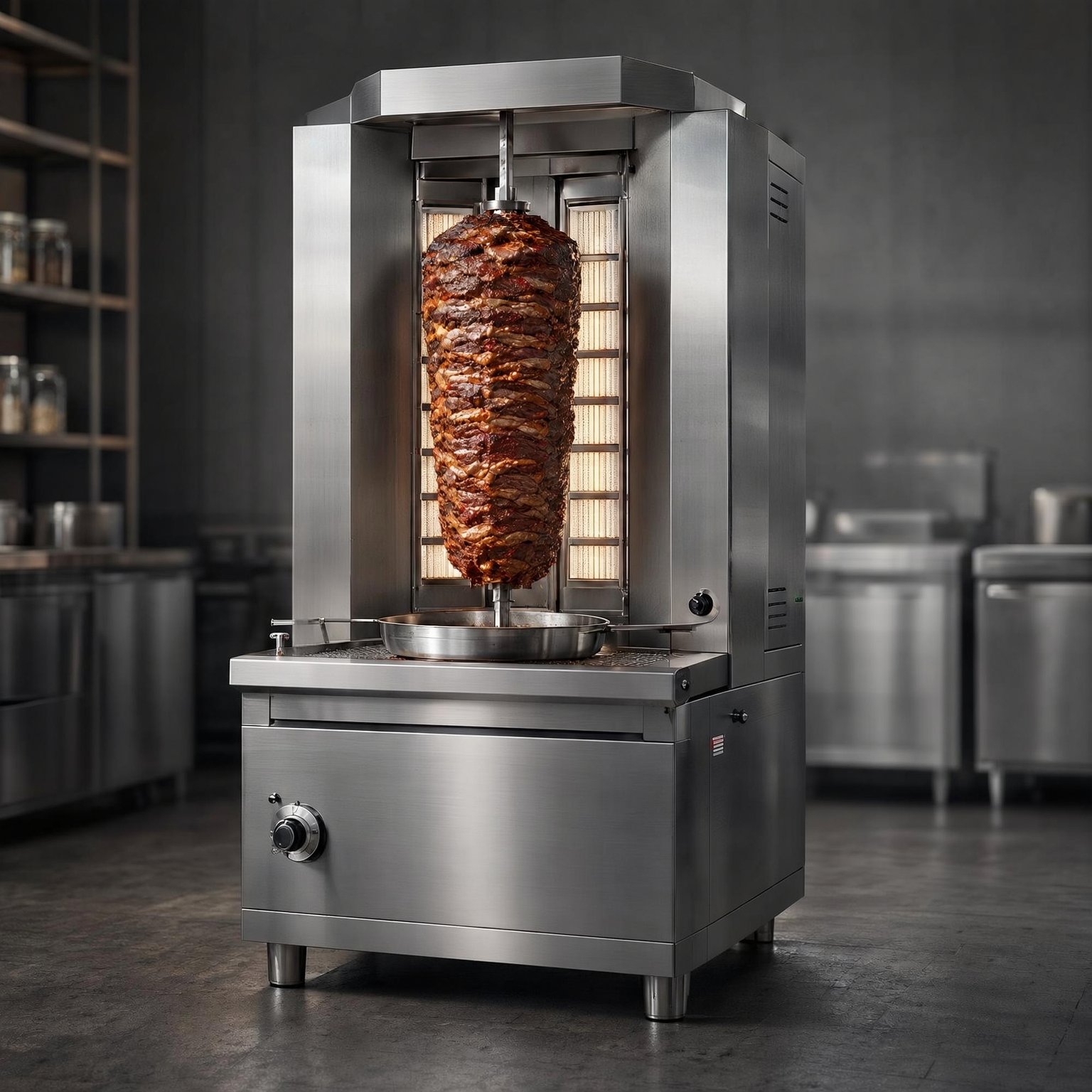 Buying a Commercial Döner Grill: Costs, Price Overview, and Budget Planning for Gastronomy Businesses
Investing in a commercial Döner grill is essential for gastronomy businesses serving Döner kebabs. The cost of these...Read more
Buying a Commercial Döner Grill: Costs, Price Overview, and Budget Planning for Gastronomy Businesses
Investing in a commercial Döner grill is essential for gastronomy businesses serving Döner kebabs. The cost of these...Read more -
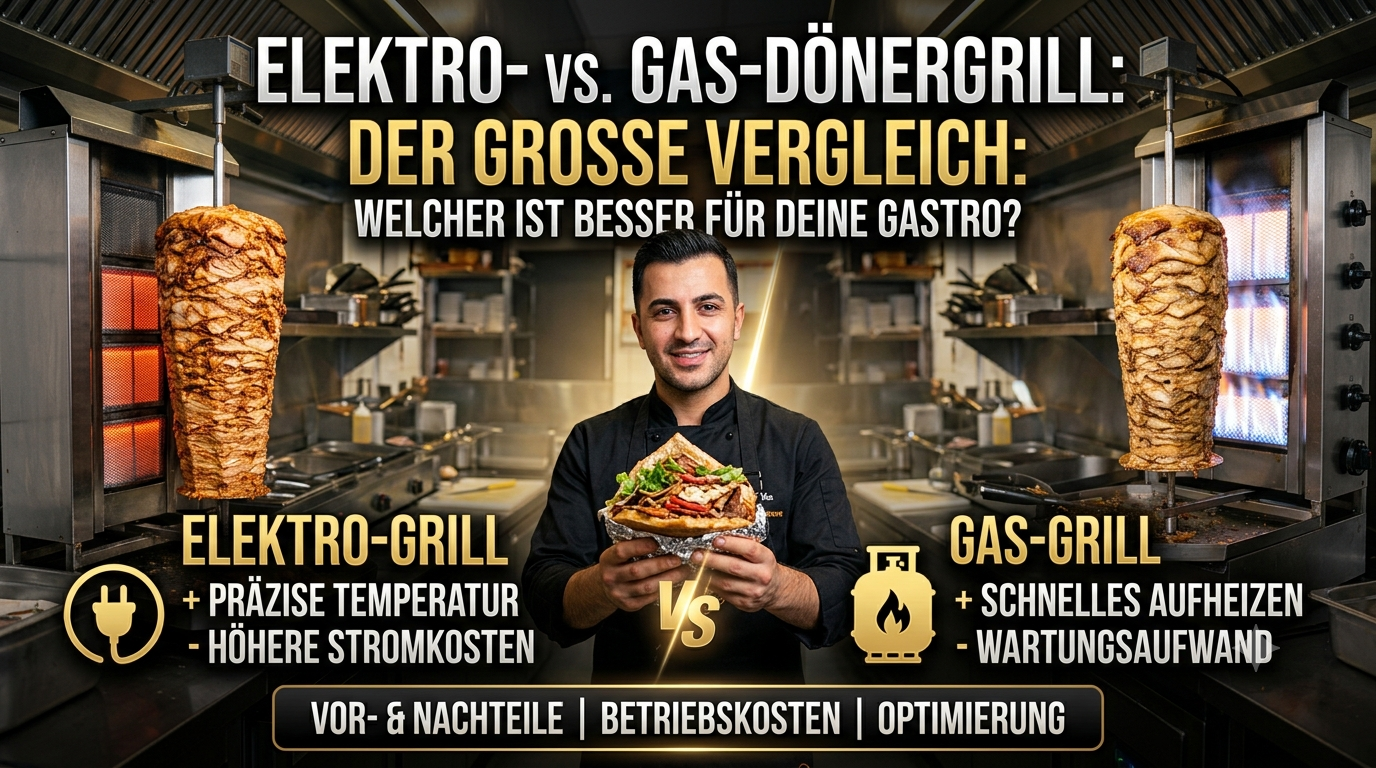 Electric vs. Gas Döner Grill: Which Is Better for the Gastronomy Industry? A Comprehensive Comparison for Snack Bars, Restaurants, and Catering
The choice between electric and gas Döner grills is a key decision for gastronomy professionals operating snack bars,...Read more
Electric vs. Gas Döner Grill: Which Is Better for the Gastronomy Industry? A Comprehensive Comparison for Snack Bars, Restaurants, and Catering
The choice between electric and gas Döner grills is a key decision for gastronomy professionals operating snack bars,...Read more -
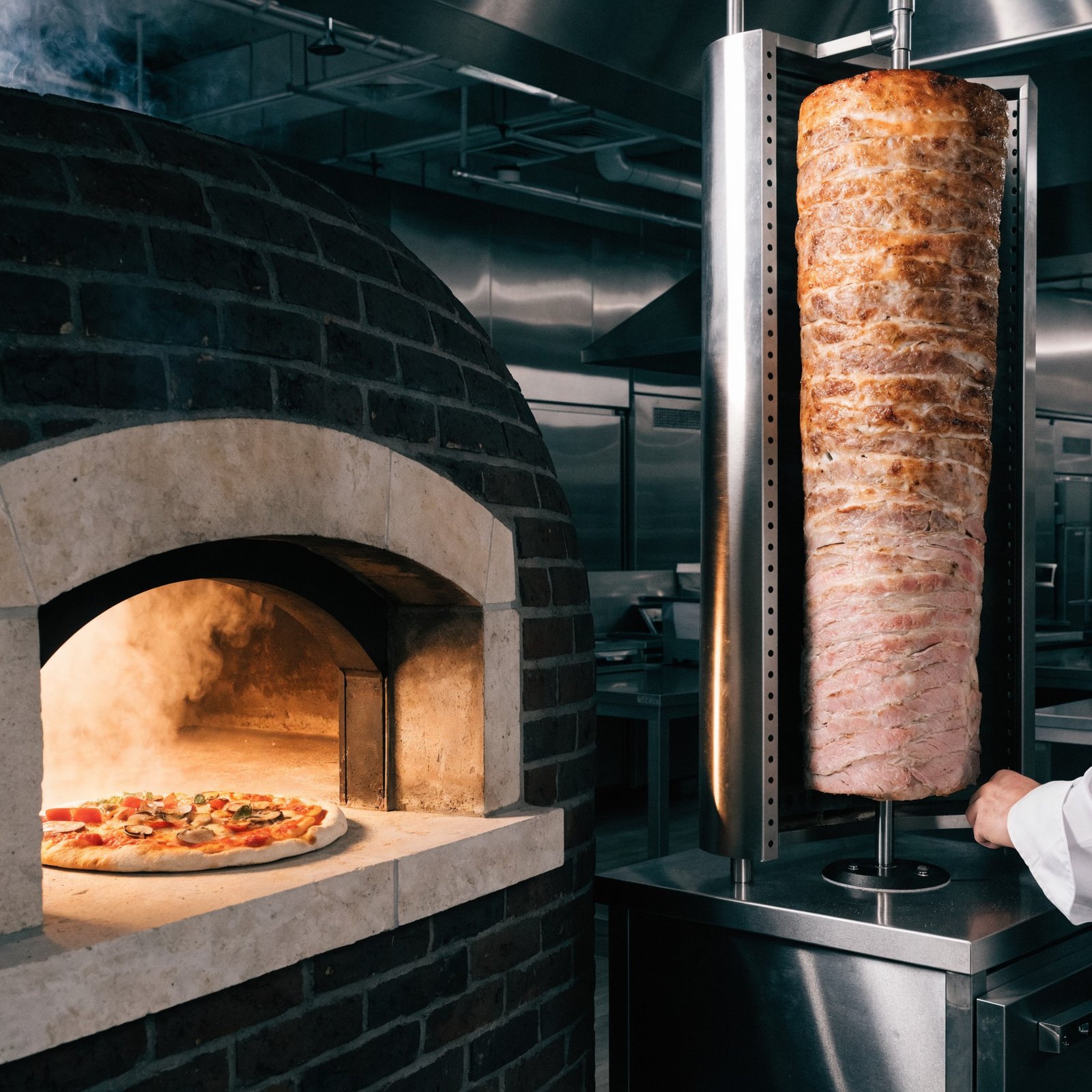 Pizza Oven or Döner Grill – Which Investment Is Worth It for Your Business? A Guide to Choosing the Right Equipment in Gastronomy
Deciding between a pizza oven and a döner grill is a crucial step for any gastronomy business. Both devices serve...Read more
Pizza Oven or Döner Grill – Which Investment Is Worth It for Your Business? A Guide to Choosing the Right Equipment in Gastronomy
Deciding between a pizza oven and a döner grill is a crucial step for any gastronomy business. Both devices serve...Read more -
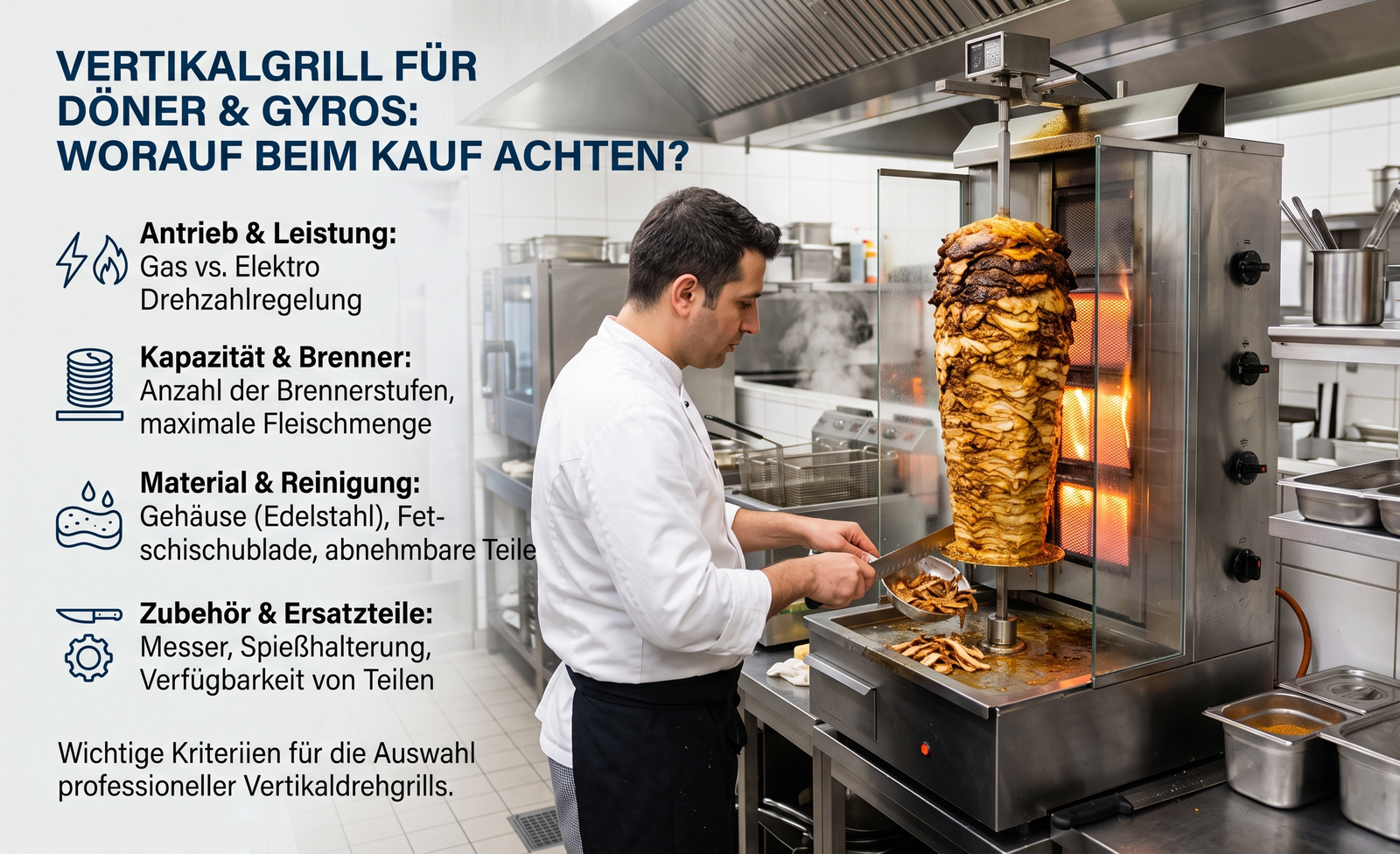 Vertical Grill for Döner & Gyros: Key Criteria for Choosing a Professional Vertical Rotisserie
A vertical grill, or vertical rotisserie, is essential for cooking Döner and Gyros meat evenly and deliciously....Read more
Vertical Grill for Döner & Gyros: Key Criteria for Choosing a Professional Vertical Rotisserie
A vertical grill, or vertical rotisserie, is essential for cooking Döner and Gyros meat evenly and deliciously....Read more -
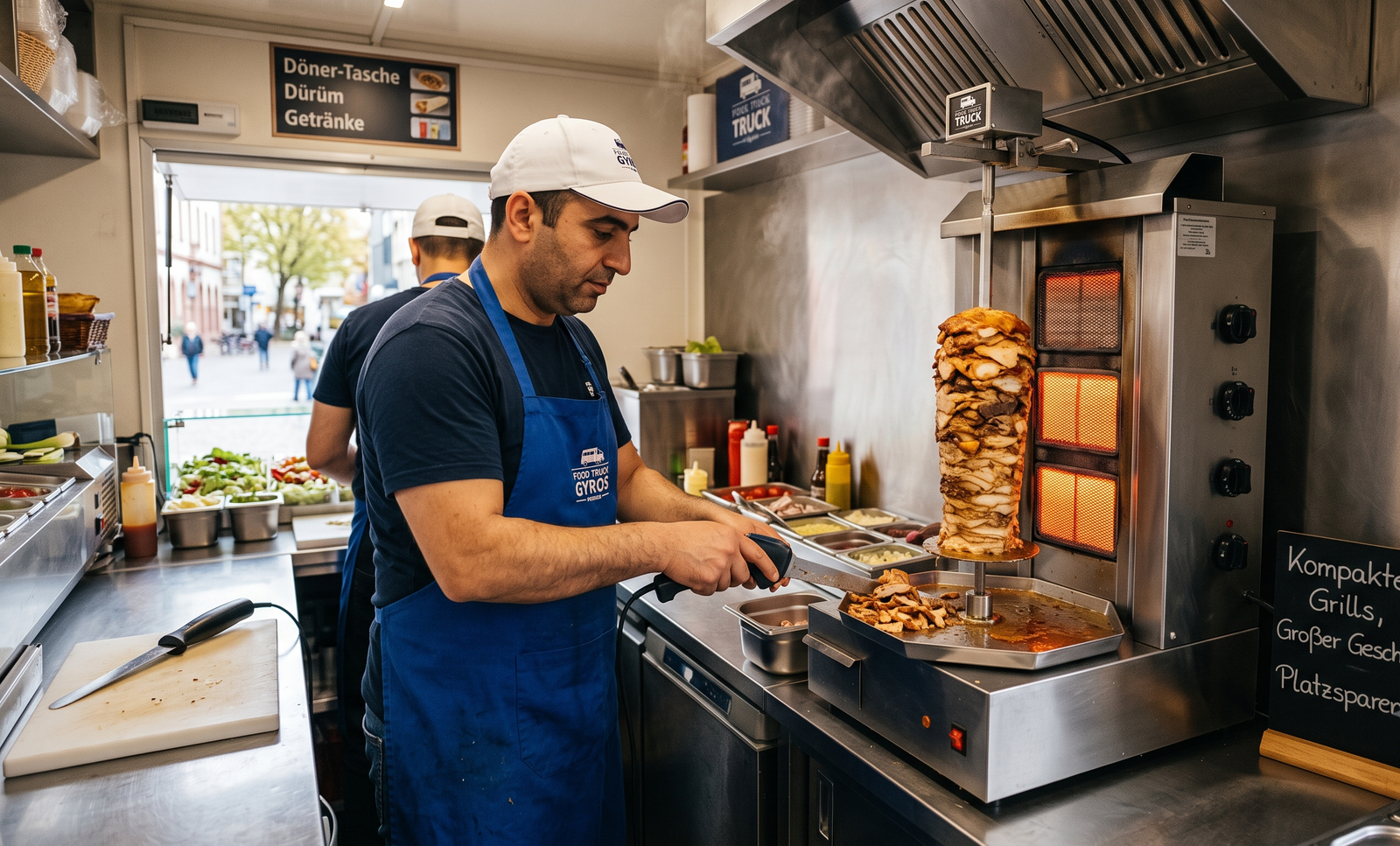 Compact Döner Grills for Small Snack Bars & Food Trucks → Space-Saving Solutions for Limited Spaces
Small snack bars and food trucks often struggle with limited space, making it challenging to accommodate large...Read more
Compact Döner Grills for Small Snack Bars & Food Trucks → Space-Saving Solutions for Limited Spaces
Small snack bars and food trucks often struggle with limited space, making it challenging to accommodate large...Read more
Leave a comment