
 Deutsch
 Türkçe
 Italiano

.jpg)
.jpg)
.jpg)
.jpg)
.jpg)
.jpg)
.jpg)
.jpg)
.jpg)
.jpg)

.jpg)

.jpg)
.jpg)
.jpg)
.jpg)
.jpg)
.jpg)
.jpg)
.jpg)
.jpg)
.jpg)



.jpg)
.jpg)
.jpg)
.jpg)
.jpg)
.jpg)
.jpg)
.jpg)
.jpg)



.jpg)
.jpg)

.jpg)
.jpg)
.jpg)
.jpg)


.jpg)

.png)
.jpg)
.jpg)
 (200 x 136 px) (5).png)
.png)

Döner meat is a popular and delicious dish, but it’s also highly perishable. Proper storage is key to maintaining its...
-
 Cooking Appliances
add remove
Cooking Appliances
add remove -
-
Pizza & Grill
add remove
-
-
Refrigeration
add remove
-
-
Combi Steamer
add remove
-
-
Kitchen Appliances
add remove
-
-
Rinsing & Cleaning
add remove
-
-
Retail Refrigeration
add remove
-
-
Cafe & Ice Cream
add remove
-
-
Smart-Gastro
add remove
-
-
Event- & Cateringmöbel
-
Cooking Appliances
add remove
-
-
Pizza & Grill
add remove
-
-
Refrigeration
add remove
-
-
Combi Steamer
add remove
-
-
Kitchen Appliances
add remove
-
-
Rinsing & Cleaning
add remove
-
-
Retail Refrigeration
add remove
-
-
Cafe & Ice Cream
add remove
-
-
Smart-Gastro
add remove
-
-
Event- & Cateringmöbel


Call us:
+49 (0) 6135 7040 450Latest posts
-
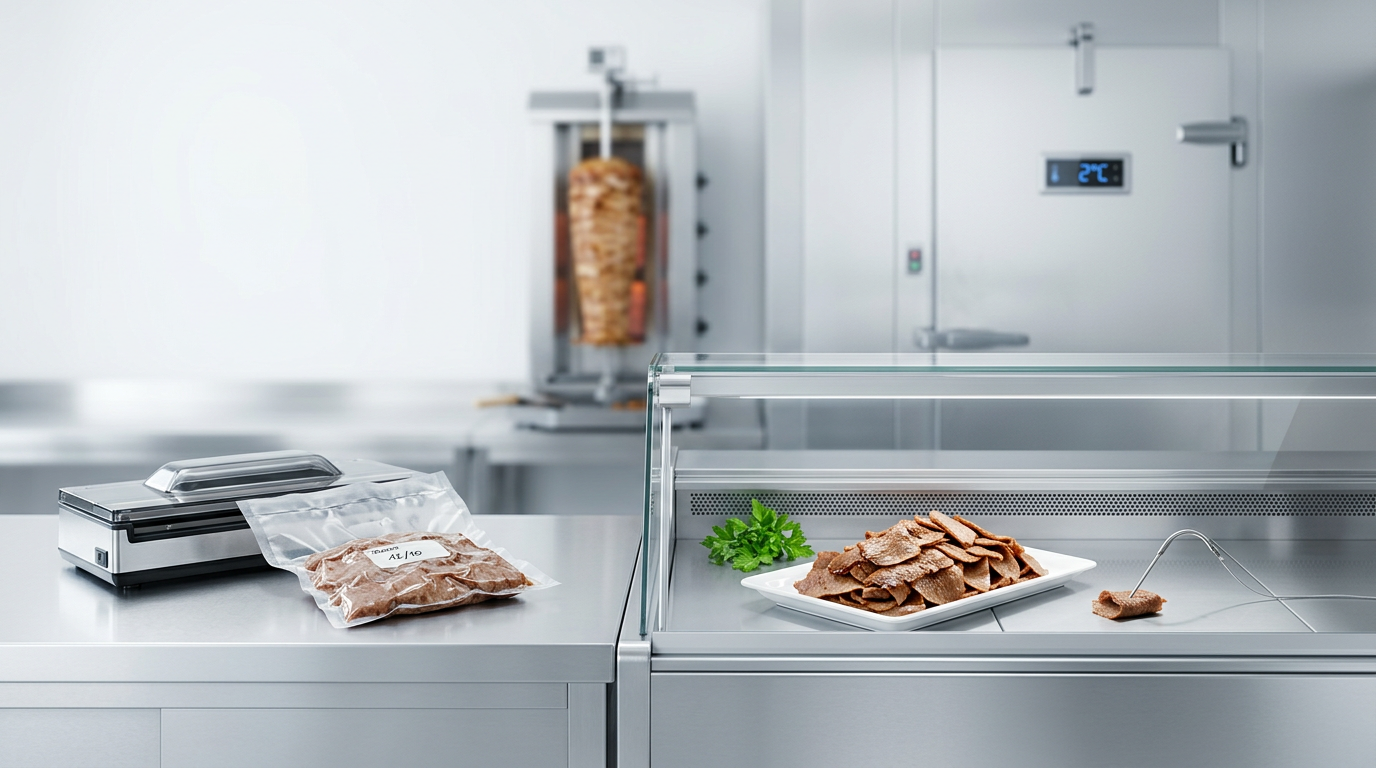 Shelf Life of Döner Meat: Cooling, Freezing & Fresh Counter Storage – Proper Handling to Prevent Food WasteRead more
 -
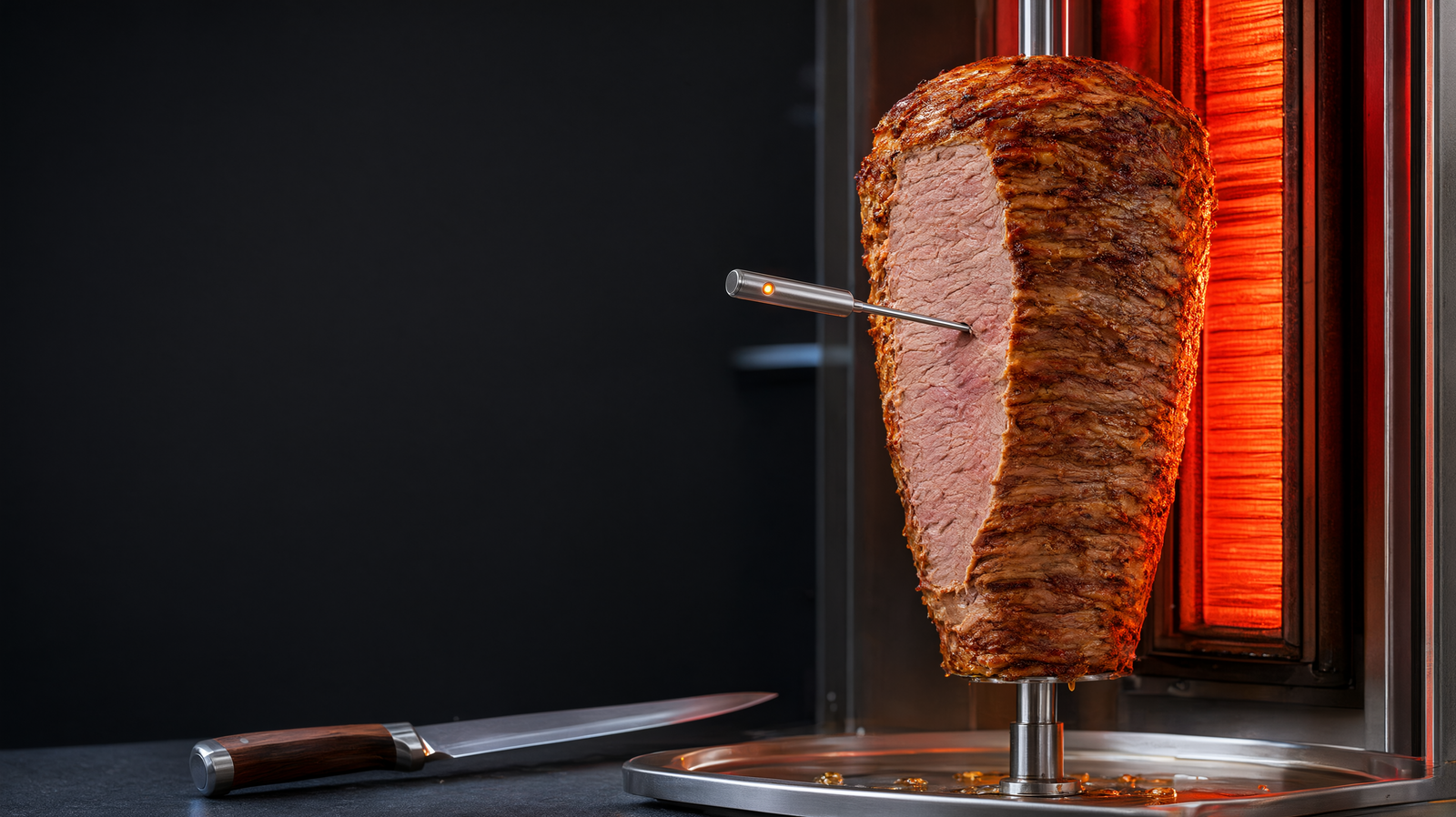 How Long Does a Döner Kebab Spit Last on the Grill? → Stand Times, Core Temperature, and Replenishment Planning in BusinessRead more
The Döner kebab spit is a cornerstone of many street food businesses, but managing how long it stays on the grill is...
-
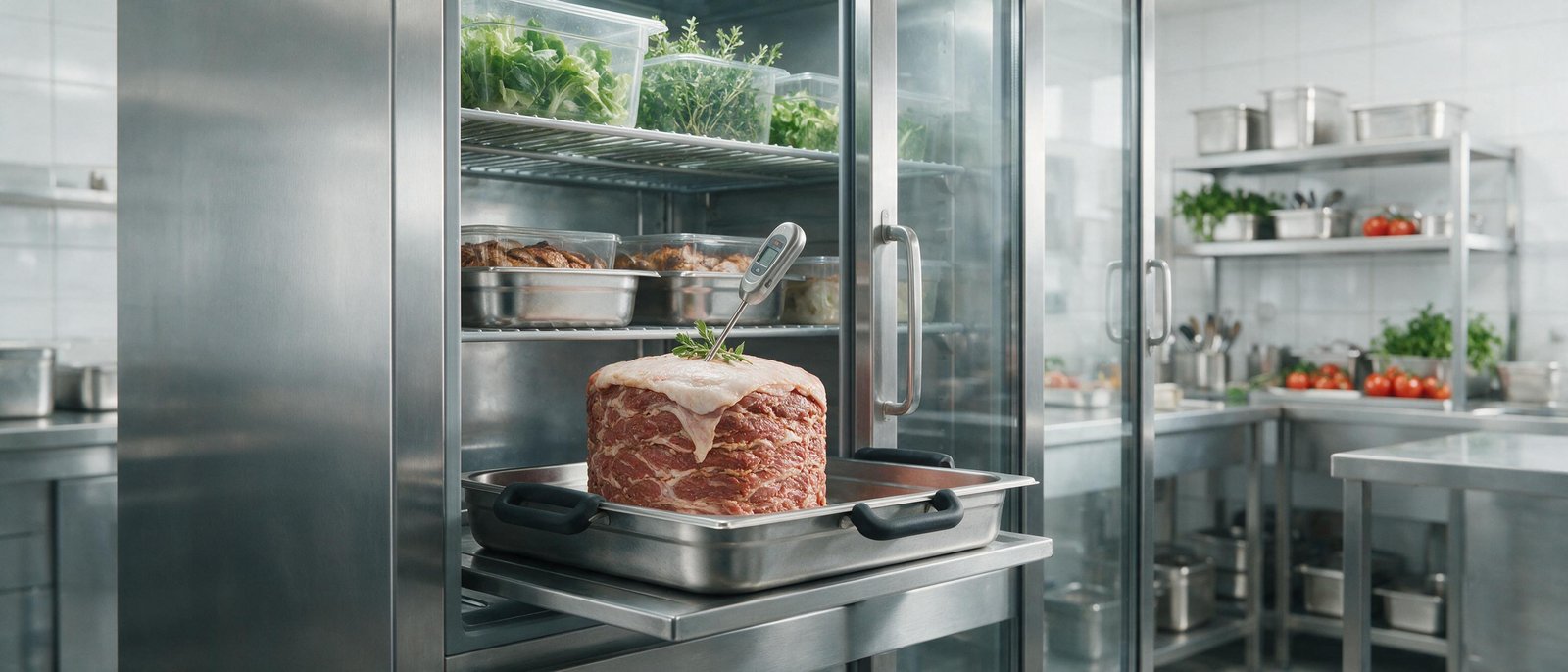 Proper Storage of Döner Meat: Regulations & Food Safety → HACCP-Compliant Storage According to German Food Hygiene RegulationsRead more
Döner meat is a popular and perishable food product that requires careful storage to maintain its safety and quality....
-
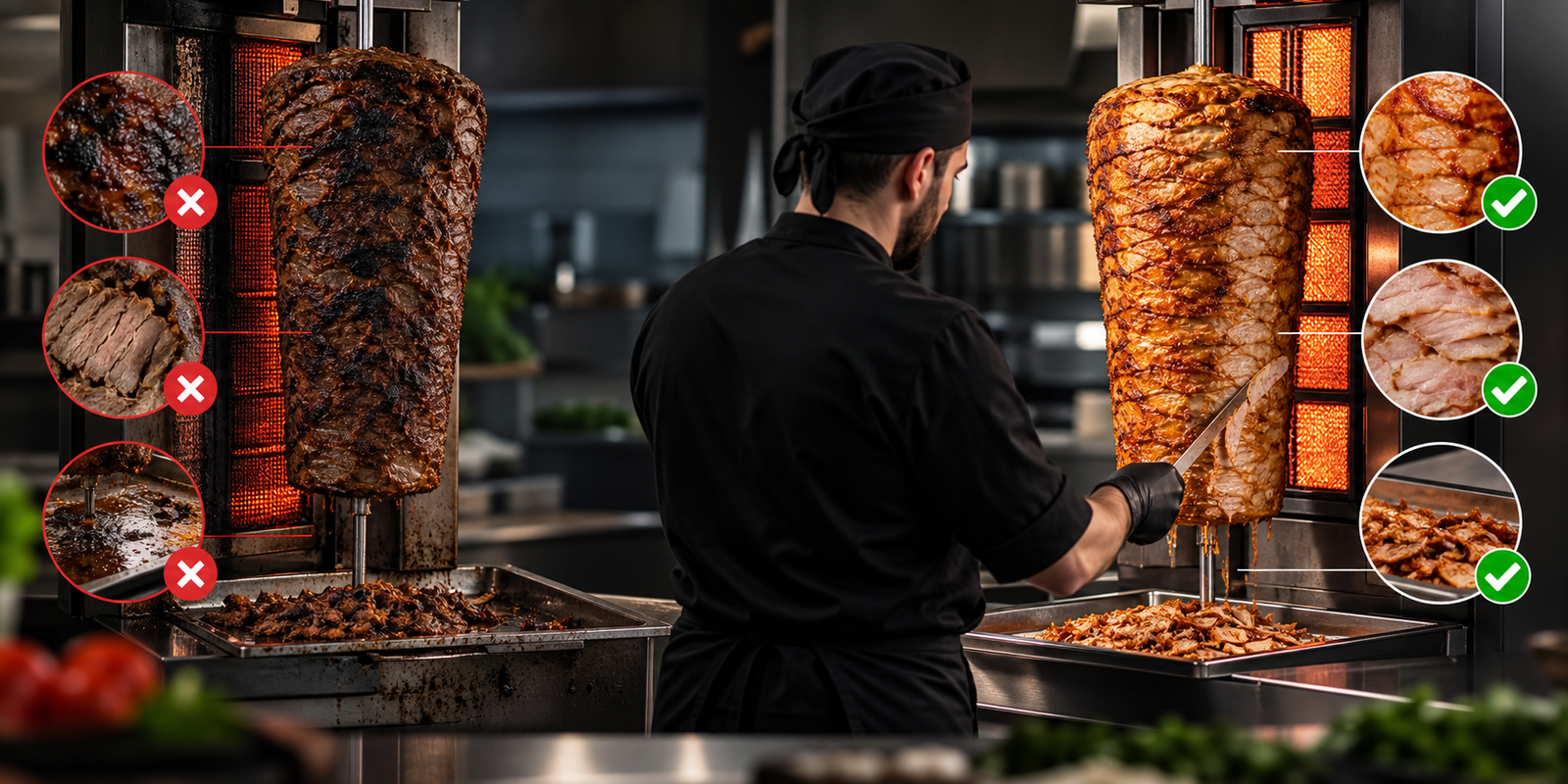 Common Mistakes When Grilling Döner – And How to Avoid Them: Identifying and Fixing Typical Preparation Errors in the Gastronomy IndustryRead more
The Döner kebab is a globally loved dish, but many gastronomy professionals struggle with common mistakes during its...
-
 What Makes Good Döner Meat So Tender and Flavorful? → Quality Characteristics and Preparation Techniques for RestaurateursRead more
Döner kebab is famous worldwide for its tender, juicy, and flavorful meat. But what exactly makes Döner meat so...
-
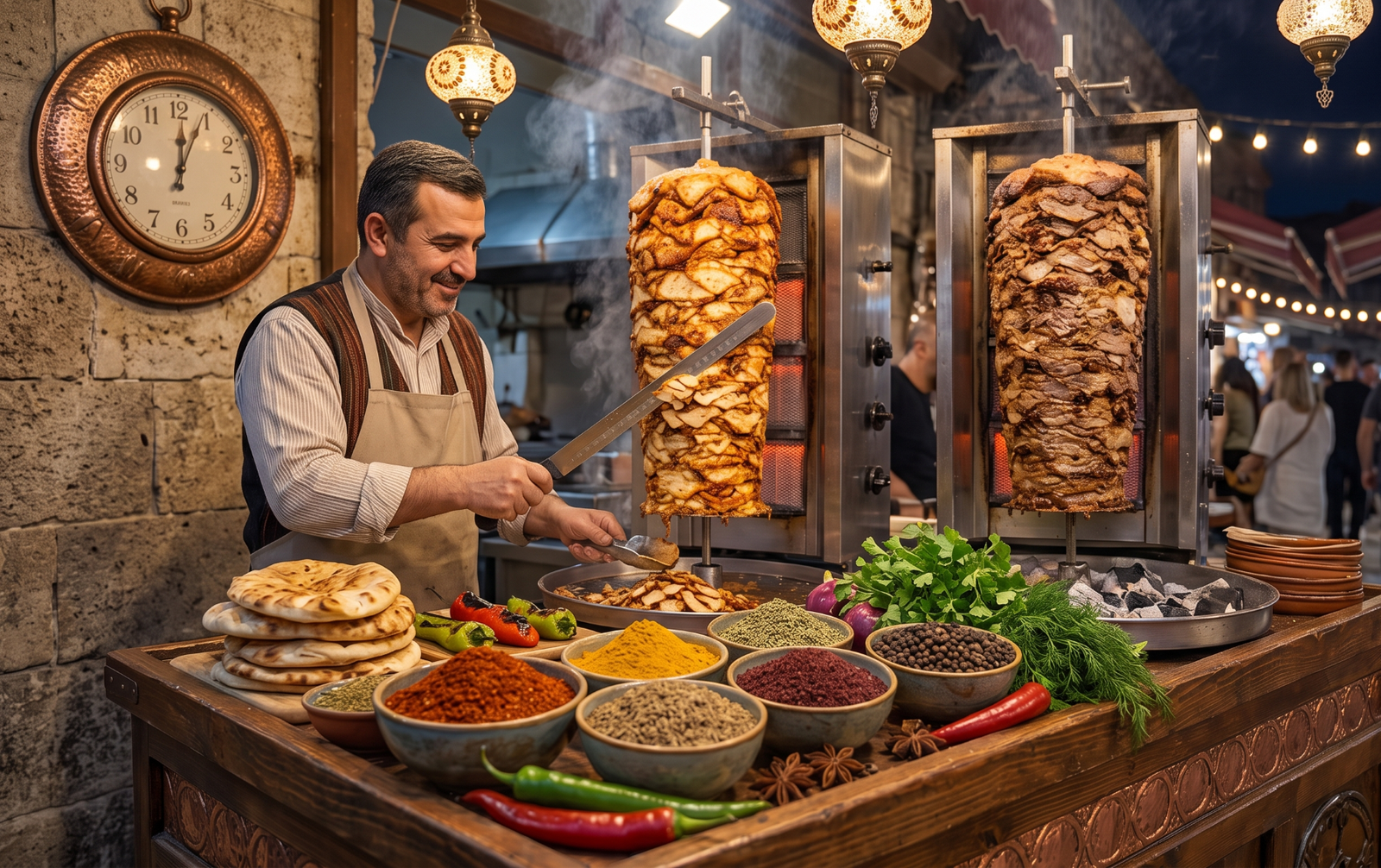 How to Slice Döner Meat Perfectly: Professional Techniques with Döner Knives and Electric SlicersRead more
Döner kebab is renowned for its thin, juicy slices of meat cooked on a vertical spit. Achieving perfect slices...
-
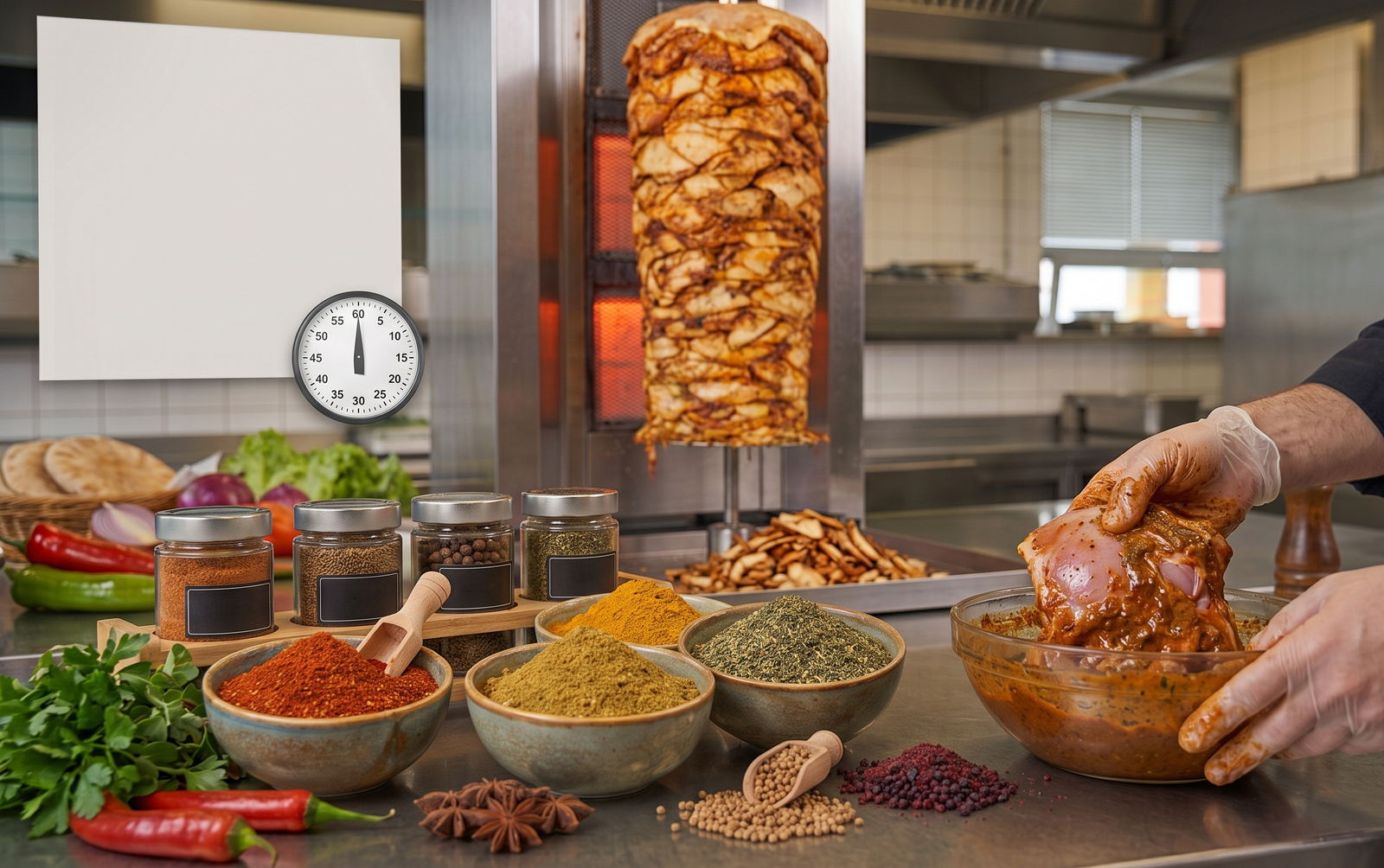 Döner Meat Marinade: Marinating Time and Professional Preparation → Optimal Preparation for Maximum Flavor and TendernessRead more
Döner kebab is famous worldwide for its juicy, flavorful meat, and the key to its perfection lies in the marinade and...
-
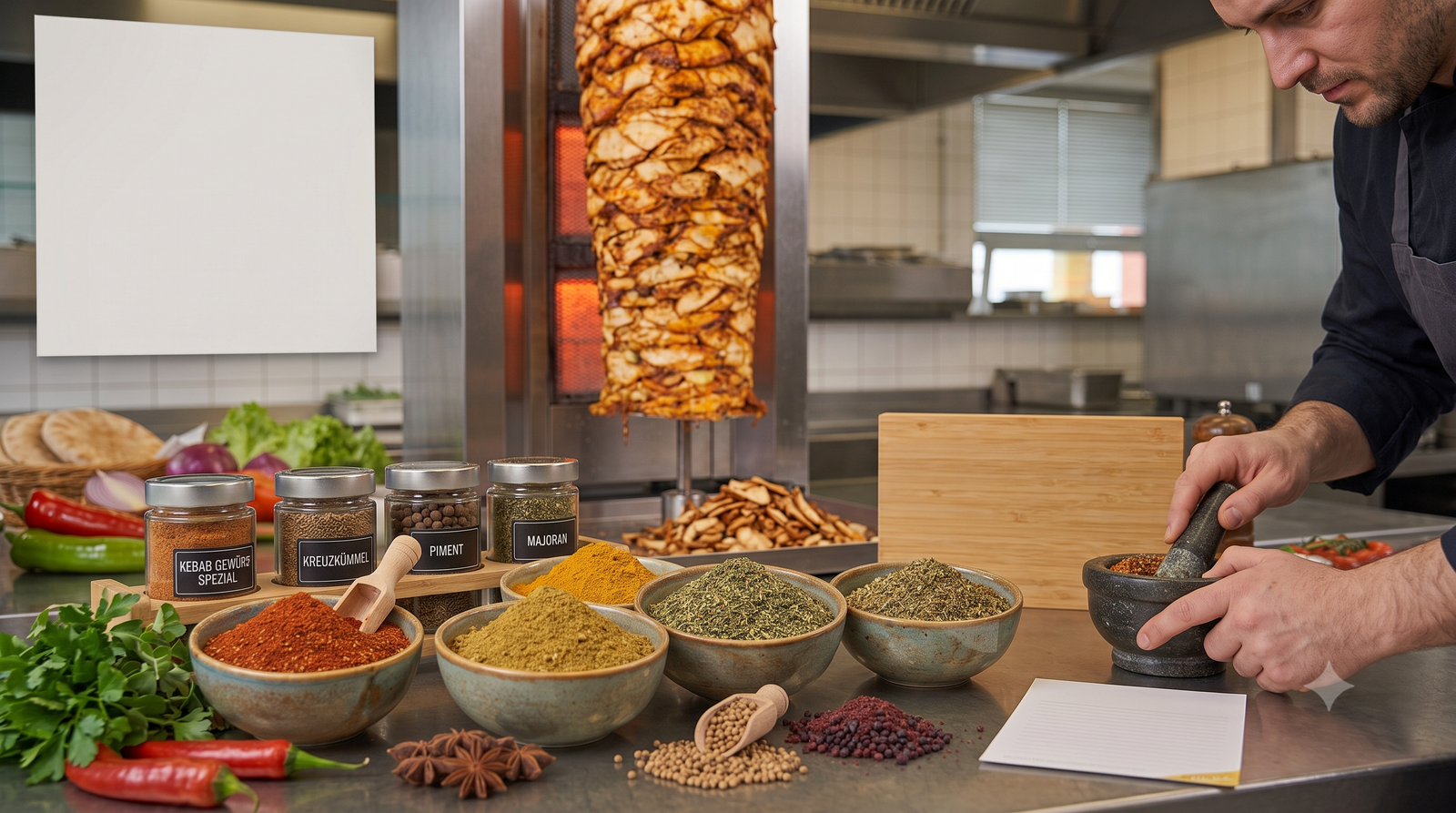 Making Your Own Döner Spice Mix: Recipes for the Gastronomy Industry → In-House Production for Better Flavor Control and Cost EfficiencyRead more
Döner kebab is a global favorite, and the secret to its irresistible flavor lies in the spice mix used to season the...
-
 The Ultimate Guide: Pizza Vending Machines – Earnings, Costs & Experiences in the 24/7Read more
More and more restaurateurs and resourceful entrepreneurs are discovering the enormous potential of pizza vending...
-
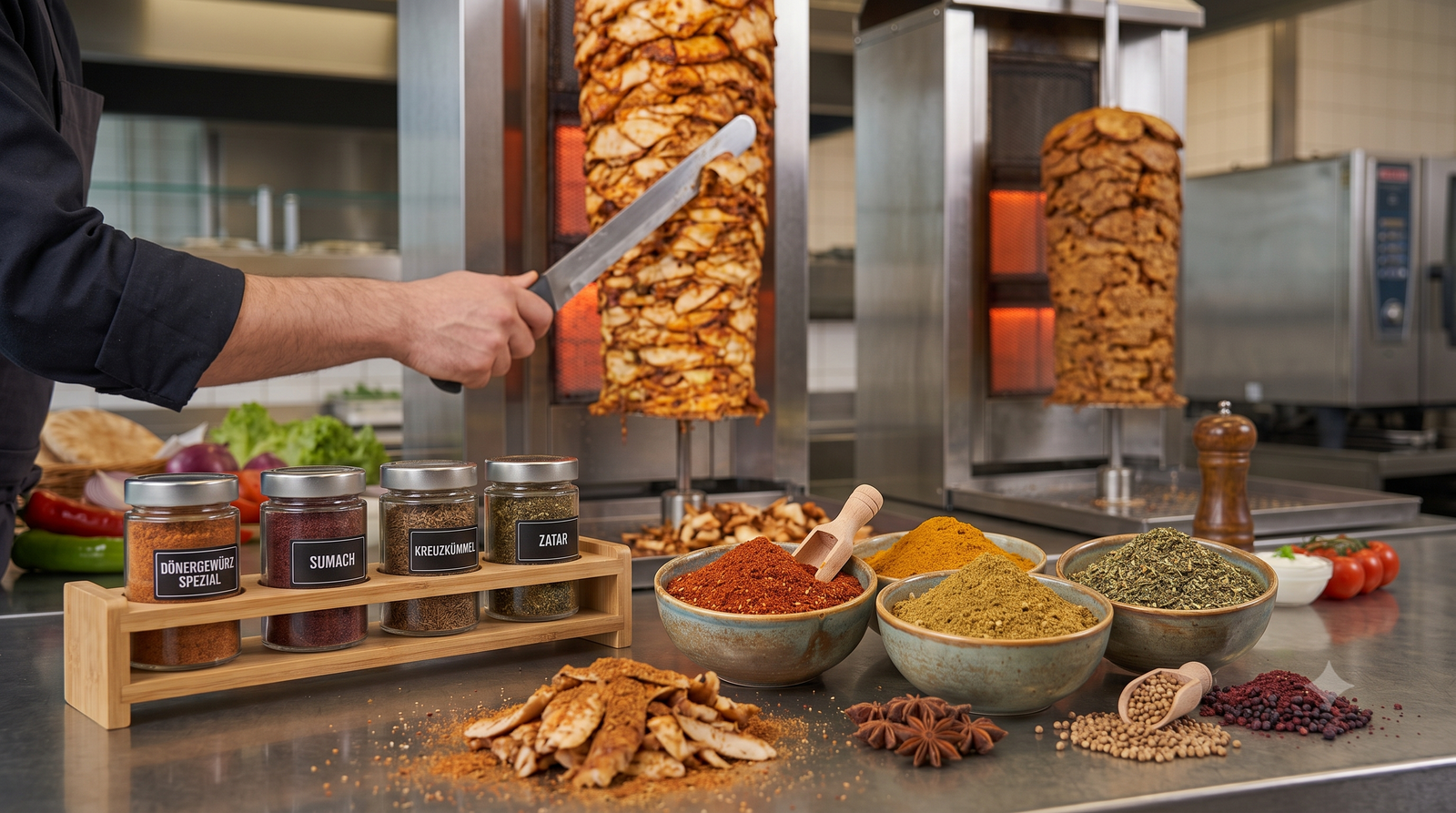 Professional Döner Meat Seasoning: Recipe & Spice Blend → Authentic Mixes for Consistent QualityRead more
Döner kebab is a global favorite, celebrated for its juicy, flavorful meat and aromatic spices. Achieving authentic...
Blog categories
Search in blog
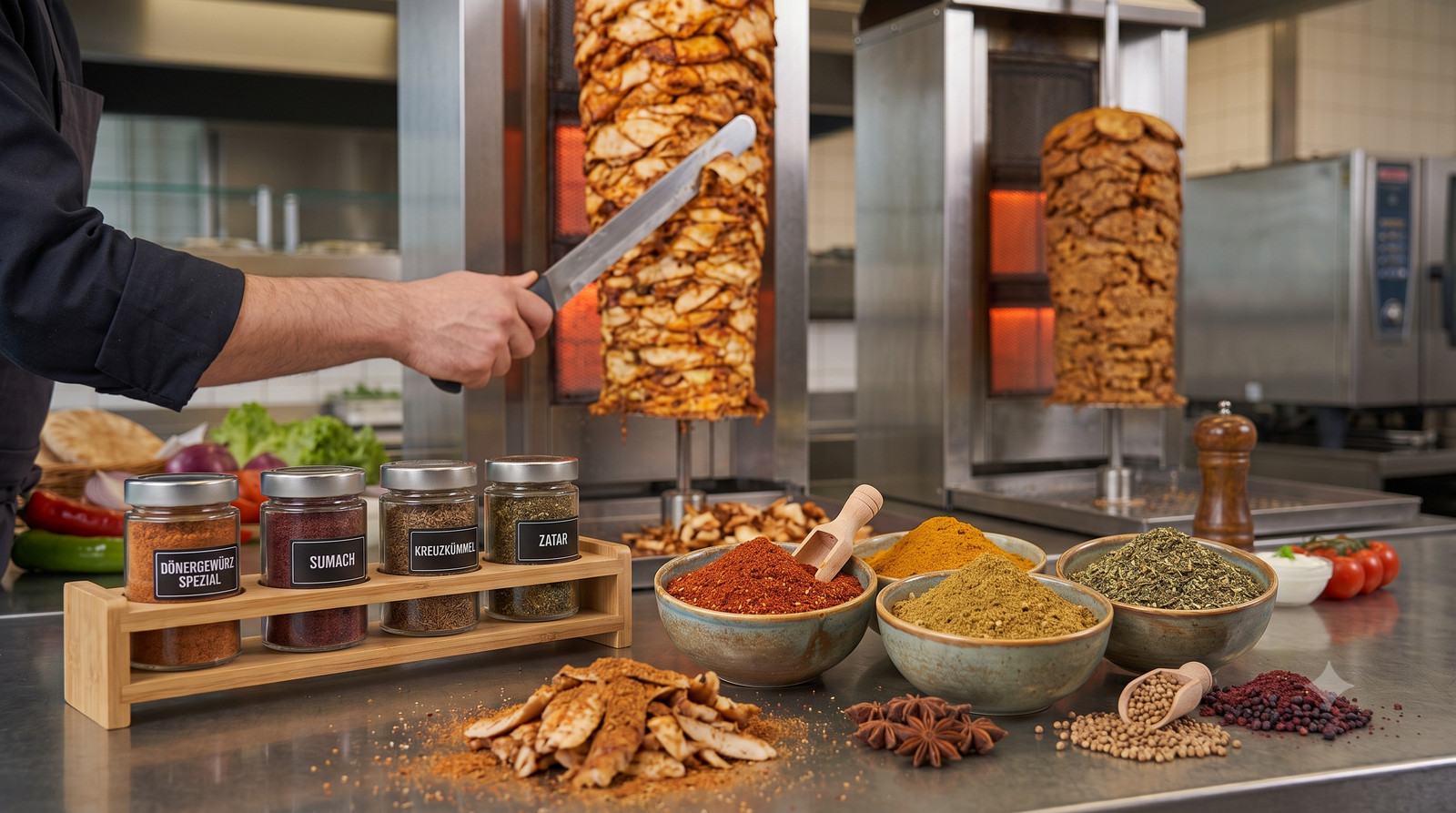
Professional Döner Meat Seasoning: Recipe & Spice Blend → Authentic Mixes for Consistent Quality
Professional Döner Meat Seasoning: Recipe & Spice Blend → Authentic Mixes for Consistent Quality
Döner kebab is a beloved street food around the world, known for its succulent, flavorful meat and aromatic spices. Whether you’re a professional chef, a restaurant owner, or an enthusiastic home cook, mastering the art of seasoning Döner meat is essential to delivering an authentic and consistent taste experience.
Why Seasoning Matters in Döner Meat
Döner meat is traditionally made from lamb, beef, or chicken, thinly sliced and stacked on a vertical rotisserie. The magic lies not only in the cooking method but also in the seasoning. A well-crafted spice blend enhances the meat’s natural flavors, adds depth, and creates the signature taste that Döner lovers crave.
Professional seasoning ensures that every slice of meat delivers the same rich, balanced flavor, crucial for customer satisfaction and brand consistency. This blog post will guide you through authentic Döner spice blends, seasoning techniques, and tips to maintain quality across batches.
Understanding the Basics: Key Spices in Döner Seasoning
The foundation of Döner seasoning is a harmonious blend of spices that complement the meat’s texture and flavor. Here are the most common ingredients found in authentic Döner spice mixes:
- Cumin: Adds a warm, earthy aroma and slightly nutty flavor.
- Paprika: Provides color and a mild sweetness; smoked paprika can add depth.
- Coriander: Offers a citrusy, slightly sweet note.
- Garlic powder: Enhances savory flavors and adds pungency.
- Onion powder: Adds sweetness and depth.
- Black pepper: Gives mild heat and sharpness.
- Oregano or Thyme: Adds herbal undertones.
- Chili flakes or cayenne pepper (optional): For a spicy kick.
- Salt: Essential for flavor enhancement and moisture retention.
Each spice plays a role in balancing the overall flavor profile. The exact proportions can vary depending on regional preferences and the type of meat used.
Professional Döner Meat Seasoning Recipe
Here is a classic Döner seasoning blend recipe designed for approximately 5 kg (11 lbs) of meat. You can scale it up or down depending on your batch size.
Ingredients:
- 3 tbsp ground cumin
- 3 tbsp sweet paprika
- 1 tbsp smoked paprika (optional)
- 2 tbsp ground coriander
- 2 tbsp garlic powder
- 2 tbsp onion powder
- 1 tbsp dried oregano or thyme
- 1 tbsp black pepper
- 1 tsp chili flakes (optional)
- 3 tbsp salt
- 2 tbsp ground allspice (optional, for warmth)
Instructions:
- Combine all dry spices thoroughly in a bowl.
- Ensure the meat is properly trimmed and cut into thin slices or minced, depending on your Döner preparation method.
- Evenly rub the spice blend into the meat, making sure every piece is coated.
- For best results, marinate the seasoned meat in the refrigerator for at least 12 hours, preferably 24 hours, to allow the flavors to penetrate deeply.
- Stack the meat on the vertical rotisserie and cook as usual.
Tips for Consistent Quality in Döner Seasoning
Consistency is key when running a professional kitchen or food business. Here are some tips to maintain the same great taste every time:
- Use high-quality spices: Fresh, whole spices ground just before use offer better aroma and flavor than pre-ground, old spices.
- Standardize measurements: Use precise scales and measuring spoons to ensure the exact proportions.
- Batch preparation: Prepare large batches of the spice mix and store them in airtight containers away from light and heat.
- Marination time: Stick to consistent marination times to allow the meat to absorb the flavors properly.
- Moisture control: Avoid excess moisture on meat before seasoning to help the spices adhere better.
- Regular taste testing: Conduct regular sensory evaluations to detect any deviations in flavor.
Variations for Different Meat Types
While the base seasoning remains similar, slight adjustments can optimize the flavor for different meats:
- Lamb Döner: Emphasize warm spices like allspice and cumin; add a touch of cinnamon for complexity.
- Beef Döner: Use a balanced mix of cumin, coriander, and paprika; consider adding a little smoked paprika for a deeper flavor.
- Chicken Döner: Use lighter seasoning with more paprika and garlic; reduce stronger spices like allspice.
Authentic Regional Influences
Döner originated in Turkey, but its popularity has led to many regional adaptations. Here are some examples of how seasoning varies:
- Turkish Döner: Focus on cumin, paprika, and oregano with a balance of garlic and onion powders.
- German Döner: Often includes additional herbs like marjoram and sometimes a hint of nutmeg.
- Middle Eastern Variants: May incorporate sumac, cinnamon, or cardamom for unique flavor twists.
Understanding these nuances can help you tailor your seasoning to your target audience.
How to Store and Handle Döner Spice Mixes
Proper storage of your spice blends is crucial for maintaining potency and freshness:
- Use airtight containers: Glass jars with tight lids or sealed plastic containers work well.
- Keep away from light and heat: Store spices in a cool, dark place to prevent degradation.
- Label and date: Mark your containers with preparation dates and batch numbers for inventory control.
- Small batches: Prepare smaller quantities more frequently to ensure freshness.
Additional Flavor Enhancers for Döner Meat
Beyond the dry spice mix, some professional kitchens incorporate other ingredients to elevate flavor and tenderness:
- Yogurt or buttermilk marinade: Adds moisture and tenderizes the meat.
- Lemon juice or vinegar: Introduces acidity that brightens flavors.
- Olive oil: Helps spices adhere and adds richness.
- Fresh herbs: Parsley or mint can be added post-cooking for fresh notes.
Experimenting with these can help you create a unique signature Döner flavor.
Common Mistakes to Avoid When Seasoning Döner Meat
Even professionals can slip up. Here are pitfalls to watch out for:
- Over-salting: Salt enhances flavor but too much can overpower and dry out the meat.
- Uneven seasoning: Inadequate mixing or rubbing can lead to inconsistent taste.
- Using stale spices: Old spices lose aroma and potency, resulting in bland meat.
- Skipping marination: Without time to rest, the meat won’t absorb flavors fully.
- Ignoring meat quality: No seasoning can fix poor-quality or improperly handled meat.
Conclusion: Mastering the Art of Döner Meat Seasoning
Seasoning Döner meat professionally requires a balance of authentic spice blends, precise technique, and quality ingredients. By understanding the role of each spice, standardizing your recipe, and respecting the marination process, you can consistently deliver Döner meat with rich, authentic flavor that keeps customers coming back.
Whether you’re preparing lamb, beef, or chicken Döner, the right seasoning mix is your secret weapon. Use this guide as a foundation and feel free to adjust according to your taste preferences and regional influences. With practice and attention to detail, your Döner meat will stand out as a delicious, memorable experience.
Happy cooking and enjoy the flavorful journey of Döner seasoning!
Related posts
-
 More Than Just Fast Food - All You Need to Know
System Gastronomy: Learn more about this exciting business model. From Fast Food to Casual Dining - we explain...Read more
More Than Just Fast Food - All You Need to Know
System Gastronomy: Learn more about this exciting business model. From Fast Food to Casual Dining - we explain...Read more -
 The 10 Most Expensive Restaurants in the World
When it comes to fine dining and luxurious culinary experiences, some restaurants around the globe capture attention...Read more
The 10 Most Expensive Restaurants in the World
When it comes to fine dining and luxurious culinary experiences, some restaurants around the globe capture attention...Read more -
 Which Restaurant Makes the Most Revenue? A Deep Dive into the World of Gastronomy
Who are the revenue giants in the gastronomy industry? We reveal the top players and analyze why they are so...Read more
Which Restaurant Makes the Most Revenue? A Deep Dive into the World of Gastronomy
Who are the revenue giants in the gastronomy industry? We reveal the top players and analyze why they are so...Read more -
 Boost Your Restaurant's Revenue with Pergolas and Louvered Roofs
Ever wondered how to make your restaurant more appealing and increase your sales? The answer might be simpler than...Read more
Boost Your Restaurant's Revenue with Pergolas and Louvered Roofs
Ever wondered how to make your restaurant more appealing and increase your sales? The answer might be simpler than...Read more -
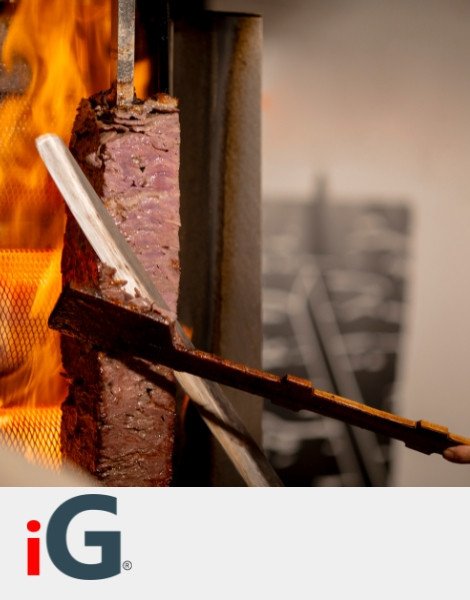 The World of Döner: From Traditional Recipes to the Best Döner Spots Worldwide
Learn how to make authentic Yaprak Döner, discover the best döner spots in Germany and worldwide, and explore the...Read more
The World of Döner: From Traditional Recipes to the Best Döner Spots Worldwide
Learn how to make authentic Yaprak Döner, discover the best döner spots in Germany and worldwide, and explore the...Read more
Leave a comment