
 Deutsch
 Türkçe
 Italiano

.jpg)
.jpg)
.jpg)
.jpg)
.jpg)
.jpg)
.jpg)
.jpg)
.jpg)
.jpg)

.jpg)

.jpg)
.jpg)
.jpg)
.jpg)
.jpg)
.jpg)
.jpg)
.jpg)
.jpg)
.jpg)



.jpg)
.jpg)
.jpg)
.jpg)
.jpg)
.jpg)
.jpg)
.jpg)
.jpg)



.jpg)
.jpg)

.jpg)
.jpg)
.jpg)
.jpg)


.jpg)

.png)
.jpg)
.jpg)
 (200 x 136 px) (5).png)
.png)

Döner meat is a popular and delicious dish, but it’s also highly perishable. Proper storage is key to maintaining its...
-
 Cooking Appliances
add remove
Cooking Appliances
add remove -
-
Pizza & Grill
add remove
-
-
Refrigeration
add remove
-
-
Combi Steamer
add remove
-
-
Kitchen Appliances
add remove
-
-
Rinsing & Cleaning
add remove
-
-
Retail Refrigeration
add remove
-
-
Cafe & Ice Cream
add remove
-
-
Smart-Gastro
add remove
-
-
Event- & Cateringmöbel
-
Cooking Appliances
add remove
-
-
Pizza & Grill
add remove
-
-
Refrigeration
add remove
-
-
Combi Steamer
add remove
-
-
Kitchen Appliances
add remove
-
-
Rinsing & Cleaning
add remove
-
-
Retail Refrigeration
add remove
-
-
Cafe & Ice Cream
add remove
-
-
Smart-Gastro
add remove
-
-
Event- & Cateringmöbel


Call us:
+49 (0) 6135 7040 450Latest posts
-
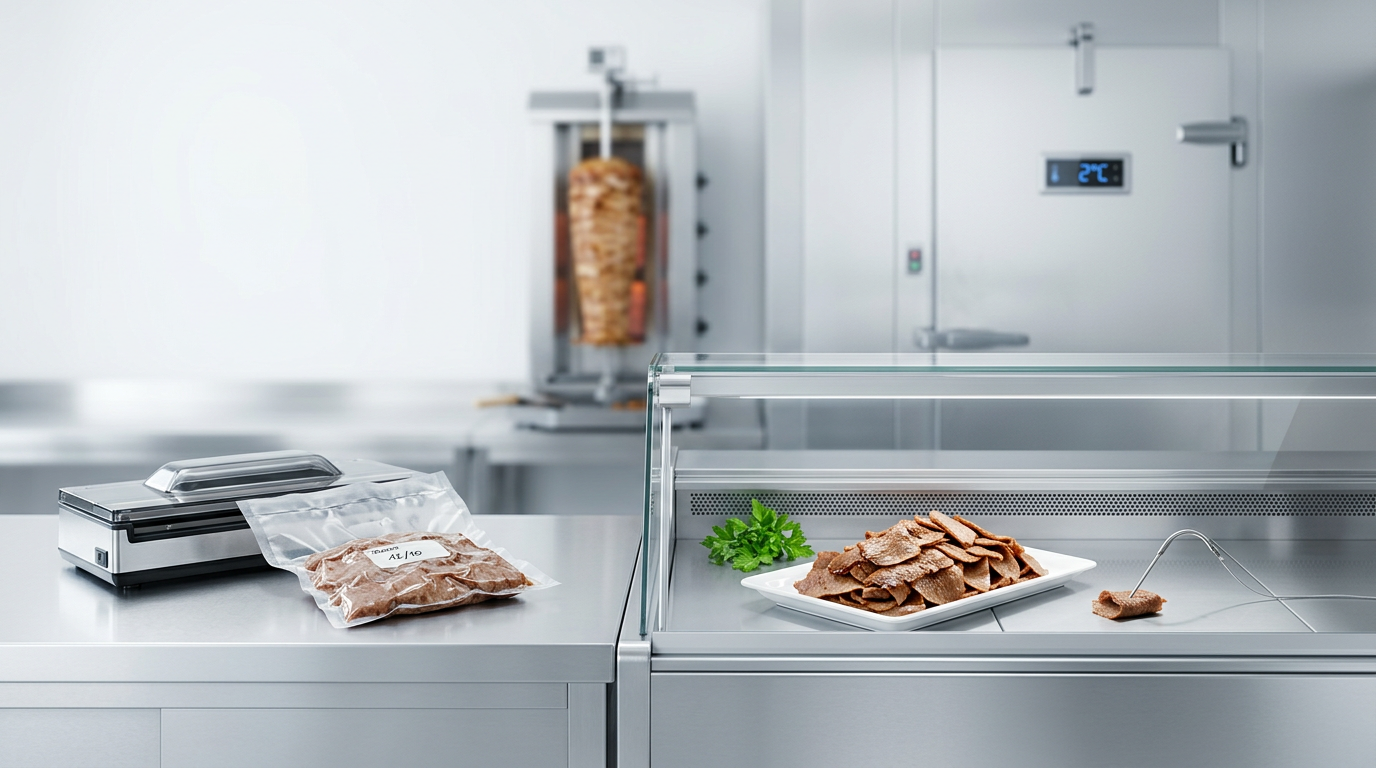 Shelf Life of Döner Meat: Cooling, Freezing & Fresh Counter Storage – Proper Handling to Prevent Food WasteRead more
 -
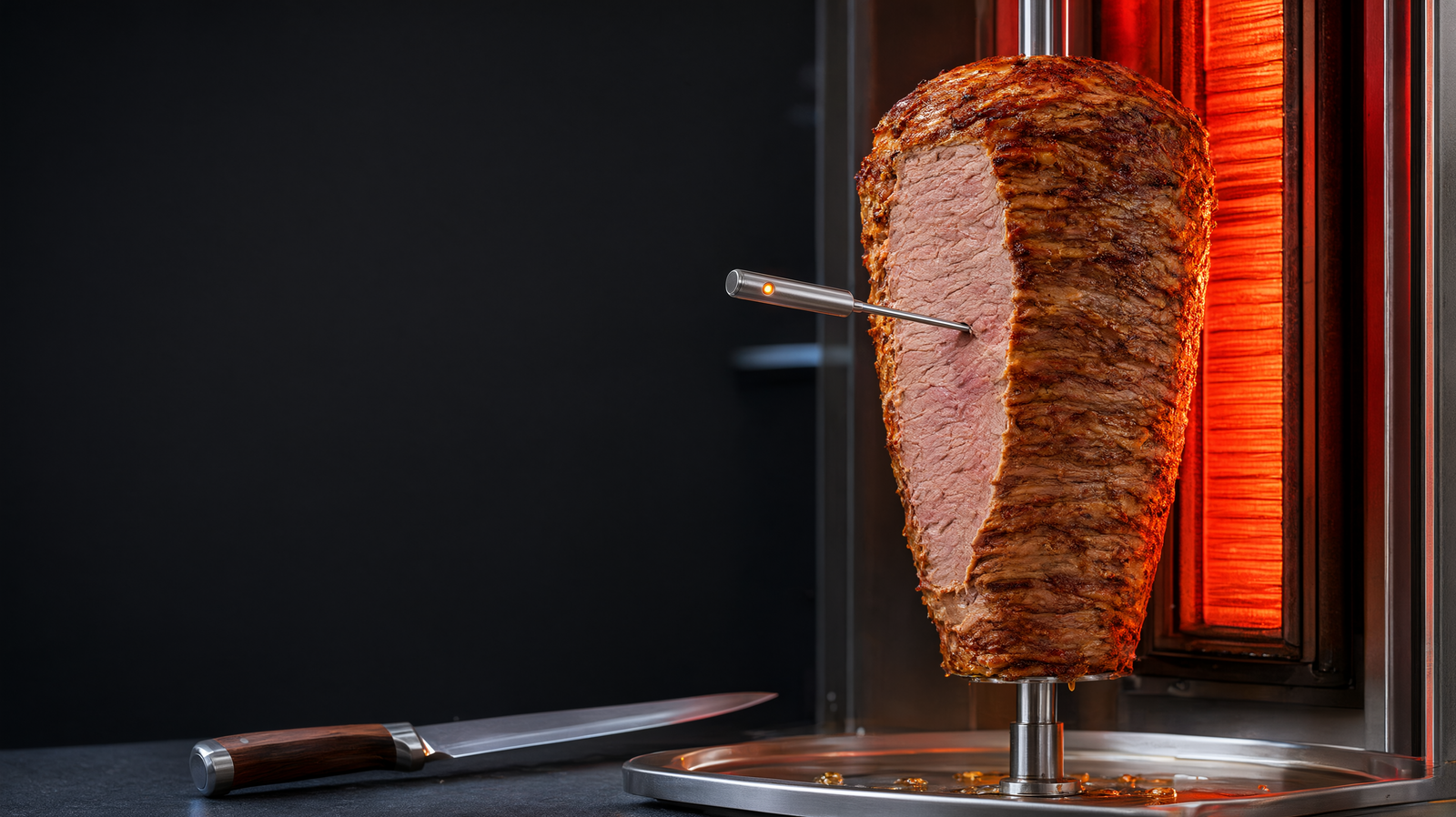 How Long Does a Döner Kebab Spit Last on the Grill? → Stand Times, Core Temperature, and Replenishment Planning in BusinessRead more
The Döner kebab spit is a cornerstone of many street food businesses, but managing how long it stays on the grill is...
-
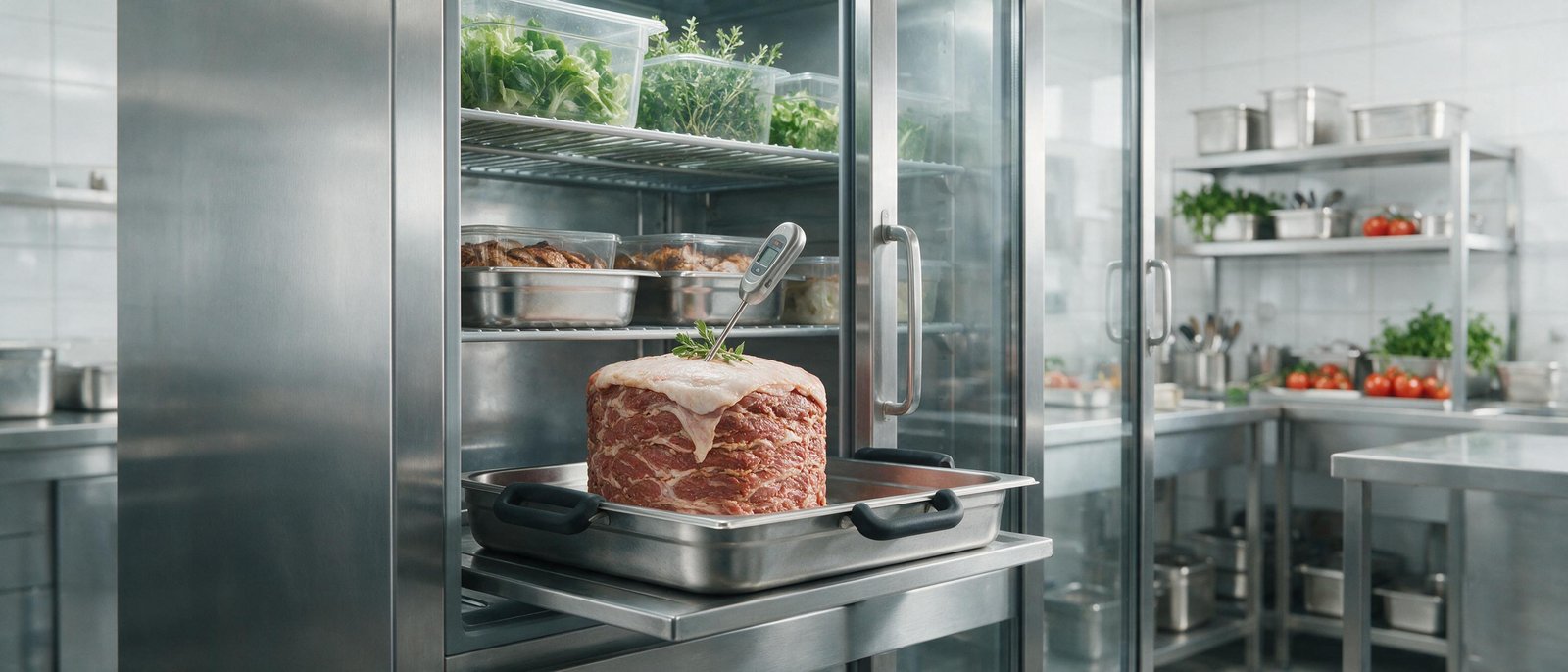 Proper Storage of Döner Meat: Regulations & Food Safety → HACCP-Compliant Storage According to German Food Hygiene RegulationsRead more
Döner meat is a popular and perishable food product that requires careful storage to maintain its safety and quality....
-
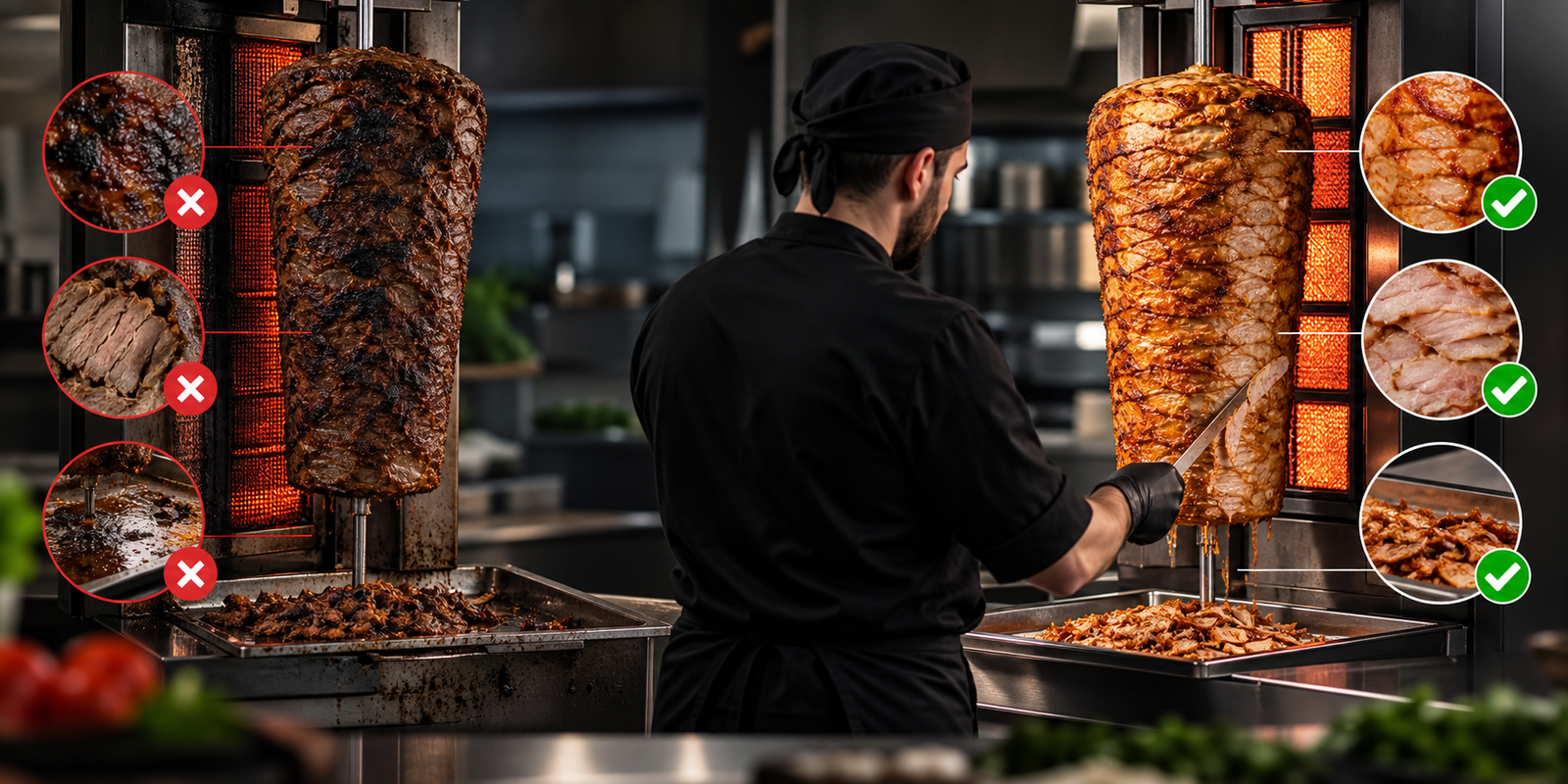 Common Mistakes When Grilling Döner – And How to Avoid Them: Identifying and Fixing Typical Preparation Errors in the Gastronomy IndustryRead more
The Döner kebab is a globally loved dish, but many gastronomy professionals struggle with common mistakes during its...
-
 What Makes Good Döner Meat So Tender and Flavorful? → Quality Characteristics and Preparation Techniques for RestaurateursRead more
Döner kebab is famous worldwide for its tender, juicy, and flavorful meat. But what exactly makes Döner meat so...
-
 How to Slice Döner Meat Perfectly: Professional Techniques with Döner Knives and Electric SlicersRead more
Döner kebab is renowned for its thin, juicy slices of meat cooked on a vertical spit. Achieving perfect slices...
-
 Döner Meat Marinade: Marinating Time and Professional Preparation → Optimal Preparation for Maximum Flavor and TendernessRead more
Döner kebab is famous worldwide for its juicy, flavorful meat, and the key to its perfection lies in the marinade and...
-
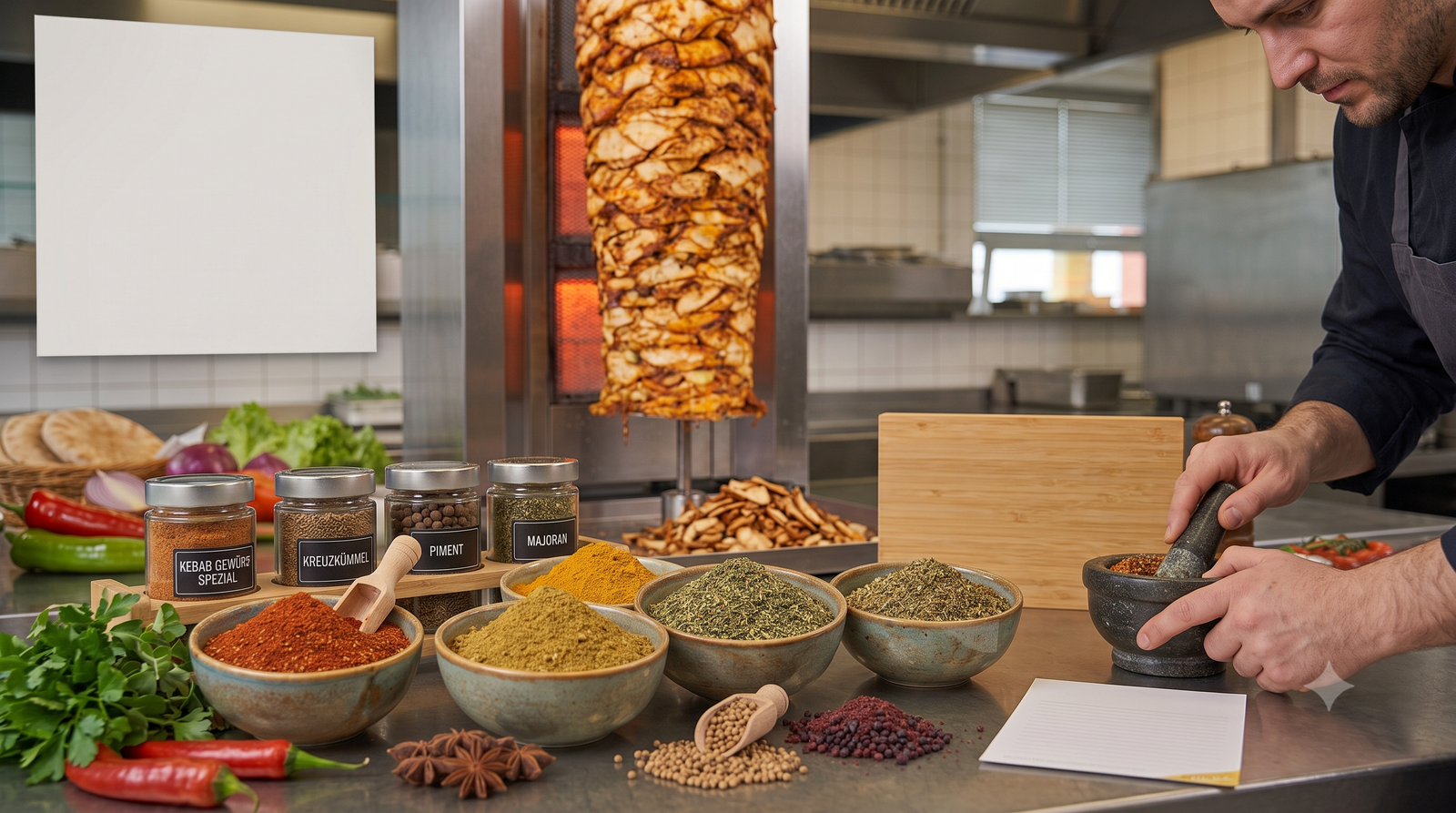 Making Your Own Döner Spice Mix: Recipes for the Gastronomy Industry → In-House Production for Better Flavor Control and Cost EfficiencyRead more
Döner kebab is a global favorite, and the secret to its irresistible flavor lies in the spice mix used to season the...
-
 The Ultimate Guide: Pizza Vending Machines – Earnings, Costs & Experiences in the 24/7Read more
More and more restaurateurs and resourceful entrepreneurs are discovering the enormous potential of pizza vending...
-
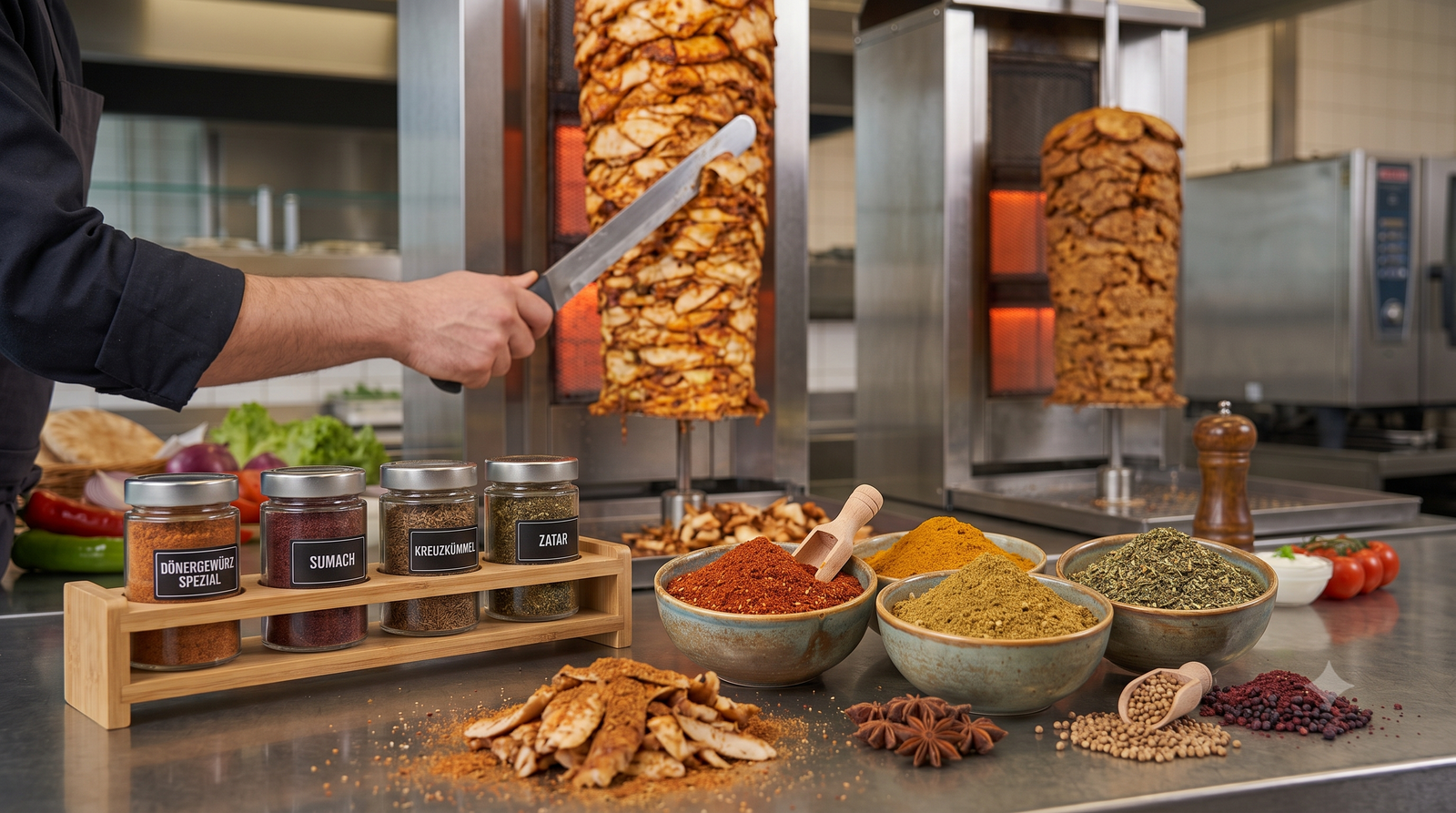 Professional Döner Meat Seasoning: Recipe & Spice Blend → Authentic Mixes for Consistent QualityRead more
Döner kebab is a global favorite, celebrated for its juicy, flavorful meat and aromatic spices. Achieving authentic...
Blog categories
Search in blog
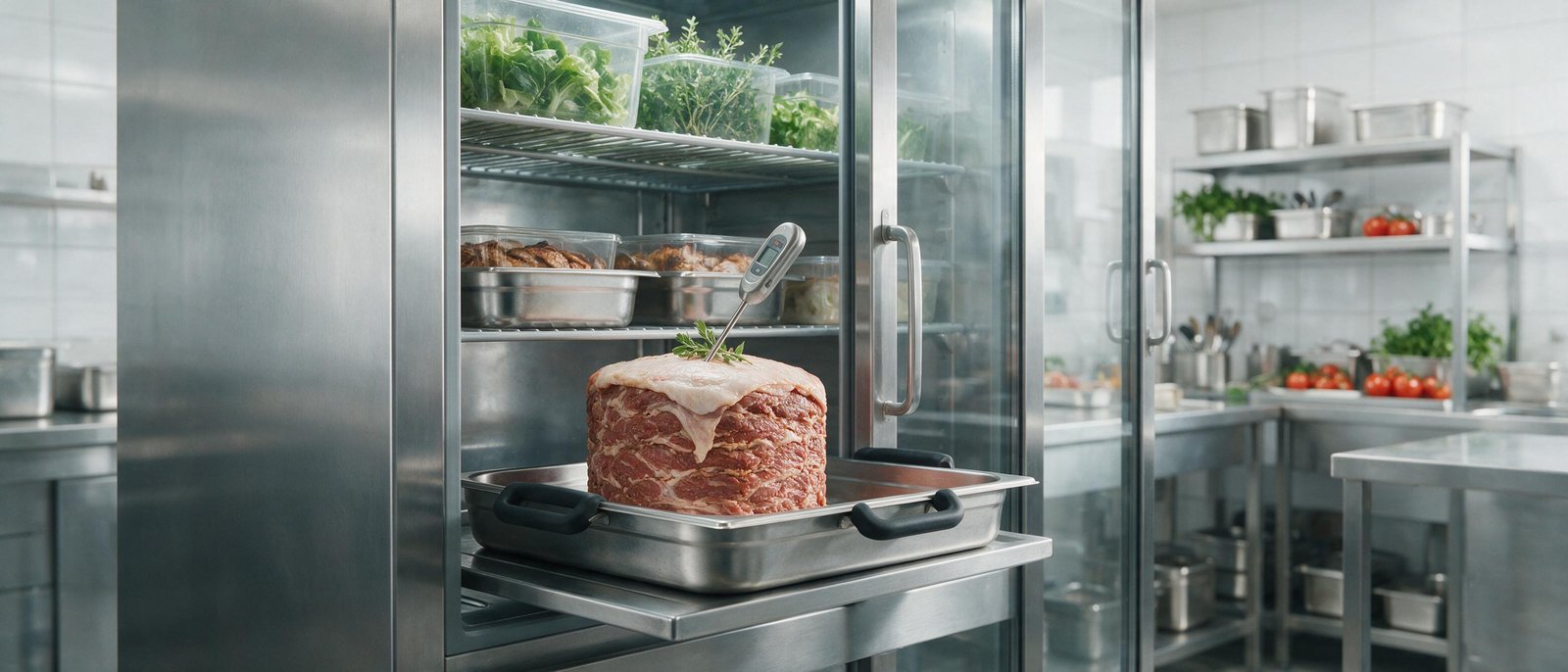
Proper Storage of Döner Meat: Regulations & Food Safety → HACCP-Compliant Storage According to German Food Hygiene Regulations
Proper Storage of Döner Meat: Regulations & Food Safety → HACCP-Compliant Storage According to German Food Hygiene Regulations
Döner kebab is one of the most beloved fast foods in Germany and beyond, enjoyed by millions for its savory flavors and convenience. However, behind the scenes of this popular dish lies a critical aspect that ensures every bite is safe and delicious: the proper storage of Döner meat. In this comprehensive guide, we will explore the essential regulations and best practices for storing Döner meat according to German food hygiene laws, focusing on HACCP-compliant procedures that guarantee food safety and quality.
Understanding Döner Meat and Its Storage Challenges
Döner meat typically consists of seasoned slices of lamb, beef, or chicken, stacked on a vertical rotisserie. The meat is cooked slowly as it rotates, and thin slices are shaved off to prepare the dish. Because Döner meat is a perishable product rich in protein and moisture, it is highly susceptible to microbial growth if not stored correctly. Improper storage can lead to spoilage, foodborne illnesses, and legal penalties.
Therefore, adhering to strict storage guidelines is not just a regulatory requirement but also a crucial step in maintaining consumer trust and business reputation.
Legal Framework: German Food Hygiene Regulations and HACCP
In Germany, food safety and hygiene are governed primarily by the Lebensmittelhygieneverordnung (Food Hygiene Ordinance) and the European Union's food safety regulations. These laws mandate that food businesses implement effective measures to prevent contamination and ensure food safety.
One of the cornerstones of modern food safety management is the HACCP (Hazard Analysis and Critical Control Points) system. HACCP is a preventive approach that identifies potential hazards in food production and storage and establishes control measures to mitigate these risks.
For Döner meat storage, compliance with HACCP principles means controlling temperature, preventing cross-contamination, maintaining proper hygiene, and documenting all procedures.
Key HACCP Principles Relevant to Döner Meat Storage
- Hazard Analysis: Identify biological hazards such as pathogenic bacteria (e.g., Salmonella, Listeria), chemical hazards (cleaning agents), and physical hazards (metal fragments).
- Critical Control Points (CCPs): Determine stages where hazards can be controlled, such as refrigeration temperature and handling.
- Critical Limits: Set acceptable limits, e.g., storage temperature must be below 7°C for raw Döner meat.
- Monitoring: Regularly check temperatures and hygiene practices.
- Corrective Actions: Define steps to take if critical limits are breached.
- Verification: Confirm that the HACCP system works effectively through audits and testing.
- Documentation: Keep detailed records of procedures, monitoring, and corrective actions.
Temperature Control: The Heart of Döner Meat Storage
Temperature control is paramount in preventing the growth of harmful bacteria in Döner meat. According to German food hygiene regulations and HACCP guidelines:
- Raw Döner Meat Storage: Must be stored at temperatures between 0°C and 7°C. Ideally, refrigeration units should maintain a temperature of 4°C or lower to maximize safety.
- Cooked Meat Storage: After cooking, meat should be kept at a minimum of 60°C if held warm for serving or cooled rapidly and stored below 7°C if not served immediately.
- Freezing: For longer storage, Döner meat can be frozen at -18°C or below. Proper packaging is essential to prevent freezer burn and contamination.
Regular temperature monitoring should be conducted using calibrated thermometers, with records maintained as part of HACCP documentation.
Packaging and Storage Environment
Proper packaging protects Döner meat from contamination and dehydration. Vacuum-sealed packaging is highly recommended as it reduces oxygen exposure, slowing microbial growth and oxidation.
Storage areas must be clean, dry, and well-ventilated. Separate storage zones should be designated for raw and cooked meat to prevent cross-contamination. Surfaces and equipment must be sanitized regularly according to a documented cleaning schedule.
Preventing Cross-Contamination
Cross-contamination is a major risk factor in Döner meat storage. To minimize this risk:
- Use separate utensils, cutting boards, and storage containers for raw and cooked meat.
- Ensure staff follow strict handwashing protocols before handling food.
- Store raw meat below cooked or ready-to-eat products in refrigeration units to prevent drips.
- Maintain clear labeling of all stored meat to avoid mix-ups.
Cleaning and Hygiene Practices
Maintaining a hygienic environment is essential to prevent contamination and ensure food safety:
- Implement regular cleaning schedules for refrigerators, storage rooms, and equipment.
- Use approved cleaning agents and disinfectants suitable for food environments.
- Train staff on proper cleaning techniques and the importance of hygiene.
- Document all cleaning activities as part of HACCP records.
Traceability and Documentation
Traceability is a legal requirement and a vital component of HACCP systems. All Döner meat batches must be traceable back to their source, with clear records of delivery dates, storage conditions, and usage.
Documentation should include:
- Temperature logs for refrigeration and freezing units.
- Cleaning and sanitation records.
- Staff training records.
- Supplier certifications and delivery notes.
- Corrective action reports in case of deviations.
Staff Training and Responsibilities
Well-trained personnel are essential to the successful implementation of food safety standards. Training should cover:
- Hygiene practices and personal protective equipment (PPE).
- Proper handling and storage of Döner meat.
- Identification of hazards and CCPs.
- Emergency procedures in case of contamination or equipment failure.
Assign clear responsibilities to staff members to ensure accountability and smooth operation.
Common Mistakes to Avoid When Storing Döner Meat
Even with guidelines in place, mistakes can happen. Here are common pitfalls to avoid:
- Ignoring temperature fluctuations or failing to monitor storage units regularly.
- Storing raw and cooked meat together without separation.
- Improper thawing methods, such as leaving meat at room temperature.
- Using damaged or inappropriate packaging.
- Neglecting cleaning schedules or using unsuitable cleaning agents.
Summary: Best Practices for HACCP-Compliant Döner Meat Storage
- Maintain raw meat at 0–7°C and cooked meat either above 60°C or below 7°C.
- Use vacuum-sealed packaging and store meat in clean, designated areas.
- Prevent cross-contamination by segregating raw and cooked products and using separate tools.
- Implement rigorous cleaning and hygiene protocols.
- Keep detailed records of storage conditions, cleaning, and staff training.
- Train staff regularly on food safety and hygiene.
- Regularly audit and verify HACCP procedures to ensure compliance.
Conclusion
Proper storage of Döner meat is not only a legal obligation under German food hygiene regulations but also a fundamental aspect of delivering safe, high-quality food to consumers. By following HACCP-compliant storage practices, Döner vendors can minimize risks, prevent foodborne illnesses, and maintain the delicious taste that customers expect.
Investing time and resources into proper storage, staff training, and documentation pays off in customer satisfaction and business success. Whether you are a small Döner shop owner or part of a large food service operation, adhering to these guidelines ensures that every Döner served is a safe and enjoyable experience.
Stay informed, stay compliant, and keep your Döner meat fresh and safe!
Posted in:
Gyros | Dönergrills
Related posts
-
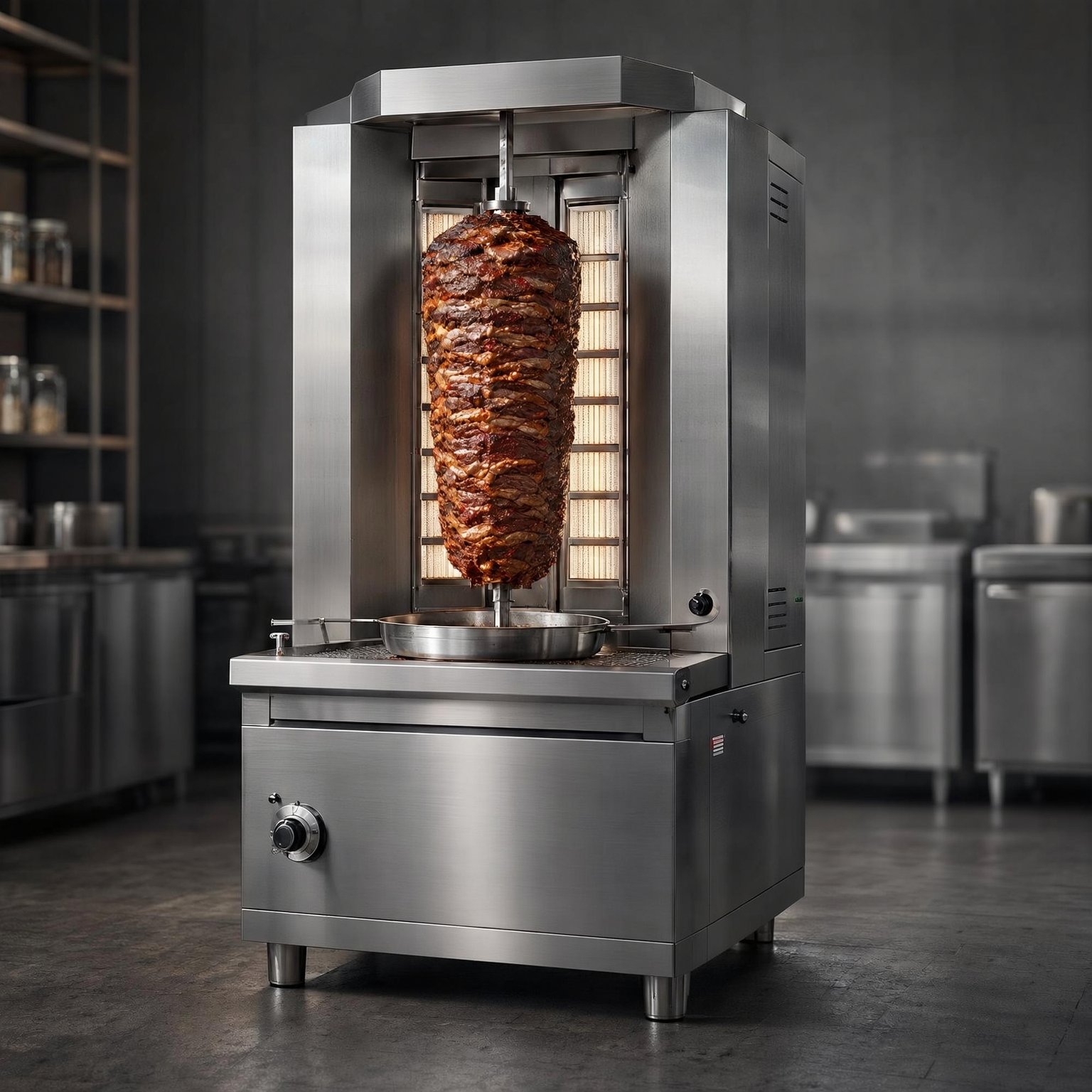 Buying a Commercial Döner Grill: Costs, Price Overview, and Budget Planning for Gastronomy Businesses
Investing in a commercial Döner grill is essential for gastronomy businesses serving Döner kebabs. The cost of these...Read more
Buying a Commercial Döner Grill: Costs, Price Overview, and Budget Planning for Gastronomy Businesses
Investing in a commercial Döner grill is essential for gastronomy businesses serving Döner kebabs. The cost of these...Read more -
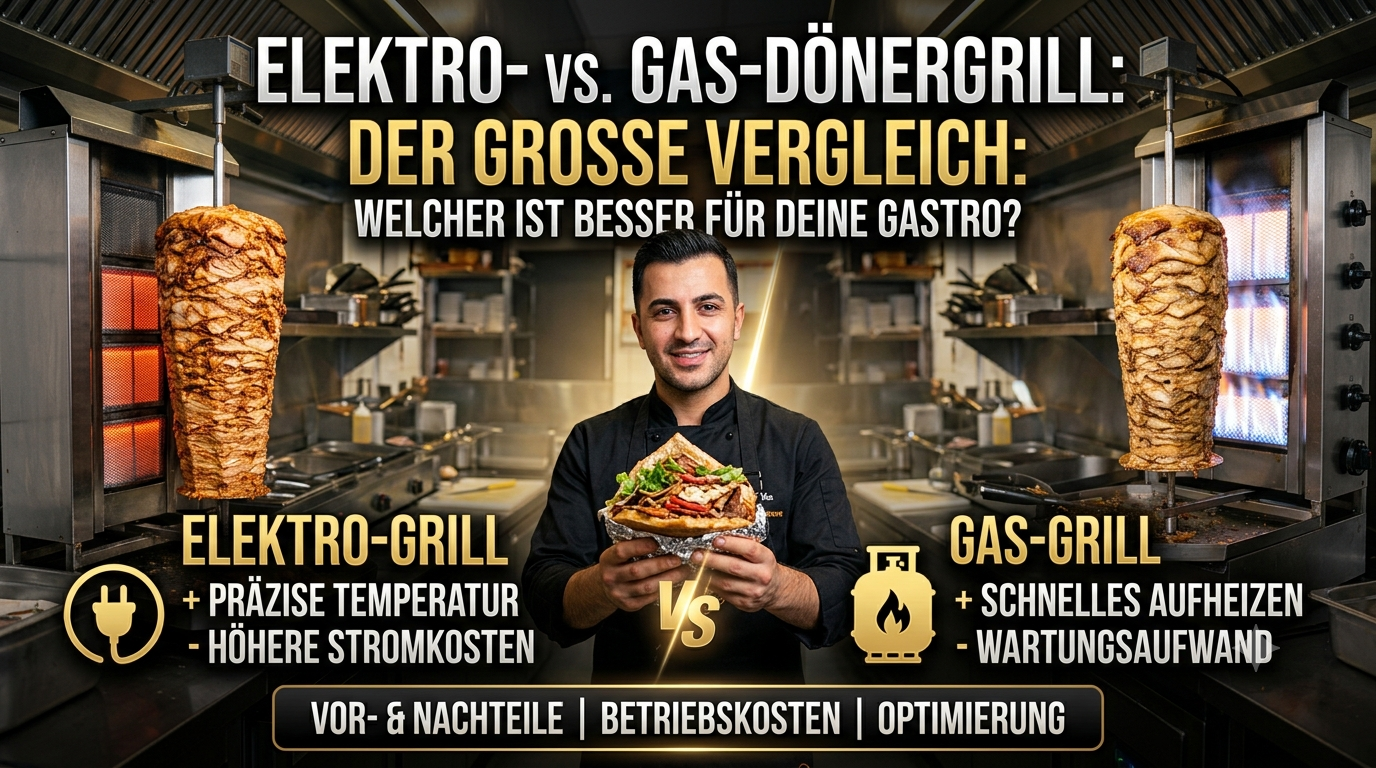 Electric vs. Gas Döner Grill: Which Is Better for the Gastronomy Industry? A Comprehensive Comparison for Snack Bars, Restaurants, and Catering
The choice between electric and gas Döner grills is a key decision for gastronomy professionals operating snack bars,...Read more
Electric vs. Gas Döner Grill: Which Is Better for the Gastronomy Industry? A Comprehensive Comparison for Snack Bars, Restaurants, and Catering
The choice between electric and gas Döner grills is a key decision for gastronomy professionals operating snack bars,...Read more -
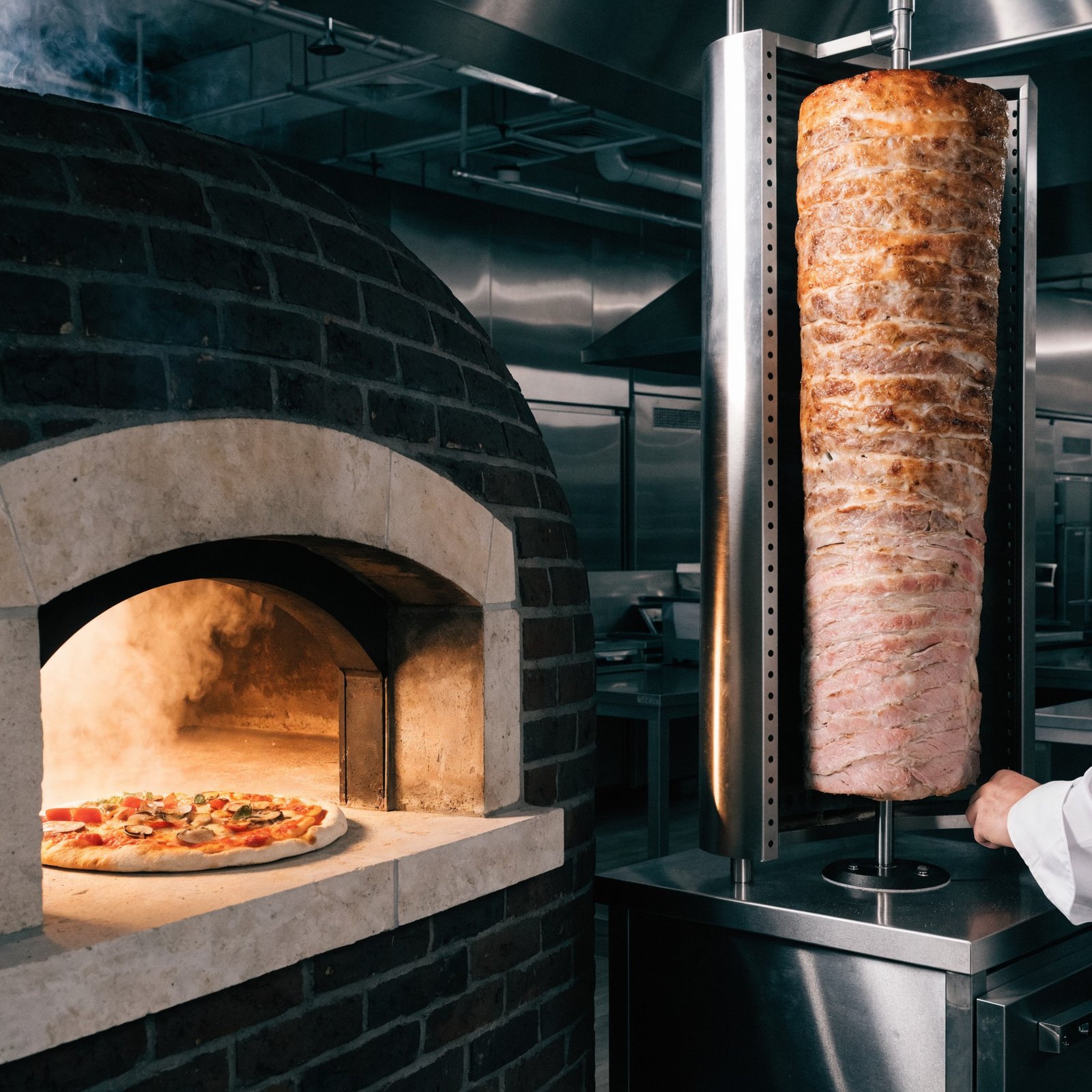 Pizza Oven or Döner Grill – Which Investment Is Worth It for Your Business? A Guide to Choosing the Right Equipment in Gastronomy
Deciding between a pizza oven and a döner grill is a crucial step for any gastronomy business. Both devices serve...Read more
Pizza Oven or Döner Grill – Which Investment Is Worth It for Your Business? A Guide to Choosing the Right Equipment in Gastronomy
Deciding between a pizza oven and a döner grill is a crucial step for any gastronomy business. Both devices serve...Read more -
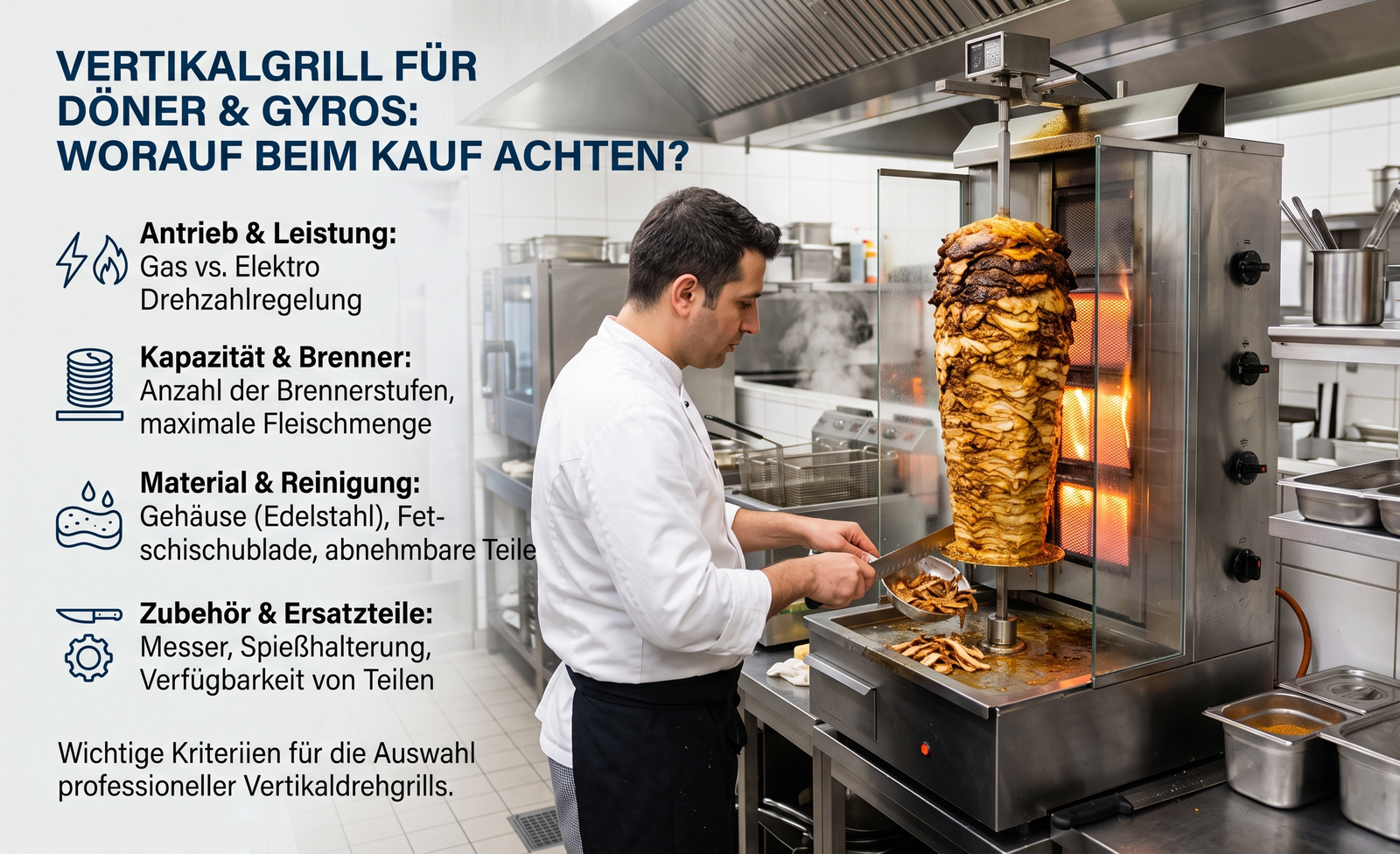 Vertical Grill for Döner & Gyros: Key Criteria for Choosing a Professional Vertical Rotisserie
A vertical grill, or vertical rotisserie, is essential for cooking Döner and Gyros meat evenly and deliciously....Read more
Vertical Grill for Döner & Gyros: Key Criteria for Choosing a Professional Vertical Rotisserie
A vertical grill, or vertical rotisserie, is essential for cooking Döner and Gyros meat evenly and deliciously....Read more -
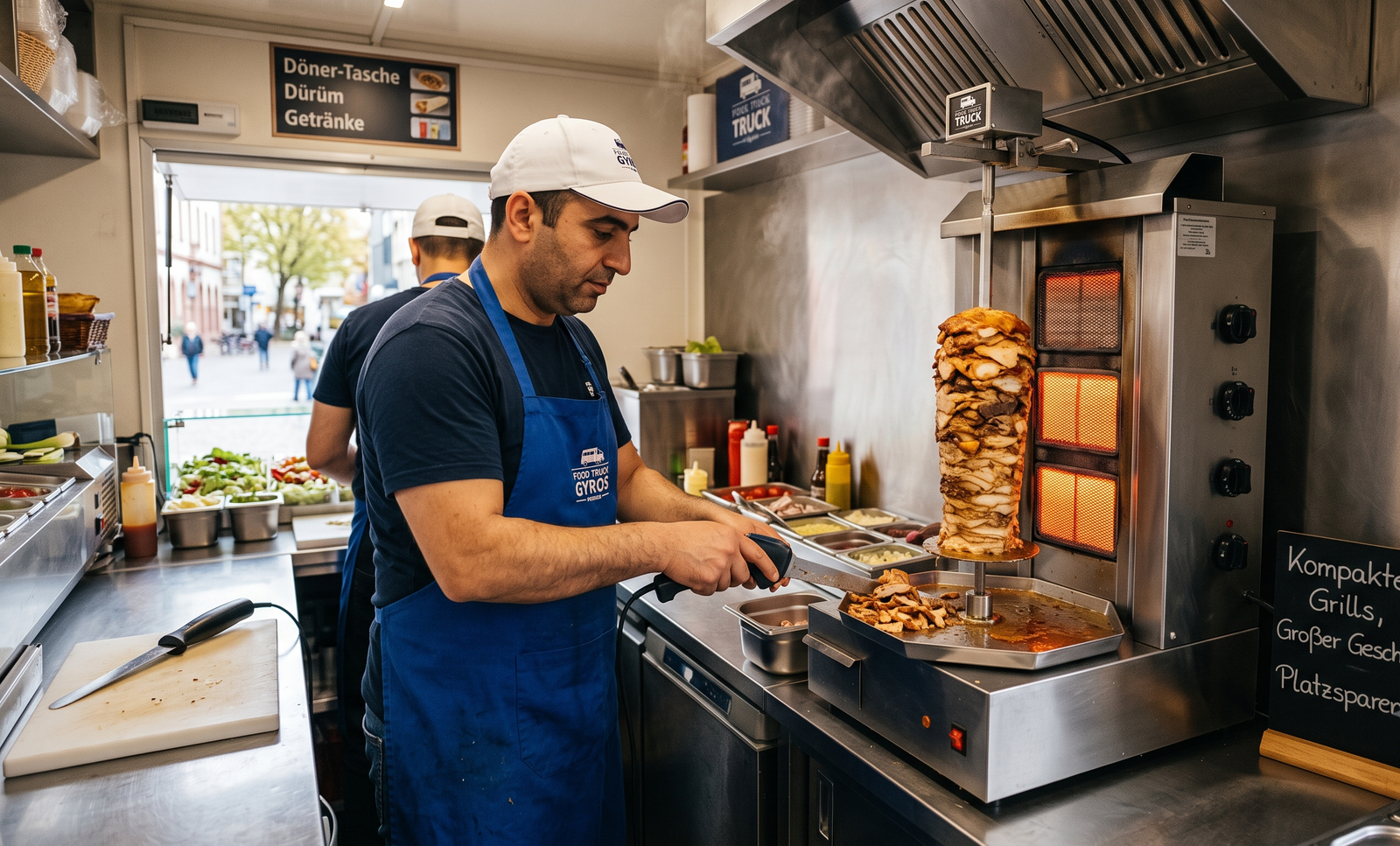 Compact Döner Grills for Small Snack Bars & Food Trucks → Space-Saving Solutions for Limited Spaces
Small snack bars and food trucks often struggle with limited space, making it challenging to accommodate large...Read more
Compact Döner Grills for Small Snack Bars & Food Trucks → Space-Saving Solutions for Limited Spaces
Small snack bars and food trucks often struggle with limited space, making it challenging to accommodate large...Read more
Leave a comment