
 Deutsch
 Türkçe
 Italiano

.jpg)
.jpg)
.jpg)
.jpg)
.jpg)
.jpg)
.jpg)
.jpg)
.jpg)
.jpg)

.jpg)

.jpg)
.jpg)
.jpg)
.jpg)
.jpg)
.jpg)
.jpg)
.jpg)
.jpg)
.jpg)



.jpg)
.jpg)
.jpg)
.jpg)
.jpg)
.jpg)
.jpg)
.jpg)
.jpg)



.jpg)
.jpg)

.jpg)
.jpg)
.jpg)
.jpg)


.jpg)

.png)
.jpg)
.jpg)
 (200 x 136 px) (5).png)
.png)

Döner meat is a popular and delicious dish, but it’s also highly perishable. Proper storage is key to maintaining its...
-
 Cooking Appliances
add remove
Cooking Appliances
add remove -
-
Pizza & Grill
add remove
-
-
Refrigeration
add remove
-
-
Combi Steamer
add remove
-
-
Kitchen Appliances
add remove
-
-
Rinsing & Cleaning
add remove
-
-
Retail Refrigeration
add remove
-
-
Cafe & Ice Cream
add remove
-
-
Smart-Gastro
add remove
-
-
Event- & Cateringmöbel
-
Cooking Appliances
add remove
-
-
Pizza & Grill
add remove
-
-
Refrigeration
add remove
-
-
Combi Steamer
add remove
-
-
Kitchen Appliances
add remove
-
-
Rinsing & Cleaning
add remove
-
-
Retail Refrigeration
add remove
-
-
Cafe & Ice Cream
add remove
-
-
Smart-Gastro
add remove
-
-
Event- & Cateringmöbel


Call us:
+49 (0) 6135 7040 450Latest posts
-
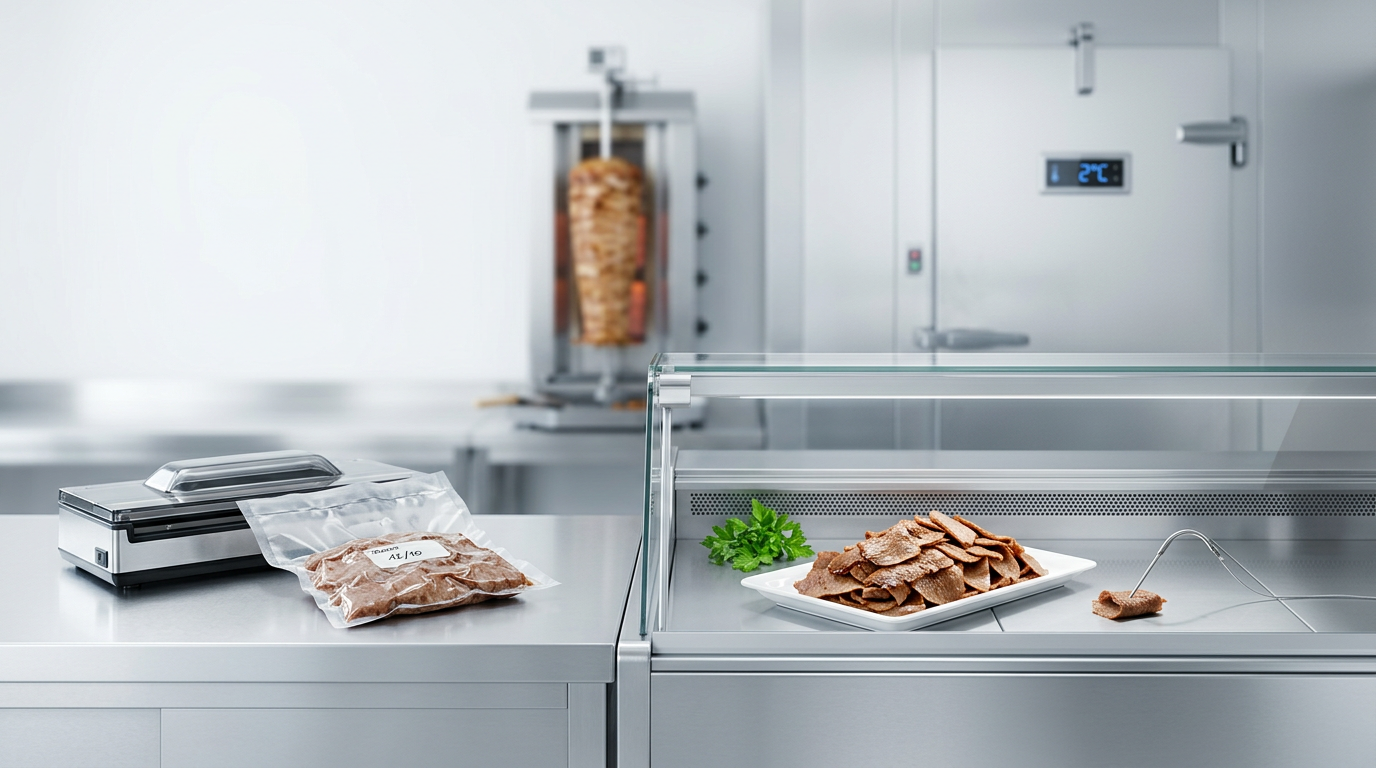 Shelf Life of Döner Meat: Cooling, Freezing & Fresh Counter Storage – Proper Handling to Prevent Food WasteRead more
 -
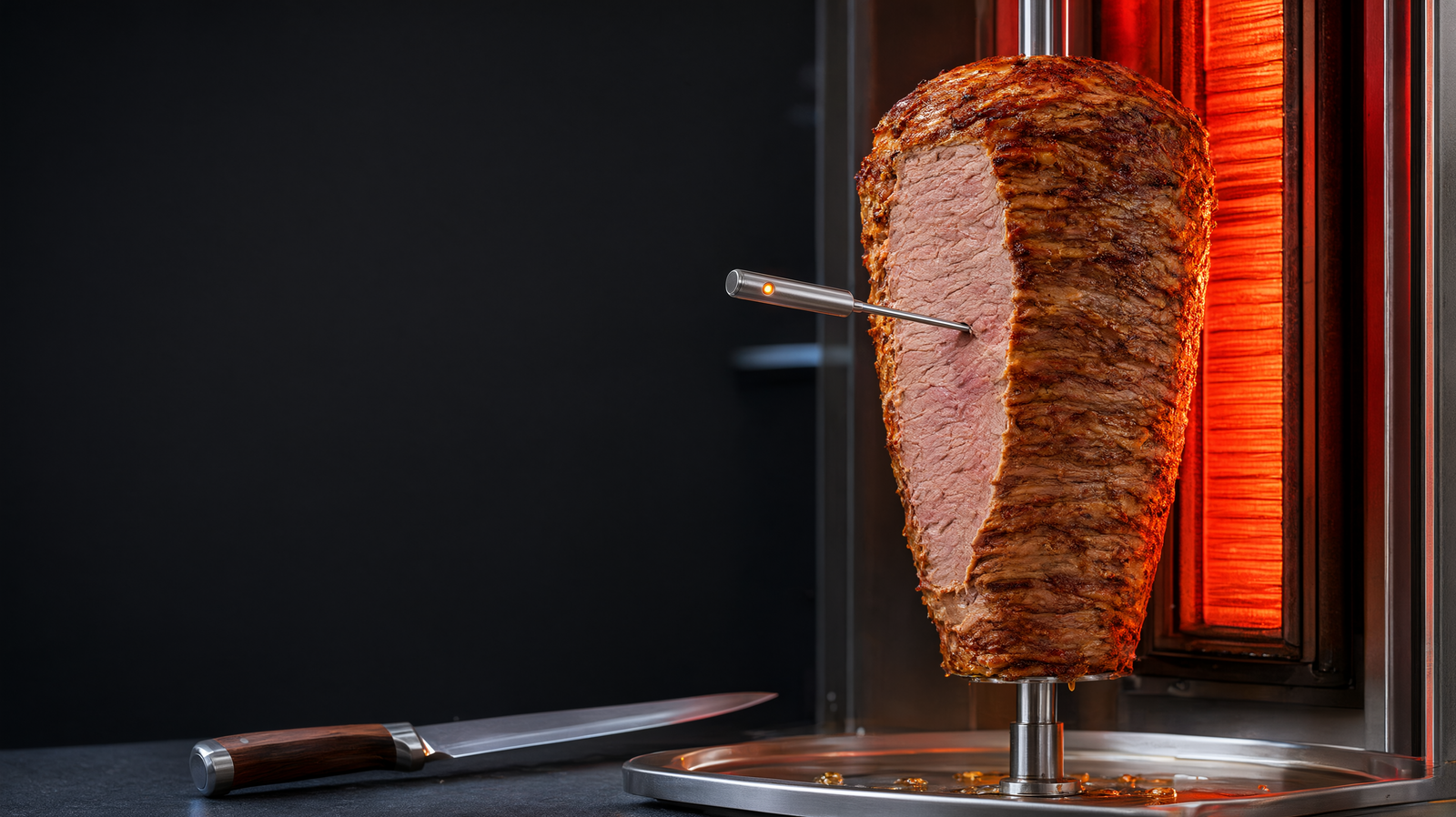 How Long Does a Döner Kebab Spit Last on the Grill? → Stand Times, Core Temperature, and Replenishment Planning in BusinessRead more
The Döner kebab spit is a cornerstone of many street food businesses, but managing how long it stays on the grill is...
-
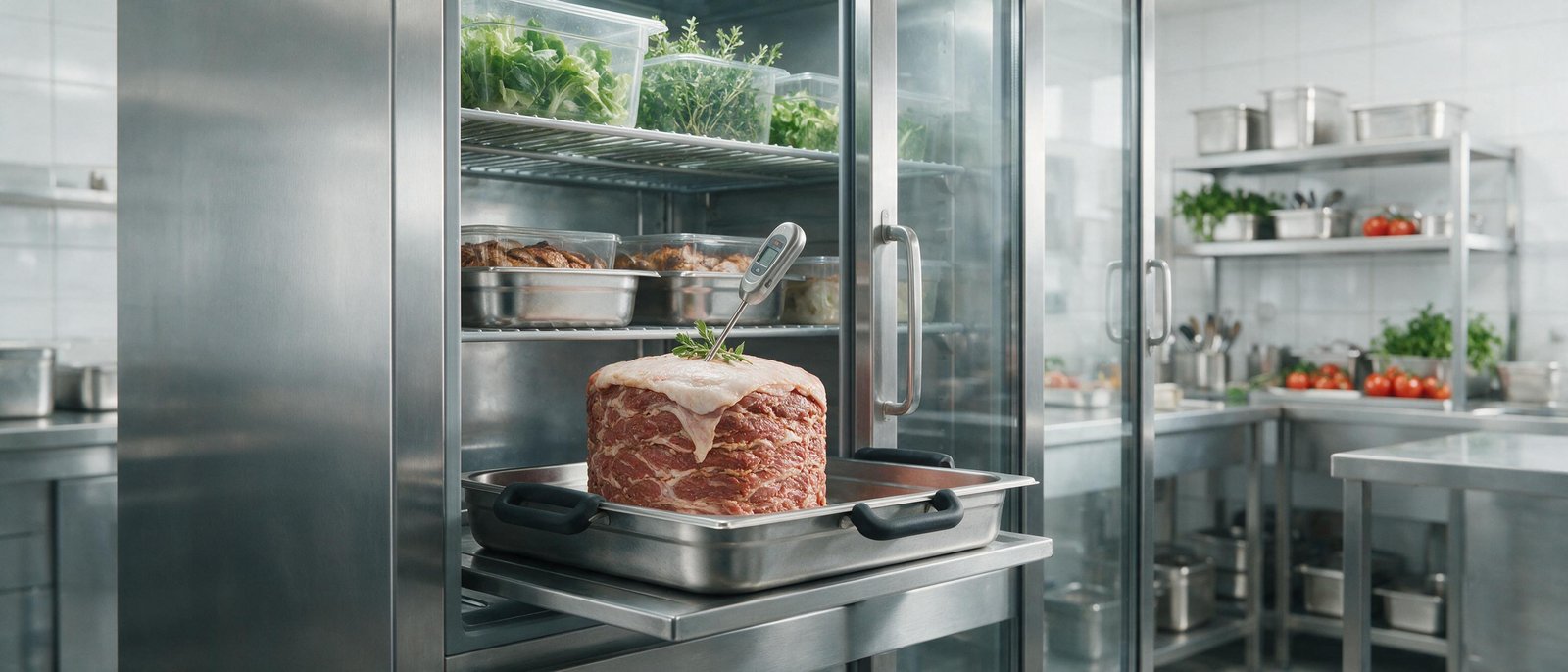 Proper Storage of Döner Meat: Regulations & Food Safety → HACCP-Compliant Storage According to German Food Hygiene RegulationsRead more
Döner meat is a popular and perishable food product that requires careful storage to maintain its safety and quality....
-
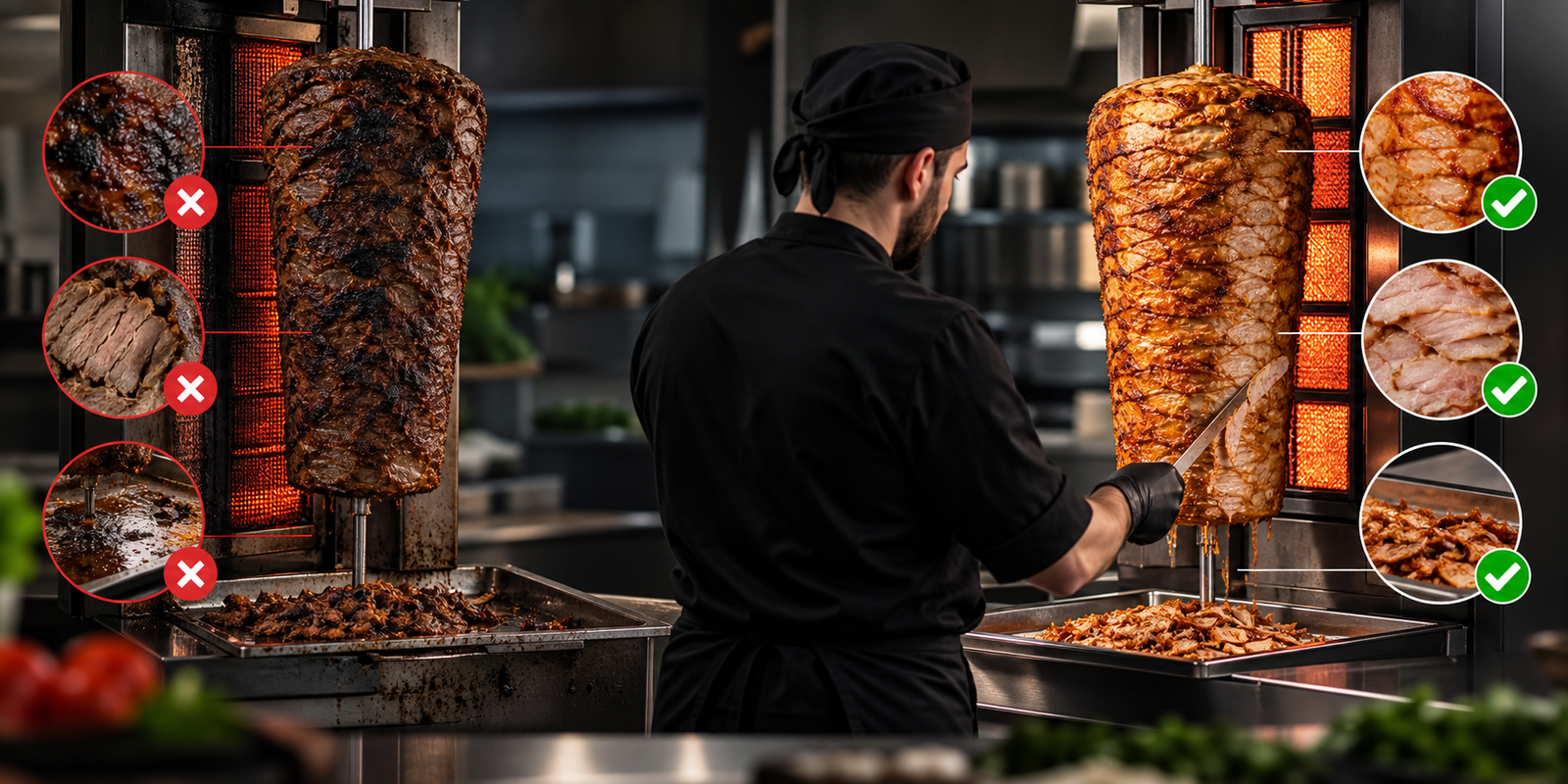 Common Mistakes When Grilling Döner – And How to Avoid Them: Identifying and Fixing Typical Preparation Errors in the Gastronomy IndustryRead more
The Döner kebab is a globally loved dish, but many gastronomy professionals struggle with common mistakes during its...
-
 What Makes Good Döner Meat So Tender and Flavorful? → Quality Characteristics and Preparation Techniques for RestaurateursRead more
Döner kebab is famous worldwide for its tender, juicy, and flavorful meat. But what exactly makes Döner meat so...
-
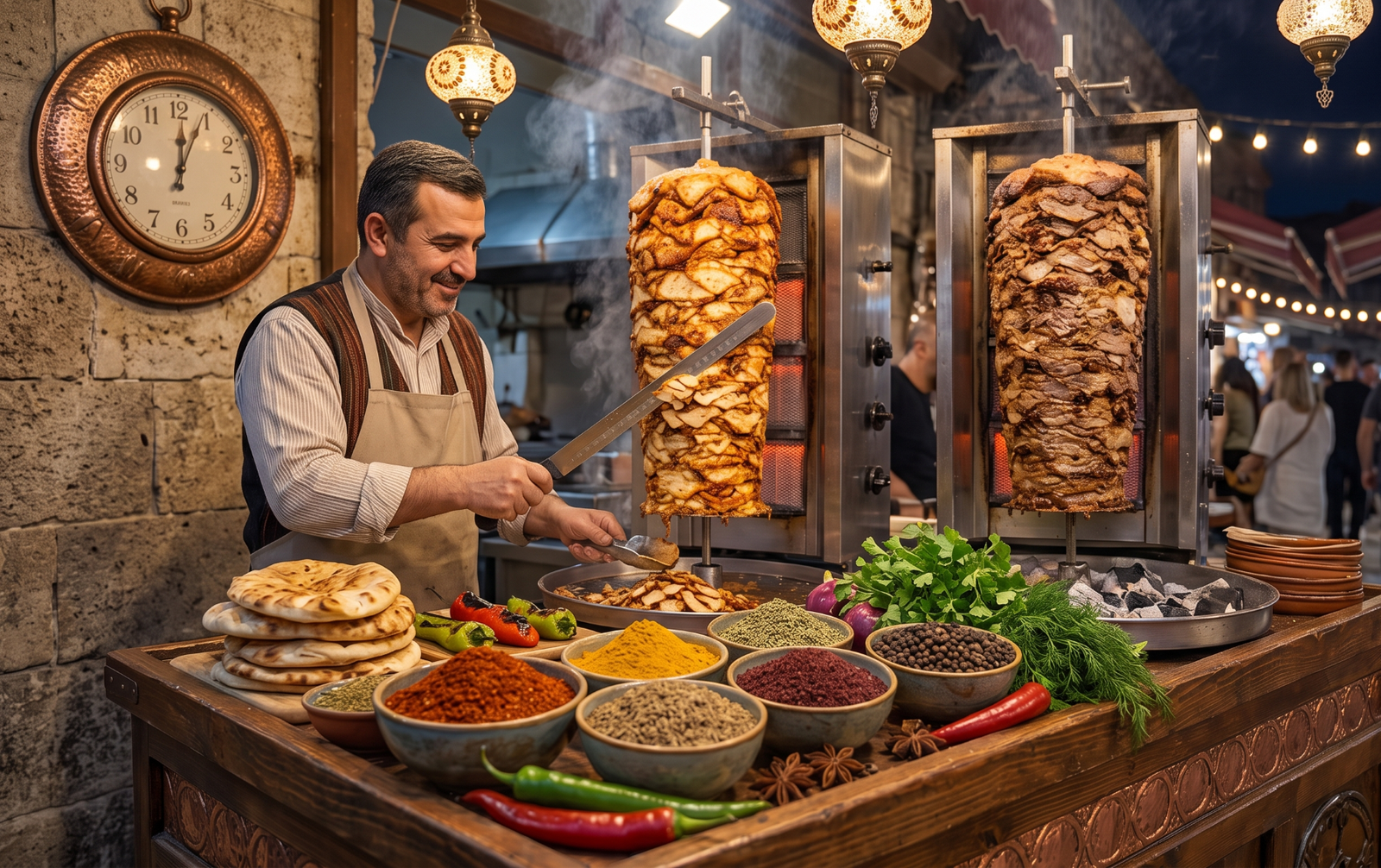 How to Slice Döner Meat Perfectly: Professional Techniques with Döner Knives and Electric SlicersRead more
Döner kebab is renowned for its thin, juicy slices of meat cooked on a vertical spit. Achieving perfect slices...
-
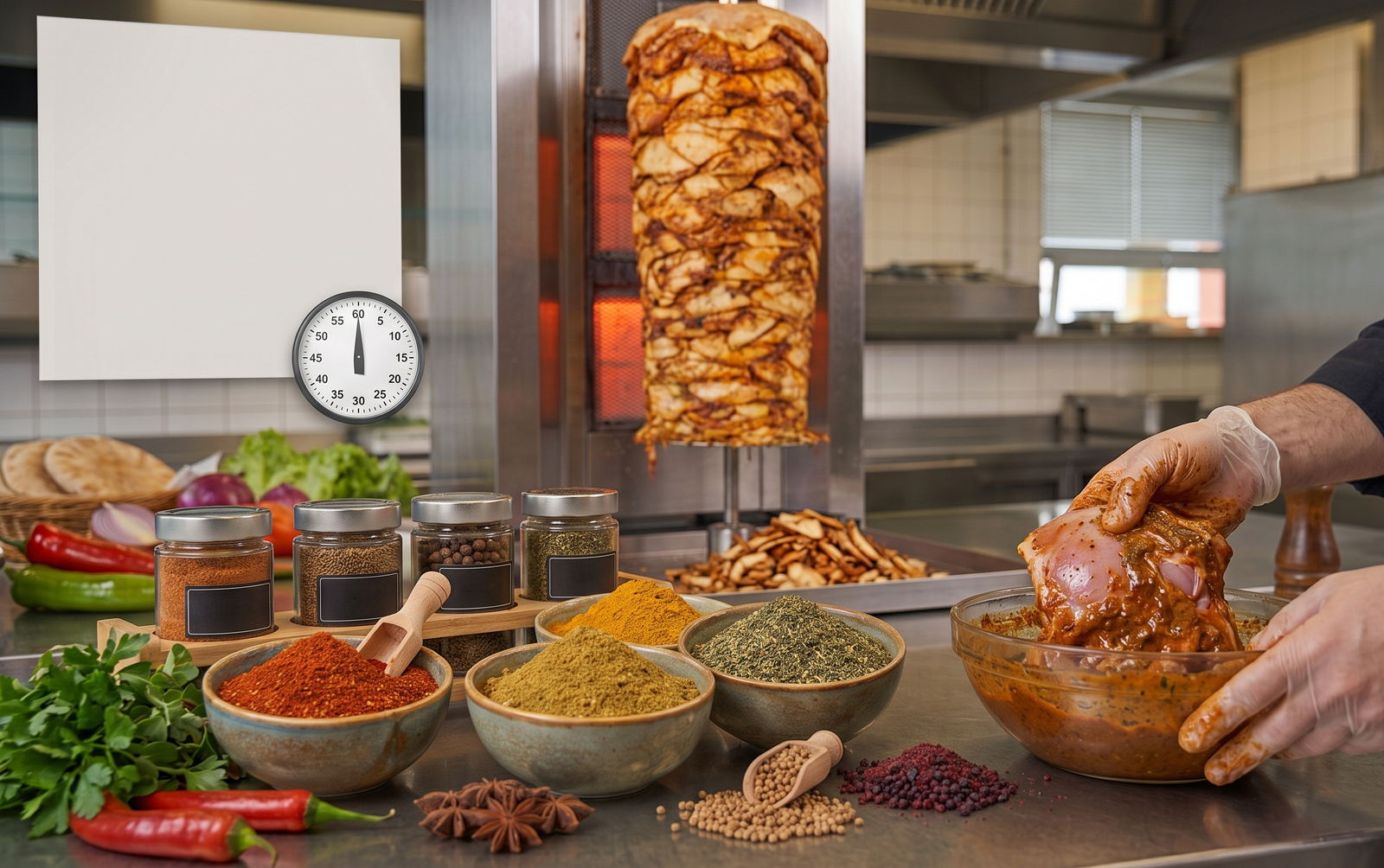 Döner Meat Marinade: Marinating Time and Professional Preparation → Optimal Preparation for Maximum Flavor and TendernessRead more
Döner kebab is famous worldwide for its juicy, flavorful meat, and the key to its perfection lies in the marinade and...
-
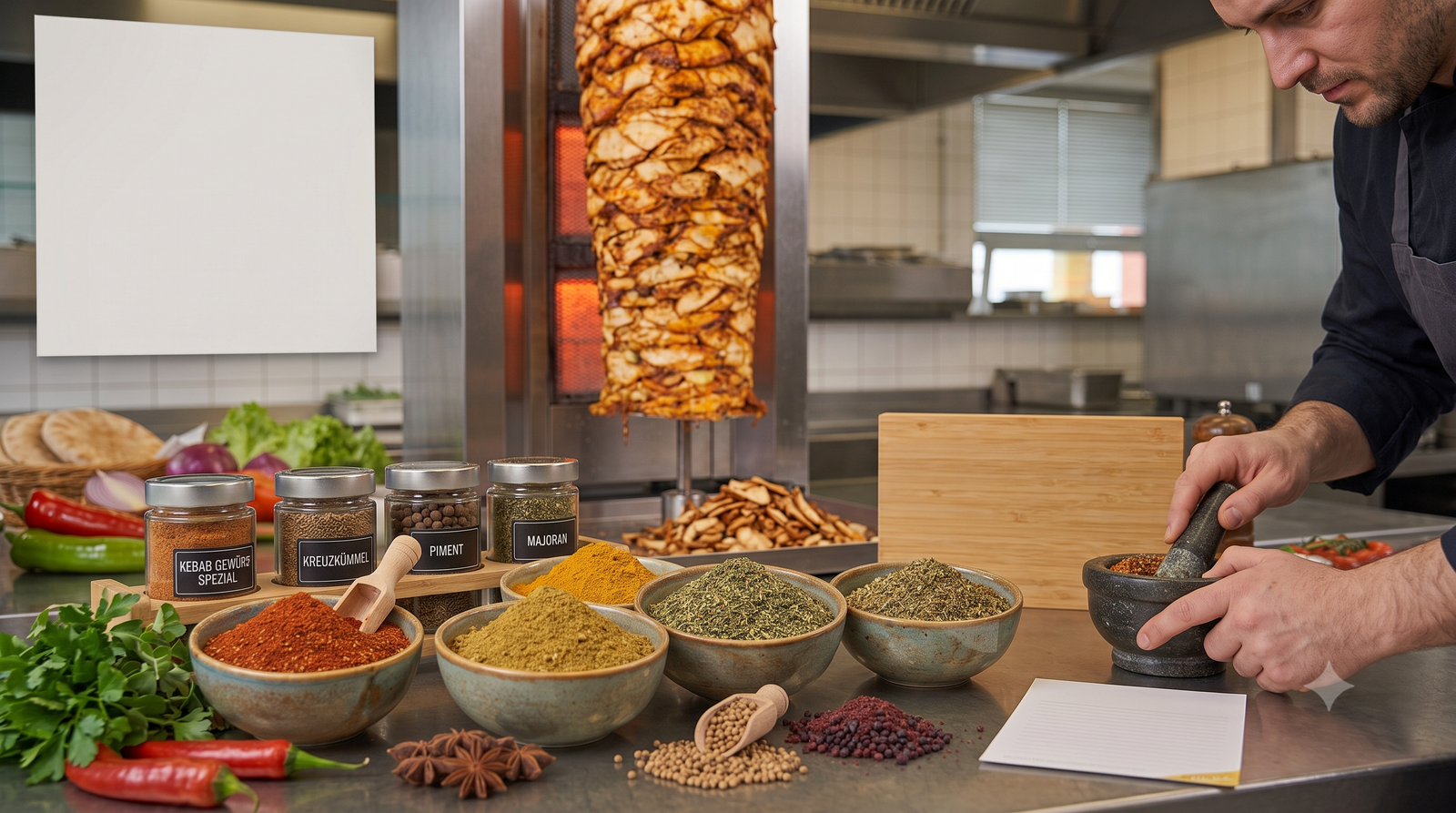 Making Your Own Döner Spice Mix: Recipes for the Gastronomy Industry → In-House Production for Better Flavor Control and Cost EfficiencyRead more
Döner kebab is a global favorite, and the secret to its irresistible flavor lies in the spice mix used to season the...
-
 The Ultimate Guide: Pizza Vending Machines – Earnings, Costs & Experiences in the 24/7Read more
More and more restaurateurs and resourceful entrepreneurs are discovering the enormous potential of pizza vending...
-
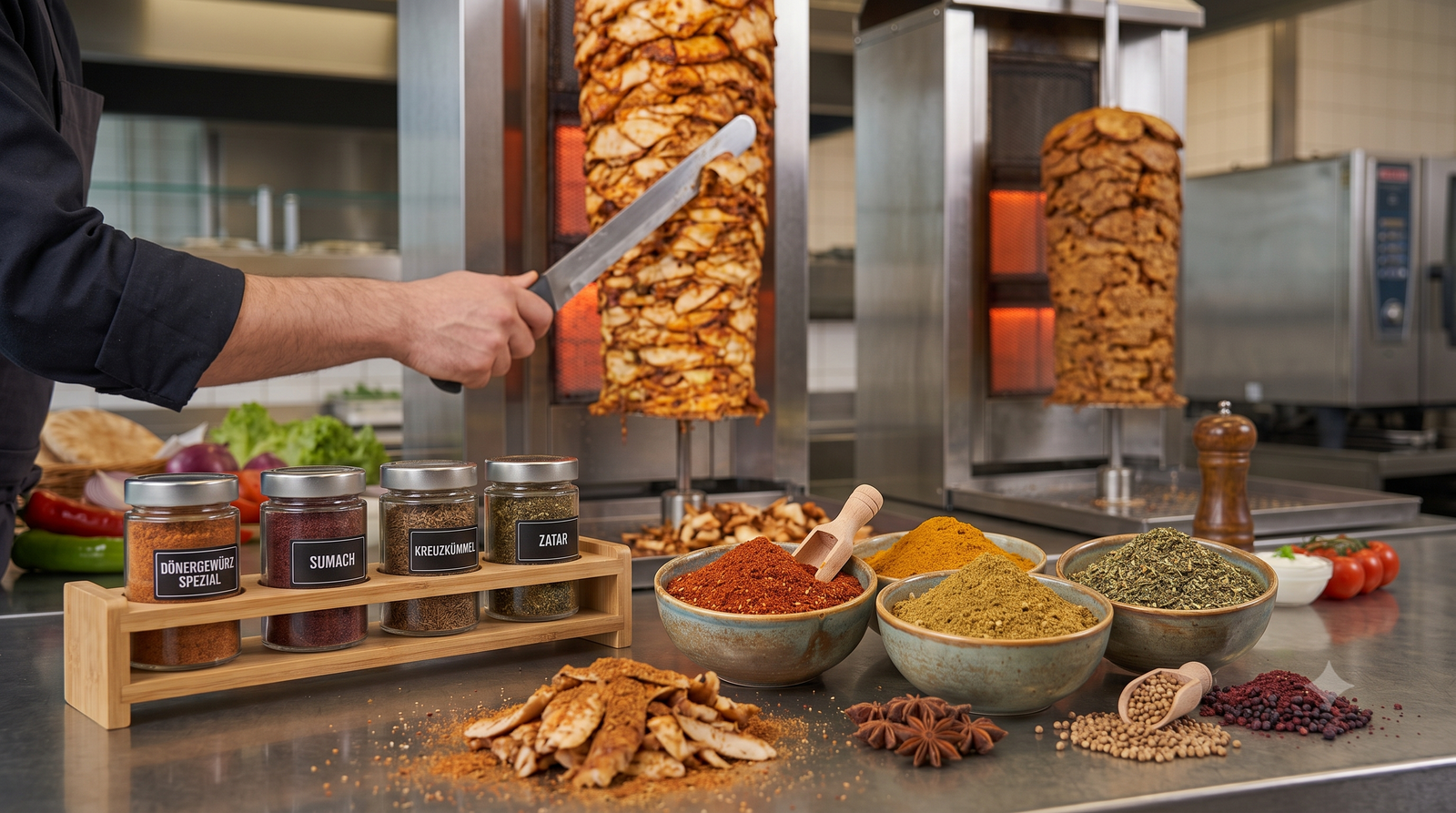 Professional Döner Meat Seasoning: Recipe & Spice Blend → Authentic Mixes for Consistent QualityRead more
Döner kebab is a global favorite, celebrated for its juicy, flavorful meat and aromatic spices. Achieving authentic...
Blog categories
Search in blog
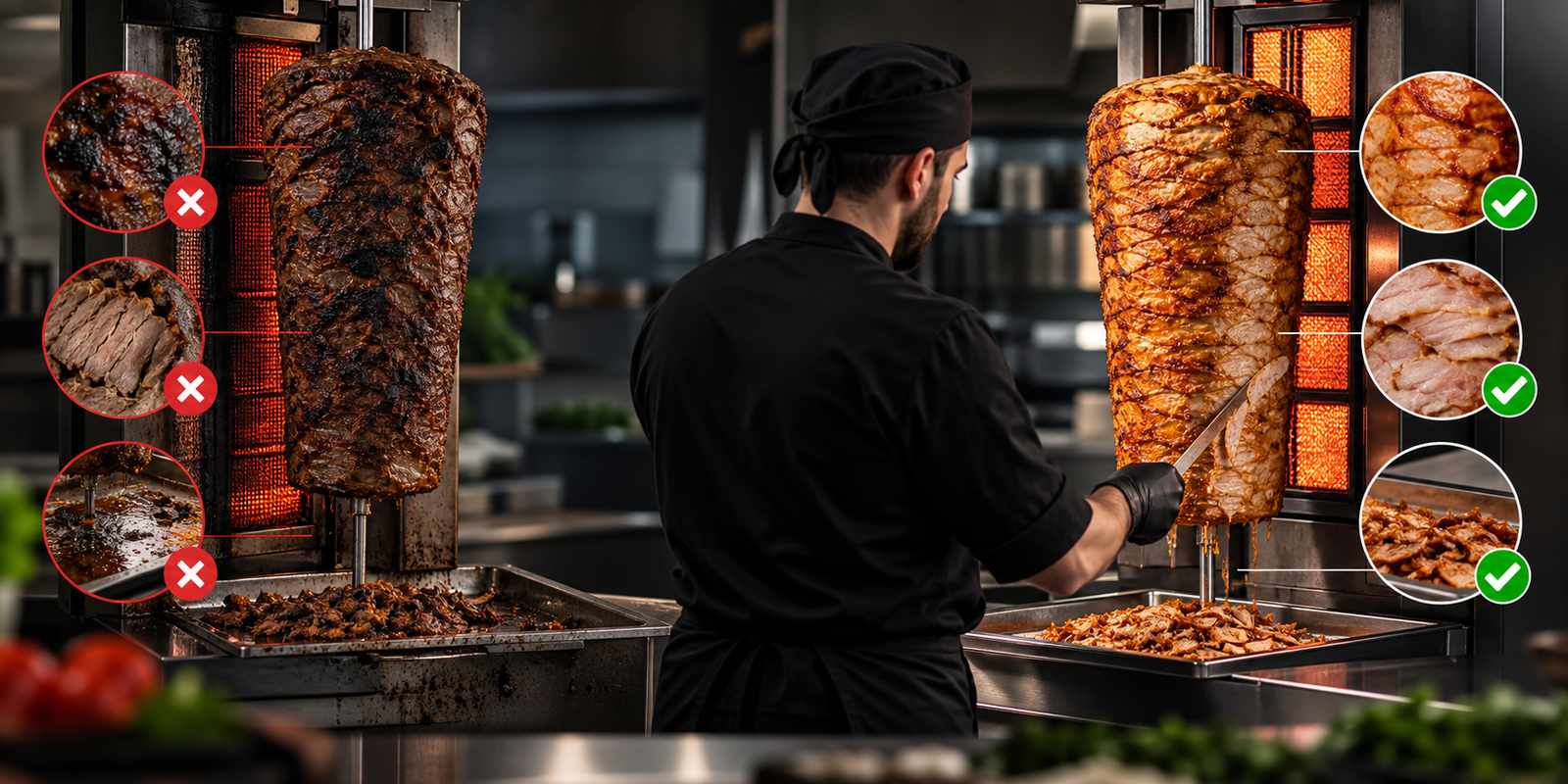
Common Mistakes When Grilling Döner – And How to Avoid Them: Identifying and Fixing Typical Preparation Errors in the Gastronomy Industry
Common Mistakes When Grilling Döner – And How to Avoid Them
The Döner kebab is a beloved dish worldwide, renowned for its flavorful, juicy meat and crisp, fresh accompaniments. However, despite its popularity, many gastronomy professionals and Döner enthusiasts struggle to achieve the perfect Döner consistently. Grilling Döner meat might seem straightforward, but there are several common pitfalls that can compromise the quality, taste, and presentation of this iconic dish.
In this comprehensive guide, we will explore the typical errors made during Döner preparation and grilling, and provide practical advice on how to avoid them. Whether you run a Döner shop or are simply passionate about perfecting this dish, understanding these mistakes will elevate your Döner game and delight your customers.
1. Using the Wrong Meat or Poor Quality Cuts
One of the foundational mistakes in Döner preparation is starting with subpar meat. Döner traditionally uses lamb, beef, or chicken, but the quality and cut make all the difference.
- Why it’s a mistake: Using low-quality or inappropriate cuts results in dry, tough, or flavorless meat. For example, lean cuts without enough fat will lack juiciness, while overly fatty cuts can cause flare-ups on the grill and greasy texture.
- How to avoid it: Choose cuts with a good balance of lean meat and fat. For beef, cuts like chuck or sirloin work well. For lamb, shoulder or leg cuts are ideal. For chicken, thighs are preferred over breasts due to their higher fat content and tenderness. Always source fresh, high-quality meat from reputable suppliers.
2. Incorrect Meat Marination
Marination is essential for flavor and tenderness, but mistakes here can ruin the Döner.
- Why it’s a mistake: Over-marinating can make the meat mushy and overly acidic, while under-marinating results in bland, dry meat. Additionally, using the wrong marinade ingredients or inconsistent application leads to uneven taste.
- How to avoid it: Use a balanced marinade with yogurt, lemon juice, garlic, and spices like cumin, paprika, and oregano. Marinate the meat for 6-12 hours, not longer than 24 hours. Ensure the marinade covers the meat evenly and that the meat is refrigerated during marination.
3. Improper Stacking of the Döner Meat on the Vertical Spit
The way meat is stacked on the vertical rotisserie (spit) affects cooking consistency and texture.
- Why it’s a mistake: Uneven stacking causes uneven cooking, with some parts overcooked and others undercooked. Loose stacking can cause the meat to fall apart or cook too quickly.
- How to avoid it: Stack the meat tightly and evenly, ensuring the layers are compact but not compressed to the point of restricting heat penetration. Alternate layers of lean and fatty cuts to promote even cooking and juiciness.
4. Incorrect Temperature Control During Grilling
Temperature management is critical for Döner grilling, yet many make the mistake of using too high or too low heat.
- Why it’s a mistake: Excessive heat burns the outside while leaving the inside raw, resulting in a tough, bitter crust. Too low heat leads to undercooked meat and longer cooking times, which can dry out the meat.
- How to avoid it: Maintain a medium to medium-high heat on the vertical grill. The outer layer should cook slowly to develop a golden-brown crust while the inside remains juicy. Use a thermometer to monitor the internal temperature of the meat, aiming for around 75°C (167°F) for poultry and 70°C (158°F) for beef or lamb.
5. Neglecting Regular Slicing and Rotation
Many operators fail to slice the meat at the right intervals or rotate the spit properly.
- Why it’s a mistake: If the spit isn’t rotated consistently, some parts cook unevenly. Not slicing the cooked outer layer frequently enough causes the meat to dry out and lose flavor.
- How to avoid it: Ensure the spit rotates continuously and evenly during cooking. Slice thin layers of cooked meat regularly, ideally every few minutes, to serve fresh, tender slices and expose new layers for even cooking.
6. Using the Wrong Knife or Slicing Technique
The slicing technique and tools are often overlooked but are essential for Döner quality.
- Why it’s a mistake: Using dull knives or improper slicing angles can tear the meat, resulting in uneven pieces that don’t cook or taste well. Thick slices can be dry and chewy.
- How to avoid it: Use a sharp, long knife or an electric slicer designed for Döner. Slice thinly and evenly at a slight angle to maximize tenderness and surface area, enhancing flavor and texture.
7. Ignoring Hygiene and Food Safety Standards
Food safety is paramount in any gastronomy setting, yet some Döner shops neglect proper hygiene.
- Why it’s a mistake: Poor hygiene can lead to contamination, foodborne illnesses, and spoilage. Cross-contamination between raw and cooked meat is a common risk.
- How to avoid it: Maintain strict hygiene protocols. Use separate utensils and cutting boards for raw and cooked meat. Clean the grill and surrounding areas regularly. Store meat at appropriate temperatures and monitor expiry dates carefully.
8. Overloading the Döner Bread or Wrap
Presentation and portion control matter for customer satisfaction.
- Why it’s a mistake: Overstuffing the bread or wrap leads to messy, difficult-to-eat Döner, causing customer frustration and food wastage.
- How to avoid it: Use balanced portions of meat, vegetables, and sauces. Ensure the bread or wrap can comfortably hold the fillings without tearing or dripping excessively.
9. Using Low-Quality or Stale Bread
The bread is the Döner’s foundation, and poor quality bread can ruin the experience.
- Why it’s a mistake: Stale or low-quality bread is dry, crumbly, or overly dense, detracting from the Döner’s texture and flavor.
- How to avoid it: Source fresh, soft, and slightly chewy bread such as Turkish pide or flatbread. Store bread properly to maintain freshness and replace stock regularly.
10. Neglecting Fresh and Balanced Accompaniments
Vegetables, sauces, and spices complete the Döner experience, but many places skimp here.
- Why it’s a mistake: Using wilted vegetables, overpowering sauces, or unbalanced spice mixes can overshadow the meat or make the Döner greasy and heavy.
- How to avoid it: Use fresh, crisp vegetables like lettuce, tomatoes, onions, and cucumbers. Prepare sauces freshly and balance flavors – for example, creamy garlic sauce, tangy yogurt sauce, or spicy chili sauce. Avoid overloading sauces to keep the Döner light and flavorful.
11. Inadequate Staff Training and Lack of Standardized Procedures
Inconsistent Döner quality often stems from insufficient staff training and absence of clear preparation guidelines.
- Why it’s a mistake: Different staff members preparing Döner differently leads to inconsistent taste, texture, and presentation, confusing customers and harming reputation.
- How to avoid it: Develop standardized recipes and preparation protocols. Train all staff thoroughly on grilling, slicing, hygiene, and customer service. Regularly review and update procedures to maintain high standards.
12. Overcooking or Undercooking the Meat
Timing is everything when grilling Döner meat.
- Why it’s a mistake: Overcooked meat becomes dry and tough, while undercooked meat poses health risks and tastes unpleasant.
- How to avoid it: Monitor cooking times carefully. Use a meat thermometer to check internal temperatures. Slice off cooked outer layers promptly to serve fresh meat and expose uncooked layers to heat.
Conclusion
Mastering Döner grilling requires attention to detail, quality ingredients, and consistent techniques. By avoiding these common mistakes—from selecting the right meat and marinating properly to controlling temperature and maintaining hygiene—you can ensure your Döner stands out for its flavor, texture, and freshness.
Invest in staff training, maintain high standards, and listen to customer feedback to continuously improve. With these best practices, your Döner will not only satisfy but also create loyal customers who appreciate the authentic taste and quality of your offering.
Happy grilling!
Posted in:
Gyros | Dönergrills
Related posts
-
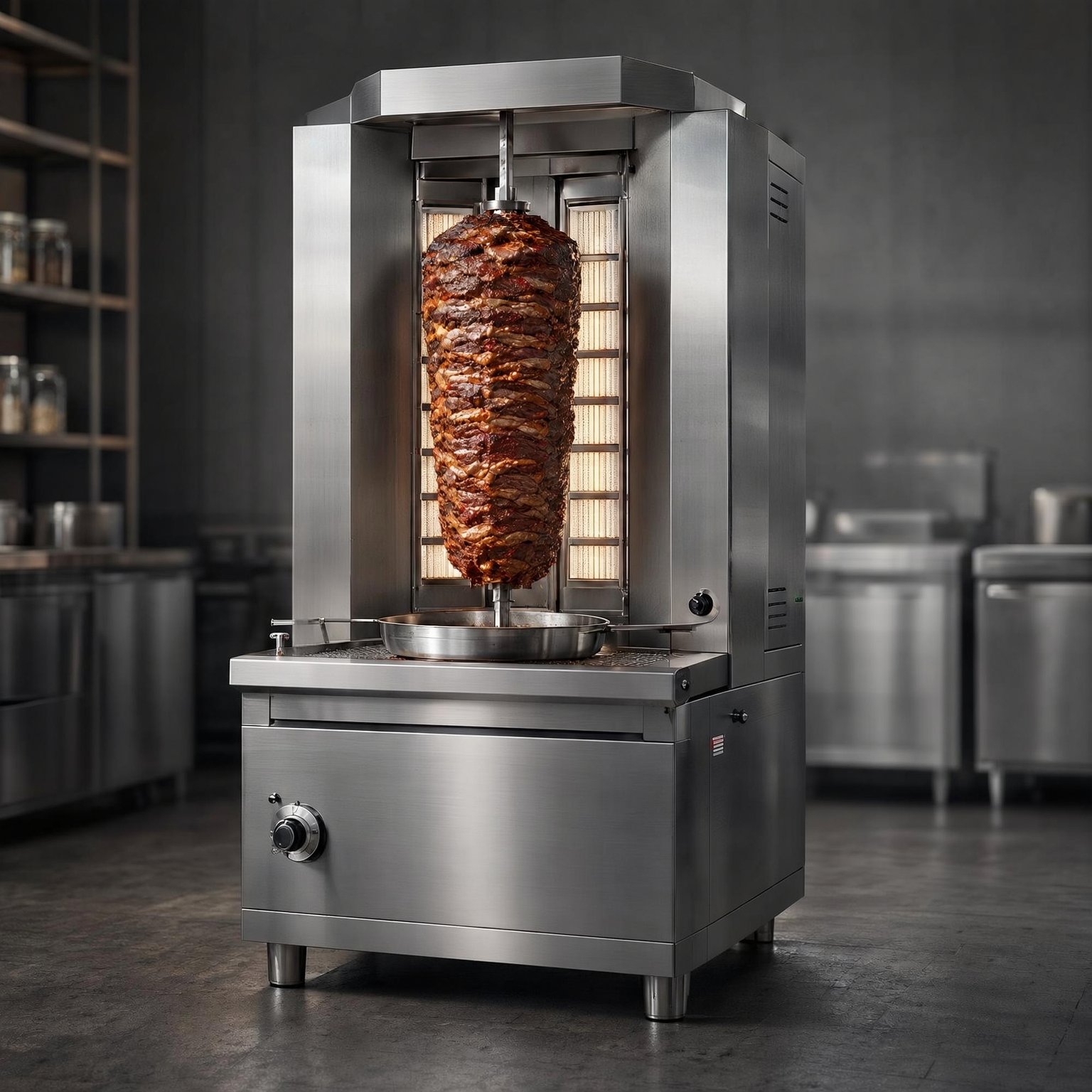 Buying a Commercial Döner Grill: Costs, Price Overview, and Budget Planning for Gastronomy Businesses
Investing in a commercial Döner grill is essential for gastronomy businesses serving Döner kebabs. The cost of these...Read more
Buying a Commercial Döner Grill: Costs, Price Overview, and Budget Planning for Gastronomy Businesses
Investing in a commercial Döner grill is essential for gastronomy businesses serving Döner kebabs. The cost of these...Read more -
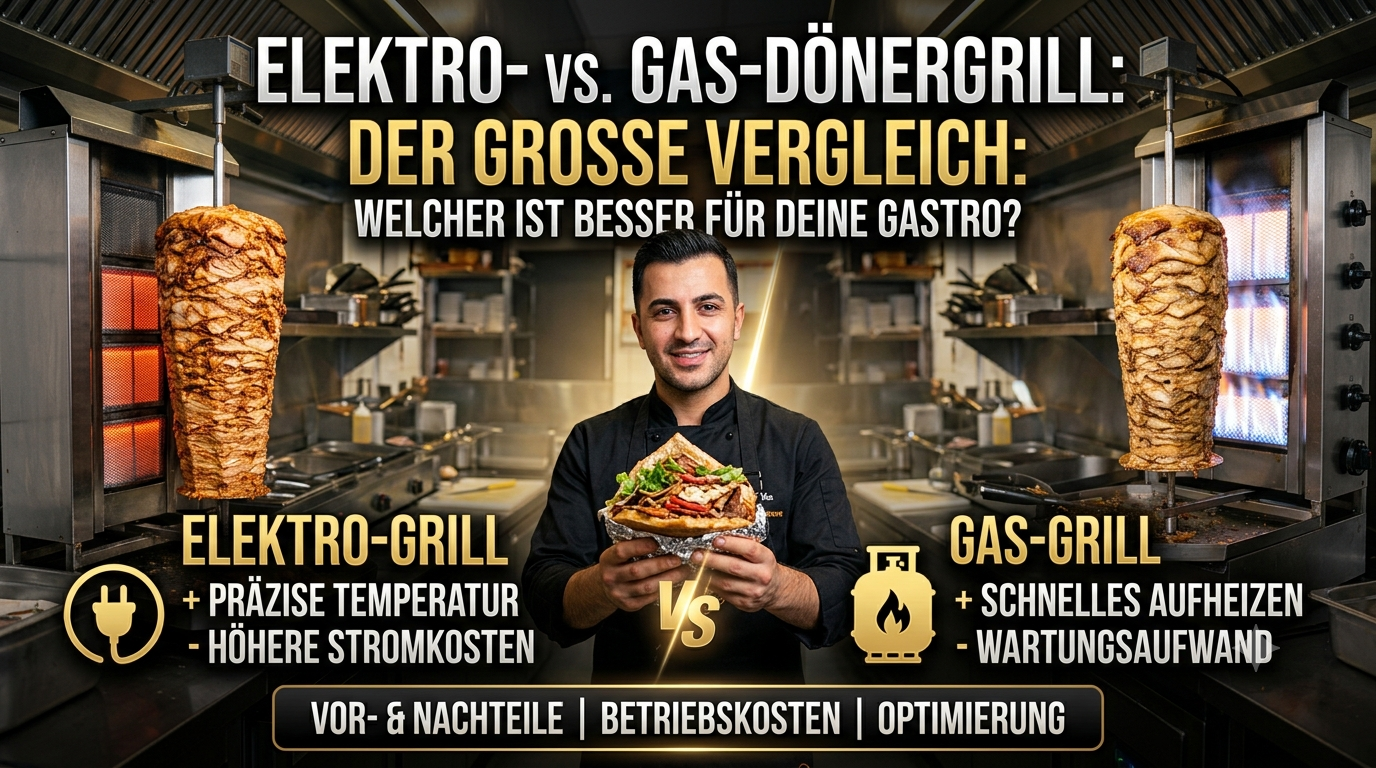 Electric vs. Gas Döner Grill: Which Is Better for the Gastronomy Industry? A Comprehensive Comparison for Snack Bars, Restaurants, and Catering
The choice between electric and gas Döner grills is a key decision for gastronomy professionals operating snack bars,...Read more
Electric vs. Gas Döner Grill: Which Is Better for the Gastronomy Industry? A Comprehensive Comparison for Snack Bars, Restaurants, and Catering
The choice between electric and gas Döner grills is a key decision for gastronomy professionals operating snack bars,...Read more -
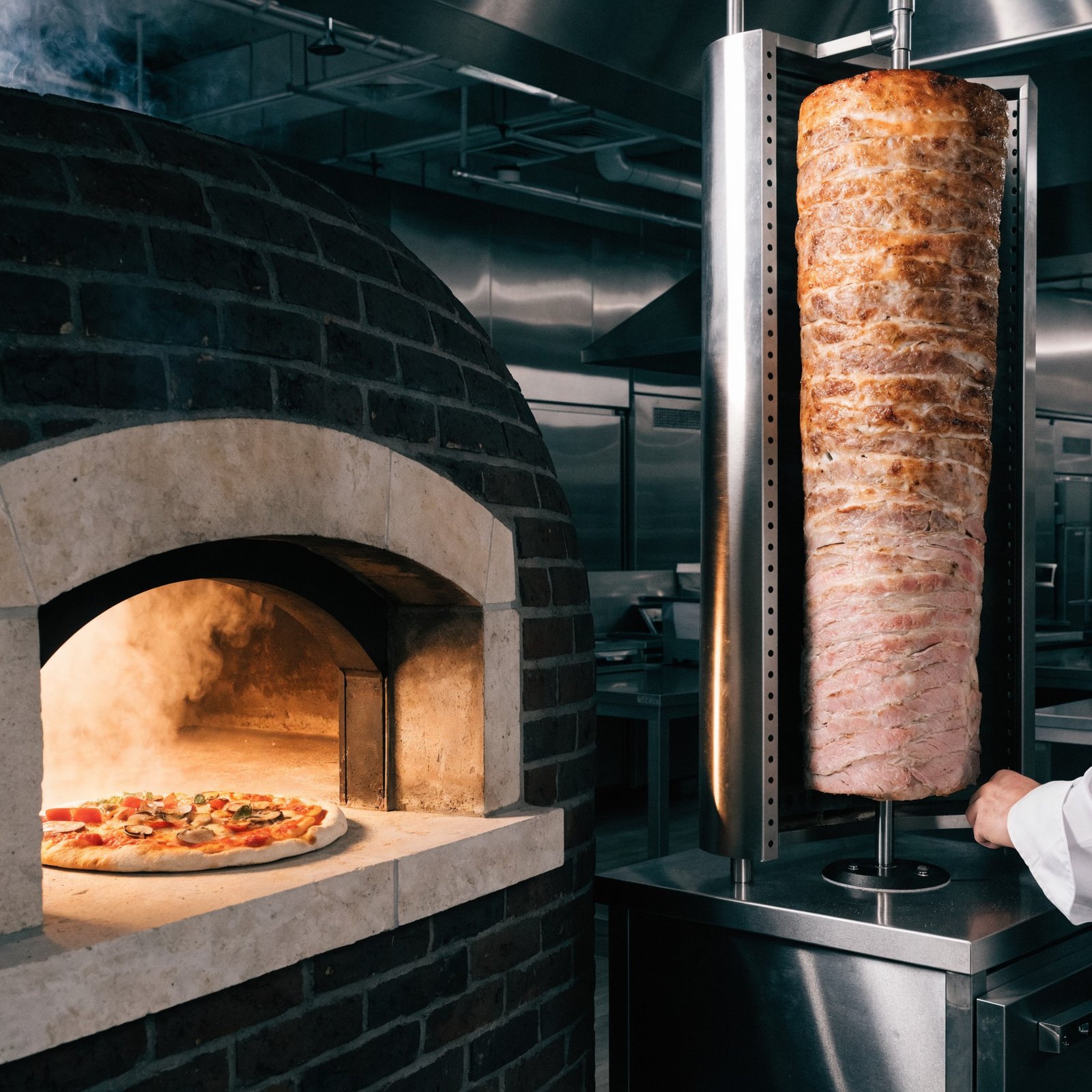 Pizza Oven or Döner Grill – Which Investment Is Worth It for Your Business? A Guide to Choosing the Right Equipment in Gastronomy
Deciding between a pizza oven and a döner grill is a crucial step for any gastronomy business. Both devices serve...Read more
Pizza Oven or Döner Grill – Which Investment Is Worth It for Your Business? A Guide to Choosing the Right Equipment in Gastronomy
Deciding between a pizza oven and a döner grill is a crucial step for any gastronomy business. Both devices serve...Read more -
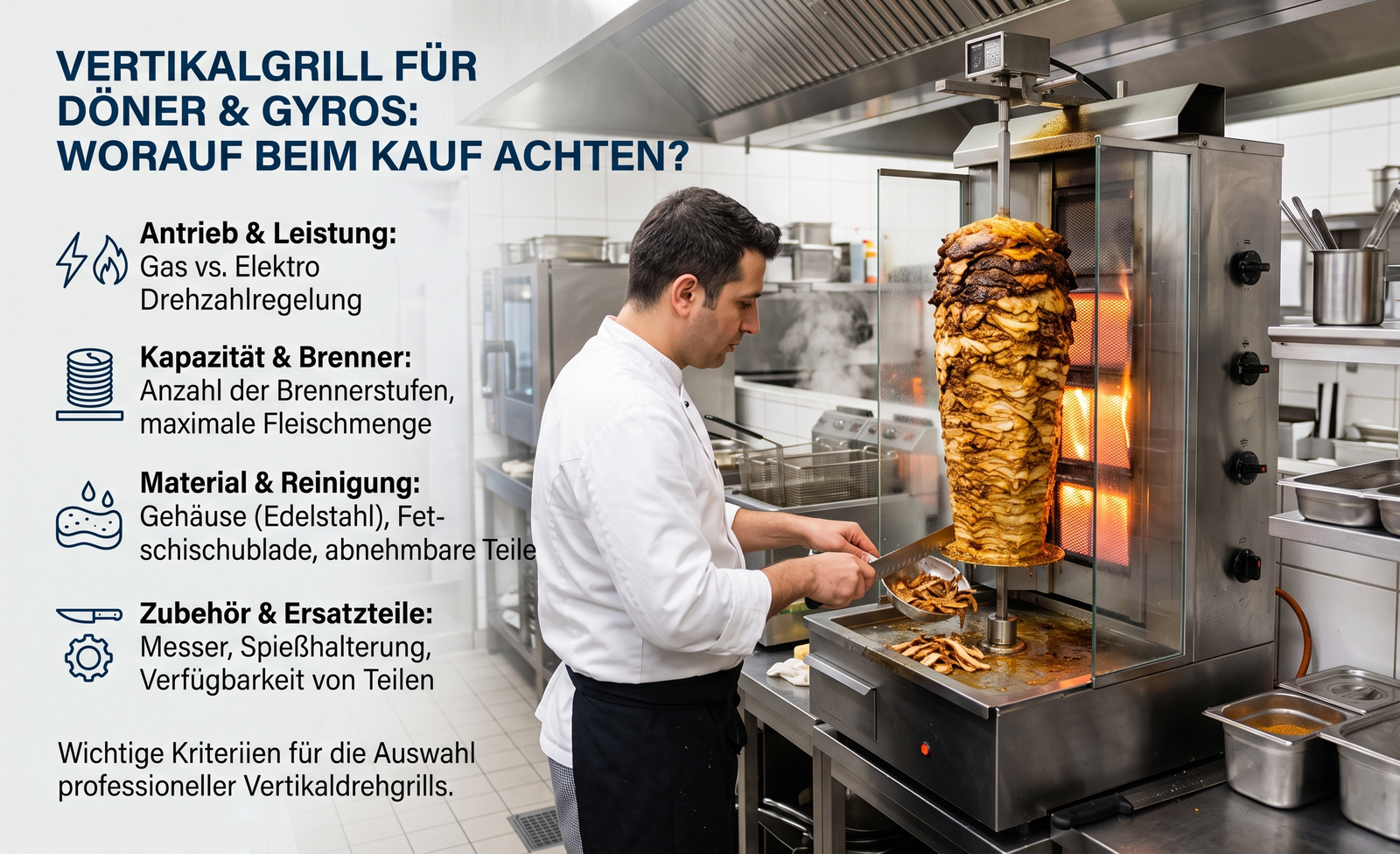 Vertical Grill for Döner & Gyros: Key Criteria for Choosing a Professional Vertical Rotisserie
A vertical grill, or vertical rotisserie, is essential for cooking Döner and Gyros meat evenly and deliciously....Read more
Vertical Grill for Döner & Gyros: Key Criteria for Choosing a Professional Vertical Rotisserie
A vertical grill, or vertical rotisserie, is essential for cooking Döner and Gyros meat evenly and deliciously....Read more -
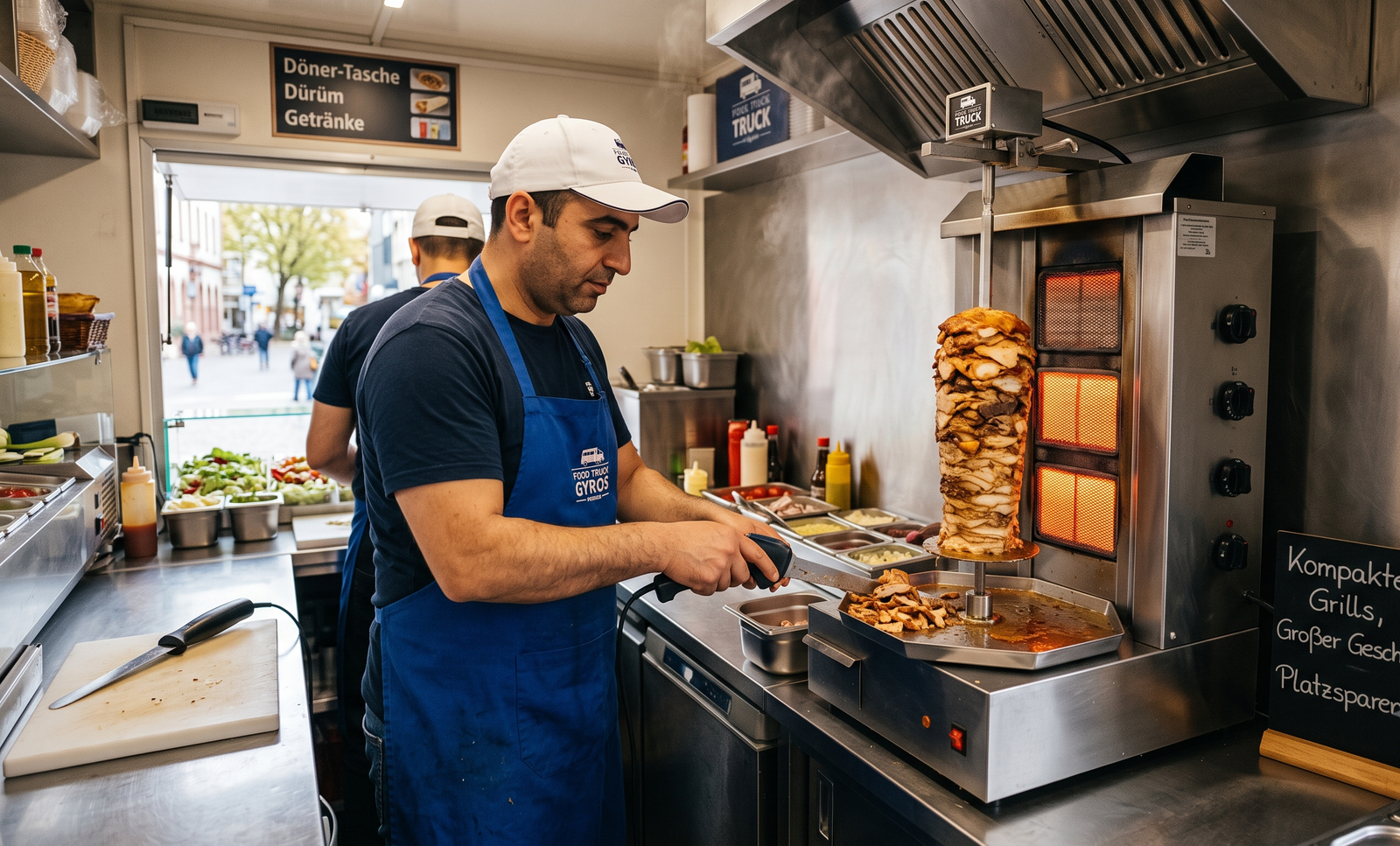 Compact Döner Grills for Small Snack Bars & Food Trucks → Space-Saving Solutions for Limited Spaces
Small snack bars and food trucks often struggle with limited space, making it challenging to accommodate large...Read more
Compact Döner Grills for Small Snack Bars & Food Trucks → Space-Saving Solutions for Limited Spaces
Small snack bars and food trucks often struggle with limited space, making it challenging to accommodate large...Read more
Leave a comment