
 Deutsch
 Türkçe
 Italiano

.jpg)
.jpg)
.jpg)
.jpg)
.jpg)
.jpg)
.jpg)
.jpg)
.jpg)
.jpg)

.jpg)

.jpg)
.jpg)
.jpg)
.jpg)
.jpg)
.jpg)
.jpg)
.jpg)
.jpg)
.jpg)



.jpg)
.jpg)
.jpg)
.jpg)
.jpg)
.jpg)
.jpg)
.jpg)
.jpg)



.jpg)
.jpg)

.jpg)
.jpg)
.jpg)
.jpg)


.jpg)

.png)
.jpg)
.jpg)
 (200 x 136 px) (5).png)
.png)

More and more restaurateurs and resourceful entrepreneurs are discovering the enormous potential of pizza vending...
-
 Cooking Appliances
add remove
Cooking Appliances
add remove -
-
Pizza & Grill
add remove
-
-
Refrigeration
add remove
-
-
Combi Steamer
add remove
-
-
Kitchen Appliances
add remove
-
-
Rinsing & Cleaning
add remove
-
-
Retail Refrigeration
add remove
-
-
Cafe & Ice Cream
add remove
-
-
Smart-Gastro
add remove
-
-
Event- & Cateringmöbel
-
Cooking Appliances
add remove
-
-
Pizza & Grill
add remove
-
-
Refrigeration
add remove
-
-
Combi Steamer
add remove
-
-
Kitchen Appliances
add remove
-
-
Rinsing & Cleaning
add remove
-
-
Retail Refrigeration
add remove
-
-
Cafe & Ice Cream
add remove
-
-
Smart-Gastro
add remove
-
-
Event- & Cateringmöbel


Call us:
+49 (0) 6135 7040 450Latest posts
-
 The Ultimate Guide: Pizza Vending Machines – Earnings, Costs & Experiences in the 24/7Read more
 -
 Döner vs. Shawarma vs. Kebab: Understanding the Terms and Differences for Your Food BusinessRead more
Are you confused about the difference between Döner, Shawarma, and Kebab? These popular meat dishes, often seen on...
-
 The 10 Best Döner Kebabs in Berlin (2026): The Ultimate Ranking Based on Real Customer ReviewsRead more
Berlin is the undisputed döner capital of the world. But with over 1,000 shops, the question arises: Which one is...
-
 Gyros vs. Döner: Understanding the Differences in Preparation, Seasoning, and Meat Selection for Your MenuRead more
Gyros and Döner are two iconic Mediterranean dishes often confused due to their similar appearance and cooking style....
-
 Welche Temperatur braucht ein Dönergrill? Richtwerte für die Gastronomie → Optimale Garzeiten und Temperaturen für perfekte ErgebnisseRead more
Der Dönergrill ist das Herzstück jeder Döner-Gastronomie. Die richtige Temperatur am Grill entscheidet maßgeblich...
-
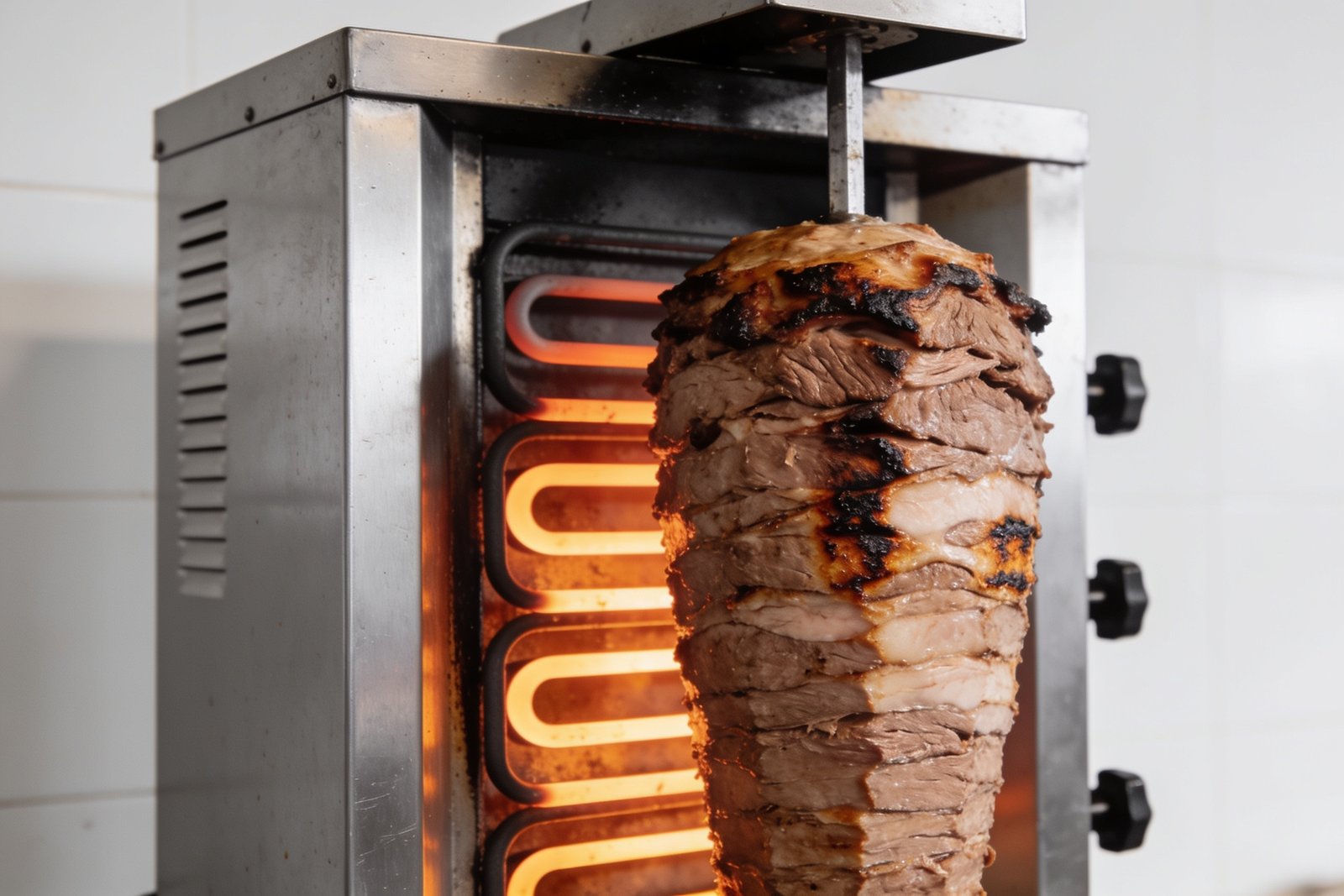 Döner Grill Heating Unevenly? Troubleshooting & Solutions → Recognize and Professionally Fix Common Device ProblemsRead more
Is your Döner grill heating unevenly? This can lead to poorly cooked meat and frustrated customers. In this guide, we...
-
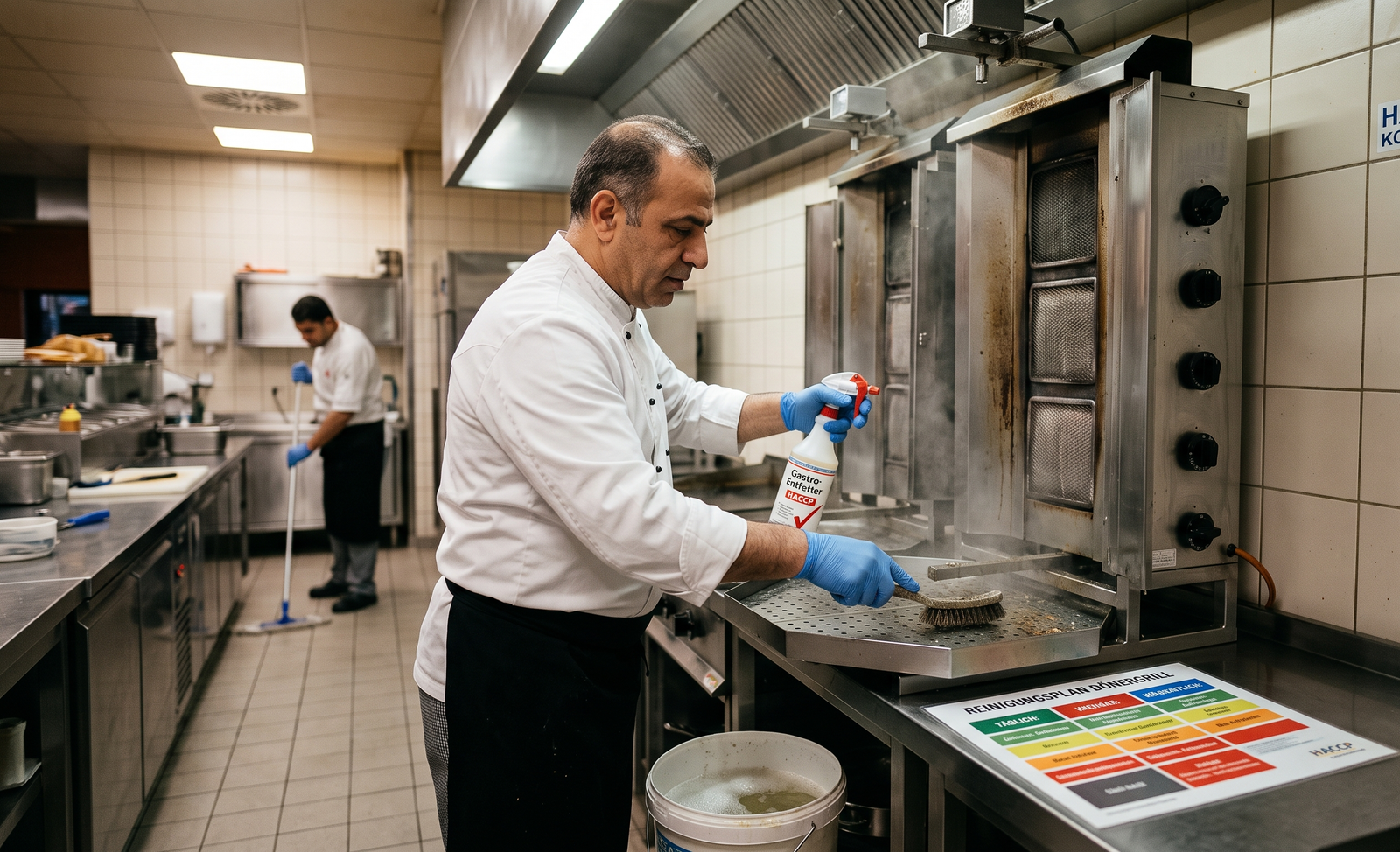 Proper Cleaning of Döner Grills: Care & Hygiene in Gastronomy → Equipment Cleaning According to HACCP Guidelines and Food Hygiene Regulations (LMHV)Read more
The Döner grill is a staple in many gastronomy businesses, and proper cleaning is essential to maintain hygiene and...
-
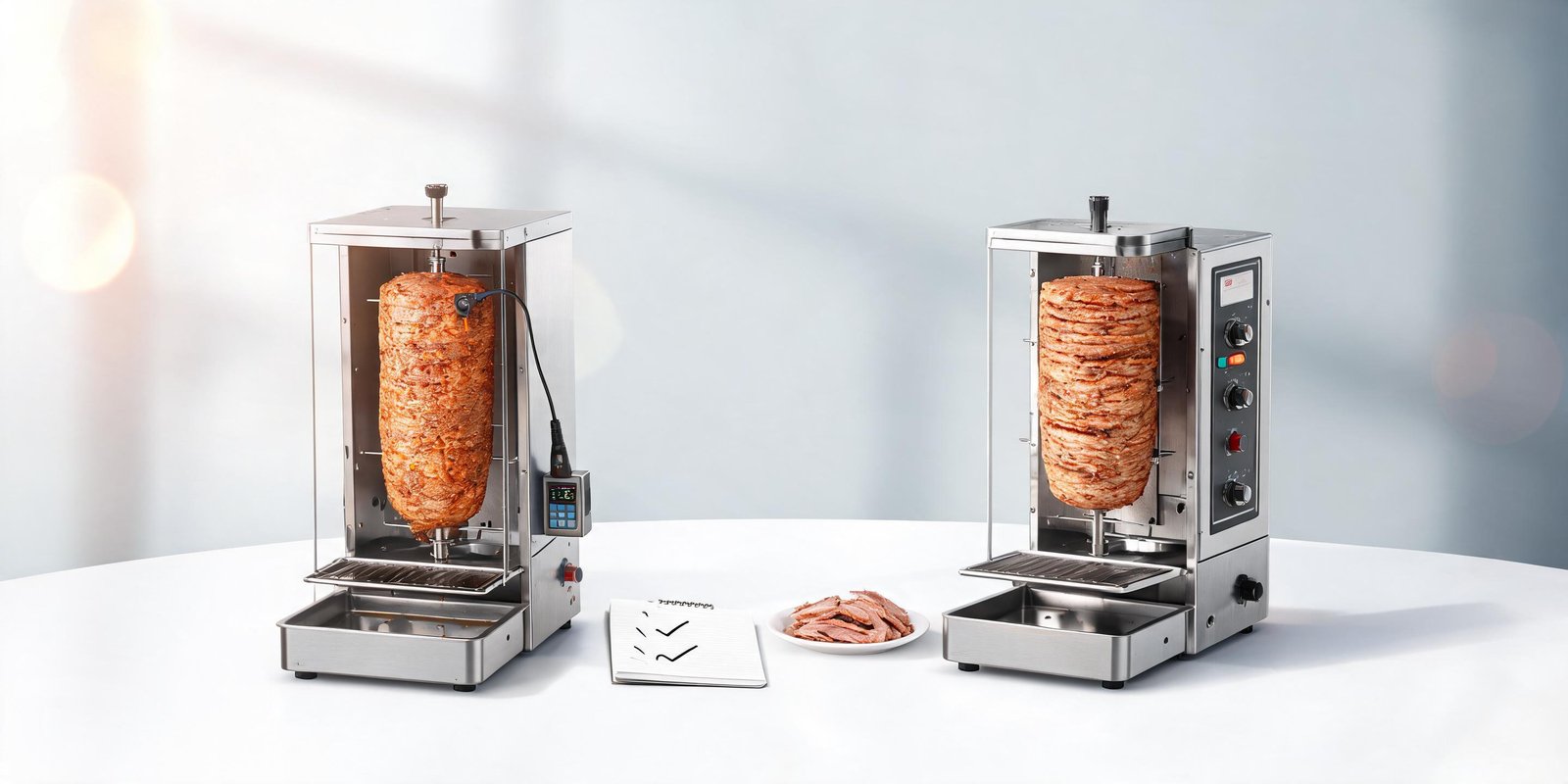 Commercial Döner Grill Tests & Reviews Overview → Make Informed Purchase Decisions with Current Product ComparisonsRead more
Choosing the right commercial Döner grill is essential for any food business specializing in this popular dish. This...
-
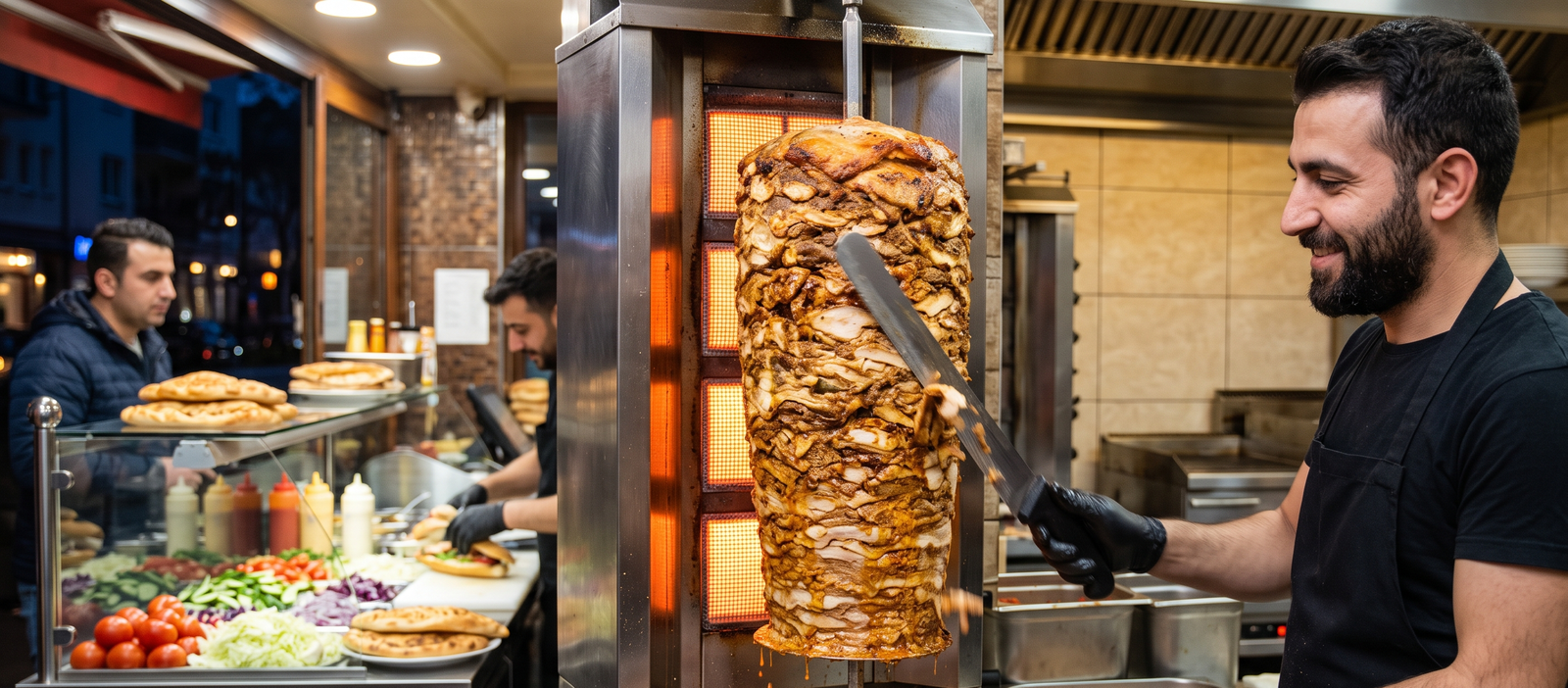 Why Is Döner Meat Grilled Vertically? Technology & Advantages Explained → The Functionality of the Vertical Grill and Its Benefits for the Gastronomy IndustryRead more
Döner kebab is famous worldwide for its juicy, flavorful meat cooked on a vertical spit. But why is the meat grilled...
-
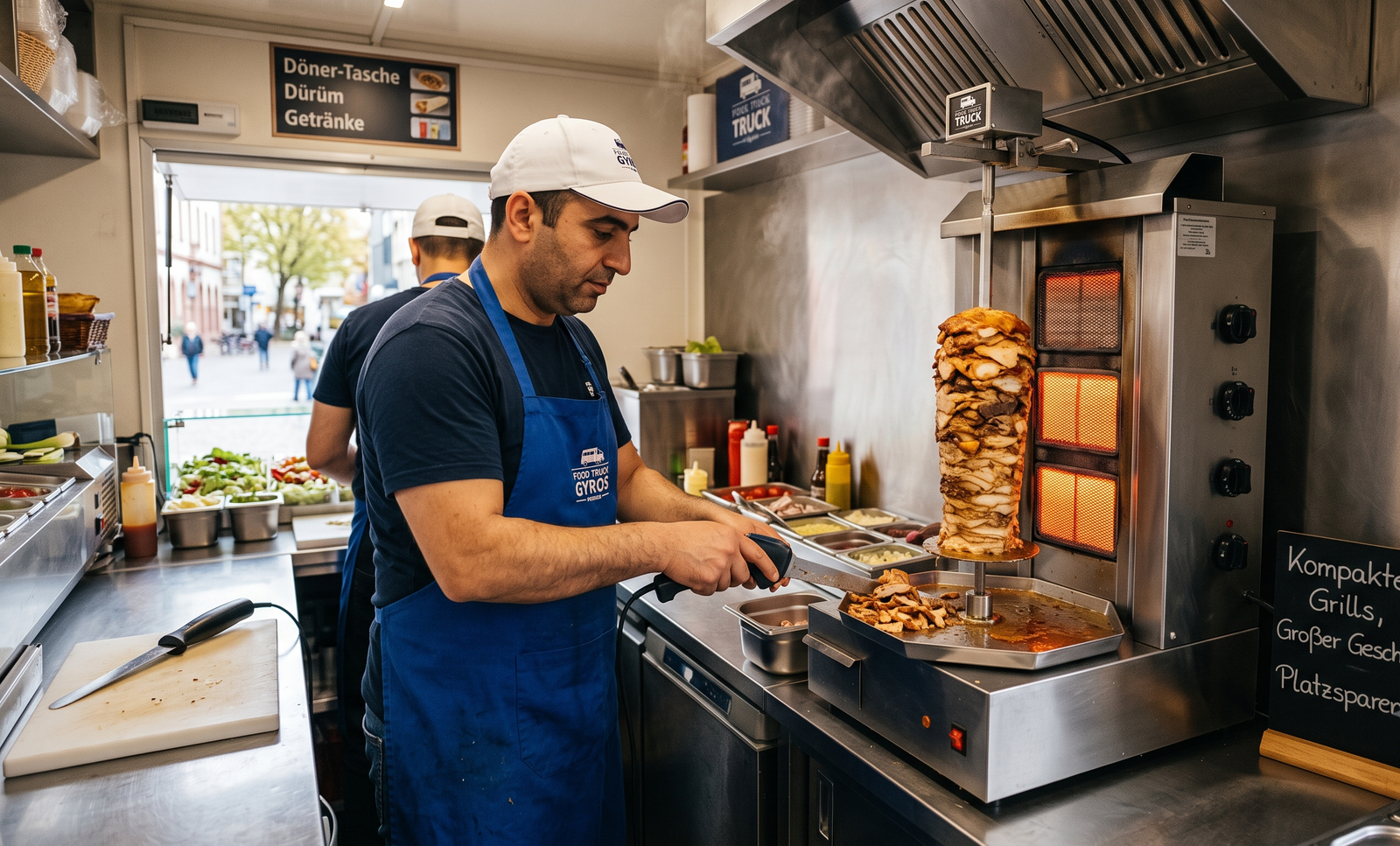 Compact Döner Grills for Small Snack Bars & Food Trucks → Space-Saving Solutions for Limited SpacesRead more
Small snack bars and food trucks often struggle with limited space, making it challenging to accommodate large...
Blog categories
Search in blog
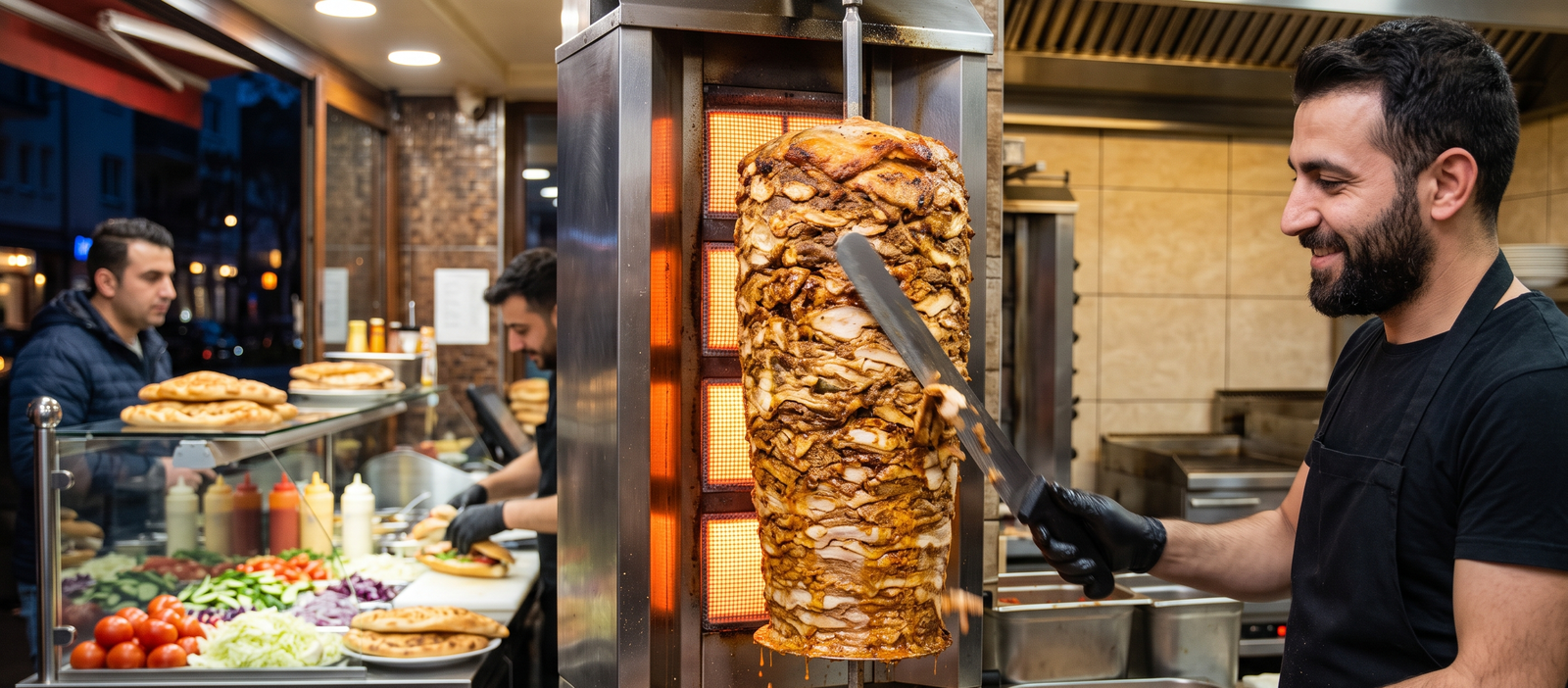
Why Is Döner Meat Grilled Vertically? Technology & Advantages Explained → The Functionality of the Vertical Grill and Its Benefits for the Gastronomy Industry
Why Is Döner Meat Grilled Vertically? Technology & Advantages Explained
Döner kebab is one of the most popular fast foods worldwide, loved for its juicy, flavorful meat and crispy edges. But have you ever wondered why the meat is always grilled vertically rather than horizontally or in some other way? The answer lies in the unique technology of the vertical grill and the many benefits it offers, especially for gastronomy businesses.
The Origins of Döner and Vertical Grilling
Döner kebab originated in Turkey in the 19th century and quickly became a staple street food across the Middle East and Europe. The name "döner" means "turning" or "rotating" in Turkish, which directly relates to the way the meat is cooked on a rotating vertical spit. This method ensures even cooking and a distinct texture that has become synonymous with döner kebab.
The vertical grill, or vertical rotisserie, was developed to optimize the cooking process for large slabs of meat stacked on a skewer. Unlike traditional grilling methods, which often cook meat horizontally over direct heat, the vertical grill uses radiant heat sources placed alongside the meat, allowing it to cook slowly and evenly as it rotates.
How Does a Vertical Grill Work?
At the core of the vertical grill is a large, vertical skewer or spit where layers of marinated meat—usually lamb, beef, chicken, or a combination—are stacked tightly. The meat is shaped into a cone or cylinder and mounted vertically.
Surrounding the meat are powerful heat sources, typically gas burners or electric heating elements, positioned vertically as well. These burners emit radiant heat that penetrates the meat from the outside in. The spit rotates slowly, ensuring every side of the meat is exposed evenly to the heat.
As the outer layer cooks, it forms a crispy, caramelized crust. This crust is then shaved off with a special knife or electric slicer and served immediately, revealing the tender, juicy meat underneath. The continuous rotation and radiant heat create a self-basting effect, keeping the meat moist and flavorful throughout the cooking process.
Key Components of a Vertical Grill
- Vertical Spit/Skewer: Holds the meat in a stacked formation and rotates it slowly.
- Heat Source: Usually gas burners or electric elements placed vertically alongside the meat.
- Rotation Mechanism: A motorized system that turns the spit at a consistent speed.
- Drip Tray: Collects fat and juices that drip from the meat during cooking.
- Slicer: A manual or electric tool used to shave off cooked meat layers.
Why Vertical Grilling? The Advantages Explained
Vertical grilling offers several unique benefits, especially for döner kebab preparation and the gastronomy industry at large. Let’s explore these advantages in detail.
1. Even Cooking and Consistent Quality
The rotation of the meat ensures that every side receives equal exposure to the heat source. This results in uniform cooking, preventing overcooked or undercooked spots. The radiant heat penetrates gradually, cooking the meat from the outside in, which helps maintain a juicy interior while creating a crispy exterior.
2. Self-Basting Effect for Juiciness
As the meat rotates, its natural juices and fats drip downwards, basting the layers below. This self-basting effect enhances the flavor and tenderness of the meat, making every bite succulent and rich in taste.
3. Efficient Fat Drainage
Thanks to the vertical position, excess fat and grease naturally drip away from the meat into a drip tray. This reduces the overall fat content of the served slices, making the döner less greasy and healthier compared to other cooking methods where the meat sits in its own fat.
4. Space-Saving Design
Vertical grills take up less counter space compared to traditional horizontal grills or ovens. This is particularly advantageous for small restaurants, food trucks, or street vendors where space is limited.
5. High Capacity and Continuous Serving
The vertical spit can hold a large amount of meat, allowing for continuous cooking and serving. As the outer cooked layers are shaved off, the inner meat keeps cooking, enabling a steady supply of fresh, hot döner meat without interruption.
6. Visual Appeal and Marketing
The vertical grill setup is visually striking and often placed prominently in restaurant windows or food stalls. The sight of the rotating meat and the sizzling heat draws customers in and adds to the overall dining experience.
7. Energy Efficiency
Vertical grills use radiant heat focused directly on the meat, which can be more energy-efficient than ovens or other grilling methods that heat a larger area. The focused heat reduces energy waste and cooking times.
Technical Insights: What Makes Vertical Grills Special?
Beyond the basic components, modern vertical grills incorporate several technical features that enhance their performance and usability.
Adjustable Heat Settings
Many vertical grills come with adjustable gas burners or electric heating elements, allowing operators to control the cooking temperature precisely. This flexibility is essential for different types of meat and varying thicknesses.
Rotation Speed Control
The rotation speed can often be adjusted to optimize cooking time and meat texture. Slower rotation allows for deeper heat penetration, while faster rotation can prevent overcooking of the outer layers.
Safety Features
Modern vertical grills include safety mechanisms such as flame failure devices, automatic shut-offs, and heat shields to protect operators and customers.
Ease of Cleaning
Removable drip trays, grease collection systems, and accessible burners make cleaning straightforward, which is vital for hygiene in food service environments.
Benefits for the Gastronomy Industry
Vertical grilling has revolutionized how döner kebabs and similar dishes are prepared and served. Here are some of the main benefits for restaurants, food trucks, and other gastronomy businesses:
1. Faster Service and Increased Turnover
The continuous cooking and shaving process allows for quick serving times. Customers receive freshly cooked meat immediately, reducing wait times and increasing customer satisfaction and turnover rates.
2. Consistent Product Quality
Vertical grills ensure that every serving of döner meat meets the same high standard, which is critical for brand reputation and repeat business.
3. Cost Efficiency
By cooking large quantities of meat at once and reducing waste through even cooking and fat drainage, vertical grills help minimize food costs. Additionally, energy efficiency lowers utility bills.
4. Versatility
Vertical grills are not limited to döner meat. They can be used for shawarma, gyros, and other similar dishes, making them a versatile investment for multi-cuisine establishments.
5. Hygiene and Safety Compliance
The design of vertical grills supports hygienic food preparation and easy cleaning, helping businesses comply with health regulations.
6. Enhanced Customer Experience
The visual appeal and aroma of the rotating meat create an inviting atmosphere, encouraging impulse purchases and enhancing the overall dining experience.
Common Questions About Vertical Grilling Döner Meat
Is the Meat Cooked Thoroughly on a Vertical Grill?
Yes. The slow rotation and radiant heat ensure the meat is cooked evenly from the outside in. The outer layer is shaved off only once it’s fully cooked and crispy, while the inner layers continue to cook gradually.
Can Different Types of Meat Be Used?
Absolutely. While lamb and beef are traditional, chicken and turkey are also commonly used. Some vendors even use mixed meats for unique flavors.
How Often Should the Meat Be Replaced?
Depending on demand, the meat cone is replaced once the entire stack has been cooked and served. High-volume locations may replace it multiple times a day to maintain freshness.
Is Vertical Grilling Healthier?
Vertical grilling allows fat to drip away, reducing the fat content of the served meat. Combined with fresh ingredients and balanced accompaniments, döner kebab can be a relatively healthy fast food option.
Conclusion: The Vertical Grill – A Perfect Match for Döner
The vertical grill is much more than just a cooking device; it’s a carefully engineered system designed to maximize flavor, efficiency, and customer satisfaction. Its unique vertical orientation and rotating spit create the ideal environment for cooking döner meat to perfection—crispy on the outside, tender and juicy on the inside.
For gastronomy businesses, investing in a quality vertical grill means faster service, consistent product quality, and an appealing presentation that draws customers in. Whether you’re running a street food stall, a fast-casual restaurant, or a large-scale catering operation, the vertical grill remains the gold standard for döner kebab preparation.
Next time you enjoy a delicious döner kebab, take a moment to appreciate the technology and tradition behind that perfectly grilled meat rotating slowly on a vertical spit—it’s a culinary innovation that has stood the test of time.
Author’s note: If you’re interested in starting a döner business or upgrading your kitchen equipment, consider the benefits of vertical grills carefully. Modern designs offer advanced features that can improve your workflow and delight your customers.
Related posts
-
 More Than Just Fast Food - All You Need to Know
System Gastronomy: Learn more about this exciting business model. From Fast Food to Casual Dining - we explain...Read more
More Than Just Fast Food - All You Need to Know
System Gastronomy: Learn more about this exciting business model. From Fast Food to Casual Dining - we explain...Read more -
 The 10 Most Expensive Restaurants in the World
When it comes to fine dining and luxurious culinary experiences, some restaurants around the globe capture attention...Read more
The 10 Most Expensive Restaurants in the World
When it comes to fine dining and luxurious culinary experiences, some restaurants around the globe capture attention...Read more -
 Which Restaurant Makes the Most Revenue? A Deep Dive into the World of Gastronomy
Who are the revenue giants in the gastronomy industry? We reveal the top players and analyze why they are so...Read more
Which Restaurant Makes the Most Revenue? A Deep Dive into the World of Gastronomy
Who are the revenue giants in the gastronomy industry? We reveal the top players and analyze why they are so...Read more -
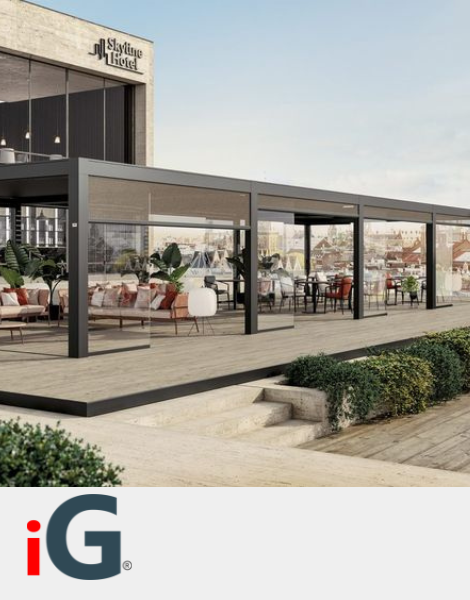 Boost Your Restaurant's Revenue with Pergolas and Louvered Roofs
Ever wondered how to make your restaurant more appealing and increase your sales? The answer might be simpler than...Read more
Boost Your Restaurant's Revenue with Pergolas and Louvered Roofs
Ever wondered how to make your restaurant more appealing and increase your sales? The answer might be simpler than...Read more -
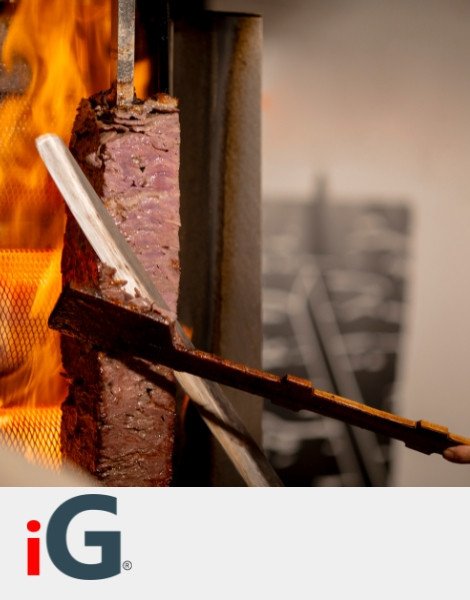 The World of Döner: From Traditional Recipes to the Best Döner Spots Worldwide
Learn how to make authentic Yaprak Döner, discover the best döner spots in Germany and worldwide, and explore the...Read more
The World of Döner: From Traditional Recipes to the Best Döner Spots Worldwide
Learn how to make authentic Yaprak Döner, discover the best döner spots in Germany and worldwide, and explore the...Read more
Leave a comment