
 Deutsch
 Türkçe
 Italiano

.jpg)
.jpg)
.jpg)
.jpg)
.jpg)
.jpg)
.jpg)
.jpg)
.jpg)
.jpg)

.jpg)

.jpg)
.jpg)
.jpg)
.jpg)
.jpg)
.jpg)
.jpg)
.jpg)
.jpg)
.jpg)



.jpg)
.jpg)
.jpg)
.jpg)
.jpg)
.jpg)
.jpg)
.jpg)
.jpg)



.jpg)
.jpg)

.jpg)
.jpg)
.jpg)
.jpg)


.jpg)

.png)
.jpg)
.jpg)
 (200 x 136 px) (5).png)
.png)

More and more restaurateurs and resourceful entrepreneurs are discovering the enormous potential of pizza vending...
-
 Cooking Appliances
add remove
Cooking Appliances
add remove -
-
Pizza & Grill
add remove
-
-
Refrigeration
add remove
-
-
Combi Steamer
add remove
-
-
Kitchen Appliances
add remove
-
-
Rinsing & Cleaning
add remove
-
-
Retail Refrigeration
add remove
-
-
Cafe & Ice Cream
add remove
-
-
Smart-Gastro
add remove
-
-
Event- & Cateringmöbel
-
Cooking Appliances
add remove
-
-
Pizza & Grill
add remove
-
-
Refrigeration
add remove
-
-
Combi Steamer
add remove
-
-
Kitchen Appliances
add remove
-
-
Rinsing & Cleaning
add remove
-
-
Retail Refrigeration
add remove
-
-
Cafe & Ice Cream
add remove
-
-
Smart-Gastro
add remove
-
-
Event- & Cateringmöbel


Call us:
+49 (0) 6135 7040 450Latest posts
-
 The Ultimate Guide: Pizza Vending Machines – Earnings, Costs & Experiences in the 24/7Read more
 -
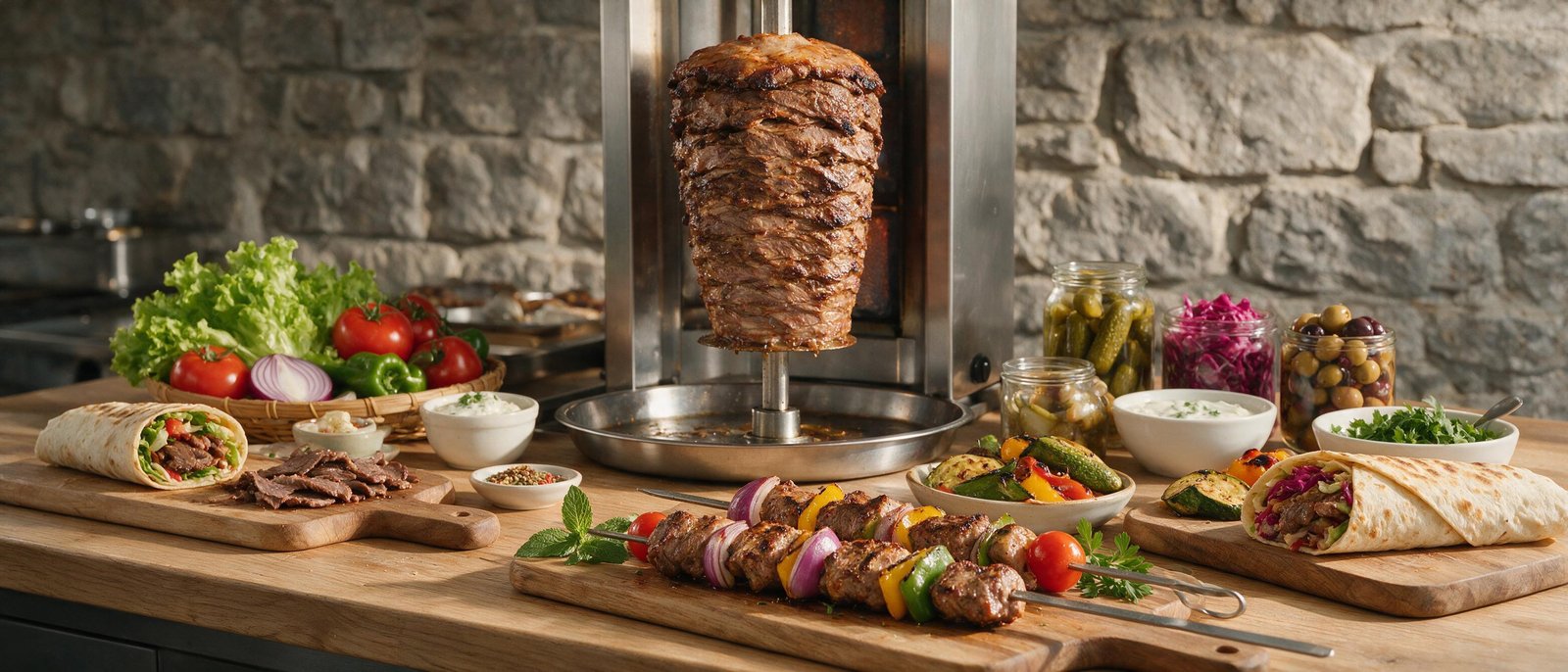 Döner vs. Shawarma vs. Kebab: Understanding the Terms and Differences for Your Food BusinessRead more
Are you confused about the difference between Döner, Shawarma, and Kebab? These popular meat dishes, often seen on...
-
 The 10 Best Döner Kebabs in Berlin (2026): The Ultimate Ranking Based on Real Customer ReviewsRead more
Berlin is the undisputed döner capital of the world. But with over 1,000 shops, the question arises: Which one is...
-
 Gyros vs. Döner: Understanding the Differences in Preparation, Seasoning, and Meat Selection for Your MenuRead more
Gyros and Döner are two iconic Mediterranean dishes often confused due to their similar appearance and cooking style....
-
 Welche Temperatur braucht ein Dönergrill? Richtwerte für die Gastronomie → Optimale Garzeiten und Temperaturen für perfekte ErgebnisseRead more
Der Dönergrill ist das Herzstück jeder Döner-Gastronomie. Die richtige Temperatur am Grill entscheidet maßgeblich...
-
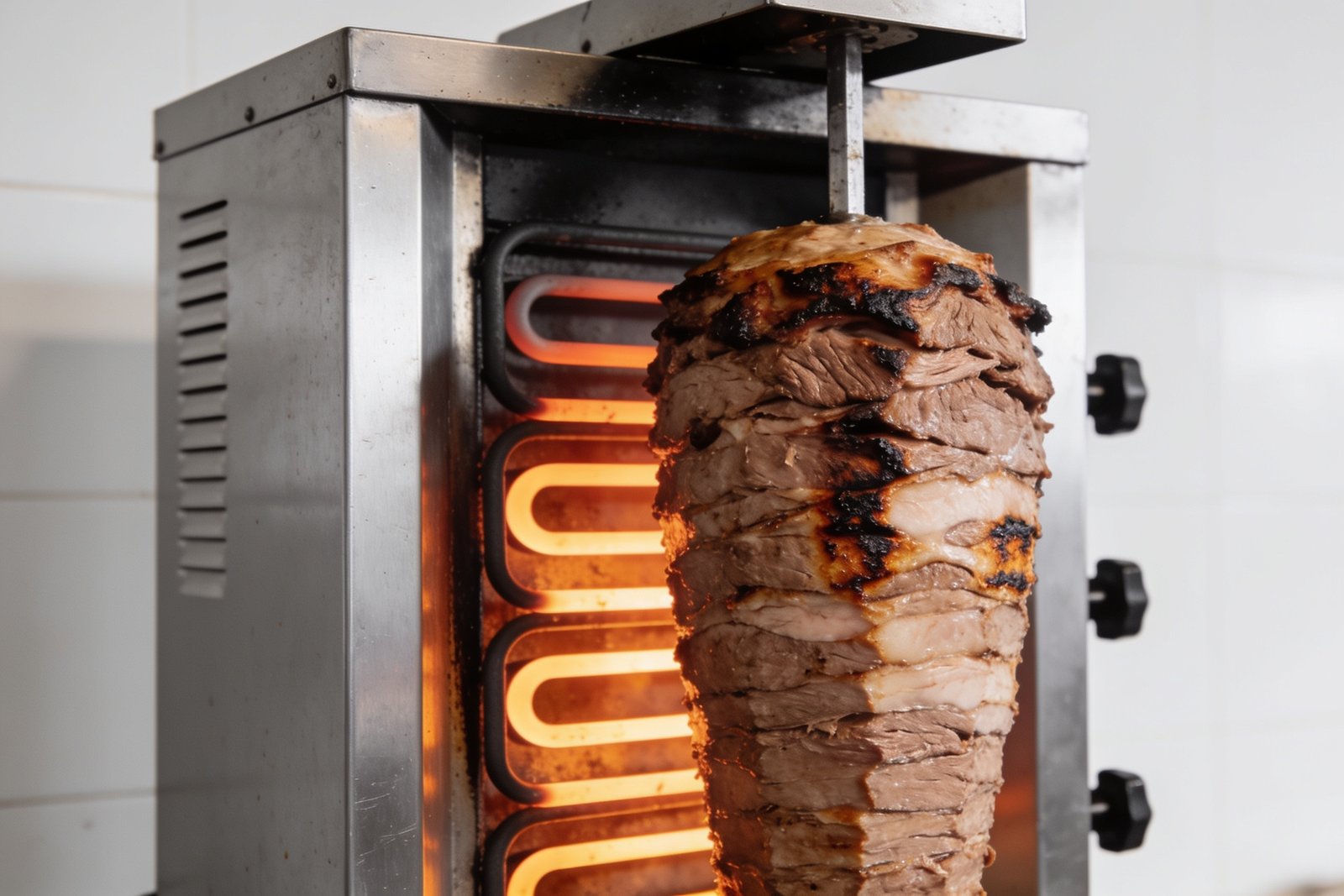 Döner Grill Heating Unevenly? Troubleshooting & Solutions → Recognize and Professionally Fix Common Device ProblemsRead more
Is your Döner grill heating unevenly? This can lead to poorly cooked meat and frustrated customers. In this guide, we...
-
 Proper Cleaning of Döner Grills: Care & Hygiene in Gastronomy → Equipment Cleaning According to HACCP Guidelines and Food Hygiene Regulations (LMHV)Read more
The Döner grill is a staple in many gastronomy businesses, and proper cleaning is essential to maintain hygiene and...
-
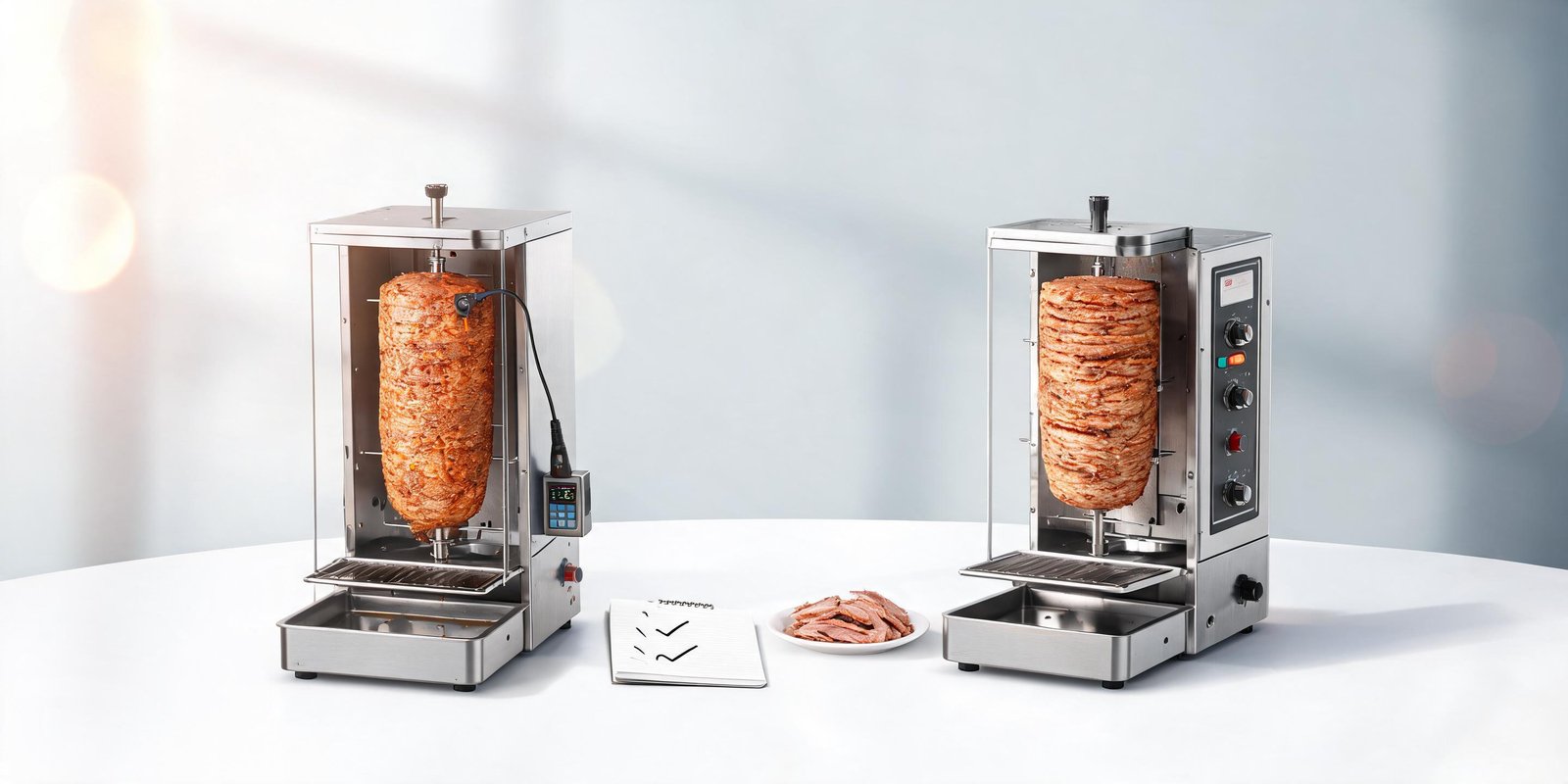 Commercial Döner Grill Tests & Reviews Overview → Make Informed Purchase Decisions with Current Product ComparisonsRead more
Choosing the right commercial Döner grill is essential for any food business specializing in this popular dish. This...
-
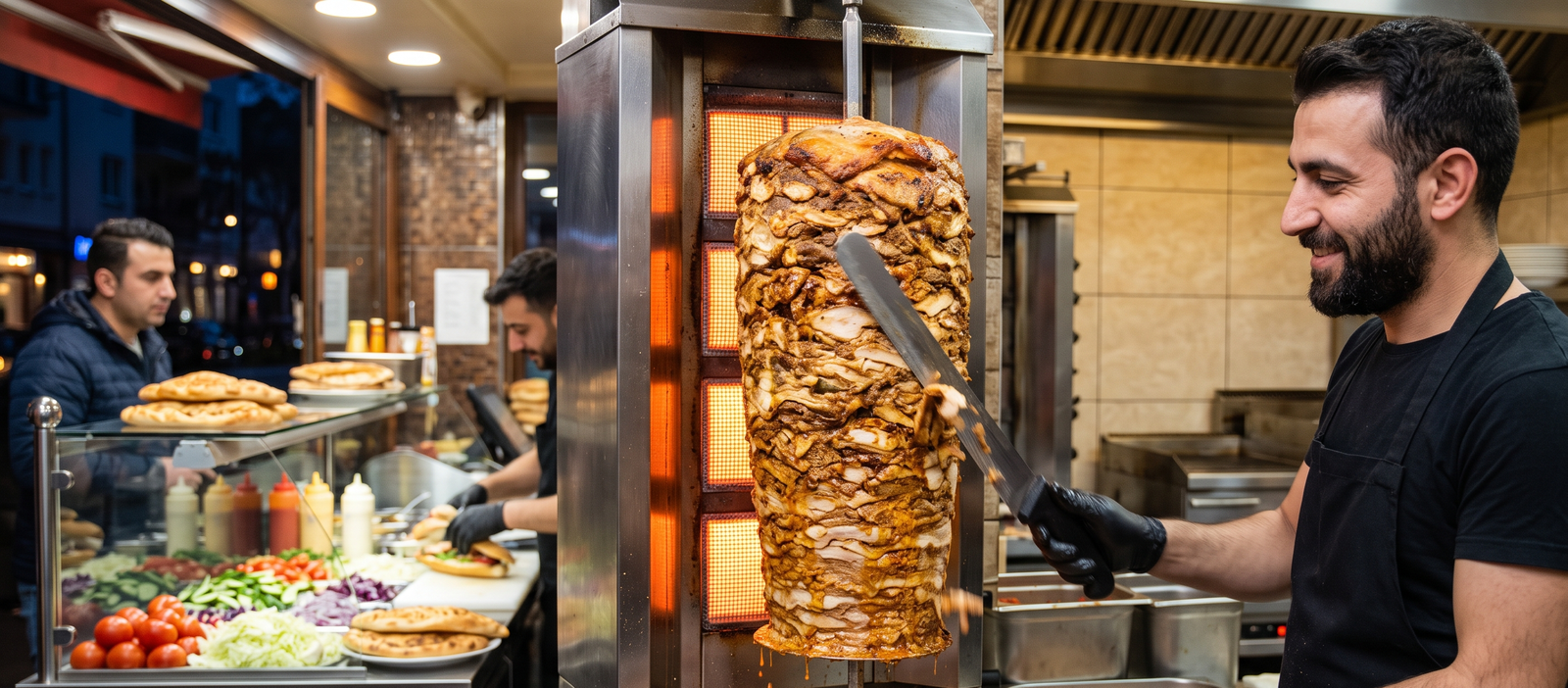 Why Is Döner Meat Grilled Vertically? Technology & Advantages Explained → The Functionality of the Vertical Grill and Its Benefits for the Gastronomy IndustryRead more
Döner kebab is famous worldwide for its juicy, flavorful meat cooked on a vertical spit. But why is the meat grilled...
-
 Compact Döner Grills for Small Snack Bars & Food Trucks → Space-Saving Solutions for Limited SpacesRead more
Small snack bars and food trucks often struggle with limited space, making it challenging to accommodate large...
Blog categories
Search in blog
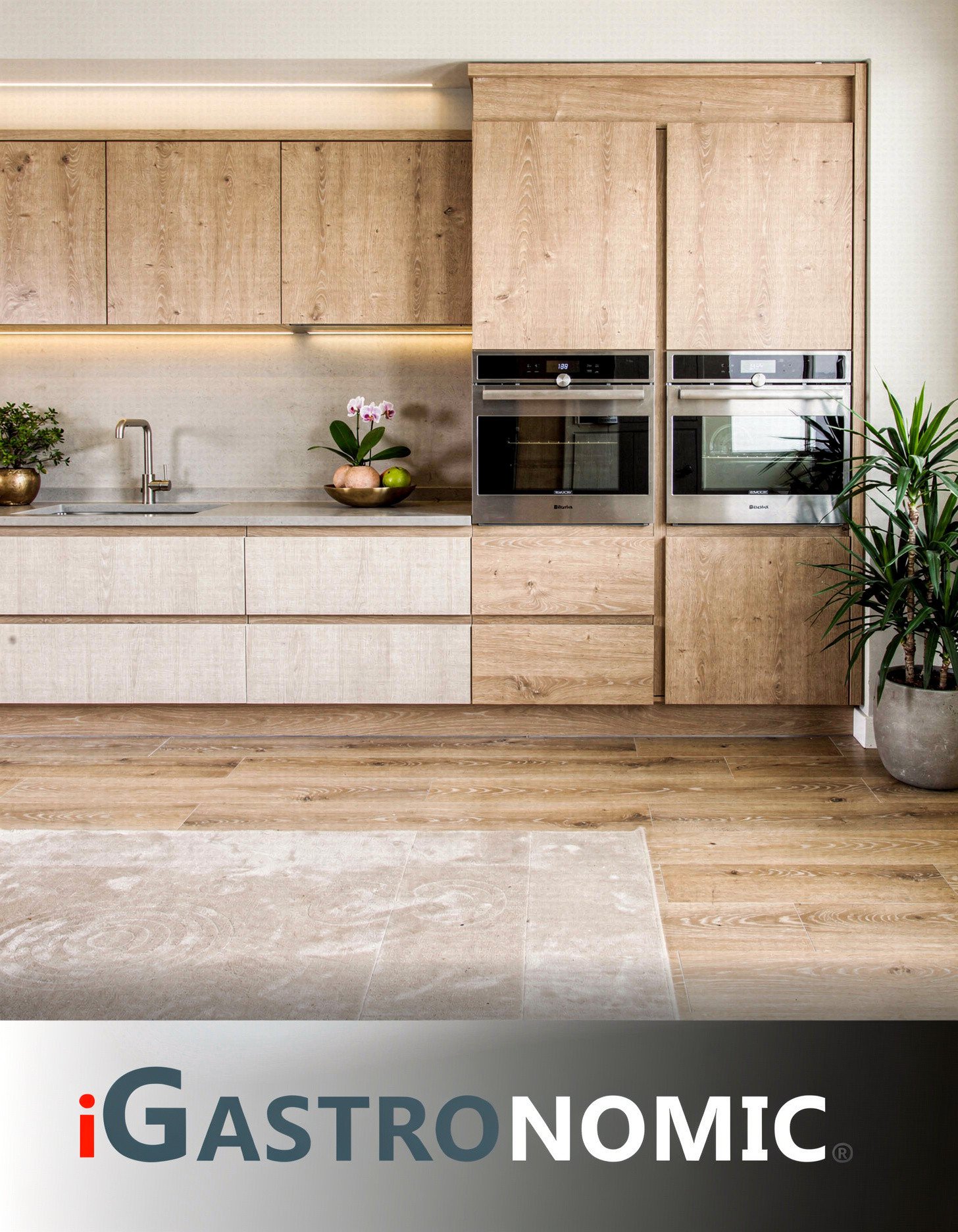
Eco-Friendly Kitchen Options: Creating a Sustainable and Stylish Cooking Space
Eco-Friendly Kitchen Options: Creating a Sustainable and Stylish Cooking Space
In recent years, the importance of sustainability has grown tremendously, influencing how we live, work, and even how we design our homes. The kitchen, often considered the heart of the home, is a perfect place to start embracing eco-friendly practices. From the materials used in cabinetry to the appliances that power your cooking, every choice can contribute to a greener lifestyle.
Why Choose an Eco-Friendly Kitchen?
The kitchen is one of the most resource-intensive rooms in the house. It consumes a significant amount of energy and water, produces waste, and often involves materials that are not environmentally friendly. By opting for eco-friendly kitchen options, you can:
- Reduce your carbon footprint: Using sustainable materials and energy-efficient appliances lowers greenhouse gas emissions.
- Save money: Energy-efficient appliances and water-saving fixtures reduce utility bills.
- Improve indoor air quality: Choosing non-toxic materials and finishes reduces harmful chemical exposure.
- Promote waste reduction: Composting and recycling options help manage kitchen waste responsibly.
- Enhance the aesthetic: Eco-friendly kitchens can be stylish, modern, and inviting.
Eco-Friendly Materials for Kitchen Cabinets and Countertops
One of the most visible aspects of your kitchen is the cabinetry and countertops. Traditional materials often involve toxic chemicals, deforestation, or non-recyclable components. Here are some sustainable alternatives:
1. Reclaimed Wood Cabinets
Reclaimed wood is salvaged from old buildings, barns, or furniture and repurposed for cabinetry. This reduces the demand for new lumber and preserves forests. Reclaimed wood also adds a unique character and warmth to your kitchen.
2. Bamboo Cabinets and Flooring
Bamboo is a rapidly renewable resource, growing much faster than traditional hardwoods. It’s durable, moisture-resistant, and has a beautiful natural grain. Bamboo cabinets and floors are a great sustainable choice.
3. FSC-Certified Wood
If you prefer new wood, look for products certified by the Forest Stewardship Council (FSC). This certification ensures the wood comes from responsibly managed forests that provide environmental, social, and economic benefits.
4. Recycled Glass Countertops
Countertops made from recycled glass embedded in concrete or resin are both eco-friendly and visually stunning. They reduce landfill waste and come in a variety of colors and patterns.
5. Sustainable Stone Options
Natural stone like granite or marble can be sustainable if sourced locally to reduce transportation emissions. Additionally, engineered stone made from recycled materials is an option worth considering.
6. Butcher Block Countertops
Made from sustainably harvested hardwoods, butcher block countertops offer a warm, natural look. They require maintenance but can last for many years if cared for properly.
Energy-Efficient Appliances
Appliances are essential in every kitchen but can be major energy consumers. Choosing energy-efficient models helps reduce electricity use and lowers your utility bills.
1. Look for ENERGY STAR Certification
ENERGY STAR appliances meet strict energy efficiency guidelines set by the U.S. Environmental Protection Agency. From refrigerators to dishwashers, these appliances use less energy and water without sacrificing performance.
2. Induction Cooktops
Induction cooktops are more energy-efficient than traditional electric or gas stoves because they heat cookware directly using magnetic fields. They also heat up faster and offer precise temperature control.
3. Efficient Refrigerators
Refrigerators run 24/7, so choosing an energy-efficient model can make a big difference. Look for units with good insulation, inverter compressors, and smart features that optimize energy use.
4. Water-Saving Dishwashers
Modern dishwashers can use as little as 3 gallons of water per cycle, compared to washing dishes by hand, which can use much more. ENERGY STAR rated dishwashers use less water and energy.
Water Conservation in the Kitchen
Water is a precious resource, and kitchens can be surprisingly water-intensive. Implementing water-saving fixtures and habits helps conserve water and reduce your environmental impact.
1. Low-Flow Faucets and Aerators
Installing low-flow faucets or aerators reduces water flow without compromising pressure. This simple upgrade can save hundreds of gallons of water annually.
2. Touchless and Sensor Faucets
Touchless faucets activate only when hands are detected, preventing water waste. They are also hygienic and convenient.
3. Efficient Dishwashing Practices
Running the dishwasher only when full and using eco or water-saving modes helps conserve water. If washing by hand, fill the sink instead of letting the water run continuously.
Reducing Kitchen Waste
Waste reduction is a key component of an eco-friendly kitchen. From food scraps to packaging, managing waste sustainably can have a significant environmental benefit.
1. Composting
Composting food scraps reduces landfill waste and produces nutrient-rich soil for gardening. Many cities offer composting programs, or you can start your own compost bin at home.
2. Recycling Stations
Set up clearly labeled recycling bins in your kitchen to separate paper, plastics, glass, and metals. This encourages proper disposal and makes recycling easier.
3. Minimizing Single-Use Plastics
Opt for reusable containers, beeswax wraps, and cloth bags instead of disposable plastic products. Buying in bulk and choosing products with minimal packaging also helps.
4. Smart Food Storage
Properly storing food extends its shelf life and reduces waste. Use airtight containers, clear labeling, and organize your fridge and pantry to keep track of what you have.
Eco-Friendly Lighting
Lighting is another area where you can make sustainable choices in the kitchen.
1. LED Lighting
LED bulbs use up to 75% less energy than incandescent bulbs and last much longer. They are available in various color temperatures to create the perfect kitchen ambiance.
2. Natural Light Maximization
Design your kitchen to maximize natural light by using large windows, skylights, or glass doors. This reduces the need for artificial lighting during the day.
3. Smart Lighting Controls
Install dimmers, motion sensors, or smart lighting systems to control when and how much light is used, preventing unnecessary energy consumption.
Eco-Friendly Kitchen Accessories and Utensils
Even small items in your kitchen can be chosen with sustainability in mind.
1. Bamboo or Wooden Utensils
Replace plastic utensils with bamboo or sustainably sourced wooden ones. They are biodegradable and add a natural touch to your kitchen.
2. Reusable Cloth Towels
Use cloth towels instead of paper towels to reduce waste. Choose organic cotton or bamboo fabrics for added sustainability.
3. Glass or Stainless Steel Storage Containers
Avoid plastic containers by opting for glass or stainless steel, which are durable, non-toxic, and recyclable.
Designing an Eco-Friendly Kitchen: Tips and Ideas
When planning your eco-friendly kitchen, consider the following tips to combine functionality, style, and sustainability:
- Plan for durability: Invest in high-quality materials and appliances that last longer, reducing the need for replacements.
- Choose non-toxic finishes: Select low-VOC paints, stains, and sealants to improve indoor air quality.
- Incorporate plants: Indoor plants improve air quality and add a natural element to your kitchen.
- Use modular or flexible designs: Modular cabinetry allows for easy updates or repairs, extending the kitchen’s lifespan.
- Support local artisans and suppliers: Reducing transportation emissions and supporting local economies.
Conclusion
Creating an eco-friendly kitchen is not only good for the environment but also enhances your home's comfort, health, and style. By choosing sustainable materials, energy-efficient appliances, water-saving fixtures, and waste reduction practices, you contribute to a greener planet while enjoying a beautiful and functional kitchen space. Whether you’re remodeling or just making small changes, every step towards sustainability counts.
Start your journey today by assessing your current kitchen setup and exploring the many eco-friendly options available. Your kitchen can be a shining example of how sustainability and design go hand in hand.
Posted in:
Tips & Tricks
Related posts
-
 More Than Just Fast Food - All You Need to Know
System Gastronomy: Learn more about this exciting business model. From Fast Food to Casual Dining - we explain...Read more
More Than Just Fast Food - All You Need to Know
System Gastronomy: Learn more about this exciting business model. From Fast Food to Casual Dining - we explain...Read more -
 The 10 Most Expensive Restaurants in the World
When it comes to fine dining and luxurious culinary experiences, some restaurants around the globe capture attention...Read more
The 10 Most Expensive Restaurants in the World
When it comes to fine dining and luxurious culinary experiences, some restaurants around the globe capture attention...Read more -
 Which Restaurant Makes the Most Revenue? A Deep Dive into the World of Gastronomy
Who are the revenue giants in the gastronomy industry? We reveal the top players and analyze why they are so...Read more
Which Restaurant Makes the Most Revenue? A Deep Dive into the World of Gastronomy
Who are the revenue giants in the gastronomy industry? We reveal the top players and analyze why they are so...Read more -
 Boost Your Restaurant's Revenue with Pergolas and Louvered Roofs
Ever wondered how to make your restaurant more appealing and increase your sales? The answer might be simpler than...Read more
Boost Your Restaurant's Revenue with Pergolas and Louvered Roofs
Ever wondered how to make your restaurant more appealing and increase your sales? The answer might be simpler than...Read more -
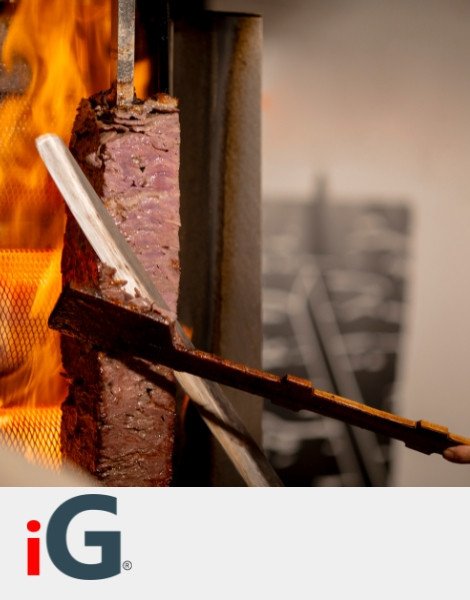 The World of Döner: From Traditional Recipes to the Best Döner Spots Worldwide
Learn how to make authentic Yaprak Döner, discover the best döner spots in Germany and worldwide, and explore the...Read more
The World of Döner: From Traditional Recipes to the Best Döner Spots Worldwide
Learn how to make authentic Yaprak Döner, discover the best döner spots in Germany and worldwide, and explore the...Read more
Leave a comment