
 Deutsch
 Türkçe
 Italiano

.jpg)
.jpg)
.jpg)
.jpg)
.jpg)
.jpg)
.jpg)
.jpg)
.jpg)
.jpg)

.jpg)

.jpg)
.jpg)
.jpg)
.jpg)
.jpg)
.jpg)
.jpg)
.jpg)
.jpg)
.jpg)



.jpg)
.jpg)
.jpg)
.jpg)
.jpg)
.jpg)
.jpg)
.jpg)
.jpg)



.jpg)
.jpg)

.jpg)
.jpg)
.jpg)
.jpg)


.jpg)

.png)
.jpg)
.jpg)
 (200 x 136 px) (5).png)
.png)

More and more restaurateurs and resourceful entrepreneurs are discovering the enormous potential of pizza vending...
-
 Cooking Appliances
add remove
Cooking Appliances
add remove -
-
Pizza & Grill
add remove
-
-
Refrigeration
add remove
-
-
Combi Steamer
add remove
-
-
Kitchen Appliances
add remove
-
-
Rinsing & Cleaning
add remove
-
-
Retail Refrigeration
add remove
-
-
Cafe & Ice Cream
add remove
-
-
Smart-Gastro
add remove
-
-
Event- & Cateringmöbel
-
Cooking Appliances
add remove
-
-
Pizza & Grill
add remove
-
-
Refrigeration
add remove
-
-
Combi Steamer
add remove
-
-
Kitchen Appliances
add remove
-
-
Rinsing & Cleaning
add remove
-
-
Retail Refrigeration
add remove
-
-
Cafe & Ice Cream
add remove
-
-
Smart-Gastro
add remove
-
-
Event- & Cateringmöbel


Call us:
+49 (0) 6135 7040 450Latest posts
-
 The Ultimate Guide: Pizza Vending Machines – Earnings, Costs & Experiences in the 24/7Read more
 -
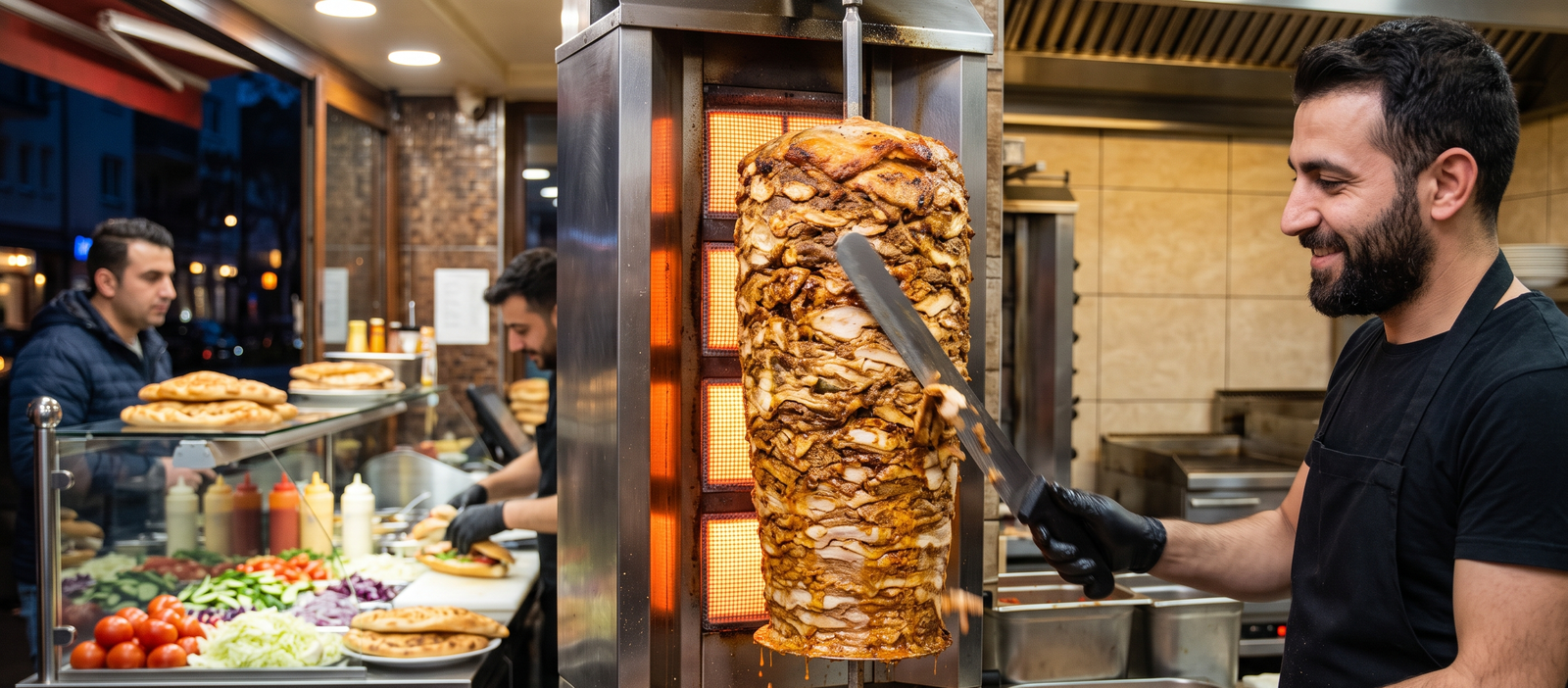
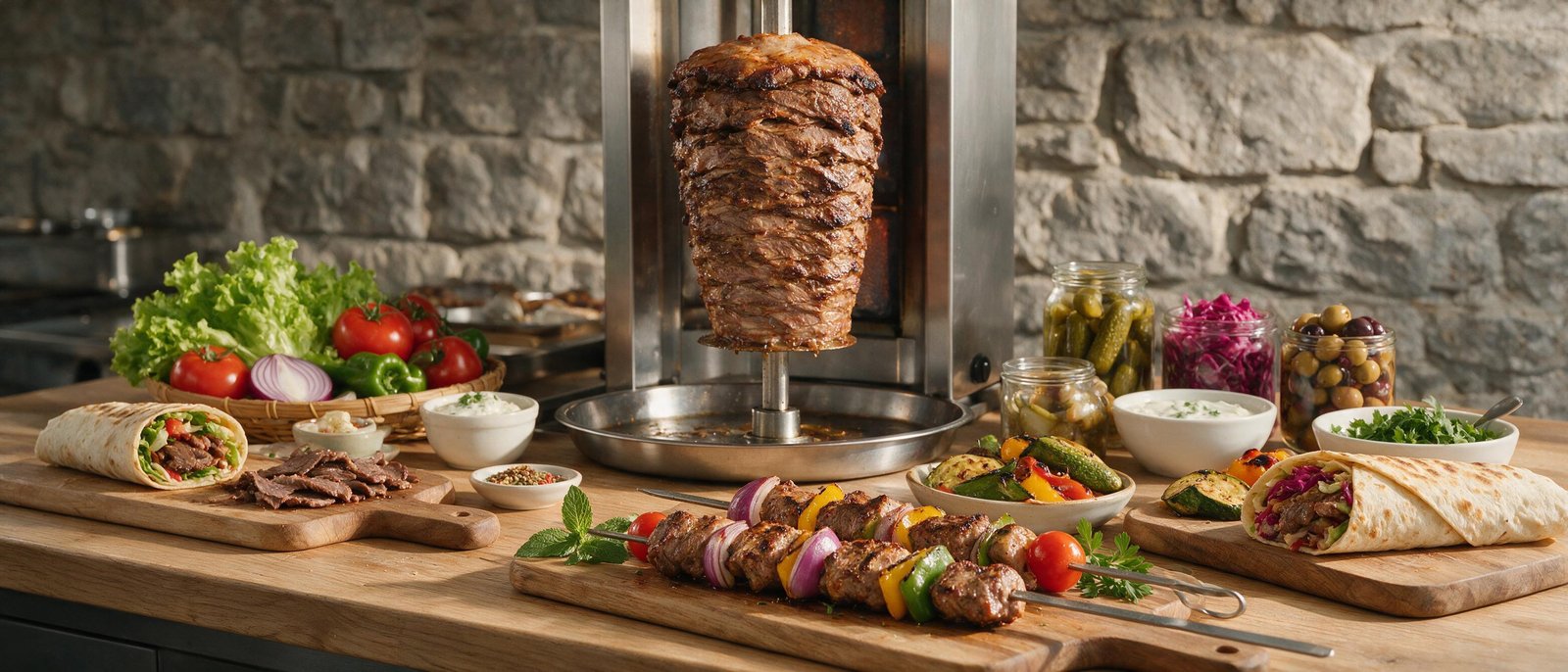 Döner vs. Shawarma vs. Kebab: Understanding the Terms and Differences for Your Food BusinessRead more
Are you confused about the difference between Döner, Shawarma, and Kebab? These popular meat dishes, often seen on...
-
 The 10 Best Döner Kebabs in Berlin (2026): The Ultimate Ranking Based on Real Customer ReviewsRead more
Berlin is the undisputed döner capital of the world. But with over 1,000 shops, the question arises: Which one is...
-
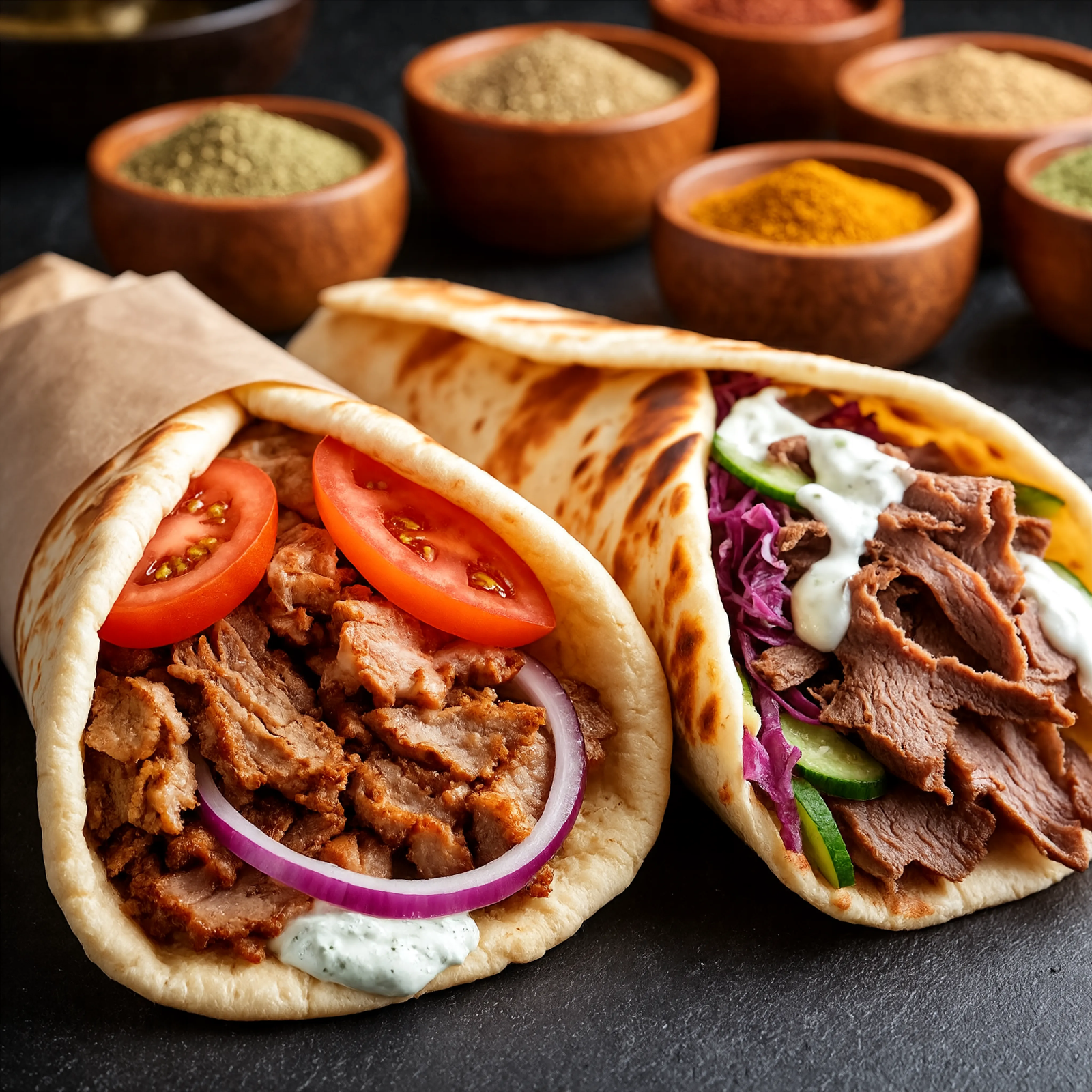 Gyros vs. Döner: Understanding the Differences in Preparation, Seasoning, and Meat Selection for Your MenuRead more
Gyros and Döner are two iconic Mediterranean dishes often confused due to their similar appearance and cooking style....
-
 Welche Temperatur braucht ein Dönergrill? Richtwerte für die Gastronomie → Optimale Garzeiten und Temperaturen für perfekte ErgebnisseRead more
Der Dönergrill ist das Herzstück jeder Döner-Gastronomie. Die richtige Temperatur am Grill entscheidet maßgeblich...
-
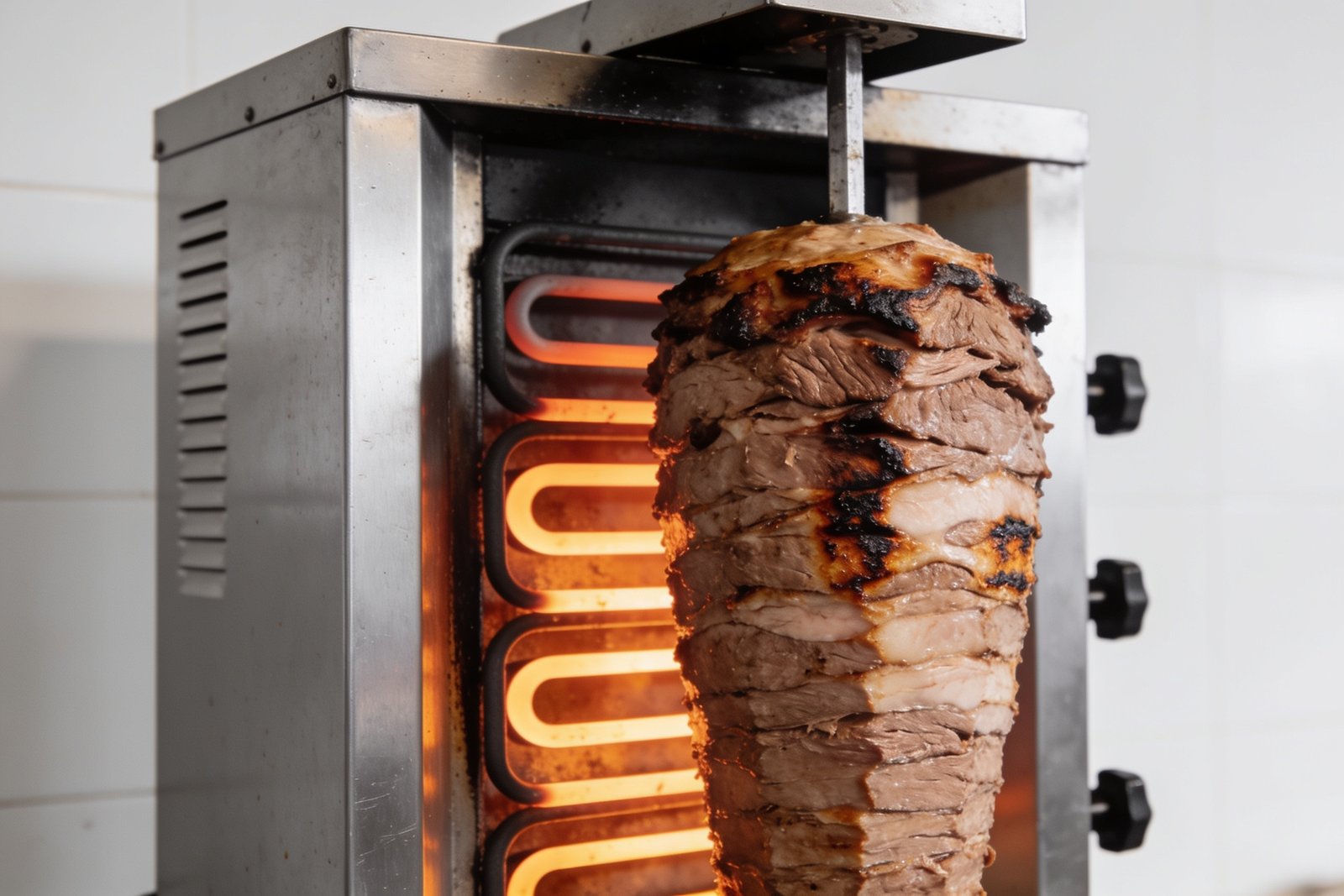 Döner Grill Heating Unevenly? Troubleshooting & Solutions → Recognize and Professionally Fix Common Device ProblemsRead more
Is your Döner grill heating unevenly? This can lead to poorly cooked meat and frustrated customers. In this guide, we...
-
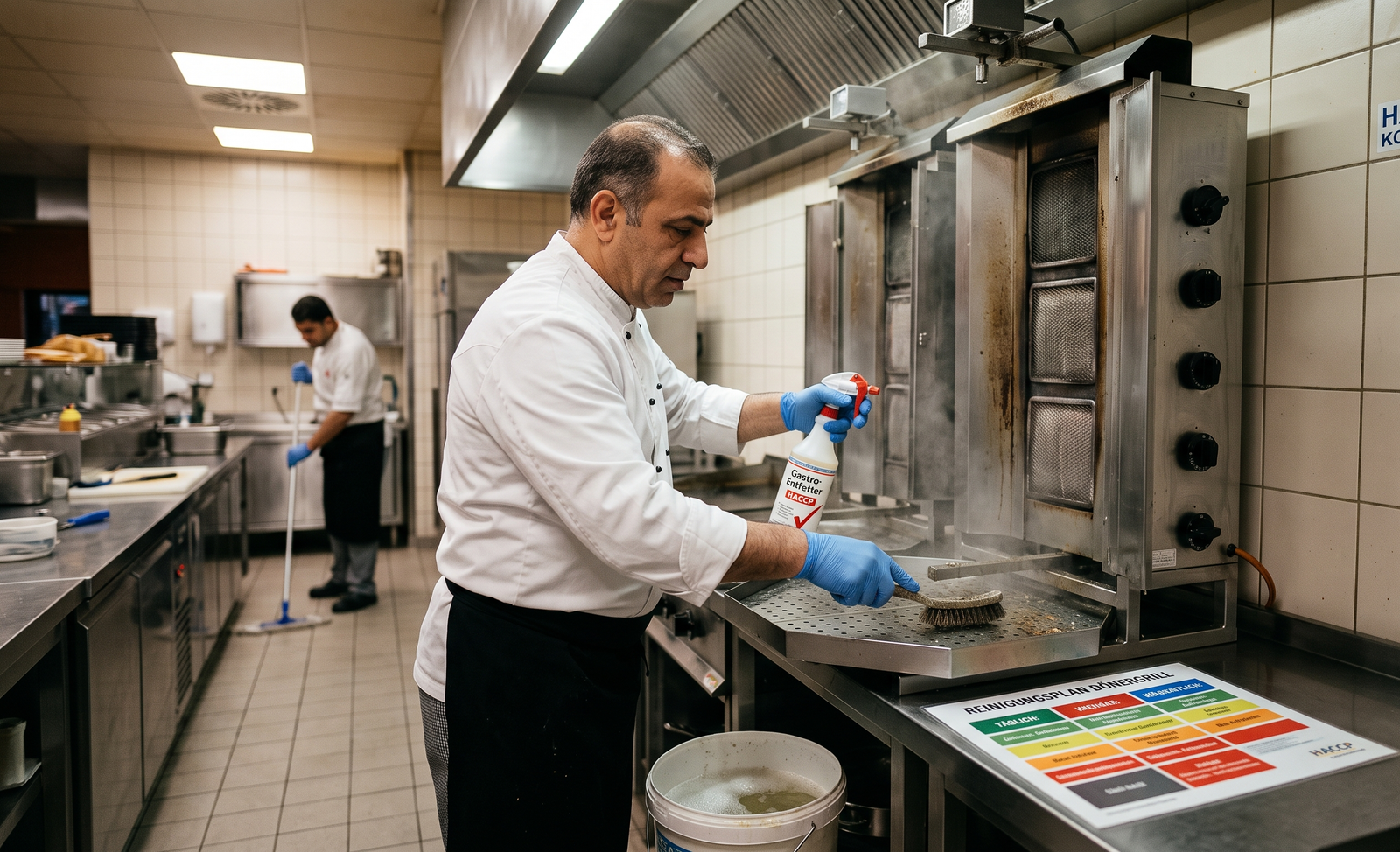 Proper Cleaning of Döner Grills: Care & Hygiene in Gastronomy → Equipment Cleaning According to HACCP Guidelines and Food Hygiene Regulations (LMHV)Read more
The Döner grill is a staple in many gastronomy businesses, and proper cleaning is essential to maintain hygiene and...
-
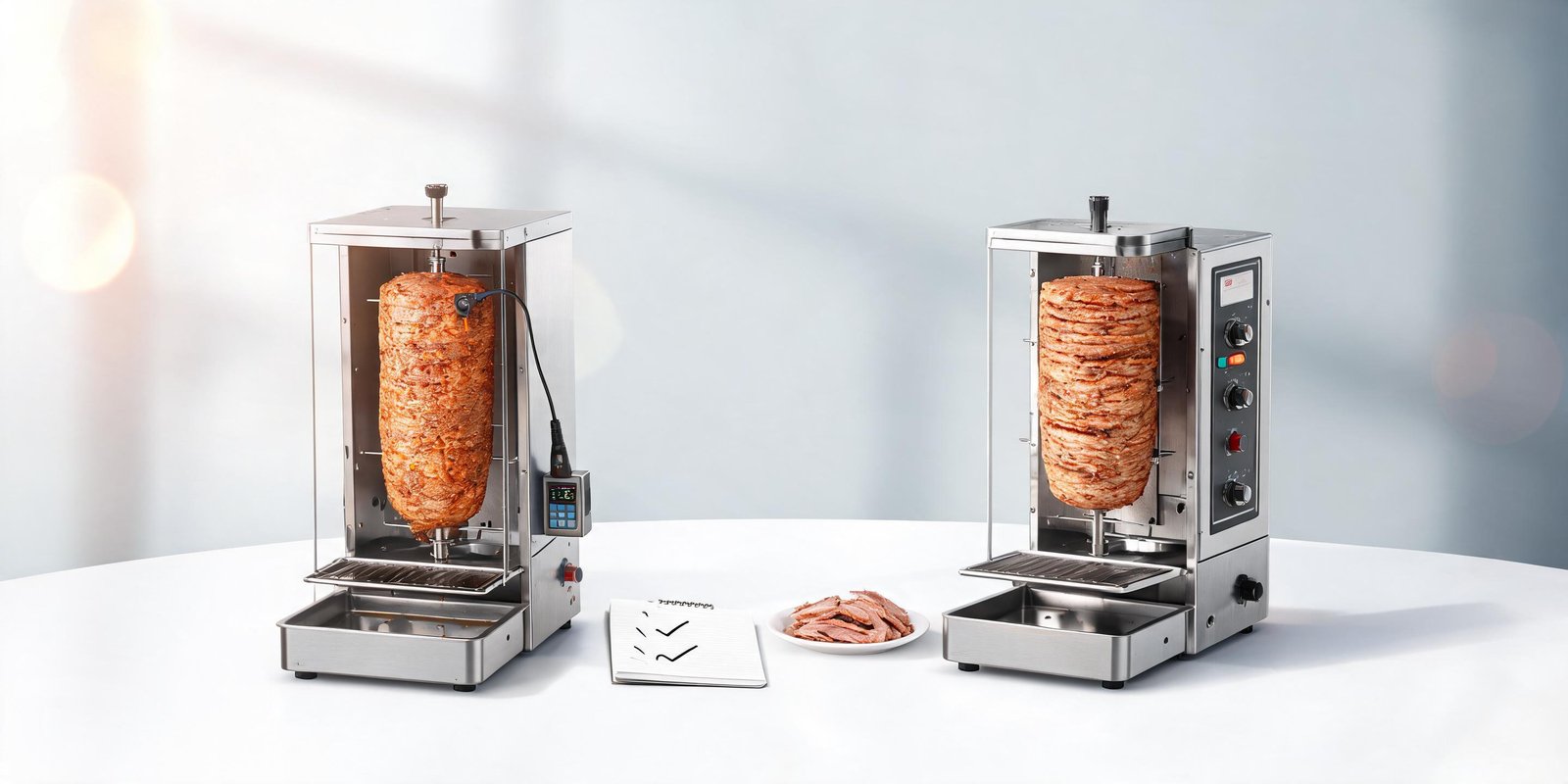 Commercial Döner Grill Tests & Reviews Overview → Make Informed Purchase Decisions with Current Product ComparisonsRead more
Choosing the right commercial Döner grill is essential for any food business specializing in this popular dish. This...
-
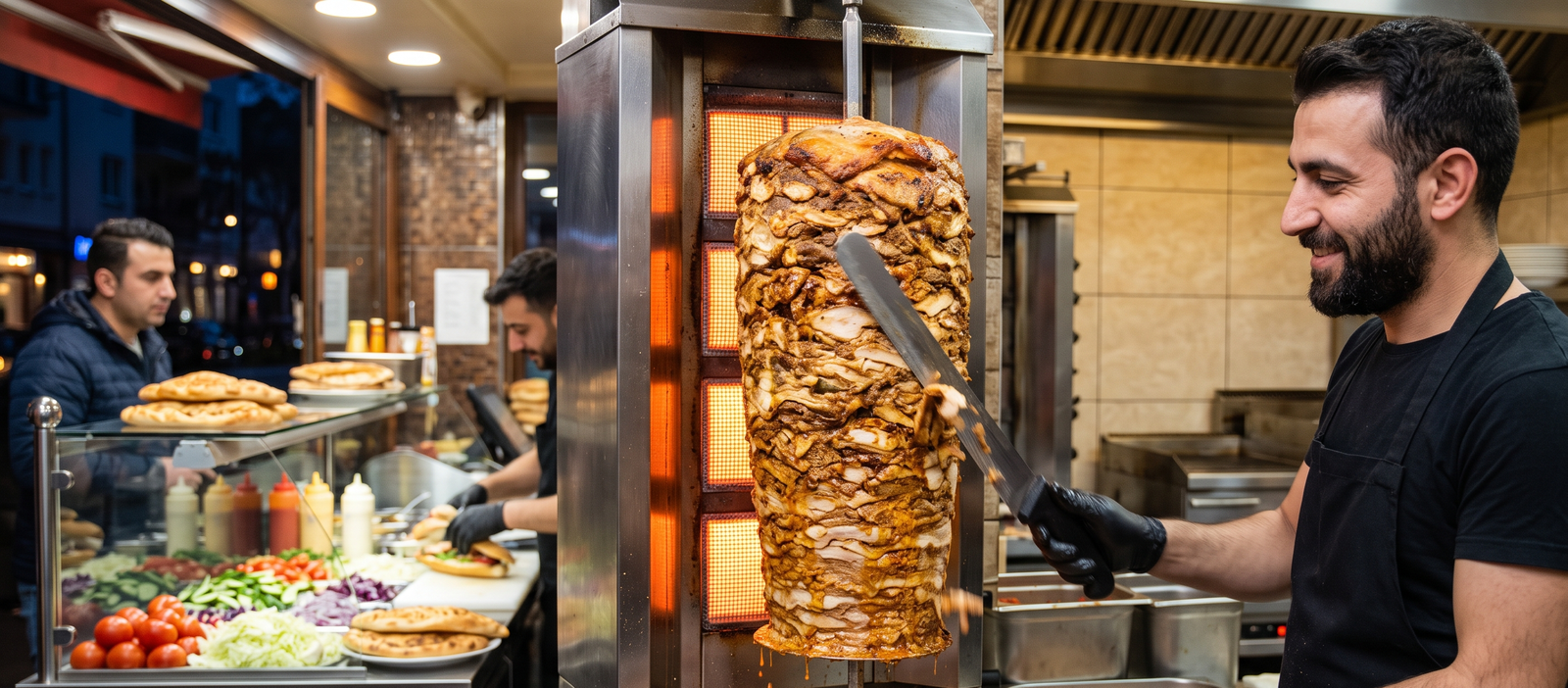 Why Is Döner Meat Grilled Vertically? Technology & Advantages Explained → The Functionality of the Vertical Grill and Its Benefits for the Gastronomy IndustryRead more
Döner kebab is famous worldwide for its juicy, flavorful meat cooked on a vertical spit. But why is the meat grilled...
-
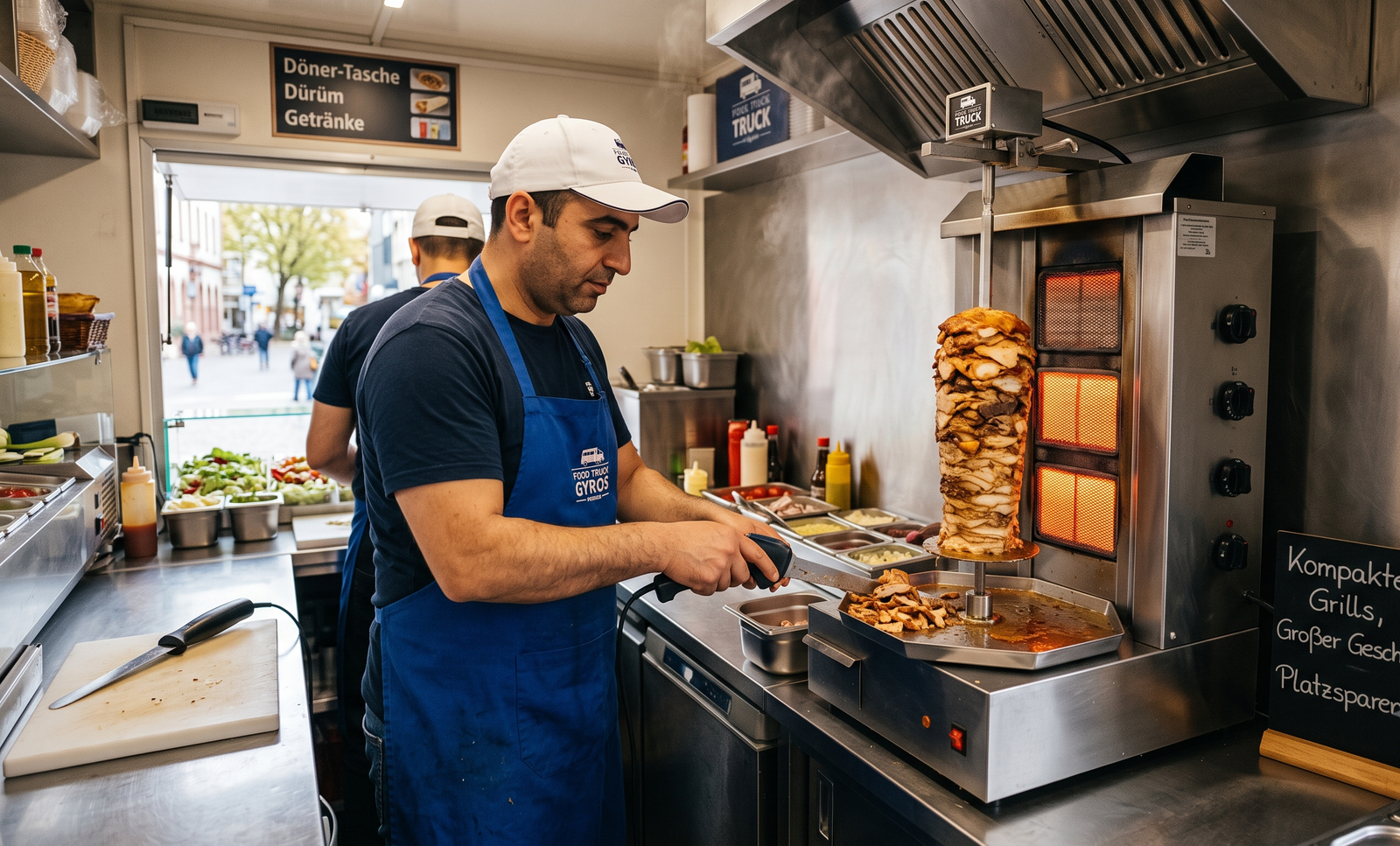 Compact Döner Grills for Small Snack Bars & Food Trucks → Space-Saving Solutions for Limited SpacesRead more
Small snack bars and food trucks often struggle with limited space, making it challenging to accommodate large...
Blog categories
Search in blog
What to Consider When Buying Commercial Kitchen Equipment
What to Consider When Buying Commercial Kitchen Equipment
Investing in commercial kitchen equipment is a crucial step for anyone operating or planning to open a gastronomy business, whether it's a restaurant, café, catering service, or food truck. The right equipment not only ensures smooth kitchen operations but also impacts food quality, staff efficiency, and overall profitability. However, choosing the right devices can be overwhelming due to the variety of options, technical specifications, and budget considerations.
Understanding Your Business Needs
Before diving into the technical details or brands, it’s essential to analyze your specific business requirements. Ask yourself:
- What type of cuisine will you serve?
- What is the expected volume of customers?
- What is the kitchen layout and available space?
- What is your budget for equipment purchases?
- Do you have specific energy efficiency or sustainability goals?
Answering these questions will help narrow down the equipment type, size, and features that best suit your operation. For example, a pizza restaurant will need different ovens compared to a sushi bar or a bakery.
Key Factors to Consider When Buying Gastro Kitchen Equipment
1. Quality and Durability
Commercial kitchen equipment undergoes heavy use daily, so durability is paramount. Look for equipment made of high-quality materials like stainless steel, which is resistant to corrosion, easy to clean, and hygienic. Investing in durable equipment may have a higher upfront cost but will save money in the long run by reducing downtime and repair expenses.
2. Compliance with Health and Safety Standards
All commercial kitchen equipment must comply with local health and safety regulations. This includes certifications for food safety, electrical safety, and fire prevention. Make sure the equipment you purchase meets these standards to avoid legal issues and ensure the safety of your staff and customers.
3. Energy Efficiency
Energy consumption is a significant operational cost in commercial kitchens. Modern equipment often comes with energy-saving features such as insulated doors, programmable controls, and efficient heating elements. Look for energy certifications like Energy Star or equivalent local labels to reduce utility bills and environmental impact.
4. Size and Capacity
Choosing the right size and capacity is critical. Equipment that is too small may not meet demand during peak hours, while oversized equipment wastes space and energy. Measure your kitchen space carefully and consider the volume of food you plan to prepare. For example, ovens come in various sizes and capacities; selecting one that matches your menu and customer flow is essential.
5. Ease of Cleaning and Maintenance
Hygiene is vital in any food service environment. Equipment should be easy to clean to maintain sanitary conditions and comply with health codes. Features like removable parts, smooth surfaces, and accessible components make cleaning easier. Additionally, consider the availability of spare parts and the ease of maintenance to minimize downtime.
6. User-Friendliness
Kitchen staff efficiency depends on how easy it is to operate the equipment. Intuitive controls, clear displays, and ergonomic design reduce training time and errors. Some modern devices also offer programmable settings, which can speed up repetitive tasks.
7. Warranty and After-Sales Service
Reliable warranty terms and responsive after-sales service are important safety nets. Equipment breakdowns can disrupt your business, so choose suppliers who provide good support, including installation, maintenance, and repair services.
8. Budget Considerations
While it’s tempting to go for the cheapest options, remember that quality equipment is an investment. Balance your budget with the need for durability, efficiency, and compliance. Sometimes leasing or financing options are available, which can ease upfront costs.
Types of Commercial Kitchen Equipment and What to Look For
Cooking Equipment
This category includes ovens, stoves, grills, fryers, and steamers. When selecting cooking equipment, consider:
- Fuel type: Gas, electric, or induction. Gas offers quick heat control, electric is often easier to clean, and induction is energy-efficient.
- Heat distribution: Even heat is crucial for consistent cooking results.
- Programmability: Some ovens and steamers offer programmable cooking cycles for precision.
Refrigeration
Proper refrigeration is essential for food safety. Consider:
- Type: Reach-in refrigerators, under-counter units, walk-ins, or display cases.
- Temperature control: Accurate and stable temperature settings.
- Energy efficiency: Look for models with good insulation and efficient compressors.
Food Preparation Equipment
This includes mixers, slicers, food processors, and blenders. Focus on:
- Power and speed settings: To handle different tasks.
- Safety features: Such as automatic shut-off and guards.
- Ease of cleaning: Detachable parts and dishwasher-safe components.
Dishwashing Equipment
Efficient dishwashers save time and water. Consider:
- Capacity: Based on your volume of dishes.
- Cycle time: Faster cycles increase throughput.
- Water and energy consumption: For cost savings.
Additional Tips for a Successful Purchase
Research and Compare Brands
Not all brands offer the same quality and support. Read reviews, ask for recommendations from industry peers, and check for certifications. Sometimes, local brands offer better service and parts availability.
Visit Trade Shows and Demonstrations
Trade fairs and equipment demonstrations allow you to see devices in action, ask questions, and negotiate prices.
Consider Modular and Multi-Functional Equipment
Space is often limited in commercial kitchens. Modular equipment that can be expanded or multi-functional devices can save space and money.
Plan for Future Growth
Think ahead about your business growth. Buying equipment that can handle increased volume or can be upgraded helps avoid frequent replacements.
Conclusion
Purchasing commercial kitchen equipment is a significant decision that impacts your gastronomy business's efficiency, quality, and profitability. By carefully assessing your needs, prioritizing quality, compliance, and energy efficiency, and considering user-friendliness and after-sales support, you can make informed choices that serve your business well for years to come.
Take your time, research thoroughly, and don’t hesitate to consult experts or peers in the industry. The right equipment is a foundation for your kitchen’s success.
Happy cooking and successful business!
Posted in:
Tips & Tricks
Related posts
-
 More Than Just Fast Food - All You Need to Know
System Gastronomy: Learn more about this exciting business model. From Fast Food to Casual Dining - we explain...Read more
More Than Just Fast Food - All You Need to Know
System Gastronomy: Learn more about this exciting business model. From Fast Food to Casual Dining - we explain...Read more -
 The 10 Most Expensive Restaurants in the World
When it comes to fine dining and luxurious culinary experiences, some restaurants around the globe capture attention...Read more
The 10 Most Expensive Restaurants in the World
When it comes to fine dining and luxurious culinary experiences, some restaurants around the globe capture attention...Read more -
 Which Restaurant Makes the Most Revenue? A Deep Dive into the World of Gastronomy
Who are the revenue giants in the gastronomy industry? We reveal the top players and analyze why they are so...Read more
Which Restaurant Makes the Most Revenue? A Deep Dive into the World of Gastronomy
Who are the revenue giants in the gastronomy industry? We reveal the top players and analyze why they are so...Read more -
 Boost Your Restaurant's Revenue with Pergolas and Louvered Roofs
Ever wondered how to make your restaurant more appealing and increase your sales? The answer might be simpler than...Read more
Boost Your Restaurant's Revenue with Pergolas and Louvered Roofs
Ever wondered how to make your restaurant more appealing and increase your sales? The answer might be simpler than...Read more -
 The World of Döner: From Traditional Recipes to the Best Döner Spots Worldwide
Learn how to make authentic Yaprak Döner, discover the best döner spots in Germany and worldwide, and explore the...Read more
The World of Döner: From Traditional Recipes to the Best Döner Spots Worldwide
Learn how to make authentic Yaprak Döner, discover the best döner spots in Germany and worldwide, and explore the...Read more
Leave a comment