
 Deutsch
 Türkçe
 Italiano

.jpg)
.jpg)
.jpg)
.jpg)
.jpg)
.jpg)
.jpg)
.jpg)
.jpg)
.jpg)

.jpg)

.jpg)
.jpg)
.jpg)
.jpg)
.jpg)
.jpg)
.jpg)
.jpg)
.jpg)
.jpg)



.jpg)
.jpg)
.jpg)
.jpg)
.jpg)
.jpg)
.jpg)
.jpg)
.jpg)



.jpg)
.jpg)

.jpg)
.jpg)
.jpg)
.jpg)


.jpg)

.png)
.jpg)
.jpg)
 (200 x 136 px) (5).png)
.png)

More and more restaurateurs and resourceful entrepreneurs are discovering the enormous potential of pizza vending...
-
 Cooking Appliances
add remove
Cooking Appliances
add remove -
-
Pizza & Grill
add remove
-
-
Refrigeration
add remove
-
-
Combi Steamer
add remove
-
-
Kitchen Appliances
add remove
-
-
Rinsing & Cleaning
add remove
-
-
Retail Refrigeration
add remove
-
-
Cafe & Ice Cream
add remove
-
-
Smart-Gastro
add remove
-
-
Event- & Cateringmöbel
-
Cooking Appliances
add remove
-
-
Pizza & Grill
add remove
-
-
Refrigeration
add remove
-
-
Combi Steamer
add remove
-
-
Kitchen Appliances
add remove
-
-
Rinsing & Cleaning
add remove
-
-
Retail Refrigeration
add remove
-
-
Cafe & Ice Cream
add remove
-
-
Smart-Gastro
add remove
-
-
Event- & Cateringmöbel


Call us:
+49 (0) 6135 7040 450Latest posts
-
 The Ultimate Guide: Pizza Vending Machines – Earnings, Costs & Experiences in the 24/7Read more
 -
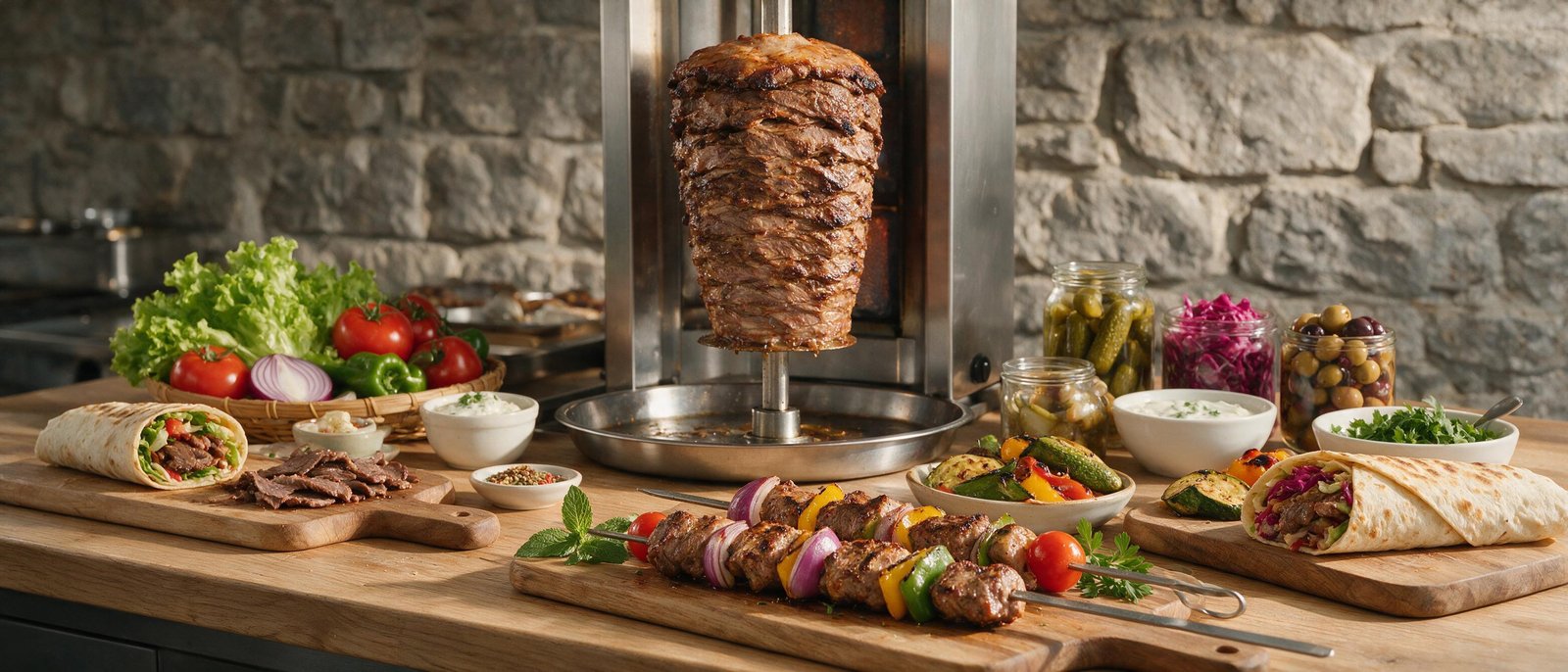 Döner vs. Shawarma vs. Kebab: Understanding the Terms and Differences for Your Food BusinessRead more
Are you confused about the difference between Döner, Shawarma, and Kebab? These popular meat dishes, often seen on...
-
 The 10 Best Döner Kebabs in Berlin (2026): The Ultimate Ranking Based on Real Customer ReviewsRead more
Berlin is the undisputed döner capital of the world. But with over 1,000 shops, the question arises: Which one is...
-
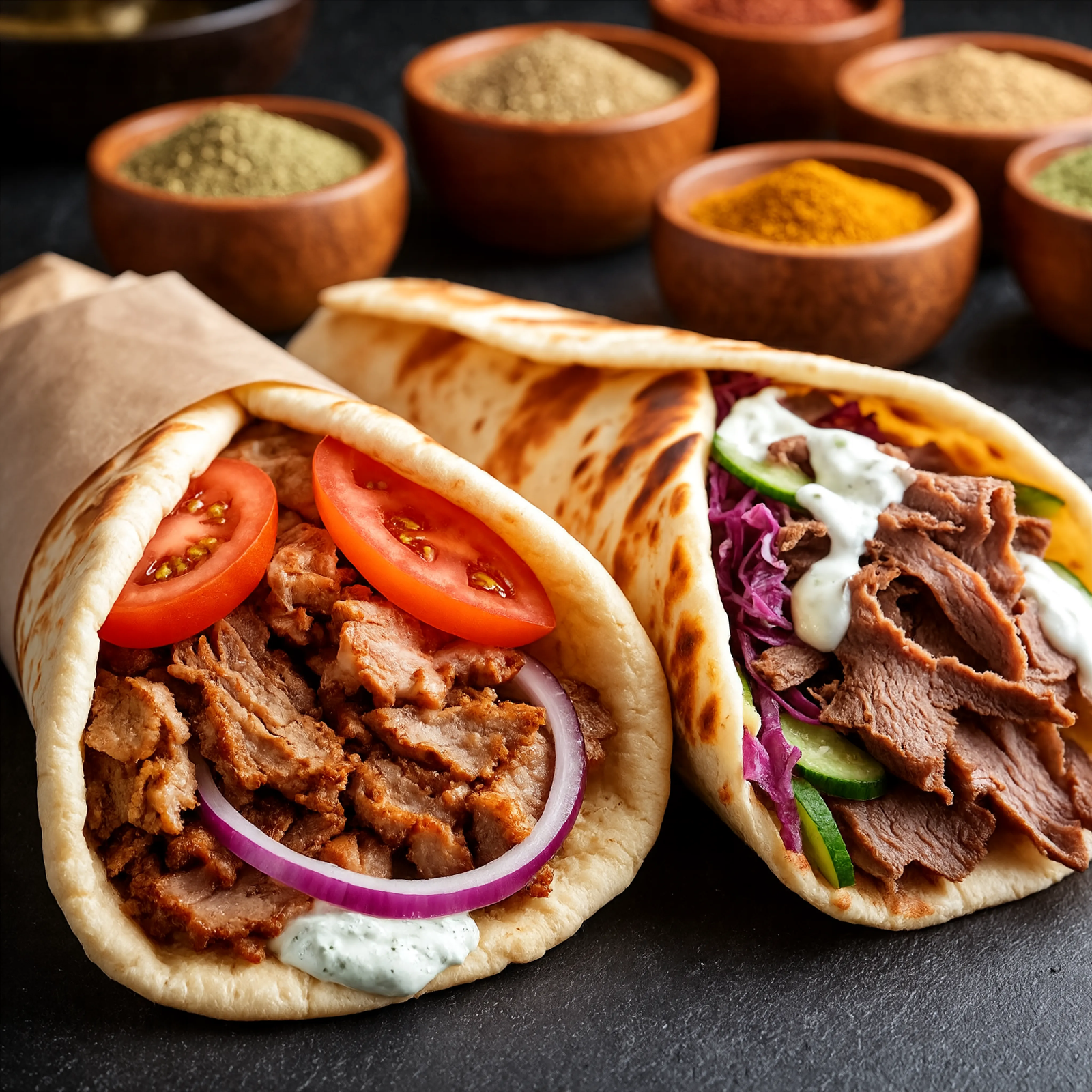 Gyros vs. Döner: Understanding the Differences in Preparation, Seasoning, and Meat Selection for Your MenuRead more
Gyros and Döner are two iconic Mediterranean dishes often confused due to their similar appearance and cooking style....
-
 Welche Temperatur braucht ein Dönergrill? Richtwerte für die Gastronomie → Optimale Garzeiten und Temperaturen für perfekte ErgebnisseRead more
Der Dönergrill ist das Herzstück jeder Döner-Gastronomie. Die richtige Temperatur am Grill entscheidet maßgeblich...
-
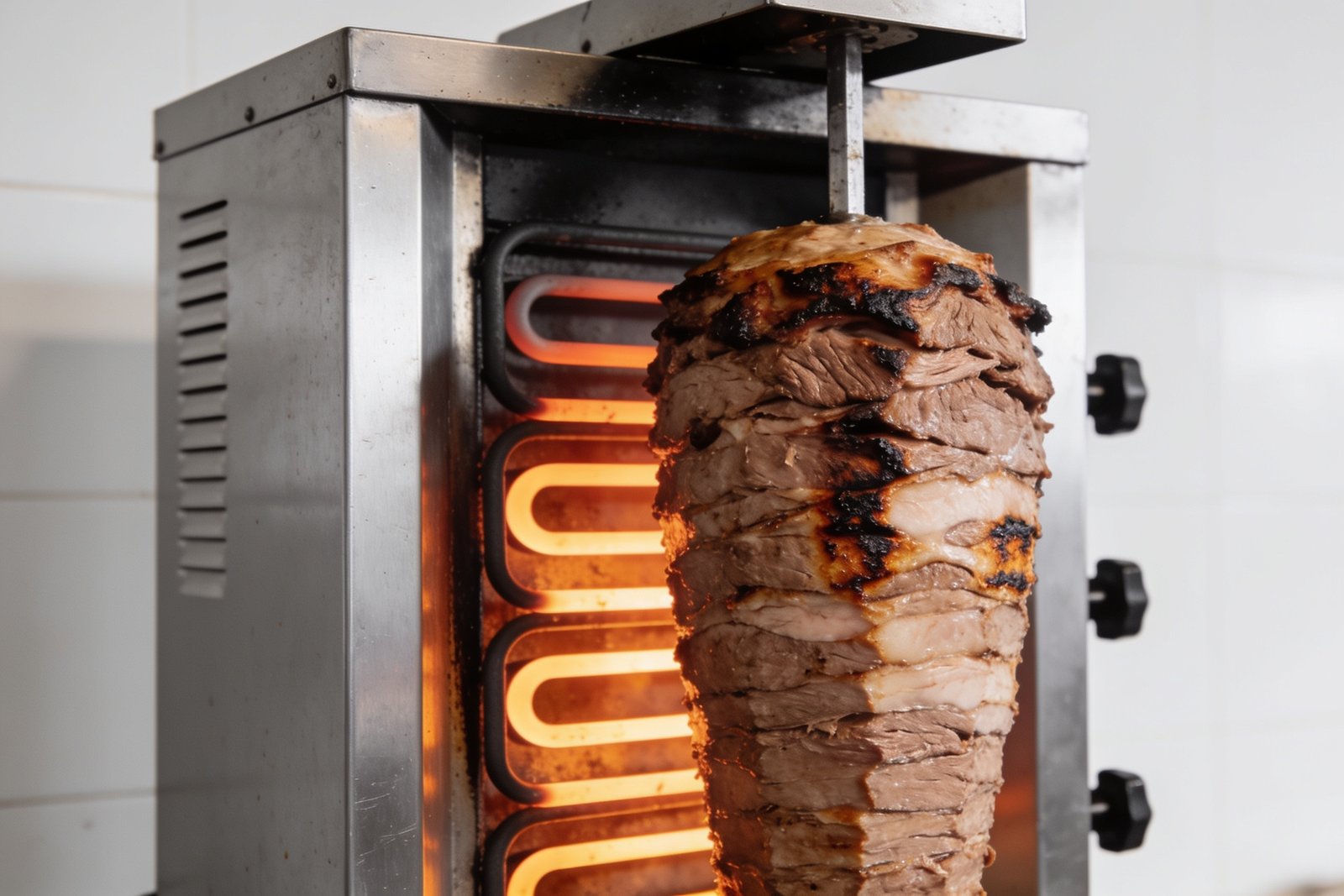 Döner Grill Heating Unevenly? Troubleshooting & Solutions → Recognize and Professionally Fix Common Device ProblemsRead more
Is your Döner grill heating unevenly? This can lead to poorly cooked meat and frustrated customers. In this guide, we...
-
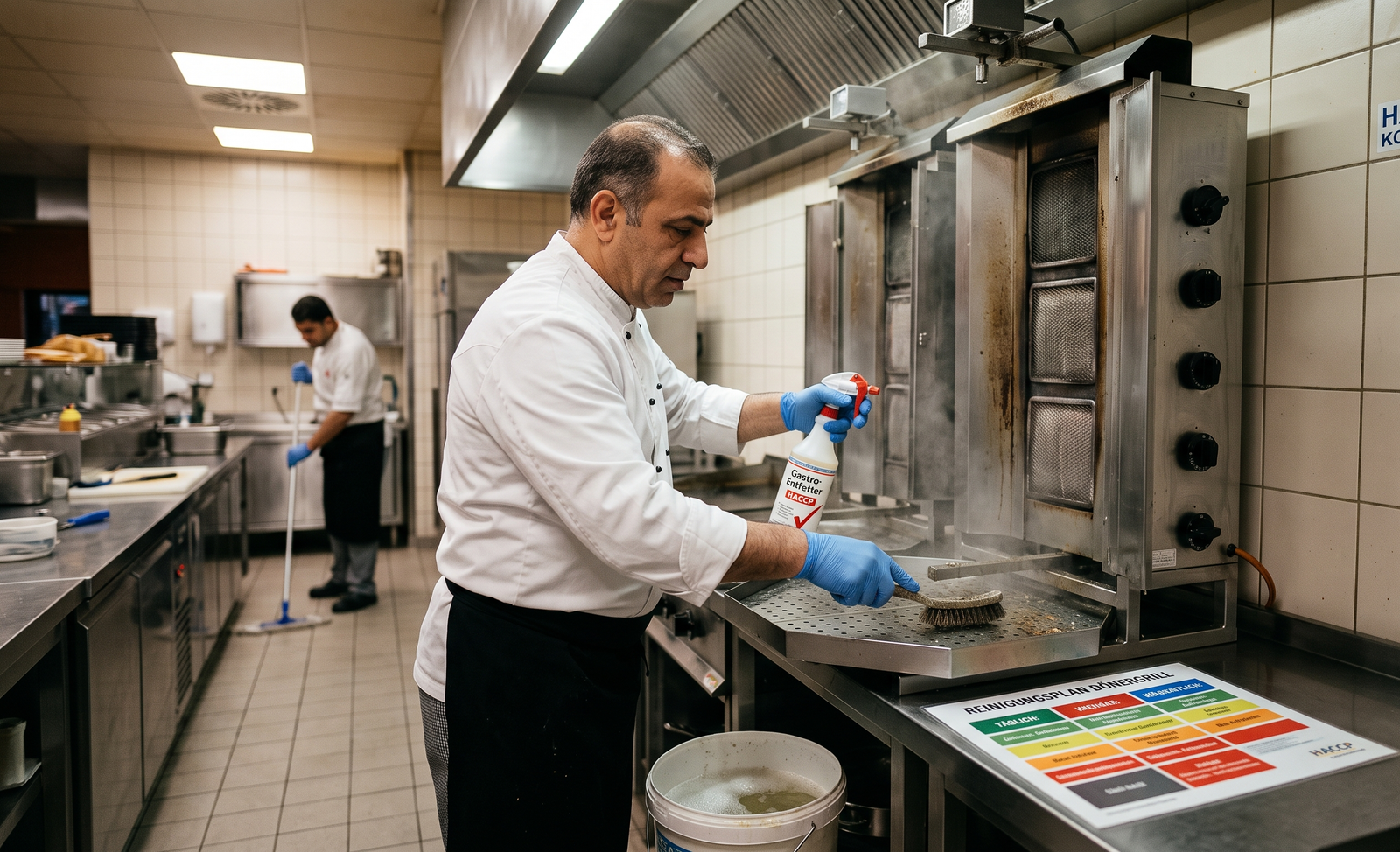 Proper Cleaning of Döner Grills: Care & Hygiene in Gastronomy → Equipment Cleaning According to HACCP Guidelines and Food Hygiene Regulations (LMHV)Read more
The Döner grill is a staple in many gastronomy businesses, and proper cleaning is essential to maintain hygiene and...
-
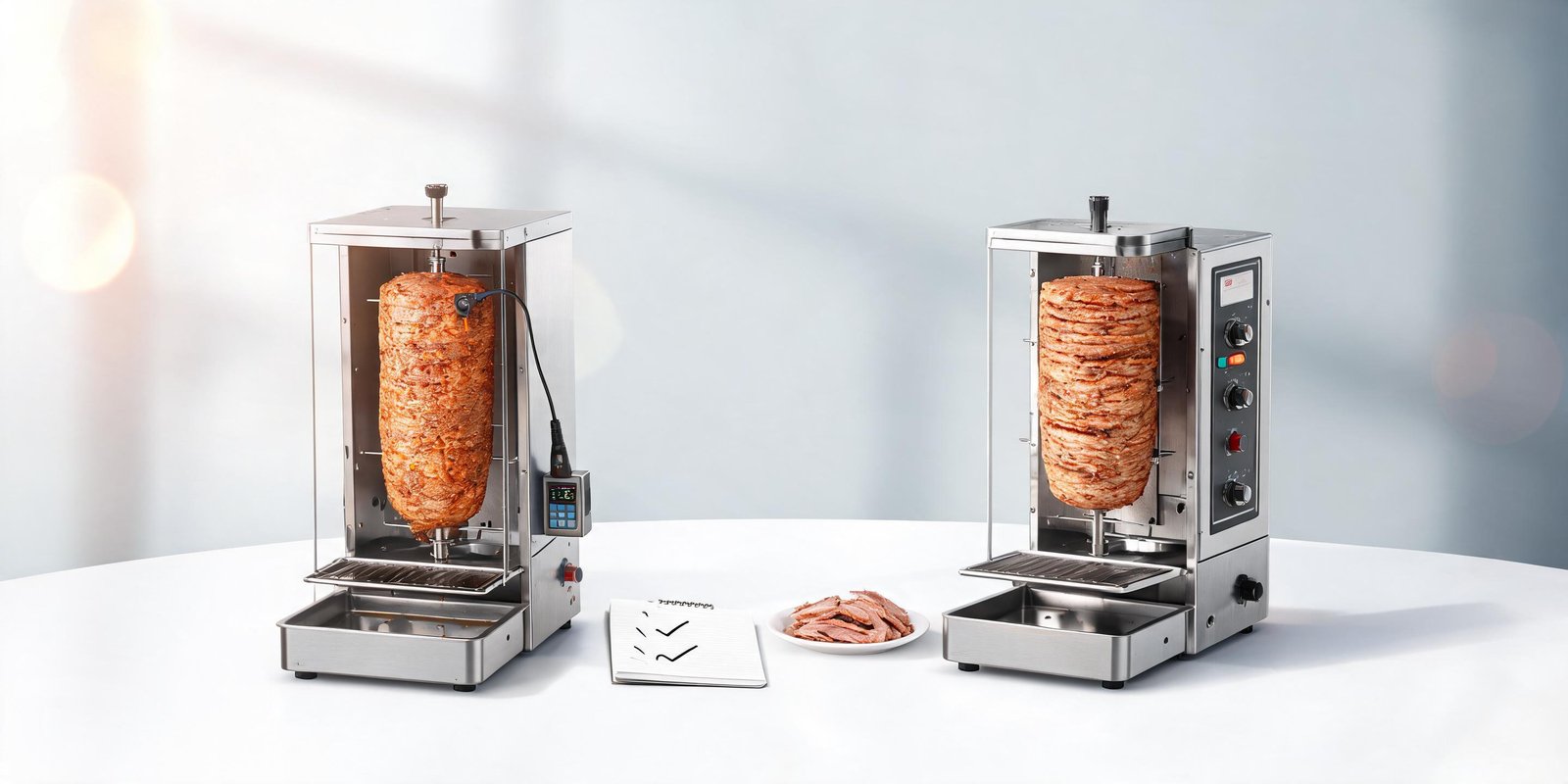 Commercial Döner Grill Tests & Reviews Overview → Make Informed Purchase Decisions with Current Product ComparisonsRead more
Choosing the right commercial Döner grill is essential for any food business specializing in this popular dish. This...
-
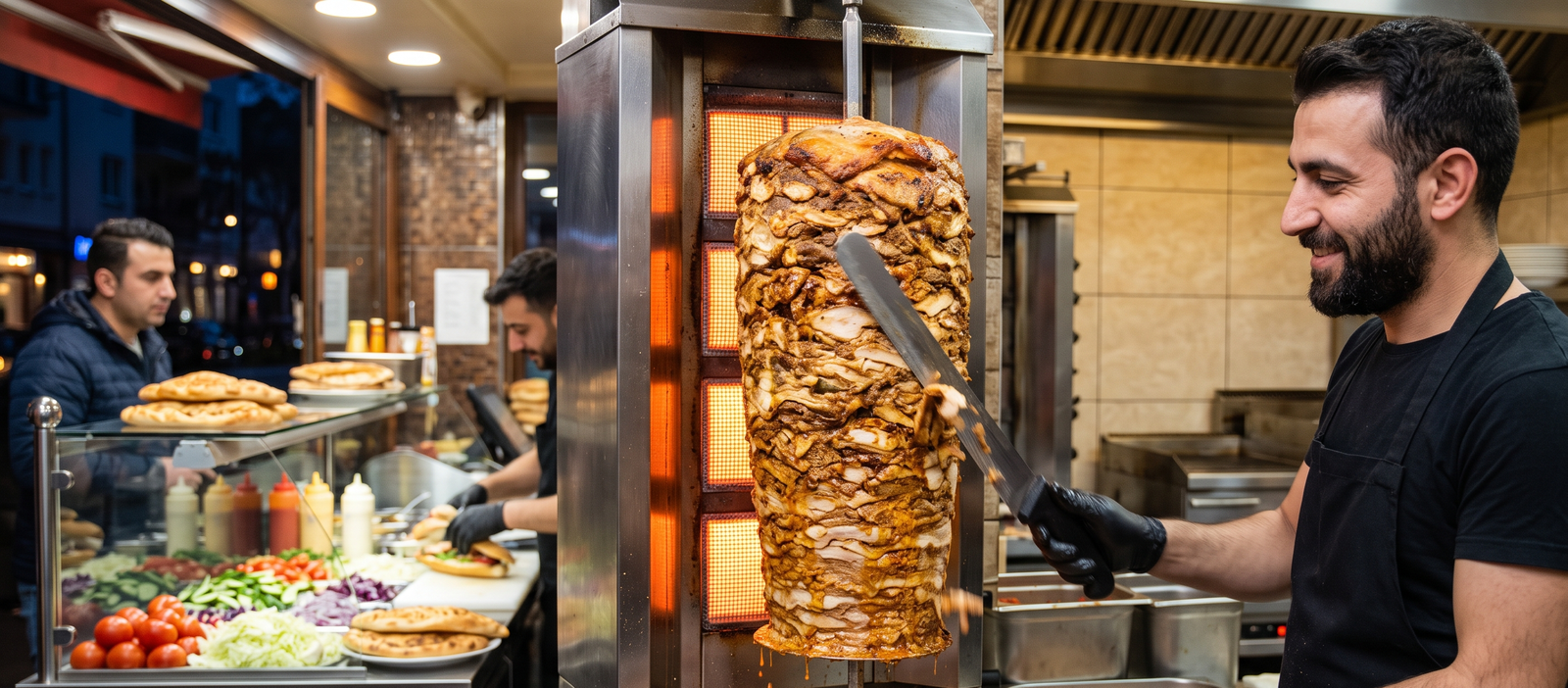 Why Is Döner Meat Grilled Vertically? Technology & Advantages Explained → The Functionality of the Vertical Grill and Its Benefits for the Gastronomy IndustryRead more
Döner kebab is famous worldwide for its juicy, flavorful meat cooked on a vertical spit. But why is the meat grilled...
-
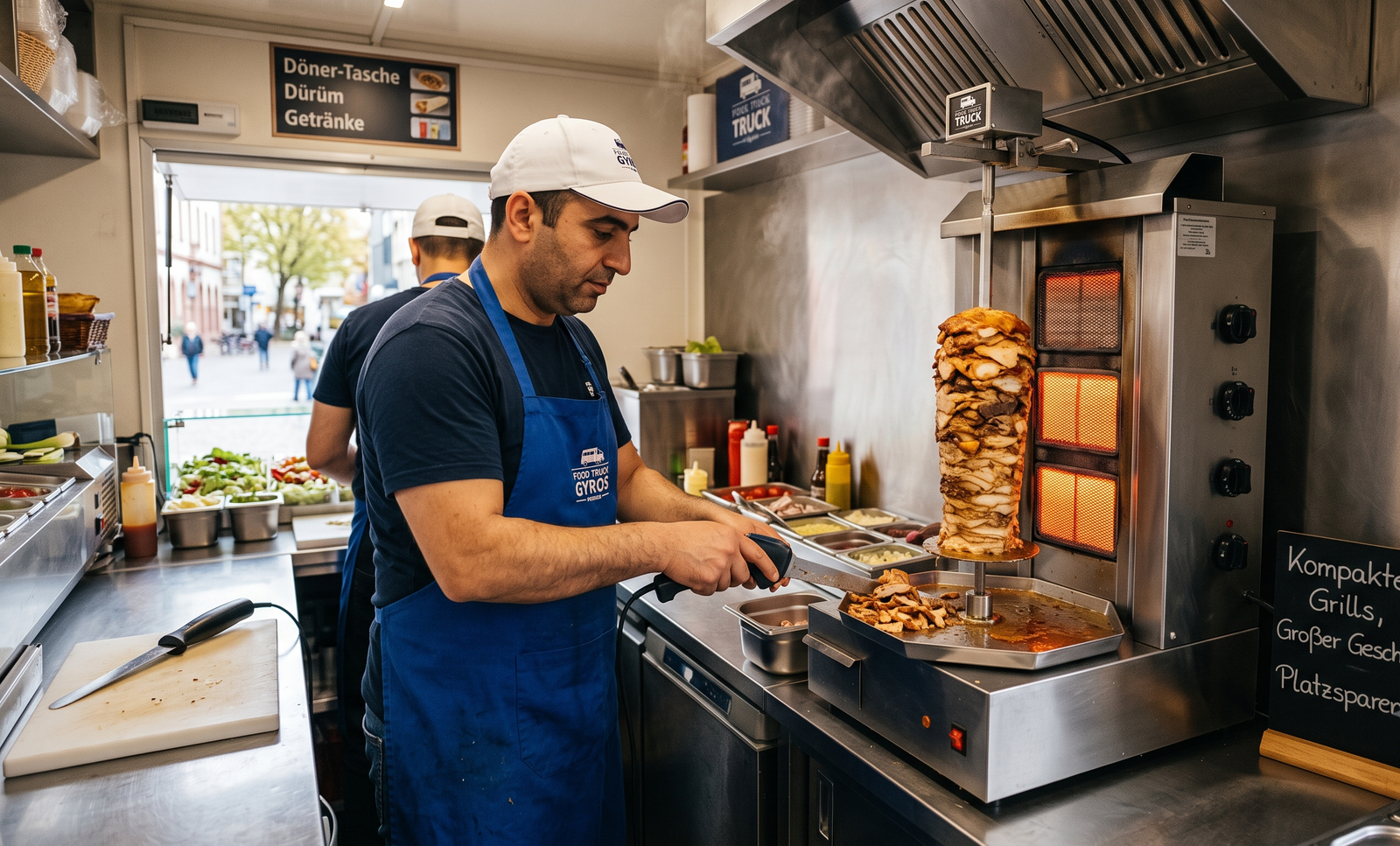 Compact Döner Grills for Small Snack Bars & Food Trucks → Space-Saving Solutions for Limited SpacesRead more
Small snack bars and food trucks often struggle with limited space, making it challenging to accommodate large...
Blog categories
Search in blog
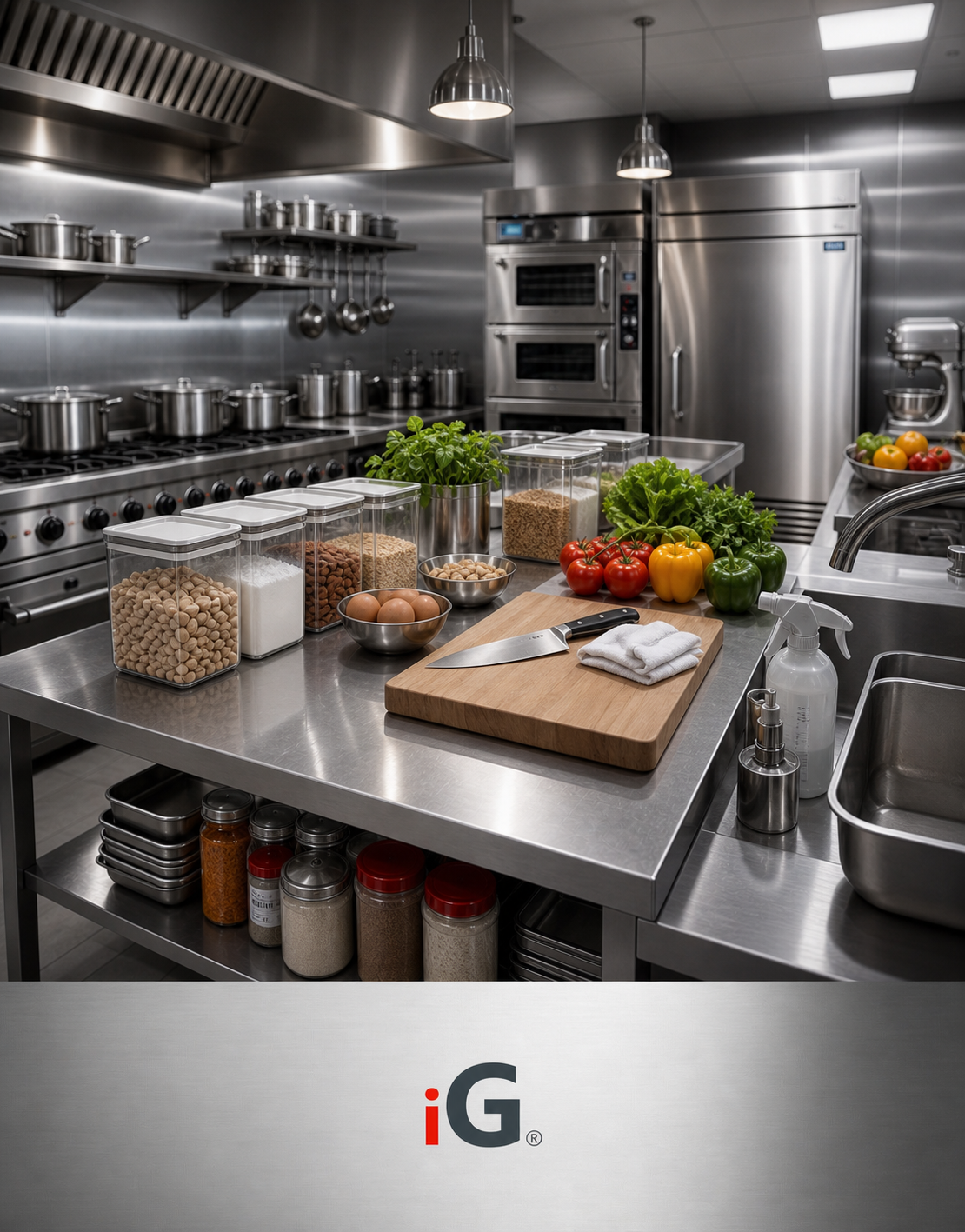
Allergens and Kitchen Equipment: Ensuring Safety and Hygiene in Your Culinary Space
Allergens and Kitchen Equipment: Ensuring Safety and Hygiene in Your Culinary Space
In recent years, awareness around food allergies has significantly increased. Whether you’re cooking at home, managing a professional kitchen, or simply dining out, understanding how allergens interact with kitchen equipment is crucial for maintaining safety and preventing cross-contamination. This comprehensive guide explores the relationship between allergens and kitchen tools, offering practical advice on how to equip your kitchen to protect allergy sufferers and uphold the highest standards of hygiene.
Understanding Food Allergens
Food allergens are proteins found in certain foods that can trigger immune responses in sensitive individuals. The most common allergens include peanuts, tree nuts, milk, eggs, wheat, soy, fish, shellfish, and sesame. Even trace amounts of these allergens can cause severe reactions, ranging from mild discomfort to life-threatening anaphylaxis.
Given the severity of allergic reactions, preventing cross-contact (the unintentional transfer of allergens from one food or surface to another) is essential. This is where kitchen equipment plays a pivotal role.
The Role of Kitchen Equipment in Allergen Management
Kitchen equipment can either be a source of allergen contamination or a safeguard against it. The materials, design, and cleaning protocols associated with kitchen tools directly influence their ability to harbor or eliminate allergens.
Types of Kitchen Equipment to Consider
- Cutting Boards: Porous materials like wood can absorb allergens, making thorough cleaning difficult. Plastic or silicone cutting boards are often preferred because they are non-porous and easier to sanitize.
- Utensils: Metal utensils are generally easier to clean than wooden ones, but care must be taken to clean all crevices where allergens might hide.
- Cookware and Bakeware: Non-stick surfaces can be easier to clean but may scratch over time, creating spaces for allergens to accumulate. Stainless steel is durable and non-porous, making it a good choice.
- Appliances: Mixers, blenders, and food processors often have multiple parts that can trap allergens. Removable and dishwasher-safe parts are ideal.
- Storage Containers: Airtight, non-porous containers prevent allergen exposure and cross-contact during storage.
Material Matters: Choosing the Right Kitchen Equipment
The material of kitchen equipment significantly impacts allergen management. Here’s a breakdown of common materials and their pros and cons regarding allergen safety:
Wood
Wooden cutting boards and utensils are traditional favorites due to their durability and aesthetics. However, wood is porous and can absorb liquids and food particles, including allergens. This absorption can make it difficult to completely remove allergens during cleaning, posing a risk for cross-contact.
Plastic
Plastic cutting boards and utensils are non-porous and generally dishwasher-safe, making them easier to sanitize. However, plastic can develop scratches and grooves over time, which can harbor allergens and bacteria. It is important to replace heavily worn plastic equipment regularly.
Silicone
Silicone is heat-resistant, flexible, and non-porous, making it an excellent material for kitchen tools like spatulas and baking mats. Its smooth surface is easy to clean, reducing the risk of allergen retention.
Stainless Steel
Stainless steel is durable, non-porous, and resistant to corrosion. It is widely used in professional kitchens for knives, pots, pans, and utensils. Its smooth surface makes cleaning effective, minimizing allergen risks.
Best Practices for Preventing Allergen Cross-Contact in the Kitchen
Even with the right equipment, proper kitchen practices are essential to avoid allergen cross-contact. Here are some key strategies:
1. Dedicated Equipment
Where possible, use separate equipment for allergen-containing foods and allergen-free foods. For example, have a dedicated set of cutting boards, knives, and utensils for preparing peanut-free meals.
2. Color-Coding
Many professional kitchens use color-coded equipment to easily distinguish tools designated for allergen-free cooking. For example, red cutting boards for raw meat, green for vegetables, and blue for allergen-free foods.
3. Thorough Cleaning
Wash all equipment with hot, soapy water after each use. Pay special attention to parts that can trap food particles, such as blender blades or mixer attachments. Using a dishwasher with a high-temperature cycle can further ensure sanitization.
4. Avoid Cross-Contamination During Storage
Store allergen-containing ingredients separately from allergen-free ones. Use sealed, labeled containers to prevent accidental exposure.
5. Training and Awareness
Ensure that everyone involved in food preparation understands the importance of allergen management and follows the established protocols diligently.
Special Considerations for Professional Kitchens
Restaurants, catering services, and institutional kitchens face heightened challenges due to the volume and variety of foods prepared. Here are some additional considerations:
Menu Planning
Clearly label allergen-containing dishes and consider offering allergen-free alternatives. Communicate openly with customers about ingredient sourcing and preparation methods.
Equipment Investment
Invest in high-quality, easy-to-clean equipment with removable parts. Stainless steel and silicone are often preferred materials in professional settings.
Workflow Design
Design kitchen workflows to minimize allergen exposure, such as separate prep stations and dedicated cooking areas for allergen-free meals.
Regular Audits and Inspections
Conduct routine checks to ensure cleaning protocols are followed and equipment is in good condition. Replace worn or damaged tools promptly.
Innovations in Kitchen Equipment for Allergy Safety
Technology and design innovations continue to improve allergen management in kitchens. Some notable advancements include:
- Antimicrobial Surfaces: Some cutting boards and utensils are now made with antimicrobial materials that inhibit bacterial and allergen buildup.
- Smart Appliances: Appliances with sensors and alerts can monitor cleaning cycles and notify users when maintenance is required.
- Disposable Tools: In some cases, single-use utensils and cutting boards can be used to eliminate cross-contact risks entirely, especially in high-risk environments.
Tips for Allergy Sufferers Cooking at Home
Managing allergens in a home kitchen can be challenging but is achievable with mindful practices:
- Invest in Separate Equipment: Have dedicated cutting boards, utensils, and storage containers for allergen-free cooking.
- Label Everything: Use clear labels on containers to avoid confusion.
- Clean Diligently: Wash hands and surfaces thoroughly before and after handling allergen-containing foods.
- Educate Household Members: Ensure everyone understands the importance of allergen safety.
- Consider Kitchen Layout: If possible, designate specific areas for allergen-free food prep.
Conclusion
Allergens and kitchen equipment are intimately linked when it comes to food safety. Choosing the right materials, maintaining rigorous cleaning protocols, and implementing thoughtful kitchen practices are key to protecting allergy sufferers and ensuring a safe culinary environment. Whether you’re a home cook or a professional chef, understanding the nuances of allergen management in relation to kitchen tools empowers you to create delicious, safe meals for everyone.
By staying informed and proactive, we can all contribute to a safer food culture that respects the needs of those with food allergies.
Posted in:
Tips & Tricks
Related posts
-
 More Than Just Fast Food - All You Need to Know
System Gastronomy: Learn more about this exciting business model. From Fast Food to Casual Dining - we explain...Read more
More Than Just Fast Food - All You Need to Know
System Gastronomy: Learn more about this exciting business model. From Fast Food to Casual Dining - we explain...Read more -
 The 10 Most Expensive Restaurants in the World
When it comes to fine dining and luxurious culinary experiences, some restaurants around the globe capture attention...Read more
The 10 Most Expensive Restaurants in the World
When it comes to fine dining and luxurious culinary experiences, some restaurants around the globe capture attention...Read more -
 Which Restaurant Makes the Most Revenue? A Deep Dive into the World of Gastronomy
Who are the revenue giants in the gastronomy industry? We reveal the top players and analyze why they are so...Read more
Which Restaurant Makes the Most Revenue? A Deep Dive into the World of Gastronomy
Who are the revenue giants in the gastronomy industry? We reveal the top players and analyze why they are so...Read more -
 Boost Your Restaurant's Revenue with Pergolas and Louvered Roofs
Ever wondered how to make your restaurant more appealing and increase your sales? The answer might be simpler than...Read more
Boost Your Restaurant's Revenue with Pergolas and Louvered Roofs
Ever wondered how to make your restaurant more appealing and increase your sales? The answer might be simpler than...Read more -
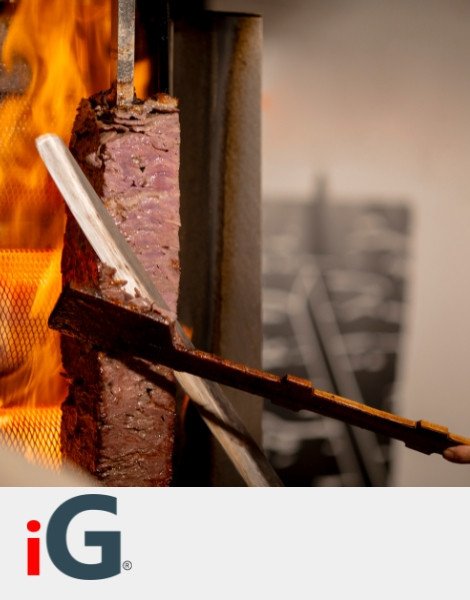 The World of Döner: From Traditional Recipes to the Best Döner Spots Worldwide
Learn how to make authentic Yaprak Döner, discover the best döner spots in Germany and worldwide, and explore the...Read more
The World of Döner: From Traditional Recipes to the Best Döner Spots Worldwide
Learn how to make authentic Yaprak Döner, discover the best döner spots in Germany and worldwide, and explore the...Read more
Leave a comment