
 Deutsch
 Türkçe
 Italiano

.jpg)
.jpg)
.jpg)
.jpg)
.jpg)
.jpg)
.jpg)
.jpg)
.jpg)
.jpg)

.jpg)

.jpg)
.jpg)
.jpg)
.jpg)
.jpg)
.jpg)
.jpg)
.jpg)
.jpg)
.jpg)



.jpg)
.jpg)
.jpg)
.jpg)
.jpg)
.jpg)
.jpg)
.jpg)
.jpg)



.jpg)
.jpg)

.jpg)
.jpg)
.jpg)
.jpg)


.jpg)

.png)
.jpg)
.jpg)
 (200 x 136 px) (5).png)
.png)

More and more restaurateurs and resourceful entrepreneurs are discovering the enormous potential of pizza vending...
-
 Cooking Appliances
add remove
Cooking Appliances
add remove -
-
Pizza & Grill
add remove
-
-
Refrigeration
add remove
-
-
Combi Steamer
add remove
-
-
Kitchen Appliances
add remove
-
-
Rinsing & Cleaning
add remove
-
-
Retail Refrigeration
add remove
-
-
Cafe & Ice Cream
add remove
-
-
Smart-Gastro
add remove
-
-
Event- & Cateringmöbel
-
Cooking Appliances
add remove
-
-
Pizza & Grill
add remove
-
-
Refrigeration
add remove
-
-
Combi Steamer
add remove
-
-
Kitchen Appliances
add remove
-
-
Rinsing & Cleaning
add remove
-
-
Retail Refrigeration
add remove
-
-
Cafe & Ice Cream
add remove
-
-
Smart-Gastro
add remove
-
-
Event- & Cateringmöbel


Call us:
+49 (0) 6135 7040 450Latest posts
-
 The Ultimate Guide: Pizza Vending Machines – Earnings, Costs & Experiences in the 24/7Read more
 -
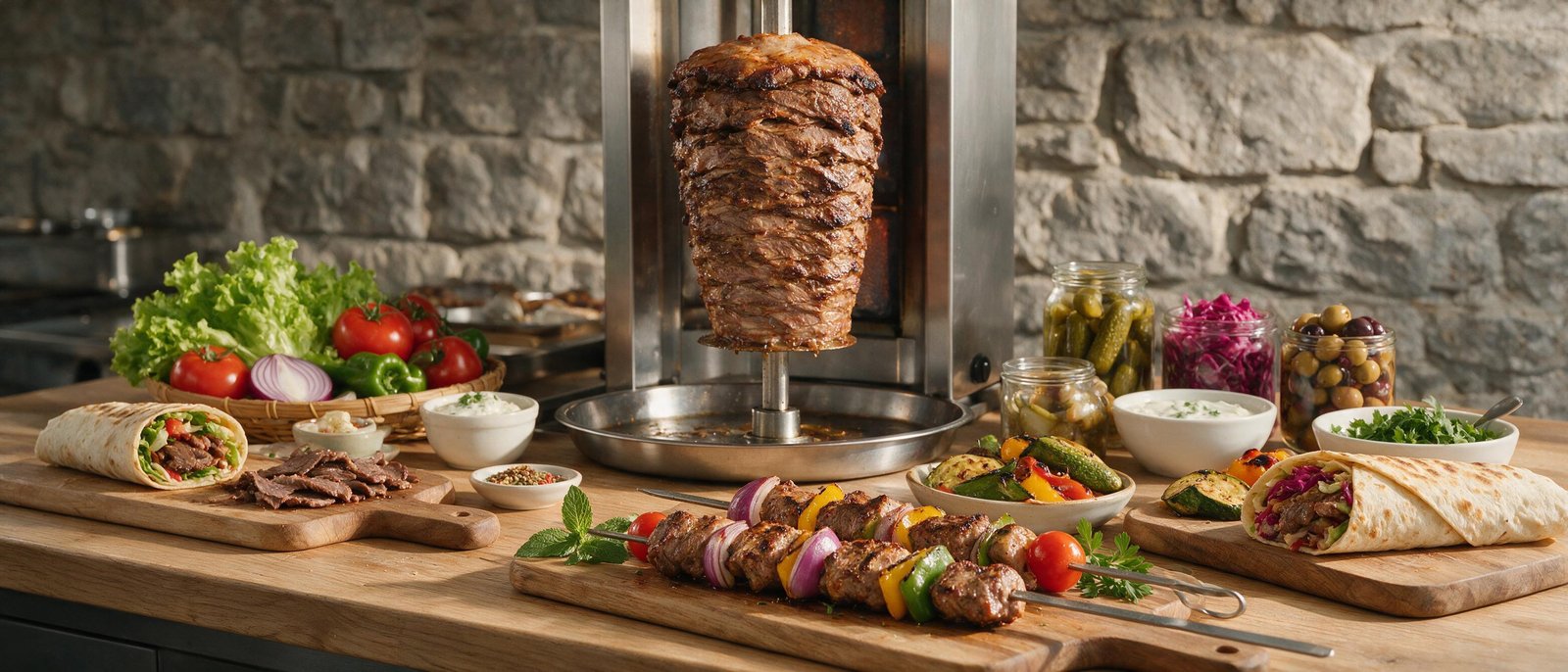 Döner vs. Shawarma vs. Kebab: Understanding the Terms and Differences for Your Food BusinessRead more
Are you confused about the difference between Döner, Shawarma, and Kebab? These popular meat dishes, often seen on...
-
 The 10 Best Döner Kebabs in Berlin (2026): The Ultimate Ranking Based on Real Customer ReviewsRead more
Berlin is the undisputed döner capital of the world. But with over 1,000 shops, the question arises: Which one is...
-
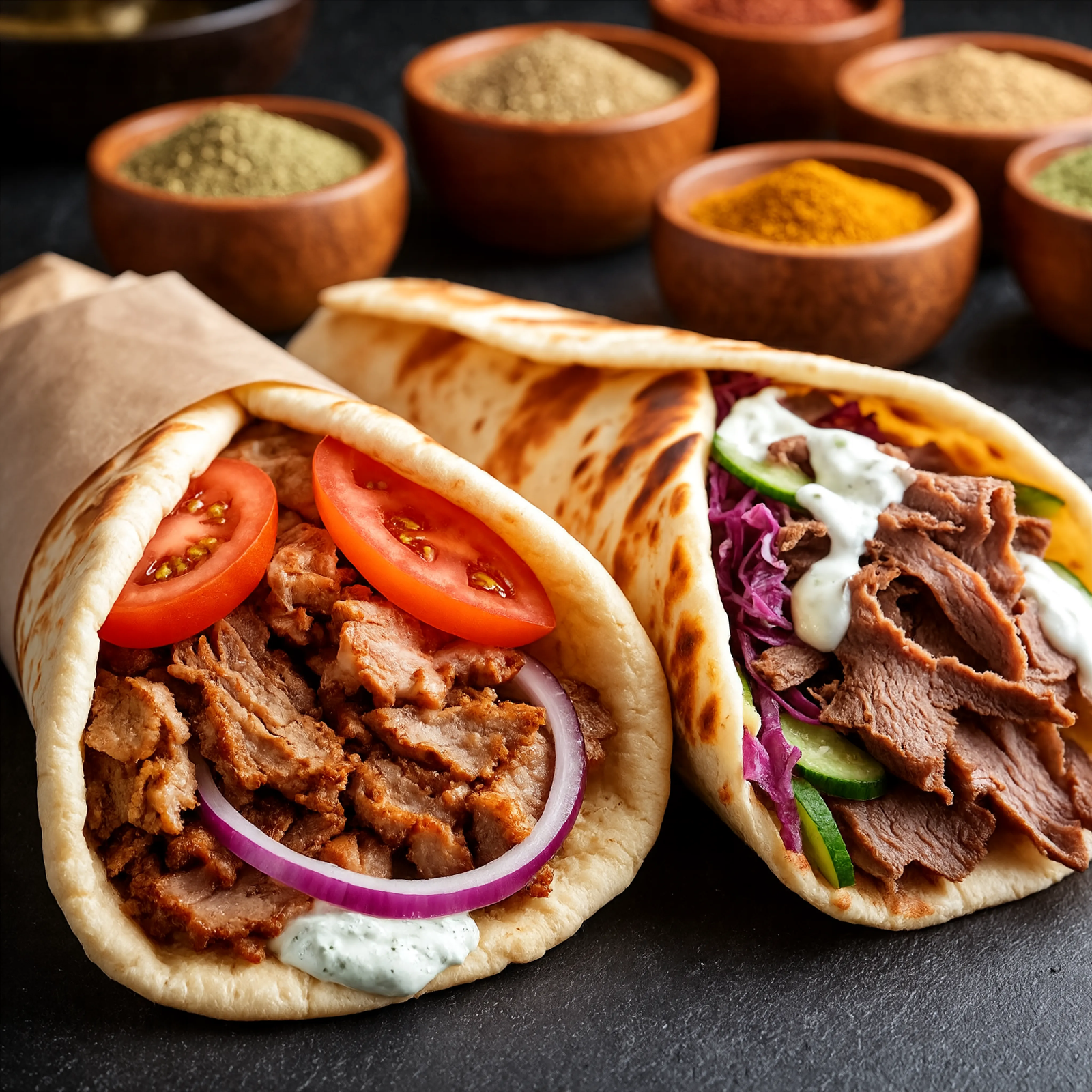 Gyros vs. Döner: Understanding the Differences in Preparation, Seasoning, and Meat Selection for Your MenuRead more
Gyros and Döner are two iconic Mediterranean dishes often confused due to their similar appearance and cooking style....
-
 Welche Temperatur braucht ein Dönergrill? Richtwerte für die Gastronomie → Optimale Garzeiten und Temperaturen für perfekte ErgebnisseRead more
Der Dönergrill ist das Herzstück jeder Döner-Gastronomie. Die richtige Temperatur am Grill entscheidet maßgeblich...
-
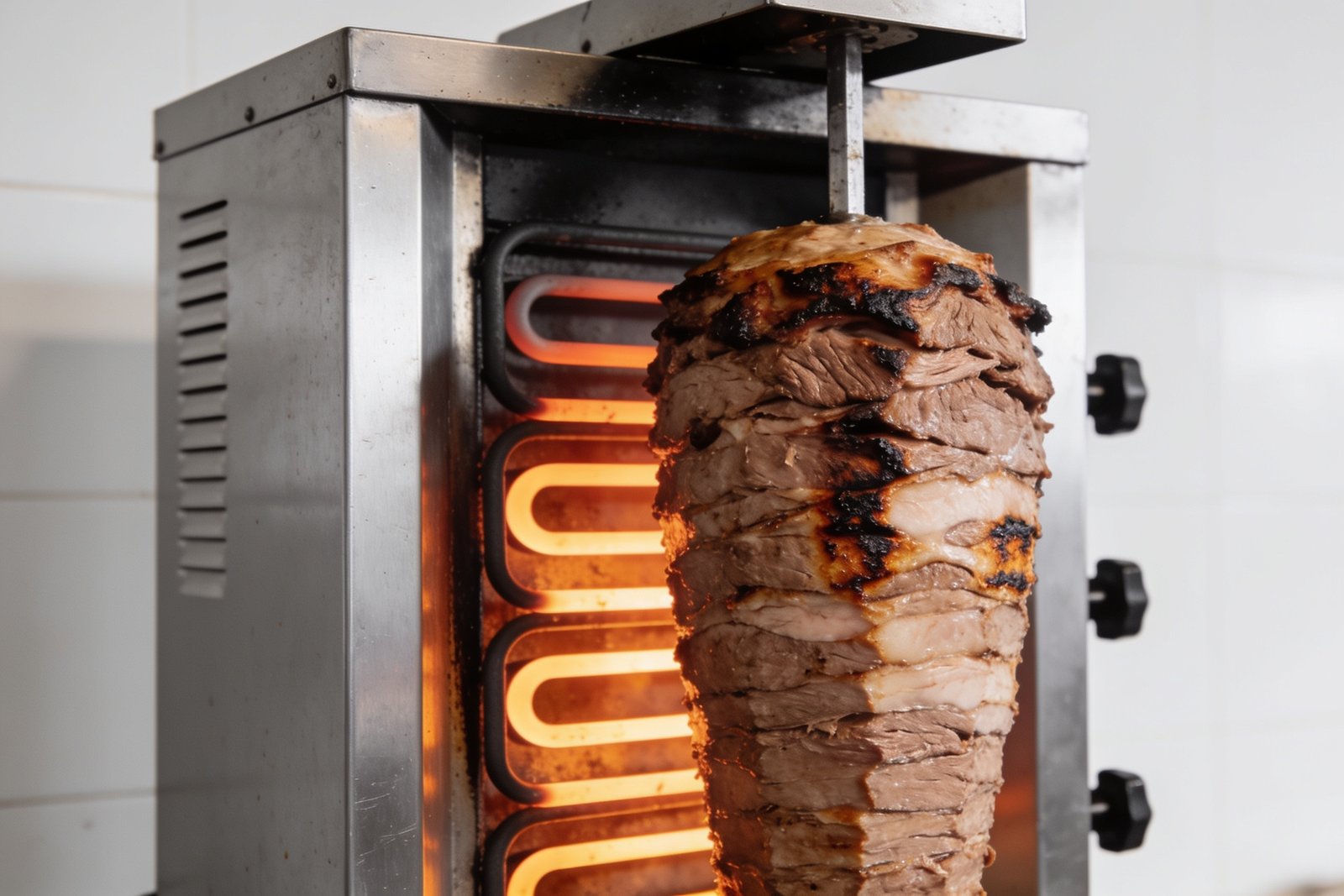 Döner Grill Heating Unevenly? Troubleshooting & Solutions → Recognize and Professionally Fix Common Device ProblemsRead more
Is your Döner grill heating unevenly? This can lead to poorly cooked meat and frustrated customers. In this guide, we...
-
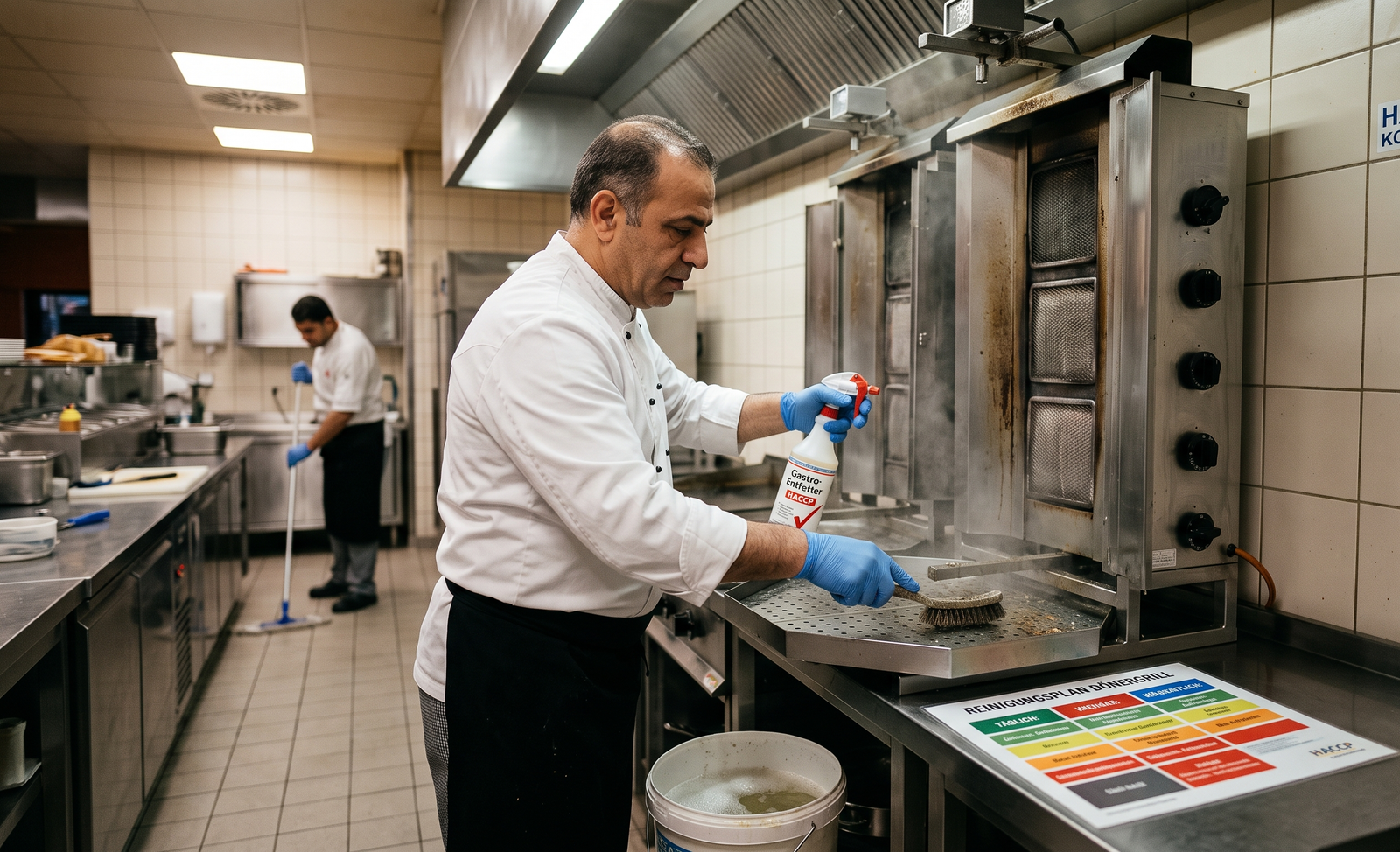 Proper Cleaning of Döner Grills: Care & Hygiene in Gastronomy → Equipment Cleaning According to HACCP Guidelines and Food Hygiene Regulations (LMHV)Read more
The Döner grill is a staple in many gastronomy businesses, and proper cleaning is essential to maintain hygiene and...
-
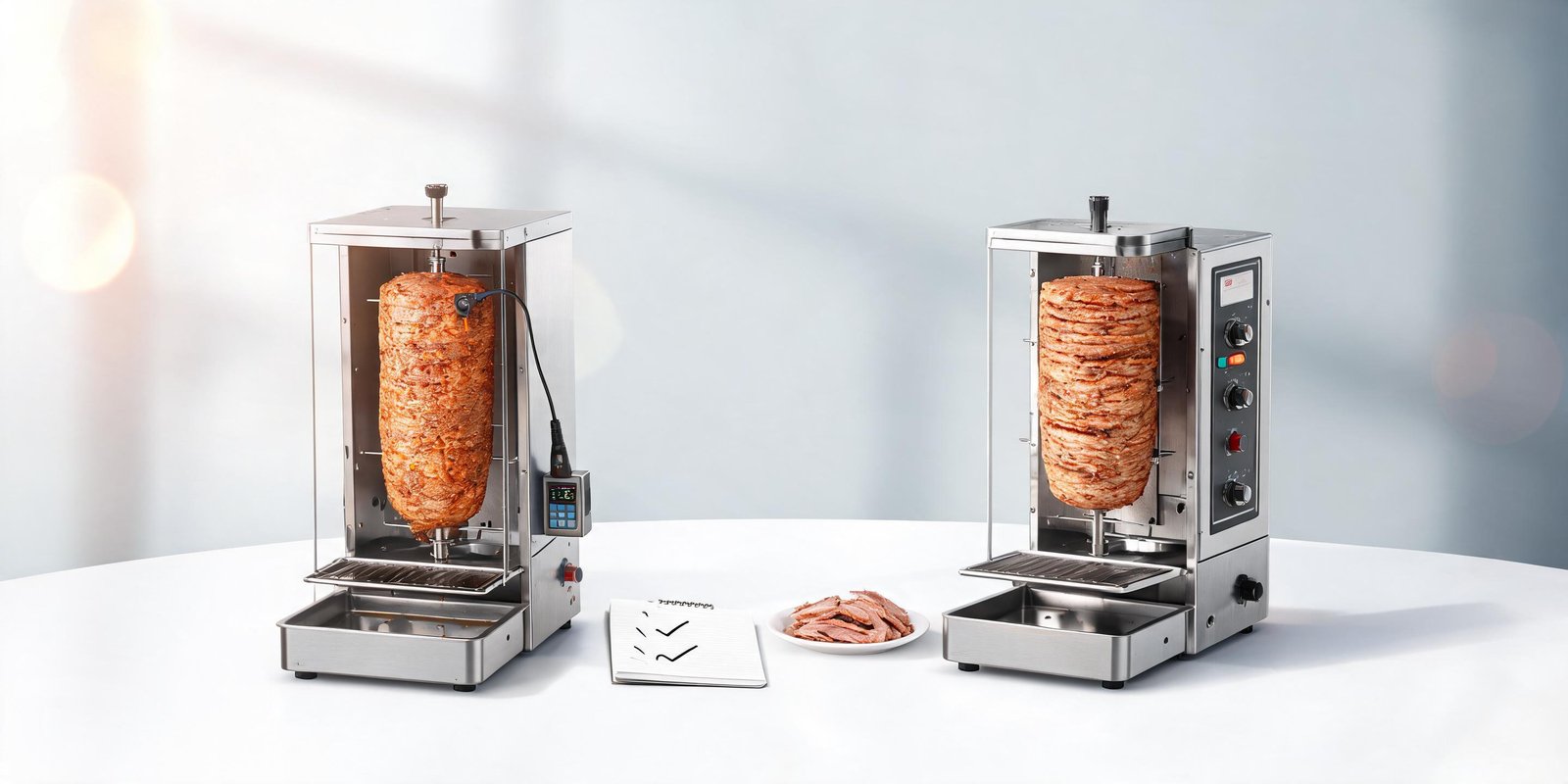 Commercial Döner Grill Tests & Reviews Overview → Make Informed Purchase Decisions with Current Product ComparisonsRead more
Choosing the right commercial Döner grill is essential for any food business specializing in this popular dish. This...
-
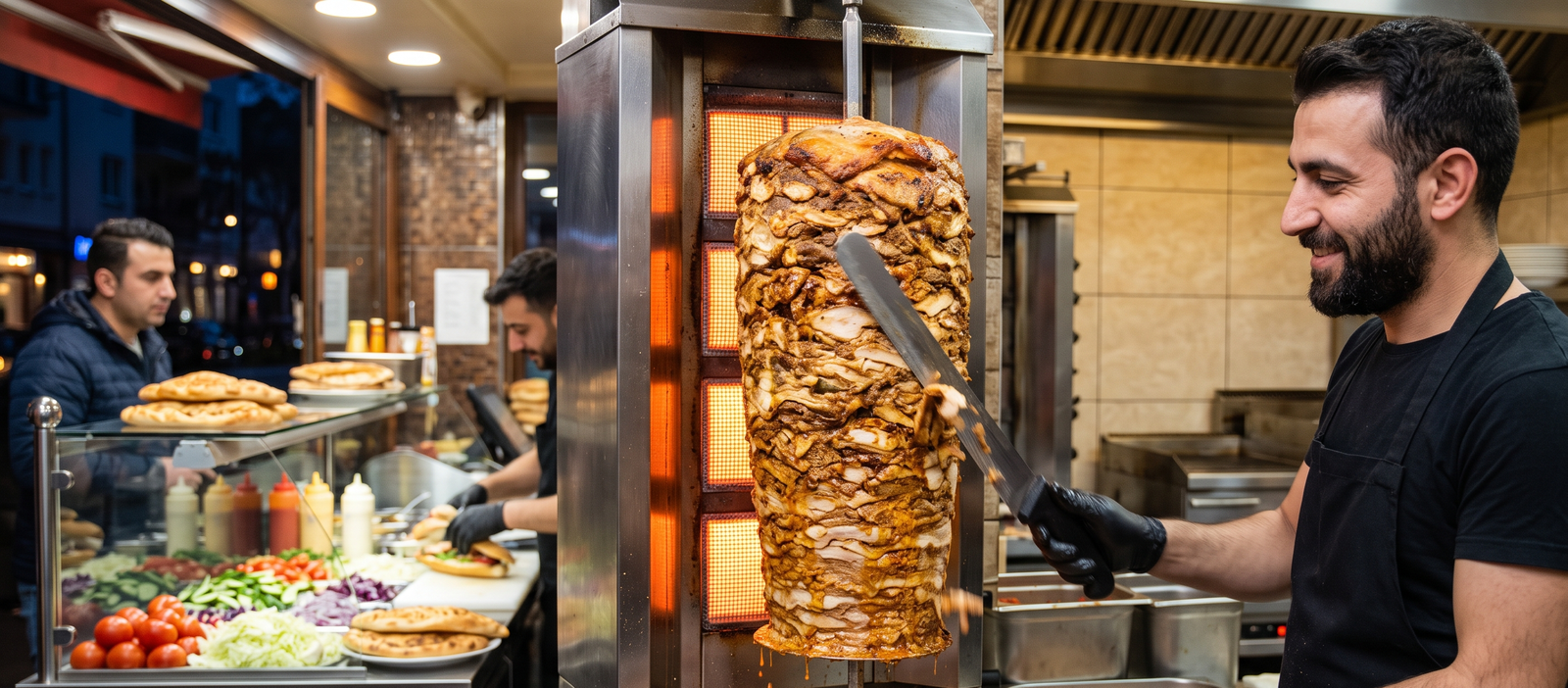 Why Is Döner Meat Grilled Vertically? Technology & Advantages Explained → The Functionality of the Vertical Grill and Its Benefits for the Gastronomy IndustryRead more
Döner kebab is famous worldwide for its juicy, flavorful meat cooked on a vertical spit. But why is the meat grilled...
-
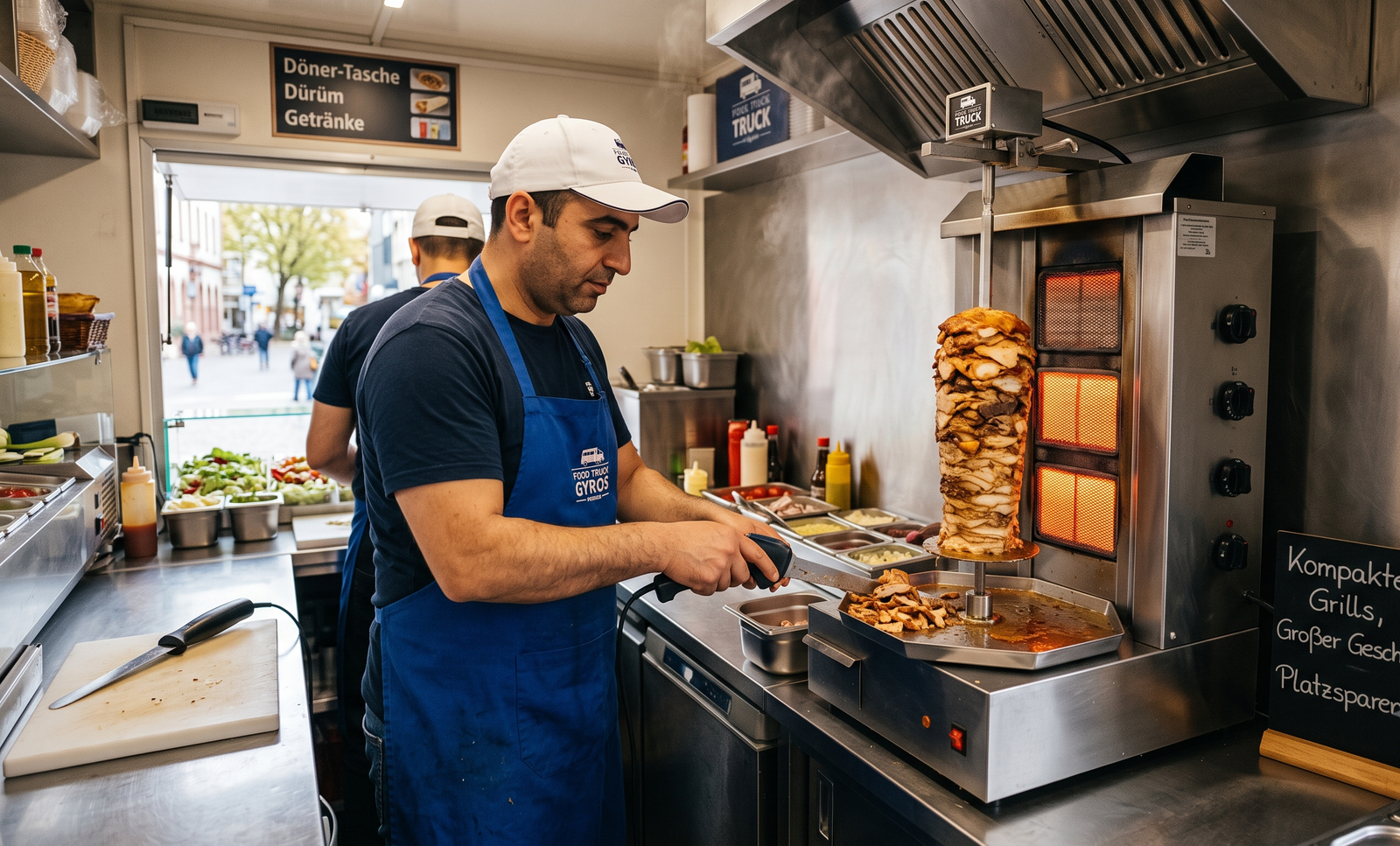 Compact Döner Grills for Small Snack Bars & Food Trucks → Space-Saving Solutions for Limited SpacesRead more
Small snack bars and food trucks often struggle with limited space, making it challenging to accommodate large...
Blog categories
Search in blog
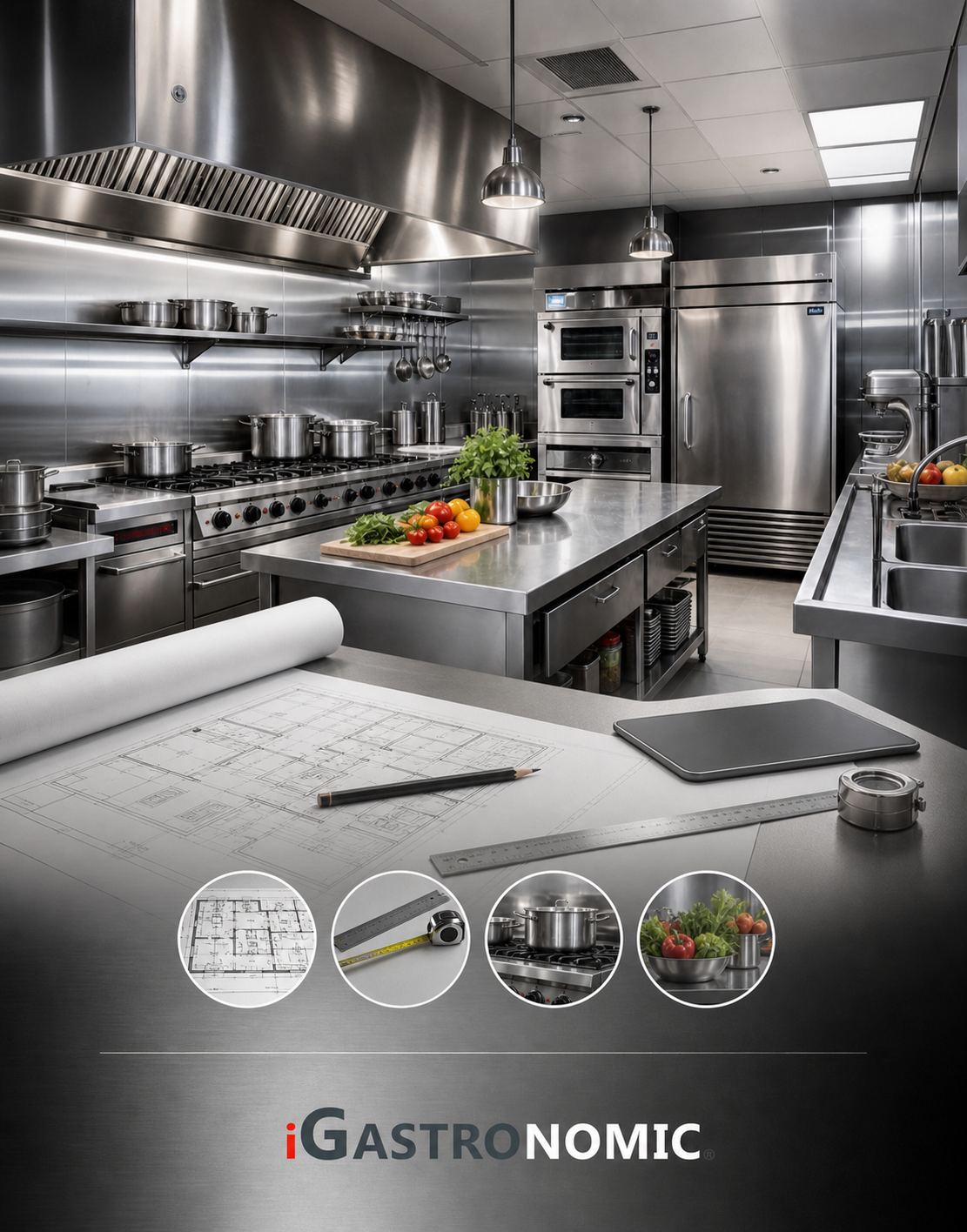
How to Plan Your Gastronomy Kitchen the Right Way: A Comprehensive Guide
How to Plan Your Gastronomy Kitchen the Right Way: A Comprehensive Guide
Planning a gastronomy kitchen is a crucial step for anyone venturing into the restaurant, catering, or food service business. A well-designed kitchen not only improves workflow and efficiency but also ensures food safety, reduces costs, and enhances the overall dining experience. Whether you’re opening a small bistro, a large restaurant, or a catering service, the kitchen is the heart of your operation.
In this comprehensive guide, we’ll walk you through the essential steps and considerations to plan your gastronomy kitchen properly. From understanding your kitchen’s purpose and layout to choosing the right equipment and ensuring compliance with hygiene standards, this article covers everything you need to know to create a successful kitchen environment.
1. Understand Your Kitchen’s Purpose and Concept
Before diving into the technical aspects of kitchen planning, it’s vital to define the purpose and concept of your gastronomy kitchen. Ask yourself:
- What type of cuisine will you serve?
- What is the expected volume of customers?
- Will you focus on dine-in, takeout, delivery, or catering?
- What are your peak hours and busiest days?
Understanding these factors helps determine the size, layout, and equipment needed. For example, a sushi bar requires different equipment and space than a pizzeria or a bakery.
2. Plan Your Kitchen Layout for Optimal Workflow
The layout is the backbone of your kitchen’s efficiency. A poorly designed kitchen can cause bottlenecks, slow service, and increased labor costs. The goal is to create a smooth workflow where each station complements the next.
The Classic Kitchen Work Zones
- Receiving and Storage: Area for deliveries and storing raw materials, including dry storage, refrigerated, and frozen goods.
- Preparation: Space where ingredients are washed, peeled, chopped, and prepped.
- Cooking: The heart of the kitchen with stoves, ovens, fryers, grills, and other cooking appliances.
- Plating and Garnishing: Where dishes are assembled and finalized before serving.
- Cleaning and Dishwashing: Area dedicated to washing dishes, utensils, and kitchen tools.
Arrange these zones logically to minimize unnecessary movement. For example, ingredients should flow from storage to preparation, then to cooking, and finally to plating. The dishwashing area should be accessible but separated to avoid cross-contamination.
Popular Kitchen Layouts
- Assembly Line: Ideal for high-volume kitchens, where each cook is responsible for a specific task.
- Island Layout: Central cooking island with surrounding prep and storage areas.
- Zone Layout: Divides the kitchen into zones based on cooking methods or menu sections.
- Open Kitchen: Designed to be visible to guests, combining aesthetics with functionality.
3. Choose the Right Equipment
Choosing the right kitchen equipment is essential for efficiency, quality, and safety. Consider the following when selecting appliances and tools:
Assess Your Menu Needs
Your menu dictates the type of equipment you need. For example, a bakery requires ovens and mixers, while a grill house needs charbroilers and salamanders.
Space and Capacity
Ensure your equipment fits your kitchen layout and meets your volume requirements. Oversized equipment wastes space, while undersized appliances can slow down operations.
Energy Efficiency
Invest in energy-efficient appliances to reduce utility costs and environmental impact. Look for certifications like Energy Star.
Durability and Maintenance
Choose equipment made from durable materials like stainless steel, which is easy to clean and resistant to corrosion. Also, consider the ease of maintenance and availability of spare parts.
Essential Equipment Checklist
- Refrigerators and freezers
- Cooking appliances: stoves, ovens, fryers, grills
- Food preparation equipment: mixers, slicers, blenders
- Work tables and cutting boards
- Dishwashing machines and sinks
- Storage racks and shelving
- Ventilation and exhaust systems
4. Focus on Hygiene and Food Safety
Food safety is non-negotiable in any gastronomy kitchen. Proper planning helps prevent contamination and ensures compliance with health regulations.
Separate Clean and Dirty Areas
Design your kitchen to separate raw food handling from cooked food areas. Also, keep waste disposal away from food prep zones.
Handwashing Stations
Install sufficient handwashing sinks with soap and paper towels near prep and cooking areas to encourage hygiene.
Proper Ventilation
Good ventilation reduces heat, removes smoke and odors, and prevents grease buildup, which can be a fire hazard.
Temperature Control
Ensure refrigerators and freezers maintain correct temperatures. Use thermometers and regular monitoring to avoid food spoilage.
Easy-to-Clean Surfaces
Use materials like stainless steel for countertops, floors, and walls, which are non-porous and easy to sanitize.
5. Plan for Staff Comfort and Safety
Your kitchen staff are your most valuable asset. A comfortable and safe working environment boosts productivity and reduces accidents.
Ergonomic Design
Arrange workstations at appropriate heights to reduce strain. Provide anti-fatigue mats for standing areas.
Clear Walkways
Ensure aisles are wide enough to allow safe movement, especially during busy hours.
Fire Safety
Install fire extinguishers, suppression systems, and clearly marked exits. Train staff regularly on emergency procedures.
Noise and Lighting
Use adequate lighting to prevent accidents and reduce eye strain. Manage noise levels to maintain communication and reduce stress.
6. Budgeting and Timeline
Planning your kitchen also involves budgeting and scheduling. Consider:
- Costs for equipment, installation, and renovation
- Permits and inspections
- Staff training and onboarding
- Contingency funds for unexpected expenses
- Realistic timelines for construction and setup
Work with professionals such as kitchen designers, architects, and equipment suppliers to get accurate estimates and avoid costly mistakes.
7. Sustainability and Future-Proofing
Modern gastronomy kitchens are increasingly focusing on sustainability. Consider:
- Energy-efficient appliances and lighting
- Water-saving fixtures
- Waste reduction and recycling systems
- Modular equipment that can be upgraded or expanded
Planning for future growth and environmental responsibility can save money and improve your brand image.
Conclusion
Planning your gastronomy kitchen properly is a complex but rewarding task. By understanding your concept, designing an efficient layout, selecting the right equipment, prioritizing hygiene and safety, and budgeting wisely, you set the foundation for a successful food service operation.
Remember, the kitchen is where your culinary magic happens. Investing time and resources into its planning will pay off in smoother operations, happier staff, and delighted customers.
Ready to start planning your perfect gastronomy kitchen? Take these insights and consult with experts to turn your vision into reality!
Posted in:
Tips & Tricks
Related posts
-
 More Than Just Fast Food - All You Need to Know
System Gastronomy: Learn more about this exciting business model. From Fast Food to Casual Dining - we explain...Read more
More Than Just Fast Food - All You Need to Know
System Gastronomy: Learn more about this exciting business model. From Fast Food to Casual Dining - we explain...Read more -
 The 10 Most Expensive Restaurants in the World
When it comes to fine dining and luxurious culinary experiences, some restaurants around the globe capture attention...Read more
The 10 Most Expensive Restaurants in the World
When it comes to fine dining and luxurious culinary experiences, some restaurants around the globe capture attention...Read more -
 Which Restaurant Makes the Most Revenue? A Deep Dive into the World of Gastronomy
Who are the revenue giants in the gastronomy industry? We reveal the top players and analyze why they are so...Read more
Which Restaurant Makes the Most Revenue? A Deep Dive into the World of Gastronomy
Who are the revenue giants in the gastronomy industry? We reveal the top players and analyze why they are so...Read more -
 Boost Your Restaurant's Revenue with Pergolas and Louvered Roofs
Ever wondered how to make your restaurant more appealing and increase your sales? The answer might be simpler than...Read more
Boost Your Restaurant's Revenue with Pergolas and Louvered Roofs
Ever wondered how to make your restaurant more appealing and increase your sales? The answer might be simpler than...Read more -
 The World of Döner: From Traditional Recipes to the Best Döner Spots Worldwide
Learn how to make authentic Yaprak Döner, discover the best döner spots in Germany and worldwide, and explore the...Read more
The World of Döner: From Traditional Recipes to the Best Döner Spots Worldwide
Learn how to make authentic Yaprak Döner, discover the best döner spots in Germany and worldwide, and explore the...Read more
Leave a comment