
 Deutsch
 Türkçe
 Italiano

.jpg)
.jpg)
.jpg)
.jpg)
.jpg)
.jpg)
.jpg)
.jpg)
.jpg)
.jpg)

.jpg)

.jpg)
.jpg)
.jpg)
.jpg)
.jpg)
.jpg)
.jpg)
.jpg)
.jpg)
.jpg)



.jpg)
.jpg)
.jpg)
.jpg)
.jpg)
.jpg)
.jpg)
.jpg)
.jpg)



.jpg)
.jpg)

.jpg)
.jpg)
.jpg)
.jpg)


.jpg)

.png)
.jpg)
.jpg)
 (200 x 136 px) (5).png)
.png)

More and more restaurateurs and resourceful entrepreneurs are discovering the enormous potential of pizza vending...
-
 Cooking Appliances
add remove
Cooking Appliances
add remove -
-
Pizza & Grill
add remove
-
-
Refrigeration
add remove
-
-
Combi Steamer
add remove
-
-
Kitchen Appliances
add remove
-
-
Rinsing & Cleaning
add remove
-
-
Retail Refrigeration
add remove
-
-
Cafe & Ice Cream
add remove
-
-
Smart-Gastro
add remove
-
-
Event- & Cateringmöbel
-
Cooking Appliances
add remove
-
-
Pizza & Grill
add remove
-
-
Refrigeration
add remove
-
-
Combi Steamer
add remove
-
-
Kitchen Appliances
add remove
-
-
Rinsing & Cleaning
add remove
-
-
Retail Refrigeration
add remove
-
-
Cafe & Ice Cream
add remove
-
-
Smart-Gastro
add remove
-
-
Event- & Cateringmöbel


Call us:
+49 (0) 6135 7040 450Latest posts
-
 The Ultimate Guide: Pizza Vending Machines – Earnings, Costs & Experiences in the 24/7Read more
 -
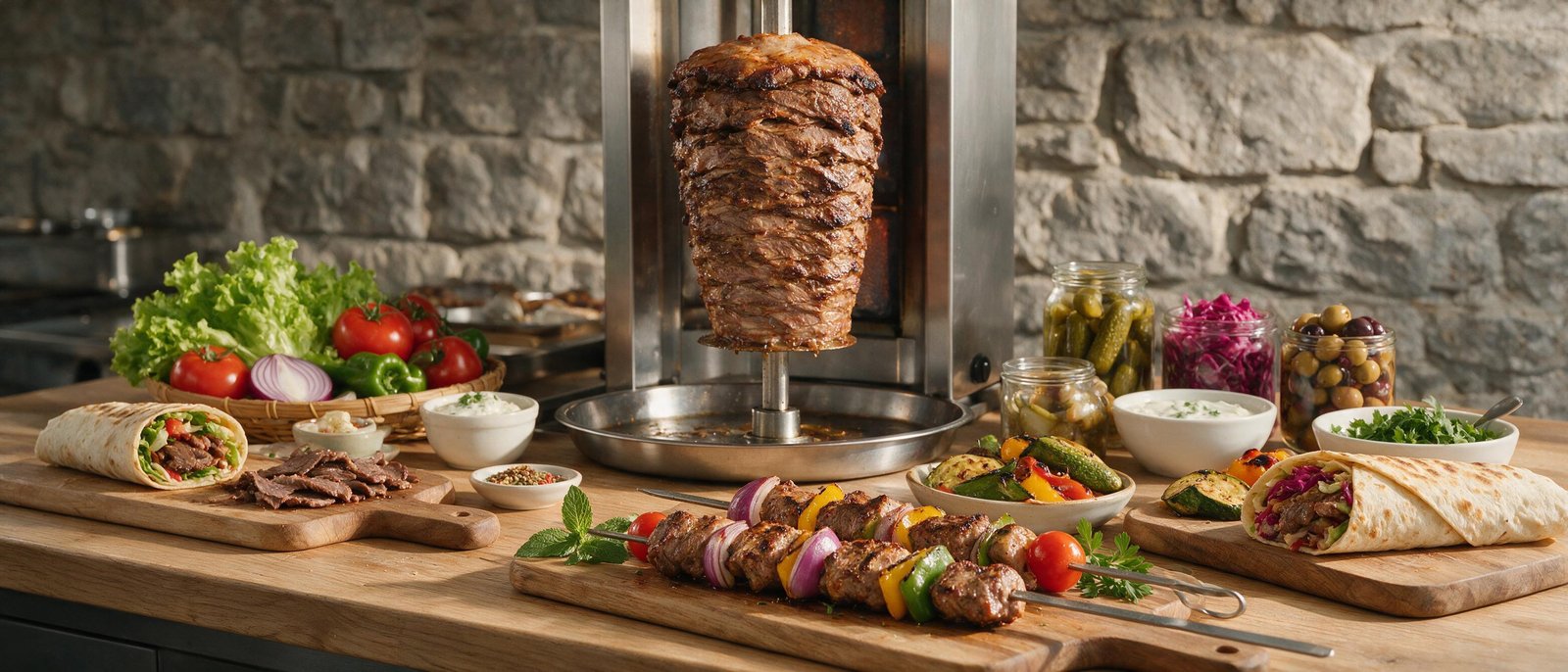 Döner vs. Shawarma vs. Kebab: Understanding the Terms and Differences for Your Food BusinessRead more
Are you confused about the difference between Döner, Shawarma, and Kebab? These popular meat dishes, often seen on...
-
 The 10 Best Döner Kebabs in Berlin (2026): The Ultimate Ranking Based on Real Customer ReviewsRead more
Berlin is the undisputed döner capital of the world. But with over 1,000 shops, the question arises: Which one is...
-
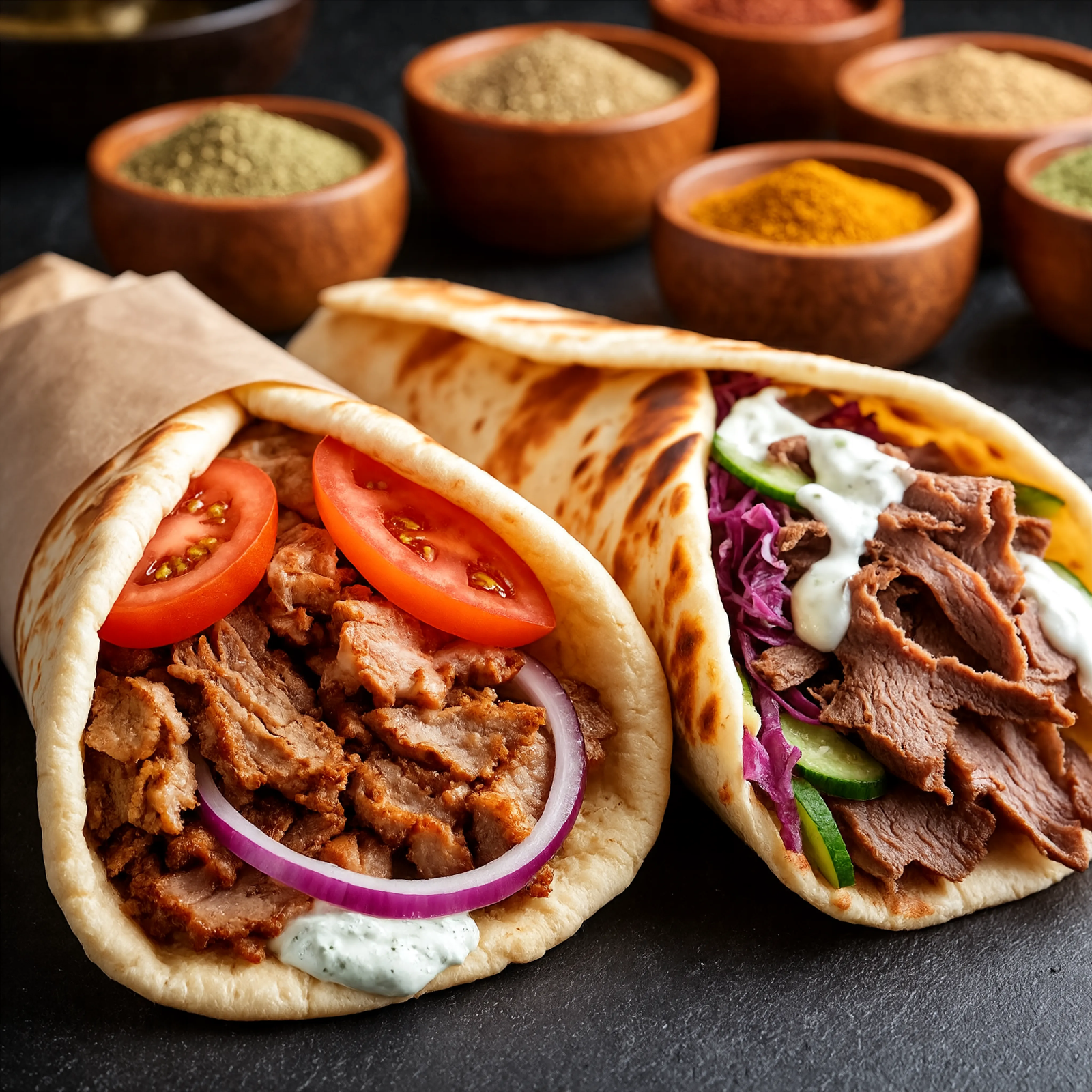 Gyros vs. Döner: Understanding the Differences in Preparation, Seasoning, and Meat Selection for Your MenuRead more
Gyros and Döner are two iconic Mediterranean dishes often confused due to their similar appearance and cooking style....
-
 Welche Temperatur braucht ein Dönergrill? Richtwerte für die Gastronomie → Optimale Garzeiten und Temperaturen für perfekte ErgebnisseRead more
Der Dönergrill ist das Herzstück jeder Döner-Gastronomie. Die richtige Temperatur am Grill entscheidet maßgeblich...
-
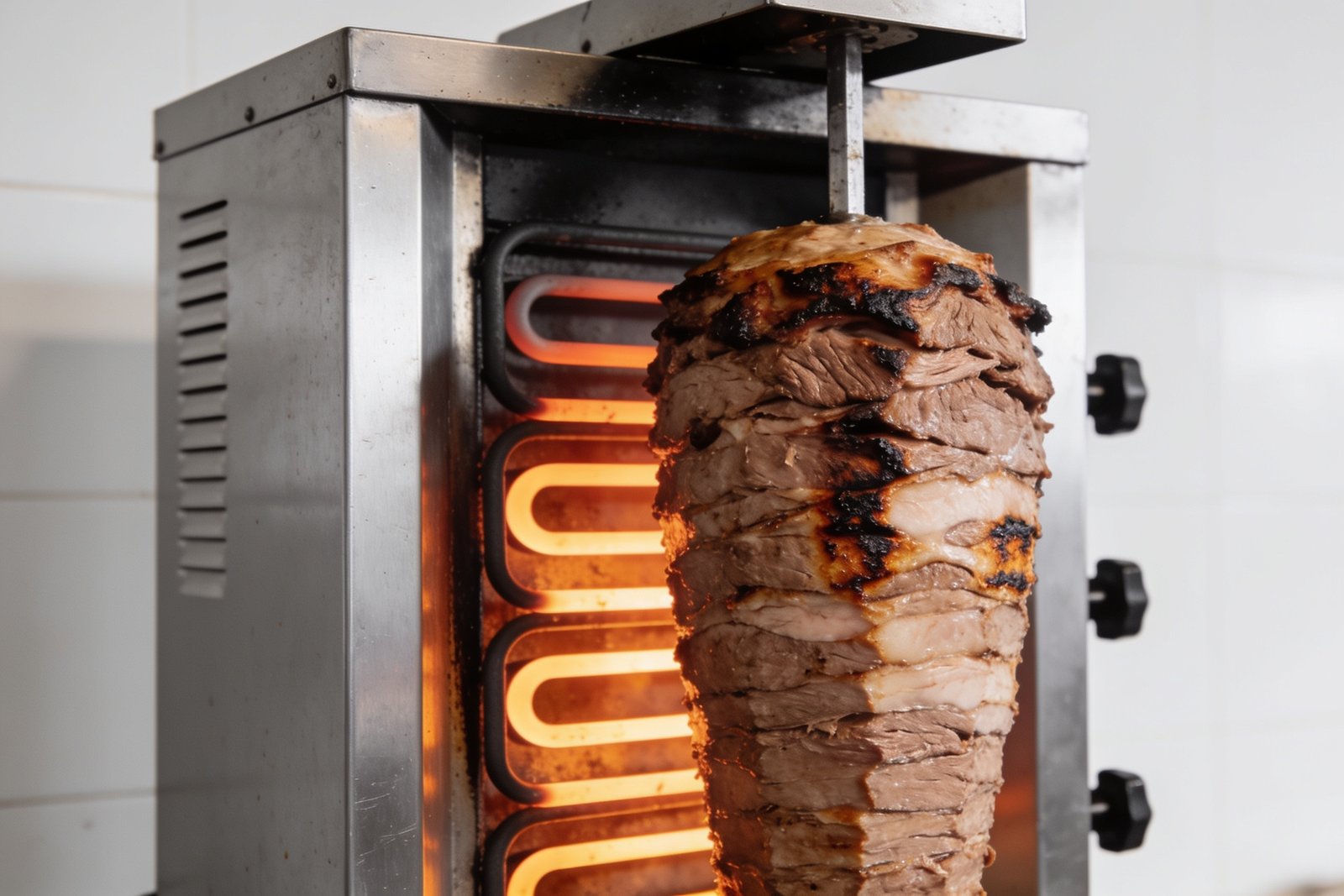 Döner Grill Heating Unevenly? Troubleshooting & Solutions → Recognize and Professionally Fix Common Device ProblemsRead more
Is your Döner grill heating unevenly? This can lead to poorly cooked meat and frustrated customers. In this guide, we...
-
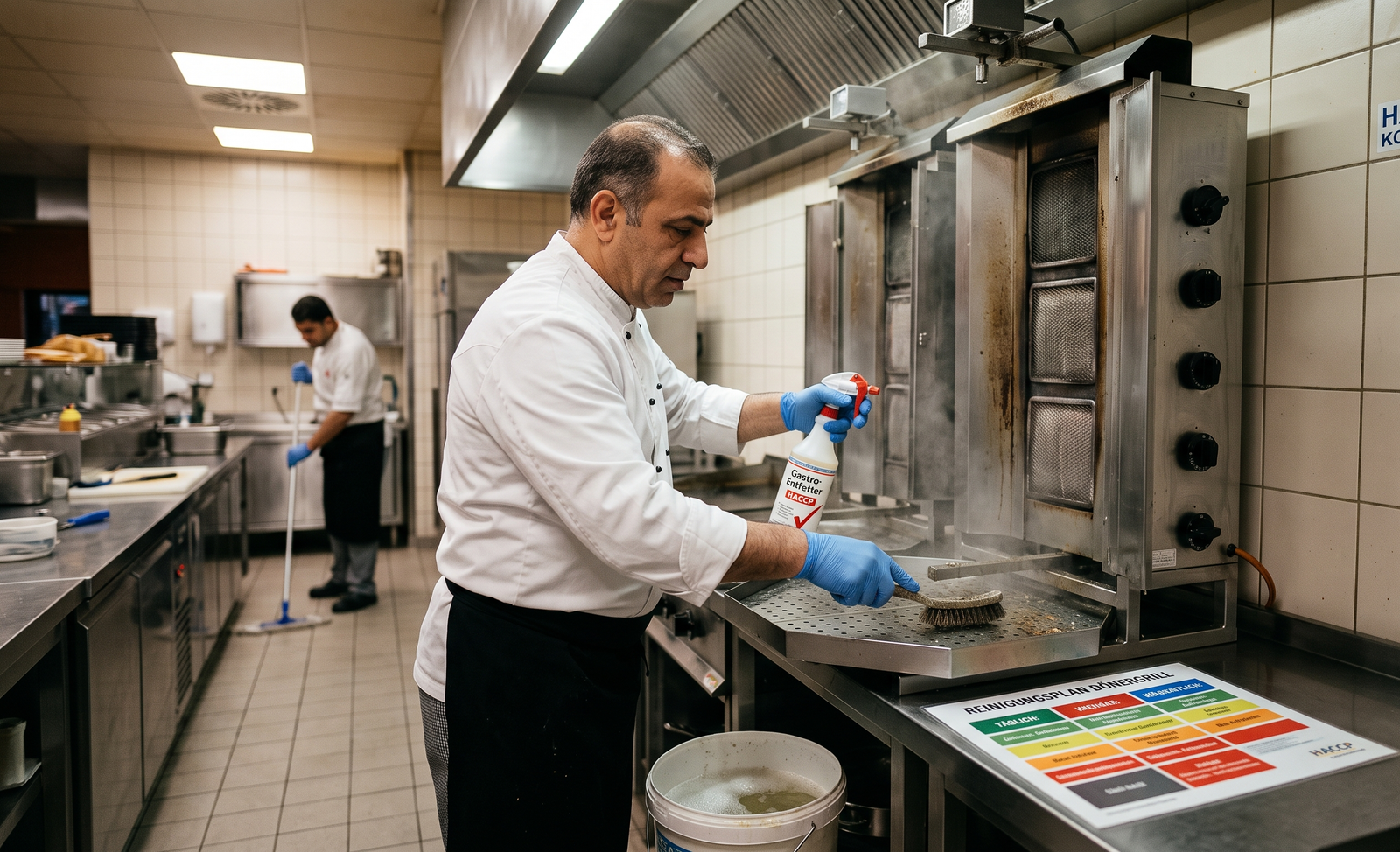 Proper Cleaning of Döner Grills: Care & Hygiene in Gastronomy → Equipment Cleaning According to HACCP Guidelines and Food Hygiene Regulations (LMHV)Read more
The Döner grill is a staple in many gastronomy businesses, and proper cleaning is essential to maintain hygiene and...
-
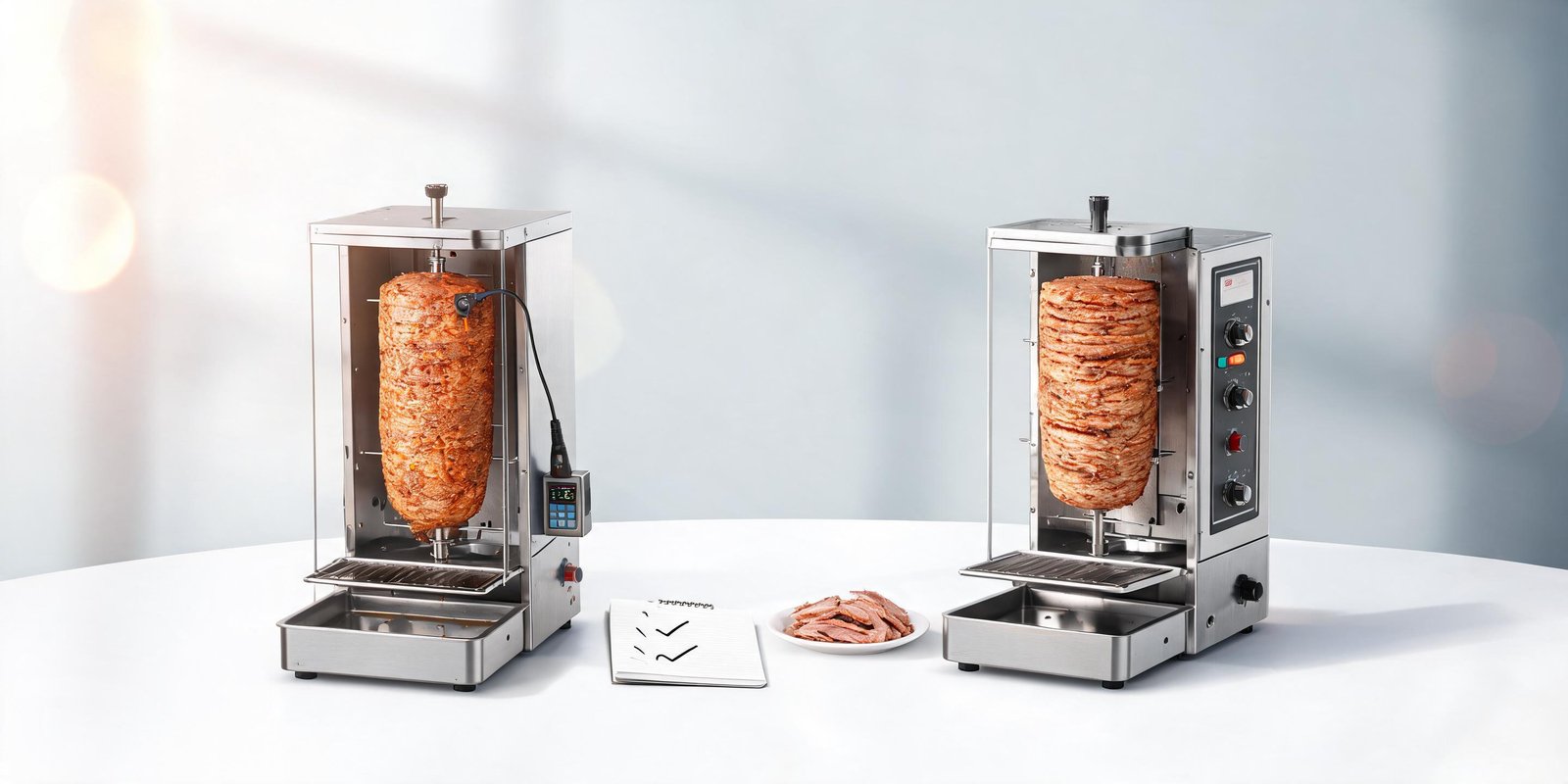 Commercial Döner Grill Tests & Reviews Overview → Make Informed Purchase Decisions with Current Product ComparisonsRead more
Choosing the right commercial Döner grill is essential for any food business specializing in this popular dish. This...
-
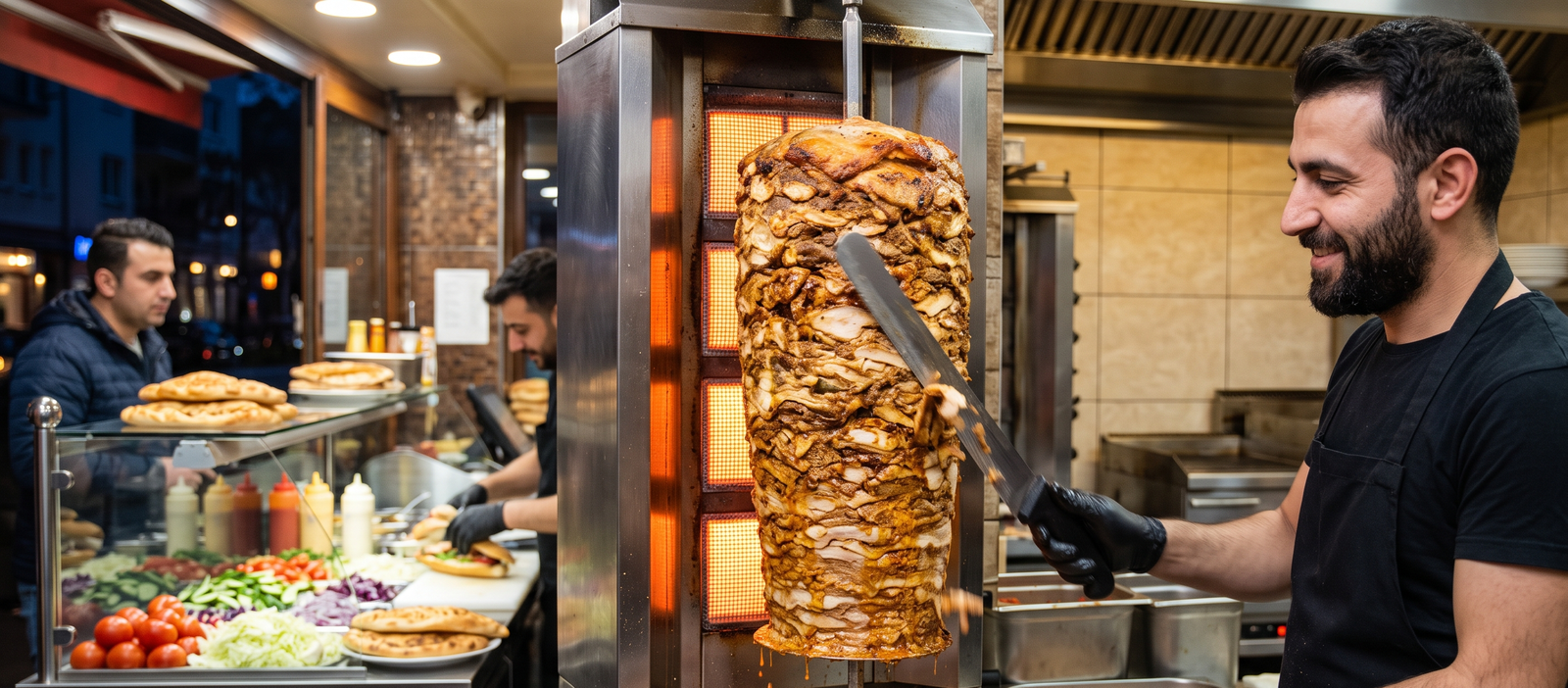 Why Is Döner Meat Grilled Vertically? Technology & Advantages Explained → The Functionality of the Vertical Grill and Its Benefits for the Gastronomy IndustryRead more
Döner kebab is famous worldwide for its juicy, flavorful meat cooked on a vertical spit. But why is the meat grilled...
-
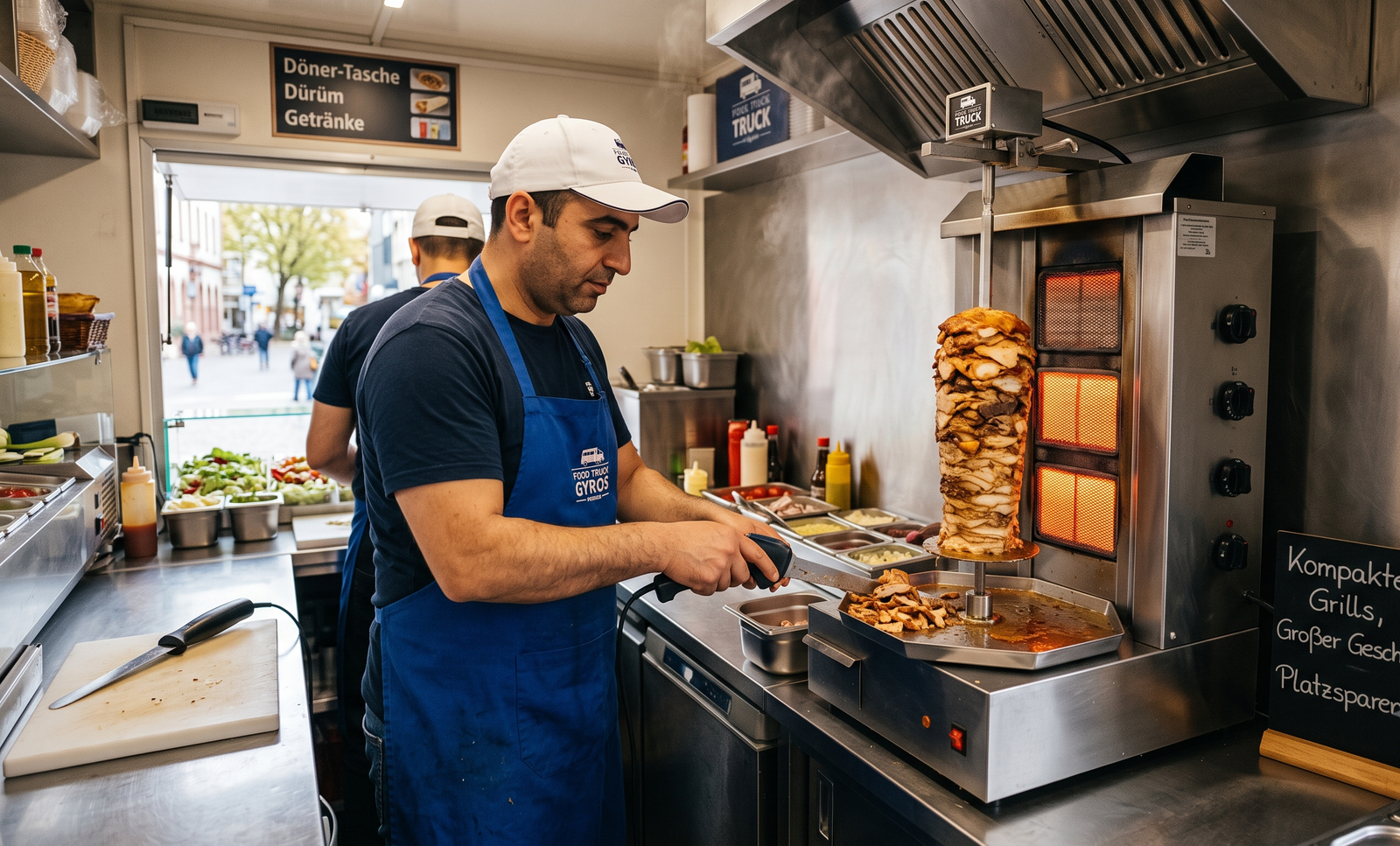 Compact Döner Grills for Small Snack Bars & Food Trucks → Space-Saving Solutions for Limited SpacesRead more
Small snack bars and food trucks often struggle with limited space, making it challenging to accommodate large...
Blog categories
Search in blog
How Much Does Professional Kitchen Equipment Cost for Restaurateurs?
How Much Does Professional Kitchen Equipment Cost for Restaurateurs?
Setting up a professional kitchen is one of the most critical steps for any restaurateur. Whether you’re opening a cozy café, a bustling bistro, or a full-scale restaurant, investing in the right kitchen equipment is essential to ensure smooth operations, food quality, and compliance with health and safety standards. But one of the most common questions restaurateurs ask is: How much does professional kitchen equipment cost?
In this comprehensive guide, we’ll break down the costs associated with outfitting a professional kitchen, explore the types of equipment you’ll need, and offer tips on budgeting and purchasing to help you make informed decisions.
Why Professional Kitchen Equipment Matters
Professional kitchen equipment differs significantly from home kitchen appliances. It’s designed to withstand heavy use, maintain consistent performance, and meet commercial safety standards. Investing in quality equipment can improve efficiency, reduce downtime, and ultimately contribute to the success of your restaurant.
However, the initial investment can be substantial, and understanding the price ranges and factors influencing costs is crucial for effective budget planning.
Key Categories of Professional Kitchen Equipment
Before diving into costs, let’s identify the main categories of equipment you’ll need:
- Cooking Equipment: Ovens, ranges, grills, fryers, salamanders, steamers, and combi ovens.
- Refrigeration: Walk-in coolers, reach-in refrigerators, under-counter refrigerators, freezers, and display cases.
- Food Preparation Equipment: Mixers, food processors, slicers, blenders, and cutting boards.
- Storage Solutions: Shelving units, ingredient bins, and dry storage containers.
- Dishwashing Equipment: Commercial dishwashers, sinks, and drying racks.
- Smallwares and Utensils: Pots, pans, knives, trays, and serving utensils.
- Ventilation and Safety: Exhaust hoods, fire suppression systems, and safety equipment.
Factors Influencing the Cost of Professional Kitchen Equipment
The total cost depends on several variables, including:
- Size and Type of Establishment: A small café will require less equipment than a large restaurant or catering kitchen.
- Brand and Quality: Premium brands with advanced features cost more but often offer better durability and efficiency.
- New vs. Used Equipment: Buying used equipment can reduce costs but may come with risks related to maintenance and lifespan.
- Customization and Special Features: Custom-built equipment or specialized machines for unique cuisines can increase expenses.
- Installation and Maintenance: Some equipment requires professional installation and ongoing maintenance, adding to overall costs.
Estimated Costs for Essential Professional Kitchen Equipment
Below is a breakdown of typical price ranges for key equipment categories. Keep in mind that prices vary widely depending on brand, size, and features.
1. Cooking Equipment
- Commercial Ranges and Ovens: $2,000 - $15,000+ each. A standard six-burner range with an oven might cost around $5,000, while high-end combi ovens can exceed $20,000.
- Grills and Griddles: $1,500 - $7,000. Gas or electric grills vary in size and capacity.
- Deep Fryers: $1,000 - $5,000. Depending on capacity and features like filtration systems.
- Salamanders and Broilers: $1,000 - $3,000.
- Steamers and Sous Vide Equipment: $1,500 - $10,000.
2. Refrigeration
- Reach-In Refrigerators and Freezers: $2,000 - $8,000 each.
- Walk-In Coolers/Freezers: $10,000 - $50,000+, depending on size and insulation.
- Undercounter Refrigerators: $1,000 - $3,000.
- Display Refrigerators: $2,000 - $7,000.
3. Food Preparation Equipment
- Commercial Mixers: $1,000 - $8,000 depending on size and power.
- Food Processors and Blenders: $500 - $3,000.
- Slicers: $1,000 - $4,000.
- Cutting Boards and Prep Tables: $100 - $1,000.
4. Storage Solutions
- Shelving Units: $100 - $1,000 each.
- Ingredient Bins and Containers: $50 - $500.
5. Dishwashing Equipment
- Commercial Dishwashers: $3,000 - $15,000.
- Sinks and Faucets: $500 - $2,000.
- Drying Racks and Accessories: $100 - $500.
6. Smallwares and Utensils
- Pots and Pans: $50 - $500 each.
- Knives and Cutting Tools: $100 - $1,000 for a quality set.
- Serving Utensils and Trays: $10 - $200 each.
7. Ventilation and Safety
- Exhaust Hoods: $5,000 - $20,000+ depending on size and complexity.
- Fire Suppression Systems: $2,000 - $10,000.
- Safety Equipment (extinguishers, first aid kits): $100 - $1,000.
Total Estimated Budget for a Professional Kitchen
Putting all these elements together, the total cost of professional kitchen equipment can vary widely based on the size and scope of your restaurant. Here are some rough estimates:
- Small Café or Food Truck: $20,000 - $50,000
- Medium-Sized Restaurant: $50,000 - $150,000
- Large Full-Service Restaurant or Catering Kitchen: $150,000 - $500,000+
These budgets include major appliances, refrigeration, prep equipment, dishwashing, and smallwares but exclude costs such as kitchen design, installation, and ongoing maintenance.
Tips for Saving Money on Professional Kitchen Equipment
While quality equipment is an investment, there are ways to manage costs effectively:
- Buy Used or Refurbished Equipment: Many reputable dealers offer certified pre-owned equipment at a fraction of the cost.
- Prioritize Essential Equipment: Start with must-have items and add specialty equipment as your business grows.
- Lease Equipment: Leasing can reduce upfront costs and provide flexibility to upgrade.
- Compare Multiple Suppliers: Get quotes from several vendors to find the best deals.
- Consider Energy Efficiency: Energy-efficient equipment may cost more initially but save money on utilities long-term.
- Plan for Maintenance: Regular maintenance extends equipment life and prevents costly repairs.
Additional Costs to Consider
Beyond the equipment itself, restaurateurs should budget for:
- Installation Fees: Professional installation ensures safety and compliance.
- Kitchen Design and Layout: Efficient workflows reduce labor costs and improve productivity.
- Permits and Inspections: Compliance with local health and safety regulations may require additional expenses.
- Training Staff: Proper use and maintenance of equipment require staff training.
Conclusion
Outfitting a professional kitchen is a significant investment that requires careful planning and budgeting. While the costs can be high, choosing the right equipment tailored to your restaurant’s needs will pay off in efficiency, food quality, and customer satisfaction.
By understanding the price ranges, prioritizing essential items, and exploring cost-saving options like used equipment or leasing, restaurateurs can equip their kitchens effectively without breaking the bank.
Remember, a well-equipped kitchen lays the foundation for culinary success—invest wisely to create a space where your food and your business can thrive.
If you’re planning to open or upgrade your restaurant kitchen, take the time to research, consult with industry experts, and create a detailed budget to guide your purchasing decisions.
Happy cooking and best of luck with your gastronomic venture!
Posted in:
Tips & Tricks
Related posts
-
 More Than Just Fast Food - All You Need to Know
System Gastronomy: Learn more about this exciting business model. From Fast Food to Casual Dining - we explain...Read more
More Than Just Fast Food - All You Need to Know
System Gastronomy: Learn more about this exciting business model. From Fast Food to Casual Dining - we explain...Read more -
 The 10 Most Expensive Restaurants in the World
When it comes to fine dining and luxurious culinary experiences, some restaurants around the globe capture attention...Read more
The 10 Most Expensive Restaurants in the World
When it comes to fine dining and luxurious culinary experiences, some restaurants around the globe capture attention...Read more -
 Which Restaurant Makes the Most Revenue? A Deep Dive into the World of Gastronomy
Who are the revenue giants in the gastronomy industry? We reveal the top players and analyze why they are so...Read more
Which Restaurant Makes the Most Revenue? A Deep Dive into the World of Gastronomy
Who are the revenue giants in the gastronomy industry? We reveal the top players and analyze why they are so...Read more -
 Boost Your Restaurant's Revenue with Pergolas and Louvered Roofs
Ever wondered how to make your restaurant more appealing and increase your sales? The answer might be simpler than...Read more
Boost Your Restaurant's Revenue with Pergolas and Louvered Roofs
Ever wondered how to make your restaurant more appealing and increase your sales? The answer might be simpler than...Read more -
 The World of Döner: From Traditional Recipes to the Best Döner Spots Worldwide
Learn how to make authentic Yaprak Döner, discover the best döner spots in Germany and worldwide, and explore the...Read more
The World of Döner: From Traditional Recipes to the Best Döner Spots Worldwide
Learn how to make authentic Yaprak Döner, discover the best döner spots in Germany and worldwide, and explore the...Read more
Leave a comment