
 Deutsch
 Türkçe
 Italiano

.jpg)
.jpg)
.jpg)
.jpg)
.jpg)
.jpg)
.jpg)
.jpg)
.jpg)
.jpg)

.jpg)

.jpg)
.jpg)
.jpg)
.jpg)
.jpg)
.jpg)
.jpg)
.jpg)
.jpg)
.jpg)



.jpg)
.jpg)
.jpg)
.jpg)
.jpg)
.jpg)
.jpg)
.jpg)
.jpg)



.jpg)
.jpg)

.jpg)
.jpg)
.jpg)
.jpg)


.jpg)

.png)
.jpg)
.jpg)
 (200 x 136 px) (5).png)
.png)
iGastronomic offers a comprehensive range of stainless steel refrigerators and freezers designed specifically for...
-
 Cooking Appliances
add remove
Cooking Appliances
add remove -
-
Pizza & Grill
add remove
-
-
Refrigeration
add remove
-
-
Combi Steamer
add remove
-
-
Kitchen Appliances
add remove
-
-
Rinsing & Cleaning
add remove
-
-
Retail Refrigeration
add remove
-
-
Cafe & Ice Cream
add remove
-
-
Smart-Gastro
add remove
-
-
Cooking Appliances
add remove
-
-
Pizza & Grill
add remove
-
-
Refrigeration
add remove
-
-
Combi Steamer
add remove
-
-
Kitchen Appliances
add remove
-
-
Rinsing & Cleaning
add remove
-
-
Retail Refrigeration
add remove
-
-
Cafe & Ice Cream
add remove
-
-
Smart-Gastro
add remove
-


Call us:
+49 (0) 6135 7040 450Latest posts
-
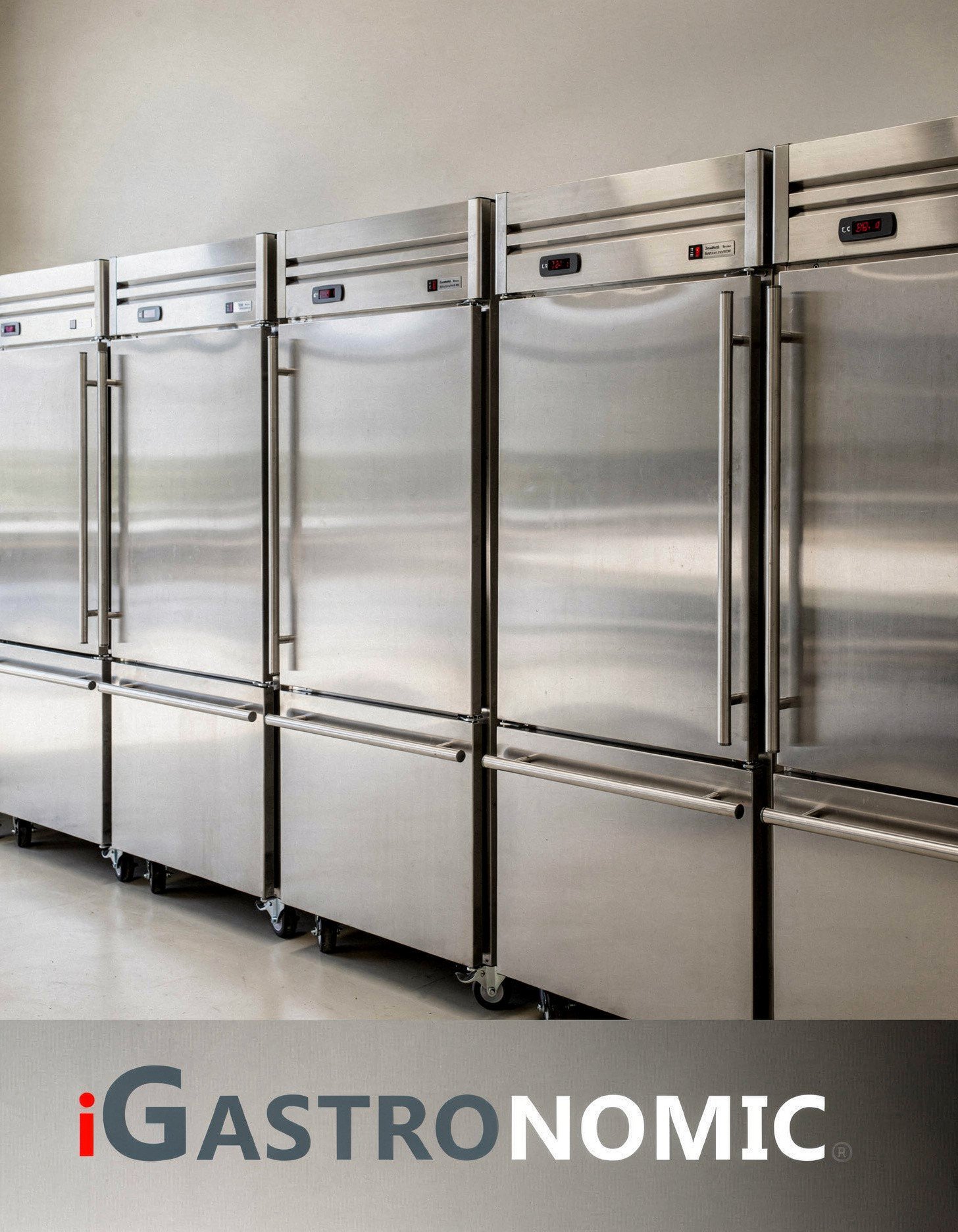 Discover High-Quality Stainless Steel Refrigerators and Freezers at iGastronomicRead more
 -
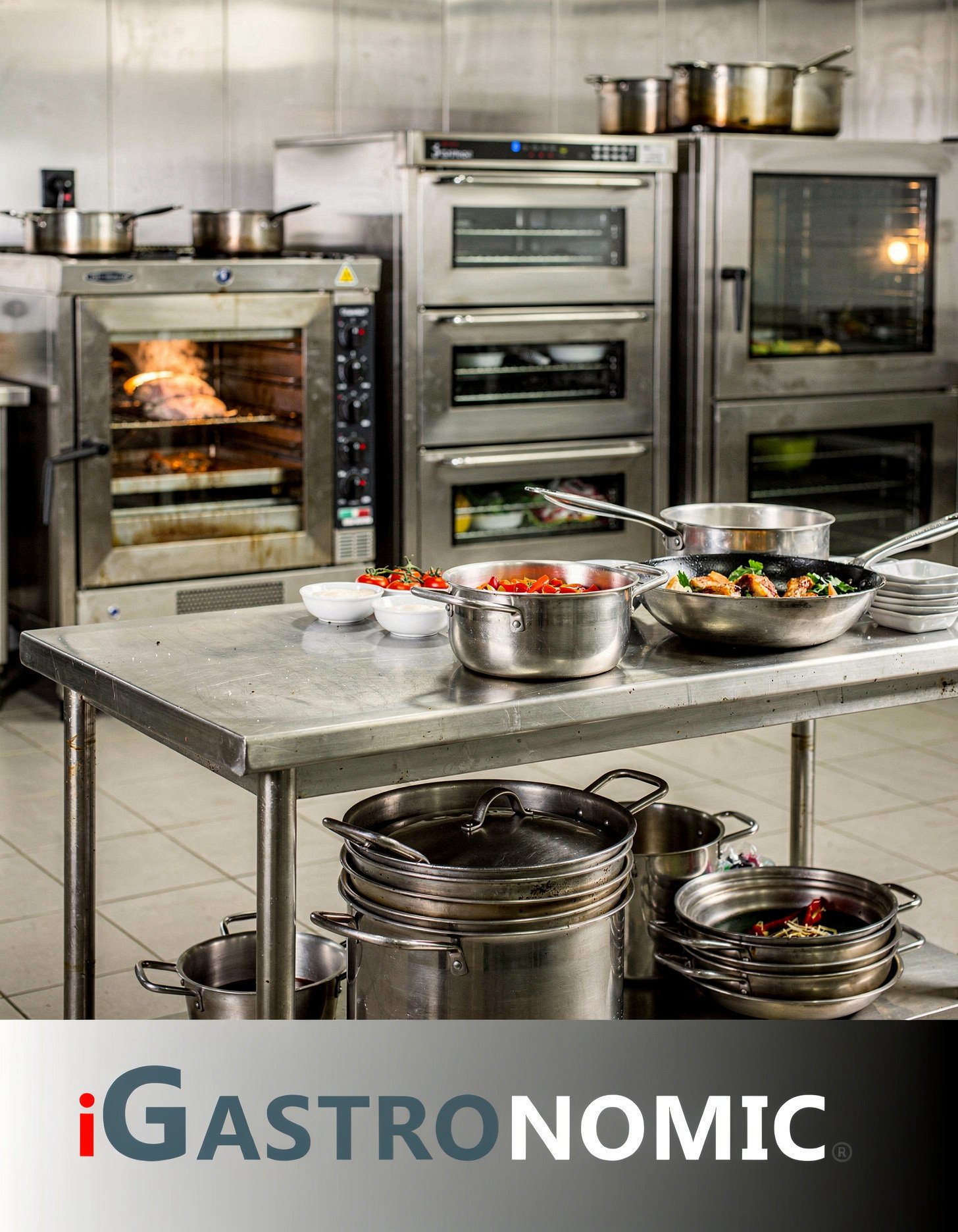 The Ultimate Guide to Commercial Kitchen Equipment: Everything You Need to KnowRead more
Commercial kitchen equipment plays a vital role in the success of any professional food business. From cooking...
-
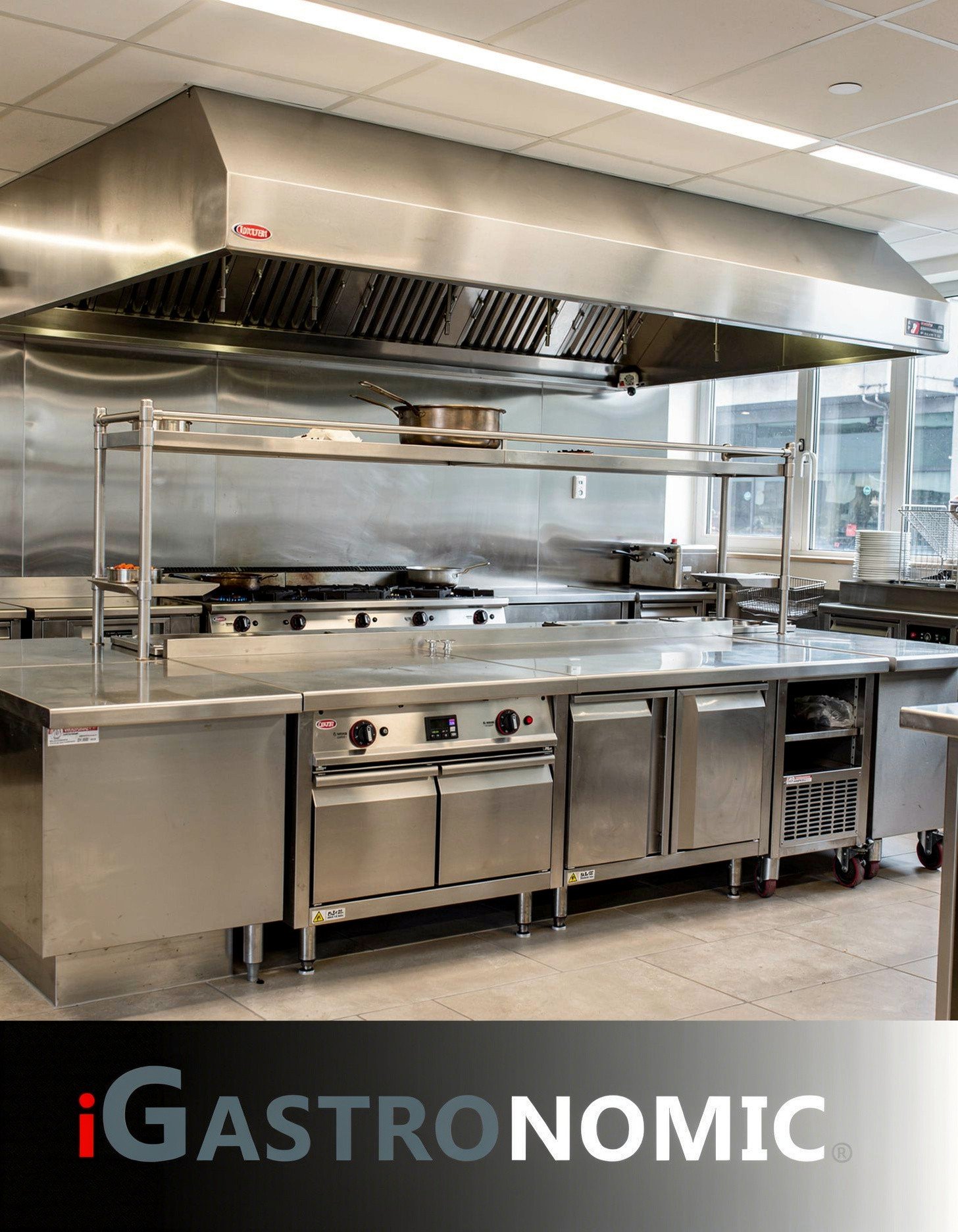 The Ultimate Guide to Commercial Kitchen Equipment: Everything You Need to KnowRead more
Commercial kitchen equipment is the backbone of any professional foodservice operation. From ovens and refrigerators...
-
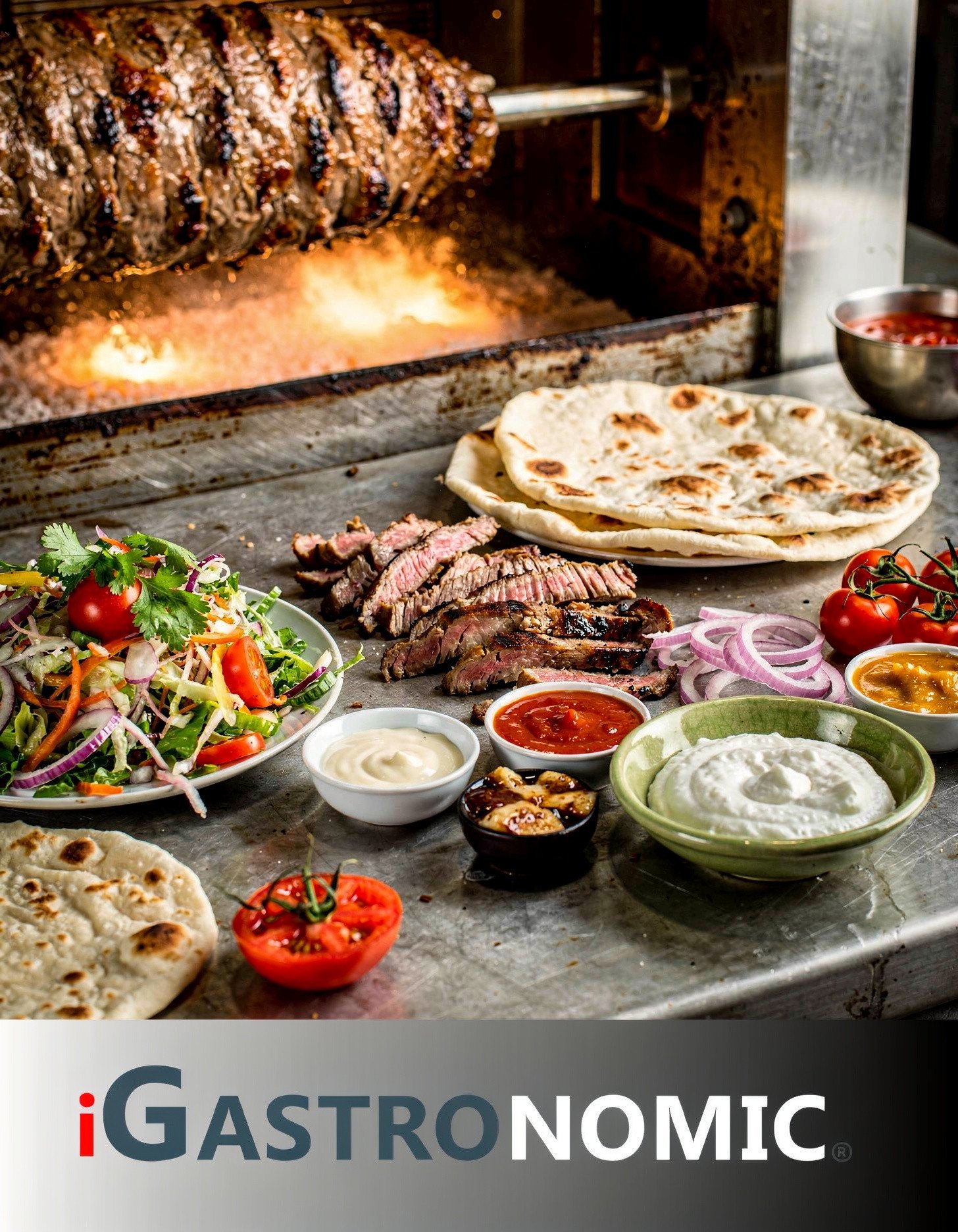 Discover the Best Döner Places Around the World: A Global Döner JourneyRead more
Döner Kebab is a beloved street food enjoyed worldwide, with each region offering its own unique twist. From Berlin’s...
-
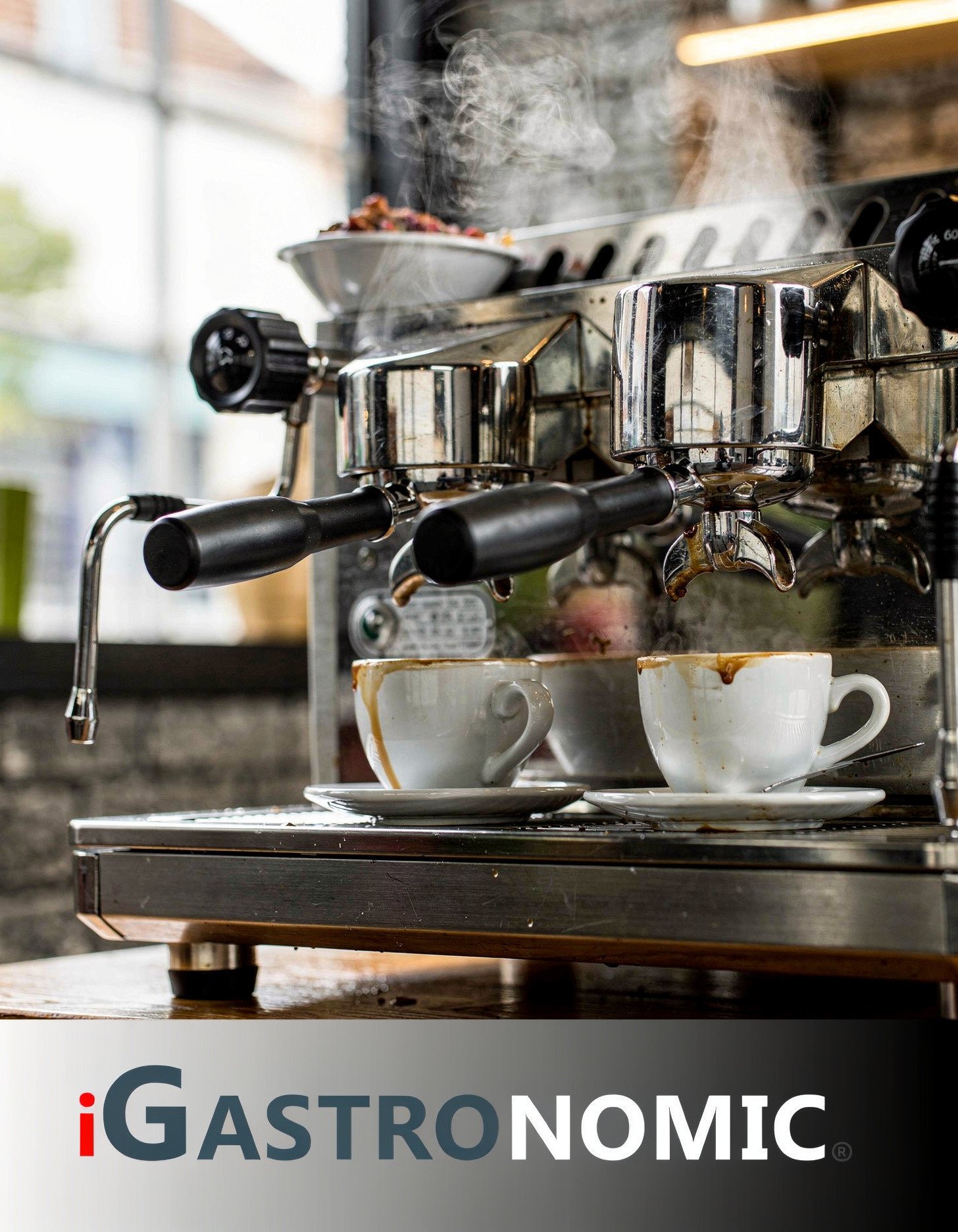 Discover the Aviator 3-Groups Portafilter Machine: Elevate Your Coffee ExperienceRead more
The Aviator 3-Groups Portafilter Machine is a professional espresso machine designed to deliver high-quality coffee...
-
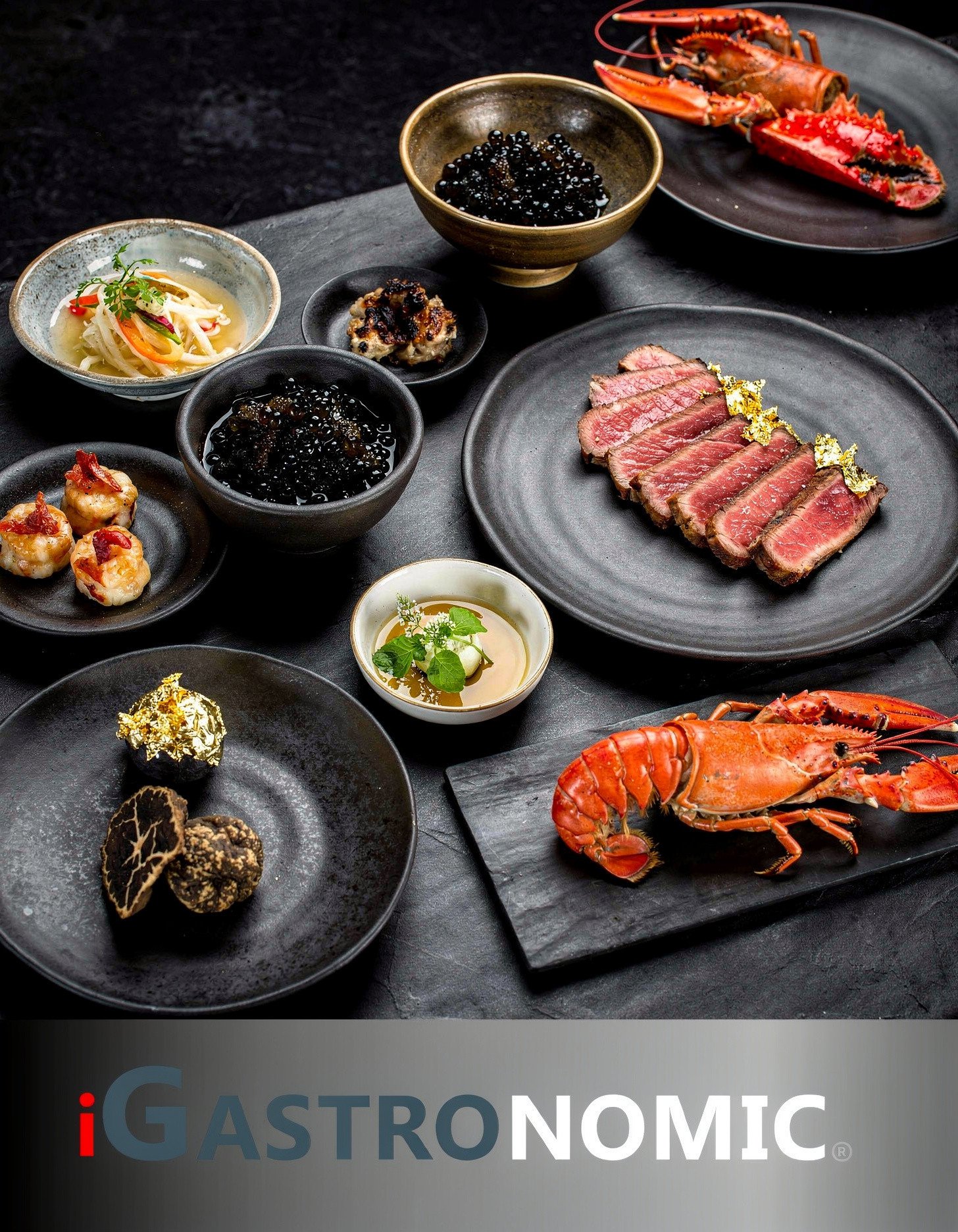 Most Expensive Dishes in the World: A Culinary Journey into LuxuryRead more
Discover the world’s most expensive dishes, where luxury meets culinary art. From the rare and buttery Almas caviar...
-
 The Ultimate Guide to Gas Bratplatte: Your Perfect Outdoor Cooking CompanionRead more
A Gas Bratplatte is a gas-powered flat-top grill that offers even heat distribution and versatile cooking options for...
-
Gastronomiebedarf: The Essential Guide to Professional Culinary EquipmentRead more
Gastronomiebedarf refers to the professional equipment and supplies used in commercial kitchens and food service...
-
 Discover the Aviator 3-Group Portafilter Machine: The Ultimate Espresso ExperienceRead more
The Aviator 3-Group Portafilter Machine is a professional espresso machine designed to deliver high-quality coffee...
-
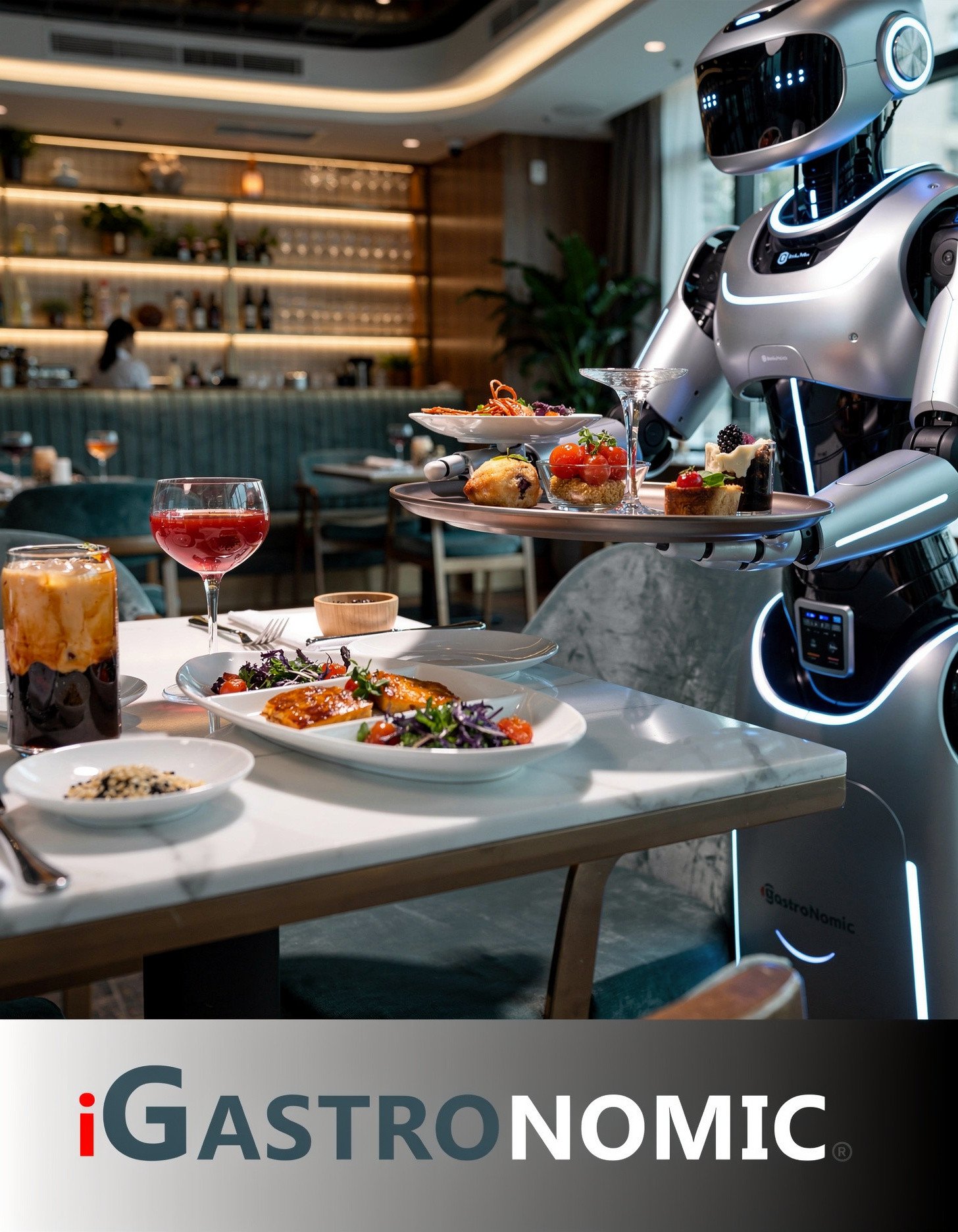 Discover the IG Robo Service Robot: Revolutionizing Hospitality with BellabotRead more
The IG Robo Service Robot, inspired by the popular Bellabot, is an innovative solution designed to revolutionize the...
Blog categories
Search in blog
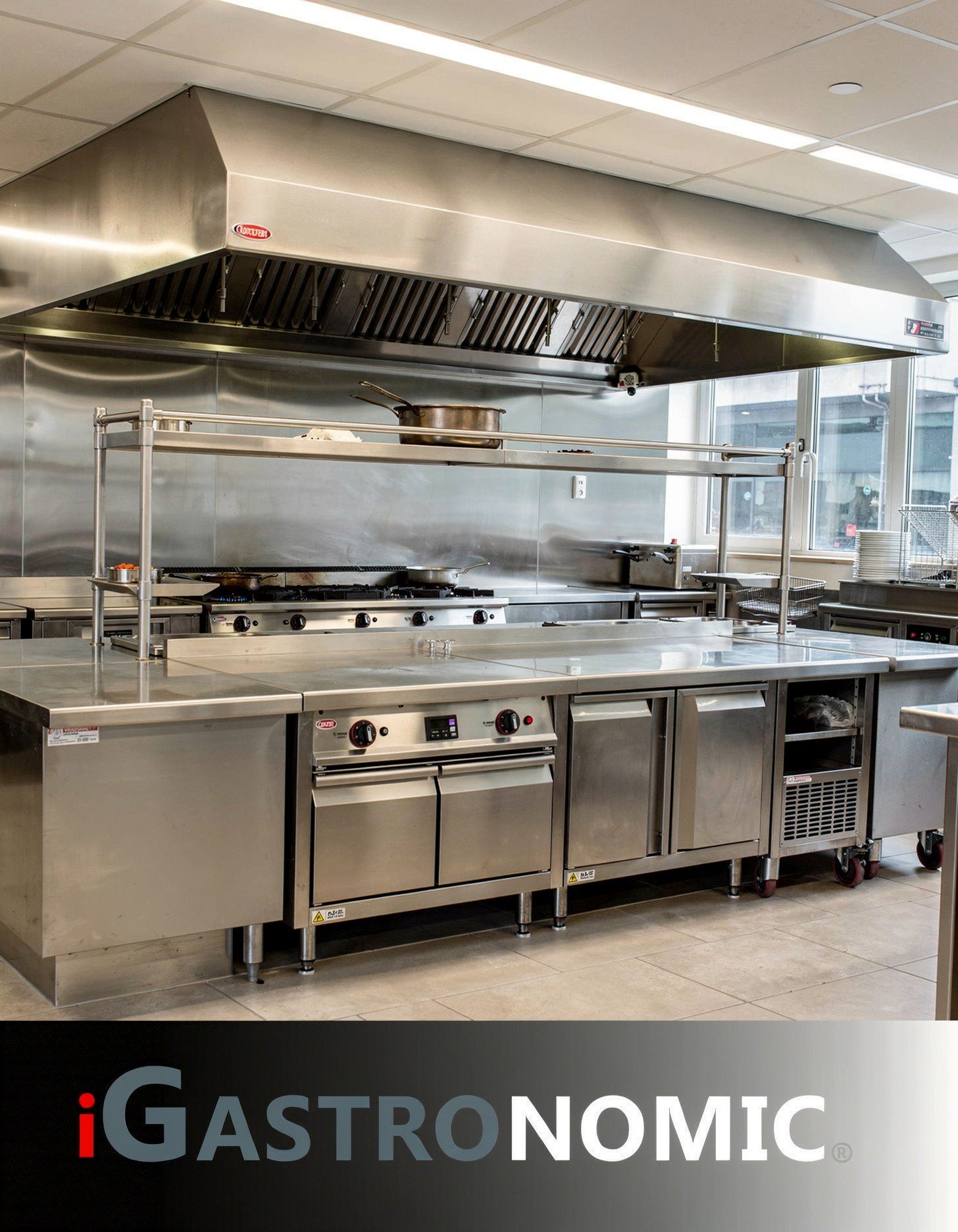
The Ultimate Guide to Commercial Kitchen Equipment: Everything You Need to Know
The Ultimate Guide to Commercial Kitchen Equipment: Everything You Need to Know
Running a successful commercial kitchen requires more than just culinary skills; it demands the right equipment to ensure efficiency, safety, and quality. Whether you're opening a new restaurant, upgrading your existing kitchen, or simply curious about the tools that power professional kitchens, this comprehensive guide will walk you through everything you need to know about commercial kitchen equipment.
Why is Commercial Kitchen Equipment Important?
Commercial kitchen equipment is designed specifically for the rigors of a professional foodservice environment. Unlike home kitchen appliances, commercial-grade equipment is built to withstand constant use, higher volumes, and stricter health and safety standards. Investing in the right equipment can dramatically improve your kitchen’s productivity, reduce downtime, and ensure consistent food quality.
Types of Commercial Kitchen Equipment
Commercial kitchen equipment can be broadly categorized into several types based on their function. Here’s a detailed breakdown:
1. Cooking Equipment
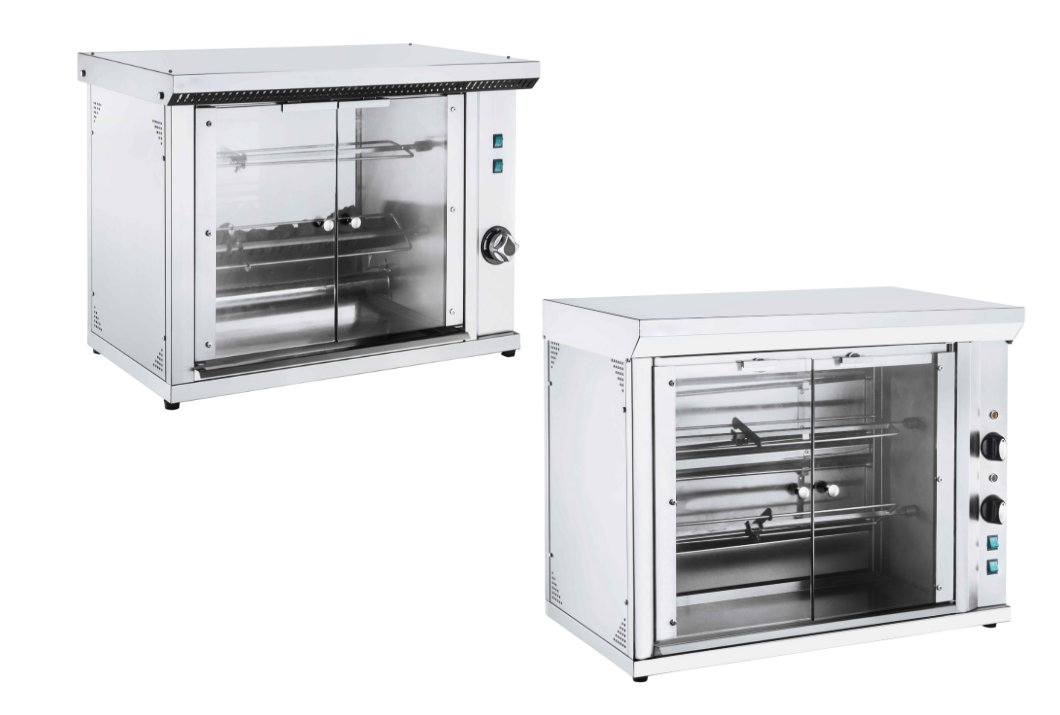
- Ranges and Ovens: The heart of any kitchen, ranges and ovens come in various forms including gas, electric, convection, and combi ovens. They are essential for baking, roasting, grilling, and more.
- Grills and Griddles: Perfect for searing meats, vegetables, and sandwiches, these provide high heat and quick cooking.
- Deep Fryers: Used for frying foods like fries, chicken, and pastries, commercial fryers are designed for safety and temperature control.
- Microwaves and Salamanders: For quick heating, melting, or broiling tasks.
2. Refrigeration Equipment
- Walk-in Coolers and Freezers: Large storage units for perishable goods.
- Reach-in Refrigerators: Easily accessible refrigerators for daily use.
- Prep Tables with Refrigeration: Combine workspace with cold storage for ingredients.
- Undercounter Refrigerators: Space-saving units for quick access.
3. Food Preparation Equipment
- Mixers: From planetary mixers to spiral mixers, essential for dough and batter preparation.
- Food Processors: For chopping, slicing, shredding, and pureeing ingredients.
- Slicers: Used for meats, cheeses, and vegetables.
- Blenders and Immersion Blenders: For sauces, soups, and smoothies.
4. Storage and Shelving
Durable shelving units, ingredient bins, and storage racks help keep the kitchen organized and safe.
5. Dishwashing Equipment
- Commercial Dishwashers: High-capacity machines for cleaning dishes quickly and hygienically.
- Glass Washers and Pot Washers: Specialized machines for delicate or bulky items.
6. Smallwares and Utensils
Knives, pots, pans, cutting boards, and other handheld tools are essential for daily kitchen operations.
How to Choose the Right Commercial Kitchen Equipment
Selecting the right equipment depends on several factors:
- Kitchen Size and Layout: Measure your space carefully to ensure equipment fits and allows for smooth workflow.
- Type of Cuisine and Menu: Different cuisines require different equipment. For example, a bakery needs mixers and ovens, while a sushi bar may need refrigeration and prep tables.
- Volume of Business: Anticipate how many meals you’ll prepare daily to choose equipment with the appropriate capacity.
- Energy Efficiency: Look for energy-saving models to reduce operating costs.
- Budget: Balance quality and cost. Investing in durable equipment can save money long-term.
- Compliance and Safety: Ensure equipment meets local health codes and safety standards.
Maintenance and Care for Commercial Kitchen Equipment
Proper maintenance extends the life of your equipment and keeps your kitchen running smoothly:
- Regular Cleaning: Clean equipment daily to prevent buildup and contamination.
- Scheduled Servicing: Have professionals inspect and service equipment periodically.
- Proper Usage: Train staff on correct operation to avoid damage.
- Prompt Repairs: Address issues immediately to prevent breakdowns.
Top Brands and Where to Buy Commercial Kitchen Equipment
When it comes to purchasing commercial kitchen equipment, quality and reliability are paramount. Trusted brands offer warranties, support, and proven performance. For a wide selection of high-quality commercial kitchen equipment, visit iGastronomic. They provide expert advice and a comprehensive range of products tailored to professional kitchens.
Emerging Trends in Commercial Kitchen Equipment
The foodservice industry is evolving, and so is the technology behind kitchen equipment. Here are some trends to watch:
- Smart Kitchens: Equipment with IoT connectivity allows remote monitoring, predictive maintenance, and energy management.
- Eco-Friendly Equipment: Energy-efficient appliances and sustainable materials reduce environmental impact.
- Multi-Functional Equipment: Devices that combine several functions save space and increase versatility.
- Automation: Robotics and automated cooking systems help streamline repetitive tasks.
Conclusion
Choosing and maintaining the right commercial kitchen equipment is a critical step in building a successful foodservice business. By understanding the types of equipment available, how to select the best options for your needs, and keeping them in top condition, you can create a kitchen that is efficient, safe, and capable of delivering exceptional food quality.
For more detailed information, product recommendations, and expert support, be sure to check out iGastronomic, your trusted partner in commercial kitchen solutions.
Happy cooking!
Posted in:
Tips & Tricks
Related posts
-
 More Than Just Fast Food - All You Need to Know
System Gastronomy: Learn more about this exciting business model. From Fast Food to Casual Dining - we explain...Read more
More Than Just Fast Food - All You Need to Know
System Gastronomy: Learn more about this exciting business model. From Fast Food to Casual Dining - we explain...Read more -
 The 10 Most Expensive Restaurants in the World
When it comes to fine dining and luxurious culinary experiences, some restaurants around the globe capture attention...Read more
The 10 Most Expensive Restaurants in the World
When it comes to fine dining and luxurious culinary experiences, some restaurants around the globe capture attention...Read more -
 Which Restaurant Makes the Most Revenue? A Deep Dive into the World of Gastronomy
Who are the revenue giants in the gastronomy industry? We reveal the top players and analyze why they are so...Read more
Which Restaurant Makes the Most Revenue? A Deep Dive into the World of Gastronomy
Who are the revenue giants in the gastronomy industry? We reveal the top players and analyze why they are so...Read more -
 Boost Your Restaurant's Revenue with Pergolas and Louvered Roofs
Ever wondered how to make your restaurant more appealing and increase your sales? The answer might be simpler than...Read more
Boost Your Restaurant's Revenue with Pergolas and Louvered Roofs
Ever wondered how to make your restaurant more appealing and increase your sales? The answer might be simpler than...Read more -
 The World of Döner: From Traditional Recipes to the Best Döner Spots Worldwide
Learn how to make authentic Yaprak Döner, discover the best döner spots in Germany and worldwide, and explore the...Read more
The World of Döner: From Traditional Recipes to the Best Döner Spots Worldwide
Learn how to make authentic Yaprak Döner, discover the best döner spots in Germany and worldwide, and explore the...Read more
Leave a comment