
 Deutsch
 Türkçe
 Italiano

.jpg)
.jpg)
.jpg)
.jpg)
.jpg)
.jpg)
.jpg)
.jpg)
.jpg)
.jpg)

.jpg)

.jpg)
.jpg)
.jpg)
.jpg)
.jpg)
.jpg)
.jpg)
.jpg)
.jpg)
.jpg)



.jpg)
.jpg)
.jpg)
.jpg)
.jpg)
.jpg)
.jpg)
.jpg)
.jpg)



.jpg)
.jpg)

.jpg)
.jpg)
.jpg)
.jpg)


.jpg)

.png)
.jpg)
.jpg)
 (200 x 136 px) (5).png)
.png)

Döner meat is a popular and delicious dish, but it’s also highly perishable. Proper storage is key to maintaining its...
-
 Cooking Appliances
add remove
Cooking Appliances
add remove -
-
Pizza & Grill
add remove
-
-
Refrigeration
add remove
-
-
Combi Steamer
add remove
-
-
Kitchen Appliances
add remove
-
-
Rinsing & Cleaning
add remove
-
-
Retail Refrigeration
add remove
-
-
Cafe & Ice Cream
add remove
-
-
Smart-Gastro
add remove
-
-
Event- & Cateringmöbel
-
Cooking Appliances
add remove
-
-
Pizza & Grill
add remove
-
-
Refrigeration
add remove
-
-
Combi Steamer
add remove
-
-
Kitchen Appliances
add remove
-
-
Rinsing & Cleaning
add remove
-
-
Retail Refrigeration
add remove
-
-
Cafe & Ice Cream
add remove
-
-
Smart-Gastro
add remove
-
-
Event- & Cateringmöbel


Call us:
+49 (0) 6135 7040 450Latest posts
-
 Shelf Life of Döner Meat: Cooling, Freezing & Fresh Counter Storage – Proper Handling to Prevent Food WasteRead more
 -
 How Long Does a Döner Kebab Spit Last on the Grill? → Stand Times, Core Temperature, and Replenishment Planning in BusinessRead more
The Döner kebab spit is a cornerstone of many street food businesses, but managing how long it stays on the grill is...
-
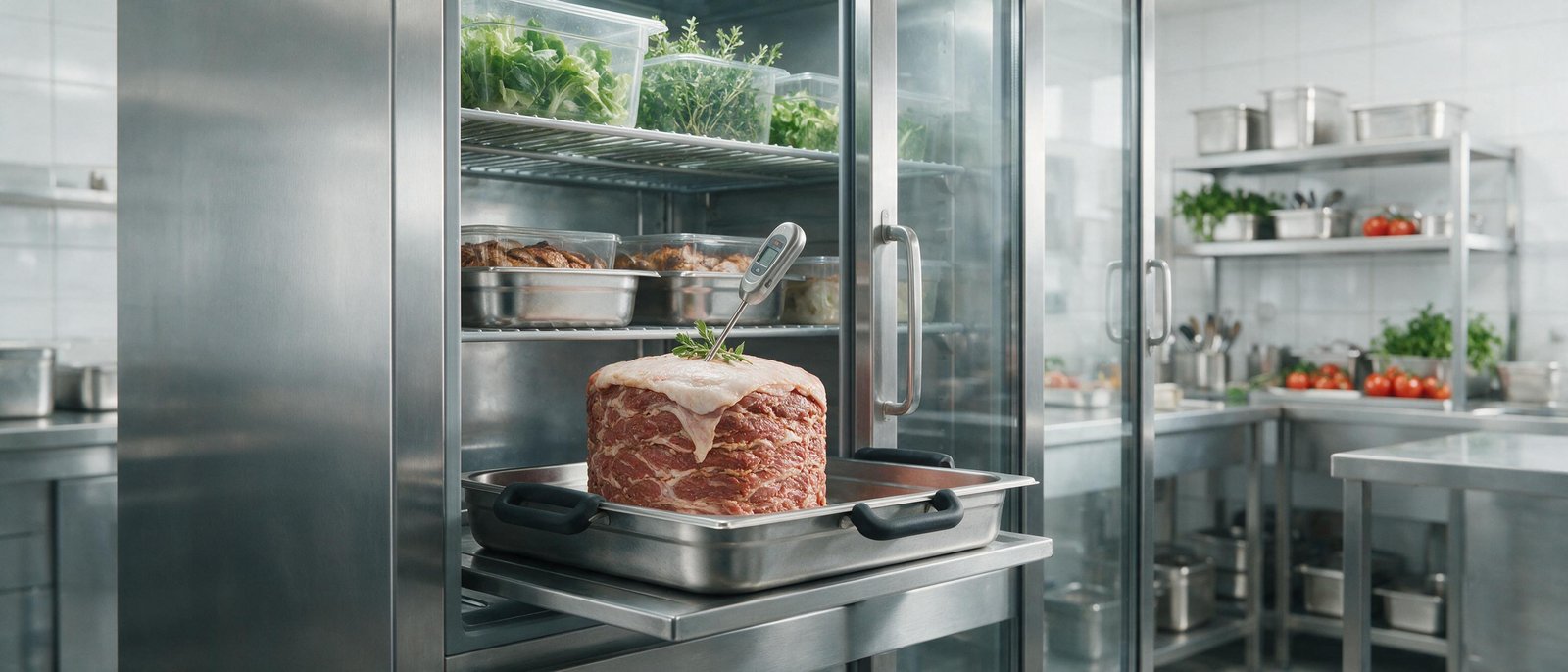 Proper Storage of Döner Meat: Regulations & Food Safety → HACCP-Compliant Storage According to German Food Hygiene RegulationsRead more
Döner meat is a popular and perishable food product that requires careful storage to maintain its safety and quality....
-
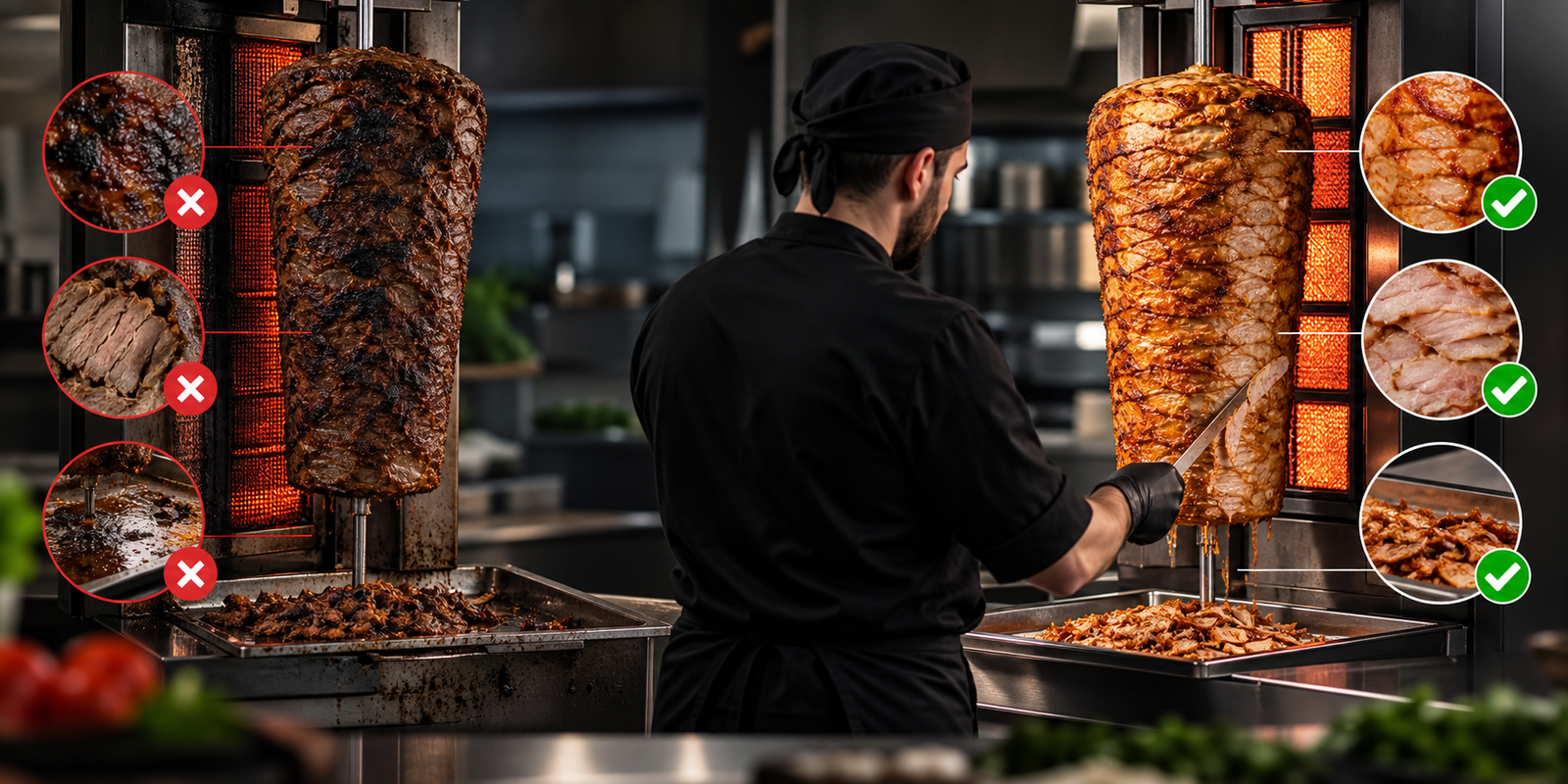 Common Mistakes When Grilling Döner – And How to Avoid Them: Identifying and Fixing Typical Preparation Errors in the Gastronomy IndustryRead more
The Döner kebab is a globally loved dish, but many gastronomy professionals struggle with common mistakes during its...
-
 What Makes Good Döner Meat So Tender and Flavorful? → Quality Characteristics and Preparation Techniques for RestaurateursRead more
Döner kebab is famous worldwide for its tender, juicy, and flavorful meat. But what exactly makes Döner meat so...
-
 How to Slice Döner Meat Perfectly: Professional Techniques with Döner Knives and Electric SlicersRead more
Döner kebab is renowned for its thin, juicy slices of meat cooked on a vertical spit. Achieving perfect slices...
-
 Döner Meat Marinade: Marinating Time and Professional Preparation → Optimal Preparation for Maximum Flavor and TendernessRead more
Döner kebab is famous worldwide for its juicy, flavorful meat, and the key to its perfection lies in the marinade and...
-
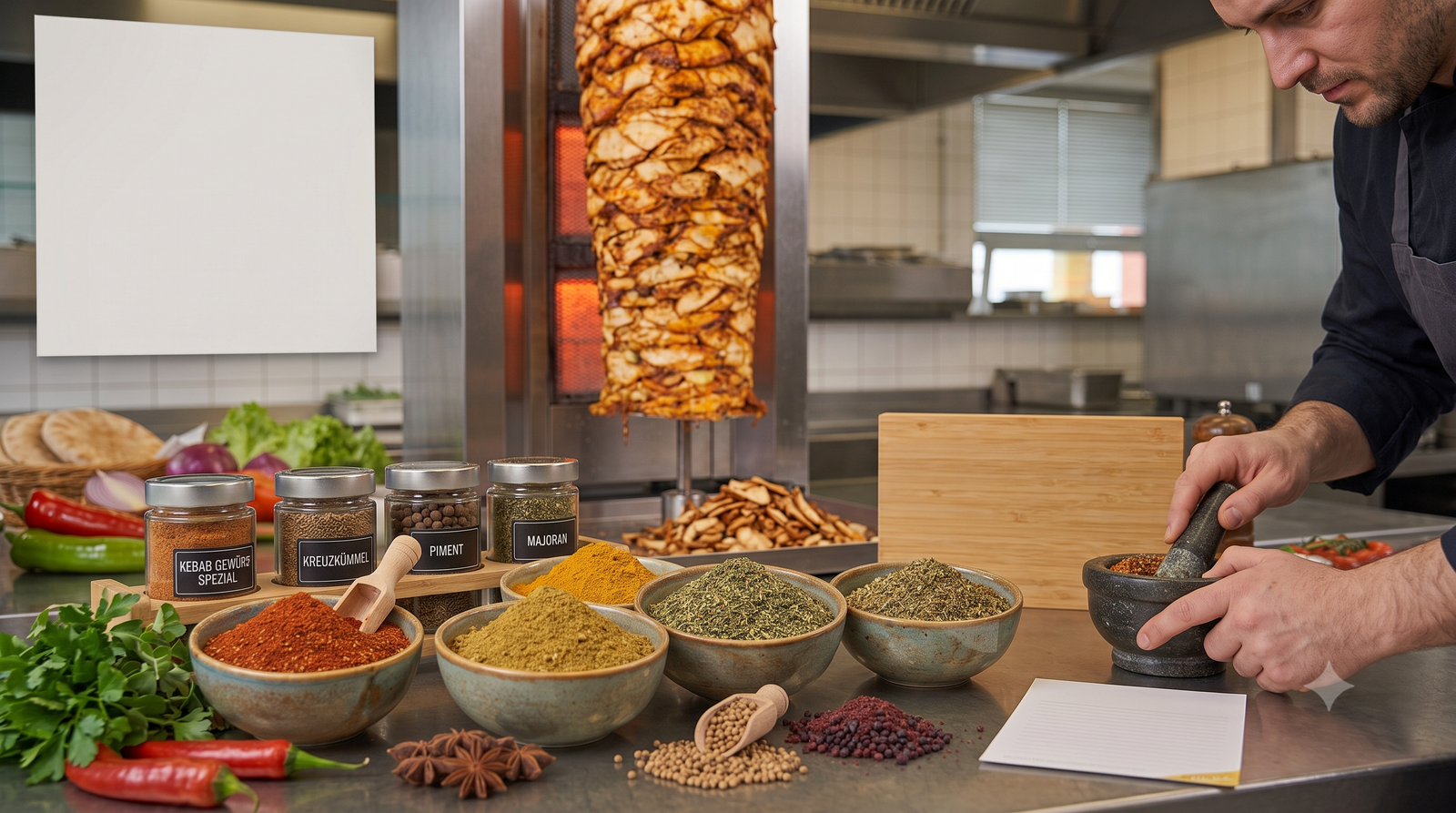 Making Your Own Döner Spice Mix: Recipes for the Gastronomy Industry → In-House Production for Better Flavor Control and Cost EfficiencyRead more
Döner kebab is a global favorite, and the secret to its irresistible flavor lies in the spice mix used to season the...
-
 The Ultimate Guide: Pizza Vending Machines – Earnings, Costs & Experiences in the 24/7Read more
More and more restaurateurs and resourceful entrepreneurs are discovering the enormous potential of pizza vending...
-
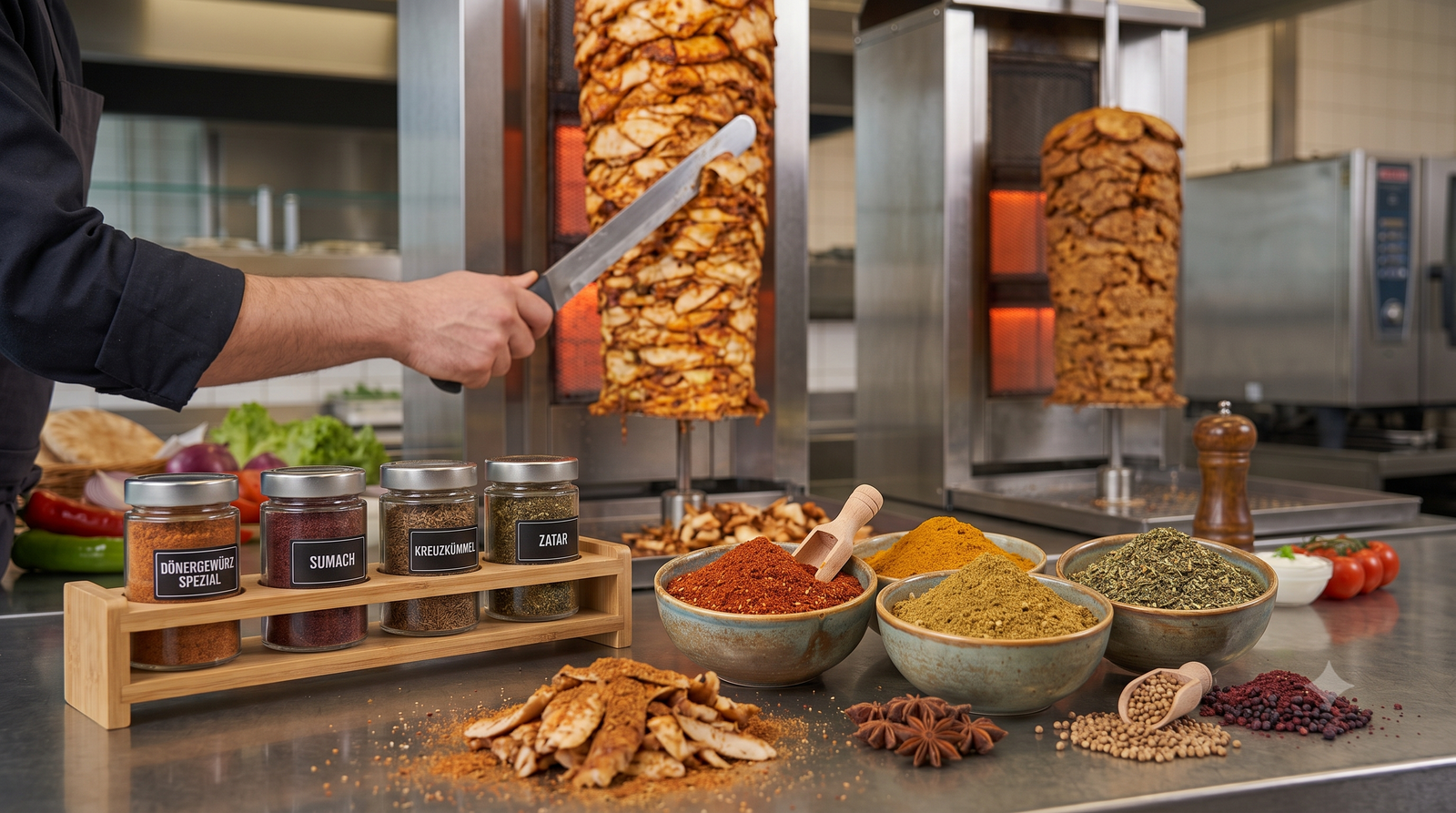 Professional Döner Meat Seasoning: Recipe & Spice Blend → Authentic Mixes for Consistent QualityRead more
Döner kebab is a global favorite, celebrated for its juicy, flavorful meat and aromatic spices. Achieving authentic...
Blog categories
Search in blog
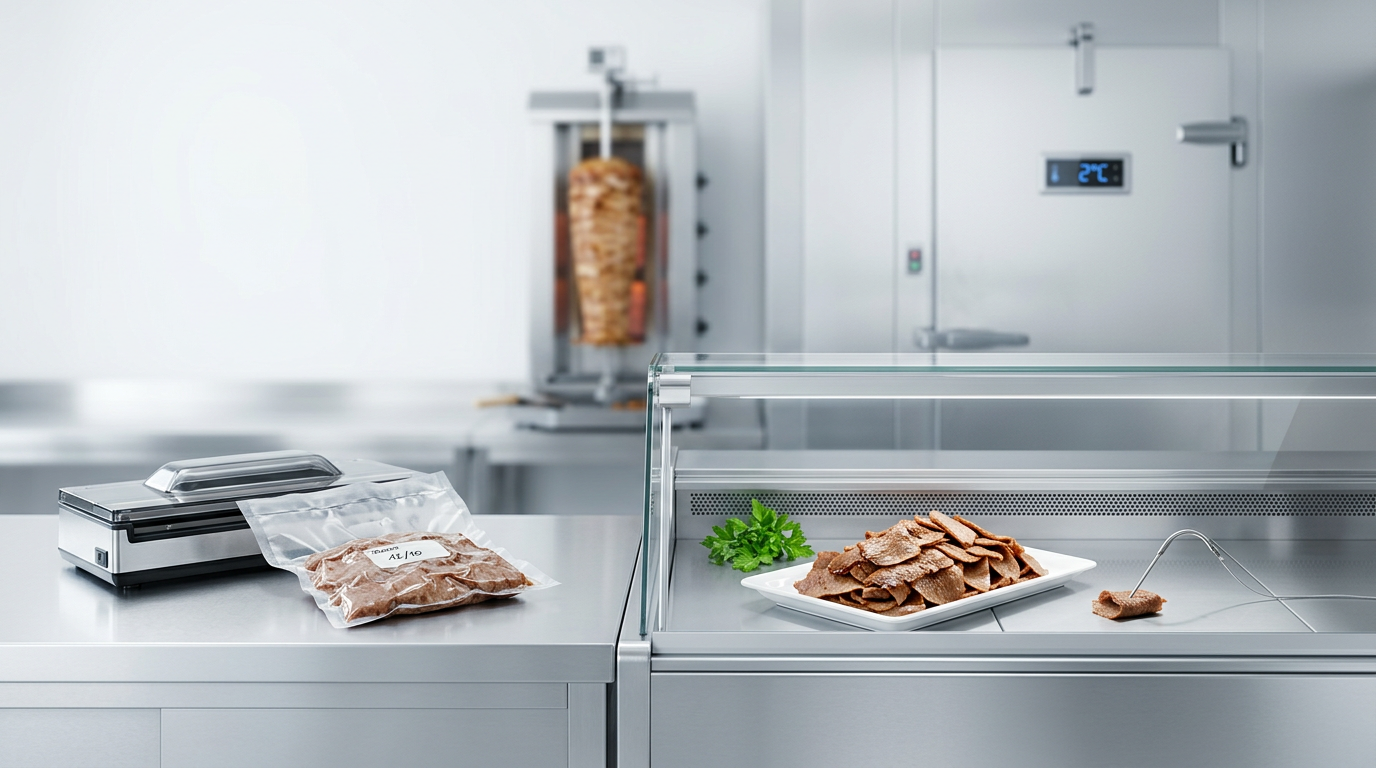
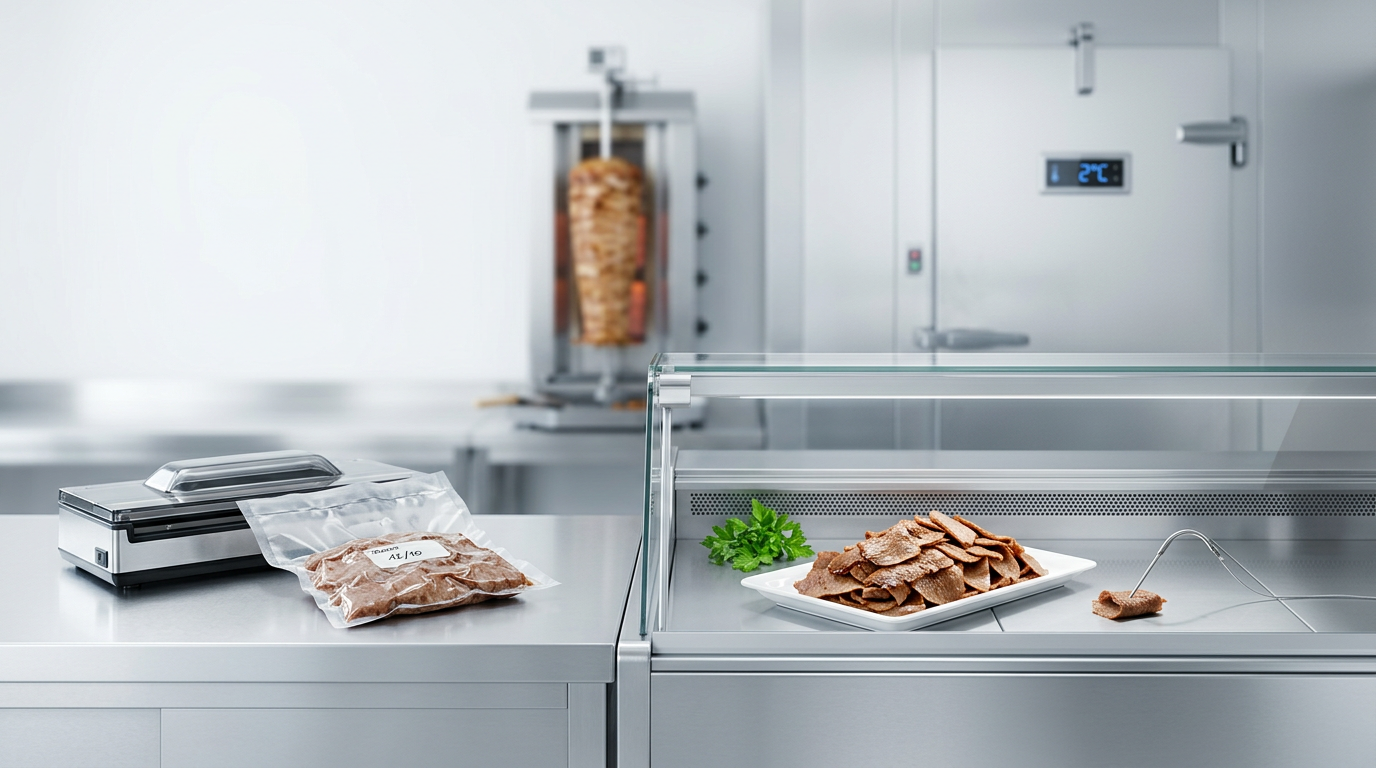
Shelf Life of Döner Meat: Cooling, Freezing & Fresh Counter Storage – Proper Handling to Prevent Food Waste
Shelf Life of Döner Meat: Cooling, Freezing & Fresh Counter Storage – Proper Handling to Prevent Food Waste
Döner kebab is a beloved dish enjoyed worldwide, known for its flavorful, seasoned meat that’s often sliced fresh from a rotating spit. Whether you’re a restaurant owner, a food vendor, or simply someone who loves to enjoy Döner at home, understanding the proper storage methods for Döner meat is essential. Not only does correct storage ensure safety and maintain taste, but it also plays a crucial role in minimizing food waste.
Why Proper Storage of Döner Meat Matters
Döner meat, typically made from lamb, beef, or chicken, is a perishable product. Improper storage can lead to rapid bacterial growth, spoilage, and ultimately, foodborne illnesses. Furthermore, food waste has significant environmental and economic consequences. By mastering the right storage techniques—whether through cooling, freezing, or fresh counter management—you can extend the shelf life of Döner meat and reduce unnecessary waste.
Understanding Döner Meat Composition and Risks
Döner meat is usually marinated and seasoned, then cooked slowly on a vertical rotisserie. This cooking method ensures the meat is cooked on the outside while the inside remains tender. However, once sliced, the meat is exposed to air and potential contaminants, making it more vulnerable to spoilage.
Key risks associated with improper Döner meat storage include:
- Bacterial contamination: Pathogens like Salmonella, Clostridium perfringens, and Listeria monocytogenes can multiply rapidly if the meat is kept at unsafe temperatures.
- Oxidation and spoilage: Exposure to oxygen can cause the meat to lose flavor and develop off-odors.
- Texture degradation: Improper freezing or thawing can make the meat dry or mushy.
Cooling Döner Meat: Best Practices
Cooling is the first and most critical step after cooking or slicing Döner meat. The goal is to reduce the temperature quickly to slow bacterial growth.
Ideal Temperature Range
Döner meat should be cooled and stored at temperatures below 5°C (41°F). At this temperature, bacterial growth slows significantly, keeping the meat safe for consumption for a limited time.
Cooling Techniques
- Rapid cooling: After cooking, allow the meat to rest briefly, then transfer it to shallow containers to facilitate faster cooling.
- Refrigeration: Store the meat in the refrigerator immediately. Avoid leaving it out at room temperature for more than 2 hours.
- Use of cooling equipment: In commercial settings, blast chillers or rapid cooling units can bring the temperature down quickly and safely.
Storage Duration in the Refrigerator
When properly cooled and stored at or below 5°C, sliced Döner meat can typically be kept for up to 2 days. Whole cooked Döner meat on the spit may last a bit longer, but once sliced, it should be consumed quickly.
Freezing Döner Meat: Extending Shelf Life
Freezing is an excellent method to extend the shelf life of Döner meat, especially if you have leftovers or want to prepare in advance.
Preparing Meat for Freezing
- Cool first: Ensure the meat is completely cooled before freezing to avoid ice crystal formation that can damage texture.
- Portion control: Freeze in small portions to allow easy thawing and reduce waste.
- Packaging: Use airtight, freezer-safe bags or vacuum-sealed packaging to prevent freezer burn and moisture loss.
Freezing Duration and Quality
Döner meat can be frozen for up to 3 months without significant loss of quality. Beyond this, texture and flavor may start to deteriorate, although the meat remains safe if kept frozen continuously.
Thawing Döner Meat Safely
- Refrigerator thawing: The safest method is to thaw meat slowly in the refrigerator over 12-24 hours.
- Cold water thawing: If faster thawing is needed, seal the meat in a watertight bag and submerge in cold water, changing the water every 30 minutes.
- Avoid room temperature thawing: Thawing at room temperature encourages bacterial growth and should be avoided.
Fresh Counter Storage: Managing Döner Meat at the Point of Sale
For vendors and restaurants, the fresh counter (Frischetheke) is where Döner meat is displayed and served. Proper management here is vital to maintain freshness and safety.
Temperature Control
The fresh counter should maintain a temperature between 0°C and 4°C (32°F to 39°F). This cold environment slows bacterial growth while keeping the meat visually appealing.
Hygiene and Handling
- Regular cleaning: The fresh counter and utensils must be cleaned and sanitized frequently to prevent cross-contamination.
- Use of protective covers: Cover meat displays to protect from airborne contaminants.
- Minimize exposure: Limit the time meat is exposed to air and customers to reduce spoilage.
Stock Rotation and Waste Reduction
Implementing the FIFO (First In, First Out) principle helps ensure older meat is sold before newer stock. Monitor inventory closely to avoid overstocking and unnecessary waste.
Signs of Spoiled Döner Meat
Knowing how to identify spoiled Döner meat can prevent consumption of unsafe food and reduce waste by discarding only what’s truly spoiled.
- Off smell: Sour, rancid, or ammonia-like odors indicate spoilage.
- Discoloration: Grayish, greenish, or dull colors are warning signs.
- Texture changes: Slimy or sticky surfaces suggest bacterial growth.
- Mold: Any visible mold means the meat must be discarded immediately.
Tips to Avoid Food Waste with Döner Meat
- Buy and prepare only what you need: Avoid over-purchasing or cooking excessive amounts.
- Store promptly and correctly: Follow cooling and freezing guidelines strictly.
- Use leftovers creatively: Incorporate leftover Döner meat into salads, wraps, or stir-fries.
- Label and date: Clearly mark storage dates to keep track of freshness.
- Monitor temperatures: Use thermometers in refrigerators and freezers to ensure consistent safe temperatures.
Conclusion
Proper storage of Döner meat through cooling, freezing, and fresh counter management is essential for food safety, maintaining quality, and reducing food waste. By understanding the science behind meat spoilage and applying best practices, both consumers and vendors can enjoy delicious Döner kebabs while minimizing their environmental footprint and saving money.
Whether you’re slicing meat from a spit or storing leftovers at home, remember: temperature control, hygiene, and timely consumption are your best tools to keep Döner meat fresh and safe.
Enjoy your Döner responsibly!
Posted in:
Gyros | Dönergrills
Related posts
-
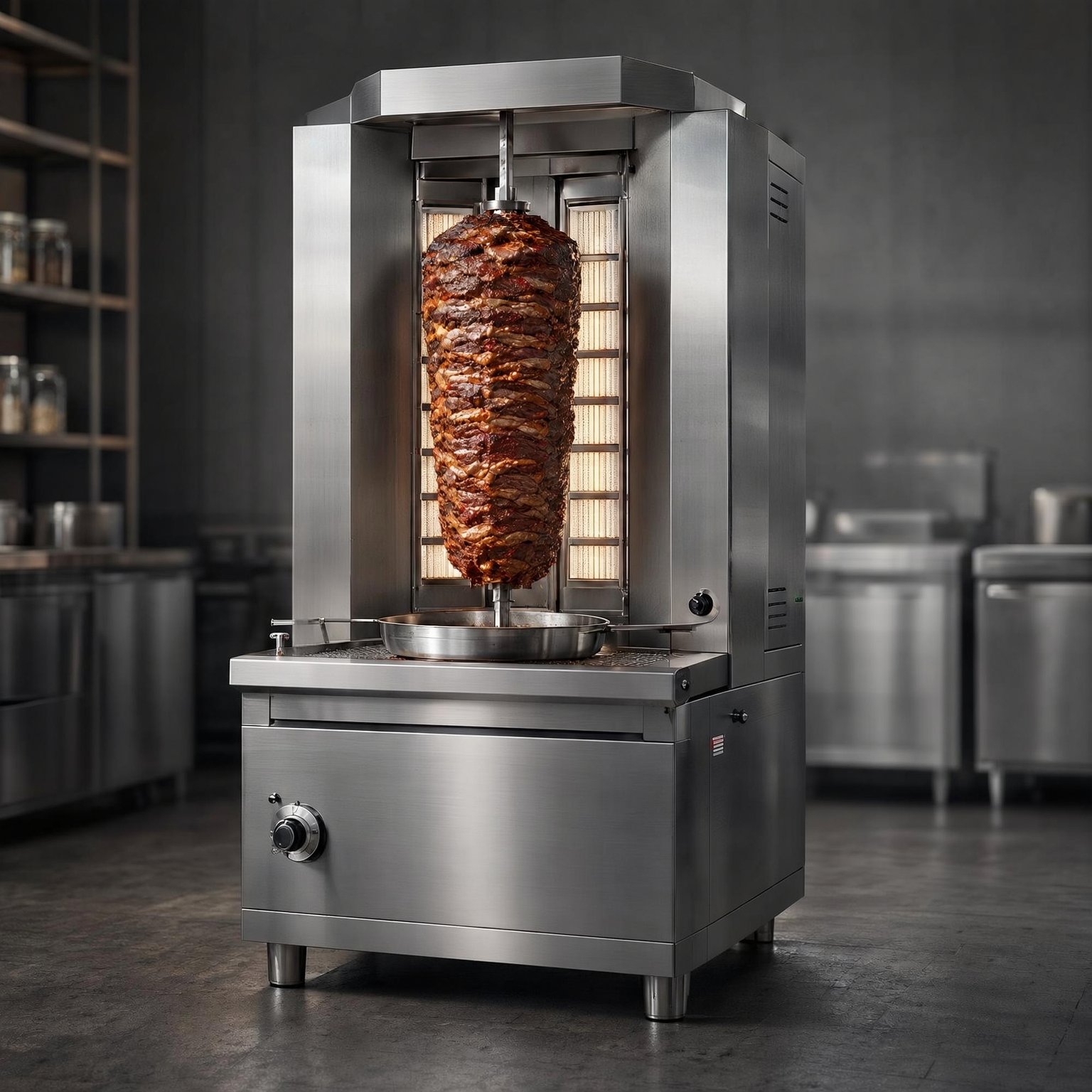 Buying a Commercial Döner Grill: Costs, Price Overview, and Budget Planning for Gastronomy Businesses
Investing in a commercial Döner grill is essential for gastronomy businesses serving Döner kebabs. The cost of these...Read more
Buying a Commercial Döner Grill: Costs, Price Overview, and Budget Planning for Gastronomy Businesses
Investing in a commercial Döner grill is essential for gastronomy businesses serving Döner kebabs. The cost of these...Read more -
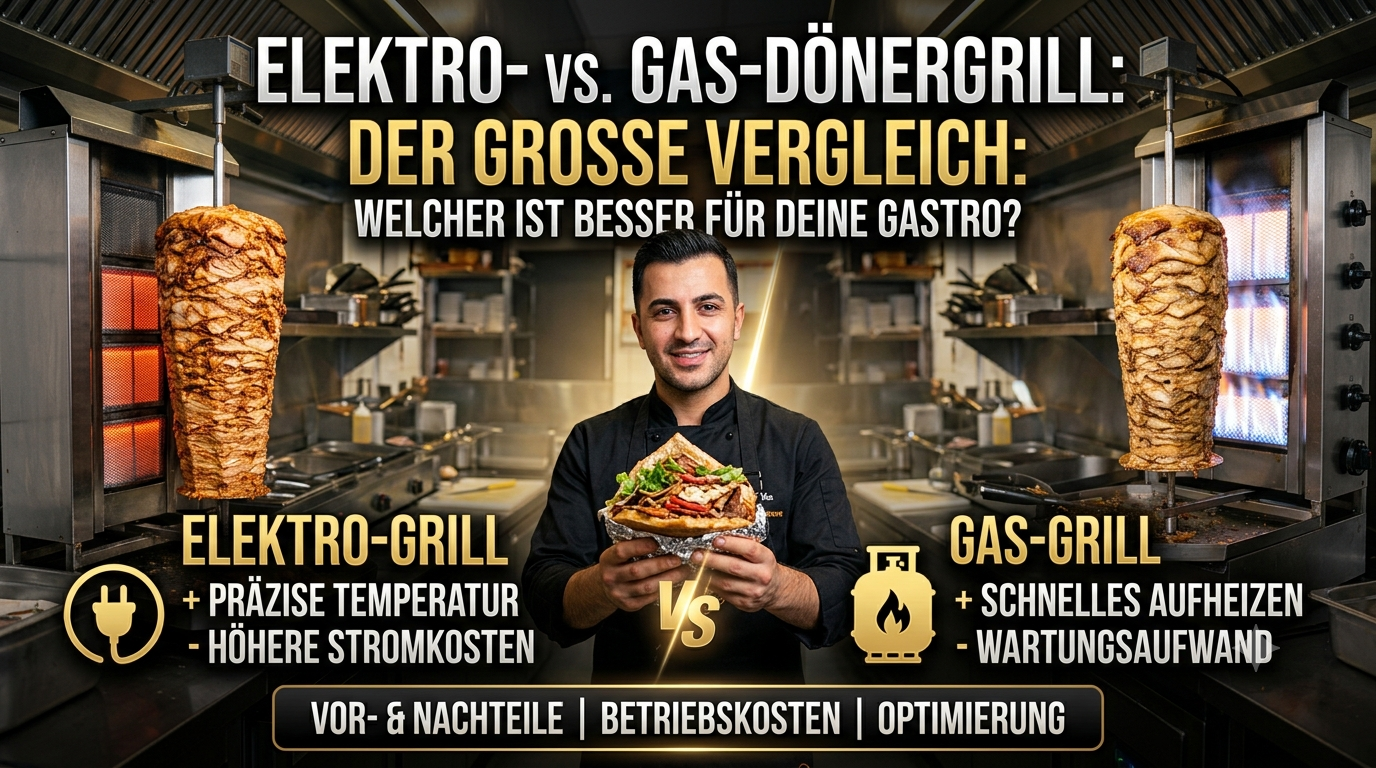 Electric vs. Gas Döner Grill: Which Is Better for the Gastronomy Industry? A Comprehensive Comparison for Snack Bars, Restaurants, and Catering
The choice between electric and gas Döner grills is a key decision for gastronomy professionals operating snack bars,...Read more
Electric vs. Gas Döner Grill: Which Is Better for the Gastronomy Industry? A Comprehensive Comparison for Snack Bars, Restaurants, and Catering
The choice between electric and gas Döner grills is a key decision for gastronomy professionals operating snack bars,...Read more -
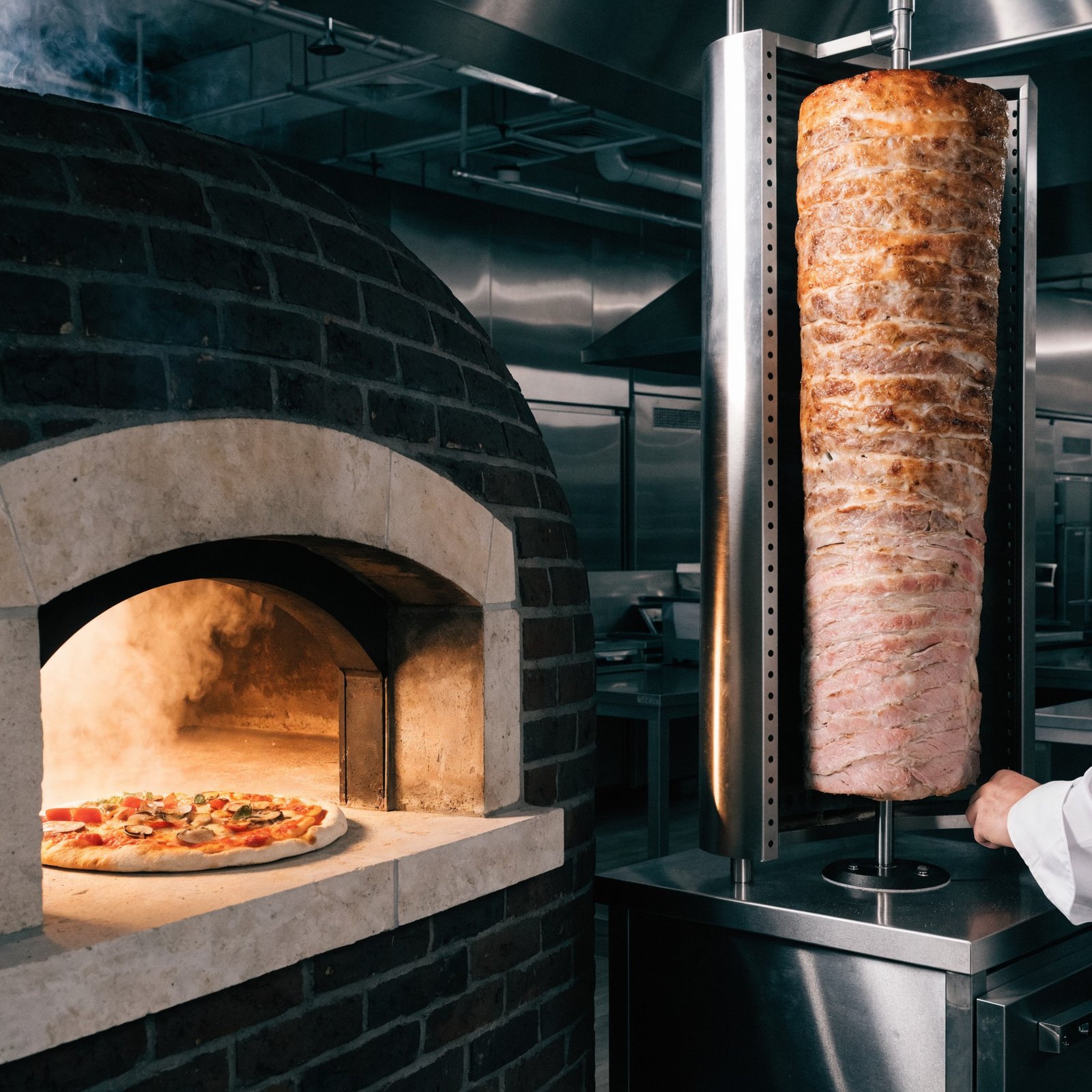 Pizza Oven or Döner Grill – Which Investment Is Worth It for Your Business? A Guide to Choosing the Right Equipment in Gastronomy
Deciding between a pizza oven and a döner grill is a crucial step for any gastronomy business. Both devices serve...Read more
Pizza Oven or Döner Grill – Which Investment Is Worth It for Your Business? A Guide to Choosing the Right Equipment in Gastronomy
Deciding between a pizza oven and a döner grill is a crucial step for any gastronomy business. Both devices serve...Read more -
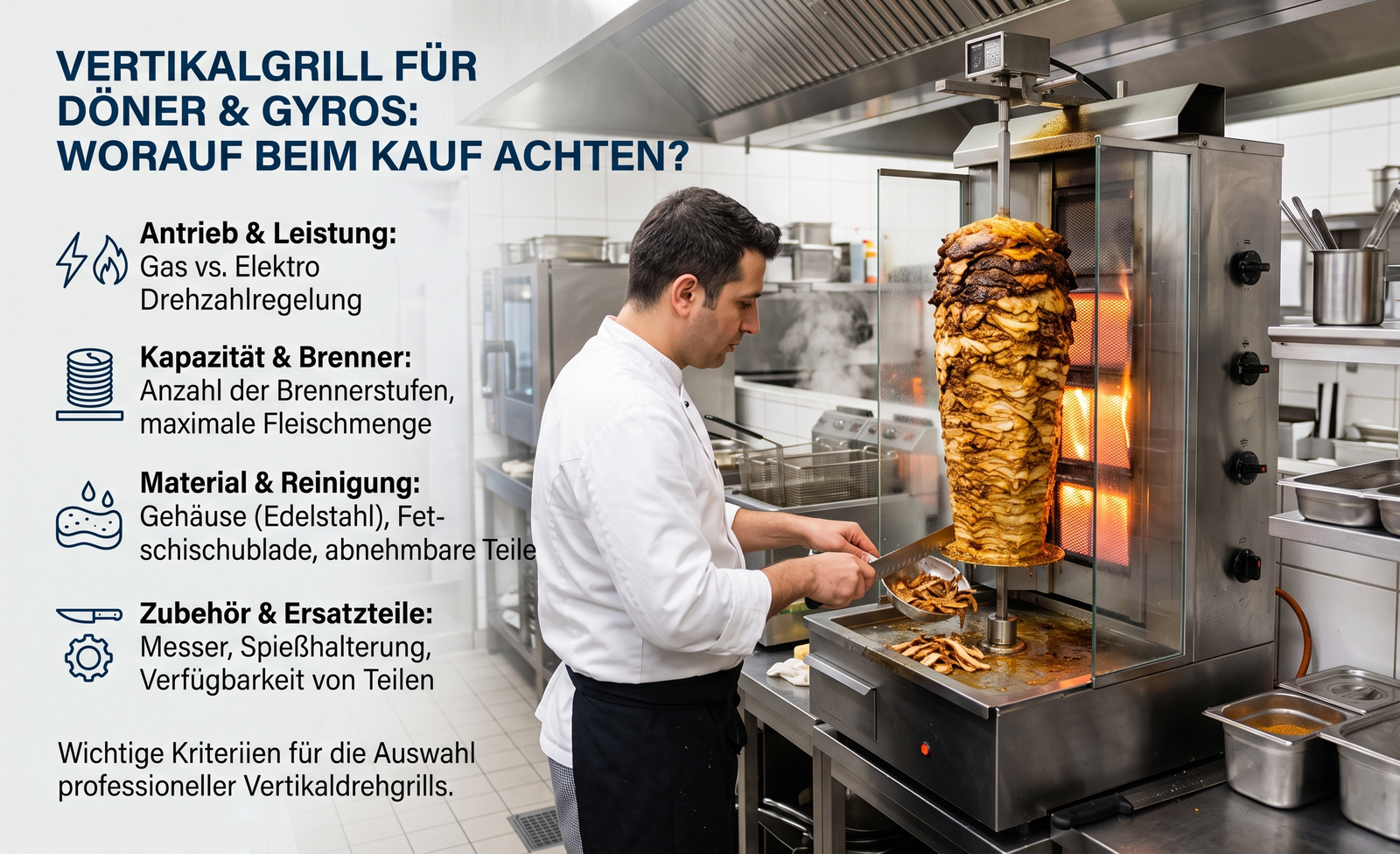 Vertical Grill for Döner & Gyros: Key Criteria for Choosing a Professional Vertical Rotisserie
A vertical grill, or vertical rotisserie, is essential for cooking Döner and Gyros meat evenly and deliciously....Read more
Vertical Grill for Döner & Gyros: Key Criteria for Choosing a Professional Vertical Rotisserie
A vertical grill, or vertical rotisserie, is essential for cooking Döner and Gyros meat evenly and deliciously....Read more -
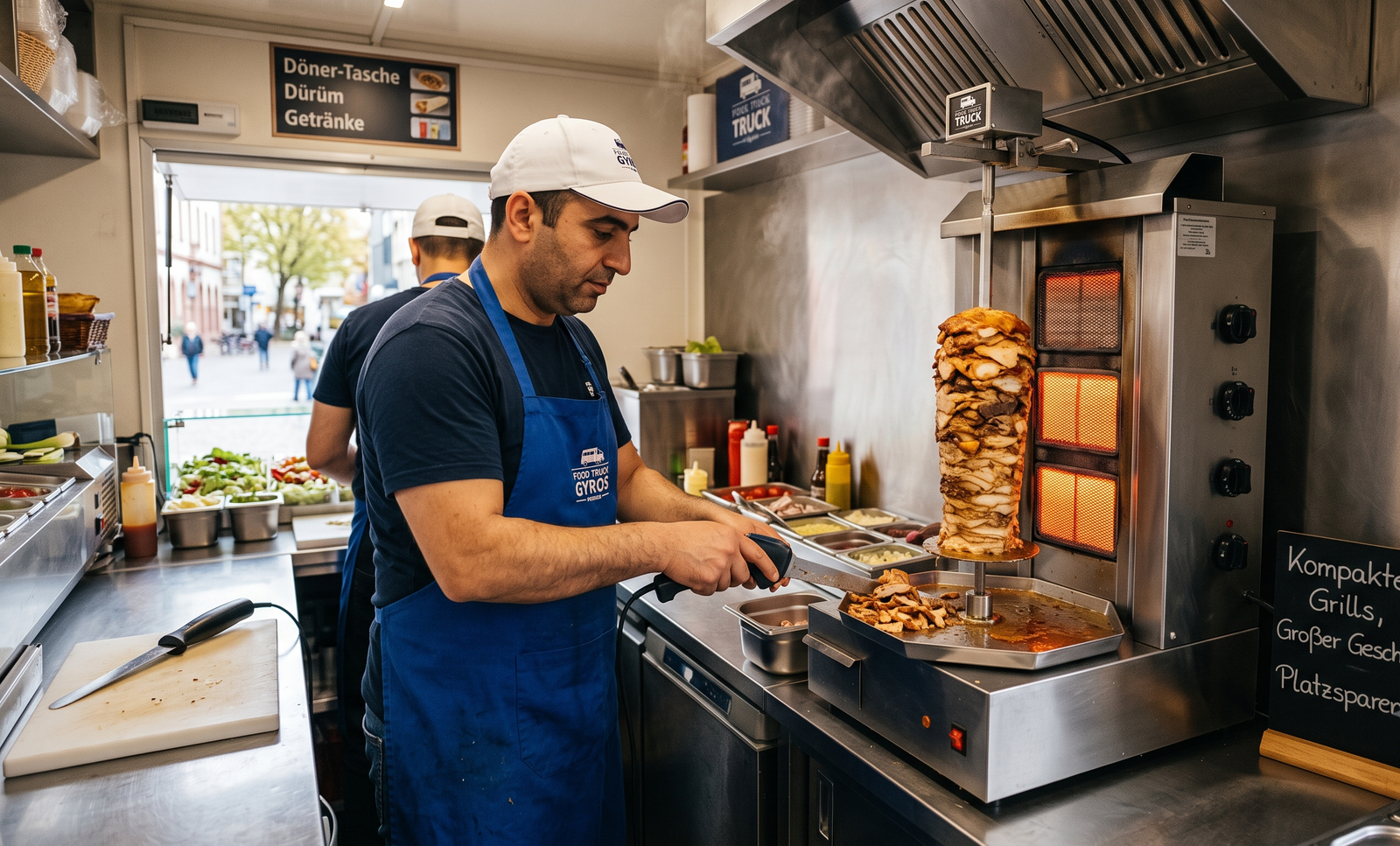 Compact Döner Grills for Small Snack Bars & Food Trucks → Space-Saving Solutions for Limited Spaces
Small snack bars and food trucks often struggle with limited space, making it challenging to accommodate large...Read more
Compact Döner Grills for Small Snack Bars & Food Trucks → Space-Saving Solutions for Limited Spaces
Small snack bars and food trucks often struggle with limited space, making it challenging to accommodate large...Read more
Leave a comment