
 Deutsch
 Türkçe
 Italiano

.jpg)
.jpg)
.jpg)
.jpg)
.jpg)
.jpg)
.jpg)
.jpg)
.jpg)
.jpg)

.jpg)

.jpg)
.jpg)
.jpg)
.jpg)
.jpg)
.jpg)
.jpg)
.jpg)
.jpg)
.jpg)



.jpg)
.jpg)
.jpg)
.jpg)
.jpg)
.jpg)
.jpg)
.jpg)
.jpg)



.jpg)
.jpg)

.jpg)
.jpg)
.jpg)
.jpg)


.jpg)

.png)
.jpg)
.jpg)
 (200 x 136 px) (5).png)
.png)

Döner meat is a popular and delicious dish, but it’s also highly perishable. Proper storage is key to maintaining its...
-
 Cooking Appliances
add remove
Cooking Appliances
add remove -
-
Pizza & Grill
add remove
-
-
Refrigeration
add remove
-
-
Combi Steamer
add remove
-
-
Kitchen Appliances
add remove
-
-
Rinsing & Cleaning
add remove
-
-
Retail Refrigeration
add remove
-
-
Cafe & Ice Cream
add remove
-
-
Smart-Gastro
add remove
-
-
Event- & Cateringmöbel
-
Cooking Appliances
add remove
-
-
Pizza & Grill
add remove
-
-
Refrigeration
add remove
-
-
Combi Steamer
add remove
-
-
Kitchen Appliances
add remove
-
-
Rinsing & Cleaning
add remove
-
-
Retail Refrigeration
add remove
-
-
Cafe & Ice Cream
add remove
-
-
Smart-Gastro
add remove
-
-
Event- & Cateringmöbel


Call us:
+49 (0) 6135 7040 450Latest posts
-
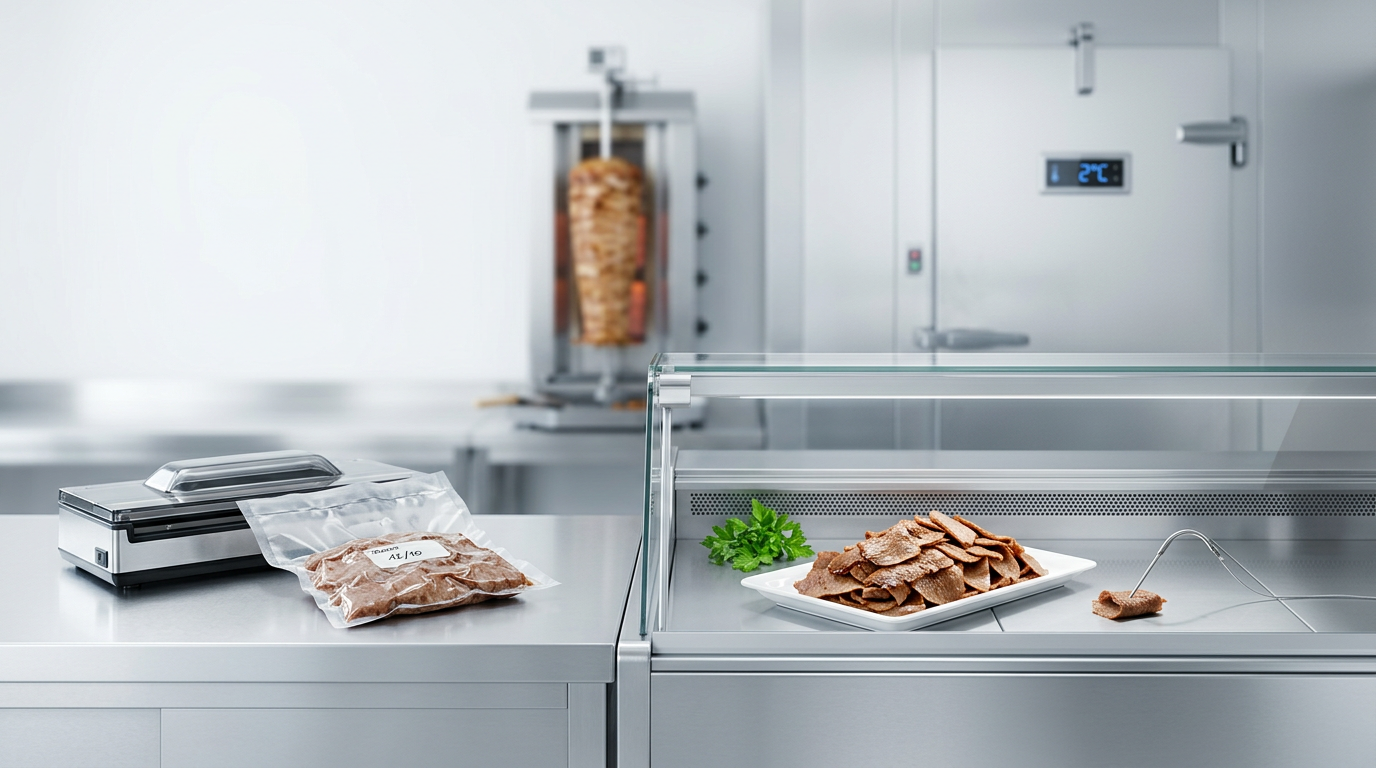 Shelf Life of Döner Meat: Cooling, Freezing & Fresh Counter Storage – Proper Handling to Prevent Food WasteRead more
 -
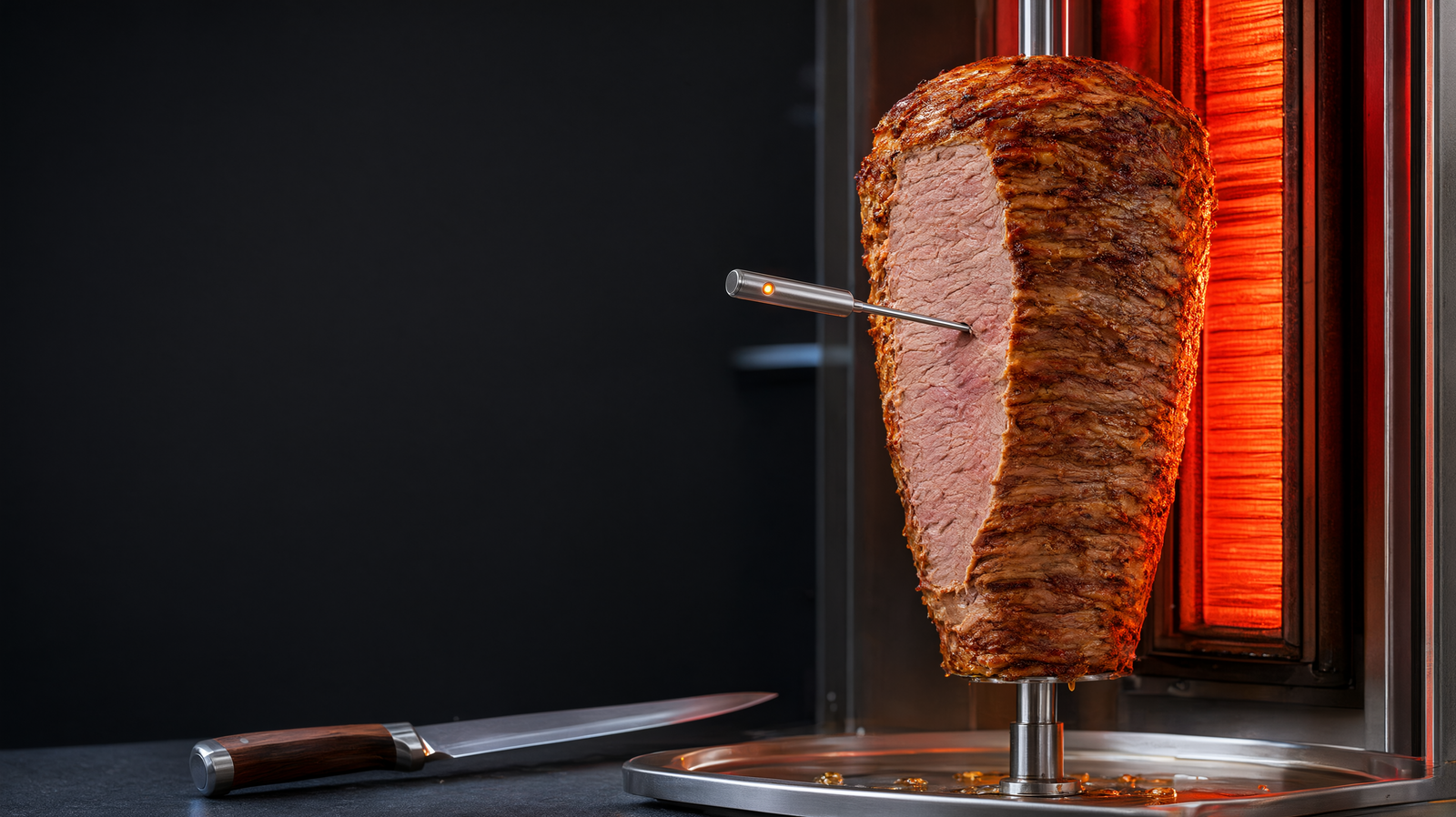 How Long Does a Döner Kebab Spit Last on the Grill? → Stand Times, Core Temperature, and Replenishment Planning in BusinessRead more
The Döner kebab spit is a cornerstone of many street food businesses, but managing how long it stays on the grill is...
-
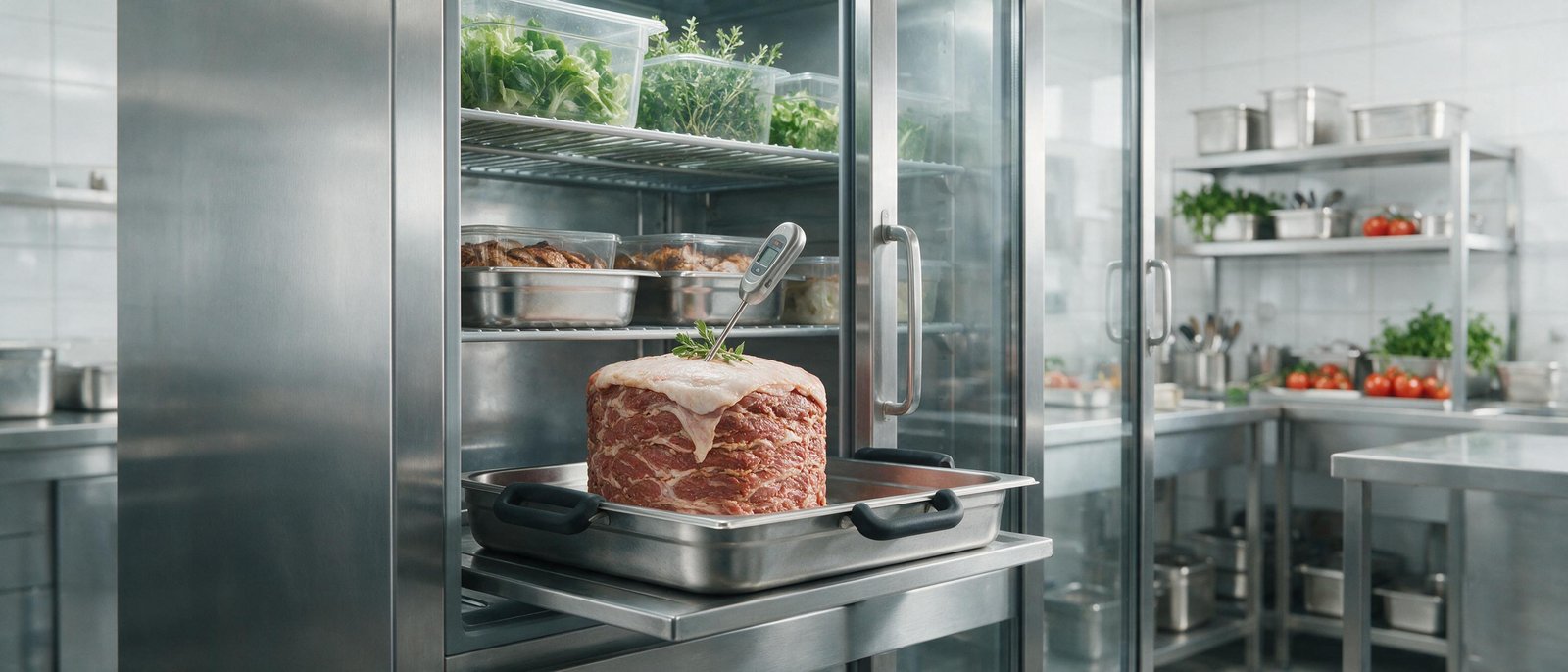 Proper Storage of Döner Meat: Regulations & Food Safety → HACCP-Compliant Storage According to German Food Hygiene RegulationsRead more
Döner meat is a popular and perishable food product that requires careful storage to maintain its safety and quality....
-
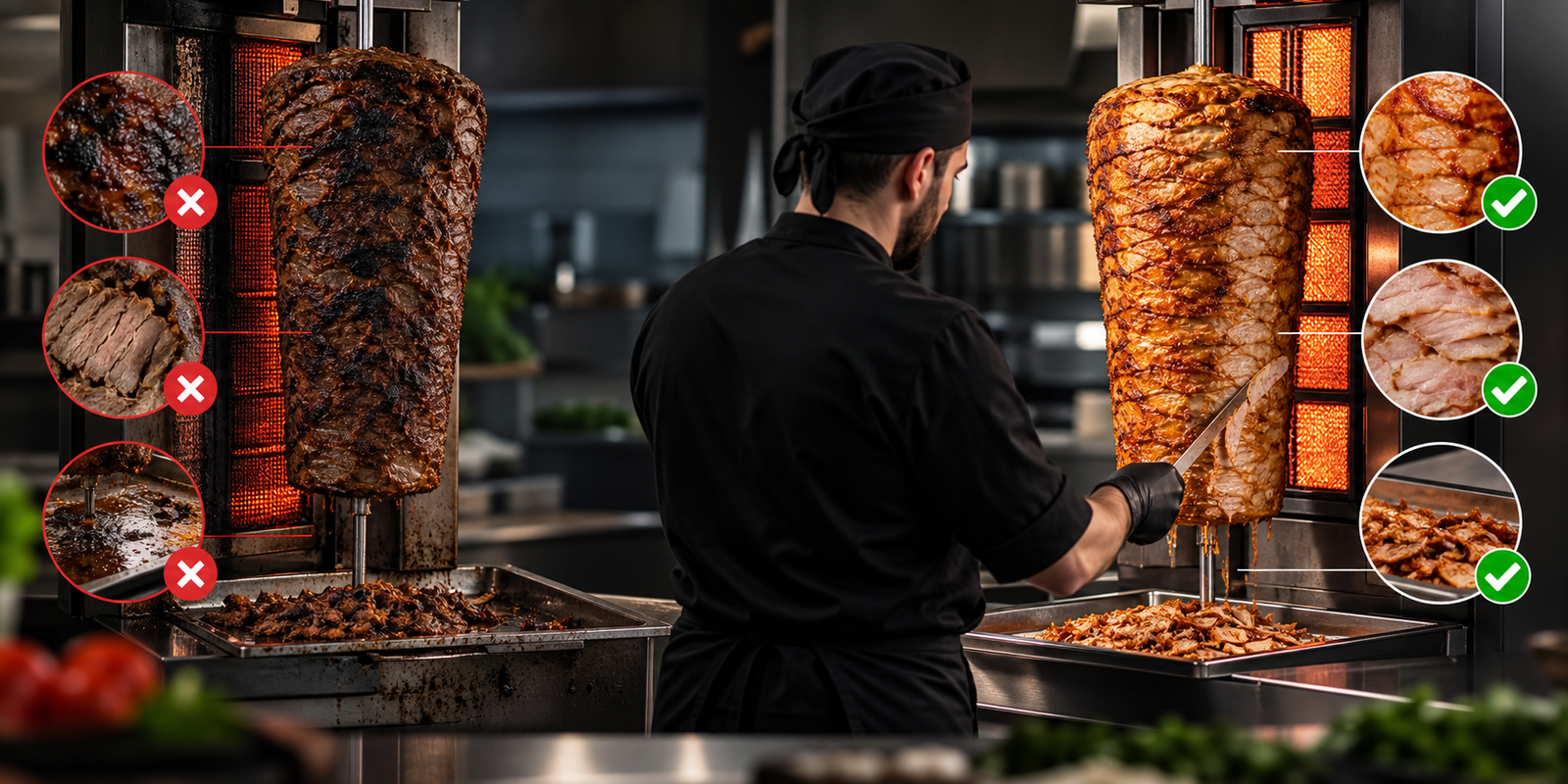 Common Mistakes When Grilling Döner – And How to Avoid Them: Identifying and Fixing Typical Preparation Errors in the Gastronomy IndustryRead more
The Döner kebab is a globally loved dish, but many gastronomy professionals struggle with common mistakes during its...
-
 What Makes Good Döner Meat So Tender and Flavorful? → Quality Characteristics and Preparation Techniques for RestaurateursRead more
Döner kebab is famous worldwide for its tender, juicy, and flavorful meat. But what exactly makes Döner meat so...
-
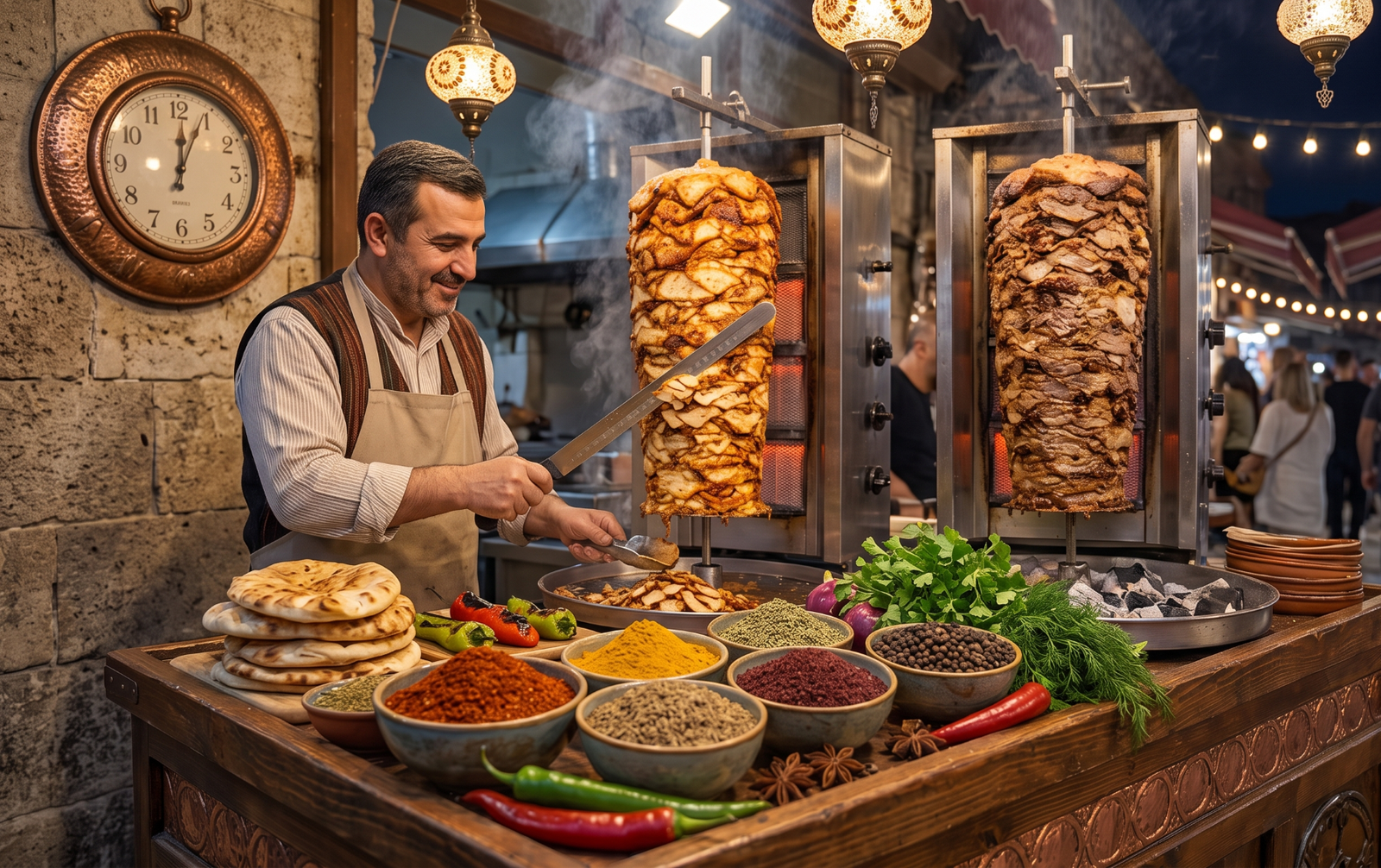 How to Slice Döner Meat Perfectly: Professional Techniques with Döner Knives and Electric SlicersRead more
Döner kebab is renowned for its thin, juicy slices of meat cooked on a vertical spit. Achieving perfect slices...
-
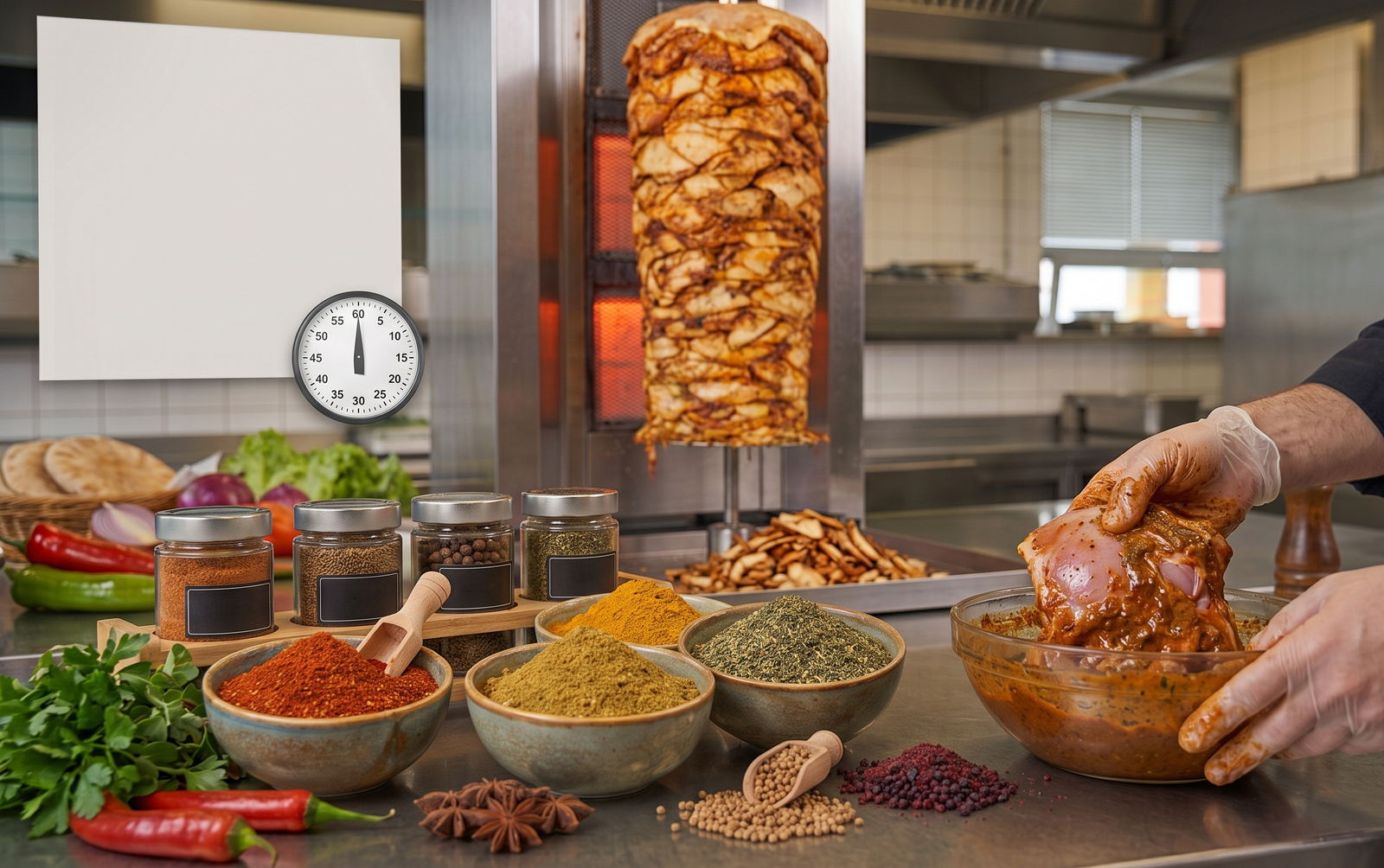 Döner Meat Marinade: Marinating Time and Professional Preparation → Optimal Preparation for Maximum Flavor and TendernessRead more
Döner kebab is famous worldwide for its juicy, flavorful meat, and the key to its perfection lies in the marinade and...
-
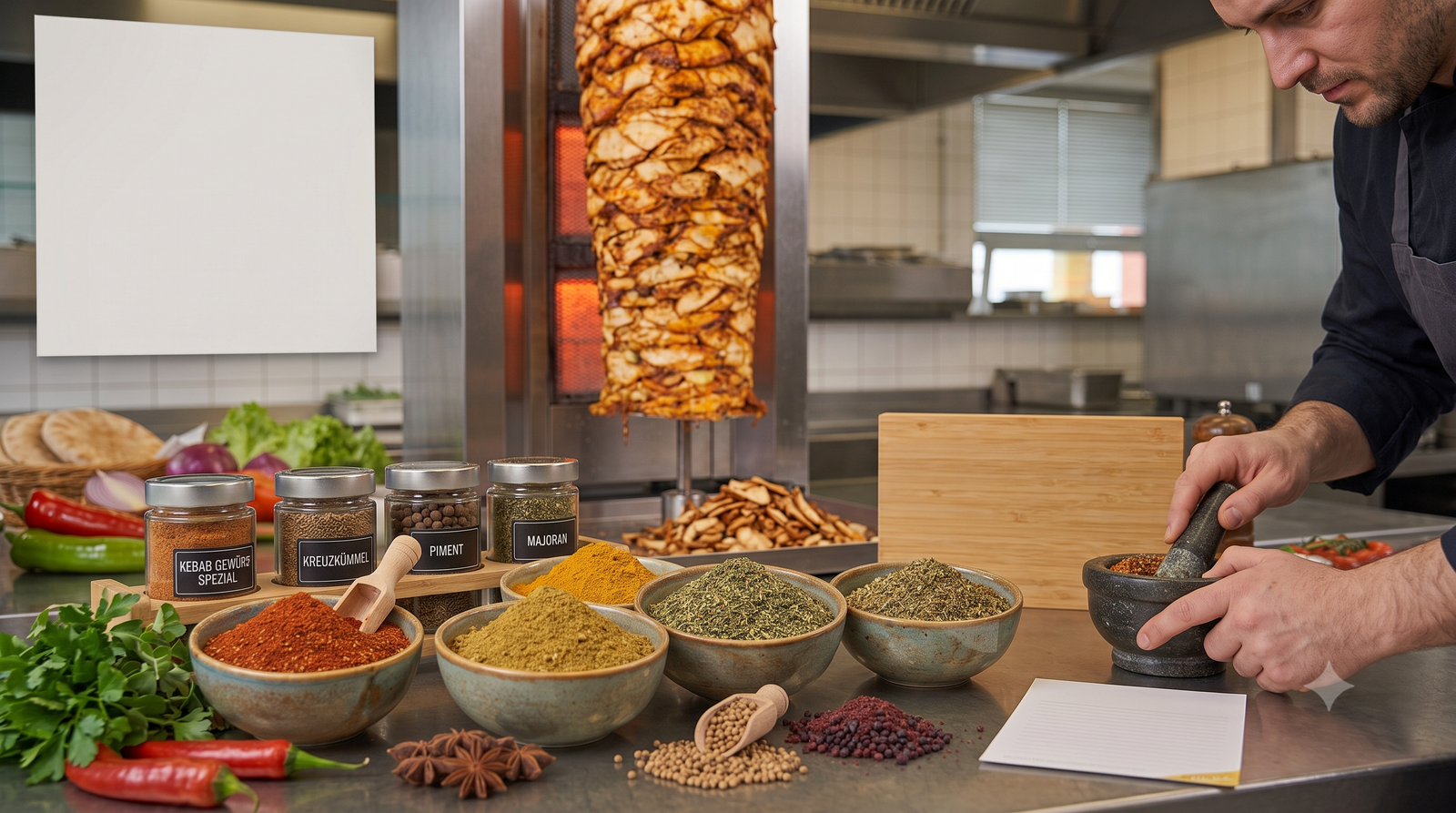 Making Your Own Döner Spice Mix: Recipes for the Gastronomy Industry → In-House Production for Better Flavor Control and Cost EfficiencyRead more
Döner kebab is a global favorite, and the secret to its irresistible flavor lies in the spice mix used to season the...
-
 The Ultimate Guide: Pizza Vending Machines – Earnings, Costs & Experiences in the 24/7Read more
More and more restaurateurs and resourceful entrepreneurs are discovering the enormous potential of pizza vending...
-
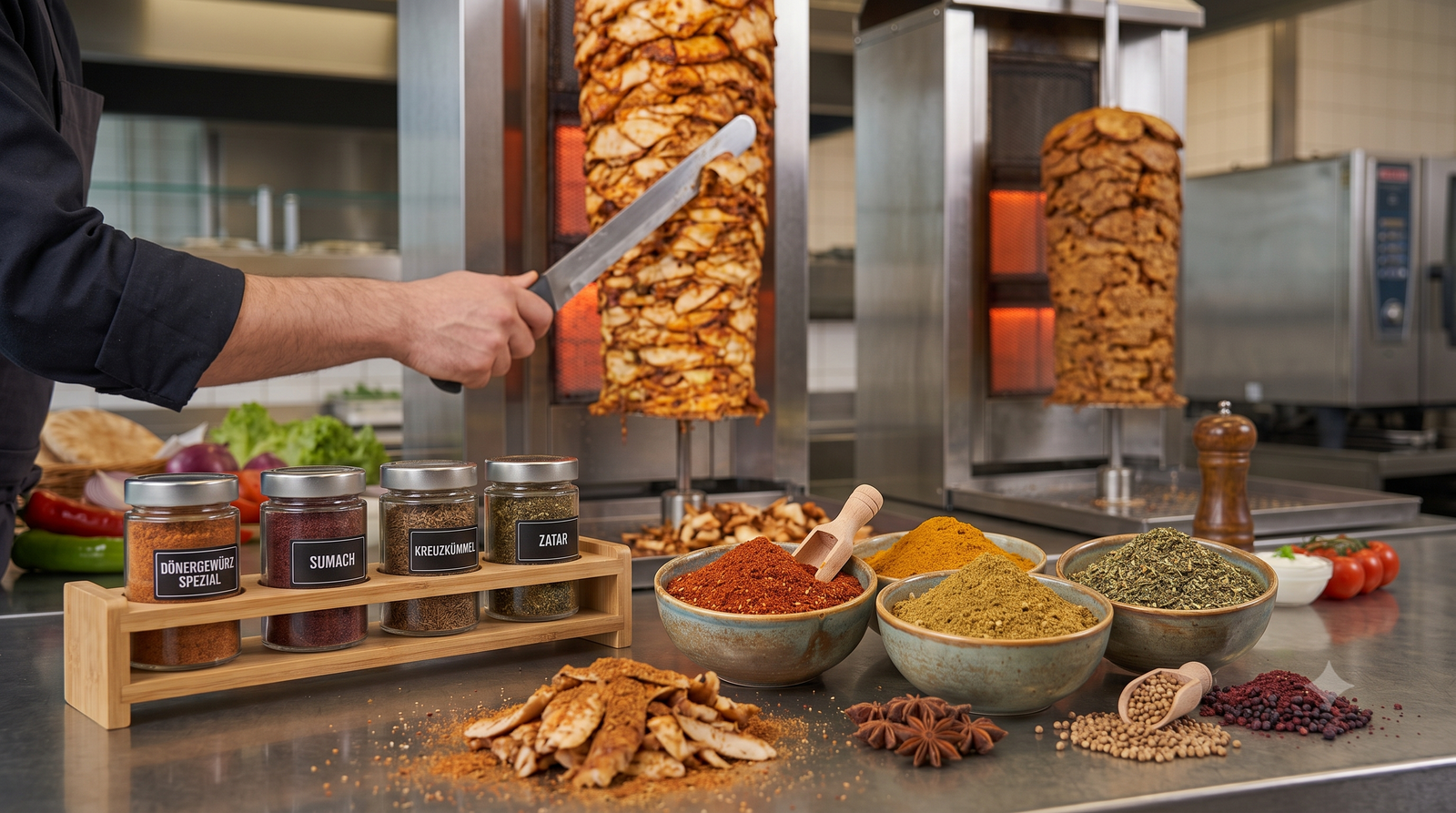 Professional Döner Meat Seasoning: Recipe & Spice Blend → Authentic Mixes for Consistent QualityRead more
Döner kebab is a global favorite, celebrated for its juicy, flavorful meat and aromatic spices. Achieving authentic...
Blog categories
Search in blog
What Makes Good Döner Meat So Tender and Flavorful? → Quality Characteristics and Preparation Techniques for Restaurateurs
What Makes Good Döner Meat So Tender and Flavorful? → Quality Characteristics and Preparation Techniques for Restaurateurs
Döner kebab has become a beloved street food staple across the globe, known for its succulent, juicy meat and rich, aromatic flavors. But what exactly makes Döner meat so tender and flavorful? For restaurateurs and gastronomy professionals, understanding the quality characteristics of Döner meat and mastering the right preparation techniques is essential to serving an outstanding product that keeps customers coming back.
The Importance of Quality Meat Selection
The foundation of any great Döner starts with the meat itself. Whether it’s lamb, beef, chicken, or a combination, the choice and quality of the raw material directly influence tenderness, juiciness, and flavor.
Choosing the Right Cut
For Döner meat, cuts with a good balance of muscle and fat are preferred. Fat is crucial as it melts during cooking, keeping the meat moist and enhancing flavor. Common cuts include:
- Lamb: Shoulder, leg, or breast cuts are popular for their tenderness and fat content.
- Beef: Chuck or brisket cuts are often used, offering a good fat-to-lean ratio.
- Chicken: Thigh meat is preferred over breast for its juiciness and flavor.
Lean cuts tend to dry out quickly on the vertical rotisserie, so a certain amount of marbling is essential.
Freshness and Quality Standards
Freshness is non-negotiable. Meat should be sourced from reputable suppliers who adhere to strict hygiene and quality standards. Look for meat that is bright in color, firm to the touch, and free from off-odors.
Restaurateurs should also consider certifications such as GMP (Good Manufacturing Practice) or HACCP (Hazard Analysis and Critical Control Points) to ensure safety and quality.
The Role of Fat in Tenderness and Flavor
Fat is often misunderstood as just extra calories, but in Döner meat, it plays a vital role in texture and taste. As the meat slowly rotates on the spit, the fat melts and bastes the meat, keeping it moist and imparting a rich mouthfeel.
Insufficient fat content leads to dry, tough slices, while too much fat can cause flare-ups and greasy texture. Ideally, Döner meat should contain around 15-20% fat, balancing juiciness and flavor without being overly greasy.
Marination: Unlocking Flavor and Tenderness
Marination is a critical step that transforms raw meat into the aromatic and tender Döner we all love. The marinade serves multiple purposes:
- Flavor infusion: Herbs, spices, and aromatics penetrate the meat fibers.
- Tenderization: Acidic or enzymatic ingredients break down muscle proteins.
- Moisture retention: Salt and other components help the meat retain water during cooking.
Common Marinade Ingredients
Typical Döner marinades include a blend of:
- Yogurt or buttermilk: Mild acids that tenderize meat gently.
- Lemon juice or vinegar: Adds brightness and helps break down fibers.
- Garlic and onion: Provide depth and savoriness.
- Spices: Cumin, paprika, black pepper, oregano, and chili powder are common for a balanced flavor profile.
- Salt: Enhances flavor and improves water retention.
Marination times vary but typically range from 12 to 24 hours, allowing thorough penetration without over-tenderizing the meat.
Meat Preparation Techniques for Döner
Once the meat is selected and marinated, the preparation process continues with shaping and stacking the meat onto the vertical rotisserie.
Layering and Pressing
The meat slices are stacked tightly on the spit to form a solid cone-shaped mass. This compact layering is essential for even cooking and maintaining moisture. Some chefs press the meat tightly to avoid air pockets, which can cause uneven cooking or drying.
Use of Binding Agents
In some commercial preparations, binding agents like egg whites or bread crumbs are added to help the meat hold together. However, purists prefer natural meat without additives, relying on the marination and pressing technique.
The Vertical Rotisserie: Cooking to Perfection
The vertical rotisserie is the heart of Döner preparation. It cooks the meat slowly and evenly, allowing the outer layers to crisp up while the inside remains juicy.
Heat Source and Temperature Control
Most Döner grills use gas or electric heat sources positioned vertically alongside the meat cone. Maintaining a consistent temperature between 160°C to 200°C (320°F to 390°F) is crucial. Too high, and the meat will burn on the outside while remaining raw inside; too low, and the meat cooks unevenly and loses flavor.
Rotation Speed
The spit rotates slowly to ensure all sides receive equal heat exposure. This slow rotation allows the fat to render gradually, basting the meat and developing a caramelized crust that locks in juices.
Carving Techniques: Serving the Best Slices
The way the Döner meat is sliced also influences the eating experience. Thin, even slices maximize tenderness and allow the meat to absorb sauces and spices better.
Sharp Knives and Electric Slicers
Professional kitchens often use electric slicers to achieve consistent thin cuts. The blade must be sharp to avoid tearing the meat, which can make it seem dry and tough.
Serving Freshly Sliced Meat
Serving the meat immediately after slicing ensures maximum juiciness and flavor. Letting sliced meat sit too long causes it to dry out and lose aroma.
Additional Tips for Restaurateurs
Quality Control and Consistency
Consistent quality is key to building a loyal customer base. Regularly check meat freshness, marinade quality, cooking temperatures, and slicing techniques.
Experimenting with Spices and Herbs
While traditional Döner spices are beloved, chefs can experiment with regional herbs or spice blends to create unique flavor profiles that differentiate their offerings.
Hygiene and Food Safety
Strict hygiene practices are essential, especially when handling raw meat and operating equipment. Proper storage, temperature control, and sanitation prevent contamination and ensure customer safety.
Conclusion
Making Döner meat tender and aromatic is both an art and a science. It starts with selecting high-quality cuts with the right fat content, marinating thoughtfully to infuse flavor and tenderize, and mastering the cooking process on the vertical rotisserie. Attention to detail in layering, cooking temperature, rotation speed, and slicing ensures each serving delivers the juicy, flavorful experience customers crave.
For restaurateurs, investing time and care into these quality characteristics and preparation techniques not only elevates the product but also builds a reputation for excellence in a competitive market. By understanding and applying these principles, Döner can truly become a signature dish that delights patrons and keeps them coming back for more.
Appendix: Quick Checklist for Perfect Döner Meat
- Choose cuts with 15-20% fat content.
- Source fresh, high-quality meat from reputable suppliers.
- Marinate for 12-24 hours using acidic and aromatic ingredients.
- Layer meat tightly on the spit to avoid air pockets.
- Maintain cooking temperature between 160°C and 200°C.
- Ensure slow, even rotation of the spit.
- Use sharp knives or slicers for thin, even slices.
- Serve meat immediately after slicing for best juiciness.
- Maintain strict hygiene and food safety standards.
With these steps, restaurateurs can master the craft of making Döner meat that is irresistibly tender and packed with flavor.
Posted in:
Gyros | Dönergrills
Related posts
-
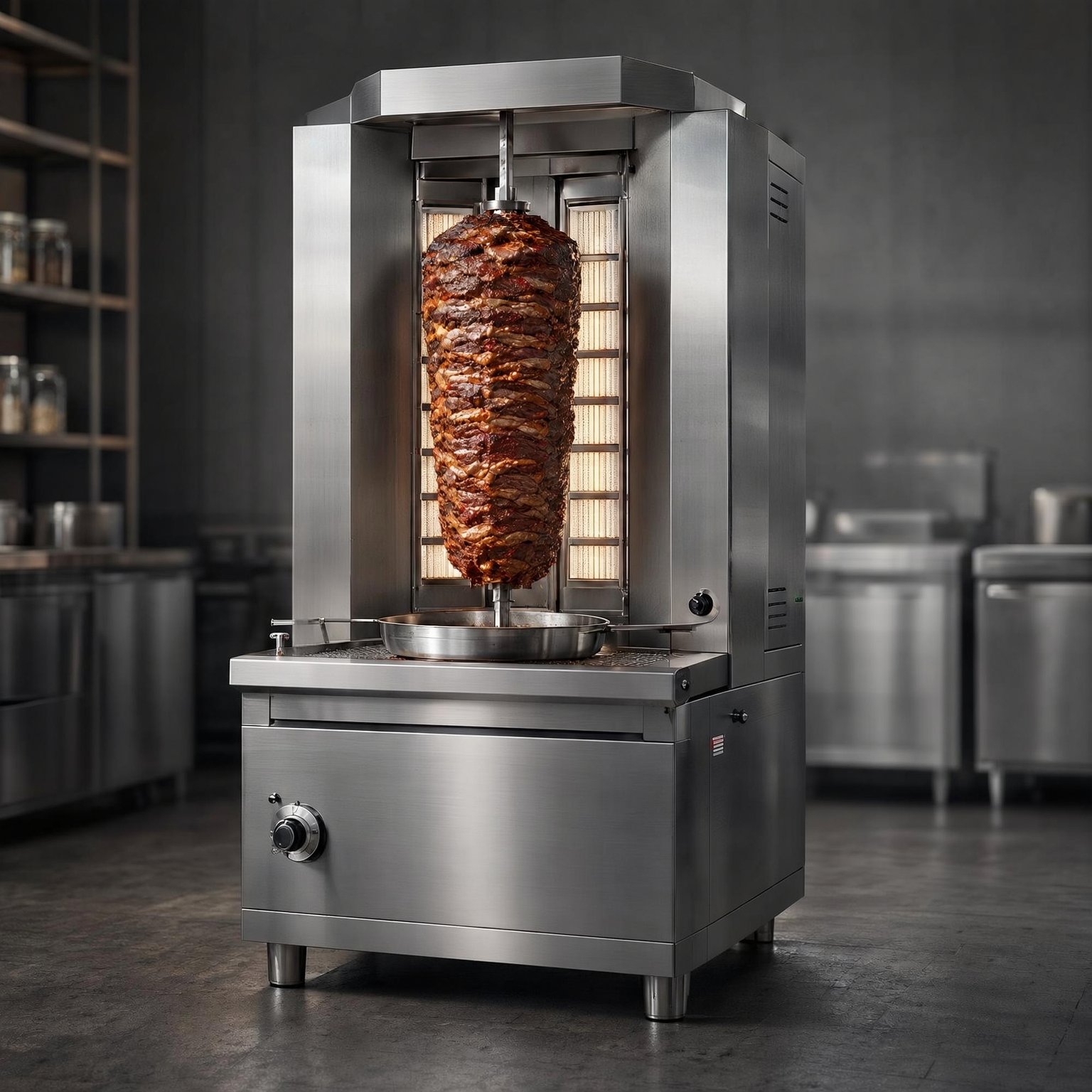 Buying a Commercial Döner Grill: Costs, Price Overview, and Budget Planning for Gastronomy Businesses
Investing in a commercial Döner grill is essential for gastronomy businesses serving Döner kebabs. The cost of these...Read more
Buying a Commercial Döner Grill: Costs, Price Overview, and Budget Planning for Gastronomy Businesses
Investing in a commercial Döner grill is essential for gastronomy businesses serving Döner kebabs. The cost of these...Read more -
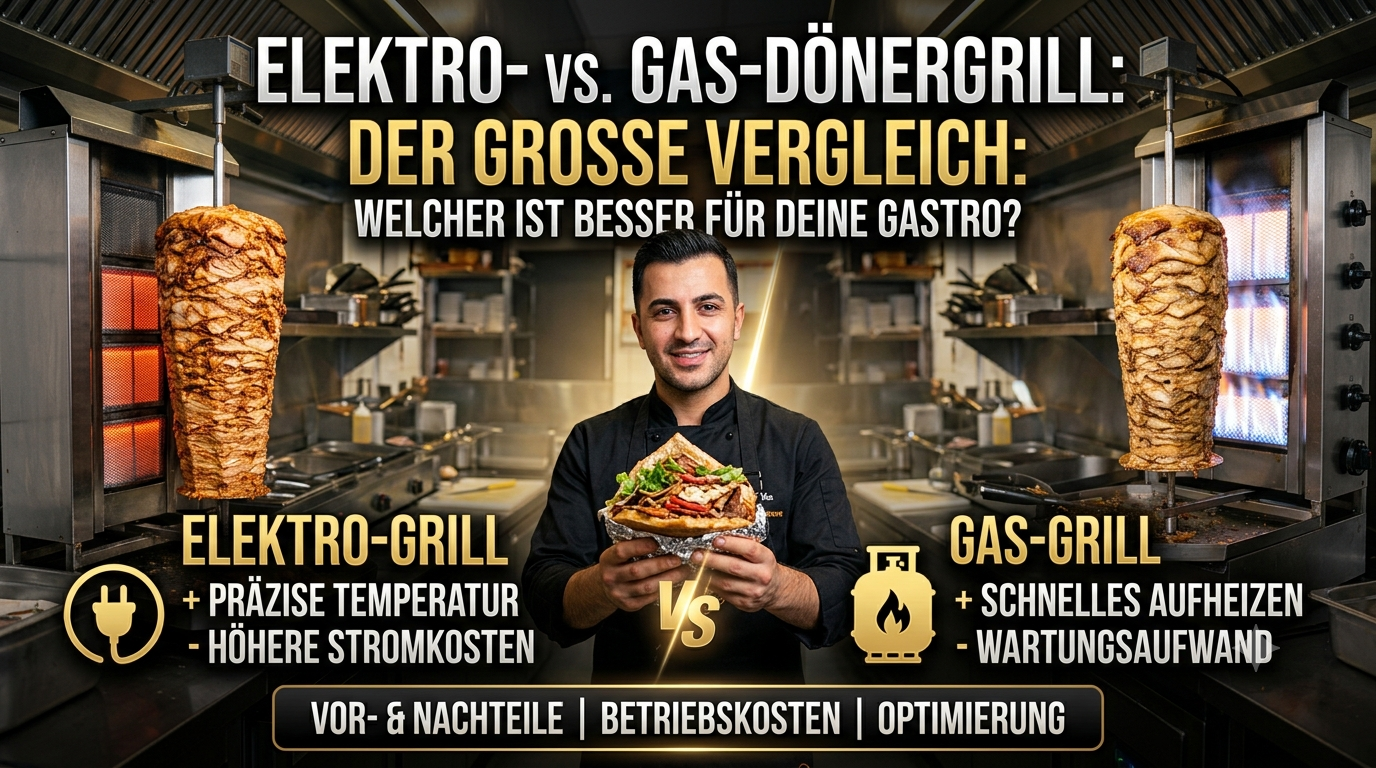 Electric vs. Gas Döner Grill: Which Is Better for the Gastronomy Industry? A Comprehensive Comparison for Snack Bars, Restaurants, and Catering
The choice between electric and gas Döner grills is a key decision for gastronomy professionals operating snack bars,...Read more
Electric vs. Gas Döner Grill: Which Is Better for the Gastronomy Industry? A Comprehensive Comparison for Snack Bars, Restaurants, and Catering
The choice between electric and gas Döner grills is a key decision for gastronomy professionals operating snack bars,...Read more -
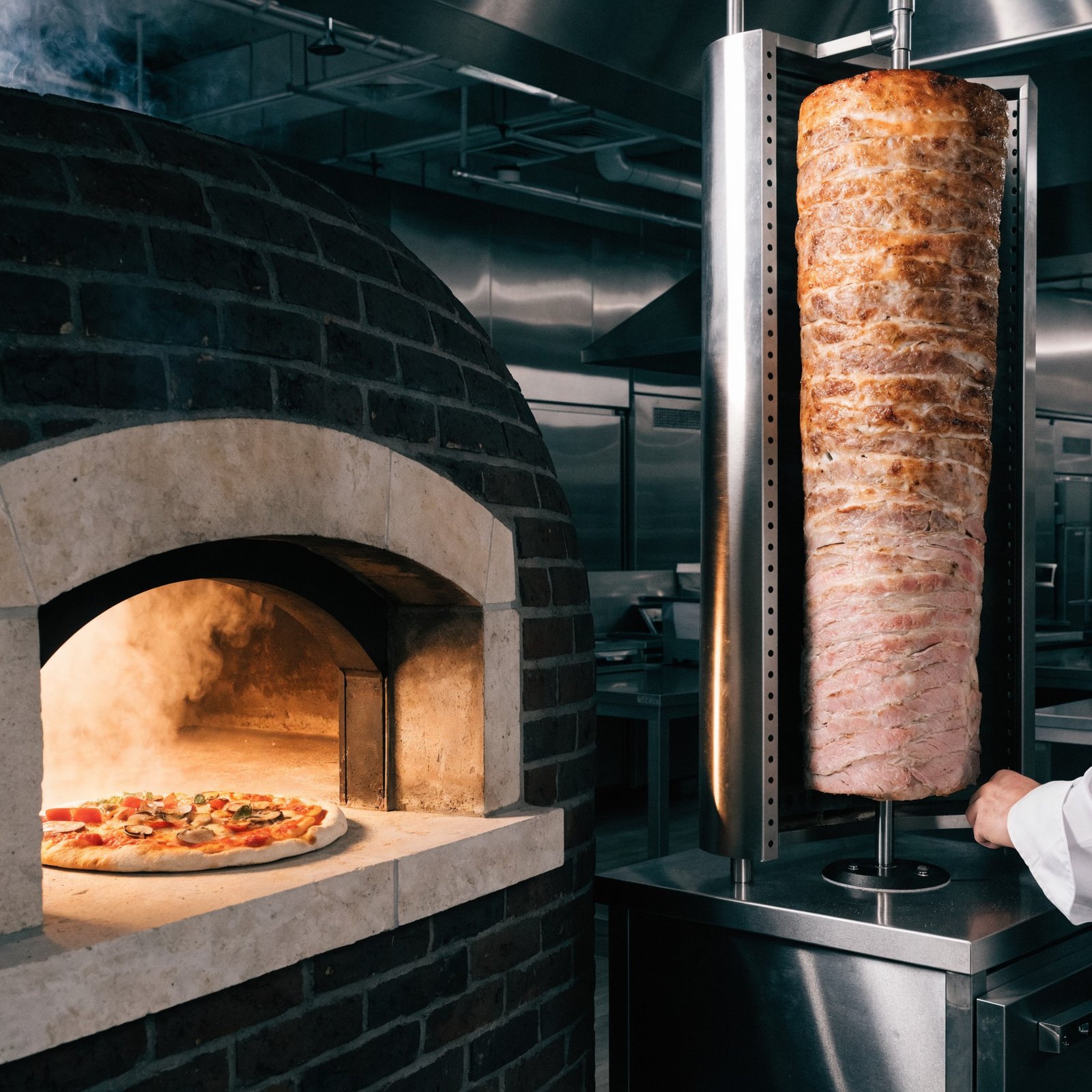 Pizza Oven or Döner Grill – Which Investment Is Worth It for Your Business? A Guide to Choosing the Right Equipment in Gastronomy
Deciding between a pizza oven and a döner grill is a crucial step for any gastronomy business. Both devices serve...Read more
Pizza Oven or Döner Grill – Which Investment Is Worth It for Your Business? A Guide to Choosing the Right Equipment in Gastronomy
Deciding between a pizza oven and a döner grill is a crucial step for any gastronomy business. Both devices serve...Read more -
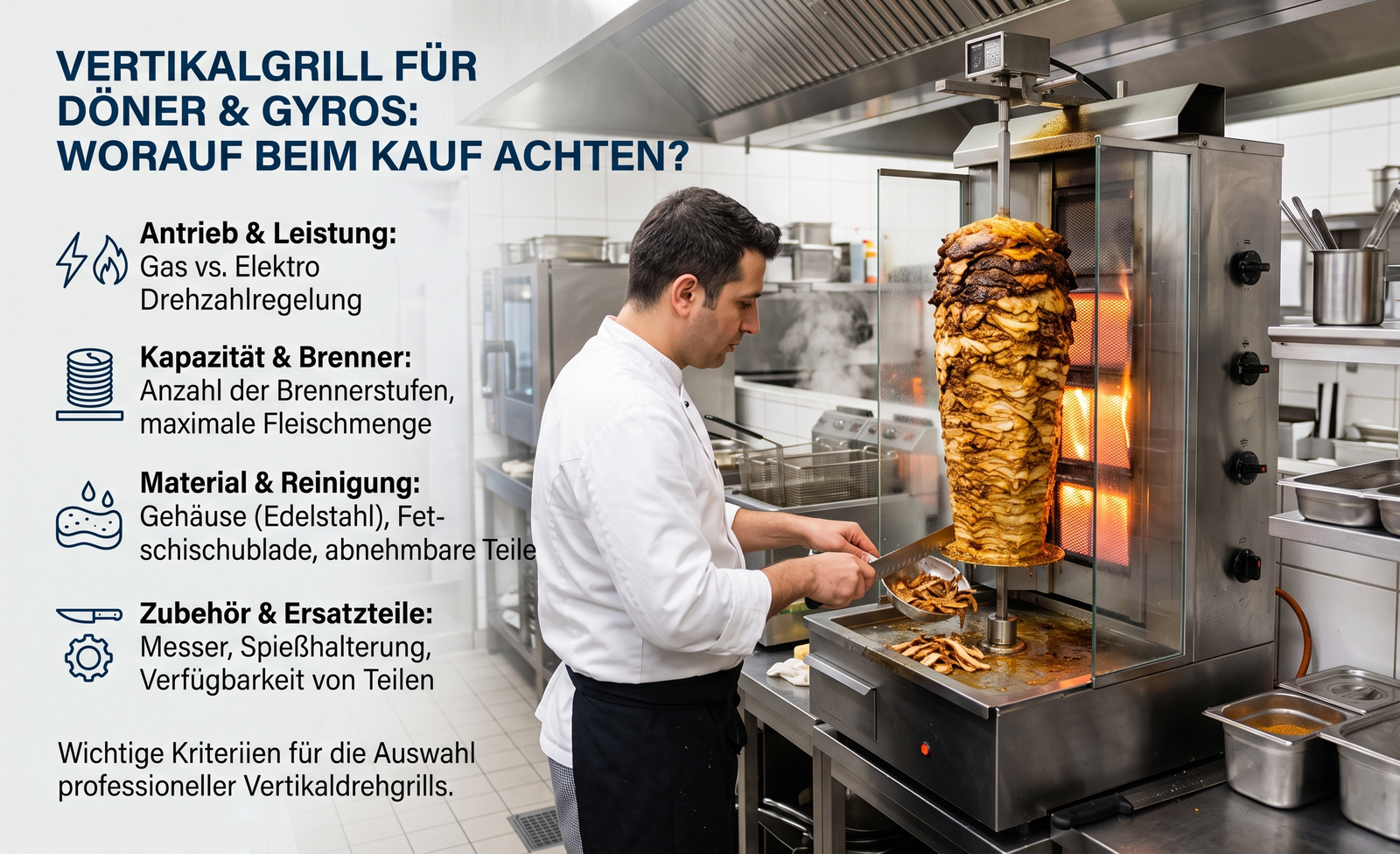 Vertical Grill for Döner & Gyros: Key Criteria for Choosing a Professional Vertical Rotisserie
A vertical grill, or vertical rotisserie, is essential for cooking Döner and Gyros meat evenly and deliciously....Read more
Vertical Grill for Döner & Gyros: Key Criteria for Choosing a Professional Vertical Rotisserie
A vertical grill, or vertical rotisserie, is essential for cooking Döner and Gyros meat evenly and deliciously....Read more -
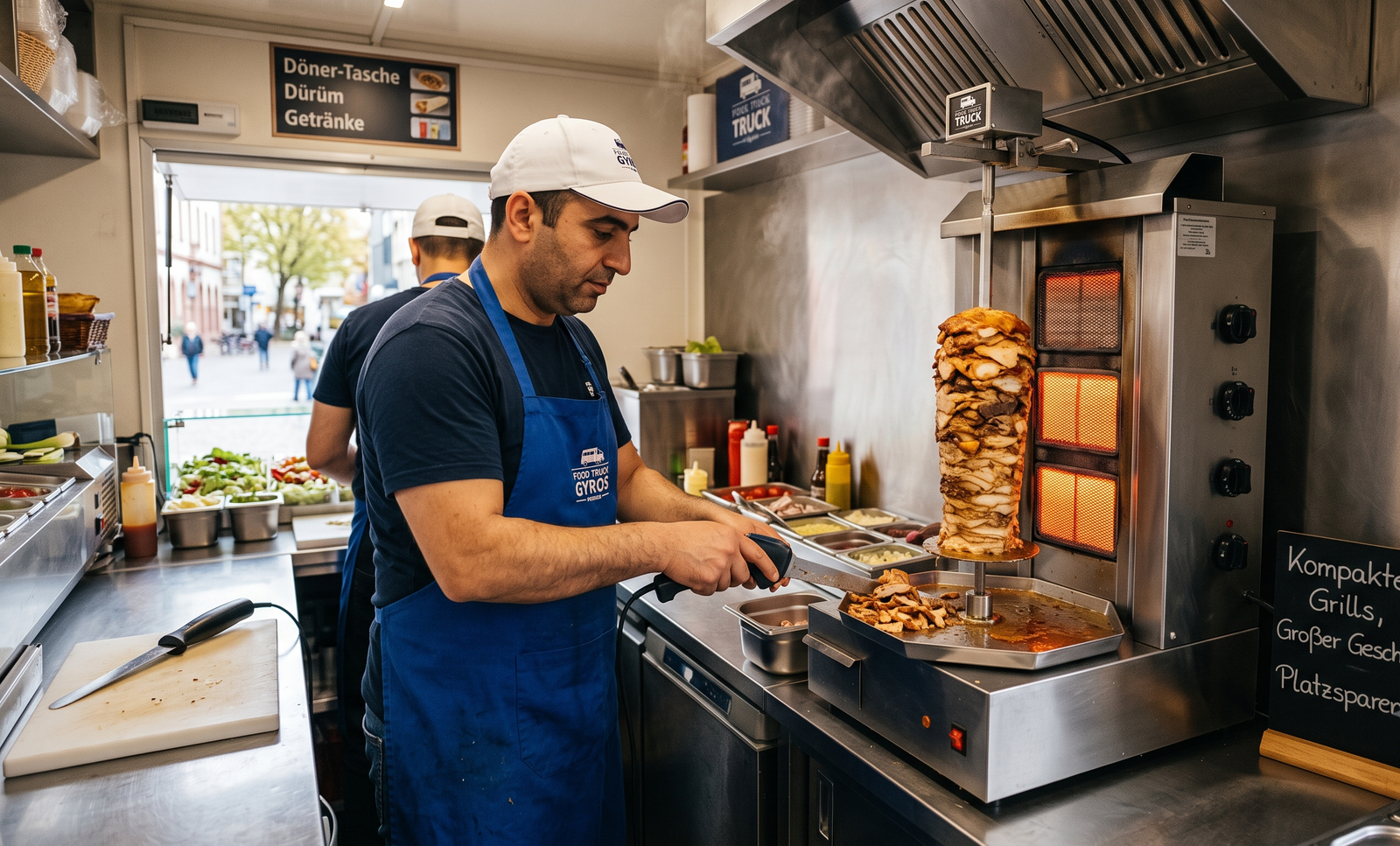 Compact Döner Grills for Small Snack Bars & Food Trucks → Space-Saving Solutions for Limited Spaces
Small snack bars and food trucks often struggle with limited space, making it challenging to accommodate large...Read more
Compact Döner Grills for Small Snack Bars & Food Trucks → Space-Saving Solutions for Limited Spaces
Small snack bars and food trucks often struggle with limited space, making it challenging to accommodate large...Read more
Leave a comment