
 Deutsch
 Türkçe
 Italiano

.jpg)
.jpg)
.jpg)
.jpg)
.jpg)
.jpg)
.jpg)
.jpg)
.jpg)
.jpg)

.jpg)

.jpg)
.jpg)
.jpg)
.jpg)
.jpg)
.jpg)
.jpg)
.jpg)
.jpg)
.jpg)



.jpg)
.jpg)
.jpg)
.jpg)
.jpg)
.jpg)
.jpg)
.jpg)
.jpg)



.jpg)
.jpg)

.jpg)
.jpg)
.jpg)
.jpg)


.jpg)

.png)
.jpg)
.jpg)
 (200 x 136 px) (5).png)
.png)

Döner meat is a popular and delicious dish, but it’s also highly perishable. Proper storage is key to maintaining its...
-
 Cooking Appliances
add remove
Cooking Appliances
add remove -
-
Pizza & Grill
add remove
-
-
Refrigeration
add remove
-
-
Combi Steamer
add remove
-
-
Kitchen Appliances
add remove
-
-
Rinsing & Cleaning
add remove
-
-
Retail Refrigeration
add remove
-
-
Cafe & Ice Cream
add remove
-
-
Smart-Gastro
add remove
-
-
Event- & Cateringmöbel
-
Cooking Appliances
add remove
-
-
Pizza & Grill
add remove
-
-
Refrigeration
add remove
-
-
Combi Steamer
add remove
-
-
Kitchen Appliances
add remove
-
-
Rinsing & Cleaning
add remove
-
-
Retail Refrigeration
add remove
-
-
Cafe & Ice Cream
add remove
-
-
Smart-Gastro
add remove
-
-
Event- & Cateringmöbel


Call us:
+49 (0) 6135 7040 450Latest posts
-
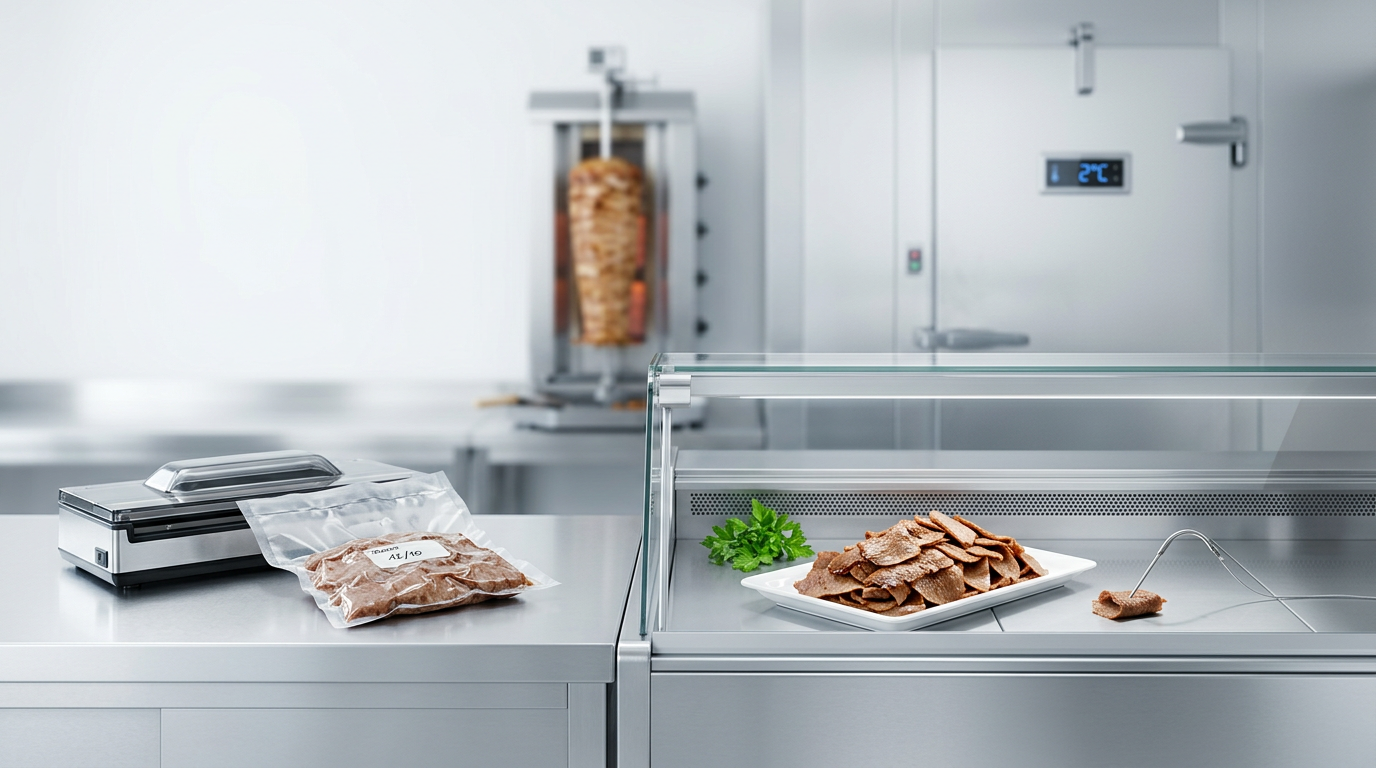 Shelf Life of Döner Meat: Cooling, Freezing & Fresh Counter Storage – Proper Handling to Prevent Food WasteRead more
 -
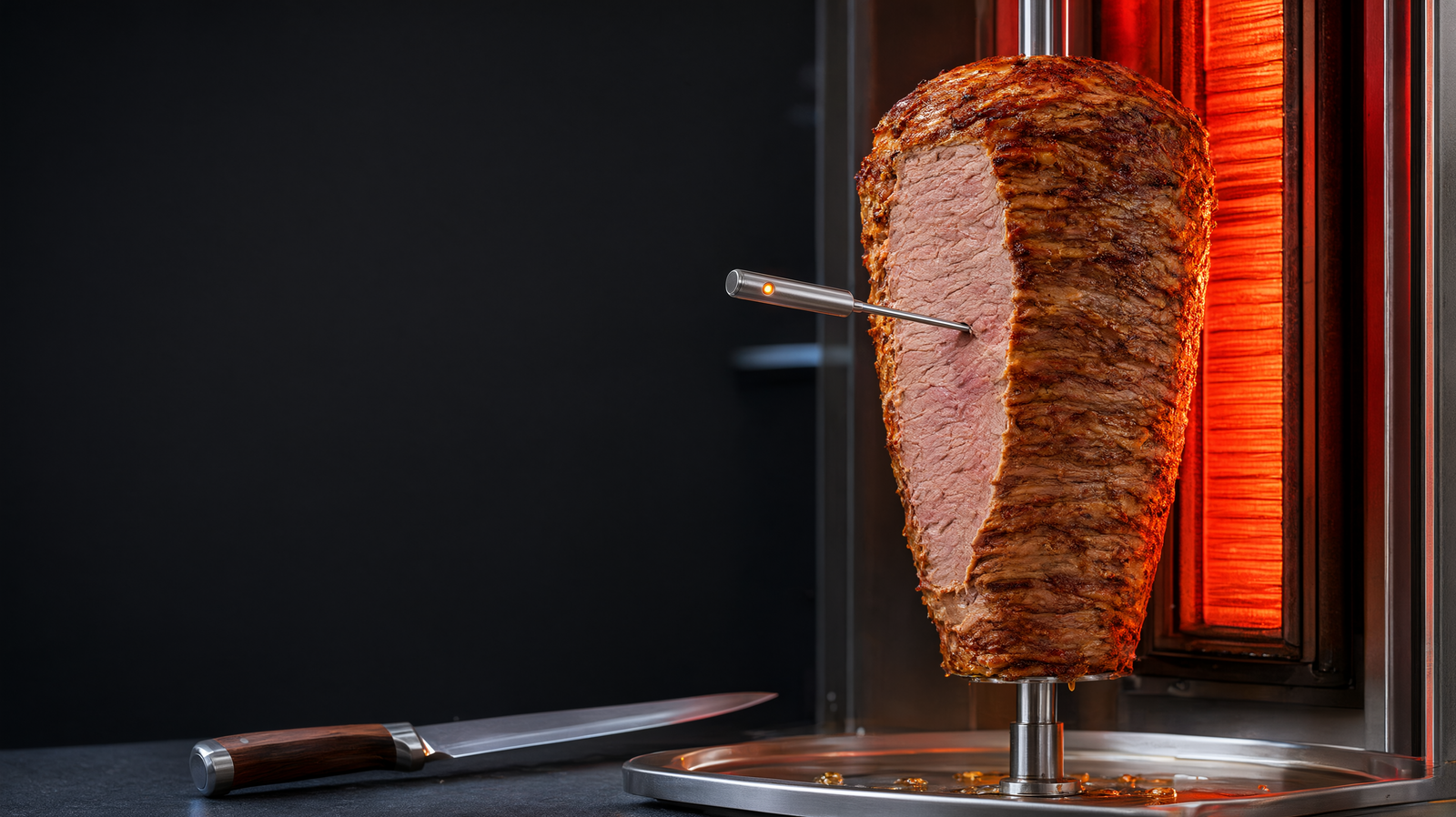 How Long Does a Döner Kebab Spit Last on the Grill? → Stand Times, Core Temperature, and Replenishment Planning in BusinessRead more
The Döner kebab spit is a cornerstone of many street food businesses, but managing how long it stays on the grill is...
-
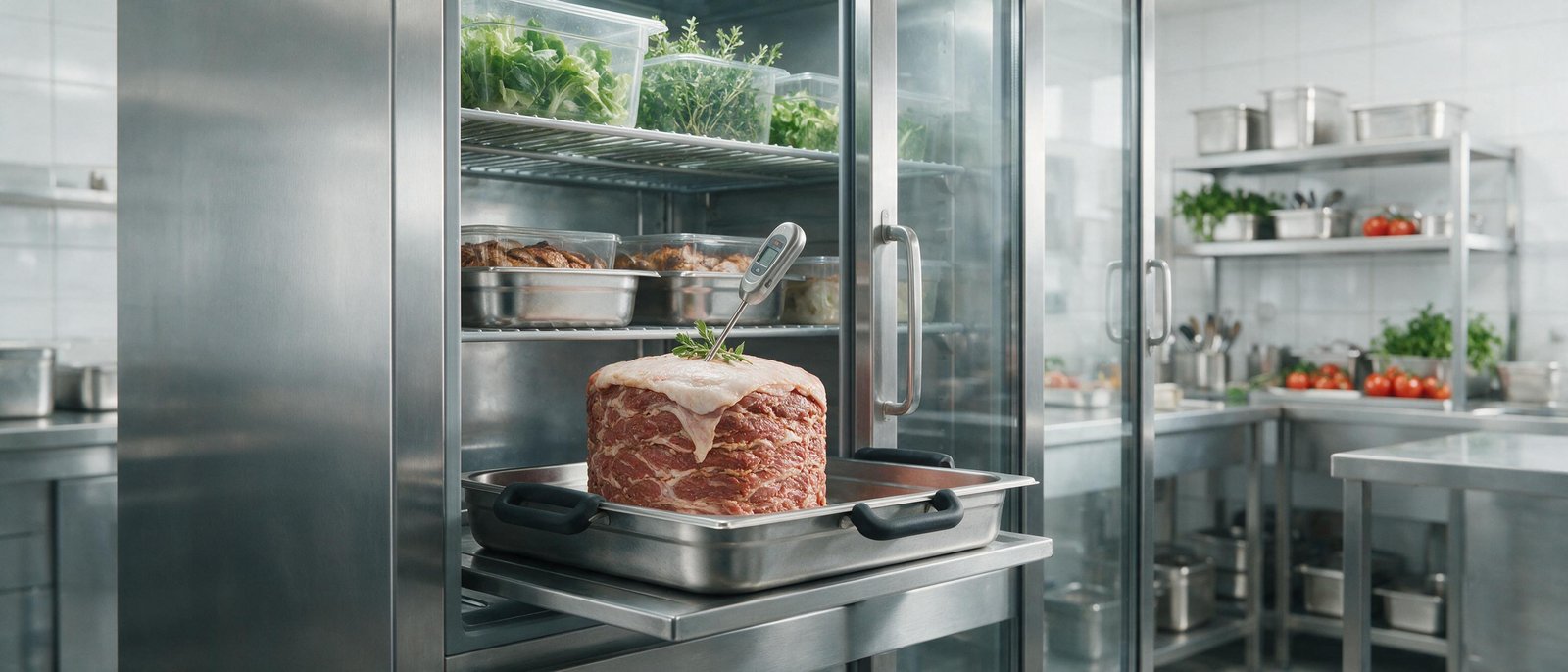 Proper Storage of Döner Meat: Regulations & Food Safety → HACCP-Compliant Storage According to German Food Hygiene RegulationsRead more
Döner meat is a popular and perishable food product that requires careful storage to maintain its safety and quality....
-
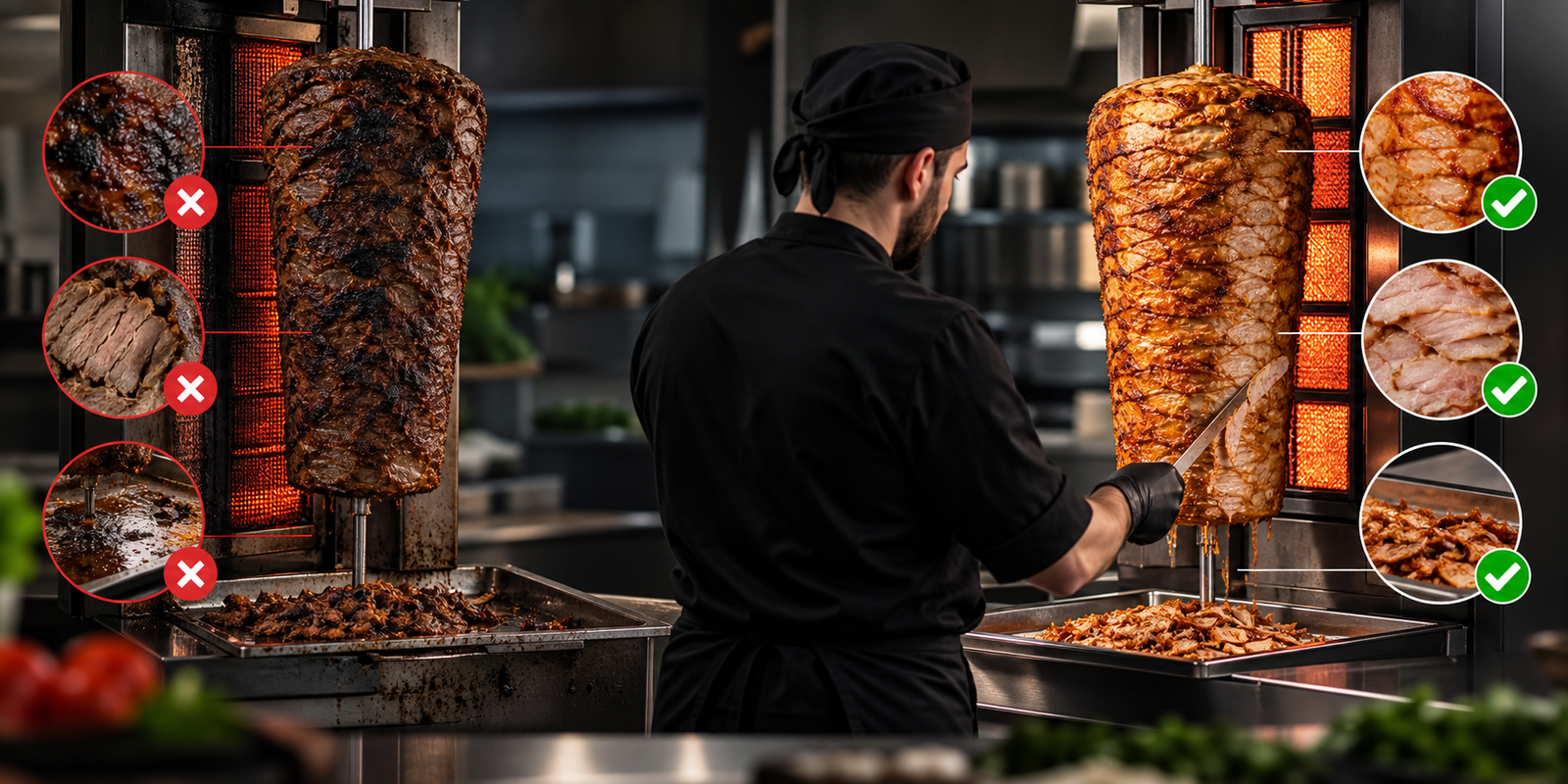 Common Mistakes When Grilling Döner – And How to Avoid Them: Identifying and Fixing Typical Preparation Errors in the Gastronomy IndustryRead more
The Döner kebab is a globally loved dish, but many gastronomy professionals struggle with common mistakes during its...
-
 What Makes Good Döner Meat So Tender and Flavorful? → Quality Characteristics and Preparation Techniques for RestaurateursRead more
Döner kebab is famous worldwide for its tender, juicy, and flavorful meat. But what exactly makes Döner meat so...
-
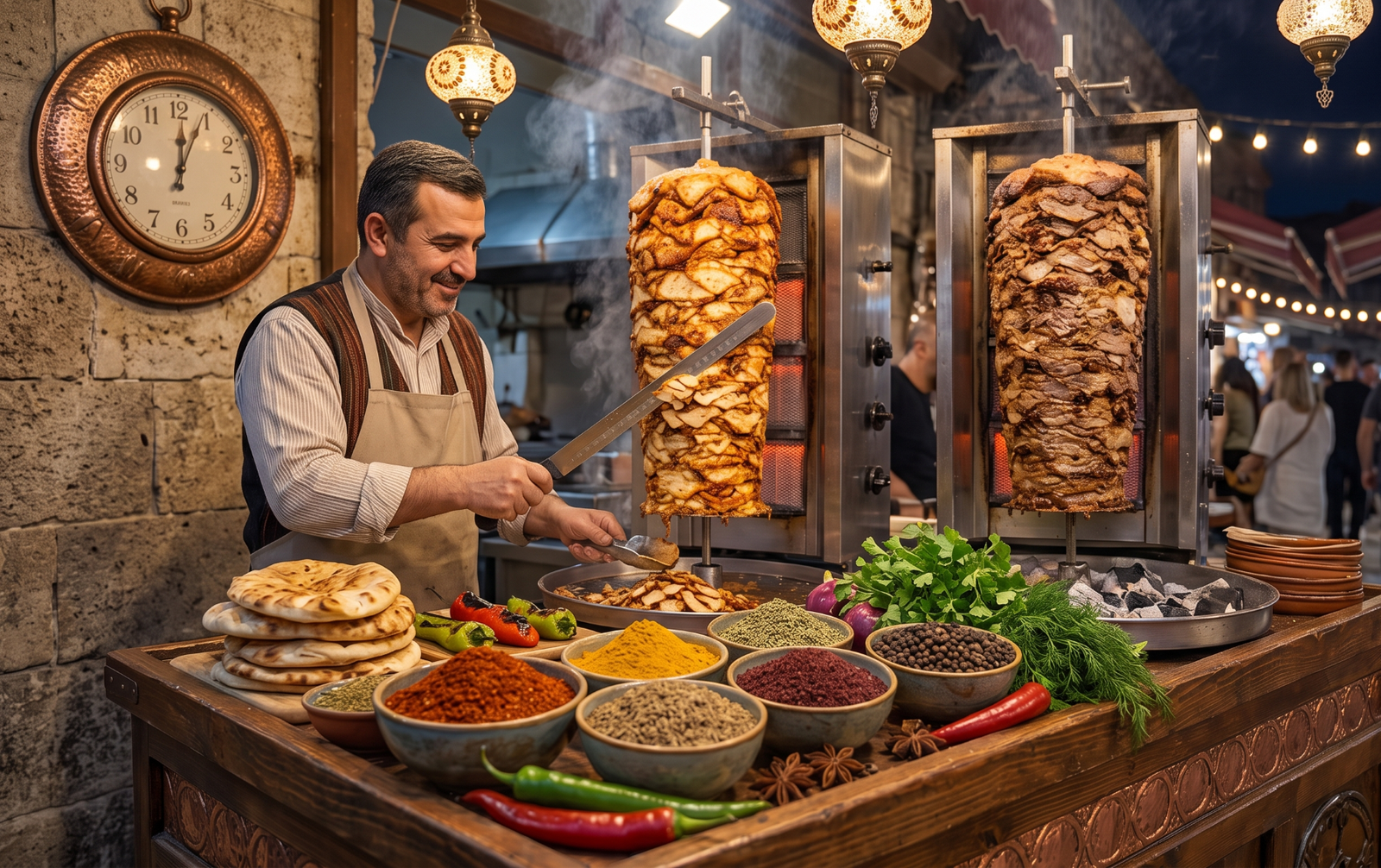 How to Slice Döner Meat Perfectly: Professional Techniques with Döner Knives and Electric SlicersRead more
Döner kebab is renowned for its thin, juicy slices of meat cooked on a vertical spit. Achieving perfect slices...
-
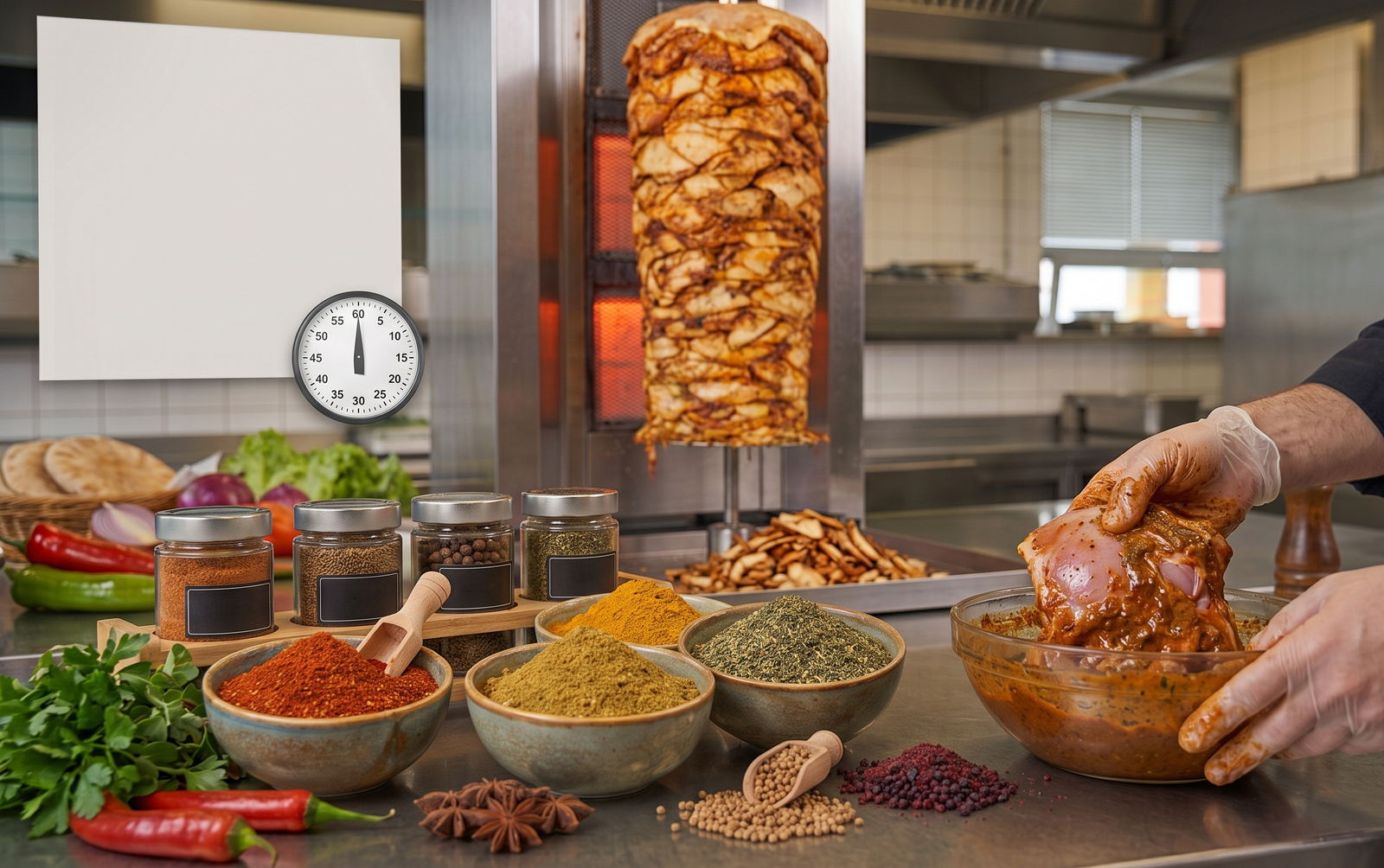 Döner Meat Marinade: Marinating Time and Professional Preparation → Optimal Preparation for Maximum Flavor and TendernessRead more
Döner kebab is famous worldwide for its juicy, flavorful meat, and the key to its perfection lies in the marinade and...
-
 Making Your Own Döner Spice Mix: Recipes for the Gastronomy Industry → In-House Production for Better Flavor Control and Cost EfficiencyRead more
Döner kebab is a global favorite, and the secret to its irresistible flavor lies in the spice mix used to season the...
-
 The Ultimate Guide: Pizza Vending Machines – Earnings, Costs & Experiences in the 24/7Read more
More and more restaurateurs and resourceful entrepreneurs are discovering the enormous potential of pizza vending...
-
 Professional Döner Meat Seasoning: Recipe & Spice Blend → Authentic Mixes for Consistent QualityRead more
Döner kebab is a global favorite, celebrated for its juicy, flavorful meat and aromatic spices. Achieving authentic...
Blog categories
Search in blog
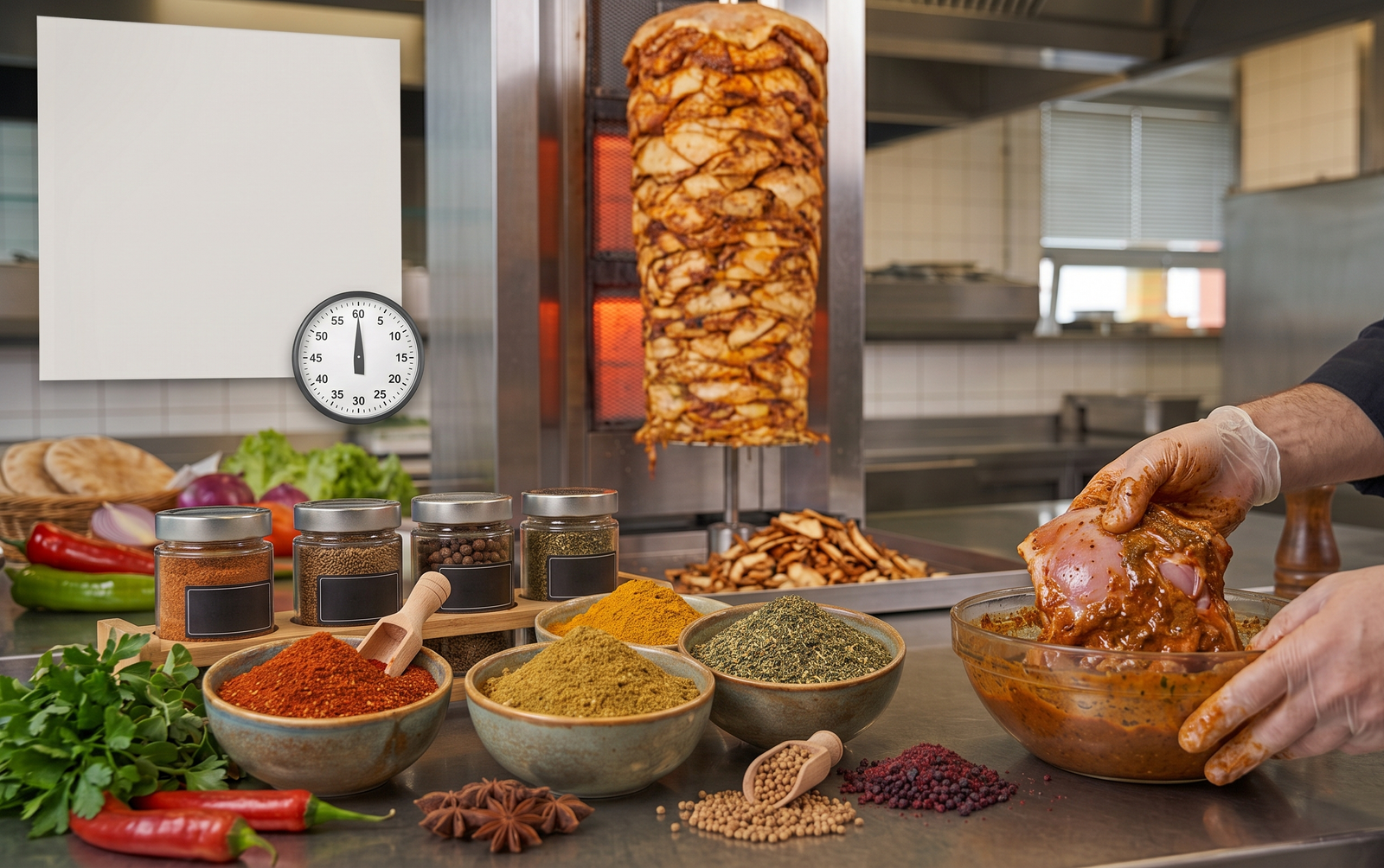
Döner Meat Marinade: Marinating Time and Professional Preparation → Optimal Preparation for Maximum Flavor and Tenderness
Döner Meat Marinade: Marinating Time and Professional Preparation for Maximum Flavor and Tenderness
Döner kebab is a beloved street food around the world, known for its juicy, flavorful meat and irresistible aroma. The secret behind the perfect Döner lies not only in the cooking technique but also in the marinade and preparation of the meat. Whether you are a professional chef or a passionate home cook, understanding the ideal marinating time and professional preparation techniques can elevate your Döner to new heights.
What is Döner Meat?
Döner meat traditionally consists of thinly sliced lamb, beef, or chicken, stacked vertically on a rotisserie. The meat is slowly cooked as the rotisserie turns, allowing the outer layers to crisp while the inside remains tender and juicy. The marinade plays a crucial role in tenderizing the meat and infusing it with rich flavors that define Döner kebab.
Why is Marinade Important for Döner Meat?
Marinating meat is a process that allows the flavors to penetrate deeply, breaking down muscle fibers and connective tissues, resulting in tender, juicy meat. For Döner, where the meat is sliced thin and cooked quickly on a vertical spit, the marinade ensures each bite is flavorful and moist.
Moreover, the marinade acts as a protective layer, preventing the meat from drying out during the slow cooking process. It also contributes to the characteristic color and aroma of Döner meat.
Key Ingredients in a Döner Meat Marinade
While recipes vary by region and personal preference, a traditional Döner marinade typically includes:
- Yogurt or Buttermilk: Acts as a tenderizer due to its lactic acid content.
- Olive Oil or Vegetable Oil: Helps in moisture retention and flavor distribution.
- Garlic: Adds pungency and depth.
- Onion: Provides sweetness and helps tenderize.
- Spices: Commonly cumin, paprika, black pepper, coriander, and sometimes chili flakes.
- Salt: Essential for flavor enhancement and moisture retention.
- Acidic Component: Lemon juice or vinegar to break down proteins and add brightness.
Each ingredient plays a role in creating the balance of flavors and ensuring the meat remains tender during cooking.
Marinating Time: How Long Should Döner Meat Marinate?
The marinating time is crucial for achieving the perfect texture and flavor. Too short, and the marinade won’t penetrate sufficiently; too long, and the meat can become mushy or overly acidic.
Recommended Marinating Times
- Chicken Döner: 4 to 6 hours is ideal. Chicken is more delicate and absorbs flavors quickly.
- Beef or Lamb Döner: 12 to 24 hours. These meats are denser and benefit from a longer marinating period.
- Maximum Marinating Time: Avoid exceeding 24 hours to prevent texture degradation.
For professional kitchens, overnight marination (around 18-24 hours) is common, allowing the meat to fully absorb the spices and tenderize optimally.
Tips for Effective Marinating
- Use a non-reactive container such as glass or food-grade plastic.
- Ensure the marinade fully covers the meat.
- Marinate in the refrigerator to prevent bacterial growth.
- Occasionally turn or stir the meat to distribute marinade evenly.
Professional Preparation Techniques for Döner Meat
Beyond marinating, professional preparation involves several steps to ensure consistency, safety, and flavor:
1. Meat Selection and Cutting
Choosing the right cut is essential. For lamb, cuts like leg or shoulder are preferred. For beef, sirloin or chuck can be used. Chicken thighs are favored for their juiciness.
The meat should be cut into thin, uniform slices or strips to ensure even cooking on the rotisserie. Some professionals even partially freeze the meat to make slicing easier and more precise.
2. Layering and Stacking
In traditional Döner preparation, marinated meat slices are stacked tightly on a vertical spit. The stacking technique influences how the meat cooks and how the juices flow during roasting.
Professionals often press the layers firmly to avoid air pockets, which can cause uneven cooking.
3. Temperature Control
Maintaining the right temperature during cooking is key. The rotisserie should be hot enough to sear the outer layers quickly, locking in juices, but not so hot that the meat dries out.
Professional kitchens use calibrated heat sources and monitor internal meat temperatures to ensure safety and quality.
4. Resting and Slicing
After cooking, letting the meat rest briefly allows juices to redistribute. The meat is then thinly sliced off the rotating spit, ensuring tender, flavorful pieces.
Common Mistakes to Avoid
- Under-marinating: Results in bland, tough meat.
- Over-marinating: Can cause mushy texture and overpowering flavors.
- Using too much acid: Excess acid breaks down proteins excessively.
- Improper storage: Marinating at room temperature invites bacterial growth.
- Uneven slicing: Leads to inconsistent cooking.
Sample Döner Meat Marinade Recipe
Ingredients:
- 1 kg lamb shoulder, thinly sliced
- 200 g plain yogurt
- 3 tbsp olive oil
- 4 garlic cloves, minced
- 1 medium onion, grated
- 2 tsp ground cumin
- 1 tsp smoked paprika
- 1 tsp ground coriander
- 1 tsp black pepper
- 1 tbsp lemon juice
- 1 tbsp salt
Instructions:
- In a large bowl, combine yogurt, olive oil, garlic, onion, spices, lemon juice, and salt.
- Add the sliced lamb and mix thoroughly to coat every piece.
- Cover and refrigerate for 18-24 hours, turning occasionally.
- Stack the marinated meat on the rotisserie spit and cook as per your Döner setup.
Conclusion
The art of preparing Döner meat lies in the details—selecting quality meat, crafting a balanced marinade, respecting the marinating time, and applying professional preparation techniques. By mastering these elements, you can create Döner kebabs bursting with flavor and tenderness that delight every bite.
Whether you’re running a professional kitchen or making Döner at home, investing time in the marinade and preparation will pay off with a superior product that stands out in taste and texture.
Additional Tips for Home Cooks
- If you don’t have a vertical rotisserie, you can grill the marinated meat slices on a barbecue or pan-fry them, though the texture will differ slightly.
- Experiment with spices to suit your palate, but keep balance in mind.
- Use fresh herbs like parsley or mint in your marinade for a fresh twist.
- Always keep food safety in mind—marinate in the fridge and cook meat thoroughly.
Enjoy the process, and soon you’ll be serving Döner meat that rivals the best street vendors!
Related posts
-
 More Than Just Fast Food - All You Need to Know
System Gastronomy: Learn more about this exciting business model. From Fast Food to Casual Dining - we explain...Read more
More Than Just Fast Food - All You Need to Know
System Gastronomy: Learn more about this exciting business model. From Fast Food to Casual Dining - we explain...Read more -
 The 10 Most Expensive Restaurants in the World
When it comes to fine dining and luxurious culinary experiences, some restaurants around the globe capture attention...Read more
The 10 Most Expensive Restaurants in the World
When it comes to fine dining and luxurious culinary experiences, some restaurants around the globe capture attention...Read more -
 Which Restaurant Makes the Most Revenue? A Deep Dive into the World of Gastronomy
Who are the revenue giants in the gastronomy industry? We reveal the top players and analyze why they are so...Read more
Which Restaurant Makes the Most Revenue? A Deep Dive into the World of Gastronomy
Who are the revenue giants in the gastronomy industry? We reveal the top players and analyze why they are so...Read more -
 Boost Your Restaurant's Revenue with Pergolas and Louvered Roofs
Ever wondered how to make your restaurant more appealing and increase your sales? The answer might be simpler than...Read more
Boost Your Restaurant's Revenue with Pergolas and Louvered Roofs
Ever wondered how to make your restaurant more appealing and increase your sales? The answer might be simpler than...Read more -
 The World of Döner: From Traditional Recipes to the Best Döner Spots Worldwide
Learn how to make authentic Yaprak Döner, discover the best döner spots in Germany and worldwide, and explore the...Read more
The World of Döner: From Traditional Recipes to the Best Döner Spots Worldwide
Learn how to make authentic Yaprak Döner, discover the best döner spots in Germany and worldwide, and explore the...Read more
Leave a comment