
 Deutsch
 Türkçe
 Italiano

.jpg)
.jpg)
.jpg)
.jpg)
.jpg)
.jpg)
.jpg)
.jpg)
.jpg)
.jpg)

.jpg)

.jpg)
.jpg)
.jpg)
.jpg)
.jpg)
.jpg)
.jpg)
.jpg)
.jpg)
.jpg)



.jpg)
.jpg)
.jpg)
.jpg)
.jpg)
.jpg)
.jpg)
.jpg)
.jpg)



.jpg)
.jpg)

.jpg)
.jpg)
.jpg)
.jpg)


.jpg)

.png)
.jpg)
.jpg)
 (200 x 136 px) (5).png)
.png)

Döner meat is a popular and delicious dish, but it’s also highly perishable. Proper storage is key to maintaining its...
-
 Cooking Appliances
add remove
Cooking Appliances
add remove -
-
Pizza & Grill
add remove
-
-
Refrigeration
add remove
-
-
Combi Steamer
add remove
-
-
Kitchen Appliances
add remove
-
-
Rinsing & Cleaning
add remove
-
-
Retail Refrigeration
add remove
-
-
Cafe & Ice Cream
add remove
-
-
Smart-Gastro
add remove
-
-
Event- & Cateringmöbel
-
Cooking Appliances
add remove
-
-
Pizza & Grill
add remove
-
-
Refrigeration
add remove
-
-
Combi Steamer
add remove
-
-
Kitchen Appliances
add remove
-
-
Rinsing & Cleaning
add remove
-
-
Retail Refrigeration
add remove
-
-
Cafe & Ice Cream
add remove
-
-
Smart-Gastro
add remove
-
-
Event- & Cateringmöbel


Call us:
+49 (0) 6135 7040 450Latest posts
-
 Shelf Life of Döner Meat: Cooling, Freezing & Fresh Counter Storage – Proper Handling to Prevent Food WasteRead more
 -
 How Long Does a Döner Kebab Spit Last on the Grill? → Stand Times, Core Temperature, and Replenishment Planning in BusinessRead more
The Döner kebab spit is a cornerstone of many street food businesses, but managing how long it stays on the grill is...
-
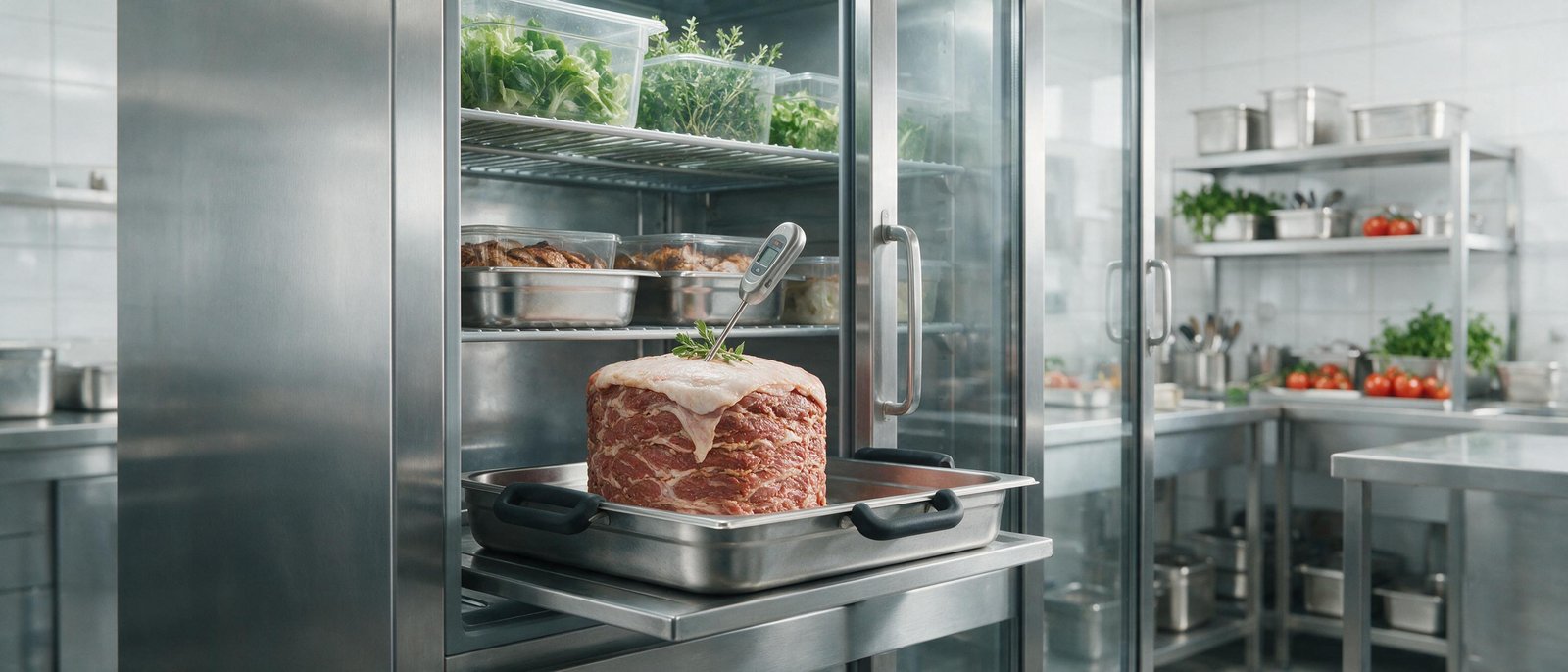 Proper Storage of Döner Meat: Regulations & Food Safety → HACCP-Compliant Storage According to German Food Hygiene RegulationsRead more
Döner meat is a popular and perishable food product that requires careful storage to maintain its safety and quality....
-
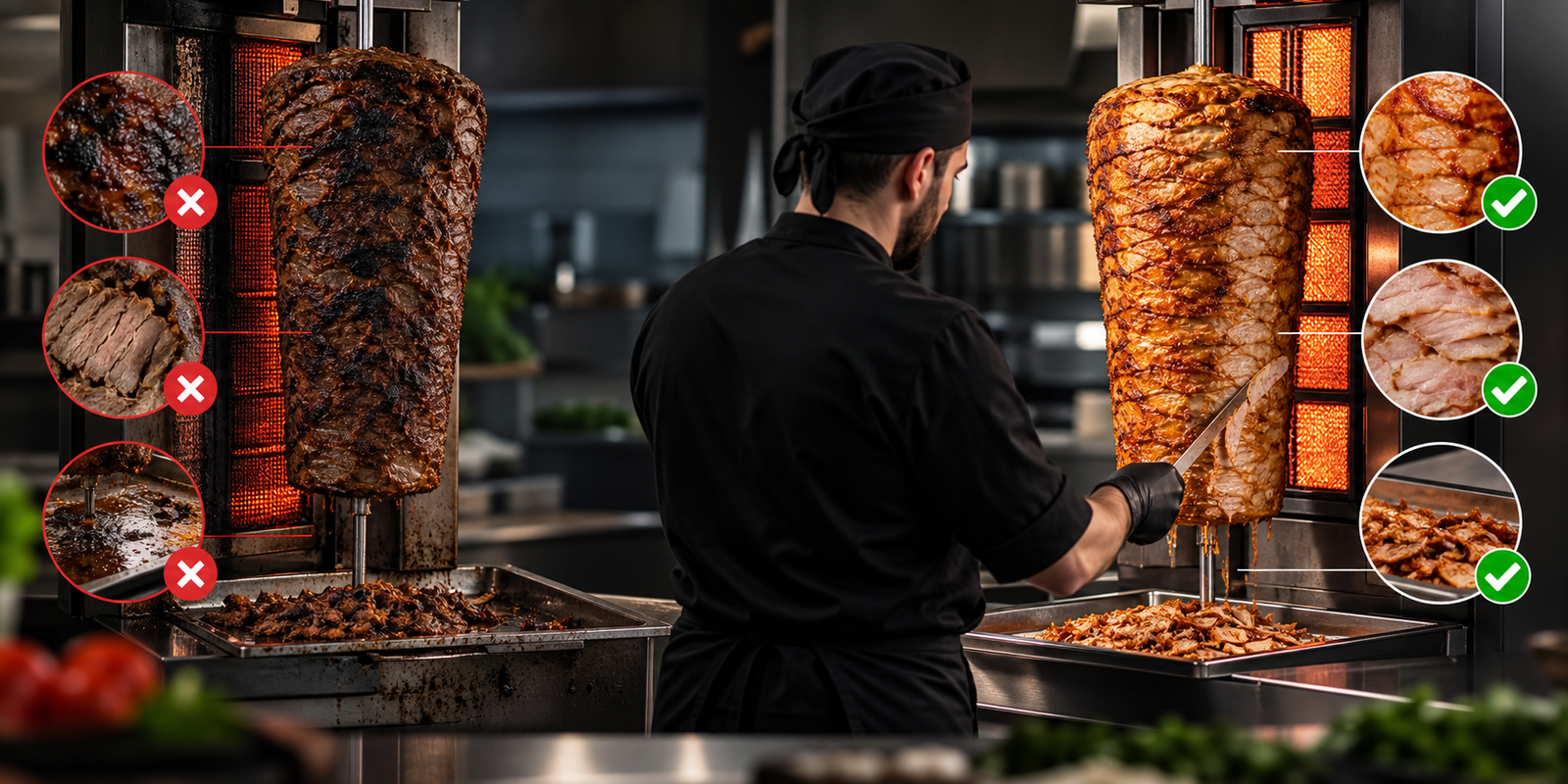 Common Mistakes When Grilling Döner – And How to Avoid Them: Identifying and Fixing Typical Preparation Errors in the Gastronomy IndustryRead more
The Döner kebab is a globally loved dish, but many gastronomy professionals struggle with common mistakes during its...
-
 What Makes Good Döner Meat So Tender and Flavorful? → Quality Characteristics and Preparation Techniques for RestaurateursRead more
Döner kebab is famous worldwide for its tender, juicy, and flavorful meat. But what exactly makes Döner meat so...
-
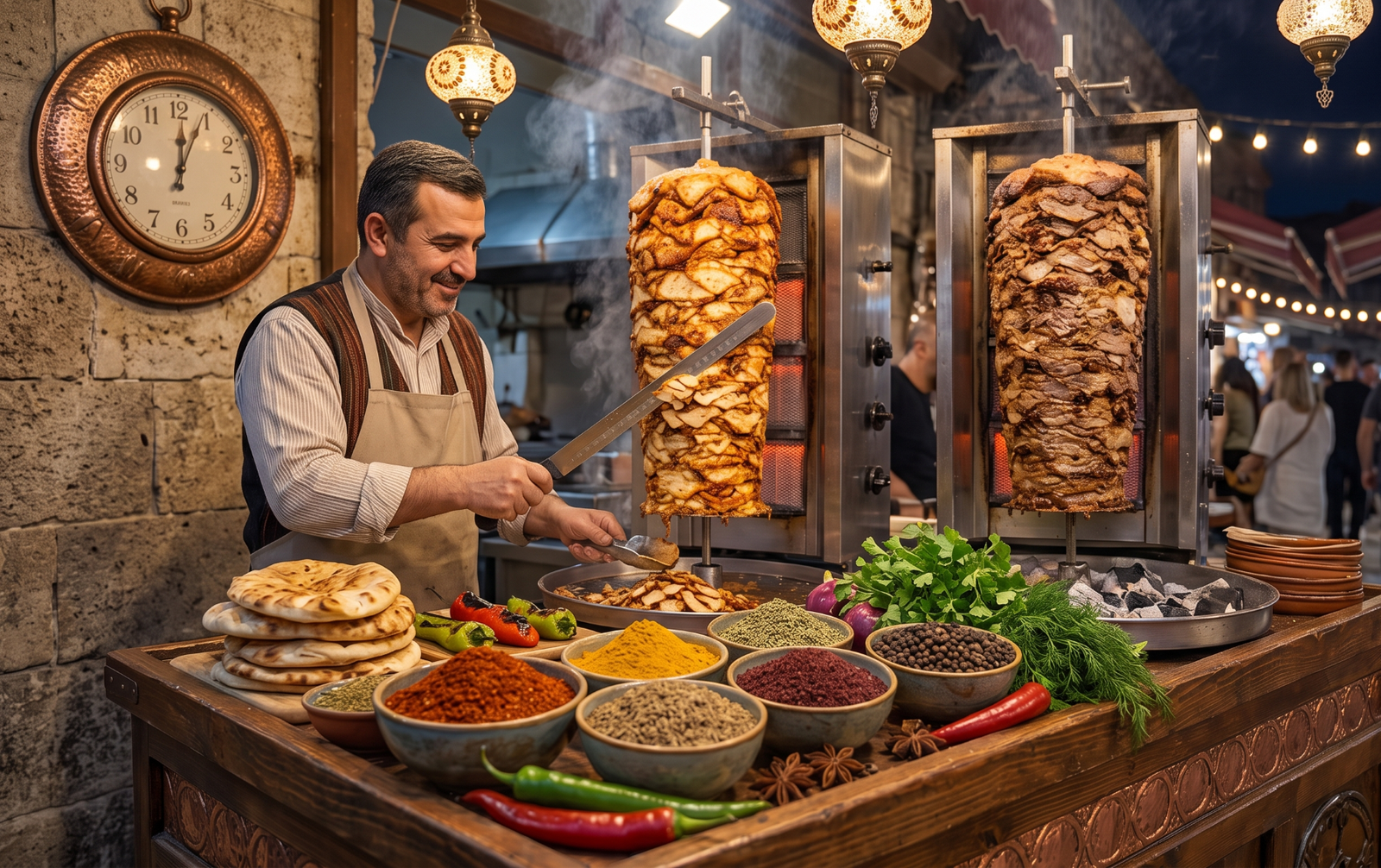 How to Slice Döner Meat Perfectly: Professional Techniques with Döner Knives and Electric SlicersRead more
Döner kebab is renowned for its thin, juicy slices of meat cooked on a vertical spit. Achieving perfect slices...
-
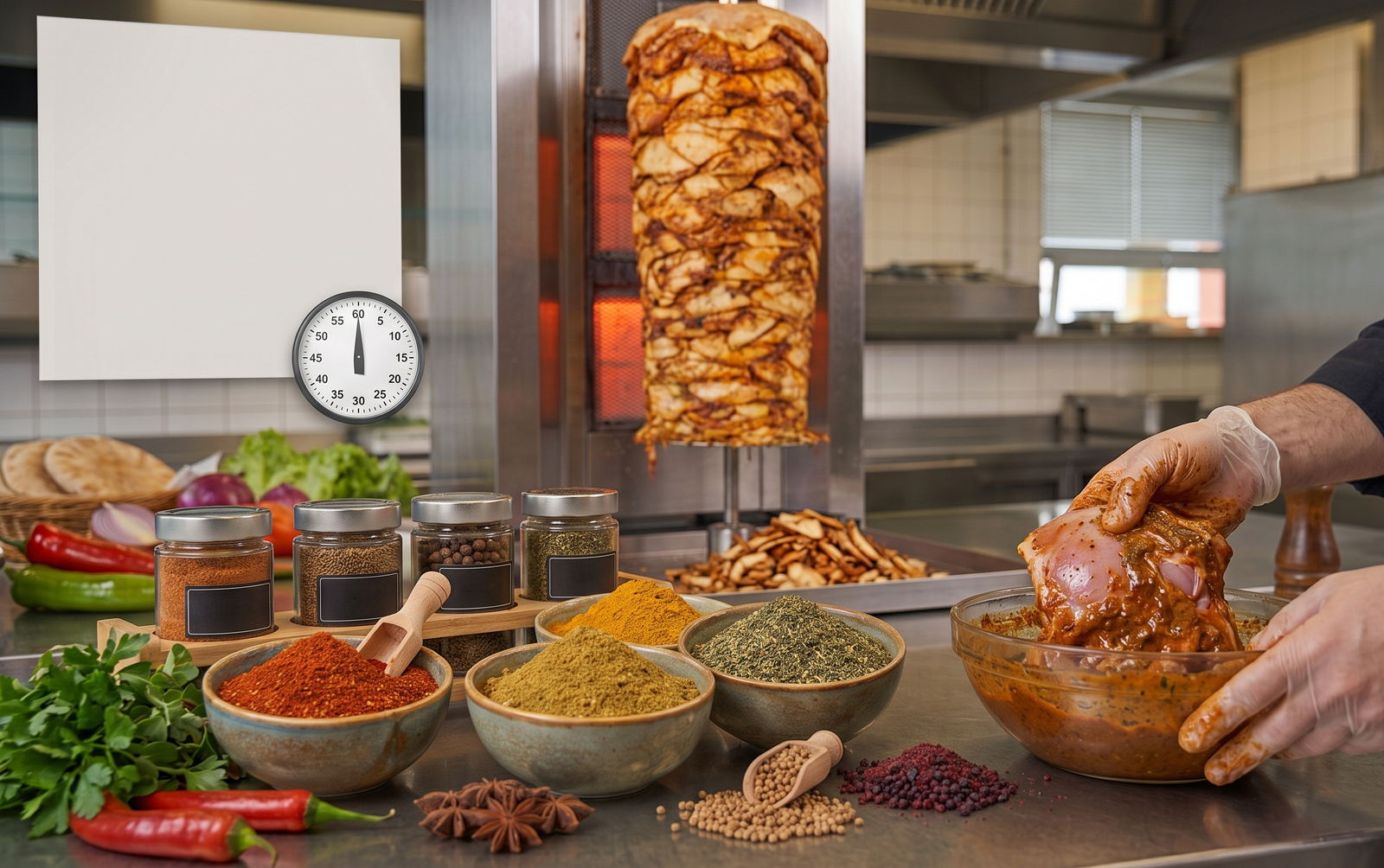 Döner Meat Marinade: Marinating Time and Professional Preparation → Optimal Preparation for Maximum Flavor and TendernessRead more
Döner kebab is famous worldwide for its juicy, flavorful meat, and the key to its perfection lies in the marinade and...
-
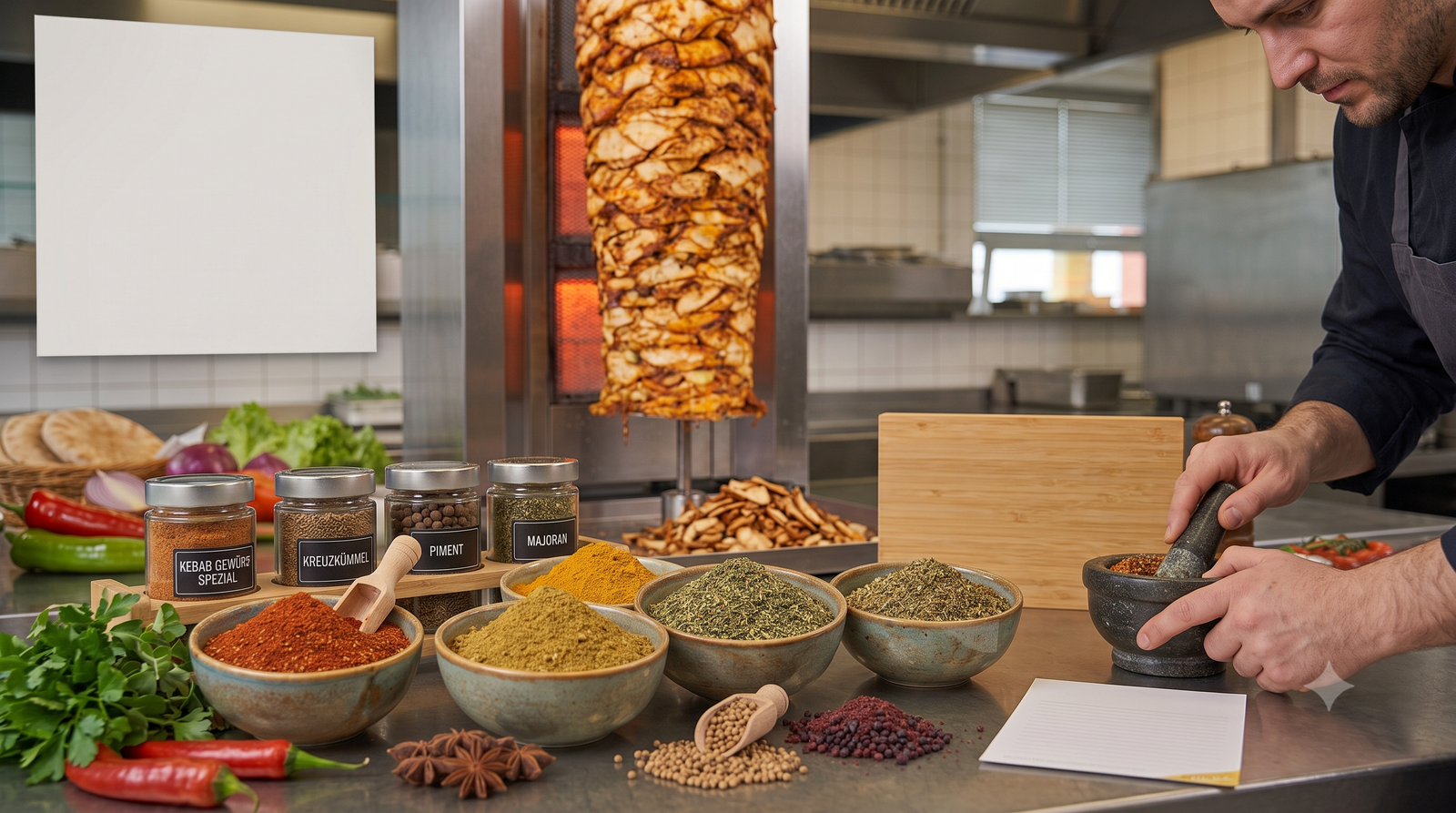 Making Your Own Döner Spice Mix: Recipes for the Gastronomy Industry → In-House Production for Better Flavor Control and Cost EfficiencyRead more
Döner kebab is a global favorite, and the secret to its irresistible flavor lies in the spice mix used to season the...
-
 The Ultimate Guide: Pizza Vending Machines – Earnings, Costs & Experiences in the 24/7Read more
More and more restaurateurs and resourceful entrepreneurs are discovering the enormous potential of pizza vending...
-
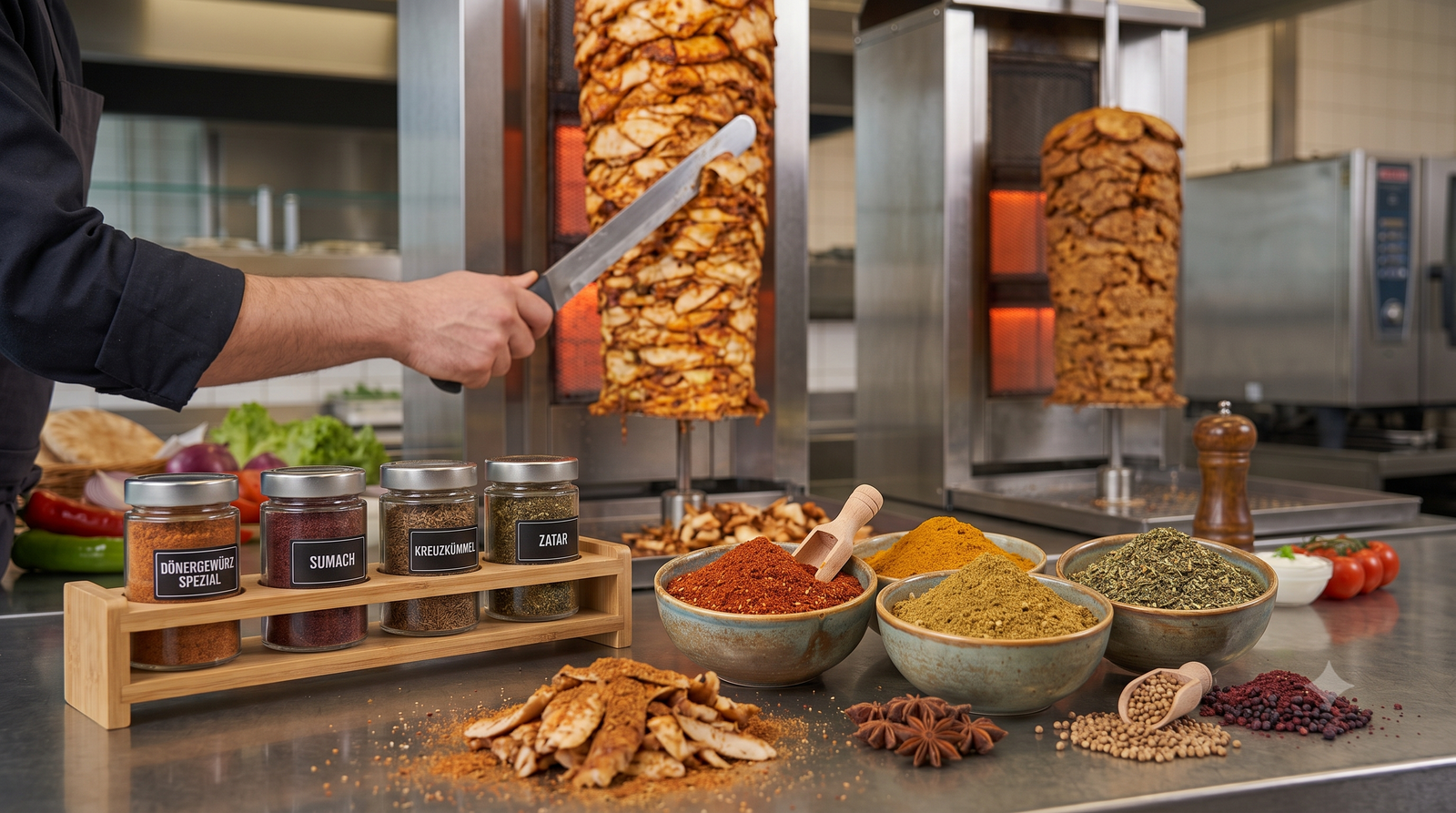 Professional Döner Meat Seasoning: Recipe & Spice Blend → Authentic Mixes for Consistent QualityRead more
Döner kebab is a global favorite, celebrated for its juicy, flavorful meat and aromatic spices. Achieving authentic...
Blog categories
Search in blog
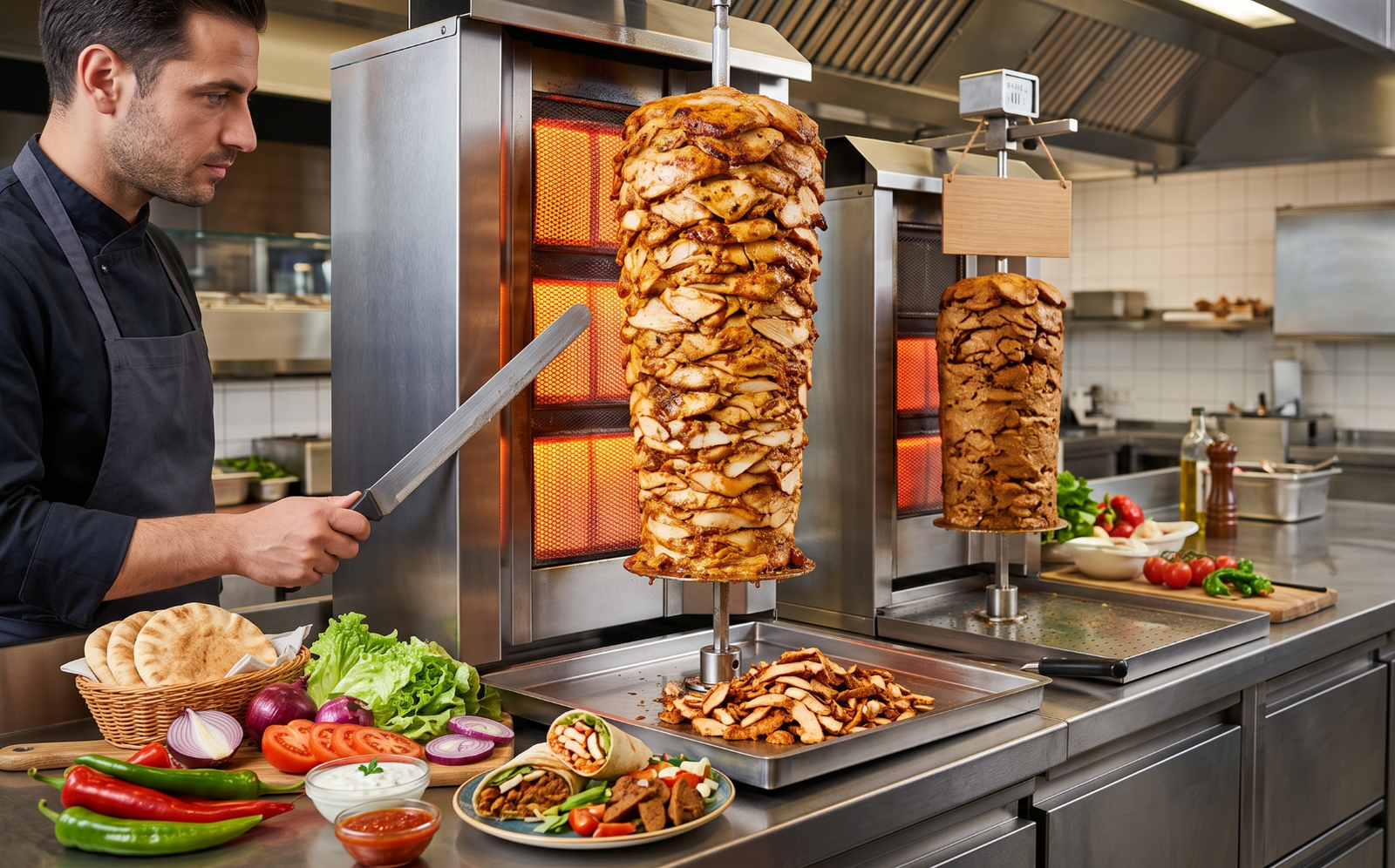
Chicken Döner Instead of Lamb: Exploring Meat Alternatives for Your Restaurant Menu
Chicken Döner Instead of Lamb: Exploring Meat Alternatives for Your Restaurant Menu
The döner kebab is a beloved street food classic, especially in Germany and many other parts of Europe. Traditionally made with lamb, this savory, spiced meat served in pita or flatbread with fresh vegetables and sauces has won the hearts of millions. However, as culinary trends evolve and customer preferences shift, restaurant owners and chefs are increasingly exploring alternatives to the classic lamb döner. Among these, chicken döner has emerged as a popular and versatile option.
Why Consider Alternatives to Lamb Döner?
Lamb has long been the traditional choice for döner, especially in authentic Turkish and Middle Eastern cuisine. However, there are several reasons why restaurants might consider alternatives:
- Cost: Lamb tends to be more expensive than other meats like chicken or beef, impacting profit margins.
- Availability: Depending on the region, lamb might not be as readily available year-round.
- Customer Preferences: Some customers avoid lamb due to its strong flavor, dietary restrictions, or religious reasons.
- Health Considerations: Chicken and turkey are often perceived as leaner and healthier options.
- Dietary Diversity: Offering a variety of meat options can attract a broader customer base.
Chicken Döner: The Most Popular Alternative
Chicken döner has become a staple in many döner shops worldwide. It offers a milder flavor profile and a leaner meat option, making it appealing to a wide range of customers.
Advantages of Chicken Döner
- Cost-Effective: Chicken is generally cheaper than lamb, allowing for better pricing strategies.
- Healthier Option: Lower in fat and calories compared to lamb, chicken appeals to health-conscious diners.
- Versatility: Chicken absorbs marinades and spices well, enabling chefs to experiment with flavor profiles.
- Wider Acceptance: Some customers avoid lamb due to its strong taste or dietary restrictions; chicken is often more universally accepted.
Preparing Chicken Döner
To prepare chicken döner, boneless chicken thighs or breasts are typically marinated in a blend of spices such as paprika, cumin, garlic, oregano, and sometimes yogurt or lemon juice to tenderize the meat. The marinated meat is then stacked on a vertical rotisserie, slow-cooked, and sliced thinly for serving.
Flavor Variations
Chicken's neutral flavor makes it an excellent canvas for various spice blends and marinades. Some popular variations include:
- Spicy Chicken Döner: Adding chili flakes or harissa for heat.
- Herb-Infused: Incorporating fresh herbs like thyme, rosemary, or mint.
- Yogurt-Based Marinades: For a tangy and tender result.
Other Meat Alternatives for Döner
Beyond chicken, several other meats can be used to diversify your döner offerings. Each brings unique flavors and textures, allowing you to cater to different tastes and dietary needs.
Beef Döner
Beef döner is a popular alternative, especially in regions where beef consumption is high. It has a richer, more robust flavor than chicken but is generally milder than lamb.
- Cut Selection: Cuts like sirloin, flank, or brisket work well for döner.
- Marinade: Similar to lamb, beef benefits from spices like cumin, coriander, paprika, and garlic.
- Cooking: Slow roasting on a vertical spit ensures tenderness.
Pork Döner
In countries where pork is widely consumed and accepted, pork döner can be a tasty alternative. It offers a slightly sweeter flavor and juicy texture.
- Cut Selection: Shoulder or loin cuts are ideal.
- Flavor Profile: Pork pairs well with smoky and sweet spices like smoked paprika, cinnamon, and cloves.
- Considerations: Be mindful of cultural and religious dietary restrictions when offering pork.
Turkey Döner
Turkey is another lean poultry option that can be used for döner. It is similar to chicken but offers a slightly different texture and flavor.
- Marinades: Use similar spice blends as chicken döner.
- Health Benefits: Turkey is low in fat and high in protein.
Vegetarian and Vegan Döner Alternatives
With the rise of plant-based diets, many restaurants are incorporating vegetarian and vegan döner options to cater to this growing market.
Seitan Döner
Seitan, a wheat gluten product, has a chewy texture similar to meat and absorbs flavors well. It can be marinated and cooked similarly to traditional döner meat.
Jackfruit Döner
Young green jackfruit is gaining popularity as a meat substitute due to its fibrous texture. When seasoned and cooked properly, it can mimic shredded meat in döner sandwiches.
Tofu and Tempeh Döner
Both tofu and tempeh can be marinated and grilled or roasted to create flavorful döner fillings.
Vegetable-Based Döner
Grilled vegetables like mushrooms, eggplant, and zucchini can be combined with spices and sauces to create a hearty vegetarian döner option.
Choosing the Right Meat for Your Gastrobusiness
When deciding which meat alternatives to offer, consider the following factors:
- Target Audience: Understand your customers’ preferences, dietary restrictions, and cultural backgrounds.
- Cost and Supply: Evaluate the availability and price stability of different meats.
- Kitchen Equipment: Ensure your kitchen setup can handle different types of meat preparation.
- Menu Diversity: Offering a range of options can attract more customers and increase sales.
- Flavor Profiles: Experiment with marinades and spices to create unique offerings.
Tips for Successfully Introducing Chicken Döner and Other Alternatives
- Start with Sampling: Offer small samples to customers to gather feedback.
- Train Staff: Ensure your team understands the differences in preparation and flavor.
- Highlight Health Benefits: Use marketing to emphasize leaner options like chicken and turkey.
- Create Signature Sauces: Pair alternative meats with unique sauces to differentiate your offerings.
- Monitor Sales and Feedback: Adjust your menu based on customer preferences and sales data.
Conclusion
While lamb remains the classic choice for döner, chicken and other meat alternatives offer exciting opportunities for restaurants to diversify their menus, appeal to a broader audience, and optimize costs. By understanding the unique qualities of each meat and experimenting with flavors and preparations, gastrobusinesses can create delicious, innovative döner options that satisfy traditionalists and newcomers alike.
Whether you choose to introduce chicken döner as a milder, leaner alternative or explore beef, pork, turkey, or even plant-based options, the key lies in quality ingredients, thoughtful preparation, and listening to your customers’ tastes. Embrace the versatility of döner and watch your menu—and customer base—grow!
Related posts
-
 More Than Just Fast Food - All You Need to Know
System Gastronomy: Learn more about this exciting business model. From Fast Food to Casual Dining - we explain...Read more
More Than Just Fast Food - All You Need to Know
System Gastronomy: Learn more about this exciting business model. From Fast Food to Casual Dining - we explain...Read more -
 The 10 Most Expensive Restaurants in the World
When it comes to fine dining and luxurious culinary experiences, some restaurants around the globe capture attention...Read more
The 10 Most Expensive Restaurants in the World
When it comes to fine dining and luxurious culinary experiences, some restaurants around the globe capture attention...Read more -
 Which Restaurant Makes the Most Revenue? A Deep Dive into the World of Gastronomy
Who are the revenue giants in the gastronomy industry? We reveal the top players and analyze why they are so...Read more
Which Restaurant Makes the Most Revenue? A Deep Dive into the World of Gastronomy
Who are the revenue giants in the gastronomy industry? We reveal the top players and analyze why they are so...Read more -
 Boost Your Restaurant's Revenue with Pergolas and Louvered Roofs
Ever wondered how to make your restaurant more appealing and increase your sales? The answer might be simpler than...Read more
Boost Your Restaurant's Revenue with Pergolas and Louvered Roofs
Ever wondered how to make your restaurant more appealing and increase your sales? The answer might be simpler than...Read more -
 The World of Döner: From Traditional Recipes to the Best Döner Spots Worldwide
Learn how to make authentic Yaprak Döner, discover the best döner spots in Germany and worldwide, and explore the...Read more
The World of Döner: From Traditional Recipes to the Best Döner Spots Worldwide
Learn how to make authentic Yaprak Döner, discover the best döner spots in Germany and worldwide, and explore the...Read more
Leave a comment