
 Deutsch
 Türkçe
 Italiano

.jpg)
.jpg)
.jpg)
.jpg)
.jpg)
.jpg)
.jpg)
.jpg)
.jpg)
.jpg)

.jpg)

.jpg)
.jpg)
.jpg)
.jpg)
.jpg)
.jpg)
.jpg)
.jpg)
.jpg)
.jpg)



.jpg)
.jpg)
.jpg)
.jpg)
.jpg)
.jpg)
.jpg)
.jpg)
.jpg)



.jpg)
.jpg)

.jpg)
.jpg)
.jpg)
.jpg)


.jpg)

.png)
.jpg)
.jpg)
 (200 x 136 px) (5).png)
.png)

Döner meat is a popular and delicious dish, but it’s also highly perishable. Proper storage is key to maintaining its...
-
 Cooking Appliances
add remove
Cooking Appliances
add remove -
-
Pizza & Grill
add remove
-
-
Refrigeration
add remove
-
-
Combi Steamer
add remove
-
-
Kitchen Appliances
add remove
-
-
Rinsing & Cleaning
add remove
-
-
Retail Refrigeration
add remove
-
-
Cafe & Ice Cream
add remove
-
-
Smart-Gastro
add remove
-
-
Event- & Cateringmöbel
-
Cooking Appliances
add remove
-
-
Pizza & Grill
add remove
-
-
Refrigeration
add remove
-
-
Combi Steamer
add remove
-
-
Kitchen Appliances
add remove
-
-
Rinsing & Cleaning
add remove
-
-
Retail Refrigeration
add remove
-
-
Cafe & Ice Cream
add remove
-
-
Smart-Gastro
add remove
-
-
Event- & Cateringmöbel


Call us:
+49 (0) 6135 7040 450Latest posts
-
 Shelf Life of Döner Meat: Cooling, Freezing & Fresh Counter Storage – Proper Handling to Prevent Food WasteRead more
 -
 How Long Does a Döner Kebab Spit Last on the Grill? → Stand Times, Core Temperature, and Replenishment Planning in BusinessRead more
The Döner kebab spit is a cornerstone of many street food businesses, but managing how long it stays on the grill is...
-
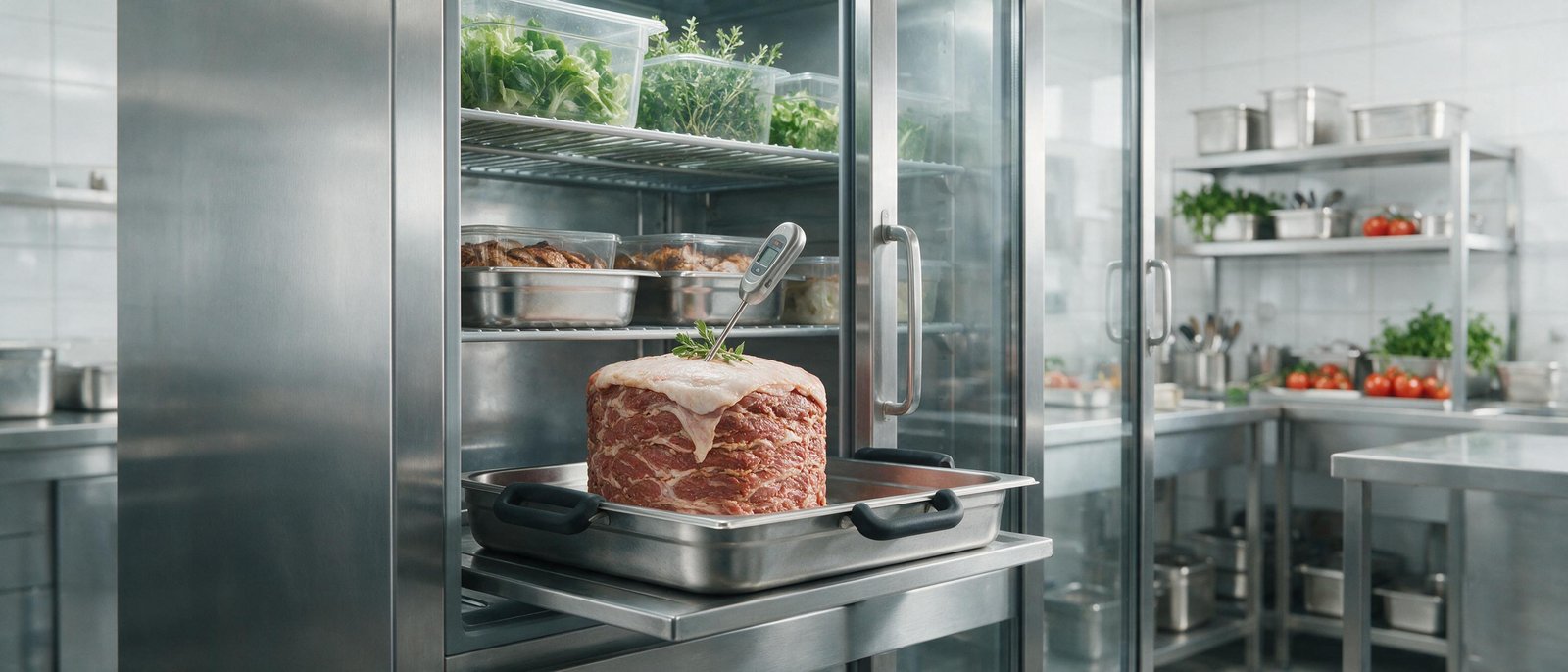 Proper Storage of Döner Meat: Regulations & Food Safety → HACCP-Compliant Storage According to German Food Hygiene RegulationsRead more
Döner meat is a popular and perishable food product that requires careful storage to maintain its safety and quality....
-
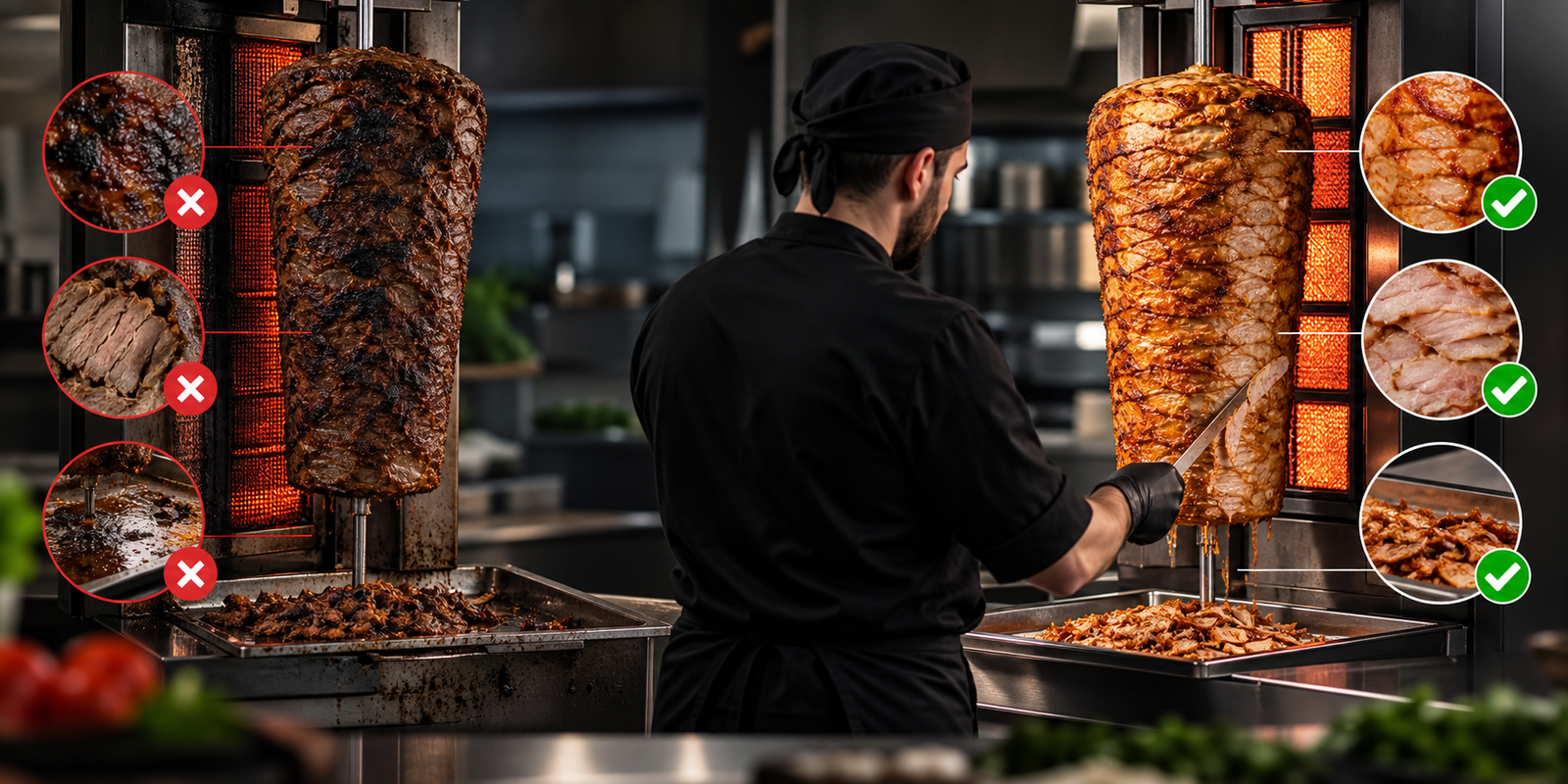 Common Mistakes When Grilling Döner – And How to Avoid Them: Identifying and Fixing Typical Preparation Errors in the Gastronomy IndustryRead more
The Döner kebab is a globally loved dish, but many gastronomy professionals struggle with common mistakes during its...
-
 What Makes Good Döner Meat So Tender and Flavorful? → Quality Characteristics and Preparation Techniques for RestaurateursRead more
Döner kebab is famous worldwide for its tender, juicy, and flavorful meat. But what exactly makes Döner meat so...
-
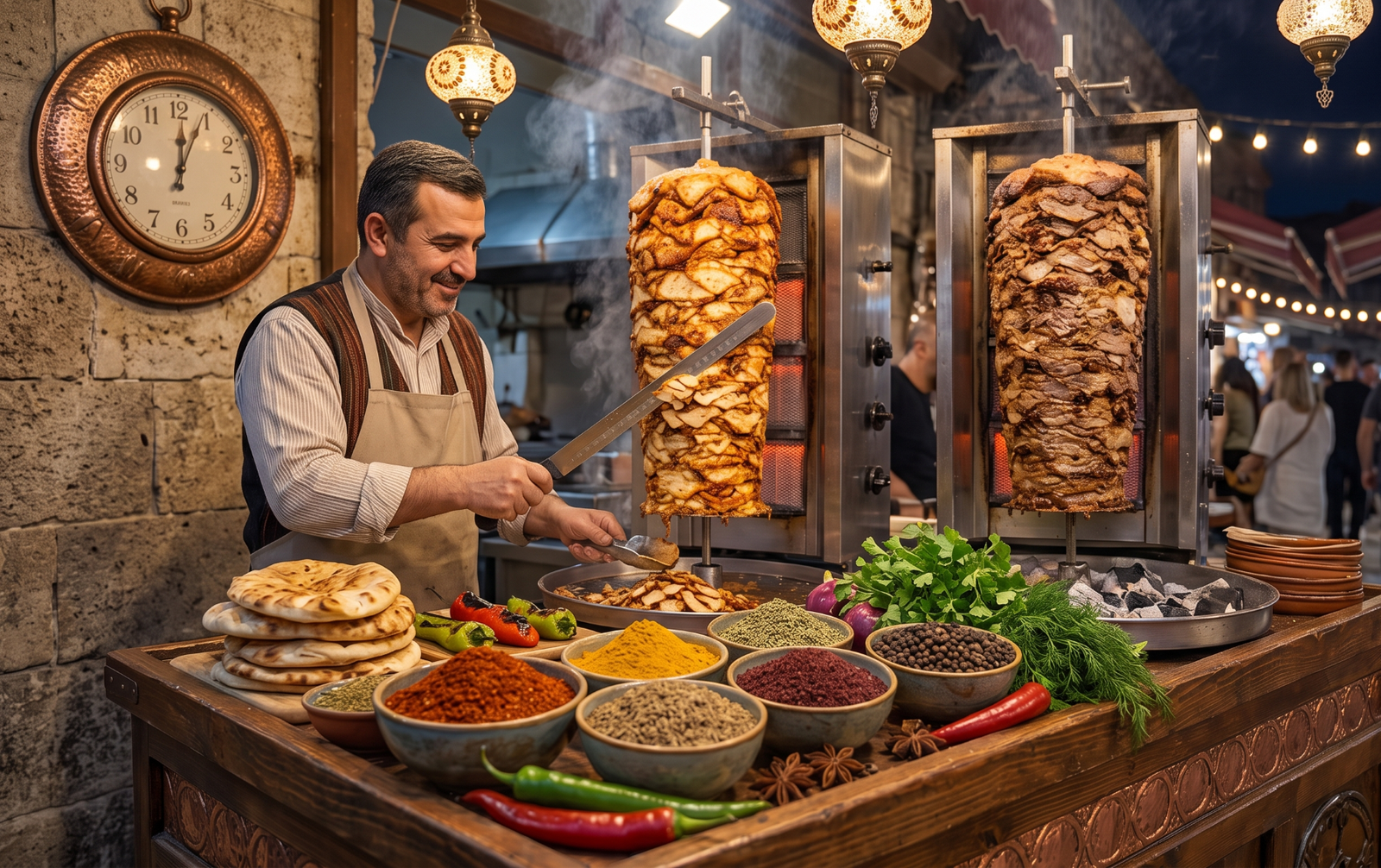 How to Slice Döner Meat Perfectly: Professional Techniques with Döner Knives and Electric SlicersRead more
Döner kebab is renowned for its thin, juicy slices of meat cooked on a vertical spit. Achieving perfect slices...
-
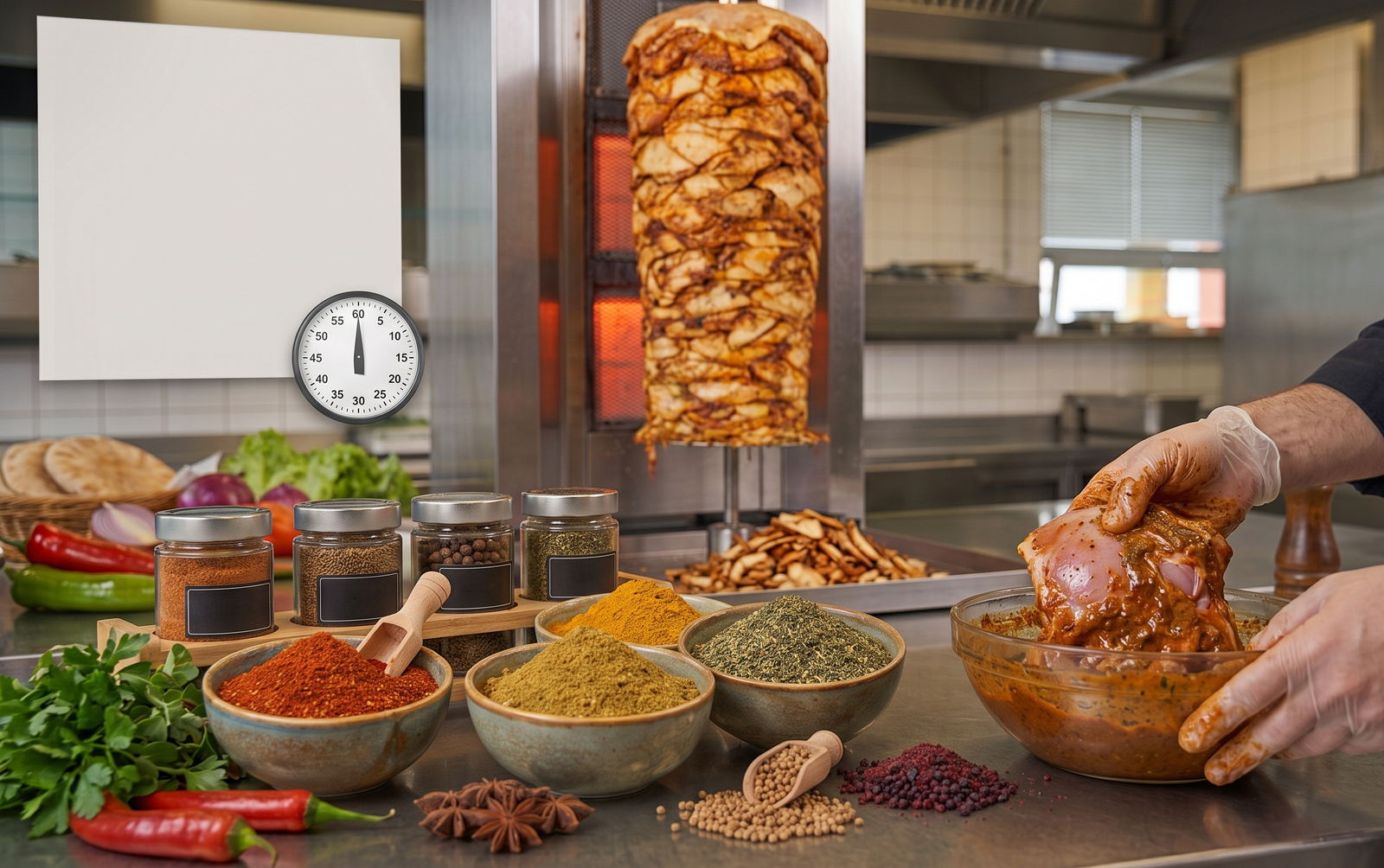 Döner Meat Marinade: Marinating Time and Professional Preparation → Optimal Preparation for Maximum Flavor and TendernessRead more
Döner kebab is famous worldwide for its juicy, flavorful meat, and the key to its perfection lies in the marinade and...
-
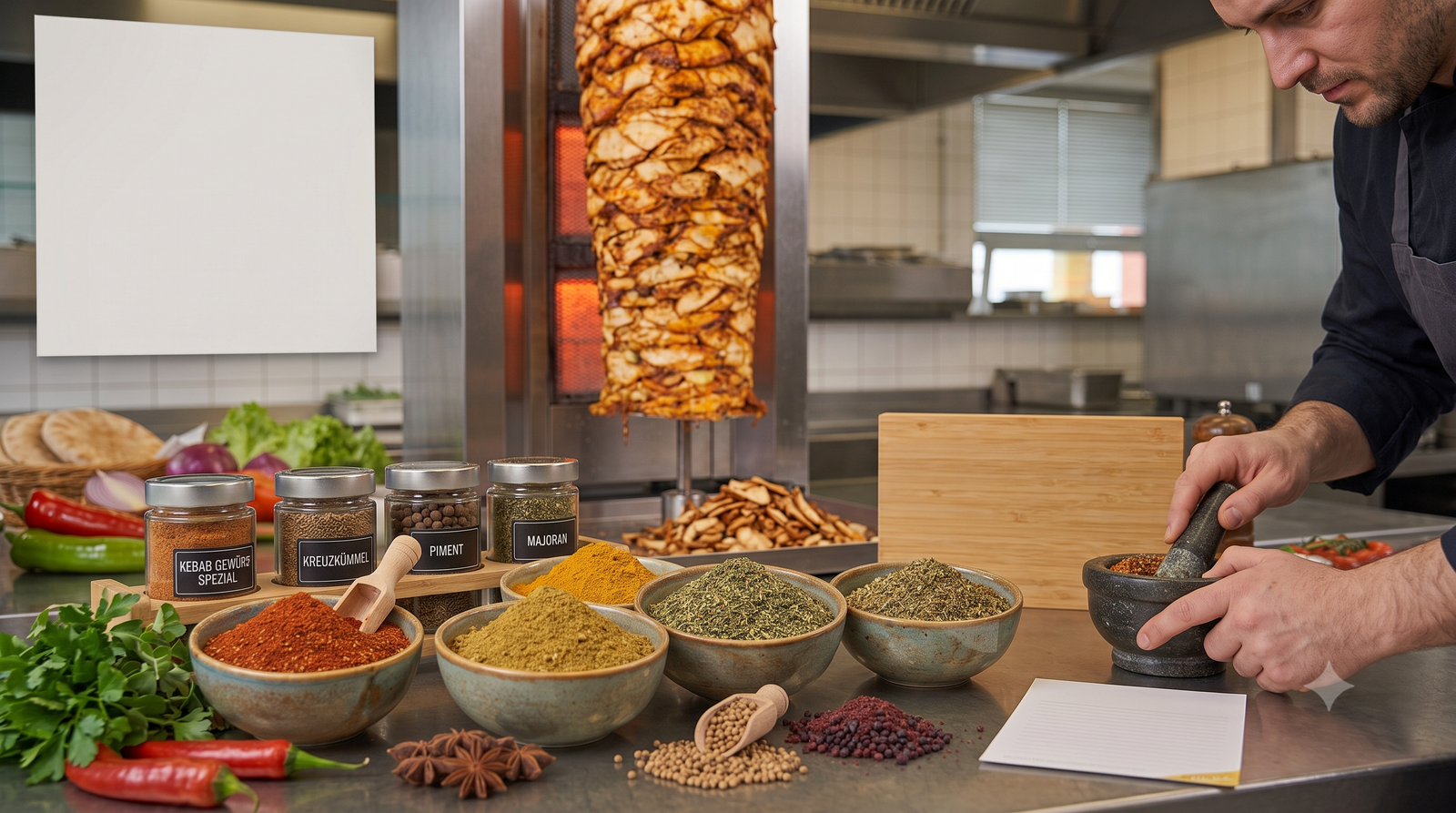 Making Your Own Döner Spice Mix: Recipes for the Gastronomy Industry → In-House Production for Better Flavor Control and Cost EfficiencyRead more
Döner kebab is a global favorite, and the secret to its irresistible flavor lies in the spice mix used to season the...
-
 The Ultimate Guide: Pizza Vending Machines – Earnings, Costs & Experiences in the 24/7Read more
More and more restaurateurs and resourceful entrepreneurs are discovering the enormous potential of pizza vending...
-
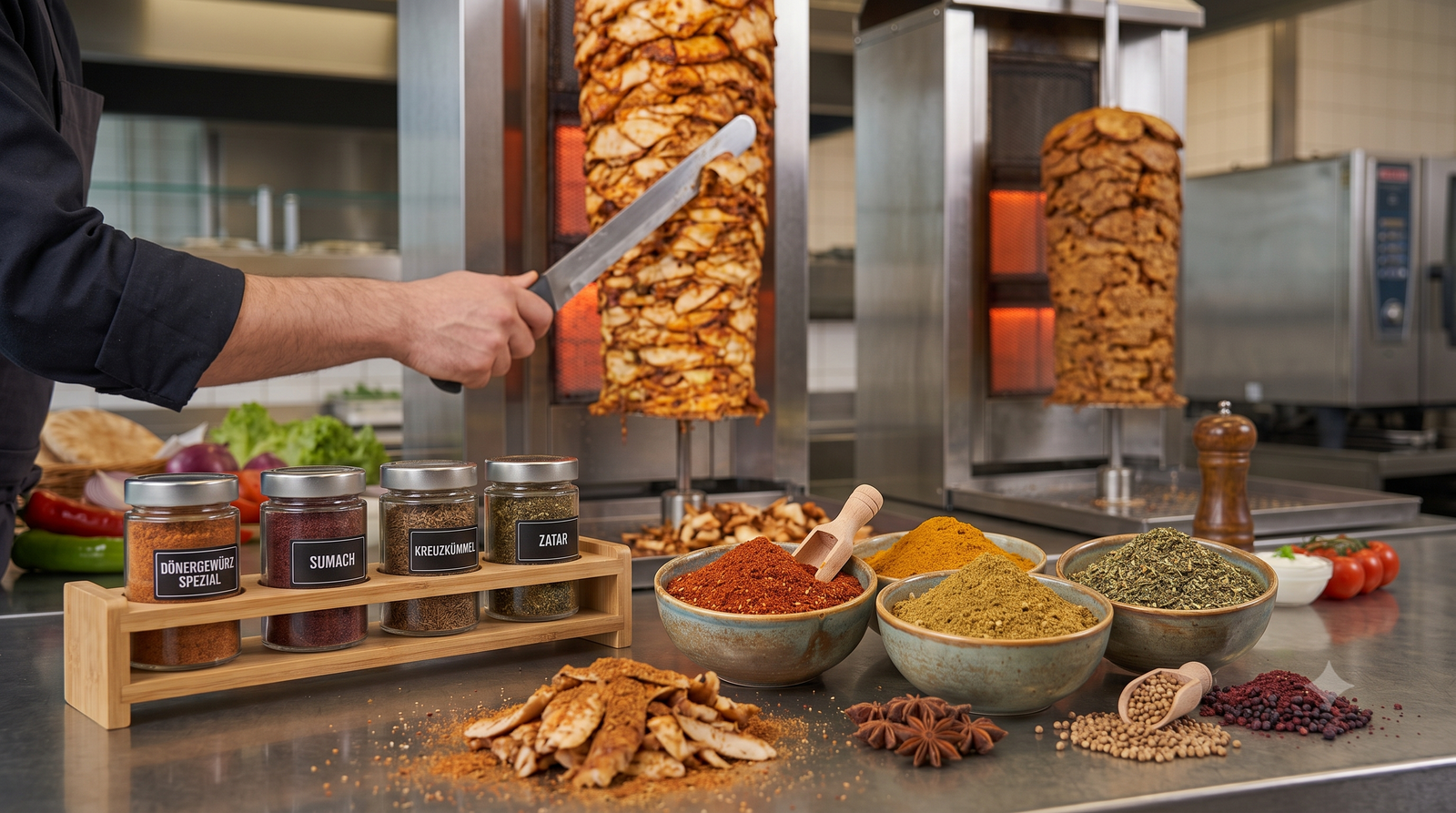 Professional Döner Meat Seasoning: Recipe & Spice Blend → Authentic Mixes for Consistent QualityRead more
Döner kebab is a global favorite, celebrated for its juicy, flavorful meat and aromatic spices. Achieving authentic...
Blog categories
Search in blog
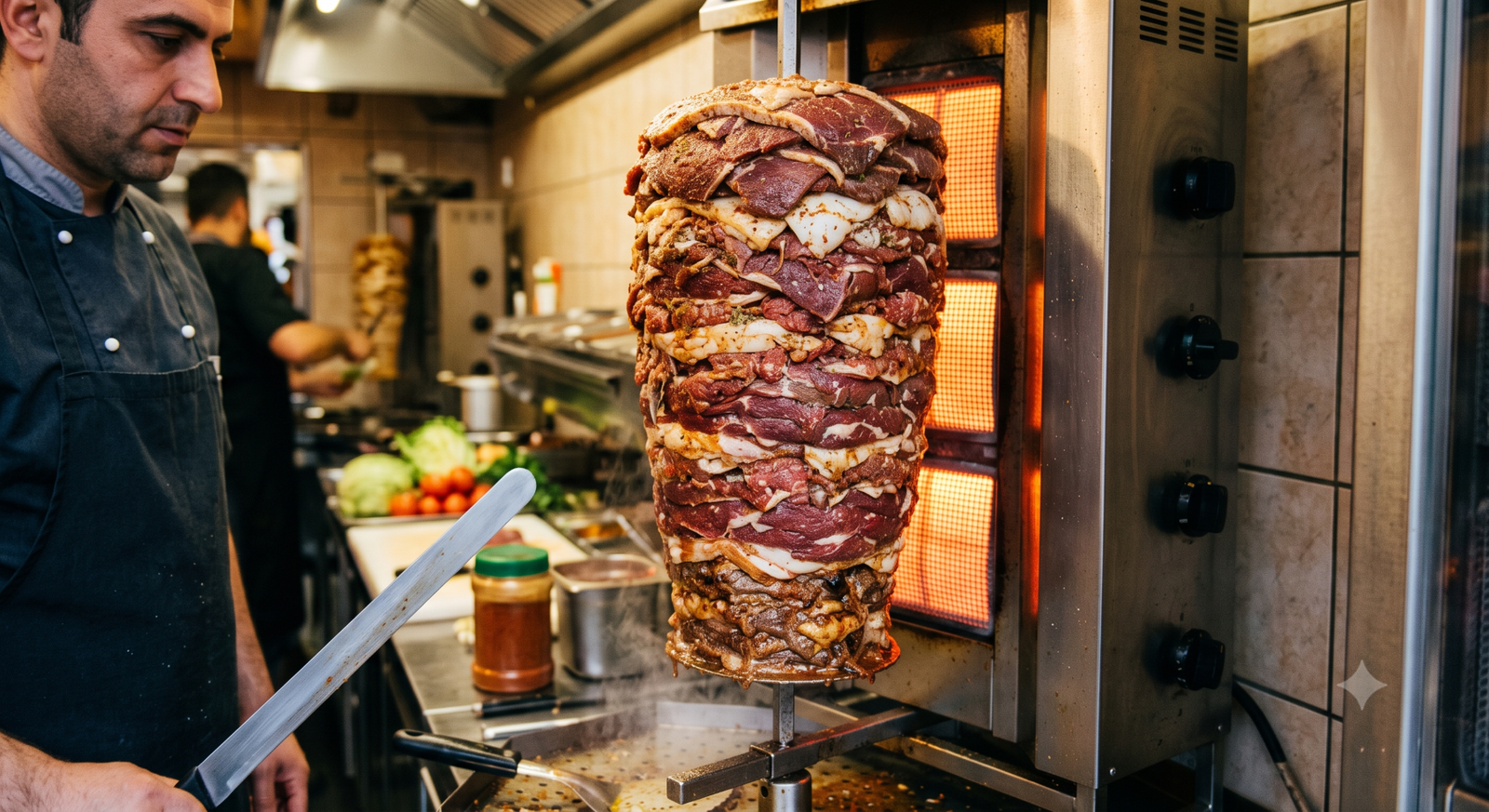
Which Meat Is Best for Döner Kebab? → Meat Selection, Quality Criteria, and Supplier Recommendations
Which Meat Is Best for Döner Kebab? → Meat Selection, Quality Criteria, and Supplier Recommendations
The Döner kebab is a culinary icon, beloved by millions worldwide. Originating from Turkey, this delicious dish has become a staple in many countries, especially in Germany, where it has been adapted and perfected over decades. One of the most critical components of a great Döner is the meat used on the spit. But which meat is best suited for the Döner kebab? What quality criteria should you consider, and where can you source the best meat? This comprehensive guide dives deep into these questions to help you make informed decisions for your Döner business or personal cooking.
Understanding the Döner Kebab Meat Tradition
The traditional Döner kebab meat is made from lamb or a mixture of lamb and beef, stacked and cooked on a vertical rotisserie. The slow roasting process allows the meat to cook evenly, becoming tender and flavorful. Over time, variations using chicken, veal, or even turkey have become popular, catering to different tastes and dietary preferences.
Before we explore the best meat options, it’s essential to understand the role meat plays in the Döner experience. The meat must be tender enough to slice thinly, juicy to retain moisture during roasting, and flavorful to complement the spices and sauces.
Popular Meat Choices for Döner Kebab
1. Lamb
Lamb is the traditional and most authentic meat for Döner kebab. It offers a rich, distinctive flavor and a tender texture when prepared correctly. The preferred cuts are usually from the shoulder or leg, which have a good balance of meat and fat. Fat content is crucial because it melts during cooking, keeping the meat moist and flavorful.
Pros:
- Authentic flavor
- Rich and juicy
- Good fat content for roasting
Cons:
- Can be more expensive than other meats
- Some consumers avoid lamb due to its strong flavor
2. Beef
Beef is another popular choice, especially in regions where lamb is less common or more expensive. Lean cuts such as chuck or brisket are often used. Beef offers a milder flavor compared to lamb, appealing to a broader audience. However, because beef is leaner, it sometimes requires additional fat or marinating to maintain juiciness.
Pros:
- Milder taste, widely accepted
- Generally more affordable
- Good texture when marinated properly
Cons:
- Leaner cuts can dry out if not prepared correctly
- Less traditional flavor
3. Chicken
Chicken Döner has gained popularity as a leaner, healthier alternative. It is especially common in fast-food Döner shops and for consumers seeking lower fat content. Chicken thighs are preferred over breasts due to their higher fat content and juiciness. Chicken requires careful marination and seasoning to ensure it remains tender and flavorful.
Pros:
- Lower fat and calories
- Widely accepted and popular
- More affordable
Cons:
- Less traditional
- Can dry out if overcooked
- Requires strong seasoning to enhance flavor
4. Veal and Turkey
Veal and turkey are less common but sometimes used for specialty Döner variants. Veal offers a delicate flavor and tender texture but is more expensive and less widely available. Turkey is similar to chicken but with a slightly stronger flavor and leaner meat.
Key Quality Criteria for Döner Meat
Regardless of the meat type, certain quality criteria must be met to ensure the best Döner experience:
1. Freshness
Fresh meat is essential. Avoid frozen or previously frozen meat, as freezing can alter the texture and moisture retention. Fresh meat ensures better flavor and juiciness.
2. Fat Content
Fat is crucial for Döner meat, as it melts during cooking and keeps the meat moist. A fat content of around 15-20% is ideal. Too little fat can result in dry meat, while too much can cause excessive grease.
3. Cut Selection
Choosing the right cuts is vital. For lamb, shoulder and leg cuts are preferred. For beef, chuck and brisket are good options. For chicken, thighs are better than breasts.
4. Meat Texture
The meat should be tender but firm enough to slice thinly. Overly soft meat can fall apart, while tough meat is hard to chew.
5. Ethical and Sustainable Sourcing
Consumers increasingly value ethically raised and sustainably sourced meat. Look for suppliers who provide traceability, animal welfare certifications, and environmentally friendly practices.
6. Hygiene and Safety Standards
Meat suppliers must adhere to strict hygiene and food safety standards to prevent contamination and ensure product quality.
Marination and Preparation
The quality of the raw meat is only part of the equation. Proper marination and preparation are essential to enhance flavor and tenderness. Typical Döner marinades include yogurt, garlic, onion, paprika, cumin, coriander, and other spices. The marination time can range from several hours to overnight, allowing the flavors to penetrate deeply.
Additionally, layering the meat correctly on the spit is important. Fatty pieces are often placed in the middle to keep the meat moist, while leaner cuts are layered on the outside.
Recommended Meat Suppliers for Döner Kebab
Finding reliable meat suppliers is crucial for Döner businesses. Here are some recommendations based on quality, reliability, and reputation:
1. Local Butchers and Meat Markets
Local butchers often provide fresh, high-quality meat with the option to select specific cuts and fat content. Building a relationship with a trusted butcher can ensure consistent supply and customized products.
2. Specialized Döner Meat Suppliers
In many countries, specialized suppliers focus exclusively on Döner meat, offering pre-marinated or raw cuts tailored for the Döner spit. Examples include:
- Germany: Companies like Güllüoglu Fleischwaren or Öz Döner supply Döner meat to restaurants nationwide.
- Turkey: Local suppliers in Istanbul and Ankara provide traditional lamb and beef cuts.
3. Wholesale Meat Distributors
Large wholesale distributors often provide competitive pricing and bulk quantities. Examples include Metro, Sysco, or regional wholesalers. Ensure they meet your quality and freshness standards.
4. Organic and Sustainable Meat Suppliers
For businesses aiming to offer premium or organic Döner, suppliers specializing in organic lamb, beef, or chicken are available. Examples include Bioland certified farms in Germany or Organic Valley in the US.
Tips for Selecting the Best Meat Supplier
- Request Samples: Always ask for samples to test flavor, texture, and cooking behavior.
- Check Certifications: Verify hygiene, animal welfare, and organic certifications.
- Evaluate Delivery Logistics: Freshness depends on timely delivery and proper refrigeration.
- Negotiate Terms: Discuss pricing, minimum order quantities, and payment terms upfront.
- Ask for References: Speak with other Döner businesses about their supplier experiences.
Conclusion
Choosing the right meat for Döner kebab is a blend of tradition, quality, and practical considerations. Lamb remains the gold standard for authenticity and flavor, but beef and chicken offer versatile and popular alternatives. Key quality criteria such as freshness, fat content, and ethical sourcing should guide your selection.
Equally important is partnering with reliable suppliers who understand your needs and maintain high standards. Whether you’re a Döner shop owner or a home cook, investing time in selecting the right meat and preparation methods will pay off in delicious, juicy, and authentic Döner kebabs that keep customers coming back for more.
Happy Döner making!
Author's note: This guide is designed to help you navigate the complex world of Döner meat selection. Always consider local regulations and consumer preferences when sourcing and preparing meat.
Related posts
-
 More Than Just Fast Food - All You Need to Know
System Gastronomy: Learn more about this exciting business model. From Fast Food to Casual Dining - we explain...Read more
More Than Just Fast Food - All You Need to Know
System Gastronomy: Learn more about this exciting business model. From Fast Food to Casual Dining - we explain...Read more -
 The 10 Most Expensive Restaurants in the World
When it comes to fine dining and luxurious culinary experiences, some restaurants around the globe capture attention...Read more
The 10 Most Expensive Restaurants in the World
When it comes to fine dining and luxurious culinary experiences, some restaurants around the globe capture attention...Read more -
 Which Restaurant Makes the Most Revenue? A Deep Dive into the World of Gastronomy
Who are the revenue giants in the gastronomy industry? We reveal the top players and analyze why they are so...Read more
Which Restaurant Makes the Most Revenue? A Deep Dive into the World of Gastronomy
Who are the revenue giants in the gastronomy industry? We reveal the top players and analyze why they are so...Read more -
 Boost Your Restaurant's Revenue with Pergolas and Louvered Roofs
Ever wondered how to make your restaurant more appealing and increase your sales? The answer might be simpler than...Read more
Boost Your Restaurant's Revenue with Pergolas and Louvered Roofs
Ever wondered how to make your restaurant more appealing and increase your sales? The answer might be simpler than...Read more -
 The World of Döner: From Traditional Recipes to the Best Döner Spots Worldwide
Learn how to make authentic Yaprak Döner, discover the best döner spots in Germany and worldwide, and explore the...Read more
The World of Döner: From Traditional Recipes to the Best Döner Spots Worldwide
Learn how to make authentic Yaprak Döner, discover the best döner spots in Germany and worldwide, and explore the...Read more
Leave a comment