Deutsch
 Türkçe
 Italiano
 Nederlands
 Français
 Español
 Polski
 Čeština
 Svenska
 Português PT
 Русский
 اللغة العربية
 中文
 日本語
 Tiếng Việt
 ภาษาไทย
 Română
 ελληνικά
 Magyar
 Dansk
 Suomi
 Hrvatski
 български език
 Eesti keel
 Latviešu valoda
 Slovenčina
 Slovenščina
 Bosanski
 עברית
 हिन्दी
 Bahasa melayu
 Kiswahili
 Bahasa Indonesia
 Papiamento
 Bokmål
 Lietuvių kalba
 Українська
 српски
 Shqip









 ›
 ›
 ›
 ›
 ›
 ›
 ›
 ›
 ›
 ›
 ›
 ›
 ›
 ›
 ›


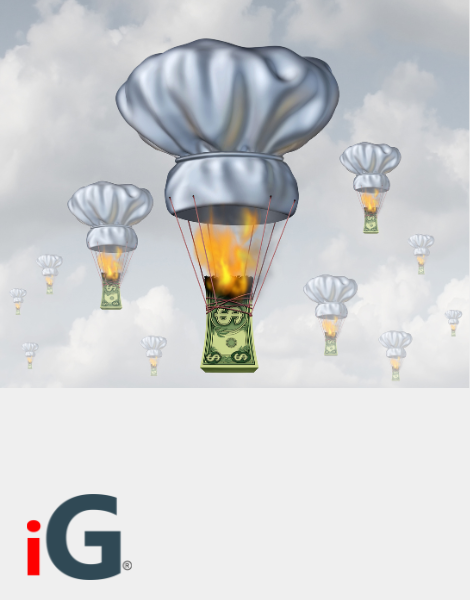
In short: To reduce restaurant costs, start with the largest items: food cost, energy and staff. Accurate stocktaking, standardized portions, efficient equipment and flexible shift schedules lower expenses without compromising quality. The key is to analyze costs regularly and keep adjusting your measures.
Why cost control in foodservice matters so much in 2026
Rising prices for food, energy and staff put many businesses under pressure. If you know your cost structure, you can take targeted action and improve profitability instead of cutting quality across the board.
The overview below shows which cost areas you should typically review and where the first step lies.
| Cost area | Typical levers | First step |
|---|---|---|
| Food (food cost) | Portion control, seasonal produce, supplier comparison | Introduce regular stocktaking |
| Energy | LED lighting, efficient equipment, insulation | Estimate equipment energy consumption |
| Staff | Shift planning, training, motivation | Align staffing with guest volume |
| Marketing | Social media, guest loyalty, partnerships | Identify the most effective channels |
| Operations | Maintenance, waste, insurance | Create a maintenance schedule |
| Equipment | Leasing, used purchases, storage organization | Compare total cost per appliance |
Optimizing food costs
Food cost is one of the largest cost blocks in many restaurants. This is often where you can save the fastest.
Accurate stocktaking
Regular stocktaking shows actual consumption and helps minimize food waste. Differences between target and actual figures become visible early.
Controlling portion sizes
Standardized portion sizes prevent overproduction and reduce food loss. At the same time, quality remains consistent for your guests.
Using seasonal produce
Seasonal ingredients are often less expensive and offer unique flavors. A menu built around the seasons can combine both benefits.
Comparing suppliers
Negotiate prices with your suppliers and look for more affordable alternatives. When comparing, consider quality, delivery reliability and terms alongside price.
Reducing energy costs
Kitchens consume a lot of electricity and gas. Even small changes to daily routines affect the bill.
Optimizing kitchen lighting
Use LED lights and switch off lighting in unused areas. LEDs require significantly less electricity than conventional bulbs and last longer.
Using kitchen equipment efficiently
Switch equipment off after use and choose energy-efficient models when buying new appliances. You can estimate how much individual appliances consume with the energy cost calculator for foodservice equipment.
Improving thermal insulation
Invest in good insulation to minimize heat loss. This applies equally to buildings, cold rooms and hot-holding equipment.
Optimizing staff costs
Apart from food cost, staff is usually the second largest cost block. The goal is staffing that matches actual guest volume.
Flexible working time models
Part-time employees and flexible shift plans help reduce staff costs. Observe labor law requirements and clarify any open questions with a qualified professional.
Training employees
Well-trained employees work more efficiently and make fewer mistakes. This reduces waste and rework.
Encouraging employee motivation
Motivated employees are more productive and stay with the company longer. This saves the costs of recruiting and onboarding replacements.
Optimizing marketing costs
Social media marketing
Social media offers broad reach for attracting guests at low cost. Regular posts about dishes and promotions are a good start.
Guest loyalty programs
Reward regular guests and encourage them to return. Keeping existing guests is usually cheaper than winning new ones.
Local partnerships
Work with other businesses in your area to refer customers to each other. Joint promotions spread the costs across several partners.
Reducing operating costs
Planning maintenance
Regular maintenance of equipment and systems prevents expensive repairs and unplanned downtime. A fixed maintenance schedule also ensures more efficient operations.
Optimizing recycling
Reduce waste volumes and use recycling programs. Clean separation of waste can lower disposal costs.
Reviewing insurance
Compare insurance offers and check whether premiums and coverage fit your business. The cheapest option only makes sense if it covers the risks you actually face.
Optimizing equipment
Equipment purchases can tie up capital or help preserve it. The following table compares the three common approaches.
| Option | Advantage | What to watch for |
|---|---|---|
| Leasing | Lower upfront costs, liquidity is preserved | Compare total costs over the contract term |
| New purchase | Current technology, warranty, often better energy efficiency | Higher initial investment |
| Used purchase | Lower acquisition costs | Condition, warranty, energy consumption, repair risk |
Leasing instead of buying
Lease expensive equipment such as refrigerators or dishwashers to reduce upfront investment. It is best to clarify tax implications with your tax advisor.
Considering used equipment
Buy used equipment and furniture where this is possible. Check the condition carefully, as older appliances may consume more energy.
Optimizing storage space
Use your existing storage space effectively and avoid unnecessary storage costs. The free 3D kitchen planner can also help you check whether equipment and storage areas are arranged sensibly. For questions about choosing equipment, the personal consultation from iGastroNomic is available.
Reducing waste
Composting
Compost food scraps to reduce the volume of residual waste. Check in advance which rules apply to organic waste in your region.
Reusable instead of single-use
Use reusable tableware and packaging to avoid plastic waste. This lowers ongoing packaging costs and is well received by many guests.
Donating surplus food
Donate surplus food to local food banks or animal shelters. Observe the applicable hygiene and food safety regulations.
Using customer feedback
Collecting customer feedback
Use feedback from your guests to identify areas for improvement and reduce costs. This works through review platforms, conversations and short surveys.
Analyzing guest behavior
Analyze orders to identify popular dishes and adjust your menu accordingly. Rarely ordered dishes with complex sourcing can be removed in a targeted way.
Using technology
Point-of-sale systems with inventory management
Modern POS systems with integrated inventory management optimize ordering and simplify stocktaking. They also show which items sell well.
Online ordering systems
Online orders speed up the ordering process and can reduce staff costs. Fewer phone calls and follow-up questions relieve the service team.
Digital guest loyalty
Digital loyalty programs help collect guest information and communicate in a targeted way. Make sure data protection requirements are met.
Regular review
Cost reduction is not a one-off project. This is how you can proceed sustainably:
- Cost analysis: Carry out cost analyses regularly to identify weak points and potential for improvement.
- Implement measures: Consistently put the agreed measures into practice.
- Optimize continuously: Adapt your strategies to changing market conditions.
Conclusion
If you want to reduce restaurant costs, you do not need drastic cuts but a structured approach. Food, energy, staff, marketing, operations, equipment and waste each offer concrete levers. With regular cost control and a willingness to adjust your measures, restaurant owners can improve profitability and stay competitive.
FAQ – Frequently Asked Questions
How can I reduce costs in my restaurant the fastest?
The fastest results usually come from measures affecting food cost and energy: stocktaking and standardized portions reveal losses, while switching off equipment and using LED lighting reduce electricity consumption. Start with a cost analysis to identify the largest items, and tackle those first. This way you save without losing quality.
Which costs are typically highest in foodservice?
Food cost and staff are usually the largest cost blocks, followed by rent, energy and other operating costs. The distribution depends heavily on concept, location and kitchen equipment. It is therefore worth looking at your own operating accounts rather than relying only on industry benchmarks.
Is leasing or buying used foodservice equipment worthwhile?
Leasing protects liquidity but is usually more expensive over the term than buying. Used equipment saves acquisition costs but may cause higher energy and repair costs. Calculate total costs over the service life and have tax questions checked by your tax advisor.
How do I reduce energy costs in a restaurant kitchen?
Rely on LED lighting, switch equipment off after use and improve insulation. When buying equipment, pay attention to energy efficiency and maintain refrigeration and cooking equipment regularly. An energy cost calculator helps you estimate the consumption of individual appliances and see where optimization is worthwhile.