
 Deutsch
 Türkçe
 Italiano

.jpg)
.jpg)
.jpg)
.jpg)
.jpg)
.jpg)
.jpg)
.jpg)
.jpg)
.jpg)

.jpg)

.jpg)
.jpg)
.jpg)
.jpg)
.jpg)
.jpg)
.jpg)
.jpg)
.jpg)
.jpg)



.jpg)
.jpg)
.jpg)
.jpg)
.jpg)
.jpg)
.jpg)
.jpg)
.jpg)



.jpg)
.jpg)

.jpg)
.jpg)
.jpg)
.jpg)


.jpg)

.png)
.jpg)
.jpg)
 (200 x 136 px) (5).png)
.png)

Döner meat is a popular and delicious dish, but it’s also highly perishable. Proper storage is key to maintaining its...
-
 Cooking Appliances
add remove
Cooking Appliances
add remove -
-
Pizza & Grill
add remove
-
-
Refrigeration
add remove
-
-
Combi Steamer
add remove
-
-
Kitchen Appliances
add remove
-
-
Rinsing & Cleaning
add remove
-
-
Retail Refrigeration
add remove
-
-
Cafe & Ice Cream
add remove
-
-
Smart-Gastro
add remove
-
-
Event- & Cateringmöbel
-
Cooking Appliances
add remove
-
-
Pizza & Grill
add remove
-
-
Refrigeration
add remove
-
-
Combi Steamer
add remove
-
-
Kitchen Appliances
add remove
-
-
Rinsing & Cleaning
add remove
-
-
Retail Refrigeration
add remove
-
-
Cafe & Ice Cream
add remove
-
-
Smart-Gastro
add remove
-
-
Event- & Cateringmöbel


Call us:
+49 (0) 6135 7040 450Latest posts
-
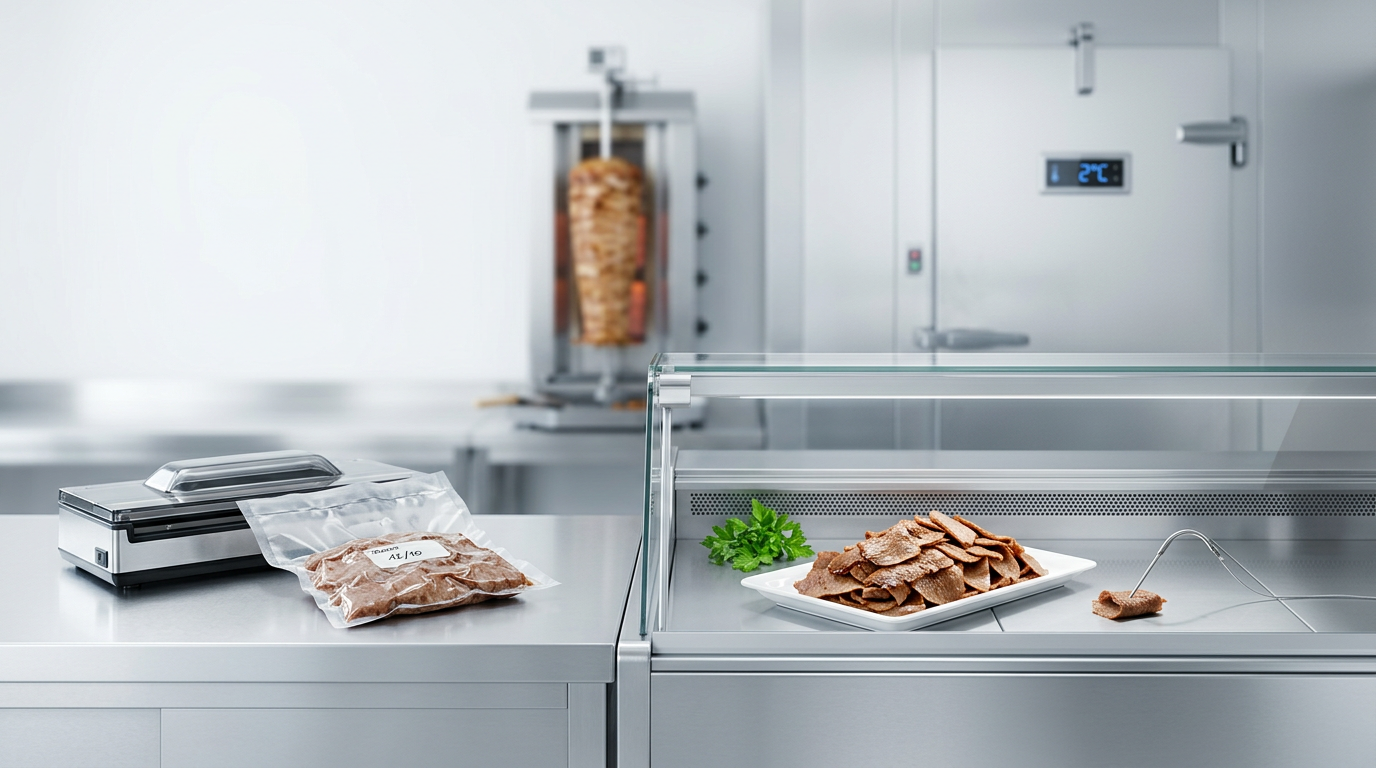 Shelf Life of Döner Meat: Cooling, Freezing & Fresh Counter Storage – Proper Handling to Prevent Food WasteRead more
 -
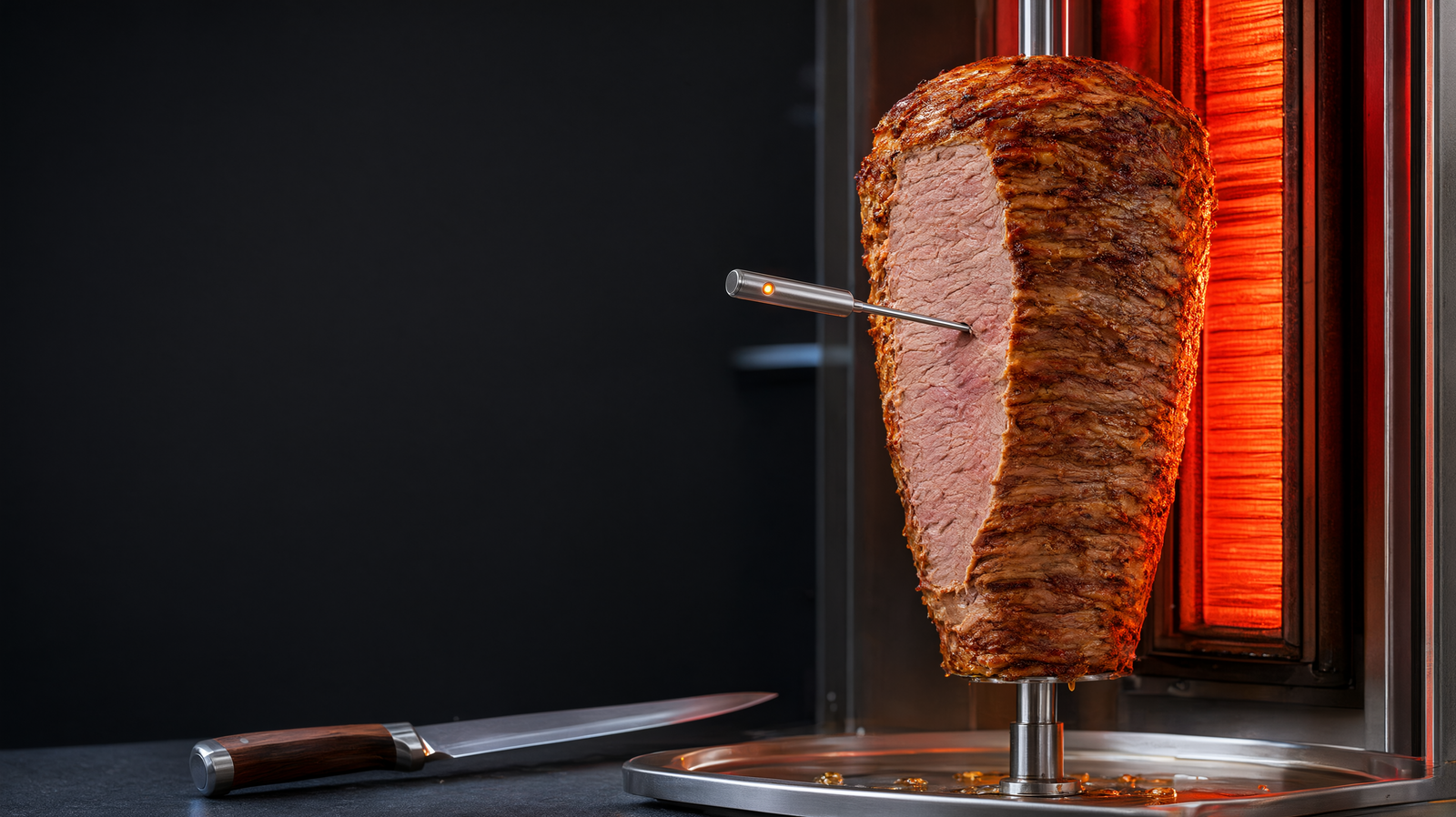 How Long Does a Döner Kebab Spit Last on the Grill? → Stand Times, Core Temperature, and Replenishment Planning in BusinessRead more
The Döner kebab spit is a cornerstone of many street food businesses, but managing how long it stays on the grill is...
-
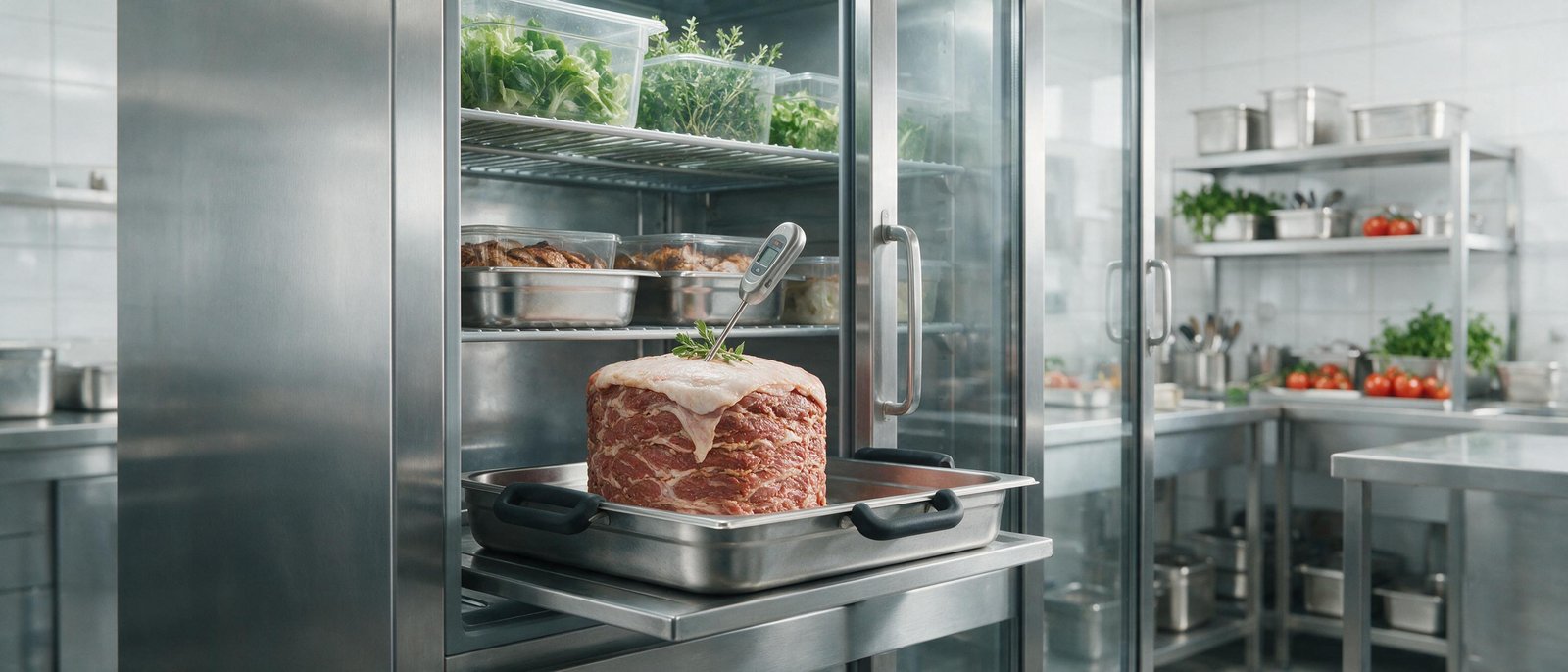 Proper Storage of Döner Meat: Regulations & Food Safety → HACCP-Compliant Storage According to German Food Hygiene RegulationsRead more
Döner meat is a popular and perishable food product that requires careful storage to maintain its safety and quality....
-
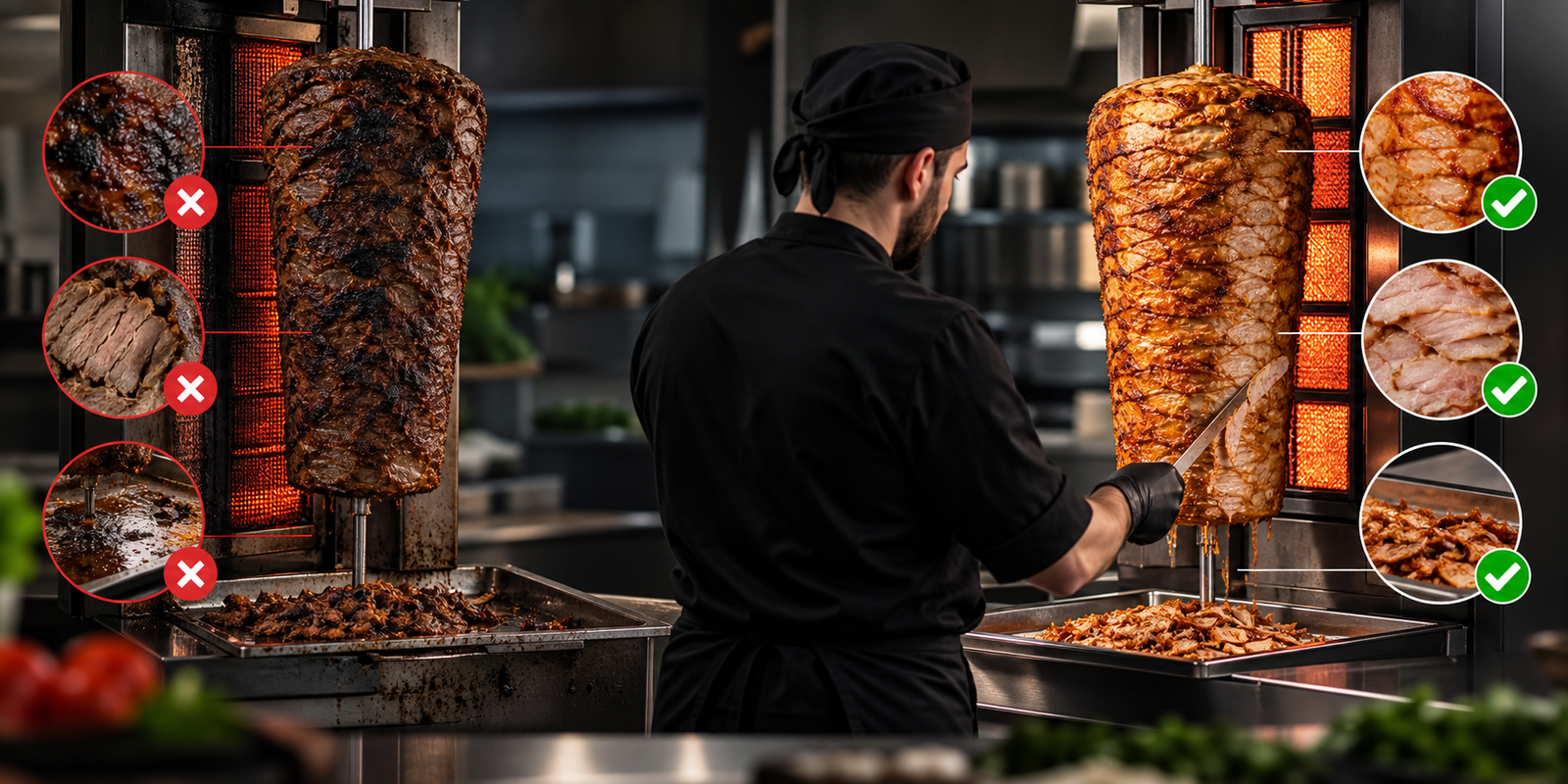 Common Mistakes When Grilling Döner – And How to Avoid Them: Identifying and Fixing Typical Preparation Errors in the Gastronomy IndustryRead more
The Döner kebab is a globally loved dish, but many gastronomy professionals struggle with common mistakes during its...
-
 What Makes Good Döner Meat So Tender and Flavorful? → Quality Characteristics and Preparation Techniques for RestaurateursRead more
Döner kebab is famous worldwide for its tender, juicy, and flavorful meat. But what exactly makes Döner meat so...
-
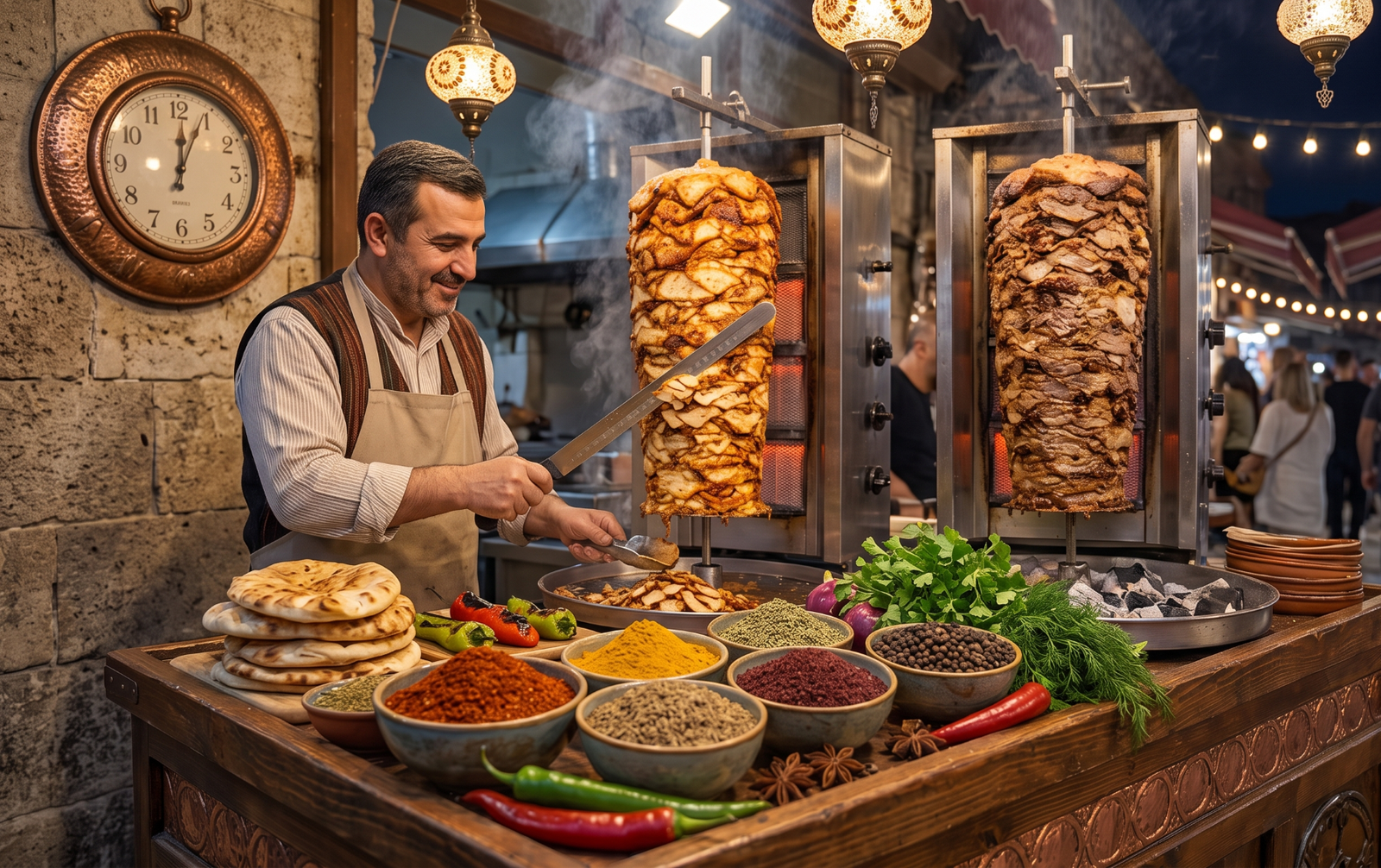 How to Slice Döner Meat Perfectly: Professional Techniques with Döner Knives and Electric SlicersRead more
Döner kebab is renowned for its thin, juicy slices of meat cooked on a vertical spit. Achieving perfect slices...
-
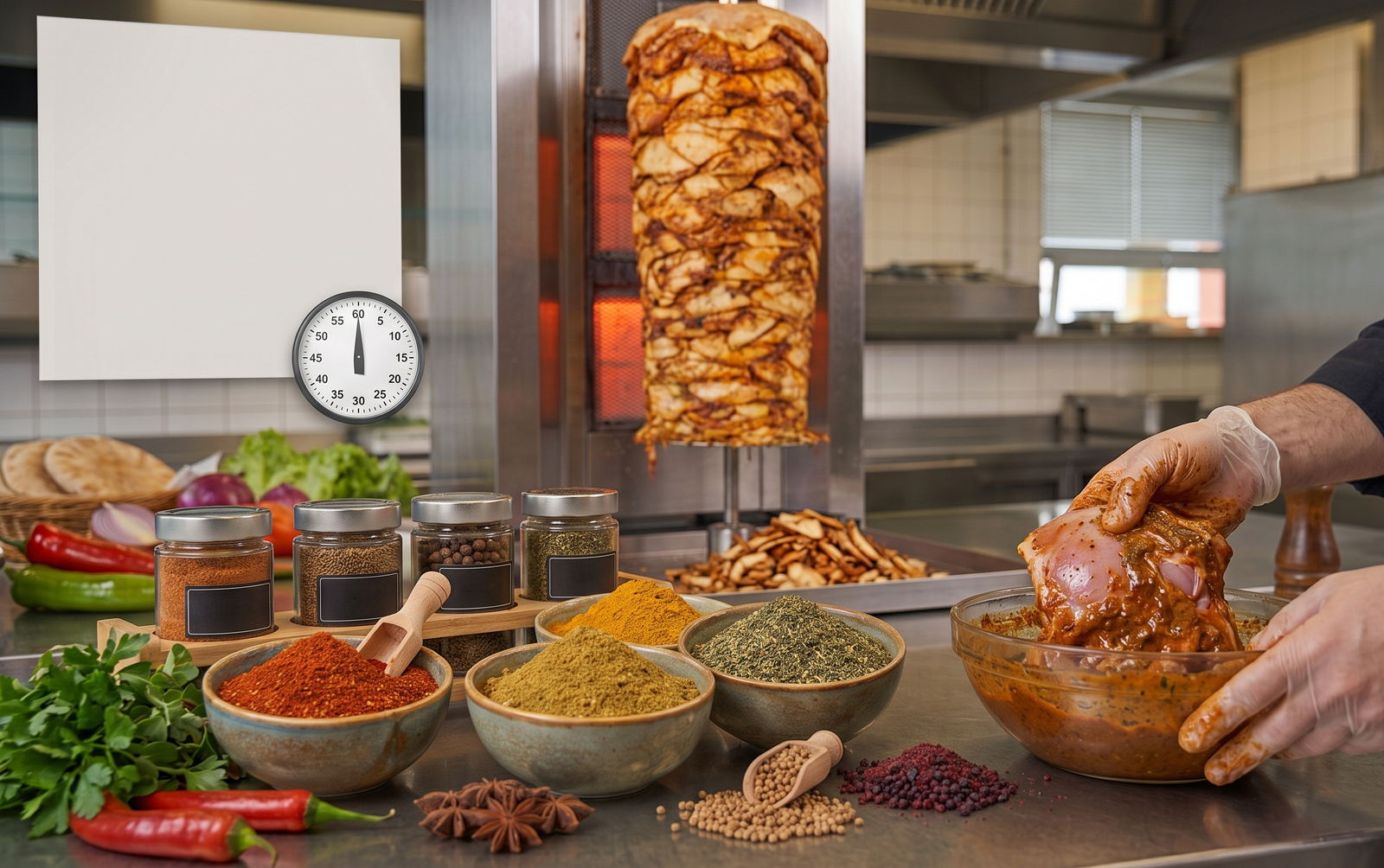 Döner Meat Marinade: Marinating Time and Professional Preparation → Optimal Preparation for Maximum Flavor and TendernessRead more
Döner kebab is famous worldwide for its juicy, flavorful meat, and the key to its perfection lies in the marinade and...
-
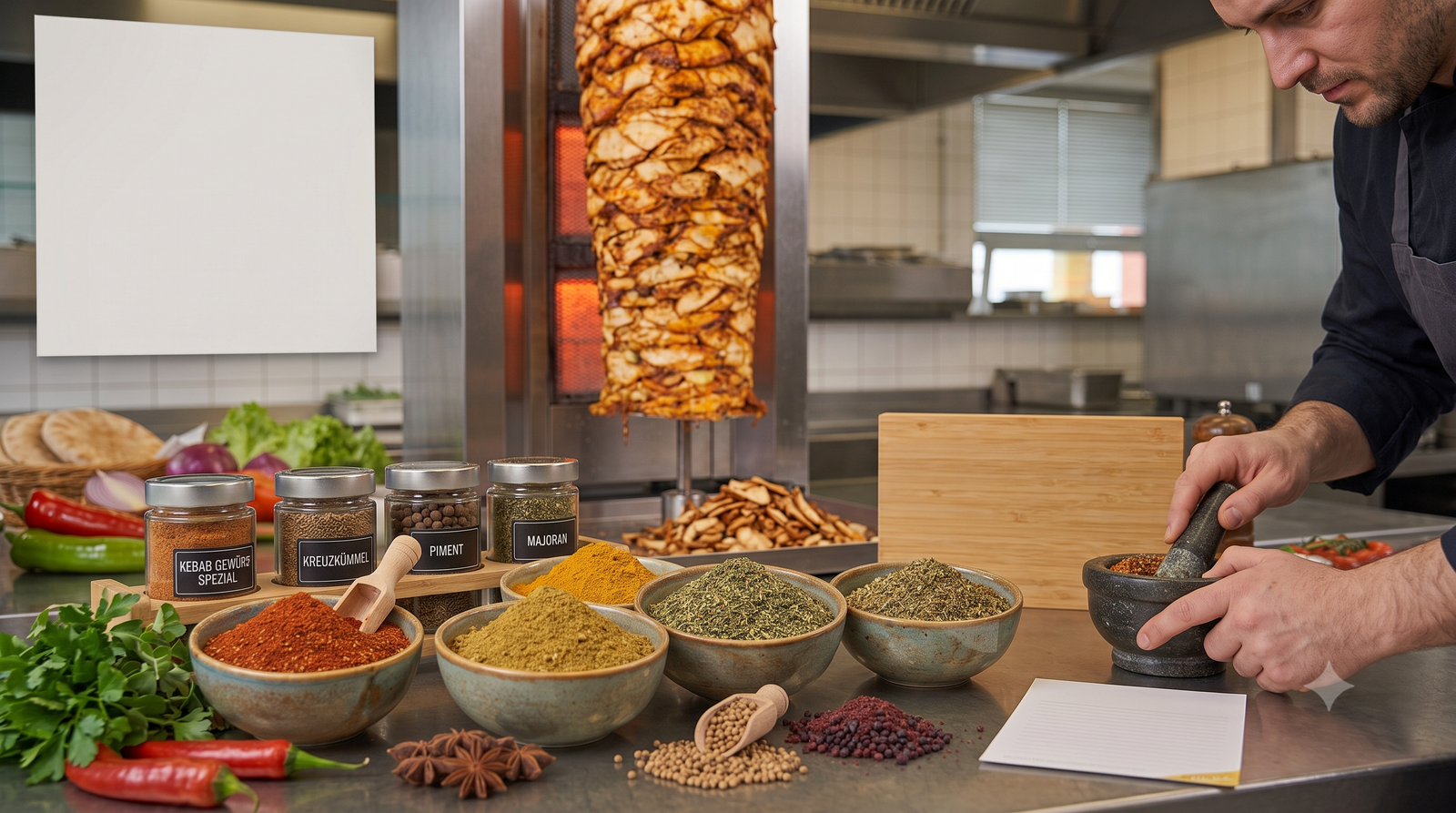 Making Your Own Döner Spice Mix: Recipes for the Gastronomy Industry → In-House Production for Better Flavor Control and Cost EfficiencyRead more
Döner kebab is a global favorite, and the secret to its irresistible flavor lies in the spice mix used to season the...
-
 The Ultimate Guide: Pizza Vending Machines – Earnings, Costs & Experiences in the 24/7Read more
More and more restaurateurs and resourceful entrepreneurs are discovering the enormous potential of pizza vending...
-
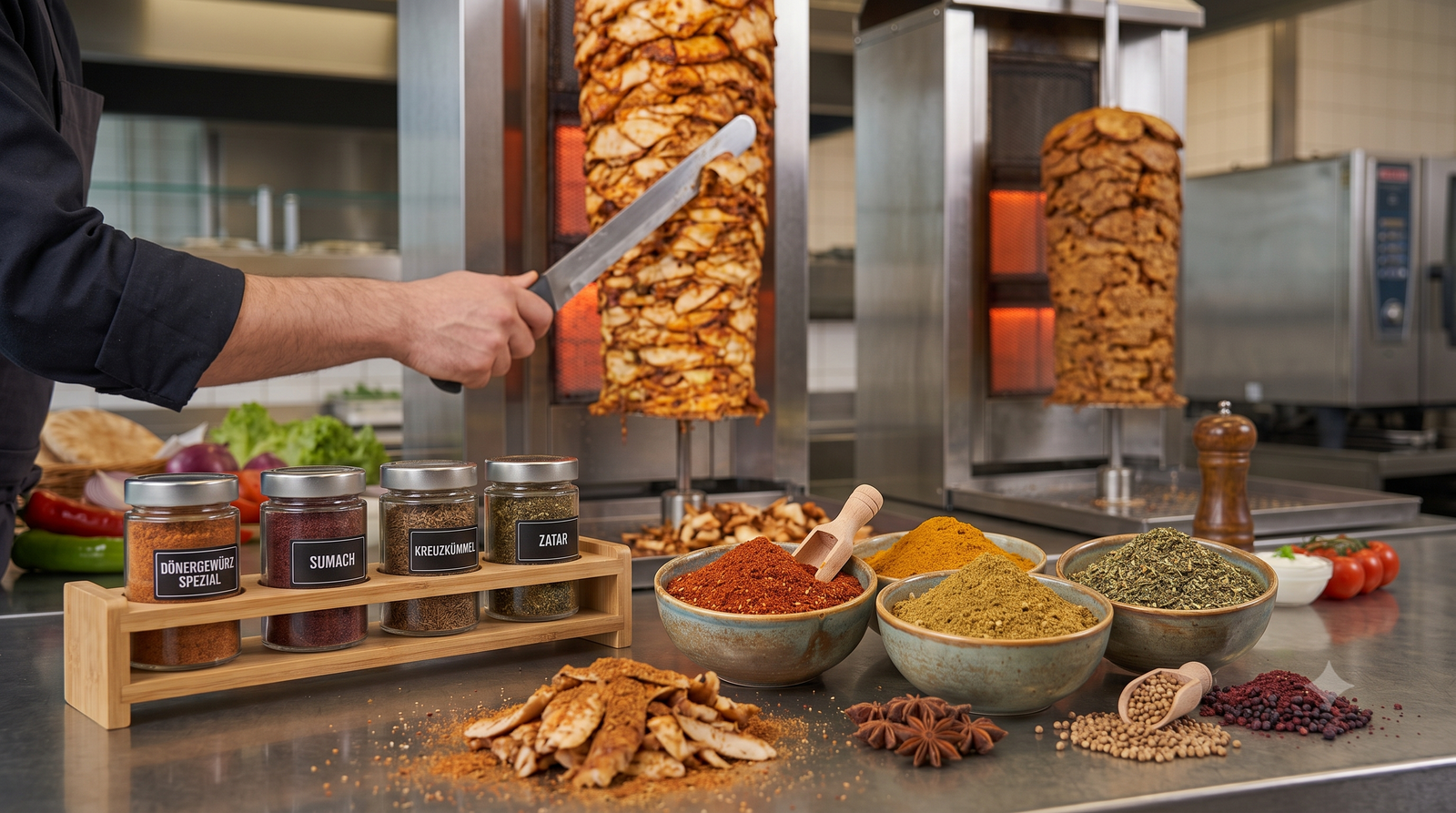 Professional Döner Meat Seasoning: Recipe & Spice Blend → Authentic Mixes for Consistent QualityRead more
Döner kebab is a global favorite, celebrated for its juicy, flavorful meat and aromatic spices. Achieving authentic...
Blog categories
Search in blog

What the Health Department Really Inspects in Restaurants – And Which Equipment is Important for Hygiene
Dear Readers,
Imagine stepping into a restaurant. The aroma of freshly prepared dishes wafts through the air, the atmosphere is inviting, and the anticipation for the meal grows. But what happens behind the scenes before your dish lands on the table? One important factor that ensures unclouded enjoyment is the work of the health department. And: Which devices support restaurateurs in implementing the high hygiene standards?
The Role of the Health Department
The health department, more specifically the food inspection service, plays a crucial role in monitoring and ensuring hygiene and food safety in gastronomic establishments. These inspections are essential to protect consumers from health risks and maintain trust in the restaurant industry.
What is Inspected?
Health department inspectors examine a variety of aspects:
- Hygiene: Cleanliness in all areas, from the kitchen and storage rooms to the sanitary facilities.
- Food: Quality, storage, processing, and labeling of food.
- Personnel: Hygiene of employees, training, and health certificates.
- HACCP Concept: Existence and implementation of an in-house system for hazard analysis and critical control points.
- Infection Control: Measures to prevent the spread of diseases.
- Documentation: Records of self-monitoring, training, and cleaning plans.
Which Devices are Important for Hygiene?
To meet the high hygiene standards, various devices are used in gastronomic establishments:
- Cleaning and Disinfection Equipment: High-pressure cleaners, steam cleaners, scrubber-dryers for thorough cleaning and disinfection of surfaces and floors.
- Dishwashers: Professional dishwashers with high temperatures and special programs for hygienic cleaning of dishes and cutlery.
- Refrigeration and Freezer Equipment: Refrigerators and freezers with reliable temperature control for storing food.
- Temperature Measuring Devices: Thermometers for checking the core temperature of food and for monitoring the storage temperature in refrigerators and freezers.
- HACCP Documentation: Software solutions or digital systems for recording and documenting HACCP-relevant data, such as temperature checks, cleaning schedules.
- Hygiene Dispensers: Soap and disinfectant dispensers for personal hygiene.
What Does an Inspection Look Like?
Inspections are usually carried out unannounced to provide a realistic insight into operating conditions. The inspectors check compliance with legal regulations and, if necessary, issue recommendations or orders to rectify deficiencies. In the event of serious violations, fines may also be imposed or, in the worst case, the business may even be closed.
What Does This Mean for Restaurateurs?
For restaurateurs, it is crucial to take hygiene and safety standards seriously and implement them continuously. This also includes the purchase and maintenance of the necessary equipment. This includes:
- Regular training of employees in the use of the equipment
- Thorough cleaning and disinfection of all areas with suitable equipment
- Proper storage and processing of food with suitable refrigeration equipment
- Creation and implementation of an HACCP concept with the help of documentation systems
- Open communication with the health department
Conclusion
Health department inspections are an important part of quality assurance in the restaurant industry. They serve to protect consumers and help to strengthen trust in the industry. By meeting the high standards, investing in suitable equipment, and maintaining open communication with the health department, restaurateurs can make a significant contribution to ensuring that your restaurant visit is an all-round positive experience.
Posted in:
Tips & Tricks
Related posts
-
 More Than Just Fast Food - All You Need to Know
System Gastronomy: Learn more about this exciting business model. From Fast Food to Casual Dining - we explain...Read more
More Than Just Fast Food - All You Need to Know
System Gastronomy: Learn more about this exciting business model. From Fast Food to Casual Dining - we explain...Read more -
 The 10 Most Expensive Restaurants in the World
When it comes to fine dining and luxurious culinary experiences, some restaurants around the globe capture attention...Read more
The 10 Most Expensive Restaurants in the World
When it comes to fine dining and luxurious culinary experiences, some restaurants around the globe capture attention...Read more -
 Which Restaurant Makes the Most Revenue? A Deep Dive into the World of Gastronomy
Who are the revenue giants in the gastronomy industry? We reveal the top players and analyze why they are so...Read more
Which Restaurant Makes the Most Revenue? A Deep Dive into the World of Gastronomy
Who are the revenue giants in the gastronomy industry? We reveal the top players and analyze why they are so...Read more -
 Boost Your Restaurant's Revenue with Pergolas and Louvered Roofs
Ever wondered how to make your restaurant more appealing and increase your sales? The answer might be simpler than...Read more
Boost Your Restaurant's Revenue with Pergolas and Louvered Roofs
Ever wondered how to make your restaurant more appealing and increase your sales? The answer might be simpler than...Read more -
 The World of Döner: From Traditional Recipes to the Best Döner Spots Worldwide
Learn how to make authentic Yaprak Döner, discover the best döner spots in Germany and worldwide, and explore the...Read more
The World of Döner: From Traditional Recipes to the Best Döner Spots Worldwide
Learn how to make authentic Yaprak Döner, discover the best döner spots in Germany and worldwide, and explore the...Read more
Leave a comment